whoa 30秒で
- Whoa is a common interjection used to express surprise or amazement at something unexpected or impressive in casual conversation.
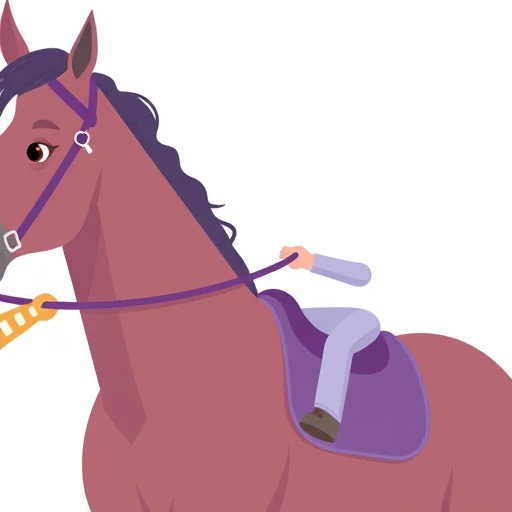
- It also functions as a command to stop or slow down, originating from its use with horses in equestrian contexts.
- The word is highly informal and is frequently used to manage the flow of a conversation when information becomes overwhelming.
- While 'whoa' is the standard spelling, the variation 'woah' is very common in digital communication and social media platforms.
The interjection whoa is one of the most versatile and frequently heard expressions in the English language, particularly within informal and semi-formal contexts. At its core, it serves as a linguistic 'brake'—a way to signal a sudden halt in either physical movement or cognitive processing. Historically rooted in the world of animal husbandry, specifically as a command to horses to stop or slow down, it has evolved into a multifaceted tool for expressing a wide range of human emotions and reactions. When someone says 'whoa,' they are essentially asking for a pause. This pause might be needed because something is moving too fast, because a piece of information is overwhelming, or because an event is so surprising that it requires a moment of mental recalibration. It is the verbal equivalent of putting your hands up to create space between yourself and an unfolding situation.
- Primary Function
- To command a physical stop or to express a sudden emotional reaction to unexpected stimuli.
- Emotional Range
- Spans from mild surprise and curiosity to intense amazement, shock, or even fear.
- Social Utility
- Used to manage the flow of conversation, prevent accidents, or acknowledge a impressive feat.
In modern usage, 'whoa' is often associated with the 'wow factor.' If you see a breathtaking sunset, a high-tech gadget, or an incredible athletic move, 'whoa' is the natural, reflexive response. It signifies that the brain has encountered something outside its normal expectations. However, it also retains its literal meaning of 'slow down.' If a friend is telling a story too quickly or if a colleague is making assumptions without all the facts, a well-placed 'whoa' acts as a gentle but firm request to re-evaluate the pace. It is also a safety word; if you see someone about to step into traffic or spill a hot drink, shouting 'whoa!' is an immediate, universally understood warning to freeze. This dual nature—part exclamation of wonder, part command for caution—makes it an essential part of the English speaker's toolkit.
“Whoa, take it easy! We don't need to finish the entire project tonight.”
Furthermore, the word has gained a specific cultural resonance through media. It is famously associated with characters who are easily impressed or who find themselves in surreal situations, most notably portrayed by actors like Keanu Reeves. This has given the word a slightly 'cool' or 'laid-back' vibe in certain contexts, where it suggests a state of being impressed but not necessarily overwhelmed. In digital communication, 'whoa' (and its common misspelling 'woah') is used to react to shocking news or impressive photos. It bridges the gap between a simple 'wow' and a more intense 'oh my god,' providing a middle ground of reaction that is appropriate for almost any casual interaction. Understanding the nuance of 'whoa' involves recognizing the tone: a long, drawn-out 'whoooooa' suggests deep amazement, while a sharp, clipped 'whoa!' suggests an immediate need to stop.
“Whoa! I didn't realize the price had gone up that much.”
The versatility of 'whoa' also extends to its use in physical settings. When walking a dog that begins to bolt, or when guiding someone who is backing up a car, 'whoa' serves as a clear, audible signal to cease movement. It is less aggressive than 'Stop!' but more authoritative than 'Wait.' This balance makes it useful in parenting, coaching, and general navigation. In the realm of debate or discussion, 'whoa' can be used to challenge a premise. If someone says, 'Since we all agree that taxes should be doubled,' a listener might interject with 'Whoa, whoa, whoa—I don't think we all agree on that at all.' Here, the repetition of the word emphasizes the degree of disagreement and the necessity of stopping the current line of reasoning immediately. It is a powerful tool for boundary-setting in social dynamics.
“Whoa, back up a second. Did you just say you're moving to Japan?”
Finally, it is important to note the spelling variation. While 'whoa' is the traditional and most widely accepted spelling in dictionaries, 'woah' has become incredibly common in informal writing, especially on social media. Regardless of the spelling, the meaning remains consistent. It is a word that captures the essence of human reaction to the unexpected. Whether it is the awe of seeing the Grand Canyon for the first time or the shock of seeing a spider on the wall, 'whoa' is the linguistic bridge between the event and our internal processing of it. It is a word that demands attention, creates a pause, and allows the speaker to reset the pace of the world around them. Mastering its use allows a learner to sound more natural and to navigate social interruptions with grace and clarity.
“Whoa! That was a close call with that cyclist.”
“Whoa, look at the size of that cake!”
Using 'whoa' correctly in a sentence is less about grammar and more about timing and punctuation. As an interjection, 'whoa' usually stands alone or at the very beginning of a sentence. It is often followed by a comma if the speaker is continuing their thought, or an exclamation point if the reaction is strong. Because it is a reactive word, it rarely appears in the middle of a sentence unless it is being quoted or used as a noun (e.g., 'He gave a loud whoa'). When using it to express surprise, the word is typically followed by the reason for the surprise. For example, 'Whoa, I didn't see you there!' The 'whoa' alerts the other person to your surprise, and the following clause explains why. This structure is the most common way to integrate the word into daily speech.
- As a Standalone Command
- 'Whoa!' (Used to stop someone immediately, such as when they are about to trip or walk into something).
- To Request Clarification
- 'Whoa, whoa, whoa. Let's go back. What did you say happened at the meeting?'
- To Express Admiration
- 'Whoa, that's an incredible drawing! How long did it take you?'
In more complex sentences, 'whoa' can be used to temper the speed of a conversation. If someone is bombarding you with information, you might say, 'Whoa, slow down a bit, I can't keep up.' In this case, 'whoa' acts as a verbal signal that the listener's processing capacity has been reached. It is also useful in 'corrective' contexts. If a child is running in the house, a parent might shout, 'Whoa! Walk, please.' Here, 'whoa' serves to break the child's momentum before the instruction is given. It is a very effective way to grab attention without necessarily sounding angry. The word's inherent 'stopping' power makes it a softer alternative to 'Stop it!' or 'Shut up!' when someone is being too loud or aggressive.
“Whoa, that's a lot of pepper you're putting on that soup!”
Another interesting way to use 'whoa' is in the 'triple whoa' format: 'Whoa, whoa, whoa.' This is almost always used when the speaker strongly disagrees with what was just said or finds it highly suspicious. It signals a major red flag. For instance, if a salesperson says, 'Just sign here and we'll figure out the interest rate later,' a savvy buyer would say, 'Whoa, whoa, whoa. We are not signing anything until the rate is fixed.' This usage is very common in movies and TV shows to heighten drama or comedy. It creates a rhythmic pause that forces the other characters (and the audience) to focus on the specific point of contention. It is a rhetorical device that emphasizes the need for an immediate stop to the current trajectory of the conversation.
“Whoa, I think we're getting ahead of ourselves here.”
When writing 'whoa,' consider the context to determine the best punctuation. In a casual text message, 'Whoa!' is perfect for reacting to a photo. In a narrative story, you might write: 'Whoa,' he whispered, staring at the ancient ruins. The use of a comma and a lowercase 'he' shows that 'whoa' is part of the dialogue. If you are writing a script, you might see it used as a stage direction: [He sees the monster] 'Whoa!' The word is rarely used in formal academic writing, but it might appear in a transcript of an interview or a descriptive piece of creative writing. In these cases, it helps to ground the text in real-world human reaction, making the scene feel more authentic and relatable to the reader.
“Whoa! Did you see that shooting star?”
Finally, 'whoa' can be used sarcastically. If someone tells a very boring story or shares a 'fact' that everyone already knows, a dry, flat 'Whoa' can signal that the listener is unimpressed. This is a more advanced use of the word and requires careful attention to tone. In most cases, however, 'whoa' is sincere. It is a genuine expression of being caught off guard. Whether you are using it to stop a runaway horse, stop a runaway conversation, or simply marvel at the wonders of the world, 'whoa' is a powerful, single-syllable tool that communicates volumes about your state of mind and your relationship to the current moment.
“Whoa, let's not jump to conclusions before we have all the facts.”
“Whoa, there! You almost knocked over that vase.”
You will hear 'whoa' in almost every corner of English-speaking life, from the farm to the film set. Its most literal and traditional home is in the world of horses. If you visit a stable or watch a Western movie, you will hear riders use a low, soothing 'whoa' to bring their animals to a halt. This usage is deeply ingrained in the history of the word and explains why it carries such a strong sense of 'stopping.' Even people who have never been on a horse instinctively understand that 'whoa' means 'stop moving.' This makes it a common sight in sports, where coaches might yell 'Whoa!' to stop a drill, or in construction, where a worker might use it to signal a crane operator to stop lowering a heavy load.
- In Cinema and Pop Culture
- Famous for being the catchphrase of characters experiencing mind-bending reality shifts (e.g., Neo in The Matrix).
- In Everyday Accidents
- Heard when someone almost slips on ice, drops a phone, or bumps into a stranger.
- In Reaction Videos
- A staple of YouTube and TikTok content where creators react to amazing stunts or shocking news.
In the realm of entertainment, 'whoa' has become a cultural touchstone. Perhaps the most famous 'whoa' in cinematic history belongs to Keanu Reeves in the 1999 film *The Matrix*. When his character, Neo, sees something that defies the laws of physics, he utters a quiet, breathy 'Whoa.' This single word captured the audience's own sense of wonder and became an instant meme. Since then, 'whoa' has often been used to characterize someone who is 'blown away' by technology or new ideas. You'll hear it in tech reviews when a new phone is unveiled, or in science documentaries when a presenter describes the vastness of the universe. It is the sound of the human mind expanding to accommodate a new reality.
“Whoa, look at that CGI! It looks so real.”
In social settings, 'whoa' is the sound of a boundary being crossed. If a conversation turns too personal too quickly, or if someone makes a joke that is a bit too edgy, a listener might say 'Whoa' as a way of saying 'You've gone a bit too far.' It is a very effective social regulator. It doesn't necessarily end the conversation, but it forces a momentary pause for everyone to check the 'vibe.' You'll also hear it frequently in retail and service industries. If a customer sees a bill that is much higher than expected, they might say, 'Whoa, wait a minute, I thought this was on sale.' In this context, it is a tool for consumer protection, signaling that a mistake might have been made and needs to be addressed before the transaction continues.
“Whoa, that's a bit much for a cup of coffee, isn't it?”
On the internet, 'whoa' is ubiquitous. It appears in the titles of 'clickbait' articles ('Whoa! You won't believe what happened next!') and in the comments sections of viral videos. Because it is short and carries high emotional weight, it is perfect for the fast-paced world of social media. You will often see it spelled 'woah' in these contexts. While linguists might argue about the spelling, the function remains the same: it is a digital gasp. It tells the poster that their content has successfully grabbed the viewer's attention. In gaming communities, 'whoa' is heard constantly during live streams as players encounter unexpected glitches, difficult bosses, or stunning graphics. It is the universal language of the 'gamer moment.'
“Whoa! That boss fight was intense!”
Finally, 'whoa' is a staple of parenting. From the moment a toddler starts to crawl, parents use 'whoa' to prevent falls and collisions. It becomes a rhythmic part of the household: 'Whoa, don't touch that,' 'Whoa, slow down on the stairs,' 'Whoa, let's share the toys.' This early exposure makes 'whoa' one of the first interjections many children learn to understand. It represents the voice of caution and the need for self-control. As those children grow into adults, the word remains with them, evolving from a simple command into a sophisticated way to express amazement at the world. Whether it's a whisper of awe or a shout of warning, 'whoa' is a word that everyone hears, everyone understands, and everyone uses.
“Whoa, buddy! Let's keep the glitter on the paper.”
“Whoa, I think I just saw a whale out there!”
The most common mistake associated with 'whoa' isn't actually in how it's spoken, but in how it's spelled. The spelling woah has become incredibly prevalent, to the point where many people believe it is the correct version. However, 'whoa' is the traditional spelling that dates back centuries. While 'woah' is generally accepted in informal texting and social media, using it in a professional email or a creative writing piece might be seen as a sign of poor spelling. If you want to be safe and adhere to standard English, always stick with 'whoa.' Another common error is overusing the word. Because it is such a versatile interjection, it can become a 'crutch' word—something people say when they don't know what else to say. If every sentence starts with 'whoa,' the word loses its impact and can make the speaker sound immature or perpetually confused.
- Spelling Confusion
- Confusing 'whoa' with 'woah'. While 'woah' is common online, 'whoa' is the dictionary-standard spelling.
- Formal Misuse
- Using 'whoa' in formal reports or academic essays. It is an interjection and belongs in dialogue or casual speech.
- Tone Mismatch
- Using a surprised 'whoa' when a serious 'stop' is needed, or vice versa. The tone must match the intent.
Another mistake is using 'whoa' when 'wow' would be more appropriate. While they are similar, 'wow' is purely for admiration or surprise. 'Whoa' implies a need to stop or a sense of being overwhelmed. If you see a beautiful flower, 'wow' is better. If you see a flower that is ten feet tall and glowing in the dark, 'whoa' is better because the situation is more shocking and requires a mental 'stop.' Using 'whoa' for minor things can make you sound like you are exaggerating. Conversely, using 'whoa' in a very formal setting, like a job interview, can be seen as too casual. Even if the interviewer tells you something amazing about the company, a more professional response would be 'That's very impressive' or 'I'm fascinated by that,' rather than a loud 'Whoa!'
“Whoa, I think you might have the wrong spelling in this document.”
Learners also sometimes confuse 'whoa' with 'woe.' 'Woe' is a noun meaning great sorrow or distress (as in 'woe is me'). They are pronounced similarly but have completely different meanings and grammatical functions. You would never say 'Whoa is me' unless you were telling yourself to stop being yourself, which doesn't make much sense! Additionally, be careful with the 'whoa, whoa, whoa' repetition. While it is great for dramatic effect, using it in a real-life disagreement can come across as condescending or aggressive if not handled carefully. It can sound like you are 'shushing' the other person or treating them like a runaway horse. In a professional disagreement, it is often better to say, 'Could we pause for a moment?' or 'I'd like to clarify that point.'
“Whoa, let's keep things professional during the meeting.”
Finally, some people forget that 'whoa' can be a physical command. If you are in a situation where safety is at risk, like someone about to walk into a glass door, don't worry about being too casual—just say it! The mistake here would be being *too* polite and using a long sentence like 'Excuse me, I believe you are about to collide with the door,' by which time the person has already hit it. In emergencies, 'whoa' is your best friend. However, in non-emergencies, remember that 'whoa' is a very 'high energy' word. If you use it in a quiet library or a somber setting, it will draw a lot of unwanted attention. Like any powerful tool, it works best when used sparingly and with the right intention. Avoid the 'whoa' trap by varying your vocabulary and reserving this interjection for moments that truly deserve a pause.
“Whoa! Watch out for that puddle!”
In summary, the key mistakes to avoid are: 1) Spelling it 'woah' in formal contexts. 2) Using it as a filler word in every sentence. 3) Confusing it with 'wow' or 'woe.' 4) Using it in high-stakes professional environments where more formal language is expected. 5) Misjudging the tone, making a command sound like a question or vice versa. By keeping these points in mind, you can use 'whoa' effectively to express surprise, manage conversations, and ensure safety, all while sounding like a confident and natural English speaker. It's a small word with a big impact, so use it wisely!
“Whoa, I didn't realize how late it had gotten.”
“Whoa, let's take a breath before we decide.”
While 'whoa' is incredibly useful, English offers a variety of alternatives depending on whether you want to emphasize the 'stop' aspect or the 'surprise' aspect. If your goal is to stop someone from moving or acting, 'Wait,' 'Hold on,' or 'Stop' are the most direct replacements. 'Wait' is slightly more polite and suggests a temporary pause. 'Hold on' is very common in conversations when you need to check a fact or if you've been interrupted. 'Stop' is the most forceful and should be used when there is immediate danger or when you want an action to cease entirely. Each of these carries a different weight, and choosing the right one depends on the urgency of the situation. For example, you might say 'Whoa' to a friend who is pouring too much wine, but you would shout 'Stop!' to a child running toward a busy street.
- Whoa vs. Wow
- 'Wow' is for pure admiration or positive surprise. 'Whoa' is for surprise that is shocking, overwhelming, or requires a pause.
- Whoa vs. Hold on
- 'Hold on' is more conversational and often used to pause a discussion. 'Whoa' is more visceral and reactive.
- Whoa vs. Geez / Gosh
- 'Geez' or 'Gosh' express mild annoyance or surprise, whereas 'whoa' is more about the intensity or the need to stop.
When expressing surprise or amazement, 'Wow' is the most common alternative. However, if the surprise is negative or shocking, you might use 'Goodness,' 'Oh my,' or 'Good grief.' These are slightly more old-fashioned but still very common. In slang, you might hear 'No way!' or 'For real?' which function similarly to 'whoa' in expressing disbelief. If you are impressed by something's scale or intensity, 'Incredible' or 'Amazing' are better choices for formal writing. 'Whoa' is a 'gut reaction' word; it's what you say before you have time to think of a more descriptive adjective. This is why it's so common in spoken English but so rare in formal literature—it represents the raw, unedited response of the speaker.
“Whoa, that's a huge difference in price compared to last year.”
In the context of stopping a horse or an animal, there aren't many direct synonyms other than 'Steady' or 'Easy.' These words are often used alongside 'whoa' to calm an animal down. In human interactions, 'Easy there' or 'Take it easy' are great alternatives to 'whoa' when someone is getting angry or moving too fast. They suggest a need for calm and deliberation. If you want to express that you are overwhelmed by information, you could say 'I'm a bit overwhelmed' or 'That's a lot to take in.' These are much more professional than saying 'Whoa!' in a business meeting. Understanding these alternatives allows you to tailor your language to the specific 'flavor' of the situation, ensuring you are always understood correctly.
“Whoa, easy there! You're going to break the keyboard if you type that hard.”
Another set of similar words includes 'Heck' or 'Man.' In phrases like 'Whoa, man!' or 'Whoa, heck no!', these words add emphasis to the interjection. 'Man' is very common in casual American English to add a sense of camaraderie or shared disbelief. If you want to sound more British, you might hear 'Blimey!' or 'Cor!' used in place of a surprised 'whoa.' These regional variations are fascinating and show how different cultures have developed their own ways of expressing that 'stop-and-stare' feeling. However, 'whoa' remains the most globally recognized and versatile of the bunch. It is the 'gold standard' for interjections that demand a pause.
“Whoa, man, that was a close one!”
Finally, consider the word 'Halt.' This is the formal, military version of 'whoa.' You would never say 'Whoa!' to a line of soldiers, and you would rarely say 'Halt!' to a friend (unless you were joking). 'Halt' is about authority and rules; 'whoa' is about reaction and instinct. By comparing 'whoa' to all these other words—wow, stop, wait, easy, halt—you can see exactly where it fits in the English language. It is the informal, instinctive, and versatile tool for managing the speed of life. Whether you are shocked by a plot twist or trying to prevent a spill, 'whoa' is the perfect word to help everyone take a breath and look at what's happening. It is a small word that does a very big job.
“Whoa, I think we need to rethink this whole plan.”
“Whoa! That's the biggest dog I've ever seen!”
How Formal Is It?
豆知識
Despite its ancient roots, 'whoa' became a modern pop-culture icon in the 1990s thanks to the movie 'The Matrix,' where it was used to express awe at digital reality.
発音ガイド
- Pronouncing it like 'woo' (as in 'moon').
- Pronouncing it like 'who' (as in 'who are you?').
- Making it two syllables like 'who-ah.'
- Muttering it too softly when a command is needed.
- Over-emphasizing the 'h' sound.
難易度
Very easy to recognize in text, though spelling varies.
Easy to use, but must remember the 'h' in formal writing.
Very natural and easy to pronounce for most learners.
Must distinguish between 'surprise' and 'stop' tones.
次に学ぶべきこと
前提知識
次に学ぶ
上級
知っておくべき文法
Interjections as independent units
Whoa! The car stopped.
Punctuation with interjections
Whoa, that's cool. (Comma for mild)
Capitalization of interjections
He said, 'Whoa!'
Repetition for emphasis
Whoa, whoa, whoa—stop!
Tone as a grammatical marker
Whoa? (Questioning surprise)
レベル別の例文
Whoa! Look at the big dog.
¡Hala! Mira el perro grande.
Interjection used for surprise.
Whoa, stop! The car is coming.
¡Cuidado, para! Viene el coche.
Used as a command to stop.
Whoa! This cake is so good.
¡Guau! Este pastel está muy bueno.
Expressing positive surprise.
Whoa, slow down. You are running.
¡Eh, más despacio! Estás corriendo.
Used to request a slower pace.
Whoa! It is very cold today.
¡Uf! Hace mucho frío hoy.
Reacting to the weather.
Whoa! That is a lot of toys.
¡Caramba! Son muchos juguetes.
Reacting to a large quantity.
Whoa, wait for me!
¡Oye, espérame!
Used to get attention and stop others.
Whoa! I like your new shoes.
¡Hala! Me gustan tus zapatos nuevos.
Expressing admiration.
Whoa, I didn't know you could play the guitar!
¡Vaya, no sabía que sabías tocar la guitarra!
Expressing surprise at a new fact.
Whoa, be careful with that glass vase.
¡Cuidado! Ten cuidado con ese jarrón de cristal.
Used as a warning.
Whoa, that's a very expensive phone.
¡Madre mía, ese teléfono es muy caro!
Reacting to a high price.
Whoa, look at the sunset! It's beautiful.
¡Hala, mira el atardecer! Es precioso.
Expressing amazement at nature.
Whoa, slow down! I can't understand you.
¡Eh, más despacio! No te entiendo.
Requesting a slower speaking pace.
Whoa, there! You almost hit the wall.
¡Cuidado! Casi te chocas con la pared.
Used to prevent a minor accident.
Whoa, I think we are lost.
¡Vaya! Creo que estamos perdidos.
Expressing a sudden realization.
Whoa! Did you see that bird?
¡Oye! ¿Has visto ese pájaro?
Drawing attention to something sudden.
Whoa, let's take a second to think about this before we decide.
Espera, vamos a tomarnos un segundo para pensar en esto antes de decidir.
Used to suggest a pause in decision-making.
Whoa, whoa, whoa. That's not what we agreed on yesterday.
Un momento, un momento. Eso no es lo que acordamos ayer.
Triple 'whoa' used for strong disagreement.
Whoa, I just realized I left my keys in the car.
¡Ay! Me acabo de dar cuenta de que me dejé las llaves en el coche.
Expressing a sudden, inconvenient realization.
Whoa, that's a lot of information to process at once.
¡Uf! Es mucha información para procesar de golpe.
Expressing being overwhelmed.
Whoa, take it easy! There's no need to get angry.
¡Eh, relájate! No hay necesidad de enfadarse.
Used to de-escalate a situation.
Whoa, look at the size of that building! It's huge.
¡Madre mía, mira el tamaño de ese edificio! Es enorme.
Expressing awe at scale.
Whoa, I didn't see you standing there in the dark.
¡Ah! No te había visto ahí parado en la oscuridad.
Reacting to being startled.
Whoa, that's a pretty bold statement to make.
Vaya, esa es una afirmación bastante atrevida.
Reacting to a controversial comment.
Whoa, let's not get ahead of ourselves; we still need to secure the funding.
Espera, no nos adelantemos; todavía tenemos que asegurar la financiación.
Used to temper over-enthusiasm.
Whoa, that's quite a leap in logic, don't you think?
Vaya, eso es un gran salto lógico, ¿no crees?
Used to challenge an argument.
Whoa, I think we've crossed a line with that comment.
Vaya, creo que nos hemos pasado de la raya con ese comentario.
Used to identify a social boundary violation.
Whoa, the graphics in this game are absolutely mind-blowing.
¡Hala! Los gráficos de este juego son totalmente alucinantes.
Expressing intense technological amazement.
Whoa, there! Let's wait for the official results before we celebrate.
¡Eh, un momento! Esperemos a los resultados oficiales antes de celebrar.
Used to encourage caution.
Whoa, I wasn't expecting such a thorough response to my email.
Vaya, no me esperaba una respuesta tan detallada a mi correo.
Expressing surprise at the quality of work.
Whoa, back up. Did you just say the project was canceled?
Espera, rebobina. ¿Acabas de decir que el proyecto se ha cancelado?
Used to request a repetition of shocking news.
Whoa, that's a very different perspective than the one I had.
Vaya, esa es una perspectiva muy diferente a la que yo tenía.
Acknowledging a new viewpoint.
Whoa, the sheer audacity of that move caught everyone off guard.
Vaya, la pura audacia de ese movimiento pilló a todos desprevenidos.
Used to describe a bold or shocking action.
Whoa, let's pause and deconstruct the implications of that policy change.
Espera, hagamos una pausa y analicemos las implicaciones de ese cambio de política.
Used to initiate a deep analysis.
Whoa, I think we're witnessing a paradigm shift in the industry.
Vaya, creo que estamos presenciando un cambio de paradigma en la industria.
Expressing awe at a major historical or social change.
Whoa, that's a rather cynical take on the situation, isn't it?
Vaya, esa es una visión bastante cínica de la situación, ¿verdad?
Used to critique a tone or attitude.
Whoa, easy on the technical jargon; not everyone here is an engineer.
Eh, calma con la jerga técnica; no todos aquí somos ingenieros.
Used to request simpler language.
Whoa, I had no idea the historical context was so fraught with tension.
Vaya, no tenía idea de que el contexto histórico estuviera tan cargado de tensión.
Expressing realization of complexity.
Whoa, let's not conflate these two very different issues.
Espera, no confundamos estos dos temas tan diferentes.
Used to clarify a logical distinction.
Whoa, that's a masterclass in how to handle a difficult interview.
Vaya, eso es una clase magistral de cómo manejar una entrevista difícil.
Expressing high-level admiration.
Whoa, the visceral impact of the artist's latest installation is undeniable.
Vaya, el impacto visceral de la última instalación del artista es innegable.
Using 'whoa' to preface a sophisticated aesthetic critique.
Whoa, let's not succumb to the fallacy that correlation implies causation here.
Espera, no caigamos en la falacia de que la correlación implica causalidad aquí.
Using 'whoa' to halt a logical error.
Whoa, the geopolitical ramifications of this treaty are staggering.
Vaya, las ramificaciones geopolíticas de este tratado son asombrosas.
Expressing awe at large-scale political consequences.
Whoa, there's a profound sense of existential dread in his early poetry.
Vaya, hay un profundo sentido de angustia existencial en su poesía temprana.
Reacting to deep thematic content.
Whoa, let's interrogate the underlying assumptions of that argument.
Espera, interroguemos los supuestos subyacentes de ese argumento.
Using 'whoa' to initiate a critical inquiry.
Whoa, the level of craftsmanship in this 18th-century clock is unparalleled.
Vaya, el nivel de artesanía en este reloj del siglo XVIII no tiene parangón.
Expressing expert-level admiration.
Whoa, I think we've reached a point of diminishing returns with this strategy.
Vaya, creo que hemos llegado a un punto de rendimientos decrecientes con esta estrategia.
Using 'whoa' to signal a strategic pivot.
Whoa, the linguistic evolution of this interjection is a fascinating study in itself.
Vaya, la evolución lingüística de esta interjección es un estudio fascinante en sí mismo.
Meta-commentary on the word itself.
よく使う組み合わせ
よく使うフレーズ
— An old-fashioned, humorous way to tell someone to stop or slow down.
Whoa, Nelly! That's a huge burger!
— A slang expression of extreme surprise or attraction.
Whoa, mama! Look at that fancy car.
— Often used to calm a male animal or, informally, a male friend.
Whoa, boy! Let's not get into a fight.
— Used similarly to 'whoa, boy' for females.
Whoa, girl! You look amazing in that dress.
— A very common casual expression of surprise among friends.
Whoa, dude! Did you see that trick?
— A way to get someone's attention or stop them from doing something.
Whoa, hey! Watch where you're going.
— Used to express deep surprise or to tell someone to relax.
Whoa, man! That was a close call.
— Used to express disbelief at a statement.
Whoa, seriously? You're quitting your job?
— A firm command to stop talking or acting immediately.
Whoa, stop right there. I don't want to hear any more lies.
よく混同される語
Woe means great sadness; whoa means stop or surprise.
Wow is always positive; whoa can be positive, negative, or a command.
Who is a question word; whoa is an interjection.
慣用句と表現
— To stop or slow down a process or activity.
The manager decided to put the whoa on the new project until next year.
Informal— A humorous (and technically incorrect) play on 'Woe is me,' used when someone is slightly overwhelmed.
Whoa is me! I have three exams tomorrow.
Humorous— To pause or take a break from something.
Let's give the painting a whoa for today and finish it tomorrow.
Informal— A play on 'wow-factor,' referring to how surprising or impressive something is.
This new car definitely has the whoa-factor.
Casual— A slang term for a major, shocking event.
The announcement of the merger was the big whoa of the meeting.
Slang— A moment of sudden realization or intense surprise.
I had a real whoa-moment when I realized I was in the wrong city.
Informal— Something that is very shocking or intense.
That movie was a bit whoa-heavy for my taste.
Slang— Something that deserves a 'whoa' reaction.
The view from the mountain top was definitely whoa-worthy.
Casual— To become completely overwhelmed or shocked.
I totally whoa-ed out when I saw the surprise party.
Slang間違えやすい
It's a common misspelling.
Whoa is the standard dictionary spelling; woah is informal/digital slang.
Dictionary: whoa. Twitter: woah.
Both ask for a pause.
Wait is a request; whoa is a reactive command or expression of shock.
Wait for me! vs Whoa! You're fast!
Both mean to cease movement.
Stop is a direct instruction; whoa is more instinctive and often used for animals or to slow down.
Stop the car! vs Whoa, slow down.
Both are interjections.
Oh is for realization or mild surprise; whoa is for intense surprise or stopping.
Oh, I see. vs Whoa! That's huge!
Both get attention.
Hey is a greeting or a call; whoa is a reaction to an event.
Hey, look! vs Whoa! Look at that!
文型パターン
Whoa! [Noun]
Whoa! A dog!
Whoa, [Verb]!
Whoa, look!
Whoa, I didn't [Verb]...
Whoa, I didn't know that.
Whoa, let's not [Verb]...
Whoa, let's not rush.
Whoa, the [Noun] of [Noun]...
Whoa, the scale of this is huge.
Whoa, [Sentence]... [Question]?
Whoa, that's a bold claim, isn't it?
Whoa there!
Whoa there! Careful!
Whoa, whoa, whoa.
Whoa, whoa, whoa. Wait.
語族
関連
使い方
Very High in spoken English; Low in formal written English.
-
Spelling it 'woah' in a formal letter.
→
whoa
'Whoa' is the standard dictionary spelling; 'woah' is considered an error in formal writing.
-
Saying 'Whoa is me' when you are sad.
→
Woe is me
'Woe' means sadness; 'whoa' is for stopping or surprise. They sound similar but are different.
-
Using 'whoa' for a small, expected thing.
→
Oh / Okay
'Whoa' is for things that are truly surprising or need to stop. Using it for small things sounds like exaggeration.
-
Pronouncing it like 'woo'.
→
whoa (rhymes with go)
The 'o' should be long, not a 'oo' sound. 'Woo' means to try to gain someone's love.
-
Using 'whoa' to a boss in a serious meeting.
→
That is unexpected / Could we pause?
'Whoa' is too informal for high-level professional interactions.
ヒント
Tone Matters
A rising tone shows surprise, while a falling tone shows a command. Practice both to be understood correctly.
The 'H' Rule
Remember the 'h' comes after the 'w'. Who-a. This will help you avoid the common 'woah' mistake.
De-escalation
Use 'Whoa, easy there' to calm down a friend who is getting angry. It's softer than saying 'Calm down!'
Movie Watch
Watch for 'whoa' in action movies. It's often said right before a big explosion or a cool stunt.
Dialogue Filler
Don't use 'whoa' too much in your writing or your characters will sound like they are always shocked.
Emergency Signal
In an emergency, a loud 'WHOA!' is faster and more effective than a long sentence.
Synonym Check
If you find yourself saying 'whoa' too much, try 'Hold on' or 'That's incredible' for variety.
Global Word
Even if people don't speak English well, they usually understand 'whoa' because of its use in global media.
Sarcastic Whoa
A very short, flat 'Whoa' can be a funny way to show you are not impressed by a boring story.
Equestrian Roots
Remembering the horse connection helps you understand why the word feels like a 'brake' for the brain.
暗記しよう
記憶術
Think of a horse rider pulling the reins and saying 'Whoa!' to stop. The 'O' in whoa is like the round shape of a stop sign.
視覚的連想
Imagine a giant red stop sign with the word 'WHOA' written on it in glowing neon letters.
Word Web
チャレンジ
Try to use 'whoa' in a conversation today to stop someone from talking too fast. See if they actually slow down!
語源
The word 'whoa' is a variant of the Middle English word 'whoo,' which was used as a call to attract attention or to stop an animal. It has been used as a command to horses since at least the 15th century. It is related to other stopping sounds like 'ho' or 'halt.'
元の意味: A command to a horse to stop or stand still.
Germanic / English文化的な背景
Generally safe to use, but can sound condescending if used to 'shush' someone in a serious argument.
Commonly used in all English-speaking countries, with slight variations in tone and spelling (woah vs whoa).
実生活で練習する
実際の使用場面
Equestrian / Animals
- Whoa, girl.
- Whoa there, boy.
- Give the horse a whoa.
- Steady, whoa.
Social Surprise
- Whoa, I didn't see that coming!
- Whoa, really?
- Whoa, that's crazy.
- Whoa, look at you!
Safety / Warning
- Whoa! Watch out!
- Whoa, stop right there!
- Whoa, be careful!
- Whoa, easy does it.
Information Overload
- Whoa, slow down a bit.
- Whoa, that's a lot.
- Whoa, let me think.
- Whoa, back up a second.
Disagreement
- Whoa, whoa, whoa. No.
- Whoa, I don't agree.
- Whoa, let's look at this again.
- Whoa, wait a minute.
会話のきっかけ
"Whoa, did you see the news this morning? It's pretty shocking."
"Whoa, I love your new haircut! Where did you get it done?"
"Whoa, have you ever seen a sunset as beautiful as this one?"
"Whoa, look at the line for this restaurant! Is the food that good?"
"Whoa, I just realized it's already Friday. Where did the week go?"
日記のテーマ
Write about a time you said 'whoa' because you were genuinely amazed by something in nature.
Describe a situation where you had to say 'whoa' to stop someone from making a big mistake.
Have you ever had a 'whoa-moment' where you suddenly understood something very difficult?
How do you feel when someone says 'whoa, whoa, whoa' to you during a conversation?
Think of a movie scene that made you say 'whoa.' Why was it so impactful?
よくある質問
10 問'Whoa' is the traditionally correct spelling found in dictionaries. 'Woah' is a very common misspelling used in informal digital communication. If you are writing something important, use 'whoa.'
It is best to avoid it unless the situation is very informal or something truly shocking happens. In a formal meeting, 'That is surprising' or 'Could we pause for a moment?' is better.
It is a traditional command that horses are trained to recognize as a signal to stop. The low, long sound is also thought to be calming for the animal.
It is not usually rude, but saying 'Whoa, whoa, whoa' to someone can sound like you are treating them like a child or an animal if your tone is too aggressive.
'Wow' is almost always used for something good or impressive. 'Whoa' can be used for something good, but also for something scary, dangerous, or just very sudden.
It rhymes with 'go' and 'slow.' It has a long 'o' sound. Do not pronounce it like 'who' or 'woo.'
Informally, yes. You might hear someone say 'He whoa-ed the horse,' but this is not standard English. Usually, it is only an interjection.
Yes, it is used in all major dialects of English, though some regions might have their own local alternatives like 'blimey.'
It is a humorous, old-fashioned way to express surprise or tell someone to slow down. It is rarely used seriously today.
Use 'Whoa, whoa, whoa' when you strongly disagree with what someone is saying or when you need to stop a conversation immediately because of a major error.
自分をテスト 200 問
Write a sentence using 'whoa' to express surprise at a tall building.
Well written! Good try! Check the sample answer below.
Write a short dialogue where one person tells another to 'whoa' (slow down) while talking.
Well written! Good try! Check the sample answer below.
Explain the difference between 'whoa' and 'wow' in your own words.
Well written! Good try! Check the sample answer below.
Write a sentence using the triple 'whoa' to show disagreement.
Well written! Good try! Check the sample answer below.
Describe a 'whoa-moment' you had recently.
Well written! Good try! Check the sample answer below.
Write a formal alternative to the sentence: 'Whoa, that's a lot of money!'
Well written! Good try! Check the sample answer below.
How would you use 'whoa' to de-escalate a tense situation?
Well written! Good try! Check the sample answer below.
Discuss the impact of digital media on the spelling of 'whoa.'
Well written! Good try! Check the sample answer below.
Write a sentence using 'whoa' as a warning to someone about to trip.
Well written! Good try! Check the sample answer below.
Use 'whoa' in a sentence about a sudden realization.
Well written! Good try! Check the sample answer below.
Write a sentence using 'whoa' to express being overwhelmed by work.
Well written! Good try! Check the sample answer below.
Create a marketing slogan for a new car that uses the word 'whoa.'
Well written! Good try! Check the sample answer below.
Write a paragraph describing a beautiful view, using 'whoa' as the initial reaction.
Well written! Good try! Check the sample answer below.
How does the tone of 'whoa' change its meaning? Give two examples.
Well written! Good try! Check the sample answer below.
Write a dialogue between a horse rider and a horse using 'whoa.'
Well written! Good try! Check the sample answer below.
Use 'whoa' sarcastically in a sentence.
Well written! Good try! Check the sample answer below.
Write a sentence using 'whoa' to react to a shocking news headline.
Well written! Good try! Check the sample answer below.
Compare 'whoa' with 'halt' in terms of register and context.
Well written! Good try! Check the sample answer below.
Write a sentence using 'whoa' to express amazement at a magic trick.
Well written! Good try! Check the sample answer below.
Use 'whoa' to interrupt someone who is making a false assumption.
Well written! Good try! Check the sample answer below.
Practice saying 'Whoa!' with a very high pitch. What does it sound like?
Read this aloud:
あなたの回答:
Speech recognition is not supported in your browser. Try Chrome or Edge.
Practice saying 'Whoa' with a very low, calm pitch. What does it sound like?
Read this aloud:
あなたの回答:
Speech recognition is not supported in your browser. Try Chrome or Edge.
Record yourself saying 'Whoa, slow down!' to a friend.
Read this aloud:
あなたの回答:
Speech recognition is not supported in your browser. Try Chrome or Edge.
Say 'Whoa, whoa, whoa' as if you are stopping a fight.
Read this aloud:
あなたの回答:
Speech recognition is not supported in your browser. Try Chrome or Edge.
How would you say 'Whoa' if you just saw a beautiful sunset?
Read this aloud:
あなたの回答:
Speech recognition is not supported in your browser. Try Chrome or Edge.
Practice a sarcastic 'Whoa' in response to a boring fact.
Read this aloud:
あなたの回答:
Speech recognition is not supported in your browser. Try Chrome or Edge.
Say 'Whoa, I didn't see you there!' as if you were startled.
Read this aloud:
あなたの回答:
Speech recognition is not supported in your browser. Try Chrome or Edge.
Practice saying 'Whoa' like Keanu Reeves in The Matrix.
Read this aloud:
あなたの回答:
Speech recognition is not supported in your browser. Try Chrome or Edge.
How would you say 'Whoa' to a horse to make it stop?
Read this aloud:
あなたの回答:
Speech recognition is not supported in your browser. Try Chrome or Edge.
Say 'Whoa, let's not get ahead of ourselves' in a professional tone.
Read this aloud:
あなたの回答:
Speech recognition is not supported in your browser. Try Chrome or Edge.
Practice saying 'Whoa, check it out!' to a friend.
Read this aloud:
あなたの回答:
Speech recognition is not supported in your browser. Try Chrome or Edge.
Say 'Whoa, that's a bold claim' in a skeptical tone.
Read this aloud:
あなたの回答:
Speech recognition is not supported in your browser. Try Chrome or Edge.
How would you say 'Whoa' if you almost dropped your phone?
Read this aloud:
あなたの回答:
Speech recognition is not supported in your browser. Try Chrome or Edge.
Practice saying 'Whoa, easy now' to a crying child.
Read this aloud:
あなたの回答:
Speech recognition is not supported in your browser. Try Chrome or Edge.
Say 'Whoa, look at the time!' as if you just realized you're late.
Read this aloud:
あなたの回答:
Speech recognition is not supported in your browser. Try Chrome or Edge.
Practice saying 'Whoa' to express awe at a huge skyscraper.
Read this aloud:
あなたの回答:
Speech recognition is not supported in your browser. Try Chrome or Edge.
Say 'Whoa, back up' to ask someone to repeat a shocking story.
Read this aloud:
あなたの回答:
Speech recognition is not supported in your browser. Try Chrome or Edge.
Practice saying 'Whoa, that's sick!' (slang for impressive).
Read this aloud:
あなたの回答:
Speech recognition is not supported in your browser. Try Chrome or Edge.
How would you say 'Whoa' if you saw a ghost?
Read this aloud:
あなたの回答:
Speech recognition is not supported in your browser. Try Chrome or Edge.
Practice saying 'Whoa, let's keep the discussion focused.'
Read this aloud:
あなたの回答:
Speech recognition is not supported in your browser. Try Chrome or Edge.
Listen to a clip of someone saying 'Whoa!' and decide if they are surprised or giving a command.
Listen for the word 'whoa' in a movie trailer. What happened right before it?
Listen to the difference between 'whoa' and 'wow' in two different audio clips.
Listen to a person saying 'Whoa, whoa, whoa.' Do they sound happy or annoyed?
Listen to a podcast and count how many times they use 'whoa' as a filler word.
Listen to a recording of a horse trainer. How do they use the word 'whoa'?
Listen to a comedian use 'whoa' sarcastically. What was the joke?
Listen to a news report about a shocking event. Did the reporter use 'whoa' or a more formal word?
Listen to a conversation where someone is told to 'whoa' (slow down). Did they slow down?
Listen to the 'whoa' in a song. What emotion does it convey?
Listen to a child saying 'whoa' at a zoo. What animal are they looking at?
Listen to a tech presentation. How is 'whoa' used to create excitement?
Listen to a person saying 'Whoa, easy there.' What is the situation?
Listen to the pitch of 'whoa' in a scary movie vs. a comedy.
Listen to a person saying 'Whoa, I didn't see you there!' Were they really surprised?
/ 200 correct
Perfect score!
Summary
The word 'whoa' is your primary tool for hitting the 'pause button' in life. Whether you are shocked by a price, amazed by a view, or trying to prevent a friend from making a mistake, 'whoa' creates the necessary space to react and reassess.
- Whoa is a common interjection used to express surprise or amazement at something unexpected or impressive in casual conversation.
- It also functions as a command to stop or slow down, originating from its use with horses in equestrian contexts.
- The word is highly informal and is frequently used to manage the flow of a conversation when information becomes overwhelming.
- While 'whoa' is the standard spelling, the variation 'woah' is very common in digital communication and social media platforms.
Tone Matters
A rising tone shows surprise, while a falling tone shows a command. Practice both to be understood correctly.
The 'H' Rule
Remember the 'h' comes after the 'w'. Who-a. This will help you avoid the common 'woah' mistake.
De-escalation
Use 'Whoa, easy there' to calm down a friend who is getting angry. It's softer than saying 'Calm down!'
Movie Watch
Watch for 'whoa' in action movies. It's often said right before a big explosion or a cool stunt.