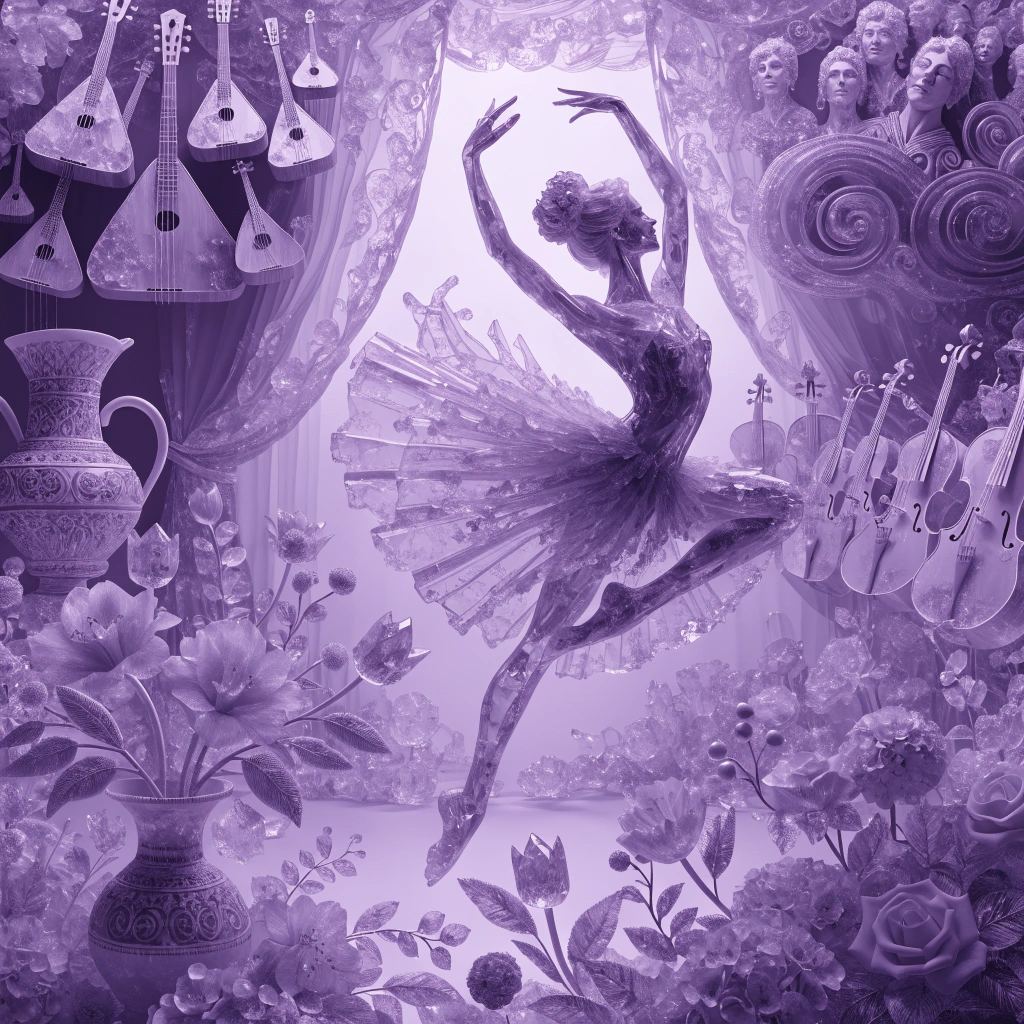
러시아의 발레
러시아는 큰 나라입니다. 러시아는 발레로 유명합니다. 발레는 아름다운 춤입니다. 발레리나는 예쁜 옷을 입고 춤을 춥니다. 많은 사람들이 발레를 좋아합니다. 러시아 발레는 세계에서 아주 유명합니다. 발레는 러시아의 중요한 문화입니다. 발레 공연은 정말 멋있습니다.
문법 스포트라이트
패턴: -ㅂ니다/습니다
"러시아는 큰 나라입니다."
문장을 끝낼 때 사용합니다. 아주 공손한 표현입니다. 동사나 형용사 뒤에 붙습니다. 받침이 없으면 -ㅂ니다, 받침이 있으면 -습니다를 씁니다.
패턴: -은/는
"러시아는 발레로 유명합니다."
문장에서 주제가 무엇인지 알려줍니다. 받침이 없으면 '는', 받침이 있으면 '은'을 씁니다.
이해도를 테스트하세요
10 질문 · A1 초급 · 무료 미리보기 1회
이 기사에서 배운 내용을 테스트하세요. 모든 질문에 답하여 XP를 획득하세요!
러시아는 무엇으로 유명합니까?
문제별 결과
러시아는 무엇으로 유명합니까?
내 답변:
정답: 발레
발레는 아름다운 춤입니다.
내 답변:
정답: 참
'문화'는 무슨 뜻입니까?
내 답변:
정답: 생활 방식과 예술
러시아 발레는 세계에서 아주 ______.
내 답변:
정답: 유명합니다
The Magic of Russian Ballet
Russian ballet is very famous around the world. It started many years ago. Peter the Great brought ballet to Russia from Europe because he wanted to change his country. At first, ballet was only for rich people, but later it became popular for everyone.
In the 19th century, Russian ballet became better than ballet in other countries. A man named Marius Petipa was a great teacher and choreographer. He created many famous dances. The composer Peter Tchaikovsky wrote beautiful music for 'Swan Lake' and 'The Nutcracker.' This music is more famous than many other songs today.
Today, people visit the Bolshoi Theater in Moscow and the Mariinsky Theater in St. Petersburg. These buildings are very big and beautiful. Many people travel to Russia to see the dancers because they are the best in the world. The dancers are very strong and they practice for many hours every day. Russian ballet is a special part of history.
문법 스포트라이트
패턴: Past Simple
"Peter the Great brought ballet to Russia from Europe because he wanted to change his country."
We use the past simple to talk about finished actions in the past. Regular verbs like 'wanted' end in -ed, while irregular verbs like 'brought' change their form.
패턴: Comparatives
"Russian ballet became better than ballet in other countries."
We use comparatives to compare two different things. For the word 'good', the comparative form is 'better', and we usually use the word 'than' after it.
이해도를 테스트하세요
11 질문 · A2 초등급 · 무료 미리보기 1회
이 기사에서 배운 내용을 테스트하세요. 모든 질문에 답하여 XP를 획득하세요!
Who originally brought ballet to Russia?
문제별 결과
Who originally brought ballet to Russia?
내 답변:
정답: Peter the Great
Ballet was only for rich people at the very beginning in Russia.
내 답변:
정답: 참
What does the word 'practice' mean?
내 답변:
정답: To do something many times to improve
Many people travel to Russia to see the dancers because they are the _____ in the world.
내 답변:
정답: best
In which city is the Mariinsky Theater located?
내 답변:
정답: St. Petersburg
The Magic of Russian Ballet
Russian ballet is often called the pinnacle of classical dance. It is a beautiful art form that has been part of Russian culture for centuries. Although it was first brought from Western Europe, it has grown into something unique. Many people believe that Russian dancers show a level of technical precision that is difficult to find anywhere else.
In the 18th century, ballet was introduced by Peter the Great because he wanted to modernize the country. However, it was during the 19th century that Russian ballet reached its zenith. This was the time when famous pieces like "Swan Lake" and "The Nutcracker" were created. These ballets were written by Peter Tchaikovsky, who is a composer known for his emotional music. The stories are told through movement rather than words, which makes them easy for international audiences to understand.
Today, the training that Russian dancers receive is very strict. This discipline is what makes their movements so perfect. The Bolshoi Theatre in Moscow and the Mariinsky Theatre in St. Petersburg are places where this legacy is kept alive. These theaters have been visited by millions of people who love the arts. Many famous dancers have trained in these schools for years before they were allowed to perform on the big stage.
Russian ballet is not just about the past. New choreographers are still creating modern shows that combine tradition with new ideas. This mix of technical skill and storytelling ensures that the stage will always be full of magic. If you have ever seen a performance, you will understand why Russian ballet remains so famous worldwide. It continues to inspire artists and students from every corner of the globe.
문법 스포트라이트
패턴: Present Perfect Passive
"These theaters have been visited by millions of people who love the arts."
This pattern is used to talk about an action that happened at an unspecified time in the past and is still relevant. It is formed using 'have/has + been + past participle'.
패턴: Relative Clauses
"These ballets were written by Peter Tchaikovsky, who is a composer known for his emotional music."
Relative clauses provide extra information about a noun. Here, 'who' introduces more details about the composer Tchaikovsky.
이해도를 테스트하세요
11 질문 · B1 중급 · 무료 미리보기 1회
이 기사에서 배운 내용을 테스트하세요. 모든 질문에 답하여 XP를 획득하세요!
Who introduced ballet to Russia in the 18th century?
문제별 결과
Who introduced ballet to Russia in the 18th century?
내 답변:
정답: Peter the Great
Russian ballet reached its most successful period during the 19th century.
내 답변:
정답: 참
What does 'zenith' mean in the context of the article?
내 답변:
정답: The highest point of success
The stories in Russian ballets are told through _____ rather than words.
내 답변:
정답: movement
Where is the Mariinsky Theatre located?
내 답변:
정답: St. Petersburg
러시아 발레: 시대를 초월한 예술의 정수
러시아 발레는 기술적인 정교함, 감동적인 스토리텔링, 그리고 예술적 혁신을 통해 수세기 동안 세계 무대를 형성해 온 고전 무용의 정점으로 널리 여겨지고 있습니다. 발레는 원래 표트르 대제의 근대화 개혁 정책의 일환으로 서유럽에서 러시아로 도입되었지만, 이 예술 형식이 진정한 절정에 이른 것은 19세기 러시아에서였습니다. 마리우스 프티파와 같은 전설적인 안무가들과 차이콥스키 같은 위대한 작곡가들의 지휘 아래, 러시아 발레는 독자적인 스타일과 심오한 예술성을 발전시켰습니다.
러시아 발레의 특징은 단순히 고난도 기술을 선보이는 것을 넘어, 깊은 감정 표현과 서정적인 움직임을 통해 이야기를 전달하는 데 있습니다. 무용수들은 완벽한 균형감각과 유연성뿐만 아니라, 캐릭터의 내면을 섬세하게 표현하는 연기력을 요구받습니다. 이러한 접근 방식은 ‘백조의 호수’, ‘호두까기 인형’, ‘잠자는 숲속의 미녀’와 같은 걸작들을 탄생시켰고, 이 작품들은 오늘날에도 전 세계 발레단의 주요 레퍼토리로 공연되고 있습니다.
소련 시대에도 발레는 국가의 문화적 자부심으로 여겨져 꾸준히 지원을 받았습니다. 그 결과 볼쇼이 발레단과 마린스키 발레단(구 키로프 발레단) 같은 세계적인 발레단들이 명성을 떨쳤으며, 루돌프 누레예프, 마야 플리세츠카야 등 수많은 전설적인 무용수들을 배출했습니다. 이들은 러시아 발레의 전통을 계승하는 동시에 혁신적인 시도를 통해 발레 예술의 지평을 넓혔습니다.
오늘날 러시아 발레는 여전히 세계 발레계에 지대한 영향을 미치고 있습니다. 그들의 엄격한 훈련 시스템과 예술적 기준은 전 세계 무용 학교와 발레단에 영감을 주며, 러시아 발레의 유산은 끊임없이 진화하고 있습니다. 러시아 발레는 단순한 공연 예술을 넘어, 인간의 감정과 열정을 가장 아름다운 형태로 표현하는 문화유산으로서 그 가치를 변함없이 인정받고 있습니다.
문법 스포트라이트
패턴: -에도 불구하고
"발레는 원래 표트르 대제의 근대화 개혁 정책의 일환으로 서유럽에서 러시아로 도입되었음에도 불구하고, 이 예술 형식이 진정한 절정에 이른 것은 19세기 러시아에서였습니다."
이 표현은 앞선 내용이 뒤따르는 내용의 예상되는 결과와 다를 때 사용됩니다. '비록 ~이지만' 또는 '~함에도 불구하고'와 같이 역접의 의미를 나타내어 대조적인 상황을 연결합니다.
패턴: -뿐만 아니라 ~도
"무용수들은 완벽한 균형감각과 유연성뿐만 아니라, 캐릭터의 내면을 섬세하게 표현하는 연기력을 요구받습니다."
이 문법은 'A뿐만 아니라 B도'의 형태로 사용되어, A라는 사실 외에 B라는 사실도 추가적으로 있음을 강조할 때 쓰입니다. 두 가지 이상의 요소를 나열하며 모두 중요함을 나타냅니다.
패턴: -으로 여겨지다
"러시아 발레는 기술적인 정교함, 감동적인 스토리텔링, 그리고 예술적 혁신을 통해 수세기 동안 세계 무대를 형성해 온 고전 무용의 정점으로 널리 여겨지고 있습니다."
이 표현은 어떤 대상이 특정 방식으로 인식되거나 간주될 때 사용됩니다. 주어가 다른 사람들에 의해 어떠하다고 생각되거나 평가된다는 수동적인 의미를 가집니다. 'N으로 여겨지다' 형태로 쓰입니다.
이해도를 테스트하세요
11 질문 · B2 중상급 · 무료 미리보기 1회
이 기사에서 배운 내용을 테스트하세요. 모든 질문에 답하여 XP를 획득하세요!
다음 중 러시아 발레가 세계적인 명성을 얻게 된 주요 요인이 아닌 것은 무엇입니까?
문제별 결과
다음 중 러시아 발레가 세계적인 명성을 얻게 된 주요 요인이 아닌 것은 무엇입니까?
내 답변:
정답: 서유럽 발레단과의 지속적인 경쟁
발레는 처음부터 러시아에서 시작된 예술 형식입니다.
내 답변:
정답: 거짓
'정교함'의 가장 적절한 한국어 정의는 무엇입니까?
내 답변:
정답: 매우 섬세하고 정확하며 꼼꼼한 정도나 특성
러시아 발레는 표트르 대제의 ________ 정책의 일환으로 서유럽에서 도입되었습니다.
내 답변:
정답: 근대화
‘백조의 호수’, ‘호두까기 인형’, ‘잠자는 숲속의 미녀’와 같은 걸작들은 주로 어떤 특징을 가지고 있습니까?
내 답변:
정답: 깊은 감정 표현과 서정적인 움직임을 통한 스토리텔링
The Imperial Legacy: A Critical Appraisal of Russian Ballet’s Artistic Dominance
It was through the relentless pursuit of aesthetic perfection that the Imperial Russian Ballet carved its indelible name into the annals of global cultural history. While the origins of ballet are undeniably rooted in the courts of Western Europe, particularly France and Italy, its subsequent evolution within the Russian context represents a unique synthesis of imported elegance and indigenous emotional depth. Not until the reign of Peter the Great did the seeds of this art form find fertile soil in Russia, as part of his broader, sweeping project of Westernization. However, what began as an aristocratic imitation soon burgeoned into a national obsession, eventually reaching its zenith during the late 19th century under the meticulous stewardship of Marius Petipa.
Seldom has an imported art form so thoroughly permeated the cultural fabric of a nation as ballet did in Russia. The institutionalization of classical training, most notably through the establishment of the Imperial Ballet School, allowed for a refinement of technique that surpassed its European predecessors. This period saw the creation of what many consider the pinnacle of classical dance: the 'ballet blanc' and the grand spectacles of Swan Lake and The Sleeping Beauty. The collaboration between Petipa’s choreographic genius and Tchaikovsky’s melodic grandeur facilitated a transformation of ballet from mere divertissement into a cohesive, narrative-driven art form. The preservation of these traditions became a matter of national pride, ensuring that the technical rigour of the Russian school remained unchallenged for decades.
Central to the Russian style is the Vaganova method, a pedagogical system that emphasizes the harmonious movement of the entire body. It is this holistic approach that grants Russian dancers their characteristic virtuosity—a blend of athletic prowess and lyrical grace. Yet, to view Russian ballet solely through the lens of technique would be to overlook its profound emotional resonance. The dancers are taught that every gesture must be an embodiment of the character’s internal struggle, a nuance that distinguishes a mere performer from a true artist. This commitment to storytelling remains the bedrock of the Bolshoi and Mariinsky theaters, even as they navigate the complexities of the modern era.
In the contemporary landscape, the challenge lies in balancing the weight of tradition with the necessity for innovation. While some critics argue that the strict adherence to 19th-century canons stifles creativity, others maintain that the preservation of classical integrity is essential in an increasingly fragmented artistic world. The ephemeral nature of dance makes this debate particularly poignant; a performance exists only in the moment, yet the legacy of Russian ballet seeks a form of immortality. Ultimately, the enduring appeal of this art form lies in its ability to transcend linguistic barriers, offering a universal language of movement that continues to captivate audiences worldwide. Whether through the preservation of the classics or the exploration of avant-garde collaborations, the Russian school remains the benchmark against which all other balletic achievements are measured.
문법 스포트라이트
패턴: Cleft Sentences
"It was through the relentless pursuit of aesthetic perfection that the Imperial Russian Ballet carved its indelible name into the annals of global cultural history."
Cleft sentences are used to focus on a specific part of the sentence. They start with 'It is/was' followed by the focused element and a relative clause.
패턴: Inversion
"Seldom has an imported art form so thoroughly permeated the cultural fabric of a nation as ballet did in Russia."
Negative or restrictive adverbs like 'seldom' trigger inversion of the subject and auxiliary verb to add emphasis and formality.
패턴: Nominalization
"The institutionalization of classical training allowed for a refinement of technique that surpassed its European predecessors."
Nominalization involves turning verbs or adjectives into nouns (e.g., 'institutionalize' to 'institutionalization'). This is common in C1 academic writing to create a more objective and sophisticated tone.
이해도를 테스트하세요
12 질문 · C1 고급 · 무료 미리보기 1회
이 기사에서 배운 내용을 테스트하세요. 모든 질문에 답하여 XP를 획득하세요!
What does the author suggest about the origin of Russian ballet?
문제별 결과
What does the author suggest about the origin of Russian ballet?
내 답변:
정답: It was a synthesis of European roots and Russian emotional depth.
The Vaganova method focuses primarily on isolated leg movements rather than the whole body.
내 답변:
정답: 거짓
What does 'ephemeral' mean in the context of the article?
내 답변:
정답: Lasting for a very short time
The collaboration between Petipa and Tchaikovsky transformed ballet into a cohesive, _____-driven art form.
내 답변:
정답: narrative
According to the text, what is a current challenge for Russian ballet?
내 답변:
정답: Balancing historical tradition with modern innovation.
Peter the Great introduced ballet as part of a wider modernization effort.
내 답변:
정답: 참
러시아 발레: 정교함과 서정성의 미학적 정수
러시아 발레는 전 세계 무용 예술의 정점으로, 기술적 정교함과 서정적 스토리텔링, 그리고 예술적 혁신이 결합된, 수 세기에 걸쳐 면면히 이어져 온 유산으로 평가받는다. 서유럽에서 유래한 발레가 러시아에서 그 꽃을 피우고 세계적 위상을 확립했다는 점은 실로 역설적이라 할 수 있다. 표트르 대제의 근대화 노력의 일환으로 서구 문화의 유입이 활발했던 시기에 발레가 러시아에 처음 소개되었음은 주지하는 바이다. 그러나 발레가 단순한 궁정 오락의 수준을 넘어 인류의 보편적 미학을 구현하는 예술 형식으로 승화된 것은 19세기 러시아에서였다.
특히 19세기 후반은 마리우스 프티파(Marius Petipa)와 표트르 차이콥스키(Pyotr Ilyich Tchaikovsky)와 같은 불세출의 예술가들이 협업하며 러시아 발레의 황금기를 구가하던 시기이다. 프티파는 '백조의 호수', '잠자는 숲속의 미녀', '호두까기 인형' 등 오늘날까지도 공연되는 수많은 고전 발레의 안무를 창조하며, 발레의 서사적 구조와 무대 미학에 혁명적인 변화를 가져왔다. 그의 안무는 단순한 동작의 나열을 넘어, 인물의 심리적 갈등과 감정의 변화를 섬세하게 표현하는 데 주안점을 두었으며, 이는 발레가 지닌 서정적 깊이를 한층 더 심화시키는 계기가 되었다. 차이콥스키의 음악은 이러한 안무에 생명력을 불어넣어, 발레가 단순한 시각 예술을 넘어 청각적 감동까지 아우르는 총체적 예술로 자리매김하는 데 결정적인 역할을 했다.
러시아 발레의 탁월함은 비단 고전 작품의 창조에만 국한되지 않는다. 볼쇼이 발레단과 마린스키 발레단으로 대표되는 세계 최고 수준의 발레단들은 러시아 발레의 정교한 기술과 예술적 전통을 오늘날까지 계승하고 있다. 이들 발레단은 엄격하고 체계적인 교육 시스템인 바가노바 메소드(Vaganova method)에 입각하여 무용수들을 양성하며, 이는 러시아 발레 특유의 우아함과 강렬한 표현력을 가능케 하는 근간이 된다. 바가노바 메소드는 신체의 해부학적 이해를 바탕으로 한 과학적 훈련 방식과 예술적 감성을 동시에 강조함으로써, 무용수 개개인이 기술적 한계를 뛰어넘어 자신만의 예술적 개성을 발현하도록 독려한다. 이러한 교육 철학은 러시아 발레가 단순한 기교의 과시를 넘어, 깊이 있는 내면 연기를 통해 관객에게 감동을 선사하는 예술로 자리매김하는 데 지대한 영향을 미쳤다.
20세기 이후 러시아 발레는 고전적 유산을 바탕으로 새로운 미학적 지평을 확장하려는 시도를 끊임없이 이어왔다. 세르게이 디아길레프(Sergei Diaghilev)의 발레 뤼스(Ballets Russes)는 러시아 발레의 혁신적인 정신을 서유럽에 전파하며 전 세계 발레계에 지대한 영향을 끼쳤다. 이들은 전통적인 형식에 얽매이지 않고 회화, 음악, 의상 등 다양한 예술 분야와의 융합을 꾀하며 발레의 현대적 가능성을 탐색했다. 비록 정치적, 사회적 변화 속에서 여러 부침을 겪기도 했으나, 러시아 발레는 그 본연의 예술적 가치와 탁월성으로 인해 결코 그 빛을 잃지 않았다. 오히려 격동의 시기를 거치며 더욱 견고한 예술적 정체성을 확립했다고 평가할 수 있을 것이다.
단언하건대, 러시아 발레는 단순한 무용 장르를 넘어, 인류가 추구하는 아름다움과 완벽함의 상징으로 존재한다. 그들의 무대 위에서 펼쳐지는 한 편의 드라마는 시공간을 초월하여 관객들에게 깊은 울림을 선사하며, 이는 러시아 발레가 지닌 보편적 호소력의 방증이라 할 수 있다. 기술적 완성도와 예술적 감수성이 조화롭게 어우러진 러시아 발레는 앞으로도 무용 예술의 표준을 제시하며, 전 세계 발레 발전에 지대한 공헌을 할 것으로 사료된다. 러시아 발레의 미래는 그들이 과거로부터 물려받은 풍부한 유산을 바탕으로, 끊임없이 진화하고 새로운 영감을 불어넣는 과정 속에서 더욱 찬란하게 빛날 것이다.
문법 스포트라이트
패턴: ~는 바이다
"발레가 러시아에 처음 소개되었음은 주지하는 바이다."
‘~는 바이다’는 어떤 사실이나 내용을 공식적이거나 단정적인 어조로 설명하거나 결론을 제시할 때 사용됩니다. 주로 글말에서 많이 쓰이며, 주장의 근거를 제시하거나 확정적인 정보를 전달하는 데 적합합니다.
패턴: ~에 입각하여
"이들 발레단은 엄격하고 체계적인 교육 시스템인 바가노바 메소드에 입각하여 무용수들을 양성하며, 이는 러시아 발레 특유의 우아함과 강렬한 표현력을 가능케 하는 근간이 된다."
‘~에 입각하여’는 어떤 행동이나 판단이 특정 원칙, 이론, 사실 등에 근거하거나 그것을 바탕으로 이루어졌음을 나타냅니다. 학술적이거나 논리적인 글에서 자주 활용되며, 주장의 신뢰도를 높이는 역할을 합니다.
패턴: ~는 계기가 되다
"이는 발레가 지닌 서정적 깊이를 한층 더 심화시키는 계기가 되었다."
‘~는 계기가 되다’는 어떤 사건이나 상황이 특정 결과나 변화를 유발하는 원인이나 기회가 되었음을 표현할 때 사용됩니다. 주로 어떤 현상이나 발전 과정의 중요한 전환점을 설명하는 데 유용합니다.
이해도를 테스트하세요
12 질문 · C2 마스터 · 무료 미리보기 1회
이 기사에서 배운 내용을 테스트하세요. 모든 질문에 답하여 XP를 획득하세요!
러시아 발레가 서유럽에서 유래했음에도 불구하고 세계적 위상을 확립할 수 있었던 주요 요인으로 가장 적절한 것은?
문제별 결과
러시아 발레가 서유럽에서 유래했음에도 불구하고 세계적 위상을 확립할 수 있었던 주요 요인으로 가장 적절한 것은?
내 답변:
정답: 19세기 러시아에서 발레가 예술 형식으로 승화되었기 때문
마리우스 프티파는 '백조의 호수'와 같은 고전 발레의 안무를 창조하며 발레의 서사적 구조에 혁명적인 변화를 가져왔다.
내 답변:
정답: 참
'불세출'의 의미로 가장 적절한 것은?
내 답변:
정답: 다시는 나타나기 어려울 만큼 뛰어난
차이콥스키의 음악은 안무에 생명력을 불어넣어, 발레가 단순한 시각 예술을 넘어 청각적 감동까지 ______ 총체적 예술로 자리매김하는 데 결정적인 역할을 했다.
내 답변:
정답: 아우르는
러시아 발레의 탁월함을 가능케 하는 근간이 되는 엄격하고 체계적인 교육 시스템의 이름은 무엇인가?
내 답변:
정답: 바가노바 메소드
세르게이 디아길레프의 발레 뤼스는 러시아 발레의 전통적인 형식에만 얽매여 고전 발레의 순수성을 지키고자 했다.
내 답변:
정답: 거짓

