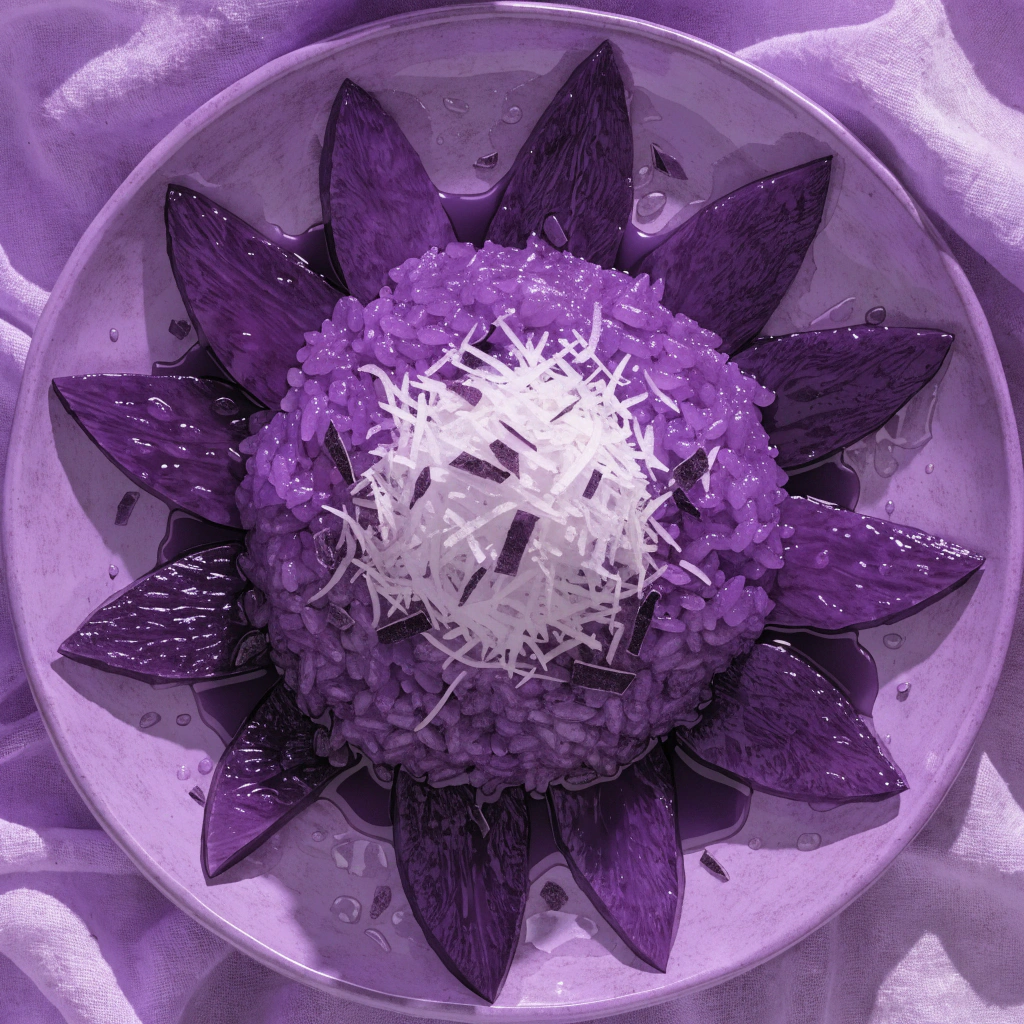
태국의 맛있는 망고 찹쌀밥
태국에 가면 맛있는 음식이 많아요. 망고 찹쌀밥은 태국의 유명한 음식이에요. 이 음식은 달콤하고 맛있어요. 태국 사람들은 여름에 이 음식을 많이 먹어요. 여름은 망고가 많이 나오는 계절이에요. 망고 찹쌀밥은 망고와 찹쌀로 만들어요. 찹쌀은 밥처럼 생겼지만 좀 더 쫀득해요. 망고는 노란색 과일이에요. 아주 달콤해요. 찹쌀밥 위에 망고를 올려서 먹어요. 코코넛 밀크도 같이 넣어요. 정말 맛있어요. 태국에 가면 꼭 먹어보세요!
문법 스포트라이트
패턴: -에 가면
"태국에 가면 맛있는 음식이 많아요."
명사 뒤에 붙어서 '어떤 장소에 도착하면'이라는 뜻을 만들어요. 그 장소에서 할 수 있는 일이나 보게 되는 것을 이야기할 때 사용해요.
패턴: -고
"이 음식은 달콤하고 맛있어요."
동사나 형용사 뒤에 붙어서 두 가지 이상의 행동이나 상태를 연결해 줘요. 앞 문장과 뒷 문장이 순서대로 일어나거나, 두 가지 특징을 같이 말할 때 사용해요.
이해도를 테스트하세요
10 질문 · A1 초급 · 무료 미리보기 1회
이 기사에서 배운 내용을 테스트하세요. 모든 질문에 답하여 XP를 획득하세요!
망고 찹쌀밥은 무엇입니까?
문제별 결과
망고 찹쌀밥은 무엇입니까?
내 답변:
정답: 음식
망고 찹쌀밥은 겨울에 먹는 음식입니다.
내 답변:
정답: 거짓
'달콤하다'는 무슨 뜻입니까?
내 답변:
정답: 설탕 같은 맛
망고 찹쌀밥은 망고와 _____로 만들어요.
내 답변:
정답: 찹쌀
Mango Sticky Rice: A Sweet Thai Treat
Mango Sticky Rice is a very popular dessert from Thailand. In the Thai language, people call it 'Khao Niao Mamuang.' It is a special treat because it is fresh and sweet. People usually eat it in April and May because the mangoes are better during these months.
To make this dish, you need glutinous rice, coconut milk, sugar, and salt. The rice is very sticky and soft. Thai people use special mangoes like 'Nam Dok Mai.' These mangoes are sweeter and more delicious than other types of fruit. Cooks boil coconut milk with a little salt to make a creamy sauce. They pour this sauce over the rice before they serve it.
In the past, farmers ate this dessert to get energy for their work in the fields. Today, you can find it everywhere in Thailand, from street markets to big restaurants. Some people eat it for breakfast, but most people enjoy it after dinner. It is the most famous Thai dessert in the world because it is simple but perfect.
문법 스포트라이트
패턴: Comparatives (Adjectives)
"These mangoes are sweeter and more delicious than other types of fruit."
We use comparatives to compare two things. For short words like 'sweet', we add -er. For long words like 'delicious', we use 'more' before the word.
패턴: Past Simple
"In the past, farmers ate this dessert to get energy for their work."
The past simple describes finished actions in the past. 'Ate' is the irregular past form of the verb 'eat'.
이해도를 테스트하세요
11 질문 · A2 초등급 · 무료 미리보기 1회
이 기사에서 배운 내용을 테스트하세요. 모든 질문에 답하여 XP를 획득하세요!
When is the best time to eat Mango Sticky Rice in Thailand?
문제별 결과
When is the best time to eat Mango Sticky Rice in Thailand?
내 답변:
정답: In April and May
Farmers used to eat this dessert because it gave them energy.
내 답변:
정답: 참
What does 'popular' mean?
내 답변:
정답: Liked by many people
Cooks boil coconut milk with a little salt to make a _____ sauce.
내 답변:
정답: creamy
Why is this dessert famous according to the text?
내 답변:
정답: Because it is simple but perfect
Thailand's Sweetest Tradition: Mango Sticky Rice
Thailand is famous for many things, but its food is perhaps the most celebrated part of its culture. Among the many desserts that you can find on the streets of Bangkok, Khao Niao Mamuang, or Mango Sticky Rice, has become a global favorite. This dish is more than just a sweet treat; it is a celebration of the Thai summer and the local harvest.
Traditionally, this delicacy was served only during the peak mango months of April and May, when the fruit is at its sweetest. However, because it has become so popular with international visitors, it is now available throughout the year in many tourist areas. The dish relies on a perfect synergy between 'Khao Niao' (glutinous rice) and 'Mamuang' (mango). The rice is carefully steamed and then mixed with a warm blend of thick coconut milk, salt, and sugar. This process creates a rich texture that is both creamy and sticky.
The choice of fruit is very important for the final taste. The Nam Dok Mai and Ok Rong varieties are usually preferred by experts. These mangoes, which are prized for their floral aroma and honey-like sweetness, are sliced fresh just before serving. To add a bit of crunch and contrast, the dish is often topped with crispy mung beans or sesame seeds.
Mango sticky rice has been enjoyed by Thai people for centuries, and it remains a symbol of home. Even though modern versions sometimes use different colors, like purple rice, the classic recipe remains the most loved. If you visit Thailand, you should definitely try this dish that represents the heart of Thai hospitality. It is a simple combination of ingredients that has captured the hearts of food lovers everywhere.
문법 스포트라이트
패턴: Present Perfect Tense
"Khao Niao Mamuang, or Mango Sticky Rice, has become a global favorite."
The present perfect (have/has + past participle) is used here to describe an action that started in the past and continues to be true now. It shows that the dish gained popularity over time and is still popular today.
패턴: Passive Voice
"The rice is carefully steamed and then mixed with a warm blend of thick coconut milk."
The passive voice (be + past participle) is used to focus on the action (steaming and mixing) rather than who is doing it. This is very common when describing recipes or processes.
이해도를 테스트하세요
11 질문 · B1 중급 · 무료 미리보기 1회
이 기사에서 배운 내용을 테스트하세요. 모든 질문에 답하여 XP를 획득하세요!
What is the primary fruit used in this traditional Thai dessert?
문제별 결과
What is the primary fruit used in this traditional Thai dessert?
내 답변:
정답: Mango
Mango sticky rice was traditionally a seasonal dish served in April and May.
내 답변:
정답: 참
What does the word 'aroma' refer to in the article?
내 답변:
정답: A pleasant smell
The rice is carefully _____ and then mixed with coconut milk.
내 답변:
정답: steamed
Which mango varieties are mentioned as being preferred by experts?
내 답변:
정답: Nam Dok Mai and Ok Rong
Khao Niao Mamuang: The Cultural Significance of Thailand's Iconic Summer Dessert
Khao Niao Mamuang, widely known as Mango Sticky Rice, represents far more than a mere culinary delight; it serves as a profound cultural emblem of the Thai summer. Although globalization has ensured its availability throughout the year in various international hubs, traditionalists maintain that the dish should ideally be consumed during April and May. This is the period when mangoes reach their peak ripeness, offering a flavor profile that cannot be replicated during other seasons. This seasonal delicacy relies on a sophisticated harmony between textures and flavors, specifically the contrast between the chewy glutinous rice and the succulent, honey-like mangoes.
The selection of ingredients is paramount to achieving the authentic taste that enthusiasts crave. Generally, the Nam Dok Mai or Ok Rong varieties are preferred due to their distinct floral aroma and exceptional sweetness. These mangoes, once peeled and sliced, are paired with rice that has been meticulously steamed and subsequently soaked in a mixture of salted coconut milk and sugar. This specific process, known as 'moon-ing' the rice, allows the grains to absorb the liquid while retaining their individual shape and firmness. If the coconut milk is not heated correctly, or if the rice is overcooked, the delicate equilibrium of the dish is compromised.
Furthermore, the dish illustrates the Thai culinary philosophy of balancing distinct taste profiles. The richness of the coconut cream is often offset by a sprinkle of toasted mung beans, which provide a necessary crunch. From a historical perspective, the origins of this dessert can be traced back several centuries, though it has evolved significantly. In recent years, its popularity has skyrocketed internationally, partly due to viral social media moments and its promotion at global music festivals, which have introduced the dessert to a younger, global audience.
Despite its apparent simplicity, the preparation of Khao Niao Mamuang requires a high level of precision and patience. Consequently, it remains a point of pride for local vendors who have perfected their secret recipes over several generations. In conclusion, Mango Sticky Rice is not merely a seasonal treat; it is an enduring testament to Thailand's rich agricultural heritage and its remarkable ability to captivate the global palate through the art of simplicity and high-quality ingredients.
문법 스포트라이트
패턴: Present Perfect Passive
"These mangoes... are paired with rice that has been meticulously steamed."
This pattern is used to focus on the action performed on the subject rather than the person doing it. It is formed using 'has/have been' + past participle.
패턴: Zero Conditional with Passive
"If the coconut milk is not heated correctly... the delicate equilibrium of the dish is compromised."
This structure expresses a general truth or a scientific fact. It uses 'if' + present simple, followed by another present simple clause.
패턴: Relative Clauses with 'When'
"This is the period when mangoes reach their peak ripeness."
The relative adverb 'when' is used here to introduce a clause that provides more information about a specific time or period mentioned.
이해도를 테스트하세요
11 질문 · B2 중상급 · 무료 미리보기 1회
이 기사에서 배운 내용을 테스트하세요. 모든 질문에 답하여 XP를 획득하세요!
According to the article, why is April and May the best time for this dessert?
문제별 결과
According to the article, why is April and May the best time for this dessert?
내 답변:
정답: Mangoes reach their maximum ripeness during these months.
The 'moon-ing' process involves soaking the rice until the grains lose their individual shape.
내 답변:
정답: 거짓
What does the word 'paramount' mean in the context of the article?
내 답변:
정답: Of supreme importance
The richness of the coconut milk is often balanced by a sprinkle of toasted mung beans to provide a necessary _____.
내 답변:
정답: crunch
What has contributed to the dessert's recent international popularity?
내 답변:
정답: Social media and global music festivals.
Culinary Synchronicity: The Socio-Cultural Resonance of Khao Niao Mamuang
Seldom does one encounter a culinary phenomenon that so perfectly encapsulates the ephemeral transition of seasons as Khao Niao Mamuang. Known colloquially as Mango Sticky Rice, this Thai staple transcends its status as a mere dessert, serving instead as a sophisticated testament to the synergy between botanical timing and ancestral technique. While the ubiquity of international tourism has rendered the dish available year-round in metropolitan hubs, its true essence remains tethered to the peak mango months of April and May. It is during this window that the Nam Dok Mai and Ok Rong varieties reach their olfactory zenith, offering a honey-like sweetness and floral aroma that defy artificial replication.
The structural integrity of the dish relies heavily on 'Khao Niao', or glutinous rice, which undergoes a rigorous preparation process involving overnight soaking and meticulous steaming. It is the meticulously calibrated ratio of salted coconut cream to the warm, absorbent grains that dictates the dish's success; too much liquid results in a structural collapse, while too little fails to achieve the desired unctuousness. This delicate equilibrium is further enhanced by the addition of 'thua thong' (crispy mung beans), providing a textural counterpoint to the velvet-soft mango flesh.
From a sociological perspective, the commodification of Khao Niao Mamuang highlights a fascinating tension between tradition and globalization. Historically, the consumption of sticky rice was a communal activity, deeply rooted in the agricultural cycles of rural Thailand. However, the modern obsession with ‘Instagrammable’ food has led to a visual transformation of the dish, occasionally at the expense of its authentic flavor profile. Critics argue that the year-round availability of mangoes—facilitated by industrial refrigeration and forced ripening—constitutes a form of culinary subterfuge that erodes the seasonal anticipation once central to Thai culture.
Ultimately, the enduring resonance of Khao Niao Mamuang lies in its ability to adapt without losing its core identity. Whether served on a ceramic plate in a high-end Bangkok eatery or wrapped in banana leaves at a street-side stall, the dish remains a prized cultural emblem. The nominalisation of its ingredients—the transformation of simple 'rice' and 'fruit' into a singular 'experience'—underscores the profound impact that geography and climate exert on the human palate. As we navigate an increasingly homogenized global food scene, the preservation of such specific, seasonal delicacies becomes not just a matter of taste, but an act of cultural preservation.
문법 스포트라이트
패턴: Inversion
"Seldom does one encounter a culinary phenomenon that so perfectly encapsulates the ephemeral transition of seasons."
Inversion is used here by placing the negative adverb 'seldom' at the beginning, followed by the auxiliary verb 'does'. This structure adds emphasis and a formal, literary tone common at C1 level.
패턴: Cleft Sentence
"It is the meticulously calibrated ratio of salted coconut cream to the warm, absorbent grains that dictates the dish's success."
This 'It is... that' structure focuses the reader's attention on the specific cause (the ratio). It is used to highlight a specific piece of information within a complex thought.
패턴: Nominalisation
"The nominalisation of its ingredients—the transformation of simple 'rice' and 'fruit' into a singular 'experience'—underscores the profound impact..."
Nominalisation involves turning verbs or adjectives into nouns (e.g., 'transformation'). It allows for more abstract, academic discussion and increases the information density of the sentence.
이해도를 테스트하세요
12 질문 · C1 고급 · 무료 미리보기 1회
이 기사에서 배운 내용을 테스트하세요. 모든 질문에 답하여 XP를 획득하세요!
What is the primary argument regarding the 'year-round' availability of the dish?
문제별 결과
What is the primary argument regarding the 'year-round' availability of the dish?
내 답변:
정답: It might diminish the traditional seasonal anticipation associated with the dish.
The article suggests that the visual presentation of the dish has remained unchanged for centuries.
내 답변:
정답: 거짓
What does 'unctuousness' refer to in the context of the rice?
내 답변:
정답: The rich, oily, and smooth texture
The dish reaches its _____ zenith during the months of April and May.
내 답변:
정답: olfactory
What role do 'thua thong' play in the dish?
내 답변:
정답: They provide a textural contrast to the soft mango.
The preparation of glutinous rice involves an overnight soaking process.
내 답변:
정답: 참
태국의 여름을 응축한 미식의 정수: 카오니아오마무앙에 대한 고찰
태국 음식의 다채로운 스펙트럼 속에서, 카오니아오마무앙(망고 스티키 라이스)은 단순한 디저트의 범주를 넘어선, 하나의 문화적 표상으로 자리매김하고 있습니다. 이 달콤한 조합은 단순한 미각적 즐거움을 넘어, 태국의 풍요로운 여름과 그 속에 녹아든 사람들의 삶을 넌지시 드러내는 매개체라 할 수 있을 것입니다. 오늘날 관광객들의 왕래가 잦은 지역에서는 계절을 불문하고 연중무휴로 접할 수 있게 되었지만, 본디 카오니아오마무앙은 태국의 무더운 4월과 5월, 망고가 절정에 이르는 시기에 비로소 그 진가를 발휘하는 계절 별미였습니다. 이는 제철 식재료가 선사하는 최상의 맛을 향유하고자 하는 태국인들의 미식 철학을 방증하는 것이라 보아도 무방할 것입니다.
카오니아오마무앙의 핵심은 '카오니아오', 즉 찹쌀입니다. 이 찹쌀은 단순히 밥을 짓는 것을 넘어, 코코넛 밀크와 설탕, 소금으로 정교하게 간을 하여 쪄냄으로써 쫀득하면서도 부드러운, 그리고 은은한 단맛과 짠맛이 조화된 독특한 질감을 구현해냅니다. 이 찹쌀밥이 지닌 섬세한 풍미는 주연인 망고의 맛을 한층 더 돋우는 조연으로서의 역할을 훌륭히 수행합니다. 찹쌀을 찌는 과정에서 코코넛 밀크가 깊숙이 배어들게 하는 것은, 단순히 맛을 더하는 행위를 넘어 찹쌀알 하나하나에 태국의 정취를 불어넣는 의례와도 같은 섬세한 작업이라 할 수 있습니다. 이처럼 꼼꼼한 준비 과정이 없다면 카오니아오마무앙의 본질적인 매력을 온전히 경험하기란 난망한 일일 것입니다.
그리고 또 다른 주역은 단연 '마무앙', 망고입니다. 아무 망고나 사용되는 것이 아닙니다. 남독마이(Nam Dok Mai)나 옥롱(Ok Rong)과 같은 특정 품종만이 카오니아오마무앙의 완성을 위해 선택되는데, 이들은 특유의 화사한 꽃향기와 꿀처럼 감미로운 단맛으로 정평이 나 있습니다. 망고의 숙성도는 이 디저트의 성패를 좌우하는 결정적인 요소라고 할 수 있습니다. 과하게 익어 물러지거나 덜 익어 신맛이 강해서는 본연의 조화를 기대하기 어렵기 때문입니다. 완벽하게 농익은 망고는 부드러운 과육과 풍부한 과즙을 선사하며, 찹쌀밥과의 결합을 통해 그 맛의 상승효과를 극대화합니다. 이러한 엄격한 재료 선별은 카오니아오마무앙이 단순한 길거리 음식을 넘어 하나의 예술적 경지에 이른 요리로 평가받는 데 일조합니다.
짭조름하면서도 달콤한 찹쌀과, 농익은 망고의 풍부한 과즙, 그리고 그 위에 넉넉하게 뿌려지는 고소한 코코넛 크림은 각기 다른 개성을 지녔음에도 불구하고 입안에서 완벽한 미식적 시너지를 창출합니다. 이는 재료 각각의 맛을 단순히 합한 것을 넘어, 상호작용을 통해 새로운 차원의 맛을 선사하는, 그야말로 '환상의 궁합'이라 칭할 만합니다. 이러한 조화는 카오니아오마무앙이 전 세계적인 사랑을 받는 데 크게 일조합니다. 또한, 차갑게 제공되는 망고와 따뜻한 찹쌀밥의 온도의 대비는 미각뿐 아니라 촉각까지 자극하며 이색적인 경험을 제공합니다. 이는 단순한 식사의 개념을 넘어선, 오감 만족의 향연이라 해도 과언이 아닐 것입니다.
카오니아오마무앙은 단순한 음식을 넘어 태국인들의 환대와 풍요로움을 상징하는 하나의 문화적 아이콘으로 기능합니다. 길거리 노점상에서부터 고급 레스토랑에 이르기까지, 어디에서든 쉽게 접할 수 있다는 점은 이 음식이 태국인의 일상 속에 얼마나 깊이 뿌리내리고 있는지를 여실히 보여줍니다. 이처럼 소박하면서도 깊은 맛을 지닌 카오니아오마무앙은 국경을 넘어 전 세계 미식가들의 찬사를 받으며 태국의 대표적인 디저트로 변모하였습니다. 궁극적으로 카오니아오마무앙은 태국의 기후와 토양이 빚어낸 자연의 선물이자, 그 안에서 살아가는 사람들의 지혜와 미학이 응축된 결과물이라 할 수 있겠습니다. 이 미묘하면서도 강렬한 맛의 조화를 경험하는 것은 곧 태국의 여름을 오감으로 향유하는 것에 다름 아닐 것입니다.
문법 스포트라이트
패턴: 을/를 불문하고
"오늘날 관광객들의 왕래가 잦은 지역에서는 계절을 불문하고 연중무휴로 접할 수 있게 되었지만, 본디 카오니아오마무앙은 태국의 무더운 4월과 5월, 망고가 절정에 이르는 시기에 비로소 그 진가를 발휘하는 계절 별미였습니다."
이 표현은 '어떤 대상이나 조건에 상관없이' 또는 '어떤 대상이나 조건을 가리지 않고'라는 의미를 나타냅니다. 명사 뒤에 붙어, 그 명사가 지시하는 대상을 예외로 두지 않고 모두 포함한다는 것을 강조할 때 사용됩니다. 격식적이고 문어적인 표현입니다.
패턴: 는 데 일조하다
"이러한 엄격한 재료 선별은 카오니아오마무앙이 단순한 길거리 음식을 넘어 하나의 예술적 경지에 이른 요리로 평가받는 데 일조합니다."
이 문형은 '어떤 결과나 목표를 이루는 데 도움이 되다' 또는 '어떤 일에 한몫하다'는 의미를 가집니다. 동사 어간 뒤에 '-는 데'가 붙고 그 뒤에 '일조하다'가 연결되어, 앞선 내용이 뒤의 결과에 긍정적으로 기여함을 나타낼 때 쓰입니다.
패턴: 는 것에 다름 아니다
"이 미묘하면서도 강렬한 맛의 조화를 경험하는 것은 곧 태국의 여름을 오감으로 향유하는 것에 다름 아닐 것입니다."
이 표현은 '앞 문장의 내용이 뒷 문장의 내용과 본질적으로 같다'는 점을 강조할 때 사용됩니다. 주로 '은/는 곧 ~에 다름 아니다'의 형태로 쓰이며, 어떤 사실이나 행동의 의미를 비유적으로나 강조적으로 설명할 때 유용합니다.
이해도를 테스트하세요
12 질문 · C2 마스터 · 무료 미리보기 1회
이 기사에서 배운 내용을 테스트하세요. 모든 질문에 답하여 XP를 획득하세요!
다음 중 카오니아오마무앙이 전통적으로 계절 별미였던 이유로 가장 적절한 것은 무엇입니까?
문제별 결과
다음 중 카오니아오마무앙이 전통적으로 계절 별미였던 이유로 가장 적절한 것은 무엇입니까?
내 답변:
정답: 망고가 특정 시기에 가장 맛이 좋기 때문에
카오니아오마무앙에 사용되는 찹쌀은 코코넛 밀크, 설탕, 소금으로 간을 하여 찐다.
내 답변:
정답: 참
본문에서 '정평이 나 있다'는 어떤 의미로 사용되었습니까?
내 답변:
정답: 널리 알려져 좋은 평가를 받고 있다
망고의 _______는 이 디저트의 성패를 좌우하는 결정적인 요소라고 할 수 있습니다.
내 답변:
정답: 숙성도
카오니아오마무앙의 맛을 '환상의 궁합'이라 칭할 만한 주된 이유는 무엇입니까?
내 답변:
정답: 재료들이 상호작용하여 새로운 차원의 맛을 선사하기 때문
카오니아오마무앙은 태국인들의 환대와 풍요로움을 상징하는 문화적 아이콘으로 기능한다.
내 답변:
정답: 참

