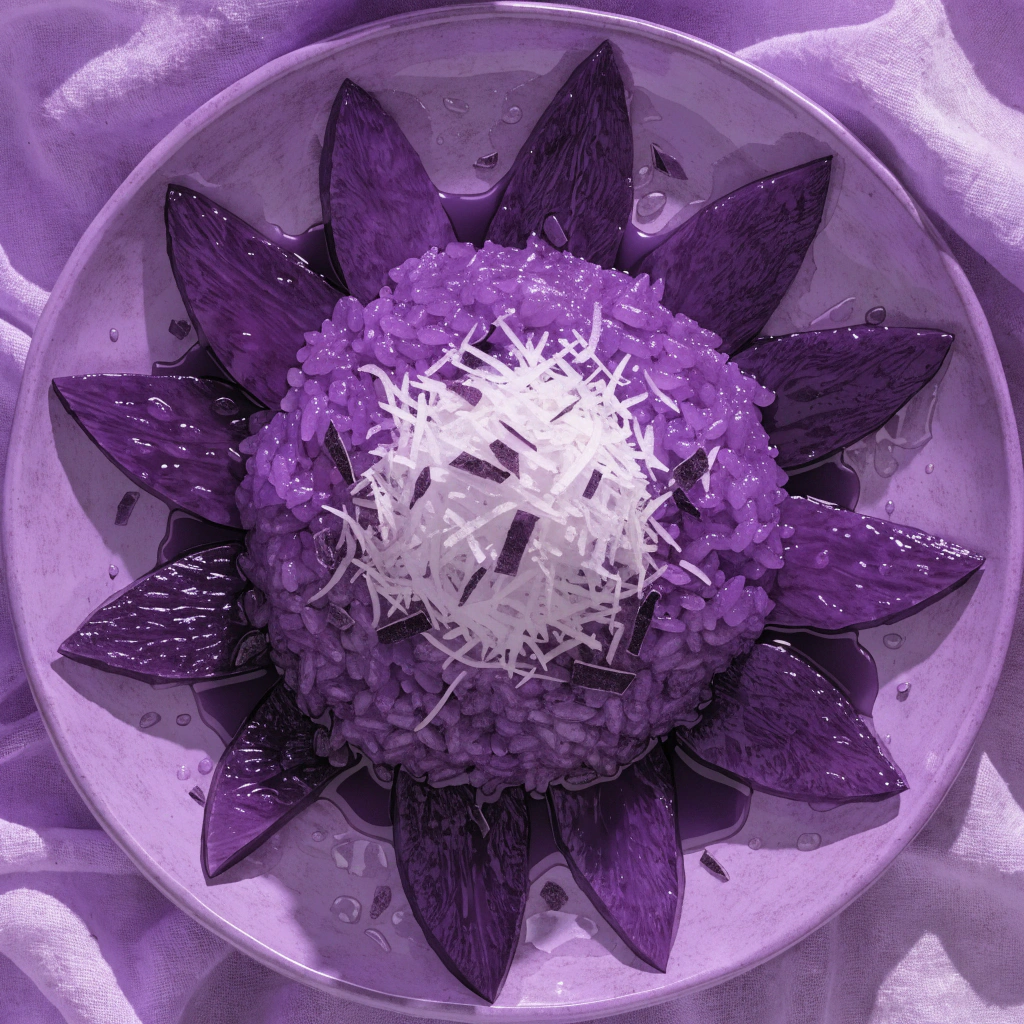
Mango Sticky Rice in Thailand
Mango sticky rice is a very famous dessert in Thailand. Local people call it Khao Niao Mamuang. It is sweet and delicious.
The dish has three main parts. There is white sticky rice, sweet coconut milk, and fresh yellow mango. The mangoes are very soft.
People usually eat this dessert in the summer. April and May are the best months for mangoes. Many tourists love this food. You can find it in many markets and big restaurants. It is a special treat for everyone.
تسليط الضوء على القواعد
نمط: Present Simple (to be)
"Mango sticky rice is a very famous dessert in Thailand."
We use 'is' for singular subjects to state facts. It connects the subject to a description or category.
نمط: Modal Verb: Can
"You can find it in many markets and big restaurants."
We use 'can' to talk about things that are possible. Follow 'can' with the base form of the verb.
اختبر فهمك
10 أسئلة · A1 مبتدئ · معاينة مجانية واحدة
اختبر ما تعلمته من هذا المقال. أجب على جميع الأسئلة لكسب نقاط خبرة!
What is the Thai name for mango sticky rice?
هل تريد إنهاء الاختبار؟
9 أسئلة أخرى بانتظارك. سجّل مجاناً لفتح الاختبار الكامل وكسب نقاط خبرة!
سجل مجاناًلديك حساب بالفعل؟ دخول
تفصيل الأسئلة
What is the Thai name for mango sticky rice?
إجابتك:
الإجابة الصحيحة: Khao Niao Mamuang
People usually eat this dessert in the winter.
إجابتك:
الإجابة الصحيحة: خطأ
What does 'famous' mean?
إجابتك:
الإجابة الصحيحة: Known by many people
April and May are the best _____ for mangoes.
إجابتك:
الإجابة الصحيحة: months
Mango Sticky Rice: A Sweet Thai Treat
Mango Sticky Rice is a very popular dessert from Thailand. In the Thai language, people call it 'Khao Niao Mamuang.' It is a special treat because it is fresh and sweet. People usually eat it in April and May because the mangoes are better during these months.
To make this dish, you need glutinous rice, coconut milk, sugar, and salt. The rice is very sticky and soft. Thai people use special mangoes like 'Nam Dok Mai.' These mangoes are sweeter and more delicious than other types of fruit. Cooks boil coconut milk with a little salt to make a creamy sauce. They pour this sauce over the rice before they serve it.
In the past, farmers ate this dessert to get energy for their work in the fields. Today, you can find it everywhere in Thailand, from street markets to big restaurants. Some people eat it for breakfast, but most people enjoy it after dinner. It is the most famous Thai dessert in the world because it is simple but perfect.
تسليط الضوء على القواعد
نمط: Comparatives (Adjectives)
"These mangoes are sweeter and more delicious than other types of fruit."
We use comparatives to compare two things. For short words like 'sweet', we add -er. For long words like 'delicious', we use 'more' before the word.
نمط: Past Simple
"In the past, farmers ate this dessert to get energy for their work."
The past simple describes finished actions in the past. 'Ate' is the irregular past form of the verb 'eat'.
اختبر فهمك
11 أسئلة · A2 ابتدائي · معاينة مجانية واحدة
اختبر ما تعلمته من هذا المقال. أجب على جميع الأسئلة لكسب نقاط خبرة!
When is the best time to eat Mango Sticky Rice in Thailand?
هل تريد إنهاء الاختبار؟
10 أسئلة أخرى بانتظارك. سجّل مجاناً لفتح الاختبار الكامل وكسب نقاط خبرة!
سجل مجاناًلديك حساب بالفعل؟ دخول
تفصيل الأسئلة
When is the best time to eat Mango Sticky Rice in Thailand?
إجابتك:
الإجابة الصحيحة: In April and May
Farmers used to eat this dessert because it gave them energy.
إجابتك:
الإجابة الصحيحة: صحيح
What does 'popular' mean?
إجابتك:
الإجابة الصحيحة: Liked by many people
Cooks boil coconut milk with a little salt to make a _____ sauce.
إجابتك:
الإجابة الصحيحة: creamy
Why is this dessert famous according to the text?
إجابتك:
الإجابة الصحيحة: Because it is simple but perfect
Thailand's Sweetest Tradition: Mango Sticky Rice
Thailand is famous for many things, but its food is perhaps the most celebrated part of its culture. Among the many desserts that you can find on the streets of Bangkok, Khao Niao Mamuang, or Mango Sticky Rice, has become a global favorite. This dish is more than just a sweet treat; it is a celebration of the Thai summer and the local harvest.
Traditionally, this delicacy was served only during the peak mango months of April and May, when the fruit is at its sweetest. However, because it has become so popular with international visitors, it is now available throughout the year in many tourist areas. The dish relies on a perfect synergy between 'Khao Niao' (glutinous rice) and 'Mamuang' (mango). The rice is carefully steamed and then mixed with a warm blend of thick coconut milk, salt, and sugar. This process creates a rich texture that is both creamy and sticky.
The choice of fruit is very important for the final taste. The Nam Dok Mai and Ok Rong varieties are usually preferred by experts. These mangoes, which are prized for their floral aroma and honey-like sweetness, are sliced fresh just before serving. To add a bit of crunch and contrast, the dish is often topped with crispy mung beans or sesame seeds.
Mango sticky rice has been enjoyed by Thai people for centuries, and it remains a symbol of home. Even though modern versions sometimes use different colors, like purple rice, the classic recipe remains the most loved. If you visit Thailand, you should definitely try this dish that represents the heart of Thai hospitality. It is a simple combination of ingredients that has captured the hearts of food lovers everywhere.
تسليط الضوء على القواعد
نمط: Present Perfect Tense
"Khao Niao Mamuang, or Mango Sticky Rice, has become a global favorite."
The present perfect (have/has + past participle) is used here to describe an action that started in the past and continues to be true now. It shows that the dish gained popularity over time and is still popular today.
نمط: Passive Voice
"The rice is carefully steamed and then mixed with a warm blend of thick coconut milk."
The passive voice (be + past participle) is used to focus on the action (steaming and mixing) rather than who is doing it. This is very common when describing recipes or processes.
اختبر فهمك
11 أسئلة · B1 متوسط · معاينة مجانية واحدة
اختبر ما تعلمته من هذا المقال. أجب على جميع الأسئلة لكسب نقاط خبرة!
What is the primary fruit used in this traditional Thai dessert?
هل تريد إنهاء الاختبار؟
10 أسئلة أخرى بانتظارك. سجّل مجاناً لفتح الاختبار الكامل وكسب نقاط خبرة!
سجل مجاناًلديك حساب بالفعل؟ دخول
تفصيل الأسئلة
What is the primary fruit used in this traditional Thai dessert?
إجابتك:
الإجابة الصحيحة: Mango
Mango sticky rice was traditionally a seasonal dish served in April and May.
إجابتك:
الإجابة الصحيحة: صحيح
What does the word 'aroma' refer to in the article?
إجابتك:
الإجابة الصحيحة: A pleasant smell
The rice is carefully _____ and then mixed with coconut milk.
إجابتك:
الإجابة الصحيحة: steamed
Which mango varieties are mentioned as being preferred by experts?
إجابتك:
الإجابة الصحيحة: Nam Dok Mai and Ok Rong
Khao Niao Mamuang: The Cultural Significance of Thailand's Iconic Summer Dessert
Khao Niao Mamuang, widely known as Mango Sticky Rice, represents far more than a mere culinary delight; it serves as a profound cultural emblem of the Thai summer. Although globalization has ensured its availability throughout the year in various international hubs, traditionalists maintain that the dish should ideally be consumed during April and May. This is the period when mangoes reach their peak ripeness, offering a flavor profile that cannot be replicated during other seasons. This seasonal delicacy relies on a sophisticated harmony between textures and flavors, specifically the contrast between the chewy glutinous rice and the succulent, honey-like mangoes.
The selection of ingredients is paramount to achieving the authentic taste that enthusiasts crave. Generally, the Nam Dok Mai or Ok Rong varieties are preferred due to their distinct floral aroma and exceptional sweetness. These mangoes, once peeled and sliced, are paired with rice that has been meticulously steamed and subsequently soaked in a mixture of salted coconut milk and sugar. This specific process, known as 'moon-ing' the rice, allows the grains to absorb the liquid while retaining their individual shape and firmness. If the coconut milk is not heated correctly, or if the rice is overcooked, the delicate equilibrium of the dish is compromised.
Furthermore, the dish illustrates the Thai culinary philosophy of balancing distinct taste profiles. The richness of the coconut cream is often offset by a sprinkle of toasted mung beans, which provide a necessary crunch. From a historical perspective, the origins of this dessert can be traced back several centuries, though it has evolved significantly. In recent years, its popularity has skyrocketed internationally, partly due to viral social media moments and its promotion at global music festivals, which have introduced the dessert to a younger, global audience.
Despite its apparent simplicity, the preparation of Khao Niao Mamuang requires a high level of precision and patience. Consequently, it remains a point of pride for local vendors who have perfected their secret recipes over several generations. In conclusion, Mango Sticky Rice is not merely a seasonal treat; it is an enduring testament to Thailand's rich agricultural heritage and its remarkable ability to captivate the global palate through the art of simplicity and high-quality ingredients.
تسليط الضوء على القواعد
نمط: Present Perfect Passive
"These mangoes... are paired with rice that has been meticulously steamed."
This pattern is used to focus on the action performed on the subject rather than the person doing it. It is formed using 'has/have been' + past participle.
نمط: Zero Conditional with Passive
"If the coconut milk is not heated correctly... the delicate equilibrium of the dish is compromised."
This structure expresses a general truth or a scientific fact. It uses 'if' + present simple, followed by another present simple clause.
نمط: Relative Clauses with 'When'
"This is the period when mangoes reach their peak ripeness."
The relative adverb 'when' is used here to introduce a clause that provides more information about a specific time or period mentioned.
اختبر فهمك
11 أسئلة · B2 فوق المتوسط · معاينة مجانية واحدة
اختبر ما تعلمته من هذا المقال. أجب على جميع الأسئلة لكسب نقاط خبرة!
According to the article, why is April and May the best time for this dessert?
هل تريد إنهاء الاختبار؟
10 أسئلة أخرى بانتظارك. سجّل مجاناً لفتح الاختبار الكامل وكسب نقاط خبرة!
سجل مجاناًلديك حساب بالفعل؟ دخول
تفصيل الأسئلة
According to the article, why is April and May the best time for this dessert?
إجابتك:
الإجابة الصحيحة: Mangoes reach their maximum ripeness during these months.
The 'moon-ing' process involves soaking the rice until the grains lose their individual shape.
إجابتك:
الإجابة الصحيحة: خطأ
What does the word 'paramount' mean in the context of the article?
إجابتك:
الإجابة الصحيحة: Of supreme importance
The richness of the coconut milk is often balanced by a sprinkle of toasted mung beans to provide a necessary _____.
إجابتك:
الإجابة الصحيحة: crunch
What has contributed to the dessert's recent international popularity?
إجابتك:
الإجابة الصحيحة: Social media and global music festivals.
Culinary Synchronicity: The Socio-Cultural Resonance of Khao Niao Mamuang
Seldom does one encounter a culinary phenomenon that so perfectly encapsulates the ephemeral transition of seasons as Khao Niao Mamuang. Known colloquially as Mango Sticky Rice, this Thai staple transcends its status as a mere dessert, serving instead as a sophisticated testament to the synergy between botanical timing and ancestral technique. While the ubiquity of international tourism has rendered the dish available year-round in metropolitan hubs, its true essence remains tethered to the peak mango months of April and May. It is during this window that the Nam Dok Mai and Ok Rong varieties reach their olfactory zenith, offering a honey-like sweetness and floral aroma that defy artificial replication.
The structural integrity of the dish relies heavily on 'Khao Niao', or glutinous rice, which undergoes a rigorous preparation process involving overnight soaking and meticulous steaming. It is the meticulously calibrated ratio of salted coconut cream to the warm, absorbent grains that dictates the dish's success; too much liquid results in a structural collapse, while too little fails to achieve the desired unctuousness. This delicate equilibrium is further enhanced by the addition of 'thua thong' (crispy mung beans), providing a textural counterpoint to the velvet-soft mango flesh.
From a sociological perspective, the commodification of Khao Niao Mamuang highlights a fascinating tension between tradition and globalization. Historically, the consumption of sticky rice was a communal activity, deeply rooted in the agricultural cycles of rural Thailand. However, the modern obsession with ‘Instagrammable’ food has led to a visual transformation of the dish, occasionally at the expense of its authentic flavor profile. Critics argue that the year-round availability of mangoes—facilitated by industrial refrigeration and forced ripening—constitutes a form of culinary subterfuge that erodes the seasonal anticipation once central to Thai culture.
Ultimately, the enduring resonance of Khao Niao Mamuang lies in its ability to adapt without losing its core identity. Whether served on a ceramic plate in a high-end Bangkok eatery or wrapped in banana leaves at a street-side stall, the dish remains a prized cultural emblem. The nominalisation of its ingredients—the transformation of simple 'rice' and 'fruit' into a singular 'experience'—underscores the profound impact that geography and climate exert on the human palate. As we navigate an increasingly homogenized global food scene, the preservation of such specific, seasonal delicacies becomes not just a matter of taste, but an act of cultural preservation.
تسليط الضوء على القواعد
نمط: Inversion
"Seldom does one encounter a culinary phenomenon that so perfectly encapsulates the ephemeral transition of seasons."
Inversion is used here by placing the negative adverb 'seldom' at the beginning, followed by the auxiliary verb 'does'. This structure adds emphasis and a formal, literary tone common at C1 level.
نمط: Cleft Sentence
"It is the meticulously calibrated ratio of salted coconut cream to the warm, absorbent grains that dictates the dish's success."
This 'It is... that' structure focuses the reader's attention on the specific cause (the ratio). It is used to highlight a specific piece of information within a complex thought.
نمط: Nominalisation
"The nominalisation of its ingredients—the transformation of simple 'rice' and 'fruit' into a singular 'experience'—underscores the profound impact..."
Nominalisation involves turning verbs or adjectives into nouns (e.g., 'transformation'). It allows for more abstract, academic discussion and increases the information density of the sentence.
اختبر فهمك
12 أسئلة · C1 متقدم · معاينة مجانية واحدة
اختبر ما تعلمته من هذا المقال. أجب على جميع الأسئلة لكسب نقاط خبرة!
What is the primary argument regarding the 'year-round' availability of the dish?
هل تريد إنهاء الاختبار؟
11 أسئلة أخرى بانتظارك. سجّل مجاناً لفتح الاختبار الكامل وكسب نقاط خبرة!
سجل مجاناًلديك حساب بالفعل؟ دخول
تفصيل الأسئلة
What is the primary argument regarding the 'year-round' availability of the dish?
إجابتك:
الإجابة الصحيحة: It might diminish the traditional seasonal anticipation associated with the dish.
The article suggests that the visual presentation of the dish has remained unchanged for centuries.
إجابتك:
الإجابة الصحيحة: خطأ
What does 'unctuousness' refer to in the context of the rice?
إجابتك:
الإجابة الصحيحة: The rich, oily, and smooth texture
The dish reaches its _____ zenith during the months of April and May.
إجابتك:
الإجابة الصحيحة: olfactory
What role do 'thua thong' play in the dish?
إجابتك:
الإجابة الصحيحة: They provide a textural contrast to the soft mango.
The preparation of glutinous rice involves an overnight soaking process.
إجابتك:
الإجابة الصحيحة: صحيح
The Ephemeral Elegance of Khao Niao Mamuang: A Gastronomic Inquiry
Were one to traverse the bustling sois of Bangkok during the peak of the Thai summer, the olfactory allure of Khao Niao Mamuang would prove inescapable. This dish, ostensibly a simple confluence of starch and fruit, represents the quintessence of Thai culinary aestheticism. While contemporary globalization has rendered it available year-round in metropolitan hubs, its traditional provenance is strictly seasonal, peaking during the sweltering months of April and May. This period coincides with the harvest of the Nam Dok Mai and Ok Rong mango varieties, fruits lauded for their honeyed nuances and floral aromatics. The dish is not merely a dessert; it is a meticulous study in the juxtaposition of textures and temperatures.
At the heart of this gastronomic synergy lies the 'Khao Niao', or glutinous rice. Unlike long-grain varieties, the structural integrity of this rice depends on its high amylopectin content, which facilitates a chewy, cohesive mouthfeel. The preparation process is artisanal in its precision. The rice must be soaked for several hours—ideally overnight—before being steamed in a bamboo basket. It is the precise chemical composition of the coconut milk infusion that determines the final quality. While the rice is still steaming hot, it is folded into a sweetened, salted coconut cream. This allows the grains to absorb the liquid through capillary action, resulting in a rich, translucent sheen without the rice becoming overly macerated.
Not only does the rice provide a structural foundation, but it also serves as a thermal and flavor foil to the mango. The mango, served at room temperature or slightly chilled, must be at the peak of ripeness. The Nam Dok Mai variety, characterized by its elongated shape and buttery texture, is often preferred for its lack of fibrous interference. Conversely, the Ok Rong is prized by connoisseurs for its intense fragrance, despite its less visually appealing exterior. The interplay between the warm, saline-sweet rice and the cool, acidic sweetness of the fruit creates a sensory tension that is central to the dish's enduring popularity.
Historically, the consumption of mango sticky rice was a communal ritual marking the transition of seasons. It served as a caloric boon during the most demanding heat of the year, providing energy through complex carbohydrates and natural sugars. It might be argued that the dish’s simplicity is deceptive; the balance of saltiness in the coconut cream is crucial to tempering the cloying potential of the sugar. A sprinkle of toasted mung beans often provides a final, crunchy counterpoint, completing the multifaceted textural profile.
In the modern era, Khao Niao Mamuang has transcended its humble origins to become a symbol of Thai soft power. However, for the purist, the artisanal integrity of the dish remains paramount. The trend toward neon-colored rice or synthetic flavorings is often viewed with skepticism by those who value the subtle, natural gradients of the traditional recipe. Ultimately, the dish remains a testament to the sophistication of Thai cuisine—a masterclass in how a limited palette of ingredients can be elevated through technical mastery and an intimate understanding of seasonal rhythms.
تسليط الضوء على القواعد
نمط: Second Conditional with Subjunctive Inversion
"Were one to traverse the bustling sois of Bangkok during the peak of the Thai summer, the olfactory allure of Khao Niao Mamuang would prove inescapable."
This formal structure replaces 'If one were to traverse'. It is used in high-level academic or literary English to present a hypothetical situation with a sophisticated tone.
نمط: Negative Inversion
"Not only does the rice provide a structural foundation, but it also serves as a thermal and flavor foil to the mango."
When 'not only' starts a sentence, the subject and auxiliary verb are inverted (does the rice provide). This is used for emphasis and rhetorical effect.
نمط: Cleft Sentence for Emphasis
"It is the precise chemical composition of the coconut milk infusion that determines the final quality."
A cleft sentence uses 'It is/was... that' to focus on a specific piece of information, highlighting the 'chemical composition' as the most important factor in the sentence.
اختبر فهمك
12 أسئلة · C2 إتقان · معاينة مجانية واحدة
اختبر ما تعلمته من هذا المقال. أجب على جميع الأسئلة لكسب نقاط خبرة!
Which mango variety is specifically noted for its intense fragrance despite its less attractive appearance?
هل تريد إنهاء الاختبار؟
11 أسئلة أخرى بانتظارك. سجّل مجاناً لفتح الاختبار الكامل وكسب نقاط خبرة!
سجل مجاناًلديك حساب بالفعل؟ دخول
تفصيل الأسئلة
Which mango variety is specifically noted for its intense fragrance despite its less attractive appearance?
إجابتك:
الإجابة الصحيحة: Ok Rong
The article suggests that globalization has made the dish available only during April and May in tourist areas.
إجابتك:
الإجابة الصحيحة: خطأ
What does 'ephemeral' mean in the context of the article?
إجابتك:
الإجابة الصحيحة: Lasting for a very short time
The dish represents the _____ of Thai culinary aestheticism.
إجابتك:
الإجابة الصحيحة: quintessence
What chemical component is responsible for the texture of the glutinous rice?
إجابتك:
الإجابة الصحيحة: Amylopectin
The rice is typically soaked for several hours before being boiled in water.
إجابتك:
الإجابة الصحيحة: خطأ

