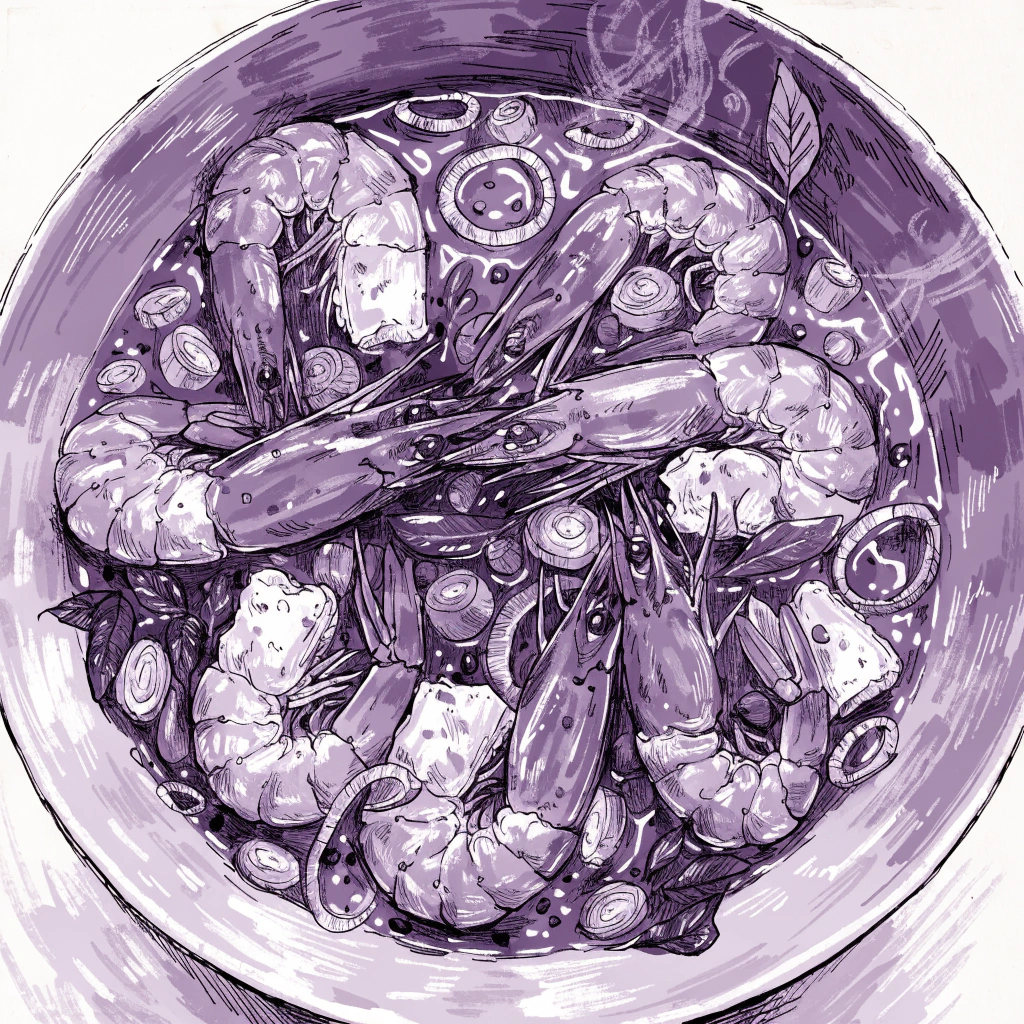
A Famous Thai Soup
Thailand is a beautiful country. It has many delicious foods. One famous food is Tom Yum Goong. This is a special soup. People in Thailand love it very much.
The soup has many fresh things. It has big shrimp. It also has many herbs. These herbs make the soup smell good. The soup is spicy and sour. It is very healthy.
You can eat this soup with white rice. Many people eat it for lunch or dinner. It is a very popular dish. It is the king of Thai food.
تسليط الضوء على القواعد
نمط: Present Simple 'To Be'
"Thailand is a beautiful country."
We use 'is' for singular subjects like 'Thailand'. It is used to describe facts and states.
نمط: Present Simple (Plural Subjects)
"Many people eat it for lunch."
With plural subjects like 'people', we use the base form of the verb 'eat'. We use this for habits or regular actions.
اختبر فهمك
10 أسئلة · A1 مبتدئ · معاينة مجانية واحدة
اختبر ما تعلمته من هذا المقال. أجب على جميع الأسئلة لكسب نقاط خبرة!
What is Tom Yum Goong?
هل تريد إنهاء الاختبار؟
9 أسئلة أخرى بانتظارك. سجّل مجاناً لفتح الاختبار الكامل وكسب نقاط خبرة!
سجل مجاناًلديك حساب بالفعل؟ دخول
تفصيل الأسئلة
What is Tom Yum Goong?
إجابتك:
الإجابة الصحيحة: A famous soup
Tom Yum Goong is from Thailand.
إجابتك:
الإجابة الصحيحة: صحيح
What does 'spicy' mean?
إجابتك:
الإجابة الصحيحة: A hot taste
The soup has big _____.
إجابتك:
الإجابة الصحيحة: shrimp
Tom Yum Goong: The Famous Soup of Thailand
Tom Yum Goong is the most famous soup in Thailand. It is a special dish because it has a strong spicy and sour taste. Thai people love this soup because the ingredients are very fresh and healthy.
Many years ago, people lived near the big rivers in Central Thailand. There were many large prawns in the water. People caught the prawns and boiled them with local herbs. They used lemongrass and lime to make the soup smell good. It was a simple meal, but it became a very important part of Thai culture.
The name "Tom Yum" means "boiled and mixed," and "Goong" means "shrimp." Today, Tom Yum Goong is more famous than other Thai dishes. You can find it in small street markets or expensive restaurants. Many tourists visit Thailand because they want to taste this delicious soup. It is a great meal to share with friends and family.
تسليط الضوء على القواعد
نمط: Comparatives (more + adjective + than)
"Today, Tom Yum Goong is more famous than other Thai dishes."
We use 'more' with long adjectives like 'famous' to compare two things. This pattern shows that one thing has a higher quality than the other.
نمط: Conjunction 'because'
"Many tourists visit Thailand because they want to taste this delicious soup."
We use 'because' to give a reason for something. It connects an action with the reason why it happens.
اختبر فهمك
11 أسئلة · A2 ابتدائي · معاينة مجانية واحدة
اختبر ما تعلمته من هذا المقال. أجب على جميع الأسئلة لكسب نقاط خبرة!
Where did people find the prawns for the soup in the past?
هل تريد إنهاء الاختبار؟
10 أسئلة أخرى بانتظارك. سجّل مجاناً لفتح الاختبار الكامل وكسب نقاط خبرة!
سجل مجاناًلديك حساب بالفعل؟ دخول
تفصيل الأسئلة
Where did people find the prawns for the soup in the past?
إجابتك:
الإجابة الصحيحة: In the big rivers
Tom Yum Goong is a sweet and salty soup.
إجابتك:
الإجابة الصحيحة: خطأ
What does the word 'Goong' mean?
إجابتك:
الإجابة الصحيحة: Shrimp
Tom Yum Goong is the most _____ soup in Thailand.
إجابتك:
الإجابة الصحيحة: famous
Why do people like this soup according to the text?
إجابتك:
الإجابة الصحيحة: The ingredients are fresh and healthy
Tom Yum Goong: The Heart of Thai Cuisine
Tom Yum Goong is a famous soup from Thailand that has become popular all over the world. It is a dish which perfectly represents the 'spicy and sour' flavors of Thai cuisine. The name is quite simple: 'Tom Yum' refers to the boiling and mixing process, while 'Goong' means shrimp. For many people, it is the first dish they try when they visit the country.
Historically, this delicious soup was developed in the river basins of Central Thailand. In these areas, freshwater prawns have been caught by local people for centuries because they are so abundant in the water. The soup was originally created as a clear broth that uses many healthy herbs. These ingredients, such as lemongrass, lime leaves, and galangal, are used to create a strong and aromatic smell that stimulates the appetite.
The soup is prepared by boiling these aromatic herbs in water before adding the fresh shrimp and fish sauce. In many modern restaurants, a small amount of coconut milk or evaporated milk is added to make a creamy variation. This version is often preferred by international tourists who might find the spice level a bit high. On the other hand, the clear version is known for being very spicy, sharp, and healthy.
Tom Yum Goong has been recognized as a national symbol of Thailand. It is served in almost every Thai restaurant, from simple street stalls to prestigious hotels. Because it is both delicious and medicinal, it has been enjoyed by millions of people who want to experience the true taste of Thailand. It has even been nominated for UNESCO heritage status because it is so important to Thai culture.
تسليط الضوء على القواعد
نمط: Relative Clauses
"It is a dish which perfectly represents the 'spicy and sour' flavors of Thai cuisine."
A relative clause uses 'which' or 'that' to provide more information about a noun. It helps combine two simple sentences into one complex sentence.
نمط: Passive Voice
"The soup is prepared by boiling these aromatic herbs in water before adding the fresh shrimp."
The passive voice is used when the action is more important than the person doing it. It is formed using the verb 'to be' followed by the past participle.
اختبر فهمك
11 أسئلة · B1 متوسط · معاينة مجانية واحدة
اختبر ما تعلمته من هذا المقال. أجب على جميع الأسئلة لكسب نقاط خبرة!
What does the word 'Goong' mean in the name of the dish?
هل تريد إنهاء الاختبار؟
10 أسئلة أخرى بانتظارك. سجّل مجاناً لفتح الاختبار الكامل وكسب نقاط خبرة!
سجل مجاناًلديك حساب بالفعل؟ دخول
تفصيل الأسئلة
What does the word 'Goong' mean in the name of the dish?
إجابتك:
الإجابة الصحيحة: Shrimp
The soup was originally created as a creamy broth with coconut milk.
إجابتك:
الإجابة الصحيحة: خطأ
What does 'aromatic' mean?
إجابتك:
الإجابة الصحيحة: Having a pleasant smell
Tom Yum Goong has been recognized as a national _____ of Thailand.
إجابتك:
الإجابة الصحيحة: symbol
Where did this soup historically develop?
إجابتك:
الإجابة الصحيحة: In the river basins of Central Thailand
توم يوم غونغ: رحلةٌ إلى قلب المذاق التايلاندي الأصيل
يُعدّ "توم يوم غونغ" (Tom Yum Goong) أحد أبرز رموز المطبخ التايلاندي، وتجسيدًا حيًا لفلسفة النكهات التي تُعرف بها تايلاند: المزيج المتناغم بين الحدة والحموضة. لا يقتصر هذا الطبق على كونه مجرد حساء، بل هو تجربةٌ حسيةٌ شاملةٌ تُوقِظُ الحواس وتترك انطباعًا لا يُنسى. على الرغم من وجود العديد من أشكال "توم يوم" التي تعني حرفيًا "المرق المغلي المختلط"، إلا أن النسخة التي تحتوي على "غونغ" (الجمبري) هي الأكثر شهرةً وتقديرًا، وتُعتبر المرجع الذهبي لهذا الطبق الأيقوني.
تُعزى أصول "توم يوم غونغ" إلى المناطق النهرية في وسط تايلاند، حيث كانت الروبيان المياه العذبة وفيرةً، مما جعلها مكونًا أساسيًا في النظام الغذائي المحلي. تاريخيًا، كان الحساء يُحضّر كمرقٍ صافٍ غنيٍ بالأعشاب العطرية، وكان الهدف منه تحفيز الشهية وتقديم الدفء والطاقة. مع مرور الوقت، تطورت الوصفة لتشمل مكونات أكثر تعقيدًا وتُصبح رمزًا للضيافة التايلاندية. يعكس هذا التطور قدرة المطبخ التايلاندي على التكيف والابتكار، مع الحفاظ على جوهر النكهات التقليدية.
يكمن سحر "توم يوم غونغ" في توازنه الدقيق بين خمس نكهات رئيسية: الحامض من عصير الليمون وعشب الليمون، والمالح من صلصة السمك، والحار من فلفل الكرز الحار (التايلاندي)، والحلو الخفيف من السكر، والمرارة الخفيفة من أوراق الكافير. هذه المكونات، بالإضافة إلى جذور الجالانجال والفطر الطازج، تُضفي على الحساء عمقًا لا مثيل له. يُعدّ تحضير "توم يوم غونغ" فنًا بحد ذاته، حيث يتطلب دقة في الكميات وتوقيتًا مثاليًا لإطلاق العطور والنكهات. يُقدم الحساء عادةً ساخنًا مع الأرز الأبيض، مما يضيف طبقة أخرى من الاستساغة.
على الرغم من أن "توم يوم غونغ" بالجمبري هو الأكثر شعبية، إلا أن هناك تنوعات أخرى تستخدم الدجاج (توم يوم كاي) أو المأكولات البحرية المختلطة (توم يوم تاليه). كما أن هناك نسختين رئيسيتين من الحساء: "توم يوم نام ساي" وهي النسخة الصافية، و"توم يوم نام خُن" وهي النسخة الكريمية التي تُضاف إليها قليل من حليب جوز الهند أو معجون الفلفل الحار التايلاندي لإضفاء قوام أكثر كثافة ونكهة أغنى. هذه التنوعات تُظهر مرونة الطبق وقدرته على تلبية الأذواق المختلفة، مع الحفاظ على هويته الأساسية. يُعتبر "توم يوم غونغ" أكثر من مجرد وجبة؛ إنه جزء لا يتجزأ من الهوية الثقافية التايلاندية، ويقدم للزوار لمحةً حقيقيةً عن روح البلاد المضيافة.
في الختام، يظل "توم يوم غونغ" أيقونةً للمطبخ التايلاندي، ليس فقط بسبب مذاقه الفريد، بل لأنه يحكي قصة تاريخٍ غنيٍّ وثقافةٍ نابضةٍ بالحياة. إنه دعوةٌ لاستكشاف عالمٍ من النكهات المعقدة والمتوازنة، وتجربةٌ لا يمكن نسيانها لكل من يزور تايلاند أو يسعى لاكتشاف أسرار مطبخها العريق.
تسليط الضوء على القواعد
نمط: اسم الفاعل واسم المفعول
"المزيج المتناغم بين الحدة والحموضة."
اسم الفاعل يدل على من قام بالفعل أو اتصف به (مثل: متناغم)، بينما اسم المفعول يدل على من وقع عليه الفعل (مثل: معروفة). يُشتقان من الأفعال لإنشاء صفات أو أسماء تدل على الفاعل أو المفعول به بشكل مختصر ودقيق، ويُستخدمان بكثرة في اللغة العربية الفصحى.
نمط: المصدر المؤول
"يتطلب دقة في الكميات وتوقيتًا مثاليًا لإطلاق العطور والنكهات."
يُستخدم المصدر المؤول (أنْ + الفعل المضارع المنصوب) ليحل محل المصدر الصريح (الاسم). إنه يُمكننا من التعبير عن معنى الحدث المجرد باستخدام فعل، مما يُضفي مرونة على تركيب الجملة. غالبًا ما يُستخدم بعد الأفعال التي تتطلب مفعولًا به أو بعد حروف الجر مثل "لِـ" للدلالة على الغاية أو السبب.
نمط: الجمل الشرطية
"إذا كنتَ تبحثُ عن تجربةٍ طهيٍّ فريدةٍ، فإن توم يوم غونغ يقدم لك ذلك."
تُستخدم الجمل الشرطية لربط حدثين بحيث يكون وقوع أحدهما مرهونًا بوقوع الآخر. كلمة "إذا" تُستخدم لشرط محتمل أو مؤكد الحدوث في المستقبل أو الماضي، وتُعطي الجملة معنى السببية والنتيجة في سياق الجملة.
اختبر فهمك
11 أسئلة · B2 فوق المتوسط · معاينة مجانية واحدة
اختبر ما تعلمته من هذا المقال. أجب على جميع الأسئلة لكسب نقاط خبرة!
ما هي السمة الرئيسية للمطبخ التايلاندي التي يجسدها طبق توم يوم غونغ؟
هل تريد إنهاء الاختبار؟
10 أسئلة أخرى بانتظارك. سجّل مجاناً لفتح الاختبار الكامل وكسب نقاط خبرة!
سجل مجاناًلديك حساب بالفعل؟ دخول
تفصيل الأسئلة
ما هي السمة الرئيسية للمطبخ التايلاندي التي يجسدها طبق توم يوم غونغ؟
إجابتك:
الإجابة الصحيحة: المزيج المتناغم بين الحدة والحموضة
نشأت أصول طبق توم يوم غونغ في المناطق الساحلية لتايلاند.
إجابتك:
الإجابة الصحيحة: خطأ
ما هو المعنى المناسب لكلمة "تحفيز" كما وردت في النص؟
إجابتك:
الإجابة الصحيحة: تشجيع أو إثارة
يكمن سحر "توم يوم غونغ" في توازنه الدقيق بين خمس _____ رئيسية.
إجابتك:
الإجابة الصحيحة: نكهات
أي نسخة من "توم يوم" تُعتبر الأكثر شهرةً وتقديرًا؟
إجابتك:
الإجابة الصحيحة: توم يوم غونغ (بالجمبري)
The Gastronomic Alchemy of Tom Yum Goong: A Cultural Synthesis
Rarely has a single dish so effectively encapsulated a nation’s sensory identity as Tom Yum Goong has for Thailand. Often lauded as the quintessential Thai soup, it represents far more than a mere culinary assembly; it is a profound manifestation of the Thai palate's complexity. Historically, the dish’s genesis is inextricably linked to the fertile river basins of Central Thailand, where the abundance of freshwater prawns—the 'Goong' in its title—first inspired this aromatic creation. What began as a humble, clear broth intended to stimulate the appetite has undergone a remarkable metamorphosis, evolving into a globally recognized symbol of Thai heritage.
The proliferation of Tom Yum Goong across international borders has sparked a nuanced debate regarding authenticity versus adaptation. It is the delicate balance of the 'four pillars'—spicy, sour, salty, and sweet—that distinguishes an authentic rendition from its diluted counterparts. While the inclusion of coconut milk or evaporated milk creates the 'Nam Khon' (creamy) variation, purists often argue that the 'Nam Sai' (clear) version better showcases the piquant interplay of lemongrass, galangal, and kaffir lime leaves. This duality reflects the broader ambivalence within modern Thai gastronomy: the desire to preserve traditional techniques while embracing the inevitable evolution brought about by global exposure.
The meticulous preparation of Tom Yum Goong is a ritual in itself. The bruising of the lemongrass and the precise slicing of the galangal are not merely aesthetic choices but essential steps to release the essential oils that form the soup's aromatic backbone. It is this attention to detail that ensures the broth achieves its signature depth. Moreover, the choice of prawns is critical; the inclusion of the head fat provides a richness that no substitute can replicate. This technical rigor suggests that the dish is less a recipe and more a disciplined art form, requiring years of experience to master the subtle shifts in flavor profile caused by seasonal variations in produce.
Furthermore, the medicinal properties attributed to the soup's ingredients underscore its holistic nature. The nominalization of health benefits—such as the anti-inflammatory properties of galangal or the digestive aid provided by lemongrass—elevates Tom Yum Goong from a simple meal to a functional elixir. However, the commercialization of the dish has led to the emergence of 'instant' versions, which some critics suggest epitomize the erosion of culinary craftsmanship. Despite this, the core essence of the dish remains steadfast.
Never before has the world been so enamored with a soup that demands such precision. The alchemy of transforming raw, pungent herbs into a harmonious liquid is a testament to the skill of Thai cooks. Ultimately, Tom Yum Goong serves as a bridge between the past and the present, a liquid narrative of Thailand's geographical bounty and its people's enduring ingenuity. Whether consumed in a bustling Bangkok street market or an upscale London eatery, it remains an indispensable cornerstone of the global culinary landscape.
تسليط الضوء على القواعد
نمط: Inversion with negative/restrictive adverbs
"Rarely has a single dish so effectively encapsulated a nation’s sensory identity as Tom Yum Goong has for Thailand."
This pattern places the auxiliary verb before the subject to emphasize the rarity of the occurrence. It is commonly used in formal C1-level writing to create a more dramatic or sophisticated tone.
نمط: Cleft Sentences
"It is the delicate balance of the 'four pillars'—spicy, sour, salty, and sweet—that distinguishes an authentic rendition from its diluted counterparts."
Cleft sentences use 'It is/was... that' to focus on a specific piece of information. This structure highlights the 'four pillars' as the most important factor in authenticity.
نمط: Nominalisation
"The proliferation of Tom Yum Goong across international borders has sparked a nuanced debate regarding authenticity versus adaptation."
Nominalisation involves turning verbs (proliferate) into nouns (proliferation). This allows the writer to discuss complex concepts as objects, making the text more academic and concise.
اختبر فهمك
12 أسئلة · C1 متقدم · معاينة مجانية واحدة
اختبر ما تعلمته من هذا المقال. أجب على جميع الأسئلة لكسب نقاط خبرة!
What was the original purpose of the clear broth version of Tom Yum Goong?
هل تريد إنهاء الاختبار؟
11 أسئلة أخرى بانتظارك. سجّل مجاناً لفتح الاختبار الكامل وكسب نقاط خبرة!
سجل مجاناًلديك حساب بالفعل؟ دخول
تفصيل الأسئلة
What was the original purpose of the clear broth version of Tom Yum Goong?
إجابتك:
الإجابة الصحيحة: To stimulate the appetite
The 'Nam Khon' version of the soup is the traditional clear variety preferred by purists.
إجابتك:
الإجابة الصحيحة: خطأ
What does 'piquant' mean in the context of the article?
إجابتك:
الإجابة الصحيحة: Pleasantly sharp or spicy
The abundance of _____ prawns in Central Thailand was the catalyst for the dish's creation.
إجابتك:
الإجابة الصحيحة: freshwater
According to the text, what does the 'alchemy' of the soup refer to?
إجابتك:
الإجابة الصحيحة: The transformation of raw herbs into a balanced liquid
The article suggests that commercialized instant versions of the soup represent a loss of traditional skill.
إجابتك:
الإجابة الصحيحة: صحيح
توم يوم غونغ: أيقونة المطبخ التايلاندي وتجلياته الثقافية
يُعد طبق "توم يوم غونغ" (Tom Yum Goong) أحد أبرز رموز المطبخ التايلاندي، بل يتجاوز كونه مجرد حساء ليغدو تجسيداً حياً لفلسفة الطهي التايلاندية التي تتسم بالجرأة والتوازن الدقيق بين النكهات. إن هذا الحساء، الذي يُعرف عالمياً بمذاقه اللاذع والحار، ليس سوى استعارة للروح التايلاندية نفسها، إذ يعكس التناغم بين العناصر المتضاربة ليصوغ تجربة حسية فريدة لا تُنسى. لا عجب إذاً أن يُنظر إليه كجوهرة تاج المائدة التايلاندية، لا سيما النسخة التي تُعد بالجمبري (غونغ).
تُشير الروايات التاريخية إلى أن نشأة هذا الطبق تعود إلى مناطق أحواض الأنهار في وسط تايلاند، حيث كانت الروبيان النهري وفيرة، مما أتاح للسكان المحليين ابتكار أطباق تستغل هذه الثروة الطبيعية. لم يكن "توم يوم" في بداياته سوى مرق شفاف، غني بالأعشاب العطرية، صُمم خصيصاً لتحفيز الشهية وتزويد الجسم بالدفء والطاقة في المناخات الرطبة. وقد تطور هذا الحساء عبر الأجيال، ليتحول من طبق بسيط إلى تحفة فنية تتطلب مهارة فائقة لإتقانها، مع إضافة حليب جوز الهند في بعض الأحيان ليمنحه قواماً كريمياً ونكهة أكثر ثراءً.
إن جوهر "توم يوم غونغ" يكمن في تآزر المكونات الأساسية التي تُشكل لوحة مذاقية معقدة. فالليمون العطري (الليمون الكفير)، وعشب الليمون (السيترونيلا)، والخولنجان، والفلفل الحار، وورق الليمون الكفيري، وصلصة السمك، كلها عناصر تتحد لتخلق نسيجاً من النكهات المتناقضة والمتكاملة في آنٍ واحد: الحموضة المنعشة، والحرارة الدافئة، والملوحة المعتدلة، فضلاً عن لمسة خفيفة من الحلاوة المستمدة من الجمبري أو بعض الإضافات الأخرى. يُعتقد أن هذا التوازن هو ما يُميز المطبخ التايلاندي عن غيره، حيث لا تطغى نكهة على أخرى، بل تتراقص جميعها في تناغم بديع على الحنك.
على الرغم من وجود العديد من أشكال "توم يوم"، والتي تختلف باختلاف المكونات الرئيسية كالسمك أو الدجاج، إلا أن "توم يوم غونغ" يظل هو النسخة الأكثر شهرة ورفعة. فالجمبري الطازج، بحد ذاته، يُضفي على الحساء عمقاً ونكهة بحرية لا تُضاهى، مما يجعله الخيار المفضل لدى الكثيرين، سواء كانوا من السكان المحليين أو الزوار الأجانب الساعين لتجربة الأصالة التايلاندية. إن إعداد هذا الطبق ليس مجرد عملية طهي، بل هو طقس يُظهر الاحترام للمكونات والتقدير لتاريخ الطهي العريق.
يُمكن القول إن "توم يوم غونغ" يتجاوز كونه مجرد وجبة؛ إنه تجربة ثقافية شاملة. فكل ملعقة منه تحكي قصة، وتُجسد فصلاً من فصول التاريخ التايلاندي الغني، وتُقدم لمحة عن كرم الضيافة الذي يميز هذا الشعب. إنه ليس فقط طبقاً يُشبع الجوع، بل هو أيضاً طبق يُغذي الروح، ويُعزز الروابط الاجتماعية، ويُصبح نقطة محورية في الاحتفالات والتجمعات. إن قدرته على إثارة حواس التذوق والشم والبصر دفعة واحدة، تجعله أيقونة حقيقية تستحق الإجلال، وتُمثل بحق جوهر المطبخ التايلاندي الذي أسر قلوب الملايين حول العالم.
في الختام، إن التأمل في طبق "توم يوم غونغ" يُقدم لنا دروساً عميقة في فن التوازن والتناغم، ليس فقط في الطهي، بل في الحياة أيضاً. إنه يُعلمنا كيف يمكن للعناصر المتباينة أن تتحد لتُشكل كلاً متفوقاً على مجموع أجزائه، ليُصبح بذلك أكثر من مجرد حساء حار وحامض؛ إنه احتفال بالنكهة، وبالتاريخ، وبالثقافة التايلاندية الأصيلة.
تسليط الضوء على القواعد
نمط: المصدر المؤول بأن (أن + الفعل المضارع المنصوب)
"لا عجب إذاً أن يُنظر إليه كجوهرة تاج المائدة التايلاندية."
يُستخدم المصدر المؤول بأن لتكوين اسم من الفعل، ويعمل عمل المصدر الصريح. في هذا المثال، "أن يُنظر" تعادل "النظر"، وتأتي لتعبر عن حدث أو حقيقة يُنظر إليها كشيء طبيعي أو غير مستغرب، وتُضفي على الجملة طابعاً رسمياً وأكاديمياً.
نمط: التعبير عن التناقض والتكامل (فضلاً عن... لا سيما...)
"الحموضة المنعشة، والحرارة الدافئة، والملوحة المعتدلة، فضلاً عن لمسة خفيفة من الحلاوة المستمدة من الجمبري أو بعض الإضافات الأخرى. لا عجب إذاً أن يُنظر إليه كجوهرة تاج المائدة التايلاندية، لا سيما النسخة التي تُعد بالجمبري (غونغ)."
يُستخدم تعبير "فضلاً عن" لإضافة معلومة أو عنصر آخر إلى القائمة، مع التأكيد على أهميته. أما "لا سيما" فتُستخدم لتخصيص شيء بالذكر من بين مجموعة، للدلالة على أهميته أو تميزه بشكل خاص. هذه التعبيرات تُعزز من ترابط الأفكار وتُظهر القدرة على التفصيل والتمييز.
نمط: استخدام الفعل المضارع للدلالة على الاستمرارية والحقيقة العامة
"يُعد طبق "توم يوم غونغ" أحد أبرز رموز المطبخ التايلاندي، بل يتجاوز كونه مجرد حساء ليغدو تجسيداً حياً لفلسفة الطهي التايلاندية."
يُستخدم الفعل المضارع هنا (يُعد، يتجاوز، يغدو) للتعبير عن حقائق ثابتة أو أوصاف دائمة للطبق، مما يمنح النص طابعاً علمياً أو تحليلياً. هذا الاستخدام يُبرز أن الصفات المذكورة ليست مؤقتة بل هي جزء أصيل من هوية الطبق وتأثيره الثقافي.
اختبر فهمك
12 أسئلة · C2 إتقان · معاينة مجانية واحدة
اختبر ما تعلمته من هذا المقال. أجب على جميع الأسئلة لكسب نقاط خبرة!
ما هو المفهوم الأساسي الذي يعكسه طبق "توم يوم غونغ" في المطبخ التايلاندي؟
هل تريد إنهاء الاختبار؟
11 أسئلة أخرى بانتظارك. سجّل مجاناً لفتح الاختبار الكامل وكسب نقاط خبرة!
سجل مجاناًلديك حساب بالفعل؟ دخول
تفصيل الأسئلة
ما هو المفهوم الأساسي الذي يعكسه طبق "توم يوم غونغ" في المطبخ التايلاندي؟
إجابتك:
الإجابة الصحيحة: التوازن الدقيق بين النكهات المتضاربة
نشأ طبق "توم يوم غونغ" في مناطق أحواض الأنهار في شمال تايلاند.
إجابتك:
الإجابة الصحيحة: خطأ
ماذا تعني كلمة "تآزر" في سياق المقال؟
إجابتك:
الإجابة الصحيحة: التعاون والعمل المشترك بين المكونات لإنتاج تأثير أكبر
يُعتقد أن التوازن في النكهات هو ما يُميز المطبخ التايلاندي عن ______.
إجابتك:
الإجابة الصحيحة: غيره
ما هو المكون الذي يُضفي على حساء "توم يوم غونغ" قواماً كريمياً ونكهة أكثر ثراءً في بعض الأحيان؟
إجابتك:
الإجابة الصحيحة: حليب جوز الهند
يُعتبر إعداد "توم يوم غونغ" مجرد عملية طهي لا تتطلب مهارة أو احتراماً للمكونات.
إجابتك:
الإجابة الصحيحة: خطأ

