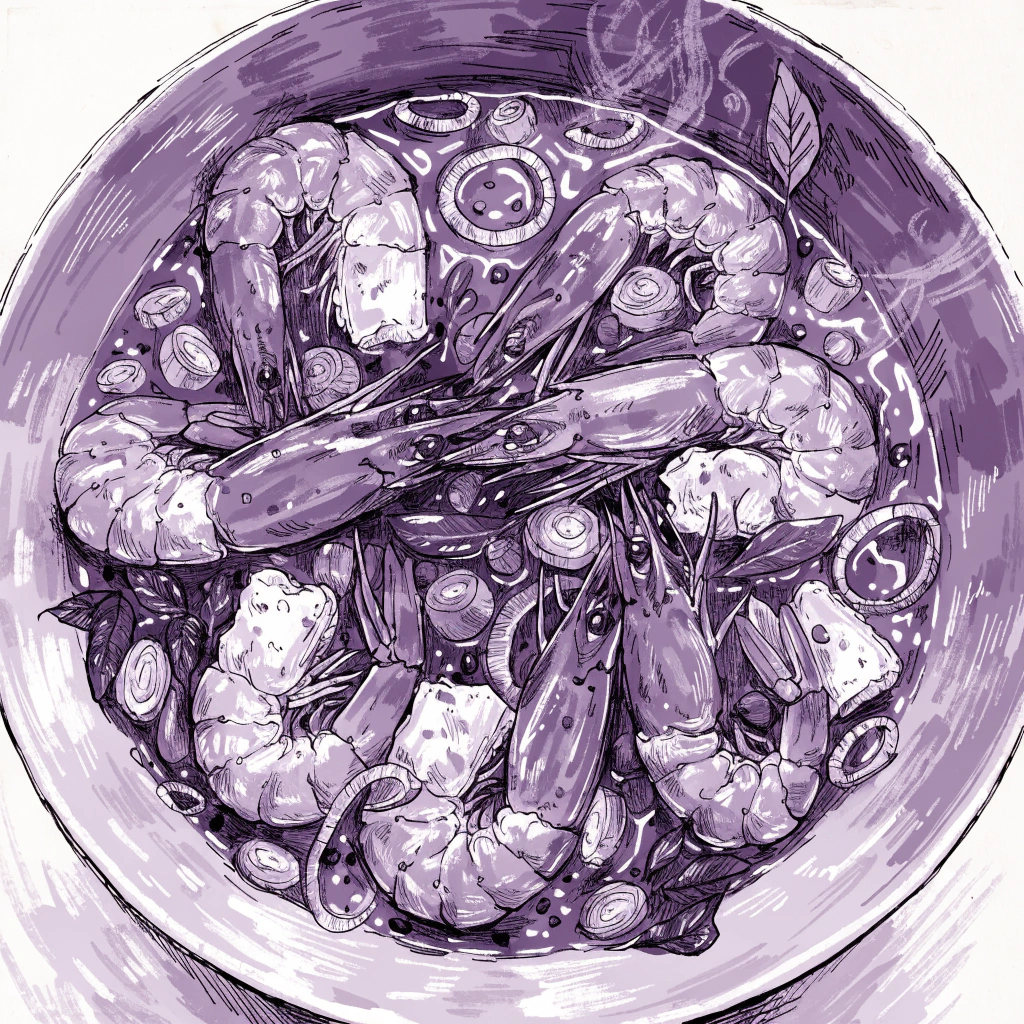
A Famous Thai Soup
Thailand is a beautiful country. It has many delicious foods. One famous food is Tom Yum Goong. This is a special soup. People in Thailand love it very much.
The soup has many fresh things. It has big shrimp. It also has many herbs. These herbs make the soup smell good. The soup is spicy and sour. It is very healthy.
You can eat this soup with white rice. Many people eat it for lunch or dinner. It is a very popular dish. It is the king of Thai food.
نکته دستوری
الگو: Present Simple 'To Be'
"Thailand is a beautiful country."
We use 'is' for singular subjects like 'Thailand'. It is used to describe facts and states.
الگو: Present Simple (Plural Subjects)
"Many people eat it for lunch."
With plural subjects like 'people', we use the base form of the verb 'eat'. We use this for habits or regular actions.
درک خود را بسنجید
10 سوال · A1 مبتدی · 1 پیشنمایش رایگان
آنچه از این مقاله آموختید را بسنجید. به همه سؤالات پاسخ دهید و XP کسب کنید!
What is Tom Yum Goong?
آیا میخواهید آزمون را تمام کنید؟
9 سؤال دیگر منتظر شماست. ثبتنام رایگان کنید تا آزمون کامل را باز کنید و XP کسب کنید!
ثبتنام رایگانقبلاً ثبتنام کردی؟ ورود
جزئیات سؤالات
What is Tom Yum Goong?
پاسخ شما:
پاسخ درست: A famous soup
Tom Yum Goong is from Thailand.
پاسخ شما:
پاسخ درست: درست
What does 'spicy' mean?
پاسخ شما:
پاسخ درست: A hot taste
The soup has big _____.
پاسخ شما:
پاسخ درست: shrimp
Tom Yum Goong: The Famous Soup of Thailand
Tom Yum Goong is the most famous soup in Thailand. It is a special dish because it has a strong spicy and sour taste. Thai people love this soup because the ingredients are very fresh and healthy.
Many years ago, people lived near the big rivers in Central Thailand. There were many large prawns in the water. People caught the prawns and boiled them with local herbs. They used lemongrass and lime to make the soup smell good. It was a simple meal, but it became a very important part of Thai culture.
The name "Tom Yum" means "boiled and mixed," and "Goong" means "shrimp." Today, Tom Yum Goong is more famous than other Thai dishes. You can find it in small street markets or expensive restaurants. Many tourists visit Thailand because they want to taste this delicious soup. It is a great meal to share with friends and family.
نکته دستوری
الگو: Comparatives (more + adjective + than)
"Today, Tom Yum Goong is more famous than other Thai dishes."
We use 'more' with long adjectives like 'famous' to compare two things. This pattern shows that one thing has a higher quality than the other.
الگو: Conjunction 'because'
"Many tourists visit Thailand because they want to taste this delicious soup."
We use 'because' to give a reason for something. It connects an action with the reason why it happens.
درک خود را بسنجید
11 سوال · A2 مقدماتی · 1 پیشنمایش رایگان
آنچه از این مقاله آموختید را بسنجید. به همه سؤالات پاسخ دهید و XP کسب کنید!
Where did people find the prawns for the soup in the past?
آیا میخواهید آزمون را تمام کنید؟
10 سؤال دیگر منتظر شماست. ثبتنام رایگان کنید تا آزمون کامل را باز کنید و XP کسب کنید!
ثبتنام رایگانقبلاً ثبتنام کردی؟ ورود
جزئیات سؤالات
Where did people find the prawns for the soup in the past?
پاسخ شما:
پاسخ درست: In the big rivers
Tom Yum Goong is a sweet and salty soup.
پاسخ شما:
پاسخ درست: نادرست
What does the word 'Goong' mean?
پاسخ شما:
پاسخ درست: Shrimp
Tom Yum Goong is the most _____ soup in Thailand.
پاسخ شما:
پاسخ درست: famous
Why do people like this soup according to the text?
پاسخ شما:
پاسخ درست: The ingredients are fresh and healthy
Tom Yum Goong: The Heart of Thai Cuisine
Tom Yum Goong is a famous soup from Thailand that has become popular all over the world. It is a dish which perfectly represents the 'spicy and sour' flavors of Thai cuisine. The name is quite simple: 'Tom Yum' refers to the boiling and mixing process, while 'Goong' means shrimp. For many people, it is the first dish they try when they visit the country.
Historically, this delicious soup was developed in the river basins of Central Thailand. In these areas, freshwater prawns have been caught by local people for centuries because they are so abundant in the water. The soup was originally created as a clear broth that uses many healthy herbs. These ingredients, such as lemongrass, lime leaves, and galangal, are used to create a strong and aromatic smell that stimulates the appetite.
The soup is prepared by boiling these aromatic herbs in water before adding the fresh shrimp and fish sauce. In many modern restaurants, a small amount of coconut milk or evaporated milk is added to make a creamy variation. This version is often preferred by international tourists who might find the spice level a bit high. On the other hand, the clear version is known for being very spicy, sharp, and healthy.
Tom Yum Goong has been recognized as a national symbol of Thailand. It is served in almost every Thai restaurant, from simple street stalls to prestigious hotels. Because it is both delicious and medicinal, it has been enjoyed by millions of people who want to experience the true taste of Thailand. It has even been nominated for UNESCO heritage status because it is so important to Thai culture.
نکته دستوری
الگو: Relative Clauses
"It is a dish which perfectly represents the 'spicy and sour' flavors of Thai cuisine."
A relative clause uses 'which' or 'that' to provide more information about a noun. It helps combine two simple sentences into one complex sentence.
الگو: Passive Voice
"The soup is prepared by boiling these aromatic herbs in water before adding the fresh shrimp."
The passive voice is used when the action is more important than the person doing it. It is formed using the verb 'to be' followed by the past participle.
درک خود را بسنجید
11 سوال · B1 متوسط · 1 پیشنمایش رایگان
آنچه از این مقاله آموختید را بسنجید. به همه سؤالات پاسخ دهید و XP کسب کنید!
What does the word 'Goong' mean in the name of the dish?
آیا میخواهید آزمون را تمام کنید؟
10 سؤال دیگر منتظر شماست. ثبتنام رایگان کنید تا آزمون کامل را باز کنید و XP کسب کنید!
ثبتنام رایگانقبلاً ثبتنام کردی؟ ورود
جزئیات سؤالات
What does the word 'Goong' mean in the name of the dish?
پاسخ شما:
پاسخ درست: Shrimp
The soup was originally created as a creamy broth with coconut milk.
پاسخ شما:
پاسخ درست: نادرست
What does 'aromatic' mean?
پاسخ شما:
پاسخ درست: Having a pleasant smell
Tom Yum Goong has been recognized as a national _____ of Thailand.
پاسخ شما:
پاسخ درست: symbol
Where did this soup historically develop?
پاسخ شما:
پاسخ درست: In the river basins of Central Thailand
تام یام گونگ: طعم بینظیر تایلند در یک کاسه
تام یام گونگ، بدون شک یکی از برجستهترین و پرطرفدارترین غذاهای تایلندی است که نه تنها در سرزمین لبخندها، بلکه در سراسر جهان به شهرت جهانی دست یافته است. این سوپ تند و ترش، نمادی از فلسفه آشپزی تایلندی است که بر تعادل و هماهنگی طعمها تأکید دارد. واژه «تام» به معنای جوشاندن و «یام» به معنای مخلوط کردن است، در حالی که «گونگ» به میگو اشاره دارد. اگرچه انواع مختلفی از سوپ تام یام وجود دارد، اما نسخه میگو (تام یام گونگ) به دلیل طعم غنی و مواد اولیه باکیفیت، معتبرترین و محبوبترین نوع آن به حساب میآید.
ریشههای تاریخی تام یام گونگ به حوضههای رودخانهای تایلند مرکزی بازمیگردد، جایی که میگوهای آب شیرین به وفور یافت میشدند. در ابتدا، این سوپ به عنوان یک آبگوشت شفاف و معطر با هدف تحریک اشتها و تأمین مواد مغذی ضروری تهیه میشد. با گذشت زمان و تکامل آشپزی تایلندی، این غذا به شکل پیچیدهتر و با طعمهای متنوعتری که امروزه میشناسیم، درآمد.
عناصر کلیدی که به تام یام گونگ طعم منحصر به فرد آن را میبخشند، شامل علف لیمو (Lemongrass)، گالانگال (Galangal)، برگ لیمو کافیر (Kaffir Lime Leaves)، فلفل چیلی تازه، سس ماهی و آب لیمو است. این مواد اولیه، که هر یک نقش حیاتی در ایجاد تعادل طعمها دارند، با دقت انتخاب و ترکیب میشوند تا یک تجربه غذایی فراموشنشدنی را رقم بزنند. تندی فلفل، ترشی لیمو، عطر گیاهان معطر و شیرینی طبیعی میگو، همگی در یک هارمونی دلپذیر گرد هم میآیند.
در تایلند، تام یام گونگ بیش از یک غذاست؛ این سوپ بخشی جداییناپذیر از فرهنگ و هویت ملی به شمار میرود. اغلب در مناسبتهای خاص و به عنوان یک غذای اشتهاآور قبل از وعدههای اصلی سرو میشود. توانایی آن در بیدار کردن حس چشایی و آمادهسازی کام برای غذاهای بعدی، آن را به انتخابی ایدهآل تبدیل کرده است. علاوه بر این، خواص دارویی برخی از مواد تشکیلدهنده آن، مانند گالانگال و علف لیمو، به اعتبار این سوپ افزوده است.
امروزه، تام یام گونگ در منوی رستورانهای تایلندی در سراسر جهان دیده میشود و به عنوان یکی از سفیران اصلی آشپزی تایلند، نقش مهمی در معرفی این فرهنگ غنی به جهانیان ایفا میکند. این سوپ، با طعمهای پیچیده و عمیق خود، تجربهای دلپذیر و هیجانانگیز را برای هر کسی که به دنبال کشف طعمهای جدید است، فراهم میآورد.
نکته دستوری
الگو: فعل مجهول (Passive Voice)
"این سوپ به عنوان یک آبگوشت شفاف و معطر با هدف تحریک اشتها و تأمین مواد مغذی ضروری تهیه میشد."
فعل مجهول زمانی استفاده میشود که فاعل عمل (انجامدهنده کار) مشخص نباشد یا اهمیت کمتری نسبت به خود عمل داشته باشد. در فارسی، با استفاده از فعل «شدن» به همراه صفت مفعولی (بن ماضی + ـه) ساخته میشود. این ساختار در متون رسمی و علمی کاربرد زیادی دارد.
الگو: ساختار «به حساب میآید»
"نسخه میگو (تام یام گونگ) به دلیل طعم غنی و مواد اولیه باکیفیت، معتبرترین و محبوبترین نوع آن به حساب میآید."
این ساختار برای بیان اینکه چیزی چگونه در نظر گرفته میشود یا چه جایگاهی دارد، استفاده میشود. مشابه «considered to be» یا «is regarded as» در انگلیسی است. این عبارت نشاندهنده یک ارزیابی یا طبقهبندی است که توسط عموم یا متخصصین پذیرفته شده است.
الگو: عبارت «بیش از یک... است»
"در تایلند، تام یام گونگ بیش از یک غذاست؛ این سوپ بخشی جداییناپذیر از فرهنگ و هویت ملی به شمار میرود."
این عبارت برای تأکید بر اهمیت یا ابعاد فراتر از ظاهر یک چیز استفاده میشود. نشان میدهد که مورد بحث، عمیقتر یا گستردهتر از آن چیزی است که در نگاه اول به نظر میرسد. این ساختار به خواننده کمک میکند تا به درک عمیقتری از موضوع برسد.
درک خود را بسنجید
11 سوال · B2 بالاتر از متوسط · 1 پیشنمایش رایگان
آنچه از این مقاله آموختید را بسنجید. به همه سؤالات پاسخ دهید و XP کسب کنید!
کدام یک از موارد زیر به معنای «گونگ» در نام «تام یام گونگ» است؟
آیا میخواهید آزمون را تمام کنید؟
10 سؤال دیگر منتظر شماست. ثبتنام رایگان کنید تا آزمون کامل را باز کنید و XP کسب کنید!
ثبتنام رایگانقبلاً ثبتنام کردی؟ ورود
جزئیات سؤالات
کدام یک از موارد زیر به معنای «گونگ» در نام «تام یام گونگ» است؟
پاسخ شما:
پاسخ درست: میگو
تام یام گونگ تنها در تایلند محبوب است و در خارج از این کشور شناخته شده نیست.
پاسخ شما:
پاسخ درست: نادرست
کلمه «اشتها» به چه معناست؟
پاسخ شما:
پاسخ درست: میل به خوردن غذا
ریشههای تاریخی تام یام گونگ به _______ رودخانهای تایلند مرکزی بازمیگردد.
پاسخ شما:
پاسخ درست: حوضههای
هدف اصلی از تهیه سوپ تام یام در ابتدا چه بود؟
پاسخ شما:
پاسخ درست: تحریک اشتها و تأمین مواد مغذی
تام یام گونگ: تجسد طعمهای تایلندی در یک کاسه
تام یام گونگ، نامی که در میان خوراکهای تایلندی همچون ستارهای درخشان میدرخشد، نه صرفاً یک سوپ، بلکه بیانیهای تمامعیار از جوهرهی آشپزی این سرزمین است. آنچه این غذای ملی را تا بدین حد متمایز ساخته، نه فقط طعم بینظیر آن، که پیچیدگی و هارمونی شگفتانگیز میان تندی، ترشی، شوری و شیرینی است؛ ترکیبی که ذائقهی هر فردی را به چالش میکشد و در عین حال به اوج لذت میرساند.
منشأ این سوپ محبوب را باید در نواحی حاصلخیز مرکزی تایلند، به ویژه در امتداد رودخانههای پرآب جستجو کرد. در جایی که میگوهای آب شیرین فراوان بودند، مردمان محلی سوپی ساده اما سرشار از عطر و طعم گیاهان معطر منطقه میپختند. این خوراک اولیه، که به عنوان محرک اشتها شناخته میشد، به تدریج تکامل یافت و امروزه به شکل تام یام گونگ، با میگوهای تازه و ادویههای خاص، متبلور شده است. آنچه که از تاریخچهی آن برمیآید، حکایت از یک سیر تحول تدریجی دارد که در نهایت به شاهکاری آشپزی منجر گشته است.
واژهی «تام یام» خود به معنای «جوشاندن» و «مخلوط کردن» است، که به شیوهی پخت این سوپ اشاره دارد. «گونگ» نیز در زبان تایلندی به معنای میگو است. از میان انواع بیشمار تام یام، که هر کدام با مواد اولیه متفاوتی تهیه میشوند، نوع میگوی آن – یعنی تام یام گونگ – جایگاه ویژهای دارد و به نوعی نماد پرستیژ و اصالت به شمار میرود. این امر بدان معناست که در هر مهمانی یا رستورانی، حضور تام یام گونگ نشانهای از شکوه و پذیرایی فاخر است.
برای درک عمق طعم تام یام گونگ، میبایست به مواد تشکیلدهندهی کلیدی آن پرداخت. علف لیمو با رایحهی مرکباتیاش، گالانگال با تندی خاص خود، برگهای لیموی کافیر که عطری بیبدیل به آن میبخشند، و البته فلفلهای تند که قلب تپندهی این سوپ را تشکیل میدهند. این عناصر، همراه با آبلیموی تازه و سس ماهی، یک سمفونی از طعمها را خلق میکنند که در آن هیچ نت واحدی بر دیگری غالب نیست، بلکه همگی در تعادلی ظریف و استادانه جای گرفتهاند. همینکه قاشقی از این سوپ را به دهان میبرید، تندی دلنشین آن در کنار ترشی ملایم و عطر گیاهان معطر، حواس شما را بیدار میکند و تجربهای فراموشنشدنی را رقم میزند.
فراتر از یک غذای صرف، تام یام گونگ استعارهای از فرهنگ تایلندی است؛ فرهنگی که به استقبال گرم، سخاوت و لذت بردن از لحظات حال اهمیت میدهد. این سوپ نه تنها شکمها را سیر میکند، بلکه روح را نیز تغذیه مینماید و به نوعی نمادی از هویت ملی تایلند محسوب میشود. بدون تردید، هر گردشگری که به تایلند سفر میکند، تجربهی چشیدن این سوپ را در صدر فهرست خود قرار میدهد، زیرا تام یام گونگ فراتر از یک وعدهی غذایی، یک تجربهی فرهنگی عمیق است که هرگز از خاطر نمیرود. در واقع، میتوان آن را یکی از برجستهترین سفیران آشپزی تایلند در سراسر جهان دانست که توانسته است با طعمهای منحصربهفرد خود، جایگاه ویژهای در قلب دوستداران غذا بیابد.
نکته دستوری
الگو: جملات شکافته (Cleft Sentences)
"آنچه این غذای ملی را تا بدین حد متمایز ساخته، نه صرفاً طعم بینظیر آن، که پیچیدگی و هارمونی شگفتانگیز میان تندی، ترشی، شوری و شیرینی است."
جملات شکافته (cleft sentences) برای تأکید بر قسمتی از جمله به کار میروند. در فارسی معمولاً با ساختارهایی مانند «آنچه که... است» یا «همین... است که...» ساخته میشوند. این ساختار به خواننده کمک میکند تا متوجه شود کدام بخش از اطلاعات اهمیت بیشتری دارد.
الگو: اسمیسازی (Nominalisation)
"آنچه که از تاریخچهی آن برمیآید، حکایت از یک سیر تحول تدریجی دارد که در نهایت به شاهکاری آشپزی منجر گشته است."
اسمیسازی به معنای تبدیل فعل یا صفت به اسم است. در این مثال، «برمیآید» (فعل) به «آنچه که برمیآید» (عبارت اسمی) تبدیل شده است. این تکنیک به جملات رسمیت و پیچیدگی بیشتری میبخشد و در نوشتار آکادمیک و رسمی بسیار رایج است.
الگو: حالت وارونه (Inversion)
"در جایی که میگوهای آب شیرین فراوان بودند، مردمان محلی سوپی ساده اما سرشار از عطر و طعم گیاهان معطر منطقه میپختند."
حالت وارونه به معنای تغییر ترتیب معمول کلمات در جمله برای تأکید یا ایجاد تنوع سبکی است. در این مثال، قید مکان («در جایی که...») در ابتدای جمله آمده و سپس فاعل و فعل. این ساختار به جمله آهنگ و تأکید خاصی میبخشد و آن را از حالت خبری ساده خارج میکند.
درک خود را بسنجید
12 سوال · C1 پیشرفته · 1 پیشنمایش رایگان
آنچه از این مقاله آموختید را بسنجید. به همه سؤالات پاسخ دهید و XP کسب کنید!
کدام ویژگی طعم تام یام گونگ آن را خاص و متمایز میکند؟
آیا میخواهید آزمون را تمام کنید؟
11 سؤال دیگر منتظر شماست. ثبتنام رایگان کنید تا آزمون کامل را باز کنید و XP کسب کنید!
ثبتنام رایگانقبلاً ثبتنام کردی؟ ورود
جزئیات سؤالات
کدام ویژگی طعم تام یام گونگ آن را خاص و متمایز میکند؟
پاسخ شما:
پاسخ درست: پیچیدگی و هارمونی تندی، ترشی، شوری و شیرینی
تام یام گونگ از ابتدا به شکل امروزی و با میگوهای فراوان پخته میشده است.
پاسخ شما:
پاسخ درست: نادرست
کلمهی «جوهره» در متن به چه معناست؟
پاسخ شما:
پاسخ درست: ماهیت اصلی و درونی
منشأ این سوپ محبوب را باید در نواحی _______ مرکزی تایلند، به ویژه در امتداد رودخانههای پرآب جستجو کرد.
پاسخ شما:
پاسخ درست: حاصلخیز
کدام یک از موارد زیر جزو مواد تشکیلدهندهی کلیدی تام یام گونگ نیست؟
پاسخ شما:
پاسخ درست: رب گوجهفرنگی
تام یام گونگ فقط یک وعدهی غذایی است و هیچ اهمیت فرهنگی برای تایلندیها ندارد.
پاسخ شما:
پاسخ درست: نادرست
The Gastronomic Quintessence of the Chao Phraya: An Analytical Deconstruction of Tom Yum Goong
To characterize Tom Yum Goong merely as a culinary staple would be to overlook its profound status as a sensory manifestation of Thai cultural identity. Often heralded as the gastronomic quintessence of the nation, this vibrant broth serves as a palimpsest of historical migration, riparian adaptation, and a sophisticated understanding of botanical synergies. It is not simply a dish; it is an ontological statement regarding the Thai palate’s preference for equilibrium amidst intensity. To understand the dish, one must look beyond the steam and examine the intricate interplay of its constituent elements.
Historically, the genesis of Tom Yum Goong is inextricably linked to the freshwater ecosystems of the Chao Phraya River basin. Here, the abundance of giant river prawns—Goong—necessitated a culinary framework that could both preserve and accentuate their delicate sweetness. The primordial iteration, Tom Yum Nam Sai, was a transparent infusion, a medicinal elixir designed to stimulate the palate and fortify the constitution against the humidity of the tropics. It was a clear, herbaceous broth that prioritized the volatile oils of indigenous flora over the richness of added fats.
The efficacy of the dish lies in its precarious equilibrium between four cardinal flavor axes: the piquancy of bird’s eye chilies, the acidity of lime juice, the salinity of fish sauce, and the subtle saccharine undertones of the prawns. Were one to deconstruct this flavor profile, one would find that the volatile oils of the tripartite aromatic foundation—lemongrass, galangal, and kaffir lime leaves—do not merely season the broth but fundamentally alter its chemical structure. This interaction is less a simple mixture and more a synergistic fusion, where the citric notes of the lime juice serve to attenuate the aggressive heat of the capsaicin, resulting in a sensation that is simultaneously abrasive and restorative.
In the mid-20th century, a significant evolution occurred with the introduction of Tom Yum Nam Khon, the creamy variant. This iteration, often enriched with evaporated milk or chili jam, represents a departure from the austere purity of its predecessor. Critics have debated whether this modification dilutes the ontological essence of the dish, yet its ubiquitous popularity suggests a successful adaptation to a globalized palate that favors richness and texture. Not only does the capsaicin provoke a physiological response, but the addition of fat in the creamy version also serves to coat the tongue, extending the duration of the sensory experience.
Beyond its chemical complexity, Tom Yum Goong functions as a vessel for Thai soft power. It is an ambassador of national identity, a symbol of hospitality that has been subsumed into the international culinary canon. Yet, despite its global proliferation, the dish remains a capricious entity; its quality is entirely contingent upon the freshness of its ingredients. A stale kaffir lime leaf or an overcooked prawn can render the most elaborate recipe an exercise in mediocrity. It is widely posited that the evolution of the creamy variant was a response to Western culinary influences, yet the dish remains fiercely Thai at its core.
Ultimately, the enduring allure of Tom Yum Goong resides in its ability to transcend its humble origins. It is not merely a soup but a testament to the sophistication of Thai culinary philosophy—a philosophy that embraces complexity, celebrates the riparian landscape, and recognizes that the most profound sensory experiences are often those that balance on the knife-edge of contradiction. Seldom has a dish managed to maintain such local authenticity while achieving such universal acclaim.
نکته دستوری
الگو: Second Conditional with Inversion (Subjunctive)
"Were one to deconstruct this flavor profile, one would find that the volatile oils..."
This formal construction replaces 'If one were to' by inverting the verb and subject. It is used in C2 level writing to express hypothetical scenarios with a scholarly tone.
الگو: Negative Inversion
"Not only does the capsaicin provoke a physiological response, but the addition of fat..."
When a sentence starts with a negative or restrictive phrase like 'Not only', the auxiliary verb comes before the subject. This adds rhetorical emphasis to the point being made.
الگو: Academic Hedging (Passive Voice with It-clause)
"It is widely posited that the evolution of the creamy variant was a response to Western culinary influences..."
This structure allows the writer to present a theory or common belief without attributing it to a specific person, maintaining an objective and analytical distance.
درک خود را بسنجید
12 سوال · C2 تسلط · 1 پیشنمایش رایگان
آنچه از این مقاله آموختید را بسنجید. به همه سؤالات پاسخ دهید و XP کسب کنید!
What does the author suggest by calling the dish a 'palimpsest'?
آیا میخواهید آزمون را تمام کنید؟
11 سؤال دیگر منتظر شماست. ثبتنام رایگان کنید تا آزمون کامل را باز کنید و XP کسب کنید!
ثبتنام رایگانقبلاً ثبتنام کردی؟ ورود
جزئیات سؤالات
What does the author suggest by calling the dish a 'palimpsest'?
پاسخ شما:
پاسخ درست: It contains layers of history and cultural adaptation.
The original version of the soup (Nam Sai) was primarily intended to be a heavy, filling meal.
پاسخ شما:
پاسخ درست: نادرست
What does 'attenuate' mean in the context of the article?
پاسخ شما:
پاسخ درست: To reduce or weaken the intensity
The quality of the dish is described as _____, meaning it is highly dependent on the freshness of the ingredients.
پاسخ شما:
پاسخ درست: capricious
What is the primary function of the 'tripartite aromatic foundation' mentioned in the text?
پاسخ شما:
پاسخ درست: To fundamentally alter the chemical structure of the broth
The author argues that the creamy version of the soup has completely lost its Thai essence.
پاسخ شما:
پاسخ درست: نادرست

