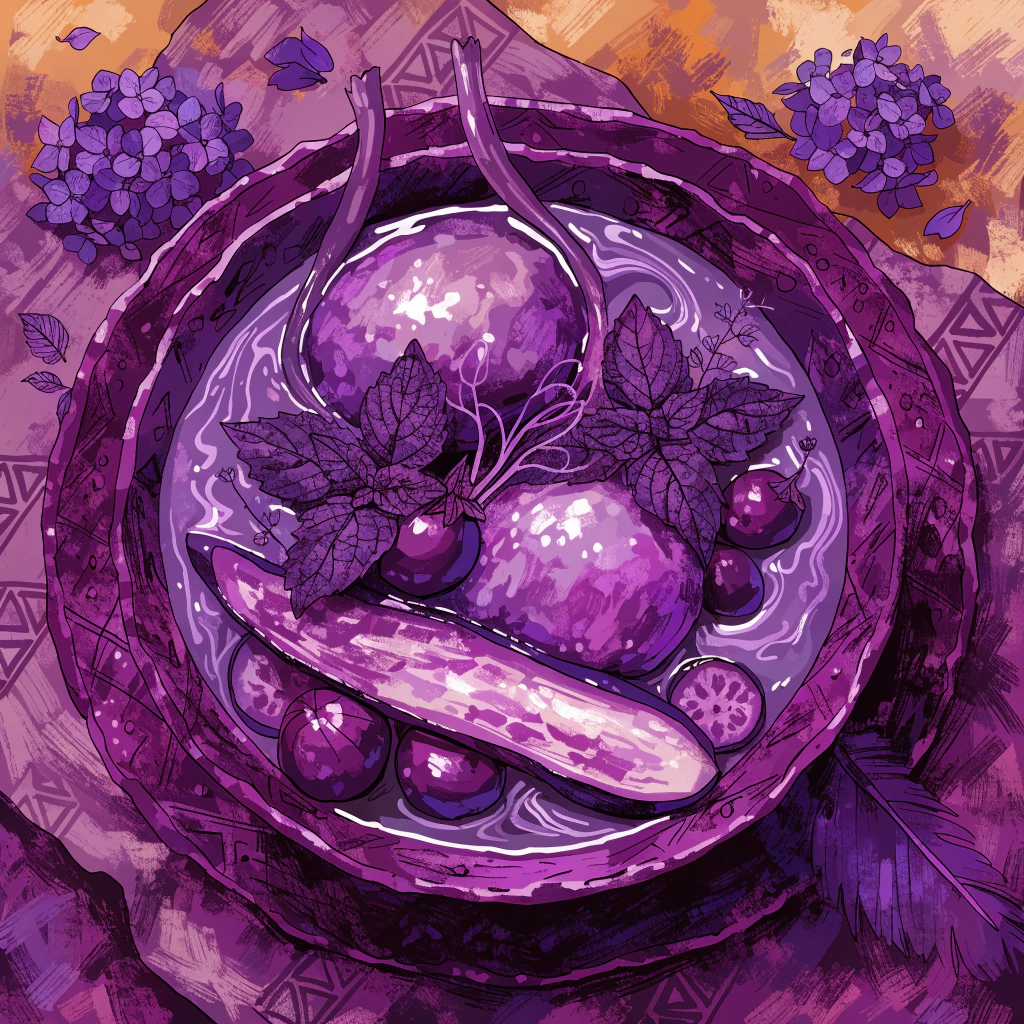
Thai Green Curry
Green curry is a famous food from Thailand. People in Thailand call it Gaeng Keow Wan. This name means "sweet green curry." The color is light green. It is not very sweet. The curry has coconut milk and green chilies. It is a very popular dish. Many people eat it with rice or noodles. You can find this curry in many restaurants. It is delicious and creamy. Thai people love to eat it for lunch or dinner. It is a special meal for many families.
تسليط الضوء على القواعد
نمط: Present Simple (To Be)
"Green curry is a famous food from Thailand."
We use 'is' with singular subjects to describe things. It tells us a fact about the subject.
نمط: Present Simple (Have/Has)
"The curry has coconut milk and green chilies."
We use 'has' for singular nouns like 'curry'. It shows what something contains or possesses.
اختبر فهمك
10 أسئلة · A1 مبتدئ · معاينة مجانية واحدة
اختبر ما تعلمته من هذا المقال. أجب على جميع الأسئلة لكسب نقاط خبرة!
Where is green curry from?
هل تريد إنهاء الاختبار؟
9 أسئلة أخرى بانتظارك. سجّل مجاناً لفتح الاختبار الكامل وكسب نقاط خبرة!
سجل مجاناًلديك حساب بالفعل؟ دخول
تفصيل الأسئلة
Where is green curry from?
إجابتك:
الإجابة الصحيحة: Thailand
Green curry is only for breakfast.
إجابتك:
الإجابة الصحيحة: خطأ
What does 'popular' mean?
إجابتك:
الإجابة الصحيحة: Liked by many people
Many people eat it with _____ or noodles.
إجابتك:
الإجابة الصحيحة: rice
The Secrets of Thai Green Curry
Gaeng Keow Wan is a very famous food from Thailand. People call it 'Sweet Green Curry.' This dish is a favorite in Central Thailand. It is delicious because it has many fresh ingredients.
The name is a bit strange for some people. The word 'sweet' does not mean the curry has a lot of sugar. Instead, it describes the beautiful, light green color. This color comes from fresh green chilies and creamy coconut milk.
In the past, Thai curries were different. They were drier and had many spices from India. But Gaeng Keow Wan is wetter and uses more herbs. It is creamier and fresher than older types of curry.
Today, people eat this curry at parties and special dinners. They usually serve it with white rice or thin rice noodles. It often has chicken and small green vegetables. It is one of the most popular dishes in Thailand because the taste is perfect.
تسليط الضوء على القواعد
نمط: Comparatives
"It is creamier and fresher than older types of curry."
We use comparatives to compare two things. For short adjectives like 'creamy' and 'fresh', we add '-er' and use the word 'than'.
نمط: Past Simple (be)
"In the past, Thai curries were different."
We use 'were' as the past form of 'are'. It describes a state or situation that happened in the past but is finished now.
اختبر فهمك
11 أسئلة · A2 ابتدائي · معاينة مجانية واحدة
اختبر ما تعلمته من هذا المقال. أجب على جميع الأسئلة لكسب نقاط خبرة!
What does the word 'sweet' describe in this curry?
هل تريد إنهاء الاختبار؟
10 أسئلة أخرى بانتظارك. سجّل مجاناً لفتح الاختبار الكامل وكسب نقاط خبرة!
سجل مجاناًلديك حساب بالفعل؟ دخول
تفصيل الأسئلة
What does the word 'sweet' describe in this curry?
إجابتك:
الإجابة الصحيحة: The light green color
Gaeng Keow Wan is a favorite dish in Central Thailand.
إجابتك:
الإجابة الصحيحة: صحيح
What does 'ingredients' mean?
إجابتك:
الإجابة الصحيحة: The items used to cook a meal
The green color comes from fresh green _____ and coconut milk.
إجابتك:
الإجابة الصحيحة: chilies
How is this curry usually served?
إجابتك:
الإجابة الصحيحة: With rice or noodles
Thai Green Curry: A Masterpiece of Flavor
Gaeng Keow Wan, which is known as Green Curry, is one of the most famous dishes in Thailand. It has been enjoyed by locals for many generations and is now popular all over the world. The name translates to "Sweet Green Curry," but this can be confusing for visitors. In Thai, the word "sweet" (wan) actually refers to the beautiful, creamy shade of green that is created when green chilies are mixed with white coconut milk. It does not mean the curry itself is sugary.
The dish is usually made with chicken or beef, though fish balls are also common. The curry paste is prepared using fresh green chilies, shallots, garlic, and lemongrass. These ingredients are ground together to create a spicy base. Then, coconut milk is added to the pot, which makes the sauce rich and smooth. This cooking style has evolved over time, moving away from dry spices to focus on fresh herbs.
Gaeng Keow Wan is often served at special events like weddings and religious festivals. It is traditionally eaten with steamed jasmine rice, but some people prefer it with thin rice noodles. Because it contains many fresh herbs, it is considered a nutritious meal. If you have never tried this dish, you should definitely look for it the next time you visit a Thai restaurant. It is a perfect example of how Thai cuisine balances spicy, salty, and creamy flavors.
تسليط الضوء على القواعد
نمط: Passive Voice
"The curry paste is prepared using fresh green chilies, shallots, garlic, and lemongrass."
The passive voice is used when the action is more important than the person doing it. It is formed using 'be' + the past participle (prepared).
نمط: Relative Clauses
"Gaeng Keow Wan, which is known as Green Curry, is one of the most famous dishes in Thailand."
Relative clauses starting with 'which' or 'who' add extra information about a noun. They help combine two ideas into one complex sentence.
اختبر فهمك
11 أسئلة · B1 متوسط · معاينة مجانية واحدة
اختبر ما تعلمته من هذا المقال. أجب على جميع الأسئلة لكسب نقاط خبرة!
What does the word 'wan' (sweet) refer to in the name of the dish?
هل تريد إنهاء الاختبار؟
10 أسئلة أخرى بانتظارك. سجّل مجاناً لفتح الاختبار الكامل وكسب نقاط خبرة!
سجل مجاناًلديك حساب بالفعل؟ دخول
تفصيل الأسئلة
What does the word 'wan' (sweet) refer to in the name of the dish?
إجابتك:
الإجابة الصحيحة: The specific color of the green curry
The article states that Green Curry is only eaten with jasmine rice.
إجابتك:
الإجابة الصحيحة: خطأ
What does 'nutritious' mean?
إجابتك:
الإجابة الصحيحة: Good for your health and growth
The curry paste is _____ using fresh green chilies.
إجابتك:
الإجابة الصحيحة: prepared
How has the cooking style of this curry changed over time?
إجابتك:
الإجابة الصحيحة: It moved away from dry spices to focus on fresh herbs
The Sophisticated Balance of Gaeng Keow Wan: More Than Just a Sweet Curry
Gaeng Keow Wan, widely recognized as Thai Green Curry, stands as a sophisticated centerpiece of Central Thai culinary heritage. While the name translates literally to 'Sweet Green Curry,' this designation is often deceptive to those unfamiliar with the linguistic nuances of the region. In this context, the term 'wan' (sweet) does not primarily refer to the sugar content of the dish, but rather to the specific, vibrant hue of creamy green achieved through the delicate incorporation of fresh green chilies and coconut milk. If one were to sample a traditional preparation, they would discover a complex flavor profile where spiciness and saltiness are predominantly balanced by a subtle, creamy sweetness.
The historical evolution of this dish highlights a significant shift in Thai gastronomic identity. Historically, Thai curries have undergone a transition away from the dry, spice-heavy influences traditionally associated with Indian cuisine. Instead, Gaeng Keow Wan represents a movement toward a wetter, herb-centric profile that utilizes local ingredients like lemongrass, galangal, and kaffir lime leaves. This aromatic base is pounded into a paste, which serves as the foundation for the entire dish. The consistency of the curry is further refined by the quality of the coconut milk, which must be thick enough to carry the intense flavors without overpowering the palate.
In modern Thailand, Gaeng Keow Wan is frequently served at auspicious occasions and social gatherings, symbolizing hospitality and refinement. Its popularity has transcended national borders, making it a global ambassador for Thai flavors. However, the authenticity of the dish relies heavily on the balance of its components. For instance, the inclusion of pea aubergines and Thai basil provides a necessary bitterness and fragrance that offsets the richness of the coconut cream.
Analyzing the dish from a contemporary perspective, it is clear that its enduring appeal lies in its versatility. Whether prepared with chicken, beef, or tofu, the fundamental principles of the recipe remain constant. The dish has been adapted by chefs worldwide, yet the most successful versions are those that respect the traditional ratio of herbs to spices. Ultimately, Gaeng Keow Wan is not merely a meal; it is a testament to the sophisticated evolution of Thai culture and its ability to harmonize diverse ingredients into a singular, iconic experience.
تسليط الضوء على القواعد
نمط: Passive Voice
"this designation is often deceptive to those unfamiliar with the linguistic nuances of the region."
The passive voice is used here to focus on the 'designation' (the name) rather than the person who finds it deceptive. It is formed using the verb 'to be' and the past participle.
نمط: Second Conditional
"If one were to sample a traditional preparation, they would discover a complex flavor profile."
This structure is used to talk about hypothetical or unlikely situations in the present or future. It uses 'if' + past subjunctive (were to) and 'would' + base verb.
نمط: Present Perfect
"Thai curries have undergone a transition away from the dry, spice-heavy influences."
The present perfect is used to describe an action or change that happened in the past but has relevance or continues to the present. It is formed with 'have/has' + past participle.
اختبر فهمك
11 أسئلة · B2 فوق المتوسط · معاينة مجانية واحدة
اختبر ما تعلمته من هذا المقال. أجب على جميع الأسئلة لكسب نقاط خبرة!
What does the word 'wan' (sweet) specifically refer to in the context of this dish?
هل تريد إنهاء الاختبار؟
10 أسئلة أخرى بانتظارك. سجّل مجاناً لفتح الاختبار الكامل وكسب نقاط خبرة!
سجل مجاناًلديك حساب بالفعل؟ دخول
تفصيل الأسئلة
What does the word 'wan' (sweet) specifically refer to in the context of this dish?
إجابتك:
الإجابة الصحيحة: The specific shade of creamy green color
Gaeng Keow Wan is influenced more by dry Indian spices than by fresh local herbs.
إجابتك:
الإجابة الصحيحة: خطأ
What does 'sophisticated' mean in the text?
إجابتك:
الإجابة الصحيحة: Highly complex and refined
The _____ of the curry is determined by the thickness of the coconut milk used.
إجابتك:
الإجابة الصحيحة: consistency
What role do pea aubergines play in the curry's flavor profile?
إجابتك:
الإجابة الصحيحة: They offer a necessary bitterness to balance the richness
The Verdant Complexity of Gaeng Keow Wan: A Gastronomic Evolution
Seldom has a culinary creation so perfectly encapsulated the juxtaposition of heat and subtlety as Gaeng Keow Wan, colloquially known as Thai Green Curry. To the uninitiated, the literal translation—'Sweet Green Curry'—might suggest a dessert-like profile, yet such an assumption would be a fundamental misinterpretation. It is the specific shade of verdant creaminess, rather than the glucose content, that the term 'wan' denotes in this context. This linguistic nuance serves as a gateway to understanding the profound sophistication inherent in Central Thai cuisine.
The genesis of this dish marks a significant departure from the historical spice-heavy influences of the Indian subcontinent. While earlier iterations of Thai curries mirrored the dry, pungent characteristics of their precursors, the evolution towards Gaeng Keow Wan signifies a shift towards a more aromatic, herb-centric identity. What defines this transition is the meticulous integration of fresh green chilies, galangal, and lemongrass, all of which are pounded into a paste that forms the aromatic foundation of the dish.
Integral to the texture and flavor profile is the careful emulsification of coconut milk. The nominalisation of 'greenness' in the dish's name refers specifically to the visual result of fresh chilies bleeding into the rich coconut fat. This process is not merely about aesthetic appeal; it is a delicate balancing act. Only through the masterful tempering of heat with the richness of coconut cream can the chef achieve the desired 'sweet' green hue. Furthermore, the addition of palm sugar and fish sauce creates a multi-dimensional palate that dances between savory, salty, and a hint of sweetness, though the latter remains a supporting note rather than the protagonist.
Beyond its technical execution, Gaeng Keow Wan occupies a central position in the social fabric of Thailand. Frequently serving as the centerpiece at auspicious ceremonies and communal gatherings, the dish is a testament to the Thai philosophy of shared consumption. It is not merely a meal but a communal experience that fosters social cohesion. The complexity of the curry reflects the complexity of the culture itself—vibrant, multi-layered, and deeply rooted in tradition.
In contemporary gastronomy, the dish continues to undergo refinement, yet its essence remains anchored in the past. Critics often argue that the global proliferation of Thai cuisine has led to a dilution of authentic flavors; however, Gaeng Keow Wan remains remarkably resilient. Whether served in a humble street stall or an upscale Bangkok establishment, the dish demands a level of precision that resists oversimplification. Ultimately, it is this unwavering commitment to aromatic harmony that ensures its status as a masterpiece of the culinary world.
تسليط الضوء على القواعد
نمط: Negative Inversion
"Seldom has a culinary creation so perfectly encapsulated the juxtaposition of heat and subtlety as Gaeng Keow Wan."
This structure is used for emphasis by placing a negative or restrictive adverb at the start. It requires the auxiliary verb to come before the subject.
نمط: It-Cleft Sentence
"It is the specific shade of verdant creaminess, rather than the glucose content, that the term 'wan' denotes in this context."
This pattern focuses the reader's attention on a specific piece of information. It is formed using 'It is/was' + [focused element] + 'that/who' clause.
نمط: Nominalisation
"The transition from the dry, spice-laden influences of the subcontinent to a wetter, herb-centric profile represents a pivotal moment in Thai gastronomic evolution."
This involves turning verbs or adjectives into nouns to create a more formal and dense academic style. Here, 'transition' and 'evolution' allow for complex ideas to be the subject of the sentence.
اختبر فهمك
12 أسئلة · C1 متقدم · معاينة مجانية واحدة
اختبر ما تعلمته من هذا المقال. أجب على جميع الأسئلة لكسب نقاط خبرة!
In the context of Gaeng Keow Wan, what does the word 'wan' (sweet) specifically refer to?
هل تريد إنهاء الاختبار؟
11 أسئلة أخرى بانتظارك. سجّل مجاناً لفتح الاختبار الكامل وكسب نقاط خبرة!
سجل مجاناًلديك حساب بالفعل؟ دخول
تفصيل الأسئلة
In the context of Gaeng Keow Wan, what does the word 'wan' (sweet) specifically refer to?
إجابتك:
الإجابة الصحيحة: The creamy green color of the dish
Gaeng Keow Wan is heavily influenced by the dry, spice-heavy curries of India.
إجابتك:
الإجابة الصحيحة: خطأ
What does the word 'verdant' mean?
إجابتك:
الإجابة الصحيحة: Bright green and lush
The dish is a _____ to the Thai philosophy of shared consumption.
إجابتك:
الإجابة الصحيحة: testament
What role does coconut milk play in the preparation of this curry?
إجابتك:
الإجابة الصحيحة: It emulsifies with chili oils to create the signature color and temper heat
The article suggests that global popularity has completely ruined the authenticity of Green Curry.
إجابتك:
الإجابة الصحيحة: خطأ
The Gastronomic Semiotics of Gaeng Keow Wan: A Synthesis of Botanical Nuance and Culinary Evolution
The nomenclature of Gaeng Keow Wan, frequently rendered in English as 'Sweet Green Curry,' presents a fascinating case study in the semiotic divergence between literal translation and culinary reality. To the uninitiated palate, the descriptor 'sweet' (wan) might conjure expectations of saccharine indulgence; however, in the Thai gastronomic paradigm, it denotes a visual quality—a vibrant, creamy, and verdant hue—rather than a gustatory profile dominated by sucrose. This linguistic idiosyncrasy serves as a gateway to understanding the profound sophistication of Central Thai cuisine, which prioritizes the delicate equilibrium of five fundamental flavors: salty, sweet, spicy, sour, and bitter. Seldom does a culinary creation manage to encapsulate the historical trajectory of a nation so succinctly as Gaeng Keow Wan.
Historically, the genesis of Thai curries suggests a transformative evolution away from the dry, spice-heavy influences of the Indian subcontinent. While early iterations of Thai curries undoubtedly borrowed the conceptual framework of spice blends, they gradually pivoted toward a wetter, herb-centric profile. Had the indigenous herbs not been integrated into the spice-heavy foundations of the past, the dish would have remained a mere vestigial remnant of foreign influence rather than becoming the quintessential embodiment of Thai identity. The inclusion of fresh green chilies, lemongrass, galangal, and kaffir lime zest represents a departure from the dried cumin and coriander seeds that characterize South Asian masalas, resulting in a profile that is as piquant as it is aromatic.
The technical execution of Gaeng Keow Wan requires a mastery of emulsification and heat management. It is imperative that the coconut milk be heated until it 'cracks,' releasing its natural oils, which then serve as the medium for frying the curry paste. This process ensures that the fat-soluble compounds within the herbs are fully extracted, providing a depth of flavor that a simple boiling process would fail to achieve. The resulting sauce should be homogeneous yet complex, a testament to the chef’s ability to balance the heat of the chili with the cooling properties of the coconut cream. Any subtle nuance in the quality of the ingredients—from the age of the peppercorns to the freshness of the Thai basil—will be amplified in the final presentation.
Culturally, Gaeng Keow Wan transcends its status as a mere nutritional staple. It is an auspicious dish, frequently served at weddings, housewarmings, and religious ceremonies. Its presence on the table symbolizes prosperity and communal harmony, reflecting the collective nature of Thai social structures. The aesthetic appeal of the dish, with its ivory-tinged green sauce and the stark contrast of red chili garnishes, is not accidental but a deliberate attempt to harmonize visual beauty with sensory satisfaction. In conclusion, Gaeng Keow Wan is not merely a recipe; it is a historical document, a chemical masterpiece of emulsification, and a profound cultural symbol that continues to define the Thai culinary landscape on the global stage.
تسليط الضوء على القواعد
نمط: Negative Inversion
"Seldom does a culinary creation manage to encapsulate the historical trajectory of a nation so succinctly as Gaeng Keow Wan."
When using negative or restrictive adverbs like 'seldom' at the beginning of a sentence, the auxiliary verb is placed before the subject to add formal emphasis.
نمط: Subjunctive Mood
"It is imperative that the coconut milk be heated until it 'cracks,' releasing its natural oils."
The subjunctive 'be' is used after adjectives of necessity (imperative, essential) to express a requirement or desired action in formal English.
نمط: Mixed/Third Conditional (Counterfactual)
"Had the indigenous herbs not been integrated into the spice-heavy foundations of the past, the dish would have remained a mere vestigial remnant of foreign influence."
This structure uses 'Had + past participle' to discuss a hypothetical past condition and its hypothetical past result, showing how history shaped the current dish.
اختبر فهمك
12 أسئلة · C2 إتقان · معاينة مجانية واحدة
اختبر ما تعلمته من هذا المقال. أجب على جميع الأسئلة لكسب نقاط خبرة!
In the context of Gaeng Keow Wan, what does the term 'wan' primarily signify?
هل تريد إنهاء الاختبار؟
11 أسئلة أخرى بانتظارك. سجّل مجاناً لفتح الاختبار الكامل وكسب نقاط خبرة!
سجل مجاناًلديك حساب بالفعل؟ دخول
تفصيل الأسئلة
In the context of Gaeng Keow Wan, what does the term 'wan' primarily signify?
إجابتك:
الإجابة الصحيحة: A specific aesthetic shade of green
The article suggests that Thai Green Curry is a direct copy of Indian curry styles.
إجابتك:
الإجابة الصحيحة: خطأ
What does 'auspicious' mean in the text?
إجابتك:
الإجابة الصحيحة: Favorable and indicative of success
The process of heating coconut milk until the oil separates is essential for the _____ of the curry paste.
إجابتك:
الإجابة الصحيحة: frying
Why is the 'cracking' of coconut milk considered a technical necessity?
إجابتك:
الإجابة الصحيحة: To ensure the fat-soluble aromatics are properly extracted
The author argues that the visual presentation of the dish is as important as its flavor.
إجابتك:
الإجابة الصحيحة: صحيح

