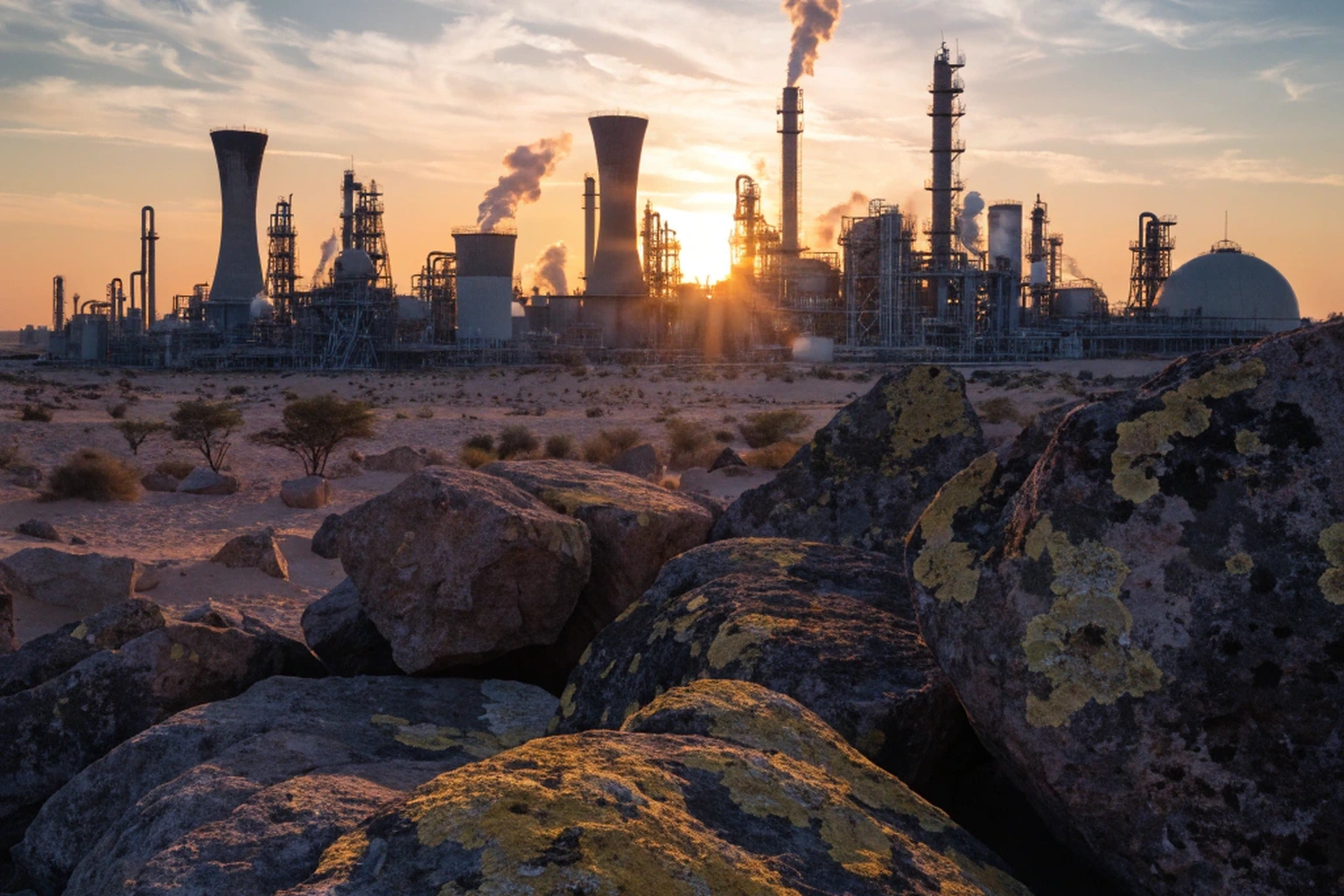
The UAE: Oil and Big Cities
The United Arab Emirates (UAE) is a country in the desert. It has a lot of oil. Oil is very important for the UAE. It is a type of energy.
People get the oil from under the ground. The UAE sells the oil to other countries. This makes a lot of money for the UAE.
With this money, the UAE can build big cities. Cities like Dubai and Abu Dhabi are new and modern. The money from oil helps the country grow. It builds schools and hospitals too.
문법 스포트라이트
패턴: 단순 현재 시제
"It has a lot of oil."
항상 사실인 것에 대해 말할 때 단순 현재 시제를 사용해요. 'he', 'she', 'it' 뒤에 오는 동사 끝에는 's'를 붙여요.
패턴: a lot of + 명사
"This makes a lot of money for the UAE."
'a lot of'는 수나 양이 많을 때 사용해요. 'cities'처럼 셀 수 있는 것과 'money'처럼 셀 수 없는 것 모두에 쓸 수 있어요.
이해도를 테스트하세요
10 질문 · A1 초급 · 무료 미리보기 1회
이 기사에서 배운 내용을 테스트하세요. 모든 질문에 답하여 XP를 획득하세요!
UAE에게 매우 중요한 것은 무엇인가요?
문제별 결과
UAE에게 매우 중요한 것은 무엇인가요?
내 답변:
정답: 석유
UAE는 산속에 있는 나라예요.
내 답변:
정답: 거짓
'build'는 무슨 뜻인가요?
내 답변:
정답: 도시 같은 것을 만드는 것
석유에서 나온 돈은 나라가 _____하는 것을 도와줘요.
내 답변:
정답: grow
Oil and the Changing Desert
Long ago, the United Arab Emirates was a very different place. Most people lived in small towns near the sea. They worked as fishermen or pearl divers to make money. Life was simple but difficult because the desert climate was very hot and dry. There were no tall towers or fast cars in the towns.
Everything changed in the late 1950s. Engineers found oil deep under the sand. People call this oil "black gold" because it is very valuable. In 1962, the first large ship carried oil from Abu Dhabi to other countries. This discovery brought a lot of money to the region.
The country became much richer than before. The leaders used the money from the energy sector to build amazing cities, modern hospitals, and good schools. Now, the roads are wider and the buildings are taller than in the past. Today, the UAE is a global leader in energy. Oil is still important, but the country is also planning for a future with clean energy.
문법 스포트라이트
패턴: 단순 과거 (불규칙 동사)
"Engineers found oil deep under the sand."
우리는 과거에 완료된 행동에 대해 이야기할 때 단순 과거 시제를 사용해요. 영어의 많은 동사들은 불규칙해서 '-ed'로 끝나지 않아요. 예를 들어, 'find'는 'found'가 되고, 'become'은 'became'이 돼요.
패턴: 비교급
"The country became much richer than before."
우리는 두 가지를 비교할 때 비교급을 사용해요. 보통 짧은 형용사에는 '-er'을 붙이거나 (rich → richer), 긴 형용사 앞에는 'more'를 사용해요. 형용사 뒤에는 종종 'than'이라는 단어를 써요.
이해도를 테스트하세요
11 질문 · A2 초등급 · 무료 미리보기 1회
이 기사에서 배운 내용을 테스트하세요. 모든 질문에 답하여 XP를 획득하세요!
과거에 대부분의 사람들은 어떤 직업을 가졌나요?
문제별 결과
과거에 대부분의 사람들은 어떤 직업을 가졌나요?
내 답변:
정답: 어부와 진주 잠수부
첫 번째 석유 선적은 1962년에 아부다비를 떠났어요.
내 답변:
정답: 참
'valuable'은 무슨 뜻인가요?
내 답변:
정답: 많은 돈의 가치가 있는
사람들은 석유를 'black _____'라고 불러요.
내 답변:
정답: gold
왜 UAE는 청정 에너지를 계획하고 있나요?
내 답변:
정답: 미래를 대비하기 위해서
Black Gold: The Energy of the UAE
Before the 1960s, the area that is now the United Arab Emirates was very different. Most people lived in small coastal towns and worked in fishing or pearl diving. Life was simple, but it was also physically difficult. Everything changed when huge amounts of oil, which is often called "black gold," were discovered beneath the desert sands. This discovery has transformed the nation from a quiet region into a modern economic power.
The first commercial oil was exported from Abu Dhabi in 1962. Since that historic moment, the revenue from the hydrocarbon energy sector has been used to build world-class infrastructure. High-speed highways, international airports, and amazing skyscrapers have been constructed across the seven emirates. The Abu Dhabi National Oil Company (ADNOC) plays a central role in this industry. It manages the production of oil and gas and is recognized as one of the leading energy companies in the world.
Today, the UAE is a major player in the global energy market. The country produces millions of barrels of oil every day. Although the government has invested in renewable energy sources like solar power recently, oil and gas remain vital to the economy. Advanced technology has been developed to extract these resources safely and efficiently.
Many engineers and scientists, who come from all over the world, work in the UAE's energy sector. They ensure that production continues without problems. This industry provides thousands of jobs and supports local businesses. The story of oil in the UAE is impressive. It shows how a single natural resource has created opportunities and improved the quality of life for everyone who lives there.
문법 스포트라이트
패턴: Passive Voice
"High-speed highways, international airports, and amazing skyscrapers have been constructed across the seven emirates."
We use the passive voice when the action is more important than the person doing it. Here, 'have been constructed' focuses on the buildings, not on the workers who built them.
패턴: Relative Clauses
"Everything changed when huge amounts of oil, which is often called 'black gold,' were discovered beneath the desert sands."
Relative clauses give extra information about a noun. The phrase 'which is often called black gold' describes the oil without starting a new sentence.
이해도를 테스트하세요
10 질문 · B1 중급 · 무료 미리보기 1회
이 기사에서 배운 내용을 테스트하세요. 모든 질문에 답하여 XP를 획득하세요!
What was the main economic activity in the UAE before oil was discovered?
문제별 결과
What was the main economic activity in the UAE before oil was discovered?
내 답변:
정답: Pearl diving and fishing
The UAE exported its first commercial oil in 1962.
내 답변:
정답: 참
What does 'revenue' mean?
내 답변:
정답: Money received by a company or government
Oil and gas remain _____ to the economy, despite investments in solar energy.
내 답변:
정답: vital
From Pearls to Petroleum: The UAE's Hydrocarbon Journey
The transformation of the United Arab Emirates from a quiet coastal region dependent on pearl diving into a global economic powerhouse is a remarkable narrative of development. This rapid metamorphosis is inextricably linked to the discovery of vast hydrocarbon reserves in the late 1950s. Before the first commercial shipments of crude oil departed from Abu Dhabi’s shores in 1962, the local economy was modest and reliant on maritime trade and fishing. The environment was harsh, and resources were scarce. However, the unearthing of "black gold" beneath the desert sands provided the unprecedented capital required to construct world-class infrastructure. This wealth facilitated the creation of modern cities where skyscrapers now pierce the clouds, replacing the traditional palm-frond houses of the past.
Consequently, the energy sector has become the backbone of the UAE's economy. The substantial revenue generated from oil and gas exports has allowed the government to invest heavily in high-speed transportation networks, futuristic skylines, and advanced educational institutions. Although the nation is currently diversifying its economy into sectors such as tourism, aviation, and finance, hydrocarbons remain a pivotal component of its financial stability. State-owned entities, such as the Abu Dhabi National Oil Company (ADNOC), play a crucial role in managing these resources efficiently. They ensure that production meets global demand while simultaneously fueling domestic growth.
Furthermore, the UAE has strategically positioned itself as a reliable and innovative supplier in the global energy market. By utilizing cutting-edge technology, the country has maximized the extraction of resources while attempting to minimize environmental impact. For instance, digitalization and artificial intelligence are now employed to optimize reservoir management. It is worth noting that despite the global shift towards renewable energy, the demand for petrochemicals continues to rise for use in plastics, pharmaceuticals, and manufacturing. Therefore, the UAE is investing in downstream industries to produce refined products, rather than simply exporting raw crude oil, adding value to their natural resources.
Looking ahead, the sector faces the complex challenge of balancing traditional energy production with modern climate goals. The leadership has demonstrated a strong commitment to reducing carbon intensity. By implementing carbon capture technologies, the UAE aims to maintain its status as a leading energy exporter while adhering to international environmental standards. In conclusion, while the pearl divers of the past have been replaced by petroleum engineers, the spirit of resilience and innovation remains the driving force behind the nation's prosperity.
문법 스포트라이트
패턴: Discourse Markers
"Consequently, the energy sector has become the backbone of the UAE's economy."
Discourse markers like 'Consequently', 'However', and 'Furthermore' are used to connect ideas logically. They help structure the text and guide the reader through arguments.
패턴: Passive Voice
"This rapid metamorphosis is inextricably linked to the discovery of vast hydrocarbon reserves."
The passive voice is often used in academic and formal writing when the focus is on the action or the object, rather than the person doing the action.
패턴: Preposition + Gerund
"The leadership has demonstrated a strong commitment to reducing carbon intensity."
After certain prepositions (like 'to' in the phrase 'commitment to'), verbs must be in the gerund (-ing) form.
이해도를 테스트하세요
11 질문 · B2 중상급 · 무료 미리보기 1회
이 기사에서 배운 내용을 테스트하세요. 모든 질문에 답하여 XP를 획득하세요!
What was the primary economic activity in the region before the discovery of oil?
문제별 결과
What was the primary economic activity in the region before the discovery of oil?
내 답변:
정답: Pearl diving and fishing
The UAE relies solely on exporting raw crude oil and does not invest in refined products.
내 답변:
정답: 거짓
Which word means 'never having happened or existed in the past'?
내 답변:
정답: Unprecedented
The energy sector has become the _____ of the UAE's economy.
내 답변:
정답: backbone
What is the primary role of ADNOC mentioned in the text?
내 답변:
정답: To manage hydrocarbon resources efficiently
Black Gold and Beyond: The Hydrocarbon Catalyst of the Emirates
Little did the early inhabitants of the Trucial States suspect that beneath the arid expanse of their desert home lay a resource that would fundamentally alter the geopolitical landscape of the Middle East. Prior to the mid-20th century, the region's economy was inextricably linked to the caprices of pearl diving, fishing, and regional maritime trade. It was a modest existence, dictated by the rhythm of the tides and the harshness of the climate. However, the discovery of vast hydrocarbon reserves in the late 1950s heralded a seismic shift in the nation's fortunes.
It was the discovery of this "black gold" that provided the unprecedented capital required to facilitate a rapid modernization program. No sooner had the first commercial shipment departed Abu Dhabi’s shores in 1962 than the trajectory of the emirates changed forever. The revenue generated was not squandered; rather, it was channeled into the construction of world-class infrastructure. The transformation of quiet coastal towns into a global economic powerhouse is a testament to the strategic vision of the nation's leadership. Rarely has a region managed to convert natural resource wealth into tangible societal development with such efficacy and speed.
The realization that hydrocarbon reserves are finite, however, has prompted a strategic pivot in recent decades. While the energy sector remains the backbone of the economy, what is currently being witnessed is a concerted effort towards economic diversification. The government's investment in renewable energy, tourism, and technology aims to mitigate reliance on fossil fuels. Had the leadership not prioritized this long-term stability over short-term gain, the UAE's future economic resilience might be far less secure. Today, the hydrocarbon sector serves not merely as a source of income, but as the foundational capital for a sustainable, post-oil future.
문법 스포트라이트
패턴: 도치 (부정 어구)
"Little did the early inhabitants of the Trucial States suspect that beneath the arid expanse of their desert home lay a resource..."
여기서는 극적인 효과와 강조를 위해 도치가 사용되었어요. 문장이 'Little', 'Rarely', 'No sooner'와 같은 부정적이거나 제한적인 부사구로 시작할 때, 조동사('did')가 주어보가 앞에 오게 돼요.
패턴: 분열문 (Cleft Sentences)
"It was the discovery of this "black gold" that provided the unprecedented capital required to facilitate a rapid modernization program."
'It was...' 또는 'It is...'로 시작하는 분열문을 사용하면 문장의 특정 요소에 초점을 맞출 수 있어요. 여기서는 자본 유입의 원인이 구체적으로 '발견(discovery)'이었다는 점을 강조하고 있어요.
패턴: 가정법 과거완료 (도치형)
"Had the leadership not prioritized this long-term stability over short-term gain, the UAE's future economic resilience might be far less secure."
이것은 과거에 대한 가상적인 상황을 말해요. 'If the leadership had not prioritized...'라고 말하는 대신, 'if'를 생략하고 주어와 조동사를 도치시켜('Had the leadership...') 더 격식 있고 학술적인 느낌을 준답니다.
이해도를 테스트하세요
12 질문 · C1 고급 · 무료 미리보기 1회
이 기사에서 배운 내용을 테스트하세요. 모든 질문에 답하여 XP를 획득하세요!
텍스트에 따르면, 20세기 중반 이전의 UAE 경제를 주로 이끌었던 것은 무엇인가요?
문제별 결과
텍스트에 따르면, 20세기 중반 이전의 UAE 경제를 주로 이끌었던 것은 무엇인가요?
내 답변:
정답: 진주 채취 및 낚시
최초의 상업적 석유 선적은 1950년대 후반에 아부다비를 떠났습니다.
내 답변:
정답: 거짓
'분리하는 것이 불가능한'이라는 뜻의 단어는 무엇인가요?
내 답변:
정답: Inextricably
텍스트에서 석유의 발견은 '검은 _____'라고 불립니다.
내 답변:
정답: gold
왜 UAE는 현재 경제 전략의 방향을 전환하고 있나요?
내 답변:
정답: 화석 연료 매장량이 한정되어(finite) 있어서
인프라 프로젝트는 순수하게 미적인 목적을 위한 것이었습니다.
내 답변:
정답: 거짓
The Black Gold Paradigm: Analyzing the UAE's Hydrocarbon Metamorphosis
The United Arab Emirates’ metamorphosis from a constellation of quiet coastal enclaves to a global economic powerhouse is inextricably linked to the fortuitous discovery of oil in the late 1950s. Before the inaugural commercial shipments departed Abu Dhabi’s shores in 1962, the region’s economy was predicated heavily on pearl diving, fishing, and maritime trade—industries that were modest in scale and vulnerable to external shocks. The unearthing of 'black gold' beneath the desert sands provided the unprecedented capital requisite to construct world-class infrastructure, high-speed transportation networks, and futuristic metropolises that defy the arid climate. Yet, the narrative of the UAE is not merely one of serendipitous resource extraction; rather, it is a testament to strategic foresight and the astute management of finite endowments.
It is imperative that one acknowledge the duality of the hydrocarbon sector in the Emirates. On one hand, it serves as the ubiquitous bedrock of the national economy, underwriting the generous social welfare systems and ambitious construction projects for which the nation is renowned. The Abu Dhabi National Oil Company (ADNOC), a state-owned titan, exemplifies this hegemony, orchestrating the extraction and refinement processes with clinical precision. However, the leadership has long recognized the precipitous risks associated with reliance on a solitary, volatile commodity. The vicissitudes of the global oil market, characterized by boom-and-bust cycles, have necessitated a paradigm shift towards economic diversification. Consequently, oil revenues are not merely consumed but are meticulously channeled into sovereign wealth funds, ensuring intergenerational equity and shielding the domestic economy from external volatility.
Furthermore, the UAE’s contemporary approach to energy is increasingly characterized by a profound paradox: a major hydrocarbon producer aggressively pursuing sustainability. It is vital that the nation prepare for a post-oil future, a sentiment unequivocally echoed in the government’s 'Energy Strategy 2050'. This strategy aims to ameliorate the carbon footprint of the energy sector by integrating renewable sources, such as solar and nuclear power, into the energy mix. The Barakah Nuclear Energy Plant and the expansive Mohammed bin Rashid Al Maktoum Solar Park stand as monumental evidence of this commitment. Had the leadership not prioritized this transition, the nation might have found itself vulnerable to the shifting global consensus on climate change and the inevitable erosion of fossil fuel dominance.
Moreover, the hydrocarbon sector has catalyzed the development of ancillary industries, fostering a nascent knowledge-based economy. The complex engineering required for offshore drilling and petrochemical processing has spurred innovation in technology and logistics. This technical expertise is now being exported, positioning the UAE not just as a supplier of raw materials, but as a hub of energy-related intellectual property. The integration of artificial intelligence and digitization within the energy sector further underscores this modernization, enhancing efficiency and safety standards to levels previously unimagined. Thus, the oil sector acts as a fulcrum, leveraging traditional assets to lift new, technologically advanced sectors.
Ultimately, the chronicle of the UAE’s hydrocarbon sector is one of profound transformation and strategic adaptation. While the initial catalyst was undoubtedly geological luck, the sustained success of the nation is attributable to prudent governance. As the world transitions towards greener alternatives, the UAE stands at a crossroads, balancing its hydrocarbon heritage with a sustainable future. It remains to be seen how effectively the nation can navigate this complex terrain, but if history is any indicator, the Emirates will continue to evolve, leveraging its black gold to forge a future that is as resilient as it is prosperous.
문법 스포트라이트
패턴: Inverted Conditional (Third Conditional)
"Had the leadership not prioritized this transition, the nation might have found itself vulnerable to the shifting global consensus."
This structure omits 'if' and inverts the subject and auxiliary verb ('Had the leadership') to create a more formal, literary tone. It expresses a hypothetical past situation and its potential consequence.
패턴: Mandative Subjunctive
"It is imperative that one acknowledge the duality of the hydrocarbon sector in the Emirates."
The subjunctive mood uses the base form of the verb ('acknowledge') after adjectives expressing importance or necessity (imperative, vital, essential). It emphasizes the urgency of the action.
패턴: Cleft Sentence
"It is the ubiquitous bedrock of the national economy that underwrites the generous social welfare systems."
This pattern ('It is X that Y') is used to add emphasis to a specific part of the sentence (the bedrock of the economy), highlighting it as the most important factor.
이해도를 테스트하세요
12 질문 · C2 마스터 · 무료 미리보기 1회
이 기사에서 배운 내용을 테스트하세요. 모든 질문에 답하여 XP를 획득하세요!
According to the article, how does the UAE mitigate the risks associated with oil market volatility?
문제별 결과
According to the article, how does the UAE mitigate the risks associated with oil market volatility?
내 답변:
정답: By channeling revenues into sovereign wealth funds and diversifying the economy.
The article suggests that the UAE's economic success is solely due to geological luck.
내 답변:
정답: 거짓
Which word best describes the 'vicissitudes' of the global market?
내 답변:
정답: Fluctuations
The 'Energy Strategy 2050' aims to _____ the carbon footprint of the energy sector.
내 답변:
정답: ameliorate
What role does the article attribute to the hydrocarbon sector in relation to the knowledge-based economy?
내 답변:
정답: It catalyzes the development of ancillary industries and technical expertise.
The Barakah Nuclear Energy Plant is cited as evidence of the UAE's commitment to sustainability.
내 답변:
정답: 참

