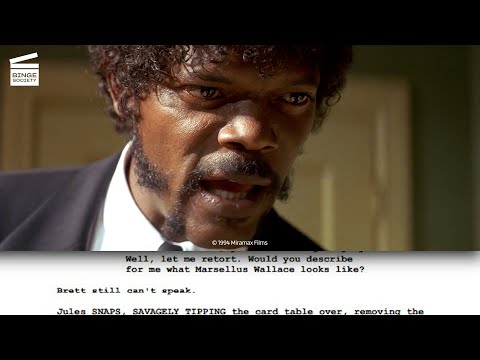
memorized 30초 만에
- Memorized means having information stored in your mind for perfect recall without help.
- It is often used for scripts, formulas, songs, and academic facts.
- The word implies a deliberate effort to learn something by heart.
- It functions as both a past tense verb and an adjective describing a state of knowledge.
The term memorized refers to the mental state or the completed action of committing information to one's long-term memory so thoroughly that it can be retrieved without external aids. It is the past participle of the verb 'memorize,' often functioning as an adjective to describe a person's mastery over a specific set of data, text, or skills. When we say something is memorized, we imply a level of permanence and precision that goes beyond simple recognition. It suggests that the neural pathways associated with that information have been strengthened through repetition, association, or intense focus. In everyday life, people use this word to describe the mastery of scripts, musical scores, mathematical formulas, or even the layout of a childhood home. It is a word that bridges the gap between the act of learning and the state of knowing.
- Cognitive Process
- The transition from sensory input to long-term storage, involving encoding, consolidation, and eventual retrieval.
- Practical Application
- Used frequently in academic settings, performing arts, and professional environments where instant recall is mandatory.
By the time the curtain rose, the lead actor had memorized every line of the three-hour play, including the cues for other characters.
In a social context, saying you have something 'memorized' can be a point of pride or a statement of preparedness. For instance, a chef might have a complex recipe memorized, allowing them to work with speed and intuition rather than constantly checking a book. Similarly, a student who has memorized the periodic table demonstrates a foundational readiness for advanced chemistry. However, the word also carries a nuance of 'rote learning,' which can sometimes be viewed critically in modern education. Critics might argue that having facts memorized is less important than understanding the underlying concepts. Despite this, the utility of a memorized set of facts—like emergency phone numbers or safety protocols—remains undisputed. It provides a cognitive safety net that functions even under stress or when technology fails.
She had memorized the map so well that she could navigate the winding streets of the old city in total darkness.
- Synonymous Contexts
- Often used interchangeably with 'learned by heart,' though 'memorized' sounds slightly more clinical or formal.
The word also appears in digital contexts. We speak of passwords being memorized by browsers, though this is a metaphorical use of the term. In the human sense, being memorized implies a deep, internal transformation of information into knowledge. It is the difference between having a map in your pocket and having the map in your mind. The latter allows for a level of fluidity and confidence that the former cannot provide. Whether it is a poem, a speech, or a sequence of movements in a dance, the state of being memorized is the ultimate goal of practice. It represents the point where the conscious effort of recall fades away, and the information becomes a natural part of the individual's repertoire.
The pianist played the entire concerto from memorized notes, never once glancing at the sheet music on the stand.
He memorized the license plate number of the fleeing car in a split second of clarity.
- Emotional Resonance
- We often have 'memorized' the faces of loved ones or the sounds of their voices, showing that memorization isn't just for data, but for connection.
The ancient epic was memorized by generations of bards before it was ever written down on parchment.
Using 'memorized' correctly involves understanding its role as either a past tense verb or a past participle functioning as an adjective. When used as a verb, it describes the action of committing something to memory. For example, 'I memorized the vocabulary list.' When used as an adjective, it describes the state of the information itself. For example, 'The memorized speech was delivered flawlessly.' The word typically takes a direct object—the thing that is being stored in the mind. It is important to distinguish between 'memorizing' (the process) and 'memorized' (the completed state). If you say you have memorized something, you are claiming that the work is finished and the information is secure.
- Transitive Usage
- Subject + memorized + Object (e.g., 'The student memorized the poem').
- Passive Voice
- Object + was/were + memorized (e.g., 'The script was memorized by the entire cast').
After weeks of practice, the dancer had memorized every subtle shift in the choreography.
In professional contexts, 'memorized' often appears in performance reviews or technical certifications. A pilot might be required to have 'memorized' emergency checklists. In these cases, the word implies a high degree of reliability. In more casual settings, you might hear it used for trivial things, like having a favorite movie's dialogue memorized. The flexibility of the word allows it to scale from the mundane to the critical. It is also common to see it paired with adverbs that describe the quality of the memorization, such as 'perfectly memorized,' 'partially memorized,' or 'quickly memorized.' These modifiers help specify the depth of the person's recall.
She memorized the phone number by repeating it like a rhythmic chant in her head.
- Adjectival Use
- Used before a noun: 'His memorized routine was impressive but lacked soul.'
When writing, consider the impact of the word 'memorized' compared to 'learned.' While 'learned' is broad and can mean understanding a concept, 'memorized' is specific to the storage of data. If a student 'learned' the laws of physics, they understand how gravity works. If they 'memorized' the laws of physics, they can recite the exact wording of Newton's Principia. Using 'memorized' adds a layer of technical specificity to your writing. It tells the reader exactly how the information is being held in the subject's mind. It is a powerful word for describing preparation, dedication, and the mechanical side of intelligence.
The spy had memorized the codes before burning the paper they were written on.
Even though he hadn't seen the house in twenty years, he had memorized the location of every creaky floorboard.
- Colloquial Usage
- 'I've got it memorized' is a common way to tell someone you don't need them to repeat information.
The child memorized the lyrics to the song after hearing it only twice on the radio.
In the real world, 'memorized' is a staple of the educational landscape. Teachers frequently ask students if they have memorized their multiplication tables or historical dates. In this environment, the word is synonymous with academic duty and foundational knowledge. Beyond the classroom, you will hear 'memorized' in the performing arts. Actors discuss having their lines memorized, musicians talk about memorized repertoire, and dancers refer to memorized sequences. In these fields, memorization is the baseline requirement that allows for artistic expression; once the material is memorized, the performer can focus on emotion and nuance rather than the mechanics of what comes next.
- The Theater
- Actors must have their lines memorized 'cold' (perfectly) before technical rehearsals begin.
- Law Enforcement
- Officers often have 'memorized' Miranda rights or specific penal codes for quick reference in the field.
'Don't worry, I've memorized the directions; we won't need the GPS for this part of the trip,' he said confidently.
You also hear 'memorized' in high-stakes professional environments. In medicine, surgeons have memorized anatomical structures and procedural steps. In aviation, pilots have memorized 'boldface' items—critical actions for emergency situations that must be performed instantly. In these contexts, the word 'memorized' is linked to safety and professional competence. Conversely, in the world of technology, we often talk about how we no longer have phone numbers memorized because our smartphones do it for us. This 'digital amnesia' has made the act of having something truly memorized seem more impressive or rare than it used to be. It has become a mark of special effort or significant interest in a subject.
The waiter memorized the entire table's order without writing a single thing down on his notepad.
- Music Industry
- Classical soloists are generally expected to perform from memorized scores, whereas orchestral players use sheet music.
In casual conversation, 'memorized' is often used to describe habits or deep familiarity. You might say you have the layout of your grocery store memorized, or that you've memorized the sound of your neighbor's car. It describes a state where the brain has automated the recognition of patterns. In the age of information overload, having something memorized is a way of claiming ownership over that information. It says, 'This is not just something I can look up; this is something that is a part of me.' Whether it's a password, a poem, or a procedure, the word 'memorized' signifies a successful internal archiving of the world around us.
'I've memorized your coffee order: large oat milk latte with an extra shot of espresso, right?'
The tour guide had memorized hundreds of historical anecdotes to keep the visitors entertained.
- IT and Security
- Security experts recommend having a few 'memorized' master passwords rather than writing them down.
He memorized the sequence of the stars to help him find his way home across the desert.
One of the most frequent mistakes learners make is confusing 'memorized' with 'remembered.' While they are related, they are not interchangeable. 'Memorized' is a deliberate, proactive action—you set out to put information into your head. 'Remembered' is often spontaneous or reactive—information comes back to you, sometimes without effort. For example, you 'memorized' a speech for a wedding, but you 'remembered' that you left your keys on the table. Another common error is using 'memorized' when 'learned' would be more appropriate. 'Learned' implies understanding and the ability to apply knowledge, whereas 'memorized' can sometimes imply a shallow, mechanical repetition without true comprehension.
- Memorized vs. Remembered
- Memorized = Intentional storage. Remembered = Successful retrieval.
- Memorized vs. Learned
- Memorized = Rote recall. Learned = Conceptual understanding.
Incorrect: I memorized that I had a meeting today. (Correct: I remembered that I had a meeting today.)
Another mistake involves the prepositional usage. People sometimes say they 'memorized of' something or 'memorized to' something. In English, 'memorized' is a transitive verb that takes a direct object without a preposition. You 'memorized the poem,' not 'memorized of the poem.' However, you can say you 'committed the poem to memory,' which is a more formal equivalent. Additionally, learners sometimes struggle with the difference between 'memorized' and 'mindful.' Being mindful is a state of awareness, while having something memorized is a state of knowledge storage. Confusing these can lead to awkward phrasing in descriptions of mental states.
Incorrect: He memorized how to swim. (Correct: He learned how to swim.)
- Spelling Errors
- Commonly misspelled as 'memerized' or 'memorised' (in US English). Always check the 'o' after the 'm'.
Finally, be careful with the passive voice. While 'The lines were memorized' is grammatically correct, it can sound a bit stiff. In many cases, the active voice ('She memorized the lines') is more natural and engaging. Also, avoid overusing the word. If you use 'memorized' for every instance of learning, your writing can become repetitive. Consider using synonyms like 'internalized,' 'retained,' or 'mastered' to add variety. Understanding these subtle distinctions will help you use 'memorized' with the precision of a native speaker, ensuring that your descriptions of mental effort are both accurate and evocative.
Incorrect: The student memorized the concept of photosynthesis. (Correct: The student understood/learned the concept of photosynthesis.)
She had memorized the speech, but her nervous delivery made it sound like she was just reading from an invisible teleprompter.
- Contextual Appropriateness
- Don't say you 'memorized' a person's name; say you 'remembered' it or 'learned' it.
He memorized the layout of the keyboard so he could type without looking at his hands.
While 'memorized' is the most common way to describe committing something to memory, several alternatives can provide more specific meaning depending on the context. 'Learned by heart' is a popular idiom that suggests a deep, often emotional connection to the material, such as a favorite poem or a song. 'Internalized' goes a step further, suggesting that the information has become such a part of the person that they no longer need to think about it consciously; it has become second nature. 'Retained' is often used in academic or psychological contexts to describe the ability to keep information in the mind over a long period. Understanding these nuances allows for more sophisticated communication.
- Learned by Heart
- Focuses on the completeness and often the affection for the material. 'She learned the lyrics by heart.'
- Internalized
- Focuses on making the information part of one's character or automatic response. 'He internalized the company's values.'
The student hadn't just memorized the formulas; she had internalized the logic behind them.
Other alternatives include 'mastered,' which implies not just memorization but the ability to use the information skillfully. 'Rote-learned' is a more critical term, often used to describe memorization without understanding. If someone has 'rote-learned' a subject, they might be able to pass a test but fail to apply the knowledge in a new situation. 'Committed to memory' is a formal alternative that works well in professional writing or literature. 'Absorbed' suggests a more passive or natural process of taking in information, like a child absorbing a new language. Each of these words offers a slightly different perspective on the act of learning and remembering.
Instead of just having memorized facts, the historian had retained a vast web of interconnected stories.
- Retained
- Focuses on the duration of memory. 'He retained the information long after the exam was over.'
- Absorbed
- Focuses on the ease and naturalness of the process. 'She absorbed the culture and language of her new home.'
When choosing an alternative, consider the tone of your sentence. 'Memorized' is neutral and efficient. 'Learned by heart' is warm and personal. 'Committed to memory' is serious and deliberate. By varying your vocabulary, you can convey not just the fact that someone knows something, but also how they came to know it and what that knowledge means to them. This level of detail is what distinguishes advanced writing from basic communication. Whether you are describing a student, an artist, or a professional, choosing the right word for their mental state adds depth and clarity to your narrative.
He had memorized the path through the woods, but the falling snow made every landmark look different.
The chess grandmaster had memorized thousands of opening variations and endgame patterns.
- Conned
- An archaic or very formal term for memorizing, specifically for studying or learning by heart. 'He conned his lessons.'
The actress memorized her monologue in a single night of intense study.
How Formal Is It?
재미있는 사실
The root 'memor' in Latin is related to the Greek 'mermera,' which means 'care' or 'anxiety,' suggesting that to memorize something is to care for it or keep it in mind with concern.
발음 가이드
- Pronouncing the 'o' as a full /oʊ/ sound instead of a schwa.
- Forgetting the 'd' at the end when using it as a past participle.
- Confusing the 'z' sound with an 's' sound.
- Adding an extra syllable at the end (e.g., mem-o-ri-zed).
- Stressing the second syllable instead of the first.
난이도
The word is common in many types of texts, from stories to manuals.
Requires correct spelling and understanding of the past participle form.
Easy to pronounce and very useful in daily conversation.
Distinct sound, though the 'o' can be hard to hear in fast speech.
다음에 무엇을 배울까
선수 학습
다음에 배울 것
고급
알아야 할 문법
Past Participle as Adjective
The memorized speech was very impressive.
Present Perfect Tense
I have memorized all the new vocabulary.
Passive Voice
The list was memorized by the entire class.
Transitive Verbs
She memorized (verb) the poem (object).
Adverb Placement
He had perfectly memorized the map.
수준별 예문
I memorized my new phone number.
J'ai mémorisé mon nouveau numéro de téléphone.
Past tense of 'memorize'.
She memorized the alphabet in one day.
Elle a mémorisé l'alphabet en un jour.
Subject + verb + object.
We memorized the names of the colors.
Nous avons mémorisé les noms des couleurs.
Regular past tense ending in -ed.
He memorized the song for the party.
Il a mémorisé la chanson pour la fête.
Used for a specific purpose.
The students memorized the classroom rules.
Les élèves ont mémorisé les règles de la classe.
Plural subject.
I have memorized your email address.
J'ai mémorisé votre adresse e-mail.
Present perfect tense.
Did you memorize the vocabulary words?
As-tu mémorisé les mots de vocabulaire ?
Interrogative form.
She memorized the address of the school.
Elle a mémorisé l'adresse de l'école.
Focus on a specific location.
He memorized the directions to the restaurant.
Il a mémorisé l'itinéraire pour aller au restaurant.
Commonly used for navigation.
I memorized the lyrics to my favorite song.
J'ai mémorisé les paroles de ma chanson préférée.
Refers to text-based memory.
She memorized the dates for the history test.
Elle a mémorisé les dates pour le contrôle d'histoire.
Academic context.
We memorized the menu before the waiter arrived.
Nous avons mémorisé le menu avant que le serveur n'arrive.
Shows preparation.
The actor memorized his lines very quickly.
L'acteur a mémorisé ses répliques très rapidement.
Modified by an adverb 'quickly'.
I have already memorized the shopping list.
J'ai déjà mémorisé la liste de courses.
Use of 'already' with present perfect.
They memorized the steps of the dance.
Ils ont mémorisé les pas de la danse.
Refers to a sequence of movements.
He memorized the password for his computer.
Il a mémorisé le mot de passe de son ordinateur.
Modern digital context.
The pianist had memorized the entire concerto.
Le pianiste avait mémorisé l'intégralité du concerto.
Past perfect tense.
I memorized the presentation so I wouldn't need notes.
J'ai mémorisé la présentation pour ne pas avoir besoin de notes.
Expressing purpose with 'so'.
She memorized the chemical formulas for the exam.
Elle a mémorisé les formules chimiques pour l'examen.
Technical academic context.
He memorized the layout of the building in case of fire.
Il a mémorisé le plan du bâtiment en cas d'incendie.
Safety and preparedness context.
The waiter memorized our order without writing it down.
Le serveur a mémorisé notre commande sans l'écrire.
Professional skill.
I've memorized the poem, but I still feel nervous.
J'ai mémorisé le poème, mais je me sens toujours nerveux.
Contrast between memory and emotion.
She memorized the license plate of the suspicious car.
Elle a mémorisé la plaque d'immatriculation de la voiture suspecte.
Observation and recall.
The children memorized the fable and its moral.
Les enfants ont mémorisé la fable et sa morale.
Learning content and meaning.
The lead actress had memorized her lines perfectly by the first rehearsal.
L'actrice principale avait parfaitement mémorisé ses répliques dès la première répétition.
Emphasis on perfection and timing.
He memorized the complex algorithm to improve his coding skills.
Il a mémorisé l'algorithme complexe pour améliorer ses compétences en programmation.
Technical and professional growth.
The pilot memorized the emergency procedures as part of his training.
Le pilote a mémorisé les procédures d'urgence dans le cadre de sa formation.
High-stakes professional context.
She memorized the historical speech to understand the orator's style.
Elle a mémorisé le discours historique pour comprendre le style de l'orateur.
Analytical purpose.
The tour guide had memorized a wealth of facts about the ancient ruins.
Le guide touristique avait mémorisé une multitude de faits sur les ruines antiques.
Describing a large amount of information.
I have memorized the sequence of events leading up to the crisis.
J'ai mémorisé la séquence des événements ayant mené à la crise.
Context of investigation or reporting.
He memorized the map of the city to avoid using his phone.
Il a mémorisé le plan de la ville pour éviter d'utiliser son téléphone.
Intentional avoidance of technology.
The choir had memorized the entire mass in Latin.
La chorale avait mémorisé toute la messe en latin.
Memorization in a foreign language.
The scholar had memorized vast tracts of classical literature.
L'érudit avait mémorisé de vastes pans de la littérature classique.
Describing extensive intellectual mastery.
She memorized the intricate patterns of the weave to replicate the ancient fabric.
Elle a mémorisé les motifs complexes du tissage pour reproduire le tissu ancien.
Focus on detail and replication.
The detective memorized every detail of the crime scene before it was disturbed.
Le détective a mémorisé chaque détail de la scène de crime avant qu'elle ne soit perturbée.
Precision and professional observation.
He memorized the philosophical treatise to engage in a deeper debate.
Il a mémorisé le traité philosophique pour s'engager dans un débat plus profond.
Memorization as a tool for intellectual engagement.
The spy memorized the encrypted message and then destroyed the original.
L'espion a mémorisé le message crypté puis a détruit l'original.
Context of secrecy and security.
She had memorized the nuances of the dialect to pass as a local.
Elle avait mémorisé les nuances du dialecte pour se faire passer pour une locale.
Linguistic and cultural adaptation.
The surgeon memorized the patient's scans before entering the operating room.
Le chirurgien a mémorisé les scanners du patient avant d'entrer en salle d'opération.
Critical professional preparation.
He memorized the complex legal precedents to build a stronger case.
Il a mémorisé les précédents juridiques complexes pour monter un dossier plus solide.
Application in a legal context.
The grandmaster had memorized thousands of endgame positions, allowing for near-instantaneous calculation.
Le grand maître avait mémorisé des milliers de positions de fin de partie, permettant un calcul quasi instantané.
Describing expert-level cognitive automation.
She memorized the entire epic poem, preserving an oral tradition that was on the verge of extinction.
Elle a mémorisé l'intégralité du poème épique, préservant une tradition orale qui était sur le point de s'éteindre.
Cultural preservation and historical significance.
The linguist memorized the phonological rules of the dying language to document its structure.
Le linguiste a mémorisé les règles phonologiques de la langue mourante pour en documenter la structure.
Scientific and academic documentation.
He memorized the subtle variations in the bird's song to identify the specific subspecies.
Il a mémorisé les subtiles variations du chant de l'oiseau pour identifier la sous-espèce spécifique.
Expertise in natural observation.
The mathematician memorized the proofs not for the sake of recall, but to internalize the underlying logic.
Le mathématicien a mémorisé les preuves non pas pour le plaisir de s'en souvenir, mais pour en intérioriser la logique sous-jacente.
Distinguishing between rote recall and internalization.
She memorized the architectural blueprints, visualizing the structure's stresses and strains in her mind.
Elle a mémorisé les plans architecturaux, visualisant les contraintes et les tensions de la structure dans son esprit.
Cognitive visualization and professional mastery.
The diplomat memorized the complex web of international treaties to navigate the negotiations effectively.
Le diplomate a mémorisé le réseau complexe de traités internationaux pour mener les négociations avec efficacité.
Strategic application of memorized information.
He memorized the nuances of the score, allowing him to conduct the orchestra with profound emotional depth.
Il a mémorisé les nuances de la partition, ce qui lui a permis de diriger l'orchestre avec une profondeur émotionnelle profonde.
Artistic expression through total mastery of the material.
자주 쓰는 조합
자주 쓰는 구문
— A way to say you don't need to be told again.
You don't need to repeat the code; I've got it memorized.
— Recalling something exactly as it was written.
He recited the entire chapter memorized word for word.
— An answer that sounds rehearsed and not spontaneous.
The politician gave a memorized response to the difficult question.
— Knowing something so well you can't possibly forget it.
The actor had his lines memorized cold before the first day of filming.
— Information that you will never forget.
Some childhood poems are memorized for life.
— Learned through repetition without necessarily understanding.
The students memorized the dates by rote for the history quiz.
— A series of items kept in the mind.
She went through her memorized list of groceries.
— A sequence of dance moves stored in memory.
The dancers performed the memorized choreography flawlessly.
— Signals for action that have been learned.
The stage manager relied on memorized cues.
— Recognizable sequences stored in the mind.
The chess player recognized the memorized patterns on the board.
자주 혼동되는 단어
Remembered is the act of recall; memorized is the act of storage.
Learned implies understanding; memorized can be rote repetition.
Mastered means you can do it well; memorized means you know the steps.
관용어 및 표현
— To memorize something completely.
I had to learn the entire poem by heart for the school assembly.
Informal— To be extremely familiar with something, as if memorized.
He knows the city streets like the back of his hand.
Informal— From memory; memorized.
She could recite the story off by heart.
Informal (British)— To know something so well it's as if it's memorized perfectly.
I've done this job so long I could do it in my sleep.
Informal— To make a conscious effort to memorize something.
Please commit these instructions to memory.
Formal— To remember or memorize for later use.
Keep in mind that the deadline is tomorrow.
Neutral— Something that is memorized so deeply it cannot be forgotten.
The image of the sunset was etched in my memory.
Literary— To memorize something through intense experience or repetition.
The sound of the alarm was burned into his brain.
Informal— To memorize and deeply consider something.
He took the teacher's advice to heart.
Neutral— The opposite of having things memorized; forgetting easily.
I have a memory like a sieve; I can't memorize anything!
Informal혼동하기 쉬운
Often used when 'remembered' is meant.
Memorized is a deliberate action to store information. Remembered is the successful retrieval of that information.
I memorized the list (action), and then I remembered it during the test (result).
Both involve acquiring knowledge.
Learning involves understanding and application. Memorizing is specifically about the storage of data or text.
He learned how to solve the problem, but he memorized the final answer.
Both involve repeating information.
Memorized is the state of knowing; recited is the act of saying it out loud.
Once she had memorized the poem, she recited it for the class.
Both involve memory.
Memorized is the initial act; retained is the ability to keep it over time.
He memorized the facts for the test, but he only retained a few of them a week later.
Both involve deep learning.
Internalized means it has become part of your automatic behavior or belief system. Memorized is more about the data itself.
She memorized the rules, but she hadn't yet internalized the spirit of the game.
문장 패턴
I memorized [noun].
I memorized the song.
She has memorized [noun].
She has memorized the address.
He had memorized [noun] before [event].
He had memorized the lines before the play started.
The [noun] was memorized by [person].
The script was memorized by the actor.
[Adverb] memorized, the [noun] was [verb].
Perfectly memorized, the speech was delivered with ease.
Having memorized [noun], [person] was able to [verb].
Having memorized the blueprints, the architect was able to spot the flaw.
It is important to have [noun] memorized.
It is important to have emergency numbers memorized.
She found the [noun] easily memorized.
She found the melody easily memorized.
어휘 가족
명사
동사
형용사
관련
사용법
High in educational and artistic contexts.
-
I memorized that I need to buy milk.
→
I remembered that I need to buy milk.
'Memorized' is for information storage; 'remembered' is for tasks or spontaneous recall.
-
She memorized of the poem.
→
She memorized the poem.
'Memorized' is a transitive verb and does not take the preposition 'of'.
-
He memorized how to ride a bike.
→
He learned how to ride a bike.
'Memorized' is typically for data or text, not for motor skills.
-
The students memorized the concept.
→
The students understood the concept.
Concepts are understood; facts or words are memorized.
-
I have memerized the words.
→
I have memorized the words.
Check the spelling; it is 'memorized' with an 'o'.
팁
Use Spaced Repetition
To ensure information is truly memorized, review it at increasing intervals (e.g., 1 day, 3 days, 1 week). This helps move it from short-term to long-term memory.
Visualize the Information
Creating a mental image of what you are trying to have memorized can make the process much faster and more effective than just repeating words.
Recite Out Loud
Saying the information out loud while you are trying to get it memorized engages more of your brain and helps reinforce the memory.
Write It Down
The physical act of writing something down can help it become memorized more quickly than just reading it over and over.
Memorize the 'Why'
In a professional setting, it is often easier to have a procedure memorized if you understand the logic behind each step.
Memorize in Chunks
If you have a long script or piece of music, break it into small sections. Once each section is memorized, put them together.
Memorize Emergency Info
Always have critical information like emergency contacts and medical needs memorized in case you don't have access to your phone.
Don't Rely on Tech
Try to keep important passwords memorized rather than saving them all in your browser to improve your personal security.
Memorize Names
Having people's names memorized is a great way to build rapport and show that you care about your social interactions.
Gamify Memorization
Use flashcards or apps to make the process of getting things memorized more like a game, which can reduce stress and improve results.
암기하기
기억법
Think of a 'MEMO' that you 'RISE' into your 'D' (head). You take a memo and rise it into your mind until it's memorized.
시각적 연상
Imagine a filing cabinet inside your brain. When you have memorized something, you have put a file in the correct drawer and locked it so it stays there.
Word Web
챌린지
Try to memorize five new words today. Once they are memorized, use them in a sentence without looking at your notes.
어원
The word 'memorized' comes from the verb 'memorize,' which was formed in the late 16th century. It combines the noun 'memory' with the suffix '-ize.'
원래 의미: To commit to memory; to learn by heart.
Indo-European (Latin via Old French).문화적 맥락
Be aware that some people with learning disabilities may find it very difficult to have things memorized, so use the term with empathy in educational settings.
In the US and UK, memorization is often associated with school 'spelling bees' or 'recitation contests.'
실생활에서 연습하기
실제 사용 상황
School/Education
- memorized the dates
- memorized the table
- memorized the poem
- memorized the words
Theater/Acting
- memorized the lines
- memorized the cues
- memorized the script
- memorized the role
Music
- memorized the score
- memorized the lyrics
- memorized the chords
- memorized the piece
Daily Life
- memorized the number
- memorized the address
- memorized the route
- memorized the password
Professional
- memorized the protocol
- memorized the code
- memorized the checklist
- memorized the names
대화 시작하기
"Have you ever memorized a long poem or a speech for a special occasion?"
"What is the most difficult thing you have ever memorized in your life?"
"Do you think it is still important to have things memorized now that we have smartphones?"
"If you could have any book perfectly memorized, which one would you choose?"
"Do you have a special technique for getting things memorized quickly?"
일기 주제
Write about a time when having something memorized saved you from a difficult situation.
Reflect on the things you have memorized since childhood. Why do you think you still remember them?
Describe the process you go through when you need to have a lot of information memorized for a test.
Do you believe that having information memorized is the same as truly understanding it? Why or why not?
If you were an actor, how would you feel if you hadn't memorized your lines by the opening night?
자주 묻는 질문
10 질문Both are correct. 'Memorized' is the standard spelling in American English, while 'memorised' is the standard in British English. Choose the one that matches your regional context.
No, that is incorrect. You should say 'I remembered to do something.' 'Memorized' is used for information or sequences, not for tasks you need to perform.
'Memorized' is more neutral and can be used for any type of information. 'Learned by heart' is an idiom that often implies a deeper, more personal or emotional connection to the material.
It depends. For things like vocabulary, formulas, or scripts, memorization is essential. However, for complex concepts, understanding is more important than just having facts memorized.
Techniques like spaced repetition, visualization, and association can help you get information memorized more efficiently than simple repetition.
Usually, we use 'learned' or 'mastered' for physical skills like swimming or riding a bike. 'Memorized' is best for information, text, or specific sequences of moves.
It is an informal expression meaning you have something memorized so perfectly that you can recall it instantly and without any errors, even under pressure.
It can be both. In 'I memorized the poem,' it is a verb. In 'The memorized poem was long,' it is an adjective.
The most direct opposite is 'forgotten.' If you haven't memorized something yet, you might say it is 'unlearned' or 'not yet committed to memory.'
Yes, in a sense. Animals can have routes, locations of food, or commands 'memorized' through training and experience, though their cognitive process may differ from humans.
셀프 테스트 200 질문
Write a sentence about something you have memorized recently.
Well written! Good try! Check the sample answer below.
Explain the difference between 'memorized' and 'remembered'.
Well written! Good try! Check the sample answer below.
Describe a situation where having something memorized is very important.
Well written! Good try! Check the sample answer below.
Write a short story about an actor who forgot his memorized lines.
Well written! Good try! Check the sample answer below.
List three things that are useful to have memorized in daily life.
Well written! Good try! Check the sample answer below.
How do you feel when you have finally memorized something difficult?
Well written! Good try! Check the sample answer below.
Write a sentence using 'memorized' as an adjective.
Well written! Good try! Check the sample answer below.
What techniques do you use to get things memorized?
Well written! Good try! Check the sample answer below.
Is it better to have facts memorized or to know where to find them?
Well written! Good try! Check the sample answer below.
Describe the most impressive thing someone you know has memorized.
Well written! Good try! Check the sample answer below.
Write a sentence about a song you have memorized.
Well written! Good try! Check the sample answer below.
Why do actors need to have their lines memorized?
Well written! Good try! Check the sample answer below.
Write a sentence about a password you have memorized.
Well written! Good try! Check the sample answer below.
What is the benefit of having multiplication tables memorized?
Well written! Good try! Check the sample answer below.
Write a sentence about a map you have memorized.
Well written! Good try! Check the sample answer below.
How does memorizing help in learning a new language?
Well written! Good try! Check the sample answer below.
Write a sentence about a recipe you have memorized.
Well written! Good try! Check the sample answer below.
What are the disadvantages of rote memorization?
Well written! Good try! Check the sample answer below.
Write a sentence about a historical date you have memorized.
Well written! Good try! Check the sample answer below.
Describe a time you failed to have something memorized.
Well written! Good try! Check the sample answer below.
Pronounce the word 'memorized' clearly.
Read this aloud:
당신의 답변:
Speech recognition is not supported in your browser. Try Chrome or Edge.
Tell a partner about one thing you have memorized.
Read this aloud:
당신의 답변:
Speech recognition is not supported in your browser. Try Chrome or Edge.
Explain how you would memorize a long list of words.
Read this aloud:
당신의 답변:
Speech recognition is not supported in your browser. Try Chrome or Edge.
Discuss whether memorization is still useful today.
Read this aloud:
당신의 답변:
Speech recognition is not supported in your browser. Try Chrome or Edge.
Recite a short poem or a sentence you have memorized.
Read this aloud:
당신의 답변:
Speech recognition is not supported in your browser. Try Chrome or Edge.
Describe the process of an actor getting their lines memorized.
Read this aloud:
당신의 답변:
Speech recognition is not supported in your browser. Try Chrome or Edge.
What is the hardest thing to have memorized?
Read this aloud:
당신의 답변:
Speech recognition is not supported in your browser. Try Chrome or Edge.
How do you feel when you forget something you thought you had memorized?
Read this aloud:
당신의 답변:
Speech recognition is not supported in your browser. Try Chrome or Edge.
Give a short speech about the importance of memory.
Read this aloud:
당신의 답변:
Speech recognition is not supported in your browser. Try Chrome or Edge.
Ask a friend if they have memorized the new vocabulary.
Read this aloud:
당신의 답변:
Speech recognition is not supported in your browser. Try Chrome or Edge.
Describe a mnemonic device you use.
Read this aloud:
당신의 답변:
Speech recognition is not supported in your browser. Try Chrome or Edge.
Talk about a song you know by heart.
Read this aloud:
당신의 답변:
Speech recognition is not supported in your browser. Try Chrome or Edge.
How do you memorize a new phone number?
Read this aloud:
당신의 답변:
Speech recognition is not supported in your browser. Try Chrome or Edge.
Discuss the role of memorization in your culture.
Read this aloud:
당신의 답변:
Speech recognition is not supported in your browser. Try Chrome or Edge.
What is the difference between memorizing and understanding?
Read this aloud:
당신의 답변:
Speech recognition is not supported in your browser. Try Chrome or Edge.
Describe a time you had to memorize a speech.
Read this aloud:
당신의 답변:
Speech recognition is not supported in your browser. Try Chrome or Edge.
Do you think computers have 'memorized' things?
Read this aloud:
당신의 답변:
Speech recognition is not supported in your browser. Try Chrome or Edge.
What is the best way to memorize a map?
Read this aloud:
당신의 답변:
Speech recognition is not supported in your browser. Try Chrome or Edge.
Talk about a famous person with a great memory.
Read this aloud:
당신의 답변:
Speech recognition is not supported in your browser. Try Chrome or Edge.
How do you feel about rote learning in schools?
Read this aloud:
당신의 답변:
Speech recognition is not supported in your browser. Try Chrome or Edge.
Listen to the sentence: 'He had the whole script memorized.' What did he know perfectly?
Listen for the adverb: 'She quickly memorized the code.' How did she do it?
Is the speaker happy or sad? 'I finally have it memorized!'
What is the speaker's job? 'I have to have all the daily specials memorized.'
Listen for the object: 'The student memorized the formulas.' What was stored in the mind?
What is the tense? 'I will have it memorized by tomorrow.'
Listen for the synonym: 'She learned the poem by heart.' What word is implied?
What is the speaker's problem? 'I just can't get this memorized.'
Listen for the number: 'I memorized ten new words today.'
What is the context? 'The pilot has the checklist memorized.'
Listen for the name: 'John memorized the speech.' Who did it?
What did she memorize? 'She memorized the license plate.'
Is it a question or a statement? 'Have you memorized it?'
What is the adverb? 'He had partially memorized the list.'
What is the tone? 'He just memorized the answers without thinking.'
/ 200 correct
Perfect score!
Summary
The word 'memorized' signifies the successful transition of information into long-term memory, enabling precise retrieval. For example: 'She memorized the poem so well she could recite it in her sleep.'
- Memorized means having information stored in your mind for perfect recall without help.
- It is often used for scripts, formulas, songs, and academic facts.
- The word implies a deliberate effort to learn something by heart.
- It functions as both a past tense verb and an adjective describing a state of knowledge.
Use Spaced Repetition
To ensure information is truly memorized, review it at increasing intervals (e.g., 1 day, 3 days, 1 week). This helps move it from short-term to long-term memory.
Visualize the Information
Creating a mental image of what you are trying to have memorized can make the process much faster and more effective than just repeating words.
Recite Out Loud
Saying the information out loud while you are trying to get it memorized engages more of your brain and helps reinforce the memory.
Write It Down
The physical act of writing something down can help it become memorized more quickly than just reading it over and over.