









pasta in 30 Seconds
- Pasta is a versatile Italian food made from wheat flour and water, shaped into various forms and boiled before being served with diverse sauces.
- It is primarily an uncountable noun in English, meaning you usually refer to it in the singular form unless discussing different varieties.
- Common shapes include spaghetti, penne, and fusilli, each designed to complement specific types of sauces based on their texture and surface area.
- As a global staple, pasta is valued for its long shelf life (dried), ease of preparation, and high energy content from complex carbohydrates.
Pasta is a foundational element of global cuisine, originating from a simple mixture of durum wheat semolina or flour and water, sometimes enriched with eggs. At its core, pasta represents the versatility of unleavened dough, which can be transformed into hundreds of distinct shapes, each designed to hold specific types of sauces or serve particular culinary purposes. While often associated primarily with Italy, the concept of dough-based noodles exists across many cultures, though the term 'pasta' specifically refers to the Italian tradition. The word itself translates to 'paste' or 'dough' in Italian, reflecting its humble beginnings as a malleable substance that can be extruded, rolled, or hand-formed into everything from long, thin strands like spaghetti to wide ribbons like pappardelle, or hollow tubes like penne and rigatoni.
- Culinary Classification
- Pasta is categorized as a staple carbohydrate, providing essential energy through complex starches. It is generally divided into two broad categories: pasta secca (dried) and pasta fresca (fresh).
The chef prepared a fresh batch of pasta using only organic flour and farm-fresh eggs.
Beyond its physical form, pasta is a vehicle for flavor. Its neutral taste profile allows it to harmonize with a vast array of ingredients, including olive oil, garlic, fresh herbs, heavy creams, slow-cooked meat ragùs, and vibrant vegetable purees. The texture of the pasta is equally important; the ideal state is often described as 'al dente,' which means 'to the tooth,' referring to a firm, slightly resistant bite that prevents the dish from becoming mushy. This textural integrity is a hallmark of high-quality wheat and proper cooking technique.
- Shape and Function
- The shape of the pasta is rarely accidental. Ridged pastas (rigate) are designed to catch thin sauces, while flat, wide noodles are better suited for heavy, creamy sauces that would otherwise slide off thinner strands.
For a quick dinner, I usually boil some dried pasta and toss it with pesto.
In a broader cultural sense, pasta is more than just food; it is a symbol of communal dining and tradition. In many households, the act of making pasta by hand is a multi-generational activity, passing down techniques for kneading the dough and shaping it without the aid of modern machinery. This artisanal approach emphasizes the quality of the raw ingredients—specifically the protein content of the wheat, which determines the strength of the gluten network and the final elasticity of the noodle.
- Nutritional Value
- While often viewed as a high-carb food, pasta made from whole grains provides significant fiber and B vitamins, making it a healthy component of a balanced Mediterranean diet.
Whole-wheat pasta has a nuttier flavor and more fiber than the standard white variety.
We ordered a large bowl of seafood pasta to share among the four of us.
Is there any pasta left in the pantry, or do we need to buy more?
Using the word 'pasta' correctly involves understanding its role as a non-count (uncountable) noun in most contexts, though it can be used as a count noun when referring to specific types or varieties. When you are cooking, you 'make pasta' or 'boil pasta.' You don't usually say 'I am cooking three pastas' unless you mean three different types of pasta dishes. This nuance is crucial for natural-sounding English. For example, 'I love pasta' is a general statement of preference, whereas 'The menu features several different pastas' refers to the variety of dishes available.
- Grammatical Usage
- As an uncountable noun, 'pasta' takes a singular verb: 'The pasta is ready.' To specify quantity, use partitives like 'a bowl of pasta,' 'a serving of pasta,' or 'a box of pasta.'
How much pasta should I cook for six people?
In a culinary context, 'pasta' is often followed by a description of its shape or the sauce it is served with. You will frequently see constructions like 'pasta carbonara,' 'pasta primavera,' or 'pasta with meat sauce.' When ordering at a restaurant, you might ask, 'What is the pasta of the day?' This refers to the specific special dish the chef has prepared. Additionally, the word is used to describe the raw ingredient itself, found in the 'pasta aisle' of a supermarket.
- Collocations with Cooking
- Common verbs associated with pasta include: boil, drain, toss, garnish, and serve. You 'drain the pasta' using a colander after it has finished boiling.
She prefers her pasta with a simple drizzle of olive oil and some cracked black pepper.
In more formal or technical writing, 'pasta' might be used to describe the dough before it is shaped. For instance, a recipe might instruct you to 'knead the pasta until it is smooth and elastic.' In this sense, it refers to the physical substance. In the food industry, you might hear about 'pasta production' or 'pasta extrusion,' referring to the manufacturing processes. However, for everyday conversation, 'pasta' almost always refers to the finished dish or the dried product in the box.
- Descriptive Adjectives
- Common adjectives include: fresh, dried, homemade, artisanal, gluten-free, whole-wheat, and overcooked.
The restaurant is famous for its homemade pasta, which they make every morning.
I'm trying to eat less pasta as part of my new diet plan.
Could you pass me the pasta sauce from the top shelf?
The word 'pasta' is ubiquitous in a variety of settings, ranging from the casual atmosphere of a home kitchen to the high-pressure environment of a professional restaurant. In a domestic setting, you'll hear it during meal planning ('Should we have pasta tonight?') or while cooking ('The pasta needs another two minutes'). It is a staple of family life, often associated with comfort and ease of preparation. Parents frequently rely on pasta as a kid-friendly meal, leading to phrases like 'plain pasta' or 'pasta with butter.'
- In Restaurants
- Waitstaff will often use the word when describing the menu: 'Our pasta is made in-house daily.' You might also hear it in the kitchen (the 'back of house') where a 'pasta station' is a dedicated area for preparing these dishes.
'Would you like to see our pasta specials for this evening?' the waiter asked.
In the media, 'pasta' is a frequent topic on cooking shows and in food blogs. Celebrity chefs often debate the 'correct' way to cook pasta, discussing the importance of 'pasta water' (the starchy liquid left after boiling) as a 'liquid gold' for emulsifying sauces. In travel documentaries, especially those focused on Italy, the word is used to explore regional identities, such as the difference between the egg-rich pastas of the North and the water-and-flour pastas of the South. It also appears in health and fitness discussions, where 'carb-loading' with pasta is a common practice for marathon runners.
- In Supermarkets
- Signs in grocery stores will direct you to the 'Pasta & Grains' aisle. You'll also hear it in marketing slogans for brands like Barilla or De Cecco, emphasizing tradition and quality.
The documentary explored the ancient traditions of hand-rolled pasta in Sicily.
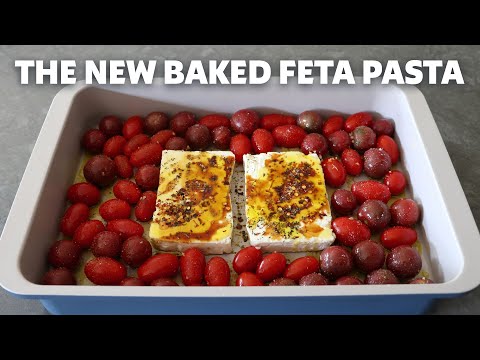
Social media platforms like Instagram and TikTok are filled with 'pasta' content, from viral recipes like 'baked feta pasta' to satisfying videos of pasta being extruded through brass dies. In these digital spaces, the word is often used in hashtags (#pastalover, #pastarecipe) to connect a global community of food enthusiasts. Even in academic settings, 'pasta' might be discussed in the context of food history, sociology (the 'globalization of Italian food'), or chemistry (the science of gluten and starch gelatinization).
- In Popular Culture
- Movies like 'Lady and the Tramp' have iconic scenes involving pasta (specifically spaghetti), cementing its image as a romantic and shared meal in the public consciousness.
I saw a viral video for a one-pot pasta that looks incredibly easy to make.
The athlete ate a massive plate of pasta the night before the big race.
Is this pasta made from durum wheat or semolina?
One of the most frequent mistakes learners make with the word 'pasta' is treating it as a countable noun in situations where it should be uncountable. For example, saying 'I want two pastas' when you mean 'I want two servings of pasta' or 'two types of pasta.' While you might hear a waiter say 'Two pastas for table five,' this is professional shorthand and not standard grammatical usage for learners. Another common error is the pluralization: 'pastas' is only used when referring to different varieties or brands, not to the individual pieces of food on your plate.
- Pronunciation Pitfalls
- In American English, the 'a' in pasta is typically pronounced like the 'a' in 'father' (/ˈpɑːstə/). In British English, it is often shorter, like the 'a' in 'cat' (/ˈpæstə/). Confusing these can mark your accent, though both are understood.
Incorrect: 'I ate many pastas for lunch.' Correct: 'I ate a lot of pasta for lunch.'
Confusion also arises between 'pasta' and 'noodles.' While all pasta can be considered a type of noodle, in English, 'noodles' usually refers to Asian-style preparations (like ramen or udon) or specific thin shapes. Calling a plate of lasagna 'noodles' might sound strange to some English speakers, particularly those outside of certain regions in the United States. It is safer to use 'pasta' for Italian-style dishes and 'noodles' for Asian-style dishes to avoid ambiguity.
- Subject-Verb Agreement
- Because 'pasta' is uncountable, it always takes a singular verb. Learners often mistakenly use a plural verb because they see many pieces of pasta. Remember: 'The pasta is cold,' not 'The pasta are cold.'
Waiters often say 'two pastas' as shorthand, but in formal writing, you should say 'two pasta dishes.'
Another mistake involves the term 'pasta sauce.' Some learners might say 'sauce of pasta' or 'pasta's sauce.' The correct compound noun is simply 'pasta sauce.' Similarly, when describing the water used for cooking, use 'pasta water.' Using the possessive form or a prepositional phrase makes the speech sound unnatural. Finally, be careful with the word 'macaroni.' While it is a type of pasta, using it as a synonym for all pasta is an outdated or very regional habit that can lead to confusion in modern international English.
- Spelling Errors
- Common misspellings include 'pata' or 'passta.' Ensure the single 's' and the 't' are in the correct order.
Don't forget to save some pasta water to help thicken the sauce.
The pasta is boiling on the stove right now.
We need to buy a new box of pasta because this one is empty.
Understanding 'pasta' also requires knowing related terms that describe similar foods or specific types. The most common synonym, though often used with regional or cultural distinctions, is 'noodles.' In many contexts, these are interchangeable, but 'pasta' specifically evokes Italian cuisine, whereas 'noodles' is a broader term encompassing Asian varieties like ramen, soba, and rice noodles. Another related term is 'spaghetti,' which is a specific *type* of pasta. Many people use 'spaghetti' as a generic term for any long, thin pasta, but technically, it only refers to one specific shape.
- Pasta vs. Noodles
- Pasta is usually made from durum wheat and served with sauce. Noodles can be made from various flours (rice, mung bean, buckwheat) and are often served in soups or stir-fries.
While they look similar, Italian pasta and Japanese ramen noodles have very different textures.
Other terms include 'macaroni,' which refers to small, tubular pasta shapes, and 'ravioli,' which are stuffed pasta pillows. 'Gnocchi' is often found in the pasta section of a menu, but it is technically a dumpling made from potatoes and flour, not a true pasta. Similarly, 'couscous' is made from the same semolina as pasta but is rolled into tiny granules rather than formed into dough shapes. Understanding these distinctions helps in navigating menus and recipes more effectively.
- Comparison: Pasta vs. Dumplings
- Pasta is typically a dough that is shaped and boiled. Dumplings (like gnocchi or pierogi) often include other ingredients like potato or cheese in the dough itself.
I prefer short pasta like penne over long strands like linguine.
In the world of grains, 'pasta' is sometimes compared to 'rice' or 'quinoa' as a base for meals. While they serve the same functional purpose—providing a neutral carbohydrate base—the culinary techniques and flavor profiles differ significantly. In some low-carb circles, 'zoodles' (zucchini noodles) or 'spaghetti squash' are used as 'pasta substitutes,' though they are vegetables and not pasta at all. Knowing these terms allows you to participate in modern dietary conversations and understand menu substitutions.
- Types of Pasta
- Common varieties include: Spaghetti, Penne, Fusilli, Farfalle (bow-tie), Rigatoni, Fettuccine, and Lasagna.
Is pasta considered a grain product in your country's food pyramid?
We had a delicious pasta salad at the picnic yesterday.
Do you have any gluten-free pasta options on the menu?
How Formal Is It?
Pronunciation Guide
Difficulty Rating
Grammar to Know
Uncountable nouns
Subject-verb agreement
Compound nouns (pasta sauce)
Adjectives before nouns
Partitives (a bowl of)
Examples by Level
I like pasta.
J'aime les pâtes.
Simple present tense.
She eats pasta for lunch.
Elle mange des pâtes pour le déjeuner.
Third person singular 's'.
Do you want pasta?
Veux-tu des pâtes ?
Question form with 'do'.
This pasta is good.
Ces pâtes sont bonnes.
Using 'is' with uncountable 'pasta'.
I have some pasta.
J'ai des pâtes.
Using 'some' for indefinite quantity.
Pasta is Italian food.
Les pâtes sont de la nourriture italienne.
General statement.
My favorite food is pasta.
Mon plat préféré est les pâtes.
Possessive 'my'.
We cook pasta every Monday.
Nous cuisinons des pâtes tous les lundis.
Adverb of frequency.
I am boiling the pasta now.
Je fais bouillir les pâtes maintenant.
Present continuous.
He bought a box of pasta.
Il a acheté une boîte de pâtes.
Past simple of 'buy'.
Is there any pasta in the kitchen?
Y a-t-il des pâtes dans la cuisine ?
Using 'any' in a question.
I prefer pasta with cheese.
Je préfère les pâtes avec du fromage.
Expressing preference.
She made a delicious pasta salad.
Elle a fait une délicieuse salade de pâtes.
Adjective before noun.
Don't overcook the pasta.
Ne cuis pas trop les pâtes.
Imperative negative.
We need more pasta for the party.
Nous avons besoin de plus de pâtes pour la fête.
Comparative 'more'.
He doesn't like spicy pasta.
Il n'aime pas les pâtes épicées.
Negative with 'doesn't'.
I always cook my pasta al dente.
Je cuis toujours mes pâtes al dente.
Using a culinary loanword.
Fresh pasta is much better than dried pasta.
Les pâtes fraîches sont bien meilleures que les pâtes sèches.
Comparative with 'much better'.
She learned how to make pasta from her grandmother.
Elle a appris à faire des pâtes avec sa grand-mère.
Infinitive phrase 'how to make'.
The pasta was served with a rich tomato sauce.
Les pâtes ont été servies avec une sauce tomate riche.
Passive voice.
I'm looking for a gluten-free pasta alternative.
Je cherche une alternative aux pâtes sans gluten.
Compound adjective 'gluten-free'.
You should drain the pasta immediately.
Tu devrais égoutter les pâtes immédiatement.
Modal verb 'should'.
Pasta is a great source of energy for athletes.
Les pâtes sont une excellente source d'énergie pour les athlètes.
Noun as a subject.
Have you ever tried making your own pasta?
As-tu déjà essayé de faire tes propres pâtes ?
Present perfect with 'ever'.
The texture of the pasta depends on the quality of the wheat.
La texture des pâtes dépend de la qualité du blé.
Subject-verb agreement with abstract noun.
Artisanal pasta makers often use traditional bronze dies.
Les fabricants de pâtes artisanales utilisent souvent des moules en bronze traditionnels.
Specific industry vocabulary.
Despite being high in carbs, pasta can be part of a healthy diet.
Bien qu'elles soient riches en glucides, les pâtes peuvent faire partie d'un régime sain.
Concessive clause with 'despite'.
The chef recommended pairing the pasta with a crisp white wine.
Le chef a recommandé d'accompagner les pâtes d'un vin blanc frais.
Gerund after 'recommend'.
I've been experimenting with different pasta shapes lately.
J'ai expérimenté différentes formes de pâtes ces derniers temps.
Present perfect continuous.
The restaurant specializes in regional Italian pastas.
Le restaurant se spécialise dans les pâtes italiennes régionales.
Using 'pastas' to mean varieties.
If I had more time, I would make fresh pasta every day.
Si j'avais plus de temps, je ferais des pâtes fraîches tous les jours.
Second conditional.
The pasta sauce had been simmering for hours before we arrived.
La sauce pour les pâtes mijotait depuis des heures avant notre arrivée.
Past perfect continuous.
The cultural significance of pasta in Italy cannot be overstated.
L'importance culturelle des pâtes en Italie ne peut être surestimée.
Formal academic tone.
Pasta serves as a versatile canvas for a myriad of culinary expressions.
Les pâtes servent de toile polyvalente pour une myriade d'expressions culinaires.
Metaphorical language.
The industrialization of pasta production revolutionized global eating habits.
L'industrialisation de la production de pâtes a révolutionné les habitudes alimentaires mondiales.
Abstract noun phrase.
One must consider the starch-to-water ratio when boiling pasta.
Il faut considérer le rapport amidon/eau lors de la cuisson des pâtes.
Formal 'one' as subject.
The subtle nuances of hand-rolled pasta are lost in mass-produced versions.
Les nuances subtiles des pâtes roulées à la main se perdent dans les versions produites en série.
Passive voice with nuance.
Pasta's enduring popularity is a testament to its simplicity and adaptability.
La popularité durable des pâtes témoigne de leur simplicité et de leur adaptabilité.
Possessive form with abstract noun.
The chef's mastery of pasta dough was evident in every bite.
La maîtrise de la pâte à pâtes par le chef était évidente à chaque bouchée.
Noun complement.
Critics often debate the authenticity of modern pasta interpretations.
Les critiques débattent souvent de l'authenticité des interprétations modernes des pâtes.
Complex subject-verb-object.
The historical trajectory of pasta mirrors the broader shifts in Mediterranean trade.
La trajectoire historique des pâtes reflète les changements plus larges du commerce méditerranéen.
Sophisticated vocabulary.
To truly appreciate pasta, one must delve into the regional micro-traditions of Italy.
Pour vraiment apprécier les pâtes, il faut se plonger dans les micro-traditions régionales de l'Italie.
Infinitive of purpose with 'one'.
The interplay between the pasta's surface texture and the sauce's viscosity is a science in itself.
L'interaction entre la texture de surface des pâtes et la viscosité de la sauce est une science en soi.
Complex noun phrases.
Pasta has become a globalized commodity, yet it retains its soul in the domestic kitchen.
Les pâtes sont devenues une marchandise mondialisée, pourtant elles conservent leur âme dans la cuisine domestique.
Coordinating conjunction 'yet'.
The semiotics of pasta shapes reveal much about the history of the communities that created them.
La sémiotique des formes de pâtes en dit long sur l'histoire des communautés qui les ont créées.
Academic subject 'semiotics'.
In the hands of a master, pasta transcends its humble ingredients to become a work of art.
Entre les mains d'un maître, les pâtes transcendent leurs humbles ingrédients pour devenir une œuvre d'art.
Elevated literary style.
The ubiquity of pasta in modern diets belies the complexity of its production and distribution.
L'ubiquité des pâtes dans les régimes modernes cache la complexité de leur production et de leur distribution.
Advanced verb 'belies'.
The evolution of pasta-making technology has consistently balanced efficiency with the preservation of tradition.
L'évolution de la technologie de fabrication des pâtes a constamment équilibré l'efficacité et la préservation de la tradition.
Present perfect with 'consistently'.
Synonyms
Antonyms
Common Collocations
Common Phrases
Often Confused With
Idioms & Expressions
Easily Confused
Noodles is a broader term, often for Asian food.
Gnocchi are potato dumplings, not wheat pasta.
Couscous is tiny granules, not shaped dough.
Sentence Patterns
How to Use It
Often used with 'with' (pasta with cheese).
Commonly found in the phrase 'pasta and pizza'.
- Saying 'I want a pasta' instead of 'I want some pasta'.
- Using a plural verb: 'The pasta are ready'.
- Confusing 'pasta' with 'pastry'.
- Misspelling it as 'passta'.
- Thinking all noodles are called pasta.
Tips
Salt the water
Always add plenty of salt to your boiling water. It seasons the pasta from the inside out and improves the flavor of the entire dish.
Learn the shapes
Learning names like 'penne' or 'fusilli' will help you understand menus much better. It also makes you sound more like a native speaker.
Uncountable noun
Remember that pasta is uncountable. Use 'much' instead of 'many' and 'is' instead of 'are'. This is a very common mistake for beginners.
Try regional dishes
Explore different Italian regions through their pasta. Each area has a unique tradition that tells a story about its history and local ingredients.
Portion control
Pasta is energy-dense. A standard serving is about 2 ounces (56 grams) of dried pasta. Balance it with plenty of vegetables for a healthy meal.
Keep it dry
Store dried pasta in a cool, dry place in an airtight container. It can last for a very long time if kept away from moisture.
Word origin
Knowing that 'pasta' means 'dough' in Italian helps you remember its basic nature. It's all about the simple mixture of flour and water.
Vowel sounds
Focus on the 'ah' sound in the American pronunciation. It should sound like 'pah-stah'. In the UK, it's a shorter 'a' like in 'apple'.
Share a meal
Pasta is a great food for sharing. Making a big bowl of pasta for friends is a classic way to show hospitality in many cultures.
Check the label
Look for pasta made from '100% durum wheat semolina'. This is the highest quality and will give you the best texture when cooked.
Memorize It
Word Origin
Italian
Cultural Context
Pasta is often served as a main course in larger portions.
Pasta is usually served as a 'primo' (first course).
Practice in Real Life
Real-World Contexts
Conversation Starters
"What is your favorite type of pasta?"
"Do you prefer red sauce or white sauce on your pasta?"
"Have you ever made fresh pasta from scratch?"
"How often do you eat pasta in a week?"
"What's the best pasta dish you've ever had?"
Journal Prompts
Describe your perfect pasta meal.
Write about a time you cooked pasta for someone else.
If you could only eat one type of pasta for the rest of your life, what would it be?
How does pasta represent comfort to you?
Research a regional Italian pasta and write about its history.
Frequently Asked Questions
10 questionsNo, pasta is a grain product made from wheat flour. It is a carbohydrate, not a vegetable. However, you can eat it with many vegetables.
In standard English, 'pasta' is uncountable. You should say 'two servings of pasta' or 'two types of pasta.' Waiters might say 'two pastas' as shorthand, but it's not grammatically correct for learners.
It is an Italian phrase meaning 'to the tooth.' It describes pasta that is cooked to be firm when bitten, not soft or mushy. This is the traditional way to serve it.
Spaghetti is a *type* of pasta. All spaghetti is pasta, but not all pasta is spaghetti. There are many other shapes like penne and fusilli.
You boil a large pot of salted water, add the pasta, and cook it for several minutes until it is tender but firm. Then you drain the water and add sauce.
Pasta can be part of a healthy diet. Whole-wheat pasta is higher in fiber. It provides energy through complex carbohydrates. The healthiness often depends on the sauce you use.
Fresh pasta is made with eggs and flour and has a soft texture. Dried pasta is made with water and semolina and has a firmer bite. Both are delicious in different ways.
Yes, you can freeze cooked pasta, but it is best to freeze it without sauce. Reheat it in boiling water for a minute to restore its texture.
Pasta becomes sticky if you don't use enough water in the pot or if you don't stir it occasionally while it's boiling. Adding salt to the water also helps.
Pasta water is the starchy liquid left in the pot after boiling pasta. Chefs often add a little bit of it to the sauce to help it stick to the pasta.
Test Yourself 200 questions
Write three sentences about your favorite pasta dish.
Well written! Good try! Check the sample answer below.
Describe how to cook a simple plate of pasta.
Well written! Good try! Check the sample answer below.
Compare fresh pasta and dried pasta. Which do you prefer and why?
Well written! Good try! Check the sample answer below.
Write a short paragraph about the cultural importance of pasta in Italy.
Well written! Good try! Check the sample answer below.
Explain the science of cooking pasta 'al dente'.
Well written! Good try! Check the sample answer below.
Describe a memorable meal you had that featured pasta.
Well written! Good try! Check the sample answer below.
Write a recipe for a pasta sauce you like.
Well written! Good try! Check the sample answer below.
Discuss the pros and cons of a high-carbohydrate diet including pasta.
Well written! Good try! Check the sample answer below.
Write a dialogue between a waiter and a customer ordering pasta.
Well written! Good try! Check the sample answer below.
How has pasta become a global food? Write your thoughts.
Well written! Good try! Check the sample answer below.
Describe the different shapes of pasta and their uses.
Well written! Good try! Check the sample answer below.
Write a review of a restaurant that serves great pasta.
Well written! Good try! Check the sample answer below.
Imagine you are an artisanal pasta maker. Describe your day.
Well written! Good try! Check the sample answer below.
Write a letter to a friend inviting them to a 'pasta night'.
Well written! Good try! Check the sample answer below.
Discuss the impact of gluten-free trends on the pasta industry.
Well written! Good try! Check the sample answer below.
What is the role of pasta in a balanced Mediterranean diet?
Well written! Good try! Check the sample answer below.
Write a poem about a bowl of spaghetti.
Well written! Good try! Check the sample answer below.
Describe the process of making pasta dough from scratch.
Well written! Good try! Check the sample answer below.
How do different cultures adapt pasta to their own tastes?
Well written! Good try! Check the sample answer below.
Write a summary of the history of pasta.
Well written! Good try! Check the sample answer below.
Tell me about the last time you ate pasta.
Read this aloud:
You said:
Speech recognition is not supported in your browser. Try Chrome or Edge.
Explain how you like your pasta cooked.
Read this aloud:
You said:
Speech recognition is not supported in your browser. Try Chrome or Edge.
Discuss your favorite pasta sauce and why you like it.
Read this aloud:
You said:
Speech recognition is not supported in your browser. Try Chrome or Edge.
If you were a chef, what special pasta dish would you create?
Read this aloud:
You said:
Speech recognition is not supported in your browser. Try Chrome or Edge.
Talk about the differences between Italian pasta and other types of noodles.
Read this aloud:
You said:
Speech recognition is not supported in your browser. Try Chrome or Edge.
Do you think pasta is a healthy food? Why or why not?
Read this aloud:
You said:
Speech recognition is not supported in your browser. Try Chrome or Edge.
Describe a traditional pasta dish from your country or region.
Read this aloud:
You said:
Speech recognition is not supported in your browser. Try Chrome or Edge.
How do you feel about gluten-free pasta?
Read this aloud:
You said:
Speech recognition is not supported in your browser. Try Chrome or Edge.
What is the best pasta restaurant you've ever visited?
Read this aloud:
You said:
Speech recognition is not supported in your browser. Try Chrome or Edge.
Explain the meaning of 'al dente' to a friend.
Read this aloud:
You said:
Speech recognition is not supported in your browser. Try Chrome or Edge.
Talk about the process of making fresh pasta at home.
Read this aloud:
You said:
Speech recognition is not supported in your browser. Try Chrome or Edge.
Why is pasta so popular all over the world?
Read this aloud:
You said:
Speech recognition is not supported in your browser. Try Chrome or Edge.
Describe the different shapes of pasta you know.
Read this aloud:
You said:
Speech recognition is not supported in your browser. Try Chrome or Edge.
What are some common mistakes people make when cooking pasta?
Read this aloud:
You said:
Speech recognition is not supported in your browser. Try Chrome or Edge.
Discuss the environmental impact of large-scale pasta production.
Read this aloud:
You said:
Speech recognition is not supported in your browser. Try Chrome or Edge.
How does the shape of pasta affect the eating experience?
Read this aloud:
You said:
Speech recognition is not supported in your browser. Try Chrome or Edge.
What's your opinion on 'fusion' pasta dishes (e.g., Thai-style pasta)?
Read this aloud:
You said:
Speech recognition is not supported in your browser. Try Chrome or Edge.
Talk about a childhood memory involving pasta.
Read this aloud:
You said:
Speech recognition is not supported in your browser. Try Chrome or Edge.
If you could travel to Italy to eat one pasta dish, what would it be?
Read this aloud:
You said:
Speech recognition is not supported in your browser. Try Chrome or Edge.
Explain the importance of 'pasta water' in cooking.
Read this aloud:
You said:
Speech recognition is not supported in your browser. Try Chrome or Edge.
Listen to the chef's instructions: 'First, boil the water. Add salt. Then add the pasta.' What is the second step?
Listen to the waiter: 'Today's special is pasta with seafood and a white wine sauce.' What is in the sauce?
Listen to the podcast: 'The secret to great pasta is high-quality semolina flour.' What is the secret ingredient?
Listen to the conversation: 'I prefer penne because it holds the sauce better than spaghetti.' Why does she prefer penne?
Listen to the news report: 'Pasta prices have risen due to a poor wheat harvest.' Why are prices higher?
Listen to the recipe: 'Cook the pasta for exactly eight minutes for a perfect al dente texture.' How long should you cook it?
Listen to the food critic: 'The homemade ravioli was the highlight of the evening.' What was the highlight?
Listen to the child: 'I want plain pasta with just a little bit of butter.' What does the child want on the pasta?
Listen to the travel guide: 'In this region, they make a unique pasta shaped like small ears.' What does the pasta look like?
Listen to the doctor: 'Whole-grain pasta is a better choice for maintaining steady energy levels.' Why is it a better choice?
Listen to the ad: 'Our pasta is dried slowly to preserve its natural flavor.' How is the pasta dried?
Listen to the student: 'I eat pasta almost every day because it's cheap and easy.' Why does the student eat it?
Listen to the chef: 'Never rinse your pasta; you'll lose the starch that helps the sauce stick.' Why shouldn't you rinse it?
Listen to the shopper: 'I'm looking for the pasta aisle. Is it near the rice?' Where is the shopper?
Listen to the history lecture: 'Pasta was likely introduced to Italy through trade with Arab cultures.' How was it introduced?
/ 200 correct
Perfect score!
Summary
Pasta is a fundamental carbohydrate in global cuisine, specifically originating from Italy. It is made from unleavened wheat dough and is best served 'al dente' (firm to the bite). Example: 'I usually cook pasta when I need a quick and satisfying meal.'
- Pasta is a versatile Italian food made from wheat flour and water, shaped into various forms and boiled before being served with diverse sauces.
- It is primarily an uncountable noun in English, meaning you usually refer to it in the singular form unless discussing different varieties.
- Common shapes include spaghetti, penne, and fusilli, each designed to complement specific types of sauces based on their texture and surface area.
- As a global staple, pasta is valued for its long shelf life (dried), ease of preparation, and high energy content from complex carbohydrates.
Salt the water
Always add plenty of salt to your boiling water. It seasons the pasta from the inside out and improves the flavor of the entire dish.
Learn the shapes
Learning names like 'penne' or 'fusilli' will help you understand menus much better. It also makes you sound more like a native speaker.
Uncountable noun
Remember that pasta is uncountable. Use 'much' instead of 'many' and 'is' instead of 'are'. This is a very common mistake for beginners.
Try regional dishes
Explore different Italian regions through their pasta. Each area has a unique tradition that tells a story about its history and local ingredients.
Example
I usually cook pasta for dinner because it is quick and easy.
Related Content
Learn it in Context
This Word in Other Languages
More Food words
wheat
B1Wheat is a cereal grain that is widely cultivated as a primary food source for humans and animals. It is typically ground into flour to make bread, pasta, pastries, and many other staple food products.
buttermilk
B2Describes food or drink made with or having the characteristics of the sour, fermented liquid remaining after butter has been churned. In modern culinary contexts, it refers to a cultured dairy product used to provide a tangy flavor and tender texture to baked goods and meats.
salt
A2A common white crystalline substance, chemically sodium chloride (NaCl), used widely for seasoning and preserving food. It is an essential nutrient for humans and animals.
pineapple
A1A large, tropical fruit with a tough, scaly skin and a tuft of green leaves on top. It has sweet, juicy yellow flesh inside and is eaten fresh, canned, or as juice.
mushrooms
B1Mushrooms are the fleshy, spore-bearing fruiting bodies of fungi, typically produced above ground on soil or on their food source. While many varieties are edible and popular in cooking, others are highly toxic or even fatal if consumed.
truffles
C1Truffles are rare, edible underground fungi known for their strong aroma and high culinary value, often used as a gourmet delicacy. The term also refers to a type of rich chocolate confection coated in cocoa powder, named for its resemblance to the fungus.
snack
A1A snack is a small amount of food eaten between main meals such as breakfast, lunch, or dinner. It is typically something quick to prepare and easy to consume when you feel a little hungry.
coca
B1A tropical shrub native to the Andes whose leaves contain a stimulant alkaloid. It is widely known for its traditional use by indigenous people and as the botanical source of cocaine.
corn
A1Corn is a tall plant that produces yellow grains on a large cob, which are eaten as a vegetable or ground into flour. It is one of the most popular cereal grains in the world and is a staple food in many cultures.
salmon
B1A large, edible fish with pink or reddish-orange flesh that is known for its ability to swim upstream against strong currents to spawn. It is also the name of a pinkish-orange color that resembles the fish's meat.

