









velvet in 30 Seconds
- A soft, thick fabric with a smooth surface.
- Used for luxurious clothing and home decor.
- Can describe things that feel or sound very smooth.
- Historically a symbol of wealth and royalty.
Velvet is a woven tufted fabric in which the cut threads are evenly distributed, with a short dense pile, giving it a distinctive soft feel. By extension, the word velvet means smooth like velvet. In the past, velvet was typically made from silk. Today, velvet can be made from linen, cotton, wool, and synthetic fibers. The term velvet is used to describe the fabric itself, as well as the soft, smooth texture that characterizes it. When you touch velvet, you immediately notice its luxurious, plush surface, which has made it a favorite material for centuries in both fashion and interior design. Understanding what velvet means involves recognizing not just the physical material, but also the connotations of wealth, comfort, and elegance that accompany it. Throughout history, velvet has been associated with royalty and high society due to the complex and expensive process required to produce it. The rich, deep colors that velvet can hold add to its visual appeal, making it a popular choice for evening wear, theatrical drapes, and opulent upholstery. The word can also be used metaphorically to describe things that are exceptionally smooth or soft, such as a velvet voice, a velvet touch, or a velvet night sky. This metaphorical use highlights the sensory impact of the fabric, transferring its physical qualities to abstract concepts or other sensory experiences. In modern times, velvet remains a symbol of luxury, though it is much more accessible than in the past. It is used in a wide variety of products, from everyday clothing items like jackets and skirts to home decor items like pillows, blankets, and curtains. The versatility of velvet allows it to be both a statement piece and a subtle accent, depending on how it is used. Whether you are wearing a velvet dress to a formal event or relaxing on a velvet sofa, the material provides a sense of comfort and sophistication. To fully grasp the meaning of velvet, one must appreciate its dual nature as both a tangible, tactile fabric and a symbol of refined elegance. The enduring appeal of velvet lies in its ability to engage the senses, offering a visual depth and a tactile softness that few other materials can match. As you encounter the word velvet in different contexts, remember its rich history and its capacity to elevate the ordinary into something extraordinary.
- Texture
- Exceptionally soft, smooth, and plush to the touch.
- Appearance
- Rich, deep, and slightly shiny depending on the light.
- Usage
- Clothing, upholstery, and metaphorical descriptions of smoothness.
The queen wore a magnificent dress made of deep red velvet.
He stroked the velvet cushions on the luxurious sofa.
The singer had a beautiful, velvet voice that captivated the audience.
The night sky was a canopy of black velvet studded with stars.
She kept her precious jewelry in a small velvet box.
Using the word velvet correctly involves understanding its primary function as a noun denoting a specific type of fabric, as well as its secondary function as an adjective describing a smooth, soft texture. When using velvet as a noun, it typically refers to clothing, upholstery, or other items made from this material. For example, you might say, 'She bought a new velvet dress for the holiday party,' or 'The theater seats were covered in plush red velvet.' In these contexts, velvet is a tangible object that can be seen and touched. It is important to note that velvet is an uncountable noun when referring to the fabric in general, but it can be used as a countable noun when referring to different types or pieces of velvet. When using velvet as an adjective, it describes something that shares the physical characteristics of the fabric, primarily its softness and smoothness. This metaphorical use is common in literature and everyday speech. For instance, you might describe a smooth, rich wine as having a 'velvet finish,' or a gentle, soothing voice as a 'velvet voice.' The adjective form can also describe physical objects that are not made of velvet but feel like it, such as the 'velvet petals of a rose' or the 'velvet skin of a peach.' In addition to its standard uses, velvet appears in several idiomatic expressions. The phrase 'an iron fist in a velvet glove' is a classic example, describing someone who appears gentle and soft on the outside but is actually ruthless and unyielding underneath. This idiom perfectly captures the contrast between the soft exterior of velvet and the hard reality of the iron fist. Another common phrase is 'on velvet,' which means to be in an advantageous or prosperous position, reflecting the historical association of velvet with wealth and luxury. When writing or speaking about velvet, consider the sensory details it evokes. Words like plush, soft, smooth, rich, and luxurious naturally pair well with velvet. Whether you are describing a physical object or using the word metaphorically, emphasizing these sensory qualities will enhance your description and help your audience fully appreciate the meaning. By mastering the different ways to use velvet, you can add depth and texture to your vocabulary, allowing you to express concepts of softness, luxury, and elegance with precision and flair.
- As a Noun
- Refers to the fabric itself (e.g., a dress made of velvet).
- As an Adjective
- Describes something smooth and soft (e.g., a velvet voice).
- In Idioms
- Used in phrases like 'iron fist in a velvet glove'.
The curtains were made of heavy, dark green velvet.
He spoke with a velvet tone that instantly calmed everyone in the room.
The cat's fur felt like pure velvet beneath her fingers.
She manages her team with an iron fist in a velvet glove.
The rich chocolate cake had a velvet texture that melted in the mouth.
The word velvet is encountered in a wide variety of contexts, reflecting its enduring popularity and versatile applications. One of the most common places you will hear or see the word velvet is in the fashion industry. Fashion designers, stylists, and clothing retailers frequently use the term to describe garments, accessories, and footwear. During the autumn and winter seasons, velvet becomes particularly prominent, as its thick, warm texture is ideal for cold-weather clothing. You will hear it in descriptions of elegant evening gowns, tailored blazers, stylish skirts, and even casual wear like tracksuits. Fashion magazines and blogs often feature articles on how to style velvet pieces, highlighting its status as a timeless and luxurious material. Another major context where velvet is frequently mentioned is interior design and home decor. Interior decorators and furniture salespeople use the word to describe upholstery, curtains, pillows, and other soft furnishings. Velvet sofas and armchairs are popular choices for adding a touch of sophistication and comfort to a living space. You will hear discussions about the different types of velvet used in home decor, such as crushed velvet, mohair velvet, or synthetic blends, each offering a unique look and feel. Home improvement shows and design magazines regularly showcase velvet as a key element in creating cozy, inviting, and opulent interiors. Beyond fashion and interior design, the word velvet is often used in the culinary world, particularly when describing the texture of food and beverages. Food critics, chefs, and wine enthusiasts use velvet as an adjective to convey a smooth, rich, and luxurious mouthfeel. A decadent chocolate mousse might be described as having a 'velvety' texture, while a fine red wine might be praised for its 'velvet finish.' This metaphorical use of the word helps to evoke a sensory experience that goes beyond taste, emphasizing the physical sensation of the food or drink. You will also hear the word velvet in literature, poetry, and music, where it is used to create vivid, sensory imagery. Writers and lyricists use velvet to describe everything from the softness of a lover's touch to the deep, dark expanse of the night sky. The word's association with smoothness and luxury makes it a powerful tool for evoking emotion and setting a mood. Whether you are reading a classic novel, listening to a romantic song, or watching a theatrical performance, the word velvet is likely to appear as a symbol of elegance, comfort, and sensory pleasure. Understanding where and how velvet is used in these different contexts will enrich your vocabulary and enhance your appreciation for this versatile word.
- Fashion Industry
- Describing clothing, shoes, and accessories.
- Interior Design
- Referring to furniture upholstery, curtains, and pillows.
- Culinary Arts
- Describing the smooth texture of food and wine.
The fashion magazine highlighted velvet as the must-have fabric for the winter season.
The interior designer recommended a navy blue velvet sofa for the living room.
The chef described the soup as having a rich, velvet consistency.
The poet wrote about the velvet darkness of the midnight hour.
The wine critic praised the Merlot for its soft, velvet tannins.
When learning and using the word velvet, there are a few common mistakes that learners often make. One of the most frequent errors is confusing velvet with similar fabrics, such as velour or velveteen. While these materials share a similar soft, plush texture, they are manufactured differently and have distinct characteristics. Velvet is typically woven on a special loom that weaves two thicknesses of the material at the same time, which are then cut apart to create the pile effect. Velour, on the other hand, is usually a knitted fabric, making it stretchier and often used for casual wear like tracksuits. Velveteen is made from cotton and has a shorter, denser pile than true velvet, making it less shiny and less drapable. Using the word velvet to describe a velour tracksuit or a velveteen pillow is technically incorrect, though it is a common colloquial mistake. Another mistake is misusing the adjective form, velvety. While velvet can be used as a noun adjunct (a noun used to modify another noun, like 'velvet dress'), velvety is the proper adjective form when describing something that feels like velvet but is not actually made of it. For example, it is more accurate to say 'a velvety texture' rather than 'a velvet texture' when referring to food or skin. However, in poetic or metaphorical contexts, 'velvet' is often used as an adjective (e.g., 'velvet night'), which can blur the lines for learners. A third common mistake involves the pronunciation of the word. Some learners may struggle with the 'v' sound, pronouncing it more like a 'w' or a 'b', resulting in 'welvet' or 'belvet'. It is important to practice the correct placement of the teeth and lips to produce a clear 'v' sound. Additionally, the emphasis should be on the first syllable (VEL-vit), with the second syllable being short and unstressed. Misplacing the stress can make the word difficult for native speakers to understand. Finally, learners sometimes overuse the word velvet when describing anything soft. While velvet is a great descriptive word, English has a rich vocabulary for textures, including words like silky, plush, fluffy, smooth, and soft. Overusing velvet can make writing or speech repetitive. By understanding these common mistakes and practicing the correct usage, pronunciation, and context of the word velvet, learners can improve their English proficiency and communicate more effectively and accurately.
- Confusing Fabrics
- Mistaking velour or velveteen for true velvet.
- Adjective Misuse
- Using velvet instead of velvety for non-fabric textures in prose.
- Pronunciation Errors
- Mispronouncing the 'v' sound or placing stress on the wrong syllable.
Incorrect: She wore a velvet tracksuit to the gym. (Correction: velour tracksuit)
Incorrect: The lotion gave her skin a velvet feel. (Correction: velvety feel)
Incorrect: He pronounced it as 'welvet'. (Correction: VEL-vit)
Incorrect: The fluffy towel was like velvet. (Correction: The towel was plush and soft.)
Incorrect: I bought a velvet of fabric. (Correction: I bought a piece/yard of velvet.)
When exploring the vocabulary related to velvet, it is helpful to understand similar words that describe fabrics, textures, and concepts of luxury. One of the most closely related words is silk. Like velvet, silk is a luxurious fabric known for its smooth texture and elegant appearance. However, silk is typically lighter, thinner, and has a more fluid drape than the thick, plush pile of velvet. Another related fabric is satin. Satin shares the glossy, smooth surface of velvet but lacks the raised pile, making it sleek rather than plush. Both silk and satin are often used in similar contexts as velvet, such as formal wear and high-end home decor, but they offer different tactile experiences. Velour and velveteen, as mentioned earlier, are also highly similar words. Velour is a knitted fabric that mimics the feel of velvet but is stretchier and often used for casual or athletic wear. Velveteen is a woven cotton fabric with a shorter, denser pile, making it a more durable and less expensive alternative to true velvet. When looking for adjectives that convey the same sensory experience as velvet, words like plush, soft, smooth, and silky come to mind. Plush describes something that has a thick, deep pile, similar to velvet, and is often used to describe carpets, toys, or luxurious upholstery. Soft and smooth are more general terms that capture the basic tactile qualities of velvet without the specific connotations of the fabric. Silky, while derived from silk, is often used interchangeably with velvety to describe a texture that is exceptionally smooth and pleasing to the touch. In terms of metaphorical usage, words like rich, luxurious, and opulent are closely associated with velvet. These words capture the aura of wealth and elegance that velvet has historically represented. A rich color, a luxurious lifestyle, or an opulent room all share the same conceptual space as a velvet garment or furnishing. Understanding these similar words allows for more precise and varied expression. Instead of relying solely on the word velvet, you can choose the exact term that best fits the specific fabric, texture, or mood you are trying to describe. This nuanced understanding of vocabulary is a hallmark of advanced language proficiency and will greatly enhance your ability to communicate effectively and creatively.
- Silk
- A smooth, delicate fabric, lighter than velvet.
- Satin
- A glossy, smooth fabric without the plush pile of velvet.
- Plush
- An adjective describing a thick, soft texture similar to velvet.
She chose a silk blouse to wear under her velvet jacket.
The satin sheets felt cool and smooth, unlike the warm velvet blanket.
The hotel room was decorated with plush carpets and velvet curtains.
He preferred the casual comfort of a velour hoodie over a formal velvet blazer.
The luxurious velvet upholstery added an opulent touch to the room.
How Formal Is It?
Difficulty Rating
Grammar to Know
Noun Adjuncts (using a noun to modify another noun, e.g., 'velvet dress')
Uncountable Nouns (using 'velvet' without an article when referring to the material)
Similes (e.g., 'as soft as velvet')
Adjective Formation (adding '-y' to make 'velvety')
Metaphorical Use of Nouns
Examples by Level
The dress is made of velvet.
A soft fabric dress.
Noun used as an object.
I have a velvet pillow.
A soft cushion.
Noun used as an adjective.
Velvet is very soft.
The fabric feels soft.
Noun as the subject.
She likes the red velvet.
She prefers the red soft fabric.
Noun with an adjective.
The cat sleeps on the velvet.
The animal rests on the soft cloth.
Noun in a prepositional phrase.
This is a velvet hat.
A soft headwear.
Noun adjunct.
I want a velvet coat.
A soft winter jacket.
Noun adjunct.
The box has velvet inside.
The container is lined with soft fabric.
Noun indicating material.
She wore a beautiful velvet dress to the party.
A pretty soft dress for an event.
Noun adjunct with adjectives.
The curtains in the living room are made of heavy velvet.
Thick soft window coverings.
Noun indicating material.
He bought a velvet box for the ring.
A soft container for jewelry.
Noun adjunct.
Velvet clothes are very warm in the winter.
Soft garments for cold weather.
Noun adjunct as subject.
I love the feeling of soft velvet.
Enjoying the touch of the fabric.
Noun as object of preposition.
The old chair is covered in green velvet.
Furniture with soft green fabric.
Noun in a prepositional phrase.
She tied a velvet ribbon in her hair.
A soft string for hair.
Noun adjunct.
They sell velvet pillows at the store.
Soft cushions available for purchase.
Noun adjunct.
The singer had a smooth, velvet voice that everyone loved.
A very soft and pleasing voice.
Metaphorical use as an adjective.
We ordered a red velvet cake for her birthday.
A specific type of chocolate cake.
Compound noun.
The night sky was like black velvet, filled with bright stars.
Dark and smooth sky.
Simile using the noun.
He prefers velvet over silk because it feels warmer.
Choosing one fabric over another.
Noun used in comparison.
The theater seats were upholstered in plush red velvet.
Chairs covered in soft red fabric.
Noun indicating material.
She stroked the velvet petals of the rose.
Soft flower parts.
Metaphorical use as an adjective.
The museum displayed a royal cloak made of purple velvet.
A king's soft purple cape.
Noun indicating material.
This lotion will make your skin feel like velvet.
Skin feeling very soft.
Simile using the noun.
She rules the company with an iron fist in a velvet glove.
Strict but appearing gentle.
Idiomatic expression.
The wine had a rich, velvety texture with hints of blackberry.
Smooth feeling of the drink.
Adjective form 'velvety'.
Only VIP guests are allowed past the velvet rope at the club.
The barrier for special guests.
Noun adjunct in a common phrase.
The antique sofa, upholstered in crushed velvet, was the room's centerpiece.
A specific textured soft fabric.
Specific type of velvet.
His velvet-toned apologies did little to calm her anger.
Smooth-sounding but ineffective words.
Compound adjective.
The landscape was covered in a velvet blanket of fresh snow.
A smooth layer of snow.
Metaphorical noun phrase.
During the Renaissance, velvet was a symbol of immense wealth and status.
Historical significance of the fabric.
Noun in historical context.
The chocolate mousse was perfectly smooth and velvety.
Soft dessert texture.
Adjective form 'velvety'.
The Velvet Revolution in Czechoslovakia was notable for its non-violent transition of power.
A peaceful political change.
Proper noun phrase.
The author's prose is a dense velvet, rich with sensory details and dark undertones.
Thick, luxurious writing style.
Metaphorical noun.
She navigated the treacherous political waters with a velvet touch.
Handling a situation smoothly and carefully.
Metaphorical noun adjunct.
The acoustics of the concert hall wrapped the audience in a velvet silence before the symphony began.
A deep, soft quietness.
Metaphorical noun adjunct.
His baritone voice had a velvet timbre that resonated perfectly in the small venue.
A smooth, rich sound quality.
Metaphorical noun adjunct.
The bespoke suit was tailored from the finest midnight-blue mohair velvet.
A very specific, high-quality fabric.
Specific technical fabric term.
They lived in a velvet prison, surrounded by luxury but stripped of all freedom.
A comfortable but restrictive situation.
Metaphorical noun adjunct.
The sauce requires careful whisking to achieve that elusive velvety emulsion.
A perfectly smooth culinary mixture.
Adjective form 'velvety'.
The insidious nature of the propaganda was masked by its velvet delivery.
Smooth and deceptive presentation.
Metaphorical noun adjunct.
He possessed a velvet arrogance; he never raised his voice, yet his disdain was palpable.
Softly expressed but clear superiority.
Metaphorical noun adjunct.
The twilight descended, painting the jagged mountains in hues of bruised velvet.
Dark, purplish, soft colors.
Metaphorical noun phrase.
Her critique was a velvet stiletto: seemingly gentle, but devastatingly sharp.
A soft but highly damaging remark.
Metaphorical noun phrase.
The sommelier described the vintage as having a velvet core with a surprisingly tannic edge.
A smooth center with a rough finish.
Metaphorical noun adjunct.
The historical novel perfectly captured the velvet-draped claustrophobia of the royal court.
Luxurious but suffocating atmosphere.
Compound adjective.
The economic sanctions were a velvet garrote, slowly and quietly strangling the nation's economy.
A soft but deadly economic measure.
Metaphorical noun phrase.
She appreciated the tactile opulence of the silk-blend velvet, noting its superior drape and luminosity.
The physical luxury of the specific fabric.
Technical noun phrase.
Common Collocations
Common Phrases
Often Confused With
Idioms & Expressions
Easily Confused
Sentence Patterns
How to Use It
Implies not just softness, but a thick, rich, and often warm softness.
Neutral, but often elevates the tone due to its association with luxury.
Universally understood in English-speaking regions with no major variations in meaning.
- Saying 'a velvet of fabric' instead of 'a piece of velvet'.
- Using 'velvet' instead of 'velour' for stretchy tracksuits.
- Mispronouncing the 'v' as a 'w'.
- Using 'velvet' instead of 'velvety' to describe the texture of soup or lotion.
- Forgetting that 'velvet' is usually an uncountable noun.
Tips
Noun Adjunct Usage
You can use 'velvet' right before another noun to describe what it is made of. For example, 'velvet dress' or 'velvet chair'. In this case, 'velvet' acts like an adjective, but it is technically a noun adjunct.
Velvet vs. Velvety
Use 'velvet' for the actual fabric. Use 'velvety' when describing something that feels smooth like the fabric, but isn't made of it. For example, 'velvety skin' or 'velvety soup'.
The 'V' Sound
Make sure to pronounce the 'v' clearly. Place your top teeth gently on your bottom lip and blow air while making a sound. Do not confuse it with a 'w' sound.
Sensory Details
When writing a story, use 'velvet' to add sensory details. It helps the reader imagine the soft texture and rich appearance of an object, making your writing more vivid.
The Velvet Rope
If you hear about a 'velvet rope', it usually means a VIP area or an exclusive club. It's a symbol of keeping regular people out and letting special people in.
Iron Fist
Remember the phrase 'iron fist in a velvet glove'. It's a great advanced phrase to describe a boss or leader who is polite but very strict.
Red Velvet
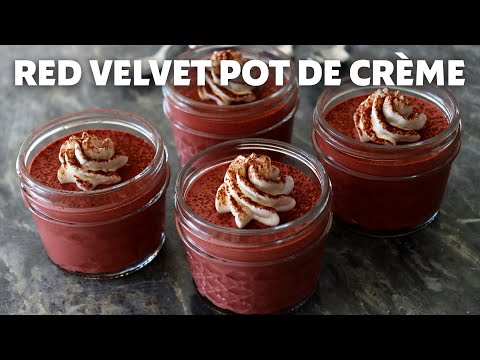
If you see 'red velvet' on a menu, it usually refers to a chocolate-flavored cake with red food coloring and cream cheese frosting. It's a very popular dessert in the US.
Royal Connection
Knowing that velvet was historically for royalty helps explain why it is still used for fancy dresses and luxury furniture today. It carries a feeling of wealth.
Using 'Plush'
If you use the word 'velvet' too much, try using 'plush' instead. 'Plush' also means thick and soft, and is great for describing carpets or toys.
Easy Spelling
Velvet is spelled exactly how it sounds: V-E-L-V-E-T. Just remember there are two 'e's and two 'v's, and you won't misspell it.
Memorize It
Mnemonic
Imagine a VERY ELEGANT LADY WEARING VERY EXPENSIVE TEXTILES (V-E-L-V-E-T).
Word Origin
Middle English, from Old French veluotte, from velu 'shaggy', from Latin villus 'shaggy hair'.
Cultural Context
Symbolizes VIP status (velvet rope) and winter holiday fashion.
Used to describe non-violent political changes (Velvet Revolution).
Associated with European royalty and Renaissance wealth.
Practice in Real Life
Real-World Contexts
Conversation Starters
"Do you own any clothing made of velvet?"
"Why do you think velvet is often associated with luxury?"
"Have you ever tried red velvet cake?"
"What is your favorite texture for a blanket or sofa?"
"What does the phrase 'iron fist in a velvet glove' mean to you?"
Journal Prompts
Describe a room decorated entirely in velvet. How does it feel?
Write about a time you touched something incredibly soft.
Imagine you are a king or queen in the Renaissance wearing velvet. Describe your outfit.
How does the texture of velvet make you feel compared to rougher fabrics?
Write a poem using the word 'velvet' to describe the night sky.
Frequently Asked Questions
10 questionsVelvet is a fabric, not a color. It is a type of soft, woven cloth. However, it can be dyed any color, such as red, black, or blue. Sometimes people say 'velvet red' to describe a deep, rich red color that looks like red velvet fabric. But primarily, it is a material.
Velvet is a woven fabric, which makes it less stretchy and more structured. Velour is a knitted fabric, which makes it stretchy and more suitable for casual clothing like tracksuits. Velvet is usually considered more luxurious and formal than velour. They look similar but feel and behave differently.
It depends on the type of velvet. Silk or rayon velvet should usually be dry-cleaned to avoid damage. Cotton or synthetic velvet can sometimes be washed in a machine on a gentle cycle. Always check the care label on the clothing or item before washing.
A 'velvet voice' is a metaphorical expression. It describes a voice that is very smooth, soft, and pleasant to listen to. It is often used to describe singers with deep, rich, and soothing voices. It means the voice feels as smooth to the ears as velvet feels to the touch.
Red velvet cake gets its name from its soft, smooth, 'velvety' texture and its dark red color. Originally, the red color came from a chemical reaction between the cocoa powder and acidic ingredients like buttermilk. Today, food coloring is often added to make it brighter red.
Yes, velvet is generally a warm fabric. Because it is thick and has a dense pile, it traps heat well. This makes it a popular choice for winter clothing, such as jackets, coats, and holiday dresses. It is usually too warm to wear in the hot summer months.
This is an idiom. It describes someone who appears to be gentle, polite, and soft (the velvet glove) but is actually very strict, firm, and ruthless underneath (the iron fist). It is often used to describe leaders or managers who enforce rules strictly but politely.
Historically, velvet was very expensive because it was made of silk and woven by hand. Today, velvet can be made from cheaper synthetic materials like polyester, making it very affordable. However, pure silk velvet is still quite expensive and considered a luxury item.
Yes, velvet can be used as a noun adjunct (an adjective-like noun) to describe things made of velvet, like a 'velvet dress'. It can also be used metaphorically to describe smooth things, like a 'velvet sky'. The word 'velvety' is also an adjective specifically meaning 'feeling like velvet'.
Crushed velvet is a specific type of velvet fabric. During the manufacturing process, the fabric is pressed or twisted while wet. This gives it a textured, shiny, and patterned appearance, rather than a perfectly smooth surface. It is often used in upholstery and fashion.
Test Yourself 180 questions
/ 180 correct
Perfect score!
Summary
Velvet is a luxurious, soft fabric used for elegant clothing and decor, and the word is also used metaphorically to describe anything exceptionally smooth, like a voice or a texture.
- A soft, thick fabric with a smooth surface.
- Used for luxurious clothing and home decor.
- Can describe things that feel or sound very smooth.
- Historically a symbol of wealth and royalty.
Noun Adjunct Usage
You can use 'velvet' right before another noun to describe what it is made of. For example, 'velvet dress' or 'velvet chair'. In this case, 'velvet' acts like an adjective, but it is technically a noun adjunct.
Velvet vs. Velvety
Use 'velvet' for the actual fabric. Use 'velvety' when describing something that feels smooth like the fabric, but isn't made of it. For example, 'velvety skin' or 'velvety soup'.
The 'V' Sound
Make sure to pronounce the 'v' clearly. Place your top teeth gently on your bottom lip and blow air while making a sound. Do not confuse it with a 'w' sound.
Sensory Details
When writing a story, use 'velvet' to add sensory details. It helps the reader imagine the soft texture and rich appearance of an object, making your writing more vivid.
Example
The dress was made of red velvet.
Related Content
Learn it in Context
More Clothing words
bare
B1Not covered by clothing or any other layer; simple or basic without any extra additions. As a verb, it means to uncover or reveal something that was hidden.
glasses
A1A pair of lenses set in a frame that rests on the nose and ears, used to correct or assist defective eyesight. They can also be used as protection for the eyes from sunlight, wind, or flying debris.
helmets
B1A helmet is a type of hard or padded protective hat, worn to protect the head from injury. They are commonly used in various activities, from sports like cycling and American football to occupations such as construction and firefighting.
stitch
B2A single loop of thread or yarn produced by a needle in sewing, knitting, or crocheting. It also refers to a sudden sharp pain in the side of the body, usually caused by strenuous exercise.
dressed
B1The state of wearing clothes on the body, often used to describe the style or appropriateness of one's attire. It indicates that a person is not naked and is prepared for a particular social or functional context.
lining
B1A layer of a different material covering the inner surface of something, such as a garment or a container. It is typically added for warmth, protection, comfort, or to give a finished appearance.
wear
A1To have clothing, accessories, makeup, or equipment on one's body as a covering or adornment. It can also refer to the act of damaging something through sustained use or the displaying of a specific facial expression.
button
B2Used as an attributive adjective to describe objects that are small, round, and compact, similar in shape to a garment fastener. In professional or academic contexts, it often refers to specific technical components or a conservative, traditional style.
gloves
B1Gloves are garments that cover the hand and wrist, featuring separate sections for each finger and the thumb. They are used for protection against weather, chemicals, or injury, and are also worn as a fashion accessory.
cape
A1A cape is a loose outer garment without sleeves that fits closely at the neck and hangs over the shoulders. It is often worn as part of a costume, for fashion, or for protection against the weather.

