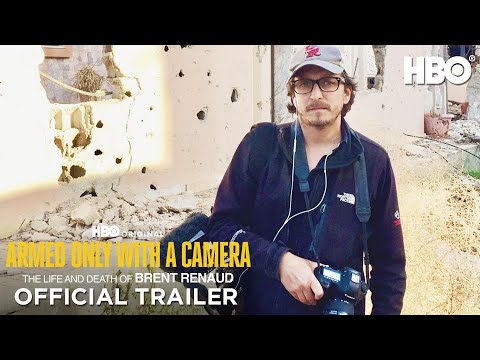
filmmaker em 30 segundos
- A filmmaker is the creative architect of a movie, handling everything from the initial idea to the final editing process.
- This term is broader than 'director' and often implies a high level of artistic independence and multi-tasking on set.
- Filmmakers work across various genres, including narrative features, documentaries, and experimental shorts, using both film and digital media.
- The word is widely used in film festivals, academic studies, and professional industry contexts to denote creative leadership.
The term filmmaker is a comprehensive noun used to describe an individual who is centrally involved in the creation of motion pictures. Unlike more specific titles like 'director' or 'editor,' the word filmmaker often implies a holistic approach to the craft, suggesting that the person may wear many hats—writing, directing, producing, and sometimes even filming or editing the work themselves. It is a term that bridges the gap between the technical execution of a movie and the artistic vision behind it. In the modern era, the definition has expanded from those working with physical celluloid film to include digital creators who produce high-quality cinematic content for various platforms.
- Artistic Visionary
- A filmmaker is often seen as the primary author of a film, responsible for the aesthetic and narrative choices that define the final product.
The young filmmaker spent three years capturing the lives of nomadic tribes for her debut documentary.
People use this word in professional, academic, and casual contexts. In the industry, calling someone a 'filmmaker' is a mark of respect for their creative agency. In academic settings, film students are often referred to as 'aspiring filmmakers' to encourage them to think about the entire process of production rather than just one niche. In casual conversation, we use it to describe anyone from a Hollywood giant like Steven Spielberg to a local enthusiast making short films for a festival. The term carries a certain weight of 'authorship' that the word 'director' sometimes lacks, as it encompasses the entire journey from a script's inception to the final cut shown on screen.
- Independent Spirit
- The term is frequently associated with 'indie' or independent cinema, where one person often handles multiple production roles due to budget constraints or artistic preference.
Every independent filmmaker knows that the hardest part of the job is securing funding for the next project.
Culturally, the filmmaker is often romanticized as a solitary genius or a relentless leader. This perception stems from the 'Auteur Theory,' which suggests that a film should reflect the director's personal creative vision. When we discuss a 'filmmaker's style,' we are looking for recurring themes, visual motifs, and narrative structures that appear across their entire body of work. This makes the word essential for film criticism and history. Whether discussing the silent era pioneers or contemporary digital innovators, the word 'filmmaker' remains the standard designation for the architects of the moving image.
- Technological Evolution
- While the root word is 'film,' modern filmmakers almost exclusively use digital sensors and software, yet the traditional title persists as a nod to the history of the medium.
A modern filmmaker must be as proficient with a computer as they are with a camera lens.
The festival celebrated the work of a local filmmaker who documented the city's changing landscape.
Being a successful filmmaker requires a unique blend of technical skill and emotional intelligence.
Using the word filmmaker correctly involves understanding its role as a countable noun that identifies a profession or a creative identity. It can function as the subject of a sentence, the object of an action, or as part of a descriptive phrase. Because it is a broad term, it is often paired with adjectives that specify the genre, status, or origin of the person being described. For example, 'documentary filmmaker,' 'experimental filmmaker,' or 'renowned filmmaker.' This specificity helps the reader understand exactly what kind of cinematic work the person produces.
- Subject Position
- When the filmmaker is the one performing the action, they are the subject. Example: 'The filmmaker decided to shoot the entire scene in one take.'
The filmmaker captured the essence of the 1920s through meticulous set design and lighting.
In more complex sentences, 'filmmaker' can be modified by relative clauses to provide more information about their achievements or methods. For instance, 'The filmmaker, who has won three Oscars, is known for her use of natural light.' This structure is common in journalism and biographical writing. It is also important to note that 'filmmaker' is often used in the plural to discuss groups or trends within the industry, such as 'The new wave of French filmmakers changed the face of cinema in the 1960s.'
- Object Position
- When the filmmaker is receiving the action. Example: 'The studio hired a talented filmmaker to reboot the franchise.'
Critics often praise the filmmaker for his uncompromising dedication to realism.
Another common usage is in the possessive form, 'filmmaker's.' This is used to attribute a specific style, choice, or possession to the person. For example, 'The filmmaker's vision was too ambitious for the small budget.' This possessive use is vital when discussing the 'auteur' aspect of filmmaking, where the film is considered the property of the creator's mind. Furthermore, the word can be used in compound nouns like 'filmmaker-in-residence' or 'filmmaker-activist,' showing the intersection of their professional role with other social or institutional roles.
- Compound Usage
- Using the word in combination with other roles. Example: 'He is a filmmaker and educator based in Toronto.'
The aspiring filmmaker submitted her short film to over twenty international festivals.
Many filmmakers now use social media to crowdfund their creative projects.
The filmmaker's unique perspective on history challenged the audience's assumptions.
You will encounter the word filmmaker in a variety of real-world settings, ranging from high-brow cultural commentary to everyday entertainment news. One of the most common places is during film festivals like Cannes, Sundance, or TIFF. In these environments, the word is used constantly in introductions, panel discussions, and awards ceremonies. When a host says, 'Please welcome the filmmaker,' they are signaling the arrival of the person whose creative energy fueled the project being screened. It is a title of prestige in these circles.
- Film Festivals
- The primary venue for the word, where it is used to honor creators of all levels.
At the Sundance Film Festival, every young filmmaker dreams of finding a major distributor.
In the media, you'll hear the word in podcasts, YouTube video essays, and television interviews. Critics often use 'filmmaker' when they want to discuss a director's career as a whole. For example, a reviewer might say, 'As a filmmaker, she has always been interested in the theme of isolation.' This suggests a deep dive into the person's artistic identity. Additionally, in the world of education, film schools are the breeding grounds for this term. Students are taught to see themselves as filmmakers from day one, emphasizing the importance of understanding every aspect of the craft, from lighting to sound design.
- Educational Settings
- In universities and workshops, 'filmmaker' is the standard term for students and professionals alike.
The guest speaker, a veteran filmmaker, shared his advice on how to handle difficult actors on set.
Social media has also popularized the term. Platforms like Instagram, TikTok, and Vimeo are filled with creators who call themselves filmmakers. In this context, the word often refers to people who create high-quality short-form content, travel videos, or commercial advertisements. While some traditionalists might argue over the definition, the term has democratized to include anyone using cinematic techniques to tell a story. You'll also see it in job listings for marketing agencies or production houses looking for 'in-house filmmakers' to create digital content for brands.
- Digital Platforms
- The term is now widely used by digital creators who produce content for the web rather than the cinema.
The YouTube filmmaker used a drone to capture stunning aerial shots of the Icelandic landscape.
The filmmaker's documentary about climate change went viral after being shared by several celebrities.
A dedicated filmmaker will often spend months in the editing room to get the perfect rhythm for a scene.
One of the most frequent mistakes learners make is confusing filmmaker with 'director.' While all directors are involved in filmmaking, not all filmmakers are just directors. A director specifically manages the actors and the creative execution on set. A filmmaker might be the person who conceived the idea, produced it, and directed it. Using 'filmmaker' is safer when you aren't sure of the person's specific role but know they are the creative force behind the movie. Another mistake is spelling it as two separate words ('film maker') or using a hyphen ('film-maker') in contexts where the single-word version is standard, especially in American English.
- Filmmaker vs. Director
- Mistake: Calling a producer a 'director' when 'filmmaker' would be more accurate for their creative involvement.
Incorrect: He is a great movie-man. Correct: He is a great filmmaker.
Another error is the misuse of articles. Since 'filmmaker' is a countable noun, you cannot say 'He is filmmaker.' You must say 'He is a filmmaker.' Similarly, when referring to a specific person already mentioned, use 'the filmmaker.' Learners also sometimes confuse 'filmmaker' with 'film star.' A filmmaker is behind the camera, while a film star (actor) is in front of it. While some people are both (like Greta Gerwig or Bradley Cooper), the terms describe different functions. Ensure you are using the word to describe the creator, not the performer, unless they hold both roles.
- Article Usage
- Mistake: Omitting the article 'a' or 'the' before the noun.
Incorrect: I want to be filmmaker when I grow up. Correct: I want to be a filmmaker when I grow up.
Lastly, be careful with the word 'producer.' In the studio system, a producer often handles the business and financial side, while the filmmaker (often the director) handles the art. However, in independent cinema, the 'filmmaker' often produces their own work. If you are talking about someone who only handles the money and logistics, 'producer' is more accurate. If you are talking about someone who has a hand in the creative storytelling, 'filmmaker' is the better choice. Avoid using 'filmmaker' for someone who only makes very short, casual social media clips without any narrative or cinematic intent; 'content creator' is usually more appropriate there.
- Scope of Role
- Mistake: Using 'filmmaker' for every person on a movie set. Use it specifically for those with creative authority.
The filmmaker (not the actor) is responsible for the movie's visual style.
A common mistake is to think a filmmaker only works on big Hollywood movies.
Don't confuse a filmmaker with a projectionist, who is the person that operates the projector in a theater.
While filmmaker is a great all-purpose word, there are several alternatives that might be more precise depending on the context. Understanding the nuances between these words will help you sound more like a native speaker and a true film enthusiast. The most common alternative is 'director,' but as we've discussed, this is more specific to the person leading the crew and actors on set. Another term is 'producer,' which can be creative but is often more focused on the logistical and financial aspects of making a movie.
- Director
- Focuses on the artistic execution and performances during production. 'The director called action.'
- Auteur
- A filmmaker whose personal influence and artistic control over a movie are so great that they are regarded as its author. 'He is a true auteur of the horror genre.'
While he is a talented filmmaker, he prefers the title of 'documentarian' to reflect his focus on real-life stories.
In the world of documentaries, the word 'documentarian' is the standard. It implies a commitment to non-fiction storytelling and often involves a different set of ethics and techniques than narrative filmmaking. For those who work primarily with the visual aspects—the camera and lighting—the term 'cinematographer' or 'director of photography' (DP) is used. While a cinematographer is a filmmaker, their role is specifically tied to the 'look' of the film. In the digital age, 'videographer' has become common for people who film events, weddings, or corporate videos, though this term often carries less 'artistic' prestige than 'filmmaker.'
- Cinematographer
- The person responsible for the camera and lighting. Often works closely with the filmmaker/director.
- Screenwriter
- The person who writes the script. Many filmmakers start as screenwriters or do both.
The filmmaker collaborated with a famous screenwriter to adapt the novel for the big screen.
For those who create movies specifically for the internet, 'content creator' or 'digital creator' are the most modern alternatives. These terms are broader and include people who make videos, but also those who write blogs or take photos. If you want to emphasize the craft of storytelling through video on a smaller scale, 'indie filmmaker' is a popular choice. In formal contexts, you might also hear 'motion picture producer' or 'cinematic artist.' Choosing the right word depends on whether you want to emphasize the person's role, the genre of their work, or the medium they use.
- Documentarian
- A specialist in non-fiction films. 'The documentarian spent months living in the jungle.'
Even though she is a world-class filmmaker, she still edits all her own footage.
The filmmaker's choice of a non-linear narrative made the movie much more engaging.
Many filmmakers are now experimenting with virtual reality to create immersive stories.
How Formal Is It?
Curiosidade
The term 'filmmaker' only became common in the early 20th century as the movie industry began to establish itself as a professional field.
Guia de pronúncia
- Pronouncing 'film' as two syllables (fill-um).
- Putting too much stress on the second 'm'.
- Dropping the 'r' at the end in American English.
- Confusing the vowel sound in 'make' with 'mack'.
- Merging the two 'm' sounds into one short sound.
Nível de dificuldade
The word is easy to recognize as it is a compound of two common words.
Spelling it as one word can be tricky for some learners.
Pronunciation is straightforward once 'film' is mastered.
Easily understood in most contexts due to its distinct sound.
O que aprender depois
Pré-requisitos
Aprenda a seguir
Avançado
Gramática essencial
Compound Nouns
Filmmaker is a closed compound noun (no space or hyphen).
Agent Suffix '-er'
The suffix '-er' in 'maker' indicates a person who performs an action.
Countable Nouns
Always use 'a' or 'the' with filmmaker in the singular.
Possessive Nouns
Add 's to filmmaker to show ownership (e.g., the filmmaker's camera).
Adjective Placement
Adjectives like 'independent' or 'famous' go before 'filmmaker'.
Exemplos por nível
The filmmaker makes a new movie.
Le cinéaste fait un nouveau film.
Subject + Verb + Object.
I want to be a filmmaker.
Je veux être cinéaste.
Use 'a' before filmmaker.
The filmmaker is very busy.
Le cinéaste est très occupé.
Adjective describing the noun.
Is he a filmmaker?
Est-il cinéaste ?
Question form.
She is a famous filmmaker.
C'est une cinéaste célèbre.
Adjective before noun.
The filmmaker uses a big camera.
Le cinéaste utilise une grande caméra.
Present simple tense.
Look at the filmmaker!
Regardez le cinéaste !
Imperative sentence.
My friend is a filmmaker.
Mon ami est cinéaste.
Possessive adjective.
The filmmaker directed a funny comedy.
Le cinéaste a réalisé une comédie drôle.
Past tense 'directed'.
Many filmmakers live in Los Angeles.
Beaucoup de cinéastes vivent à Los Angeles.
Plural noun.
The filmmaker is talking to the actors.
Le cinéaste parle aux acteurs.
Present continuous tense.
He became a filmmaker after college.
Il est devenu cinéaste après l'université.
Time phrase 'after college'.
The filmmaker won an award last night.
Le cinéaste a remporté un prix hier soir.
Past simple with time marker.
Do you know a good filmmaker?
Connaissez-vous un bon cinéaste ?
Interrogative with 'do'.
The filmmaker's office is full of posters.
Le bureau du cinéaste est plein d'affiches.
Possessive 's.
She is an independent filmmaker.
C'est une cinéaste indépendante.
Compound adjective 'independent'.
The filmmaker spent months editing the footage.
Le cinéaste a passé des mois à monter les images.
Spend + time + -ing.
Every aspiring filmmaker should watch the classics.
Tout cinéaste en herbe devrait regarder les classiques.
Modal verb 'should'.
The documentary filmmaker traveled to the Amazon.
Le documentariste s'est rendu en Amazonie.
Specific noun 'documentary filmmaker'.
A filmmaker needs to have a clear vision.
Un cinéaste doit avoir une vision claire.
Need + to + infinitive.
The filmmaker was inspired by his childhood.
Le cinéaste a été inspiré par son enfance.
Passive voice 'was inspired'.
The festival supports local filmmakers.
Le festival soutient les cinéastes locaux.
Present simple for general truth.
She is a filmmaker who focuses on social issues.
C'est une cinéaste qui se concentre sur les problèmes sociaux.
Relative clause with 'who'.
The filmmaker decided to use natural light.
Le cinéaste a décidé d'utiliser la lumière naturelle.
Decide + to + infinitive.
The filmmaker's latest project explores the theme of grief.
Le dernier projet du cinéaste explore le thème du deuil.
Possessive 's with 'latest project'.
As a filmmaker, she is known for her meticulous attention to detail.
En tant que cinéaste, elle est connue pour son attention méticuleuse aux détails.
Prepositional phrase 'As a filmmaker'.
The filmmaker successfully crowdfunded his debut feature.
Le cinéaste a réussi à financer son premier long métrage par le biais du crowdfunding.
Adverb 'successfully' modifying the verb.
Many filmmakers struggle to maintain creative control.
De nombreux cinéastes luttent pour garder le contrôle créatif.
Struggle + to + infinitive.
The filmmaker's style has evolved significantly over the years.
Le style du cinéaste a considérablement évolué au fil des ans.
Present perfect 'has evolved'.
The filmmaker was praised for his innovative use of sound.
Le cinéaste a été loué pour son utilisation innovante du son.
Passive voice 'was praised'.
The filmmaker collaborated with a renowned cinematographer.
Le cinéaste a collaboré avec un directeur de la photographie de renom.
Past simple 'collaborated'.
The filmmaker's documentary shed light on a forgotten history.
Le documentaire du cinéaste a mis en lumière une histoire oubliée.
Idiomatic expression 'shed light on'.
The filmmaker's oeuvre is a testament to his enduring artistic integrity.
L'œuvre du cinéaste est un témoignage de son intégrité artistique durable.
Advanced vocabulary 'oeuvre' and 'testament'.
The filmmaker deftly blends realism with surrealist elements.
Le cinéaste mélange habilement le réalisme avec des éléments surréalistes.
Adverb 'deftly' used for precision.
The filmmaker's refusal to compromise led to a dispute with the studio.
Le refus du cinéaste de faire des compromis a conduit à un différend avec le studio.
Noun phrase 'refusal to compromise'.
Critics often debate the filmmaker's intent in the ambiguous finale.
Les critiques débattent souvent de l'intention du cinéaste dans le final ambigu.
Present simple for habitual action.
The filmmaker's work often serves as a poignant social commentary.
L'œuvre du cinéaste sert souvent de commentaire social poignant.
Verb 'serves as' for function.
The filmmaker was heavily influenced by the Italian Neorealist movement.
Le cinéaste a été fortement influencé par le mouvement néoréaliste italien.
Passive voice with historical reference.
The filmmaker's mastery of the long take is evident in the opening scene.
La maîtrise du plan-séquence par le cinéaste est évidente dans la scène d'ouverture.
Possessive 's with 'mastery'.
The filmmaker's career was marked by a series of controversial choices.
La carrière du cinéaste a été marquée par une série de choix controversés.
Passive voice 'was marked by'.
The filmmaker's aesthetic choices are inextricably linked to her political convictions.
Les choix esthétiques de la cinéaste sont inextricablement liés à ses convictions politiques.
Advanced adverb 'inextricably'.
The filmmaker’s dialectic between form and content remains a subject of intense academic scrutiny.
La dialectique du cinéaste entre la forme et le fond reste un sujet d'examen académique intense.
Complex subject 'dialectic between form and content'.
The filmmaker's work challenges the very foundations of traditional narrative structure.
L'œuvre du cinéaste remet en question les fondements mêmes de la structure narrative traditionnelle.
Emphasis with 'the very foundations'.
The filmmaker's use of non-diegetic sound creates an unsettling atmosphere.
L'utilisation par le cinéaste de sons non diégétiques crée une atmosphère inquiétante.
Technical term 'non-diegetic'.
The filmmaker's retrospective at the museum drew record crowds.
La rétrospective du cinéaste au musée a attiré des foules record.
Noun 'retrospective'.
The filmmaker's uncompromising vision often puts him at odds with commercial interests.
La vision sans compromis du cinéaste le met souvent en porte-à-faux avec les intérêts commerciaux.
Idiom 'at odds with'.
The filmmaker's subversion of genre tropes is both clever and subversive.
La subversion par le cinéaste des tropes de genre est à la fois intelligente et subversive.
Noun 'subversion'.
The filmmaker's legacy continues to inspire a new generation of visual artists.
L'héritage du cinéaste continue d'inspirer une nouvelle génération d'artistes visuels.
Noun 'legacy'.
Colocações comuns
Frases Comuns
— The unique artistic perspective or plan that a filmmaker has for a project.
The studio respected the filmmaker's vision and didn't change the ending.
— The process of entering the profession of making movies.
It takes years of practice to become a filmmaker.
— A position where a filmmaker works within an institution like a university.
She was appointed as the filmmaker-in-residence at the local college.
— The technical and artistic skills required to make a film.
He spent his life perfecting the filmmaker's craft.
— The determined and creative attitude of making films outside the studio system.
The movie was made with a true independent filmmaker spirit.
— The first professional film made by a person.
The filmmaker's debut was a huge success at Sundance.
— To work together with a filmmaker on a creative project.
The composer loved to collaborate with the filmmaker.
— The recognizable way a filmmaker uses visuals and sound.
You can always tell a filmmaker's style by the lighting.
— The career path or the process of making a specific film.
The documentary follows the filmmaker's journey through the desert.
— A training session for people who want to learn how to make movies.
I signed up for the aspiring filmmakers' workshop next month.
Frequentemente confundido com
A director is a specific role on set; a filmmaker is a broader term for the creator.
A producer often handles money and logistics, while a filmmaker handles the art.
A film star is an actor (in front of the camera); a filmmaker is behind it.
Expressões idiomáticas
— When a film or scene has been successfully finished and recorded.
The filmmaker finally has the last scene in the can.
Industry Slang— To get to the most important or exciting part of a story immediately.
The filmmaker decided to cut to the chase and start with the action.
General/Informal— The entire perspective or the most important part of a situation.
As a filmmaker, you always have to keep the big picture in mind.
General— What happens during the production that the audience doesn't see.
The filmmaker shared some behind the scenes footage on Instagram.
General— To take a big risk on a creative choice.
The filmmaker decided to roll the dice on an unknown actor.
General— Scenes that were removed during the editing process.
Many of the filmmaker's favorite shots ended up on the cutting room floor.
Industry Slang— The traditional command to start filming a scene.
The filmmaker shouted 'Lights, camera, action!' and the scene began.
General/Cliché— A way to wish someone good luck, often used in theater and film.
The filmmaker told the actors to break a leg before the premiere.
General/Arts— The end of a filming session or the entire production.
The filmmaker announced it was a wrap after 14 hours of shooting.
Industry Slang— To be the person in control and making the decisions.
On a film set, the filmmaker is the one who calls the shots.
GeneralFácil de confundir
Both work with films.
A filmmaker creates the film, while a projectionist operates the machine that shows it in a theater.
The filmmaker was in the audience while the projectionist started the movie.
Both are creative roles in film.
A cinematographer focuses specifically on the camera and lighting, while a filmmaker oversees the whole project.
The filmmaker worked closely with the cinematographer to get the right look.
Both are authors of the film.
A screenwriter only writes the script; a filmmaker is involved in the actual production and direction.
The filmmaker adapted the script written by a famous screenwriter.
Both shape the final story.
An editor assembles the footage, whereas the filmmaker makes the final creative decisions on the cut.
The filmmaker sat with the editor for weeks to perfect the film.
Both use cameras to record video.
A videographer usually records events (weddings, news), while a filmmaker creates narrative or artistic films.
He started as a wedding videographer but is now a professional filmmaker.
Padrões de frases
I am a filmmaker.
I am a filmmaker and I love movies.
The filmmaker made a [adjective] movie.
The filmmaker made a funny movie about cats.
The filmmaker, who is [description], [action].
The filmmaker, who is from Japan, won a big prize.
It is the filmmaker's [noun] that makes the movie special.
It is the filmmaker's vision that makes the movie special.
The filmmaker's [noun] is characterized by [feature].
The filmmaker's work is characterized by long, silent shots.
The filmmaker's [noun] serves as a [noun] for [concept].
The filmmaker's latest feature serves as a metaphor for societal decay.
Being a filmmaker requires [noun].
Being a filmmaker requires a lot of patience.
Many filmmakers choose to [verb].
Many filmmakers choose to work with the same actors.
Família de palavras
Substantivos
Verbos
Adjetivos
Relacionado
Como usar
Common in media, arts, and professional contexts.
-
He is filmmaker.
→
He is a filmmaker.
Filmmaker is a countable noun and requires an indefinite article.
-
The film-maker directed the movie.
→
The filmmaker directed the movie.
While 'film-maker' is sometimes used, 'filmmaker' as one word is the standard modern spelling.
-
The filmmaker acted in the lead role.
→
The actor acted in the lead role.
A filmmaker is the person behind the camera. Unless they are also an actor, use 'actor' for the performer.
-
I saw a great movie-man yesterday.
→
I saw a great filmmaker yesterday.
'Movie-man' is not a standard English word. Use 'filmmaker' or 'director' instead.
-
The filmmaker of photography was great.
→
The director of photography was great.
'Director of photography' is a specific title. You cannot replace 'director' with 'filmmaker' in this compound title.
Dicas
Professionalism
Use 'filmmaker' when you want to show respect for someone's artistic vision. It sounds more professional than 'movie-maker'.
Articles
Remember that 'filmmaker' is countable. You must say 'a filmmaker' or 'the filmmaker,' never just 'he is filmmaker'.
One Word
Always write 'filmmaker' as one word. Avoid using a space or a hyphen unless you are following a very specific style guide.
Broad Application
Don't be afraid to use 'filmmaker' for people who make short films or documentaries. It's not just for Hollywood directors.
Auteur
If you are talking about a filmmaker with a very unique style (like Wes Anderson), use the word 'auteur' to sound more advanced.
One Syllable 'Film'
Make sure 'film' is one syllable. Avoid saying 'fill-um,' which is a common mistake for non-native speakers.
Adjectives
Pair 'filmmaker' with descriptive adjectives like 'visionary,' 'independent,' or 'emerging' to provide more detail in your writing.
Conversation
When meeting someone in the industry, asking 'Are you a filmmaker?' is a polite and broad way to start a conversation about their work.
Watch Credits
Watch the end credits of movies. You will see many names, but the 'filmmaker' is usually the one listed as director or producer at the very end.
Portfolio
If you make videos, use the title 'Filmmaker' on your portfolio or LinkedIn to define your creative identity clearly.
Memorize
Mnemônico
Think of a 'FILM' and a 'MAKER' (like a baker). A baker makes bread; a filmmaker makes films.
Associação visual
Imagine a person standing behind a large movie camera, wearing a director's hat, and holding a script.
Word Web
Desafio
Try to use the word 'filmmaker' in three different sentences describing your favorite movie creator.
Origem da palavra
The word is a compound of 'film' and 'maker.' 'Film' comes from the Old English 'filmen,' meaning a thin skin or membrane. 'Maker' comes from the Old English 'macian,' meaning to create or fashion.
Significado original: A person who creates thin membranes (originally), but in the late 19th century, it shifted to describe those working with photographic film.
Germanic (English)Contexto cultural
Be aware that 'filmmaker' is a gender-neutral term, though 'female filmmaker' is sometimes used to highlight gender representation in the industry.
In the US and UK, 'filmmaker' is the standard professional term, often preferred over 'director' in artistic circles.
Pratique na vida real
Contextos reais
Film Festivals
- Meet the filmmaker
- Filmmaker Q&A
- Best emerging filmmaker
- Filmmaker panel
Job Interviews
- Experienced filmmaker
- Portfolio of a filmmaker
- Filmmaker skills
- In-house filmmaker
Film Reviews
- The filmmaker's vision
- A talented filmmaker
- The filmmaker explores
- Style of the filmmaker
Education
- Aspiring filmmaker
- Filmmaking techniques
- Student filmmaker
- Filmmaker workshop
Social Media
- Independent filmmaker
- Digital filmmaker
- Filmmaker community
- Filmmaker tips
Iniciadores de conversa
"Who is your favorite filmmaker and why do you like their style?"
"If you were a filmmaker, what kind of movie would you make?"
"Do you think a filmmaker should have total control over their movie?"
"What are the biggest challenges facing a filmmaker today?"
"Have you ever met a filmmaker in real life?"
Temas para diário
Describe a movie that made you want to be a filmmaker for a day.
Write about a filmmaker whose work has changed the way you see the world.
If you could interview any filmmaker, what three questions would you ask them?
Imagine you are a filmmaker. Write a short pitch for your first movie.
Discuss the difference between a filmmaker and a content creator in your own words.
Perguntas frequentes
10 perguntasNot exactly. While a director is a specific job title on a film set, 'filmmaker' is a broader term. A filmmaker might be the director, but they might also be the producer or writer. It usually implies the person is the main creative force behind the entire movie.
Yes, you can. In the modern digital age, the term has expanded to include anyone who uses cinematic techniques to tell stories, even on platforms like YouTube or Vimeo. However, some people prefer the term 'content creator' for social media work.
In modern English, especially American English, it is spelled as one word: 'filmmaker.' In British English, you might occasionally see it hyphenated as 'film-maker,' but the single-word version is becoming the global standard.
An independent filmmaker makes movies outside of the major Hollywood studio system. This often means they have more creative freedom but less money, so they often perform many roles themselves, like writing, directing, and editing.
A filmmaker is the overall creator of the film. A cinematographer (or Director of Photography) is the person specifically in charge of the camera and lighting. They work for the filmmaker to achieve a certain visual style.
Yes, 'filmmaker' is gender-neutral and can be used for anyone. While terms like 'directress' used to exist, they are now considered outdated. You can simply say 'She is a talented filmmaker.'
An 'aspiring filmmaker' is someone who wants to become a professional filmmaker and is usually studying or working on their first small projects to gain experience.
Not necessarily. Many famous filmmakers are self-taught. However, film school can provide valuable technical training, equipment access, and networking opportunities that help a filmmaker start their career.
A documentary filmmaker is someone who creates non-fiction films about real people, events, or issues. Their goal is usually to inform or educate the audience rather than just entertain them with a fictional story.
'Auteur' is a French word for 'author.' It is used to describe a filmmaker who has such a strong personal style that they are considered the 'author' of the movie, much like a writer is the author of a book.
Teste-se 191 perguntas
Write a sentence using the word 'filmmaker' to describe your favorite director.
Well written! Good try! Check the sample answer below.
Explain what a filmmaker does in two sentences.
Well written! Good try! Check the sample answer below.
Write a short paragraph about why someone might want to become a filmmaker.
Well written! Good try! Check the sample answer below.
Describe the difference between a filmmaker and an actor.
Well written! Good try! Check the sample answer below.
Write a pitch for a movie as if you were a filmmaker.
Well written! Good try! Check the sample answer below.
Discuss the challenges of being an independent filmmaker.
Well written! Good try! Check the sample answer below.
Write a review of a filmmaker's style in a movie you recently watched.
Well written! Good try! Check the sample answer below.
Analyze the importance of a filmmaker's vision in a successful movie.
Well written! Good try! Check the sample answer below.
Compare the roles of a filmmaker and a producer.
Well written! Good try! Check the sample answer below.
Write a letter to a famous filmmaker asking for career advice.
Well written! Good try! Check the sample answer below.
Describe a filmmaker's typical day on a movie set.
Well written! Good try! Check the sample answer below.
Write a short story about a young filmmaker's first day at a festival.
Well written! Good try! Check the sample answer below.
Explain the term 'auteur' and how it applies to a filmmaker.
Well written! Good try! Check the sample answer below.
Discuss how technology has changed the role of the filmmaker.
Well written! Good try! Check the sample answer below.
Write a blog post for aspiring filmmakers.
Well written! Good try! Check the sample answer below.
Describe a filmmaker's oeuvre using at least three adjectives.
Well written! Good try! Check the sample answer below.
Write a dialogue between a filmmaker and a cinematographer.
Well written! Good try! Check the sample answer below.
Explain why film festivals are important for emerging filmmakers.
Well written! Good try! Check the sample answer below.
Write a summary of a documentary filmmaker's latest project.
Well written! Good try! Check the sample answer below.
Discuss the ethical responsibilities of a documentary filmmaker.
Well written! Good try! Check the sample answer below.
Tell me about a filmmaker you admire.
Read this aloud:
Você disse:
Speech recognition is not supported in your browser. Try Chrome or Edge.
What would you do if you were a filmmaker for a day?
Read this aloud:
Você disse:
Speech recognition is not supported in your browser. Try Chrome or Edge.
Describe the style of a filmmaker you know.
Read this aloud:
Você disse:
Speech recognition is not supported in your browser. Try Chrome or Edge.
Do you think it's hard to be a filmmaker? Why or why not?
Read this aloud:
Você disse:
Speech recognition is not supported in your browser. Try Chrome or Edge.
Explain the difference between a filmmaker and a director to a friend.
Read this aloud:
Você disse:
Speech recognition is not supported in your browser. Try Chrome or Edge.
What kind of movie would you make if you were a filmmaker?
Read this aloud:
Você disse:
Speech recognition is not supported in your browser. Try Chrome or Edge.
Talk about a filmmaker's vision in a movie you love.
Read this aloud:
Você disse:
Speech recognition is not supported in your browser. Try Chrome or Edge.
Discuss the importance of film festivals for new filmmakers.
Read this aloud:
Você disse:
Speech recognition is not supported in your browser. Try Chrome or Edge.
How has the role of the filmmaker changed with the internet?
Read this aloud:
Você disse:
Speech recognition is not supported in your browser. Try Chrome or Edge.
Describe a documentary filmmaker's job.
Read this aloud:
Você disse:
Speech recognition is not supported in your browser. Try Chrome or Edge.
If you could interview a filmmaker, who would it be and why?
Read this aloud:
Você disse:
Speech recognition is not supported in your browser. Try Chrome or Edge.
What skills does a filmmaker need to be successful?
Read this aloud:
Você disse:
Speech recognition is not supported in your browser. Try Chrome or Edge.
Talk about a filmmaker who uses a lot of special effects.
Read this aloud:
Você disse:
Speech recognition is not supported in your browser. Try Chrome or Edge.
Discuss the concept of an 'auteur' filmmaker.
Read this aloud:
Você disse:
Speech recognition is not supported in your browser. Try Chrome or Edge.
Tell a story about a filmmaker who loses their camera.
Read this aloud:
Você disse:
Speech recognition is not supported in your browser. Try Chrome or Edge.
What is the most important part of a filmmaker's job?
Read this aloud:
Você disse:
Speech recognition is not supported in your browser. Try Chrome or Edge.
Describe a filmmaker's office or studio.
Read this aloud:
Você disse:
Speech recognition is not supported in your browser. Try Chrome or Edge.
Talk about a filmmaker who makes movies in your country.
Read this aloud:
Você disse:
Speech recognition is not supported in your browser. Try Chrome or Edge.
Discuss the challenges of being a female filmmaker in a male-dominated industry.
Read this aloud:
Você disse:
Speech recognition is not supported in your browser. Try Chrome or Edge.
Explain why a filmmaker might choose to shoot in black and white.
Read this aloud:
Você disse:
Speech recognition is not supported in your browser. Try Chrome or Edge.
Listen to the description: 'This person creates movies and oversees the whole process.' Who is it?
Listen to the sentence: 'The filmmaker is on the red carpet.' Where is the filmmaker?
Listen to the phrase: 'An award-winning filmmaker.' What kind of filmmaker is it?
Listen to the sentence: 'The filmmaker's vision was very clear.' What was clear?
Listen to the description: 'A person who makes movies without a big studio.' What is this called?
Listen to the sentence: 'The filmmaker spent months in the editing room.' Where did they spend months?
Listen to the phrase: 'A visionary filmmaker.' What does visionary mean here?
Listen to the sentence: 'The filmmaker's debut was a success.' What was a success?
Listen to the description: 'A filmmaker who makes non-fiction movies.' What is the specific term?
Listen to the sentence: 'The filmmaker collaborated with a composer.' Who did they work with?
Listen to the phrase: 'A prolific filmmaker.' What does prolific mean?
Listen to the sentence: 'The filmmaker's style is surreal.' How is the style?
Listen to the description: 'A filmmaker with a very personal style.' What is the French term?
Listen to the sentence: 'The filmmaker's retrospective is next week.' What is happening next week?
Listen to the sentence: 'The filmmaker was inspired by nature.' What inspired them?
He is filmmaker from London.
Missing the indefinite article 'a'.
The film maker directed the scene.
Filmmaker should be one word.
She is a famous film star filmmaker.
Choose one; a filmmaker is different from a film star.
The filmmaker's visions was great.
'Vision' is usually singular in this context.
I met an independent film-maker.
Use the single-word spelling.
The filmmaker winned an award.
The past tense of 'win' is 'won'.
He want to be filmmaker.
Subject-verb agreement and missing article.
The filmmakers vision is unique.
Missing possessive apostrophe.
She is a prolific filmmaker maker.
Redundant use of 'maker'.
The filmmaker's oeuvre are impressive.
'Oeuvre' is a singular noun.
/ 191 correct
Perfect score!
Summary
A filmmaker is the primary creative force behind a motion picture, often combining roles like directing, writing, and producing to bring a specific vision to life. Example: 'The filmmaker's unique visual style made the movie instantly recognizable.'
- A filmmaker is the creative architect of a movie, handling everything from the initial idea to the final editing process.
- This term is broader than 'director' and often implies a high level of artistic independence and multi-tasking on set.
- Filmmakers work across various genres, including narrative features, documentaries, and experimental shorts, using both film and digital media.
- The word is widely used in film festivals, academic studies, and professional industry contexts to denote creative leadership.
Professionalism
Use 'filmmaker' when you want to show respect for someone's artistic vision. It sounds more professional than 'movie-maker'.
Articles
Remember that 'filmmaker' is countable. You must say 'a filmmaker' or 'the filmmaker,' never just 'he is filmmaker'.
One Word
Always write 'filmmaker' as one word. Avoid using a space or a hyphen unless you are following a very specific style guide.
Broad Application
Don't be afraid to use 'filmmaker' for people who make short films or documentaries. It's not just for Hollywood directors.