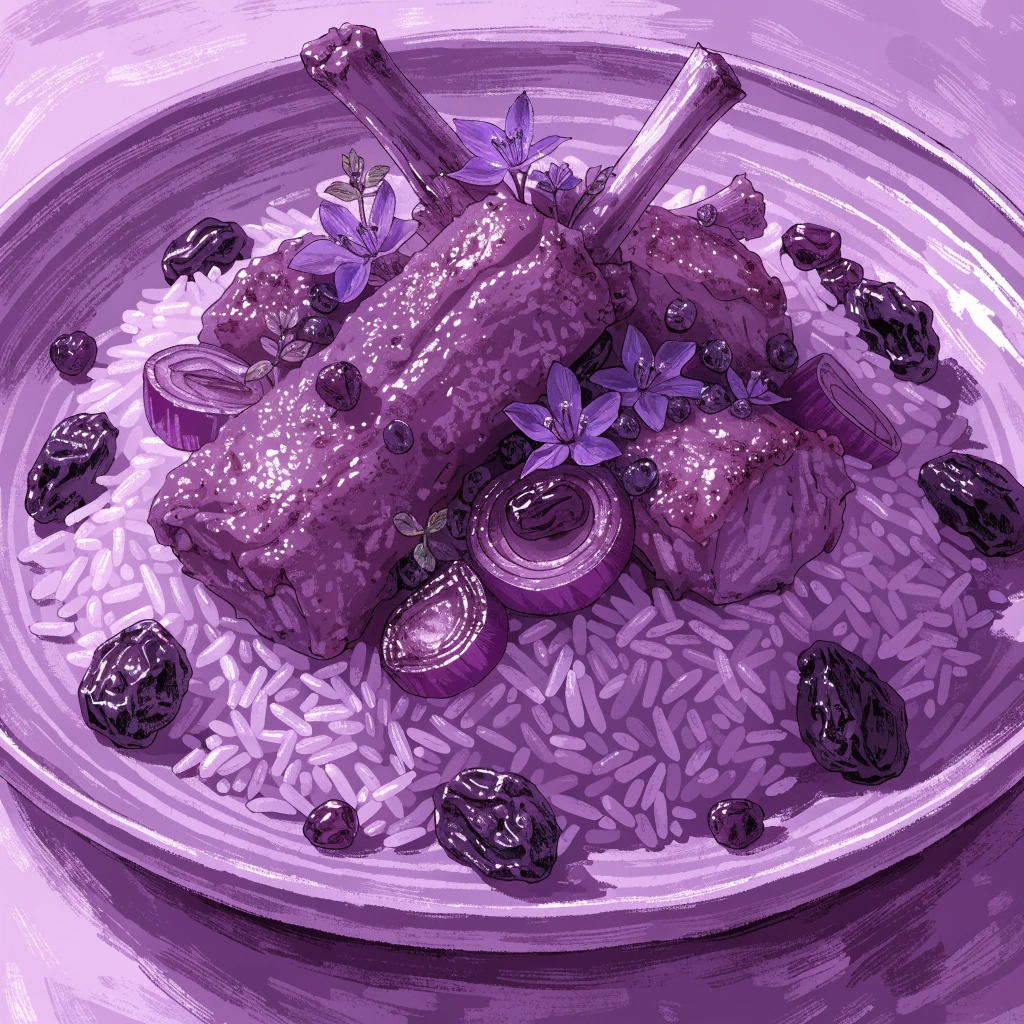
Kabsa: A Special Food from Saudi Arabia
Saudi Arabia has a very special food. It is called Kabsa. Many people call it the national dish of the country. It is famous and very popular.
Kabsa has rice and meat. People often use chicken or lamb. They add many spices like saffron and black lime. These spices make the food smell very good.
Families and friends eat Kabsa together. Usually, they sit on the floor around a big plate. It is a symbol of hospitality and love. Kabsa is a delicious meal for everyone.
تسليط الضوء على القواعد
نمط: Present Simple (to be)
"It is a symbol of hospitality and love."
We use 'is' with singular subjects like 'it' or 'Kabsa'. It helps us describe what something is or its qualities.
نمط: Present Simple (Action Verbs)
"Families and friends eat Kabsa together."
We use 'eat' without an 's' because the subject is plural (families and friends). This describes a regular habit or fact.
اختبر فهمك
10 أسئلة · A1 مبتدئ · معاينة مجانية واحدة
اختبر ما تعلمته من هذا المقال. أجب على جميع الأسئلة لكسب نقاط خبرة!
What is the main food in Kabsa?
هل تريد إنهاء الاختبار؟
9 أسئلة أخرى بانتظارك. سجّل مجاناً لفتح الاختبار الكامل وكسب نقاط خبرة!
سجل مجاناًلديك حساب بالفعل؟ دخول
تفصيل الأسئلة
What is the main food in Kabsa?
إجابتك:
الإجابة الصحيحة: Rice and meat
People usually eat Kabsa alone.
إجابتك:
الإجابة الصحيحة: خطأ
What does 'dish' mean?
إجابتك:
الإجابة الصحيحة: A type of prepared food
Kabsa is the national _____ of Saudi Arabia.
إجابتك:
الإجابة الصحيحة: dish
Kabsa: The National Dish of Saudi Arabia
Kabsa is the most famous meal in Saudi Arabia. It is not just food; it is a symbol of Saudi culture and history. Long ago, Bedouin people lived in the desert. They needed simple meals because they traveled a lot. They cooked meat and rice together in one big pot over a fire. This was the start of Kabsa.
Today, Kabsa is the national dish of the Kingdom. It is more popular than any other meal. It is delicious because it uses many special spices. Cooks use cardamom, saffron, and cinnamon. These spices make the rice look orange or yellow. Usually, people cook it with chicken, lamb, or even camel meat.
In Saudi Arabia, sharing food is very important. Families often sit on the floor and eat from one large plate. They do this because they want to show hospitality and friendship. Most families eat Kabsa together on Fridays. It is a healthy and tasty meal that everyone loves.
تسليط الضوء على القواعد
نمط: Comparatives with 'more'
"It is more popular than any other meal."
We use 'more' before long adjectives to compare two things. Always include 'than' after the adjective to show what you are comparing it to.
نمط: Connectors: because
"They needed simple meals because they traveled a lot."
We use 'because' to give a reason for an action or situation. It connects two parts of a sentence together.
اختبر فهمك
11 أسئلة · A2 ابتدائي · معاينة مجانية واحدة
اختبر ما تعلمته من هذا المقال. أجب على جميع الأسئلة لكسب نقاط خبرة!
Why did Bedouin people need simple meals in the past?
هل تريد إنهاء الاختبار؟
10 أسئلة أخرى بانتظارك. سجّل مجاناً لفتح الاختبار الكامل وكسب نقاط خبرة!
سجل مجاناًلديك حساب بالفعل؟ دخول
تفصيل الأسئلة
Why did Bedouin people need simple meals in the past?
إجابتك:
الإجابة الصحيحة: Because they traveled a lot
People only use chicken to make Kabsa.
إجابتك:
الإجابة الصحيحة: خطأ
What does 'delicious' mean?
إجابتك:
الإجابة الصحيحة: Having a very pleasant taste
Families often sit on the floor and eat from one large _____.
إجابتك:
الإجابة الصحيحة: plate
Which of these spices is mentioned in the article?
إجابتك:
الإجابة الصحيحة: Saffron
Kabsa: The Heart of Saudi Hospitality
Kabsa is the most famous dish in Saudi Arabia, and it has been enjoyed by families for centuries. It is more than just food; it is a symbol of identity and hospitality that brings people together. Although there are many variations across the Middle East, the Saudi version is unique because of its rich blend of spices and traditional cooking methods.
Historically, the dish originated from the Bedouin people who lived in the desert. They needed a simple way to cook hearty meals over an open fire. Because they moved frequently, they developed a 'one-pot' style of cooking. Today, Kabsa is usually prepared with long-grain rice, meat such as chicken or lamb, and a mix of vegetables. The meat is often cooked until it is very tender, and the rice is boiled in the same broth to absorb all the flavors.
The secret of a great Kabsa lies in the spices, which are known as baharat. These include black lime, cardamom, cloves, and cinnamon. In many households, the recipe has been passed down through generations, so every family has its own special touch. Sometimes, the dish is decorated with toasted nuts and raisins, which adds a sweet contrast to the savory meat.
In Saudi culture, Kabsa is traditionally served on a large circular platter. It is often eaten with the right hand while sitting on the floor. This style of eating encourages conversation and sharing. If you are invited to a Saudi home, you will likely be served Kabsa as a sign of respect. It is a meal that has remained popular despite the modern changes in the Kingdom.
تسليط الضوء على القواعد
نمط: Present Perfect
"Kabsa is the most famous dish in Saudi Arabia, and it has been enjoyed by families for centuries."
We use the present perfect to talk about an action that started in the past and continues to the present. It shows that Kabsa's popularity is not new but has lasted for a long time.
نمط: Passive Voice
"The meat is often cooked until it is very tender."
The passive voice is used when the action is more important than the person doing it. In cooking instructions, we focus on what happens to the food rather than who is cooking.
اختبر فهمك
11 أسئلة · B1 متوسط · معاينة مجانية واحدة
اختبر ما تعلمته من هذا المقال. أجب على جميع الأسئلة لكسب نقاط خبرة!
What does the article say Kabsa is a symbol of?
هل تريد إنهاء الاختبار؟
10 أسئلة أخرى بانتظارك. سجّل مجاناً لفتح الاختبار الكامل وكسب نقاط خبرة!
سجل مجاناًلديك حساب بالفعل؟ دخول
تفصيل الأسئلة
What does the article say Kabsa is a symbol of?
إجابتك:
الإجابة الصحيحة: Identity and hospitality
Kabsa is traditionally eaten while sitting on chairs at a high table.
إجابتك:
الإجابة الصحيحة: خطأ
What does 'savory' mean?
إجابتك:
الإجابة الصحيحة: Tasting of salt or spices, not sweet
The Saudi version of Kabsa is unique because of its rich blend of _____.
إجابتك:
الإجابة الصحيحة: spices
Why did Bedouins develop the 'one-pot' style of cooking?
إجابتك:
الإجابة الصحيحة: Because they moved frequently
Kabsa: The Culinary Heart of Saudi Heritage
In the contemporary global landscape, food often serves as a primary vehicle for cultural expression. For the Kingdom of Saudi Arabia, no dish embodies this sentiment more profoundly than Kabsa. While it is frequently labeled as the national dish, its significance extends far beyond mere nutrition; it is a fundamental pillar of Saudi identity and a testament to the nation's rich history.
The origins of Kabsa are deeply rooted in the nomadic lifestyle of the Bedouin tribes. Historically, the Bedouins, who traveled across the vast deserts of the Arabian Peninsula, required efficient cooking methods. They needed hearty, one-pot meals that could be prepared over an open fire using locally available resources. Consequently, the culinary practice has evolved from these humble beginnings into the sophisticated and aromatic dish enjoyed today in both rural and urban settings.
Linguistically, the term 'Kabsa' is derived from the Arabic word 'kbs', which literally translates to 'pressed' or 'squeezed'. This refers to the specific cooking technique where the ingredients are combined and cooked together in a single vessel. The dish predominantly features long-grain basmati rice, which is infused with a complex mixture of spices known as baharat. This aromatic blend varies by region, reflecting the diverse geography of the Kingdom. Whether it utilizes lamb, chicken, or occasionally seafood in coastal areas, the meat is typically slow-cooked until tender, allowing the juices to permeate the rice. If one were to analyze the spice blend, they would find a mixture of black pepper, cloves, cardamom, saffron, and cinnamon, all of which contribute to the dish's distinctive profile.
Furthermore, Kabsa is inseparable from the concept of Saudi hospitality, or 'Karam'. In Saudi culture, sharing a meal is a vital social ritual. Kabsa is typically served on a large circular platter, encouraging communal dining where family members and guests gather to eat together. This practice fosters a sense of unity and reinforces social bonds. Despite the rapid modernization of Saudi society, the tradition of gathering around a steaming tray of Kabsa remains a constant, bridging the gap between the past and the present.
In conclusion, Kabsa is more than a staple food; it is a cultural icon. It represents the historical resilience of the Bedouin people and the enduring value of generosity in Saudi society. By maintaining its status as a central part of the Saudi diet, Kabsa ensures that the nation’s heritage continues to be celebrated with every bite.
تسليط الضوء على القواعد
نمط: Passive Voice
"The name 'Kabsa' is derived from the Arabic word 'kbs'..."
The passive voice is used here to focus on the name itself rather than who named it. It is formed using the verb 'to be' and the past participle of the main verb.
نمط: Second Conditional
"If one were to analyze the spice blend, they would find a mixture..."
The second conditional is used to talk about hypothetical or unlikely situations in the present or future. It uses 'if' + past simple (or 'were to') followed by 'would' + base verb.
نمط: Non-defining Relative Clauses
"The Bedouins, who traveled across the vast deserts of the Arabian Peninsula, required efficient cooking methods."
This clause provides extra information about the subject. It is separated by commas and uses the relative pronoun 'who'.
اختبر فهمك
11 أسئلة · B2 فوق المتوسط · معاينة مجانية واحدة
اختبر ما تعلمته من هذا المقال. أجب على جميع الأسئلة لكسب نقاط خبرة!
Why did the Bedouin tribes historically prefer one-pot meals like Kabsa?
هل تريد إنهاء الاختبار؟
10 أسئلة أخرى بانتظارك. سجّل مجاناً لفتح الاختبار الكامل وكسب نقاط خبرة!
سجل مجاناًلديك حساب بالفعل؟ دخول
تفصيل الأسئلة
Why did the Bedouin tribes historically prefer one-pot meals like Kabsa?
إجابتك:
الإجابة الصحيحة: They required efficient and portable cooking methods for their nomadic lifestyle.
The linguistic origin of 'Kabsa' refers to the way the ingredients are pressed together in a single pot.
إجابتك:
الإجابة الصحيحة: صحيح
Which word describes something that is complex and refined?
إجابتك:
الإجابة الصحيحة: Sophisticated
Kabsa is inseparable from the concept of Saudi _____, also known as 'Karam'.
إجابتك:
الإجابة الصحيحة: hospitality
What is the social significance of serving Kabsa on a large circular platter?
إجابتك:
الإجابة الصحيحة: It encourages communal dining and reinforces social bonds.
The Culinary Heart of the Kingdom: Deconstructing the Sociocultural Significance of Kabsa
Rarely is a dish so inextricably linked to a nation’s soul as kabsa is to Saudi Arabia. While many cuisines boast signature recipes, the Saudi relationship with kabsa transcends mere sustenance, serving as a profound manifestation of identity, history, and the enduring ethos of hospitality. Its origins, rooted in the nomadic pragmatism of Bedouin culture, reflect a time when survival in the harsh desert landscape necessitated simplicity and resourcefulness. Historically, the one-pot method was a logistical imperative; an open fire and a single vessel were all that were required to transform basic grains and meat into a communal feast. This efficiency did not preclude depth of flavor, but rather laid the foundation for a culinary tradition that balances utility with sensory richness.
However, to view kabsa solely through the lens of historical necessity would be to overlook its sophisticated evolution. The Silk Road and subsequent maritime trade routes facilitated a convergence of global flavors, introducing the aromatic spices—cloves, cardamom, saffron, and black lime—that now define the dish’s complex profile. It is this integration of foreign influences into a local framework that illustrates the Kingdom’s historical role as a crossroads of civilizations. The transition from a survivalist necessity to a sophisticated culinary staple signifies a broader narrative of cultural synthesis. The olfactory experience of a freshly prepared kabsa is nothing short of transformative; the steam rising from the long-grain basmati rice carries with it the history of the spice trade, blending the earthy tones of the desert with the exotic notes of the East.
Furthermore, the act of consuming kabsa is inherently egalitarian. Traditionally served on a large communal platter and eaten by hand, the meal dismantles social hierarchies, fostering a sense of kinship and shared experience. It is the communal nature of the meal that truly defines it; the physical proximity of the diners mirrors the social cohesion of the community. Moreover, the regional nuances of kabsa—ranging from the seafood-heavy versions of the coastal regions to the robust, lamb-centric varieties of the interior—demonstrate the geographical diversity of the Kingdom. In contemporary Saudi society, despite the rapid urbanization and the influx of global fast-food chains, kabsa remains an indelible fixture of the domestic sphere. Whether at a lavish wedding or a quiet family gathering, its presence is a prerequisite for authentic hospitality.
Critically, the enduring popularity of kabsa in the 21st century prompts a nuanced discussion regarding cultural preservation versus globalization. As the Kingdom undergoes transformative social and economic shifts under Vision 2030, the preservation of culinary heritage acts as a stabilizing force. The dish serves as a bridge between the austerity of the past and the prosperity of the present. While modern variations might incorporate premium ingredients or contemporary plating techniques, the core essence—the aromatic rice, the tender meat, and the spirit of generosity—remains untouched. Ultimately, kabsa is not merely a recipe; it is a living testament to the resilience and warmth of the Saudi people, a culinary anchor in a rapidly changing world.
تسليط الضوء على القواعد
نمط: Negative Inversion
"Rarely is a dish so inextricably linked to a nation’s soul as kabsa is to Saudi Arabia."
When a sentence starts with a negative adverbial like 'rarely', the subject and the auxiliary verb are inverted. This is used in formal writing to emphasize the rarity or importance of the statement.
نمط: Cleft Sentences
"It is the communal nature of the meal that truly defines it."
A cleft sentence is used to focus on a specific part of the sentence. By starting with 'It is...', the writer emphasizes 'the communal nature' as the most significant factor of the meal.
نمط: Nominalisation
"The transition from a survivalist necessity to a sophisticated culinary staple signifies a broader narrative of cultural synthesis."
Nominalisation involves turning verbs or adjectives into nouns (e.g., 'transition', 'necessity'). This creates a more academic, formal tone and allows for more complex ideas to be packed into a single sentence.
اختبر فهمك
12 أسئلة · C1 متقدم · معاينة مجانية واحدة
اختبر ما تعلمته من هذا المقال. أجب على جميع الأسئلة لكسب نقاط خبرة!
According to the article, why was the one-pot cooking method historically significant for the Bedouins?
هل تريد إنهاء الاختبار؟
11 أسئلة أخرى بانتظارك. سجّل مجاناً لفتح الاختبار الكامل وكسب نقاط خبرة!
سجل مجاناًلديك حساب بالفعل؟ دخول
تفصيل الأسئلة
According to the article, why was the one-pot cooking method historically significant for the Bedouins?
إجابتك:
الإجابة الصحيحة: It was a practical necessity for a nomadic lifestyle.
The article suggests that globalization has completely replaced the traditional role of kabsa in Saudi homes.
إجابتك:
الإجابة الصحيحة: خطأ
What does 'egalitarian' mean in the context of the communal platter?
إجابتك:
الإجابة الصحيحة: Promoting equality and shared experience
The integration of foreign spices illustrates the Kingdom's historical role as a _____ of civilizations.
إجابتك:
الإجابة الصحيحة: crossroads
What does the author suggest is the relationship between kabsa and Vision 2030?
إجابتك:
الإجابة الصحيحة: The dish acts as a stabilizing cultural anchor during rapid change.
The 'olfactory experience' mentioned in the text refers to the visual presentation of the dish.
إجابتك:
الإجابة الصحيحة: خطأ
الكبسة: تجسيد للأصالة السعودية ورمز الضيافة المتجذر
لا شكّ أن الكبسة تتجاوز كونها مجرد وجبة في المائدة السعودية؛ إنها في جوهرها تجسيد حيّ للأصالة الثقافية ورمزٌ متجذرٌ للضيافة العربية التي لطالما ميّزت المجتمع في شبه الجزيرة العربية. فهل يمكن أن تُختزل هذه الأيقونة في مجرد طبق يُقدّم على موائد الطعام؟ قطعاً لا. إنها حكاية تاريخية، وتعبير اجتماعي، وإرث ثقافي يتناقله الأجيال، ليظل شاهداً على عراقة الماضي وجمال الحاضر. وقد يُنظر إليها على أنها محورٌ تتجمع حوله الأسر والأصدقاء، ومناسبةٌ يُحتفى فيها بالتقاليد والقيم الاجتماعية السامية.
إن جذور الكبسة تمتد عميقاً في تربة الصحراء القاحلة، لتُلامس تاريخ البدو الرحّل الذين اضطروا إلى ابتكار وجباتٍ متكاملة ومغذية، يمكن إعدادها بسهولة على نار المخيمات المتنقلة. فكانت الحاجة أمّ الاختراع، حيث استُخدمت المكونات المتاحة محلياً من الأرز واللحوم (غالباً لحم الضأن أو الإبل) والتوابل المتوفرة، لتُشكّل أساساً لما يُعرف اليوم بالكبسة. لم تكن تلك الوجبات الأولية بتعقيد الكبسة المعاصرة، بل كانت بسيطة وعملية، مصممة لتوفير الطاقة اللازمة لتحمل قسوة الحياة الصحراوية. مع مرور القرون، وتلاقح الثقافات، وتوفر التوابل المستوردة عبر طرق التجارة القديمة، بدأت هذه الوجبة تتطور وتكتسب نكهاتٍ ومركباتٍ أكثر ثراءً وتنوعاً، لتصل إلى شكلها الحالي الذي يُعدّ قمة في فن الطبخ السعودي. ويُعتقد أن التسمية "كبسة" مشتقة من الفعل "كبس" الذي يعني ضغط المكونات معاً في قدرٍ واحد، وهو ما يعكس جوهر طريقة تحضيرها.
يتجاوز دور الكبسة الجانب الغذائي ليغدو محوراً اجتماعياً وثقافياً بامتياز. فهي ليست فقط ما يُقدّم للضيوف، بل هي رسالة ترحيب عميقة، وتعبير صادق عن الكرم الذي يُعدّ من أبرز سمات الشخصية السعودية. ففي المجالس والولائم، وفي الاحتفالات والمناسبات، تُعد الكبسة حاضراً لا غنى عنه، تُقدم في أطباق كبيرة (تسمى غالباً "الصحون") ليشارك الجميع في تناولها، في مشهد يجسد الوحدة والتآلف. ولعل هذا الطابع التشاركي هو ما يضفي عليها بعداً أعمق، إذ تتجاوز كونها مجرد طعام لتصبح تجربة اجتماعية تفاعلية، يُبنى من خلالها الروابط وتُعزّز الألفة. ولقد ارتبطت الكبسة أيضاً بمفهوم "الجود" و "الشهامة"، فتقديمها بسخاء يُعدّ دليلاً على احترام المضيف لضيوفه، ورغبته في إكرامهم على أكمل وجه. هذا الارتباط الوثيق بين الكبسة والقيم الاجتماعية يجعلها ليست مجرد طبق، بل جزءاً لا يتجزأ من النسيج الاجتماعي والثقافي للمملكة.
أما عن مكوناتها الأساسية، فالأرز البسمتي طويل الحبة هو بطلها بلا منازع، يُطهى بمرقة اللحم أو الدجاج الغنية، مع مزيج فريد من التوابل العطرية مثل الهيل، والقرنفل، والقرفة، والفلفل الأسود، واللومي (الليمون الأسود المجفف)، بالإضافة إلى الزعفران الذي يضفي عليها لوناً ونكهة مميزة. وتُقدم الكبسة عادةً مع اللحم المطبوخ بعناية، وقد يُضاف إليها الزبيب أو المكسرات أو البصل المقلي لإثراء النكهة والمظهر. ومع ذلك، لا تُعد الكبسة طبقاً واحداً ذا وصفة موحدة في جميع أنحاء المملكة؛ بل تتجلى فيها تنوعات إقليمية غنية، فكبسة أهل نجد قد تختلف في بعض تفاصيلها عن كبسة الحجاز أو المنطقة الشرقية. هذه التنوعات، وإن اختلفت في بعض المقادير أو طرق التحضير، إلا أنها تتفق جميعاً على جوهر الكبسة كرمزٍ للضيافة والأصالة.
في الختام، يمكن القول إن الكبسة ليست مجرد وجبة شهية تُشبع الجوع، بل هي سرد تاريخي، وتعبير ثقافي، ورمزٌ حيّ للكرم السعودي الأصيل. إنها تُجسّد تراثاً غنياً، وتُعزّز الروابط الاجتماعية، وتُحافظ على الهوية الوطنية في عالمٍ يتسم بالتغير المتسارع. وهكذا، تظل الكبسة، بكل ما تحمله من دلالات عميقة، أيقونةً خالدةً في قلب كل سعودي، وشاهداً على أن بعض الأطباق تتجاوز حدود المذاق لتصبح جزءاً لا يتجزأ من الروح الجمعية للأمة.
تسليط الضوء على القواعد
نمط: المصدر المؤول (أنْ + الفعل المضارع المنصوب)
"فهل يمكن أن تُختزل هذه الأيقونة في مجرد طبق يُقدّم على موائد الطعام؟"
يُستخدم المصدر المؤول (أنْ + الفعل المضارع المنصوب) لتحويل الفعل إلى ما يشبه الاسم، ويأتي ليعبر عن حدث أو فكرة مجردة. يمكن أن يقع في موقع الفاعل، المفعول به، أو نائب الفاعل كما في هذا المثال، حيث 'أن تُختزل' هي نائب فاعل للفعل 'يمكن'.
نمط: إنّ وأخواتها (للتوكيد)
"إنها في جوهرها تجسيد حيّ للأصالة الثقافية ورمزٌ متجذرٌ للضيافة العربية."
تُستخدم 'إنّ' وأخواتها (مثل إنّ، أنّ، كأنّ، لكنّ، ليت، لعلّ) للدخول على الجملة الاسمية، فتنصب المبتدأ ويسمى اسمها، وترفع الخبر ويسمى خبرها. وظيفتها الأساسية هي توكيد المعنى وتثبيته في ذهن المتلقي، مما يضفي قوة على العبارة.
نمط: اسم الموصول (الذي، التي)
"التي لطالما ميّزت المجتمع في شبه الجزيرة العربية."
اسم الموصول هو اسم مبهم لا يتضح معناه إلا بجملة تأتي بعده تسمى 'صلة الموصول'. يُستخدم لربط الجمل ببعضها، ويُشير إلى اسم أو ضمير سبقه. في هذا المثال، 'التي' تربط صفة 'تميّزت' بـ'الضيافة العربية'.
اختبر فهمك
12 أسئلة · C2 إتقان · معاينة مجانية واحدة
اختبر ما تعلمته من هذا المقال. أجب على جميع الأسئلة لكسب نقاط خبرة!
ما الذي تمثله الكبسة في جوهرها، بالإضافة لكونها وجبة؟
هل تريد إنهاء الاختبار؟
11 أسئلة أخرى بانتظارك. سجّل مجاناً لفتح الاختبار الكامل وكسب نقاط خبرة!
سجل مجاناًلديك حساب بالفعل؟ دخول
تفصيل الأسئلة
ما الذي تمثله الكبسة في جوهرها، بالإضافة لكونها وجبة؟
إجابتك:
الإجابة الصحيحة: تجسيد للأصالة الثقافية ورمز للضيافة
نشأت جذور الكبسة في حياة سكان المدن المترفة.
إجابتك:
الإجابة الصحيحة: خطأ
ماذا تعني كلمة 'تجسيد'؟
إجابتك:
الإجابة الصحيحة: تحويل الفكرة المجردة إلى شكل مادي أو تمثيلها بشكل واضح
الكبسة ليست مجرد وجبة شهية تُشبع الجوع، بل هي _____ تاريخي.
إجابتك:
الإجابة الصحيحة: سرد
ما هو السبب الرئيسي الذي دفع البدو الرحل لابتكار وجبات مثل الكبسة في بداياتها؟
إجابتك:
الإجابة الصحيحة: الحاجة إلى وجبات متكاملة ومغذية توفر الطاقة لتحمل قسوة الصحراء
تُعد الكبسة طبقاً واحداً ذا وصفة موحدة في جميع أنحاء المملكة العربية السعودية.
إجابتك:
الإجابة الصحيحة: خطأ

