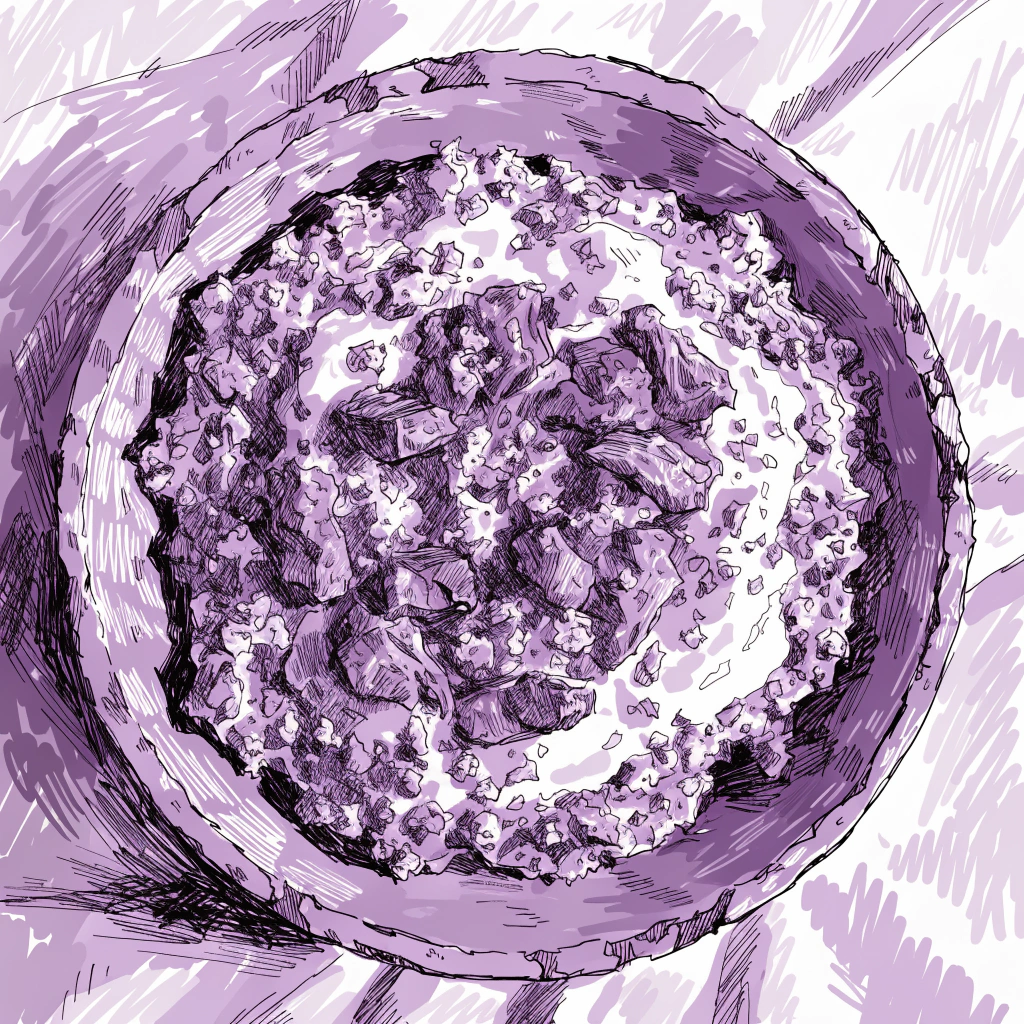
Jareesh: A Special Saudi Dish
Jareesh is a very famous food in Saudi Arabia. It is the national dish of the country. People in the central Najd region love it. This meal is very old. It has a long history. The main ingredients are crushed wheat and meat. Some people use chicken instead of meat. It also has yogurt and onions. The food is soft and delicious. Families eat Jareesh together at home. It is a special meal for many people. It is healthy and warm. You can find Jareesh in many Saudi houses today. It is the master of the table.
تسليط الضوء على القواعد
نمط: Present Simple: To Be
"It is the national dish of the country."
We use 'is' with singular subjects like 'it' or 'the dish'. This pattern describes facts or states of being.
نمط: Present Simple: Regular Verbs
"Families eat Jareesh together at home."
For plural subjects like 'families', we use the base form of the verb. We use this for habits and general truths.
اختبر فهمك
10 أسئلة · A1 مبتدئ · معاينة مجانية واحدة
اختبر ما تعلمته من هذا المقال. أجب على جميع الأسئلة لكسب نقاط خبرة!
What is the main ingredient of Jareesh?
هل تريد إنهاء الاختبار؟
9 أسئلة أخرى بانتظارك. سجّل مجاناً لفتح الاختبار الكامل وكسب نقاط خبرة!
سجل مجاناًلديك حساب بالفعل؟ دخول
تفصيل الأسئلة
What is the main ingredient of Jareesh?
إجابتك:
الإجابة الصحيحة: Wheat
Jareesh is a new food in Saudi Arabia.
إجابتك:
الإجابة الصحيحة: خطأ
What does 'delicious' mean?
إجابتك:
الإجابة الصحيحة: Tastes very good
Some people use _____ instead of meat.
إجابتك:
الإجابة الصحيحة: chicken
Jareesh: The National Dish of Saudi Arabia
Jareesh is a very famous food in Saudi Arabia. In early 2023, the government chose it as the official national dish because it is a part of their history. It is the most important meal in the central Najd region. This dish is much older than many modern rice meals like Kabsa. Long ago, Bedouin people cooked it because wheat was their main crop in the desert.
To make Jareesh, people use crushed wheat, meat, and yogurt. They cook it slowly for a long time until it becomes soft and creamy. It is different from other meals because it does not use rice. Many people think Jareesh is more traditional than other dishes. It has a unique taste that everyone loves.
Today, Jareesh is a symbol of Saudi culture and pride. Families often eat it together during special celebrations and holidays. It connects modern people to their history and their land. Even though modern food is popular today, Jareesh remains the master of the Saudi table.
تسليط الضوء على القواعد
نمط: Comparatives
"This dish is much older than many modern rice meals like Kabsa."
We use 'older than' to compare two things. For short adjectives, we add -er + than.
نمط: Past Simple
"In early 2023, the government chose it as the official national dish."
The past simple is used for finished actions in the past. 'Chose' is the irregular past form of 'choose'.
اختبر فهمك
11 أسئلة · A2 ابتدائي · معاينة مجانية واحدة
اختبر ما تعلمته من هذا المقال. أجب على جميع الأسئلة لكسب نقاط خبرة!
Where is Jareesh most popular?
هل تريد إنهاء الاختبار؟
10 أسئلة أخرى بانتظارك. سجّل مجاناً لفتح الاختبار الكامل وكسب نقاط خبرة!
سجل مجاناًلديك حساب بالفعل؟ دخول
تفصيل الأسئلة
Where is Jareesh most popular?
إجابتك:
الإجابة الصحيحة: The Najd region
Jareesh is a new dish invented in 2023.
إجابتك:
الإجابة الصحيحة: خطأ
What does 'crushed' mean?
إجابتك:
الإجابة الصحيحة: Broken into small pieces
Jareesh is a _____ of Saudi culture and pride.
إجابتك:
الإجابة الصحيحة: symbol
Why did Bedouin people cook Jareesh long ago?
إجابتك:
الإجابة الصحيحة: Because wheat was their main crop
Jareesh: The Master of the Saudi Table
Jareesh has been a favorite meal in Saudi Arabia for centuries. It is often called the "master of the Saudi table," especially in the central Najd region. In early 2023, this traditional meal was officially designated as the national dish by the Saudi Culinary Arts Commission. This important decision shows how the dish represents the country's unique identity and historical roots.
Unlike many modern Arabian dishes that use rice, Jareesh is made from crushed wheat. This grain was a primary staple crop for people who lived in the central region long ago. The history of the dish can be traced back to the early Islamic era and ancient Bedouin traditions. It represents the agricultural heritage of the people who have survived in the desert for generations.
The preparation of Jareesh is a slow and careful process. To make it, the wheat is cooked slowly with yogurt or milk and meat until it becomes thick and creamy. It is a dish that requires a lot of patience and skill to perfect. Often, the top is decorated with fried onions and local spices, which add a rich and delicious flavor. Many families have their own special recipes that have been passed down through the years from parents to children.
Today, Jareesh is served at weddings, festivals, and large family gatherings. It is a meal that brings people together to celebrate their shared culture. Although modern fast food has changed many eating habits, Jareesh remains a powerful symbol of hospitality. It is a dish which connects the past with the present in every bite. For anyone visiting Saudi Arabia, tasting this historical meal is an essential experience to understand the local culture.
تسليط الضوء على القواعد
نمط: Passive Voice
"this traditional meal was officially designated as the national dish by the Saudi Culinary Arts Commission."
The passive voice is used when the action is more important than who did it. It is formed using the verb 'to be' and the past participle of the main verb.
نمط: Relative Clauses
"It is a dish which connects the past with the present in every bite."
Relative clauses give more information about a noun. We use 'which' or 'that' for things and 'who' for people.
اختبر فهمك
11 أسئلة · B1 متوسط · معاينة مجانية واحدة
اختبر ما تعلمته من هذا المقال. أجب على جميع الأسئلة لكسب نقاط خبرة!
What is the main ingredient used to make Jareesh?
هل تريد إنهاء الاختبار؟
10 أسئلة أخرى بانتظارك. سجّل مجاناً لفتح الاختبار الكامل وكسب نقاط خبرة!
سجل مجاناًلديك حساب بالفعل؟ دخول
تفصيل الأسئلة
What is the main ingredient used to make Jareesh?
إجابتك:
الإجابة الصحيحة: Crushed wheat
Jareesh was officially named the national dish of Saudi Arabia in 2023.
إجابتك:
الإجابة الصحيحة: صحيح
What does 'staple' mean in the context of the article?
إجابتك:
الإجابة الصحيحة: A main or important food source
Jareesh is often decorated with fried _____ and local spices.
إجابتك:
الإجابة الصحيحة: onions
In which region of Saudi Arabia is Jareesh particularly famous?
إجابتك:
الإجابة الصحيحة: Najd
الجريش: سيد المائدة السعودية ورمز الأصالة التاريخية
يُعتبر الجريش، ذلك الطبق العريق الذي تضرب جذوره في أعماق التاريخ، سيد المائدة السعودية بلا منازع، لا سيما في منطقة نجد الوسطى التي اشتهرت به. ومما لا شك فيه أن مكانته لم تكن وليدة الصدفة، بل هي نتاج إرث ثقافي وتاريخي طويل الأمد، جعله أيقونة غذائية تتوارثها الأجيال. في مطلع عام 2023، جاء الاعتراف الرسمي من هيئة فنون الطهي السعودية ليعزز هذه المكانة، حيث اعتمدت الجريش طبقًا وطنيًا للمملكة، وهو ما يُعد شاهدًا حيًا على عمق حضارته وأصالته.
إن تاريخ الجريش يسبق العديد من الأطباق الحديثة التي تعتمد على الأرز كمكون أساسي، إذ يعود نسبه إلى حقب زمنية بعيدة تمتد إلى العصور الإسلامية الأولى، بل وإلى ما قبل ذلك في تقاليد البدو الرحل. يمثل هذا الطبق تجسيدًا حيًا للتراث الزراعي للمنطقة، حيث كان القمح، المكون الرئيسي للجريش، محصولًا أساسيًا ومحوريًا في حياة السكان. ولقد كان تحويل القمح المجروش إلى وجبة دسمة ومغذية طريقة مبتكرة للاستفادة القصوى من المحاصيل المحلية، مما جعله جزءًا لا يتجزأ من النسيج الاجتماعي والاقتصادي.
علاوة على ذلك، يرمز الجريش إلى الكرم والضيافة التي تُعرف بها الثقافة السعودية. فتقديمه في المناسبات الكبرى والاحتفالات يعكس قيمة هذا الطبق وأهميته الاجتماعية. إن طريقة إعداده، التي تتطلب صبرًا ومهارة، من خلال طهيه ببطء مع اللبن أو المرق حتى يصبح لينًا ومتجانسًا، تبرز تفاني الأسر السعودية في الحفاظ على هذا التراث الغذائي.
وبذلك، لم يعد الجريش مجرد وجبة تُقدم على المائدة، بل هو أيقونة ثقافية تعكس تاريخًا عريقًا وتراثًا زراعيًا غنيًا وتقاليد اجتماعية مترسخة. إنه يروي قصة أمة حافظت على أصالتها من خلال مطبخها، ويُجسد ارتباط الإنسان السعودي بأرضه وتاريخه، مما يجعله بحق "سيد المائدة" الذي يستحق كل هذا التقدير والاعتراف الوطني.
إن إدراك أهمية الجريش يتجاوز كونه طبقًا شهيًا؛ فهو نافذة على جزء حيوي من الهوية السعودية، يربط الحاضر بالماضي، ويؤكد على استمرارية التقاليد الأصيلة في عالم متغير.
تسليط الضوء على القواعد
نمط: المبني للمجهول (Passive Voice)
"يُعتبر الجريش، ذلك الطبق العريق الذي تضرب جذوره في أعماق التاريخ، سيد المائدة السعودية بلا منازع."
يُستخدم المبني للمجهول عندما يكون الفاعل غير معروف أو غير مهم، أو للتركيز على الفعل والمفعول به. يُصاغ الفعل المضارع المبني للمجهول بضم الحرف الأول وفتح ما قبل الأخير (يُفْعَل)، بينما الماضي بضم الأول وكسر ما قبل الأخير (فُعِل).
نمط: المصدر المؤول
"وهو ما يُعد شاهدًا حيًا على عمق حضارته وأصالته."
المصدر المؤول هو تركيب يتكون عادة من (أنْ + الفعل المضارع) أو (ما + الفعل الماضي/المضارع) ويحل محل المصدر الصريح في الجملة. في المثال، (ما يُعد) يمكن تأويلها إلى (عدّه) أو (كونه يُعد) للدلالة على معنى المصدر.
نمط: اسم الفاعل واسم المفعول كصفات
"تلك الوجبة دسمة ومغذية طريقة مبتكرة للاستفادة القصوى من المحاصيل المحلية، مما جعله جزءًا لا يتجزأ من النسيج الاجتماعي والاقتصادي."
اسم الفاعل (مبتكرة) واسم المفعول (مغذية، دسمة) يمكن استخدامهما كصفات لوصف الأسماء. اسم الفاعل يدل على من قام بالفعل، واسم المفعول يدل على من وقع عليه الفعل. استخدامهما يضيف تفصيلاً ودقة للمعنى.
اختبر فهمك
11 أسئلة · B2 فوق المتوسط · معاينة مجانية واحدة
اختبر ما تعلمته من هذا المقال. أجب على جميع الأسئلة لكسب نقاط خبرة!
ما هي المنطقة السعودية التي اشتهرت بالجريش بشكل خاص؟
هل تريد إنهاء الاختبار؟
10 أسئلة أخرى بانتظارك. سجّل مجاناً لفتح الاختبار الكامل وكسب نقاط خبرة!
سجل مجاناًلديك حساب بالفعل؟ دخول
تفصيل الأسئلة
ما هي المنطقة السعودية التي اشتهرت بالجريش بشكل خاص؟
إجابتك:
الإجابة الصحيحة: منطقة نجد
اعتمدت هيئة فنون الطهي السعودية الجريش طبقًا وطنيًا في عام 2023.
إجابتك:
الإجابة الصحيحة: صحيح
ماذا تعني كلمة 'مترسخة' في سياق النص؟
إجابتك:
الإجابة الصحيحة: راسخة وثابتة بقوة
يعود تاريخ الجريش إلى حقب زمنية بعيدة تمتد إلى العصور الإسلامية الأولى، بل وإلى ما قبل ذلك في تقاليد البدو ____.
إجابتك:
الإجابة الصحيحة: الرحل
ما هو المكون الرئيسي للجريش والذي يمثل التراث الزراعي للمنطقة؟
إجابتك:
الإجابة الصحيحة: القمح
الجريش: سيد المائدة السعودية وتجسيد لتاريخ عريق
لا شك أن المطبخ السعودي غني بأطباقه المتنوعة التي تعكس عمق تاريخه وتراثه الثقافي الأصيل، ومن بين هذه الأطباق يبرز "الجريش" كأيقونة لا مثيل لها. فليس مجرد طبق تقليدي فحسب، بل هو قصة تتوارثها الأجيال، تجسيداً لحضارة غذائية متجذرة في أعماق الجزيرة العربية. إن ما يمنح الجريش هذه المكانة الرفيعة هو ليس فقط مذاقه الفريد الذي يأسر الحواس، بل أيضاً دلالاته التاريخية والاجتماعية التي تجعله "سيد المائدة السعودية" بامتياز، لا سيما في منطقة نجد قلب المملكة النابض.
من الجدير بالذكر أن الهيئة السعودية لفنون الطهي قد أولت الجريش اهتماماً خاصاً مطلع عام 2023، إذ أعلنت رسمياً عن اعتباره الطبق الوطني للمملكة العربية السعودية. هذا الاعتراف الرسمي لم يأتِ من فراغ، بل هو تتويج لمسيرة طويلة من العراقة والأصالة، وتأصيل لدوره المحوري في الثقافة الغذائية السعودية. فبالرغم من انتشار العديد من الأطباق الحديثة التي تعتمد على الأرز، يظل الجريش يحتفظ ببريقه ومكانته، كونه يسبق هذه الأطباق بمراحل زمنية، حيث تعود جذوره إلى العصور الإسلامية المبكرة، بل وقبلها إلى تقاليد البدو الرحل التي كانت تعتمد على القمح كمكون أساسي في غذائهم.
تكمن رمزية الجريش العميقة في ارتباطه الوثيق بالتراث الزراعي للمنطقة. فالقمح، المكون الرئيسي له، كان ولا يزال محصولاً استراتيجياً في شبه الجزيرة العربية، مما يجعله شاهداً حياً على كفاح الأجداد وبراعتهم في استغلال موارد الأرض. تحضير الجريش، الذي يتطلب طحن حبوب القمح الخشنة ثم طهيها ببطء مع اللبن أو المرق والبهارات، ليس مجرد عملية طهي، بل هو فن يتوارث من جيل إلى جيل، يحمل في طياته أسراراً ونكهات لا تضاهى. هذه العملية البطيئة، فضلاً عن المكونات البسيطة والطبيعية، تمنحه قواماً فريداً ونكهة غنية تعكس بساطة الحياة وعمق التقاليد.
إن مكانة الجريش لا تقتصر على كونه طبقاً يُقدم في المناسبات الكبرى كالأعياد والأفراح، بل هو حاضر بقوة في الوجبات اليومية، مما يؤكد على كونه جزءاً لا يتجزأ من الهوية السعودية. إنه يجمع بين البساطة والرقي، وبين التاريخ والحاضر، ويقدم تجربة غذائية لا تضاهى. ولعل في هذا التكريم الرسمي الذي حظي به، دعوة للحفاظ على هذا الإرث الثمين وتوريثه للأجيال القادمة، ليبقى الجريش، بحق، سيد المائدة ورمزاً للأصالة السعودية العريقة.
تسليط الضوء على القواعد
نمط: ليس فقط... بل أيضاً (Not only... but also)
"إن ما يمنح الجريش هذه المكانة الرفيعة هو ليس فقط مذاقه الفريد الذي يأسر الحواس، بل أيضاً دلالاته التاريخية والاجتماعية."
يُستخدم هذا التركيب لربط فكرتين أو صفتين أو فعلين، حيث لا يقتصر الأمر على الجزء الأول بل يتعداه إلى الجزء الثاني، مؤكداً على أهمية كليهما. يفيد هذا النمط في إثراء المعنى وتقديم معلومات إضافية.
نمط: مما يجعله (Which makes it...)
"فالقمح، المكون الرئيسي له، كان ولا يزال محصولاً استراتيجياً في شبه الجزيرة العربية، مما يجعله شاهداً حياً على كفاح الأجداد."
تُستخدم عبارة "مما يجعله" لبيان النتيجة أو العلة المترتبة على ما سبقها من كلام. إنها تربط الجملة السببية بالنتيجة، وتُعد أداة فعالة لإظهار العلاقات المنطقية بين الأفكار في النص.
نمط: من الجدير بالذكر أن (It is worth mentioning that)
"من الجدير بالذكر أن الهيئة السعودية لفنون الطهي قد أولت الجريش اهتماماً خاصاً مطلع عام 2023."
تُستخدم هذه العبارة لتقديم معلومة مهمة أو نقطة جديرة بالاهتمام، وغالباً ما تأتي في بداية فقرة أو جملة لافتة للانتباه. إنها بمثابة مقدمة لتسليط الضوء على معلومة محددة ذات قيمة.
اختبر فهمك
12 أسئلة · C1 متقدم · معاينة مجانية واحدة
اختبر ما تعلمته من هذا المقال. أجب على جميع الأسئلة لكسب نقاط خبرة!
ما الذي يميز الجريش ويمنحه مكانة "سيد المائدة السعودية" وفقاً للمقال؟
هل تريد إنهاء الاختبار؟
11 أسئلة أخرى بانتظارك. سجّل مجاناً لفتح الاختبار الكامل وكسب نقاط خبرة!
سجل مجاناًلديك حساب بالفعل؟ دخول
تفصيل الأسئلة
ما الذي يميز الجريش ويمنحه مكانة "سيد المائدة السعودية" وفقاً للمقال؟
إجابتك:
الإجابة الصحيحة: مذاقه الفريد ودلالاته التاريخية والاجتماعية.
اعترفت الهيئة السعودية لفنون الطهي بالجريش كطبق وطني عام 2020.
إجابتك:
الإجابة الصحيحة: خطأ
ماذا تعني كلمة "تأصيل" في سياقها بالمقال؟
إجابتك:
الإجابة الصحيحة: ترسيخ وتثبيت شيء في أصوله وجذوره.
يُعد القمح، المكون الرئيسي للجريش، محصولاً ______ في شبه الجزيرة العربية.
إجابتك:
الإجابة الصحيحة: استراتيجياً
إلى أي عصر تعود جذور الجريش وفقاً للمقال؟
إجابتك:
الإجابة الصحيحة: العصور الإسلامية المبكرة وما قبلها.
يقتصر تقديم الجريش على المناسبات الكبرى فقط، ولا يُقدم في الوجبات اليومية.
إجابتك:
الإجابة الصحيحة: خطأ
The Gastronomic Palimpsest: Deciphering the Cultural Primacy of Saudi Jareesh
The official designation of Jareesh as the national dish of Saudi Arabia by the Culinary Arts Commission in 2023 serves as more than a mere bureaucratic formality; it is a profound acknowledgment of the dish’s ontological significance within the Kingdom’s cultural fabric. To analyze Jareesh is to engage with a gastronomic palimpsest, where layers of Bedouin resilience, agricultural necessity, and early Islamic heritage converge. While the contemporary global perception of Saudi cuisine may be dominated by the ubiquity of rice-based dishes like Kabsa, Jareesh represents an older, perhaps more primordial, connection to the land.
Should one venture into the central Najd region, the historical heartland of Jareesh, one discovers that the dish is inextricably linked to the cultivation of wheat. Unlike rice, which was historically an imported luxury, wheat was the lifeblood of the sedentary and nomadic populations alike. This reliance on hardy grains reflects a socio-economic reality where survival depended on the meticulous processing of what the arid soil could yield. The preparation of Jareesh—cracked wheat cooked slowly with yogurt or laban until it achieves a porridge-like consistency—requires a level of patience that borders on the ritualistic. It is not merely a meal; it is a testament to the endurance of communal traditions.
Were it not for the preservation of these culinary techniques, the nuanced flavors of Jareesh might have been lost to the homogenizing forces of modern fast food. The dish demands a sensory appreciation of texture that is often absent in modern gastronomy. The 'master of the Saudi table' is characterized by its creamy, almost velvety mouthfeel, often punctuated by the sharp acidity of fermented milk and the aromatic depth of clarified butter. This sensory profile serves to assuage the rigors of desert life, providing a calorie-dense and comforting sustenance that has remained largely unchanged for centuries. Such culinary continuity is a rarity in a world often obsessed with the ephemeral nature of trends.
Furthermore, the sociological implications of Jareesh cannot be overstated. It embodies an egalitarian spirit, historically served in large communal platters that dissolve social hierarchies during the act of consumption. Even in the context of modern Saudi Arabia, where urbanity and globalization have reshaped the lifestyle, Jareesh persists as a symbol of authentic identity. It is imperative that the youth recognize this dish not as a relic of a bygone era, but as a living bridge to their ancestors’ ingenuity.
The proclamation of Jareesh as a national symbol also invites a scholarly inquiry into the syncretism of Saudi foodways. It highlights how the Kingdom balances its rapid modernization with a steadfast commitment to its heritage. Rarely has a single dish so effectively encapsulated the transition from a decentralized tribal society to a unified modern state. By elevating Jareesh, the Saudi Culinary Arts Commission has ensured that the vestiges of ancient Arabian hospitality continue to thrive in the twenty-first century, acting as a bulwark against the erosion of local identity in a globalized world.
In conclusion, Jareesh is far more than a staple; it is a cultural anchor. Its enduring presence on the Saudi table is a reminder that while the ingredients of history may change, the essence of a nation’s soul is often found in the simplest of grains. One might even argue that to understand the Saudi spirit, one must first understand the humble, yet majestic, bowl of Jareesh.
تسليط الضوء على القواعد
نمط: Inverted First Conditional
"Should one venture into the central Najd region, the historical heartland of Jareesh, one discovers that the dish is inextricably linked to the cultivation of wheat."
Using 'should' at the beginning of a conditional clause replaces 'if' and is common in formal C2 academic writing. It expresses a hypothetical situation with a more tentative or scholarly tone.
نمط: The Subjunctive Mood
"It is imperative that the youth recognize this dish not as a relic of a bygone era, but as a living bridge to their ancestors’ ingenuity."
The subjunctive mood is used after adjectives of urgency or importance (e.g., imperative, essential). The verb 'recognize' remains in its base form regardless of the subject.
نمط: Negative Inversion
"Rarely has a single dish so effectively encapsulated the transition from a decentralized tribal society to a unified modern state."
When a sentence begins with a negative or restrictive adverb like 'Rarely', the auxiliary verb and the subject are inverted. This emphasizes the rarity or significance of the statement.
اختبر فهمك
12 أسئلة · C2 إتقان · معاينة مجانية واحدة
اختبر ما تعلمته من هذا المقال. أجب على جميع الأسئلة لكسب نقاط خبرة!
What does the author suggest by calling Jareesh a 'gastronomic palimpsest'?
هل تريد إنهاء الاختبار؟
11 أسئلة أخرى بانتظارك. سجّل مجاناً لفتح الاختبار الكامل وكسب نقاط خبرة!
سجل مجاناًلديك حساب بالفعل؟ دخول
تفصيل الأسئلة
What does the author suggest by calling Jareesh a 'gastronomic palimpsest'?
إجابتك:
الإجابة الصحيحة: It contains traces of various historical and cultural layers of Saudi history.
According to the article, wheat was historically considered a luxury import in the Najd region.
إجابتك:
الإجابة الصحيحة: خطأ
What does 'assuage' mean in the context of the article?
إجابتك:
الإجابة الصحيحة: To make the rigors of life more bearable.
It is a profound acknowledgment of the dish’s _____ significance within the Kingdom’s cultural fabric.
إجابتك:
الإجابة الصحيحة: ontological
How does Jareesh embody an 'egalitarian spirit' according to the text?
إجابتك:
الإجابة الصحيحة: By being served in communal platters that reduce social hierarchy.
The author argues that Jareesh is a relic of a bygone era that has no place in the 21st century.
إجابتك:
الإجابة الصحيحة: خطأ

