كيف تعبر عن مهاراتك وتطلب ما تريد بلباقة
Chapter in 30 Seconds
Unlock your potential by mastering the art of ability and polite communication in English.
- Identify the core functions of modal verbs.
- Describe your past and present abilities accurately.
- Formulate polite requests and offers for social situations.
ما ستتعلمه
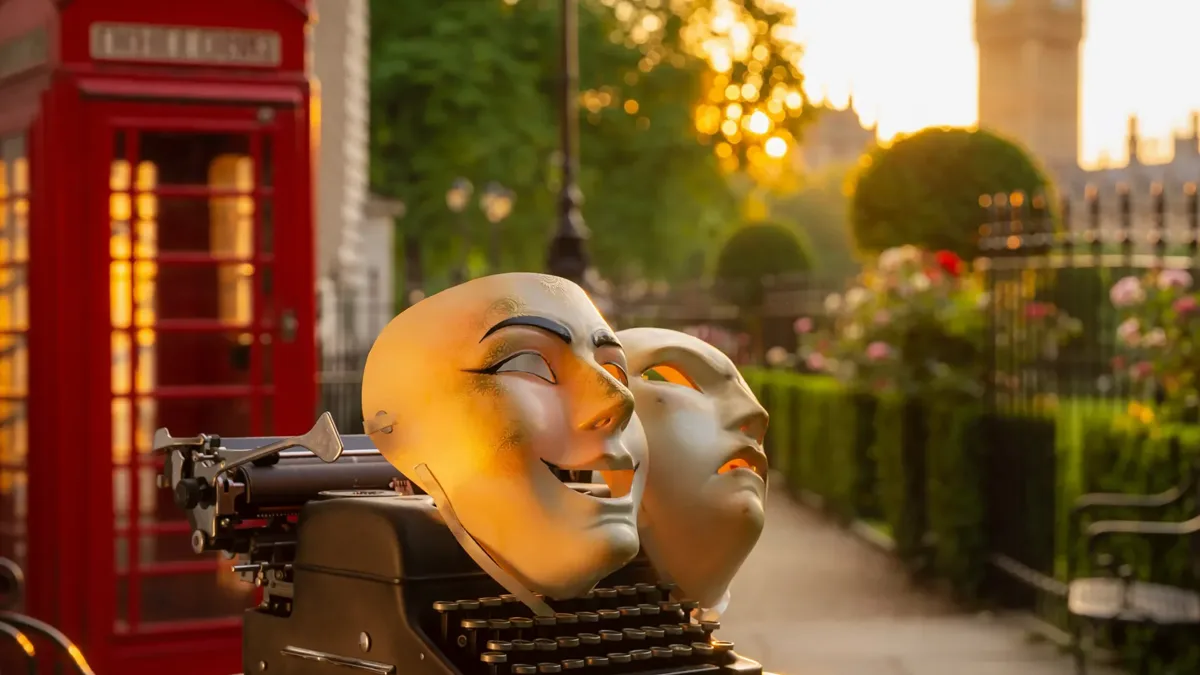
أهلاً بك يا بطل! هل تساءلت يوماً كيف تبدو أكثر لباقة وثقة عند التحدث بالإنجليزية؟ في هذا الفصل، سننتقل معاً من مجرد نطق الجمل إلى إتقان فن المحادثة الحقيقي. سنبدأ برحلة لاكتشاف الأفعال المساعدة (Modal Verbs) التي ستغير طريقتك في التعبير تماماً وتجعلك تبدو كمتحدث متمكن. أولاً، ستتعلم كيف تتحدث عن مهاراتك الحالية باستخدام can، وكيف تحكي عن إنجازاتك ومواهبك السابقة بمهارة باستخدام could، مع فهم الفرق الدقيق بينها وبين was able to عند الحديث عن نجاحات محددة في الماضي. تخيل أنك في مقابلة عمل وتصف تطورك المهني عبر السنوات؛ هنا ستحتاج لهذه الأدوات بدقة لتترك انطباعاً قوياً ومحترفاً! لكن اللغة ليست مجرد قدرات، فاللباقة هي المفتاح في التعامل اليومي. سنعلمك كيف تحول طلباتك من مجرد جمل مباشرة قد تبدو فظة، إلى أسلوب راقٍ ومؤدب باستخدام could و would. سواء كنت تطلب مساعدة من زميلك أو تطلب قهوتك المفضلة في مقهى بلندن، ستعرف تماماً كيف تختار الكلمات التي تجعل الآخرين يسعدون بالاستجابة لك. وأخيراً، سنكتشف الفرق بين تقديم النصيحة الودية بكلمة should والإلزام القوي بكلمة must لتتواصل بوضوح تام وتتجنب الإحراج. بنهائية هذا الفصل، ستشعر أن لغتك أصبحت أكثر مرونة، وستكون قادراً على إدارة المواقف الاجتماعية والمهنية بذكاء المتحدثين الأصليين. هل أنت مستعد للارتقاء بمستواك؟
-
الأفعال المساعدة الشرطية الإنجليزية: can, should, mustيلّا يا بطل! اتقن
canوshouldوmustعشان تعبر عن القدرة، النصيحة، والإلزام القوي بوضوح وثقة. -
Can: التعبير عن القدرة (Can)إتقان 'can' بيفتح لك أبواب التواصل الواثق لما بدك تحكي عن
abilities(القدرات) وeveryday requests(الطلبات اليومية). -
Could: الحديث عن مهاراتك الماضية
Couldبتعبر عن القدرات العامة في الماضي، أماwas able toفبتستخدمها للإنجازات المحددة اللي حققتها. -
Could: الطلبات المهذبةإتقان
Couldللطلبات بيفتح لك مستوى جديد من التواصل المهذب والفعال في الإنجليزية. فكر فيها كـ «التهذيب» و«الاحترام» و«الطلب اللطيف». -
Would: الطلبات والعروض المهذبةعشان كلامك يكون دايماً مهذب وطبيعي في الإنجليزي، لازم تتقن استخدام الـ
would. هي مفتاحك للسلاسة والأدب في المحادثات.
Learning Objectives
By the end of this chapter, you will be able to:
-
1
By the end you will be able to: confidently express personal talents and make polite requests in professional settings.
دليل الفصل

نظرة عامة
English mastering ability and polite requests– essential skills for any intermediate speaker. You'll learn how to clearly state what you or others can do, confidently discuss past skills with could, and most importantly, transform direct commands into smooth, respectful requests using could and would.
كيف تعمل هذه القاعدة
I can speak three languages,or
He can play the guitar very well.This is straightforward and tells everyone exactly what's possible right now.
When I was younger, I could run really fast,or
Before the injury, she could swim for hours.It establishes a past ability that may or may not be true in the present.
Could you + base verb is a fantastic way to turn a direct command (Open the window!) into a respectful, polite request. Compare Can you help me?(which can sound a bit direct) with
Could you help me, please?The latter instantly sounds softer and more considerate.
Would you mind opening the door?or
I would like to order a coffee.These forms show respect and are essential for smooth social interactions, building on your understanding of can and could as ability indicators.

الأخطاء الشائعة
- 1✗ Incorrect:
Can you pass the salt?
(While grammatically correct, this can sound a bit demanding in some contexts.)
Could you pass the salt, please?or
Would you mind passing the salt?
- 1✗ Incorrect:
I would speak French when I was a child.
I could speak French when I was a child.
- 1✗ Incorrect:
Would you help me tomorrow?
(Sounds a bit like you're questioning their willingness or commitment.)
Could you help me tomorrow?or
Would you be able to help me tomorrow?
Would you help me?isn't entirely wrong, could is often preferred for direct, polite requests for assistance. Adding
be able to with would also works well.
محادثات حقيقية
A
B
A
A
B
A
A
B
A
أسئلة شائعة
What's the main difference between 'can' and 'could' when making a request?
While 'can' makes a direct request (e.g.,
Can you open the door?), 'could' makes it softer and more polite (e.g.,
Could you open the door?). 'Could' implies a greater sense of respect or formality.
When should I use 'would' for a polite request instead of 'could'?
'Would' often implies a slightly more indirect or conditional request, or an offer. For example,
Would you mind helping me?is even softer than
Could you help me?It’s also used for hypothetical situations or preferences, like
I would prefer tea.
Can 'could' always replace 'can' when talking about past ability?
Yes, generally. 'Could' is the past tense form of 'can' for expressing ability. For instance,
I can swim(present ability) becomes
I could swim when I was five(past ability).
Is there a trick to remember which one to use for politeness?
Think of could and would as adding an extra layer of deference or consideration. If you want to sound more formal, respectful, or gentle, opt for these over the more direct 'can'.

السياق الثقافي
أمثلة رئيسية (8)
I `can` help you with your presentation slides if you need a hand.
أقدر أساعدك في شرائح العرض التقديمي لو محتاج مساعدة.
الأفعال المساعدة الشرطية الإنجليزية: can, should, mustYou `should` really check out that new vegan place; their burgers are amazing!
لازم تجرب المكان النباتي الجديد ده؛ البرجر بتاعهم تحفة!
الأفعال المساعدة الشرطية الإنجليزية: can, should, mustYou can use my laptop for your assignment.
يمكنك استخدام حاسوبي المحمول لمهمتك.
Can: التعبير عن القدرة (Can)She `could` speak three languages before she was ten.
كانت تستطيع التحدث بثلاث لغات قبل أن تبلغ العاشرة.
Could: الحديث عن مهاراتك الماضيةWhen he was younger, he `could` run much faster.
عندما كان أصغر، كان يستطيع الركض أسرع بكثير.
Could: الحديث عن مهاراتك الماضية`Could you please clarify the deadline?`
هل يمكنك، من فضلك، توضيح الموعد النهائي؟
Could: الطلبات المهذبةنصائح وحيل (4)
فعل ناقص + فعل أساسي = سحر!
I can speak English fluently.
جرّب 'can' بمواقف صغيرة
What can I do today?(شو بقدر أعمل اليوم؟) أو "What can't my phone do?" (شو ما بقدر أعمل بجوالي؟) استخدم مواقف واقعية زي طلب الأكل عشان تثبت ببالك!
قائمة التحقق من القدرة الماضية
could هي صديقتك المفضلة. لو كان نجاح لمرة واحدة، خصوصًا بعد صعوبة، استخدم was/were able to.
I could play the piano well.
خلِّي طلبك ألطف بـ 'Please'
Could لوحدها مهذبة، بس إضافة please بتخلي طلبك أنعم وأكثر قبولاً. كأنك بتحط لمسة سحرية على كلامك! جرب Could you please...?المفردات الرئيسية (5)
Real-World Preview
The Office Coffee Machine
Review Summary
- Modal + Base Verb
- Subject + can + verb
- Subject + could + verb
- Could + you + verb?
- Would + you + like + noun/verb?
أخطاء شائعة
Modal verbs are followed by the base form of the verb without 'to'. Never use 'to' after can, could, or would.
Modal verbs do not have an 's' in the third person. They stay the same for I, you, he, she, it, we, and they.
While 'Could you' is polite, adding 'please' makes it even more natural and respectful in English culture.
القواعد في هذا الفصل (5)
Next Steps
You are becoming a truly eloquent speaker. Keep practicing, and don't be afraid to sound polite!
Listen to a podcast and note how hosts make requests.
تدريب سريع (10)
Find and fix the mistake:
She can to speak three languages.
frontend.learn_grammar.from_rule: Can: التعبير عن القدرة (Can)
`Would you ___` me a hand with those bags?
frontend.learn_grammar.from_rule: Would: الطلبات والعروض المهذبة
She ___ speak three languages fluently.
frontend.learn_grammar.from_rule: الأفعال المساعدة الشرطية الإنجليزية: can, should, must
Choose the correct sentence:
could، استخدم الصيغة الأساسية للفعل بدون to.frontend.learn_grammar.from_rule: Could: الحديث عن مهاراتك الماضية
My brother ___ play the guitar really well.
frontend.learn_grammar.from_rule: Can: التعبير عن القدرة (Can)
اختر الجملة الصحيحة:
frontend.learn_grammar.from_rule: Would: الطلبات والعروض المهذبة
___ you help me with this project report?
frontend.learn_grammar.from_rule: Could: الطلبات المهذبة
Find and fix the mistake:
`She would likes to join us.`
frontend.learn_grammar.from_rule: Would: الطلبات والعروض المهذبة
When I was five, I ___ read simple books.
Could تستخدم للتعبير عن القدرة العامة في الماضي.frontend.learn_grammar.from_rule: Could: الحديث عن مهاراتك الماضية
Choose the correct sentence:
frontend.learn_grammar.from_rule: الأفعال المساعدة الشرطية الإنجليزية: can, should, must
Score: /10
أسئلة شائعة (6)
I can swim.she can speak صح، مش she cans speak.I can speak three languages.(أستطيع التحدث بثلاث لغات).
Could تصف قدرة عامة كنت تمتلكها في الماضي، مثل I could play the violin.أما
was able to فتشير إلى حالة محددة نجحت فيها في أداء فعل ما، خاصة إذا كان صعبًا، كما في I was able to finish the race.