bueller في 30 ثانية
- A pop-culture interjection used to call out an awkward silence after a question is asked but not answered by the audience.
- Derived from the 1986 film 'Ferris Bueller's Day Off', specifically mimicking a teacher's monotone and repetitive attendance call.
- Functions as a humorous ice-breaker to acknowledge a lack of engagement in social, educational, or professional settings.
- Requires a specific deadpan delivery to be effective and is most common in American English-speaking contexts.
The term bueller is a unique linguistic artifact from American pop culture that has transitioned into a widely recognized interjection. At its core, it is used to punctuate a moment of total silence following a question or a statement that was expected to elicit a response. Imagine a situation where a speaker asks a group a question, and instead of an answer, they are met with blank stares and the metaphorical sound of crickets. By uttering bueller... bueller..., the speaker is acknowledging the awkwardness of the silence while simultaneously nudging the audience to wake up or participate. It is a rhetorical tool used to highlight the absence of engagement. The word is almost always delivered in a flat, monotone, and repetitive fashion, mimicking the iconic performance of Ben Stein in the 1986 film Ferris Bueller's Day Off. In the movie, Stein plays a bored economics teacher taking attendance, calling out the name of the absent protagonist, Ferris Bueller, over and over again with zero emotional inflection. This specific delivery is crucial; saying it with too much excitement ruins the effect. It is a meta-commentary on the situation at hand, suggesting that the current environment is as dull or unresponsive as that fictional classroom.
- Pragmatic Function
- It serves as a humorous 'ice-breaker' to call out a lack of participation without being overly aggressive or confrontational.
'So, does anyone have any ideas for the holiday party? No one? Bueller? Bueller?'
The usage of this term has expanded beyond simple classroom settings. It is frequently heard in corporate boardrooms, during stand-up comedy routines when a joke fails to land, and even in casual social gatherings among friends. It has become a shorthand for 'Is anyone listening?' or 'Is anybody there?' However, because it is a specific cultural reference, its effectiveness depends heavily on the audience's familiarity with 1980s American cinema. For younger generations or non-native speakers, the term might seem confusing or nonsensical without the proper context. Despite this, its longevity in the English lexicon is a testament to how deeply embedded the film is in the collective consciousness of the English-speaking world. It is often used to deflect the speaker's own discomfort; by making a joke about the silence, the speaker regains a sense of control over the interaction. It transforms a moment of failure (no response) into a moment of shared cultural recognition.
- Cultural Resonance
- The term encapsulates the universal experience of being ignored or facing an indifferent audience, making it relatable across various professional and social domains.
Linguistically, bueller functions as a 'fill-in' for the missing response. It fills the void left by the audience. It is also a form of 'intertextuality,' where one piece of media (the film) provides the vocabulary for real-life social interactions. Interestingly, the word has become so common that many people use it without having ever seen the original movie. They understand the 'vibe' of the word—the sense of waiting for a response that isn't coming—even if they don't know the name of the actor or the plot of the film. This is the hallmark of a successful idiom or slang term: when it survives independently of its source material. It is a high-level (C1/C2) vocabulary item because it requires not just linguistic knowledge, but also a deep understanding of cultural nuance and social timing. Using it correctly demonstrates a high degree of fluency and cultural integration.
'I sent out the meeting invite three hours ago and haven't received a single RSVP. Bueller?'
- Tone and Register
- While primarily informal and humorous, it can occasionally border on sarcastic or mildly annoyed, depending on the speaker's intent.
'The comedian paused for the punchline, but the room stayed silent. He sighed and muttered, "Bueller?"'
'I asked my kids who broke the vase, and suddenly it was like a scene from the movie. Bueller... Bueller...'
Using bueller effectively is more about timing and delivery than grammatical placement. Since it is an interjection, it usually stands alone or is appended to the end of a question. The most common pattern is to ask a question, wait for a few seconds of silence, and then say the word once or twice with a rising intonation that mimics a teacher calling roll. It is rarely integrated into the middle of a sentence as a noun or verb, although it can be used metonymically to describe a situation (e.g., 'It was a total Bueller moment'). When writing, it is often capitalized because it is a proper name, though in casual texting, it might be lowercase. The key is the ellipsis (...) which represents the silence the speaker is experiencing. For example, 'Anyone? ... Bueller? ... Bueller?' This structure emphasizes the duration of the wait. It is a tool for social commentary, allowing the speaker to step outside the conversation and comment on its lack of progress.
- Syntactic Role
- Primarily functions as an isolated interjection or a sentence fragment used for rhetorical effect.
'I put a lot of effort into that presentation, but when I asked for feedback, it was just... Bueller.'
In digital communication, such as Slack, Discord, or group texts, bueller is often used when a message goes unread or unanswered for a long period. A user might post the word as a follow-up to a previous question to 'ping' the group. In this context, it serves as a gentle, humorous reminder that a response is still expected. It is less aggressive than saying 'Why aren't you answering me?' because it shifts the blame to the 'situation' rather than the individuals. It suggests that the group is collectively acting like the bored students in the movie. Furthermore, it can be used to describe a person who is being particularly unresponsive. If someone is staring blankly at you while you speak, you might say, 'Hello? Bueller? Are you in there?' This usage borders on teasing and should be used with friends or colleagues with whom you have a good rapport.
- Digital Usage
- Often used in 'dead' threads or inactive group chats to prompt a reaction through humor.
Another interesting way to use bueller is to describe the atmosphere of a place. You might say, 'The party was so dead, it was total Bueller vibes.' Here, it acts as an adjective modifying 'vibes.' This demonstrates the word's flexibility in modern English. It has moved from a specific name to a general descriptor of boredom and unresponsiveness. When using it in this way, you are assuming your listener shares your cultural background. If they don't, the metaphor will fail. Therefore, at the C1 level, a learner must be able to judge the 'cultural literacy' of their audience before deploying this term. It is a high-risk, high-reward social maneuver. If the audience gets it, you appear witty and culturally savvy. If they don't, you've just added more silence to an already silent room.
'I tried to start a conversation about the new policy, but I got the full Bueller treatment from the staff.'
- Colloquial Variations
- 'The Bueller effect', 'Going full Bueller', and 'A Bueller moment' are common idiomatic extensions.
'Is this thing on? Bueller? Anyone?'
'The silence was so thick you could practically hear Ben Stein calling out "Bueller" in the background.'
In the modern landscape, bueller is most frequently heard in environments where public speaking or group interaction is required. It is a staple of the 'uncomfortable' corporate presentation. Imagine a manager presenting a new, perhaps unpopular, initiative. They finish their slide deck and ask, 'Any questions?' The resulting silence is the perfect habitat for a bueller. By using the term, the manager acknowledges the tension in the room. It is also common in educational settings, particularly in high schools and universities. Teachers often use it self-deprecatingly when their students are particularly unresponsive during a morning lecture. It’s a way for the teacher to say, 'I know I’m being boring, but please say something.' In these contexts, the word acts as a bridge between the authority figure and the audience, using humor to level the playing field.
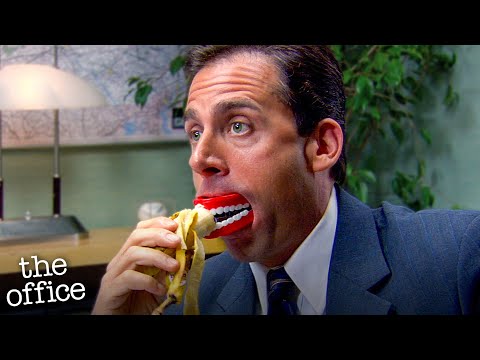
- Common Setting: The Office
- Used during Q&A sessions or brainstorming meetings when the team is hesitant to speak up.
'The CEO asked for volunteers for the weekend shift and was met with a chorus of... Bueller.'
Entertainment and media are also rife with this reference. Late-night talk show hosts frequently use it when a joke doesn't get the expected laugh from the studio audience. It has become a standard 'recovery' line for comedians. If you watch American television shows, especially sitcoms or workplace comedies like The Office or Parks and Recreation, you will likely encounter characters using this term to highlight social awkwardness. It is a part of the 'meta' humor that defines much of 21st-century comedy. Furthermore, in the world of social media, the word is used as a comment on posts that have high view counts but zero comments. A user might comment 'Bueller?' on their own post to ironically point out that no one is engaging with their content. This digital 'shouting into the void' is a very common modern experience where the term finds new life.
- Common Setting: Entertainment
- Frequently utilized by comedians and TV personalities to acknowledge a 'dead' audience or a failed joke.
Finally, you will hear it in casual conversations between friends, particularly when someone is being 'ghosted' or ignored in a group chat. If a friend asks 'Who wants to go to the movies tonight?' and no one replies for two hours, they might follow up with 'Bueller... Bueller...' It’s a way of expressing a feeling of being ignored without sounding too needy or upset. It maintains a lighthearted tone. Interestingly, the word has also appeared in political commentary. Journalists might use it to describe a politician who asks a question to a crowd and gets no response, or to describe a government department that is failing to respond to inquiries. It has become a general-purpose metaphor for institutional or social unresponsiveness. In all these cases, the word carries with it the ghost of Ben Stein’s monotone voice, providing a specific 'soundtrack' to the silence of modern life.
'I asked my roommate if he'd seen my keys, but he just kept staring at his phone. Bueller?'
- Common Setting: Social Media
- Used as a sarcastic 'bump' for posts that are being ignored by followers or friends.
'When the professor asked for the definition of 'macroeconomics,' the room went full Bueller.'
'I've been waiting for the customer support chat to respond for twenty minutes. Bueller... Bueller...'
The most common mistake people make with bueller is failing to nail the delivery. Because the word's power comes from its cinematic origin, saying it with the wrong tone can make it confusing or even annoying. If you say 'Bueller!' with high energy or a cheerful tone, the reference is lost. It must be delivered with a deadpan, monotone, and slightly nasal quality. Another mistake is using it too frequently. Like any pop-culture reference, it can quickly become a cliché. If a teacher uses it every single time a student doesn't answer, it loses its humor and becomes a sign of the teacher's own lack of original material. It should be reserved for moments of genuine, palpable silence where the irony is strongest. Overuse leads to 'reference fatigue,' where the audience rolls their eyes rather than chuckling.
- Mistake: Wrong Intonation
- Using an excited or angry tone instead of the required flat, monotone delivery.
'Incorrect: "BUELLER! WHY IS NO ONE TALKING?!" (This sounds aggressive rather than funny.)'
A second major mistake is misjudging the audience. This is a very 'Western' and specifically 'American' reference. While Ferris Bueller's Day Off is a classic, it is not universal. Using it in a room full of international business partners who may not have seen 1980s American teen comedies will likely result in even more silence—the very thing you were trying to break. In such cases, the speaker looks out of touch. It is also important to consider the age of the audience. While many Gen Z individuals know the meme, some may not, and the joke might fly over their heads. A C1 speaker should always gauge whether the cultural 'shorthand' will be understood. If you have to explain the joke after saying it, the moment is dead. This is the 'death of the joke'—when the explanation takes longer than the punchline.
- Mistake: Audience Misalignment
- Using the term with people who lack the cultural context to understand the film reference.
Lastly, some people mistake the spelling or the name itself. It is 'Bueller,' not 'Beuller' or 'Buller.' While this doesn't matter in speech, it matters in written communication like emails or social media. Misspelling a pop-culture reference can make the speaker look like they are 'trying too hard' to be cool without actually knowing the source material. Additionally, some people use it in situations that aren't actually silent. If people are talking over each other, saying 'Bueller' makes no sense. It is specifically for the absence of sound. Using it to try and get people to stop talking is a misuse of the term's pragmatic function. It is a 'vacuum-filler,' not a 'silencer.' Understanding this distinction is key to using the word with the sophistication expected at a C1 level of English proficiency.
'Incorrect: "Okay everyone, quiet down! Bueller!" (This is a misuse of the term's intent.)'
- Mistake: Misspelling
- Writing 'Beuller' instead of 'Bueller' in digital messages.
'Correct: "I asked if anyone wanted the last slice of pizza. Silence. Bueller?"'
'Incorrect: Using it when the audience is actually engaged but just thinking. Give them a second before you drop the Bueller bomb.'
While bueller is a highly specific cultural reference, there are several other ways to express the same sentiment of 'Is anyone there?' or 'Why is it so quiet?' The most direct alternative is simply saying 'Anyone?' or 'No one?' with a questioning tone. This is neutral and universally understood. Another common idiomatic expression is 'crickets.' People will often say, 'I asked for help and all I heard was crickets.' This refers to the sound crickets make at night in a quiet field, which has become a cartoonish trope for a joke that fails or a question that goes unanswered. Unlike bueller, 'crickets' is a noun used to describe the silence, whereas bueller is an interjection used to break it. Both serve the same social function of highlighting an awkward lack of response.
- Comparison: Crickets
- 'Crickets' describes the sound of the silence itself, while 'Bueller' mimics the person trying to break that silence.
'I made a joke about the new boss, and... crickets. Not a single laugh.'
Another alternative is the phrase 'Is this thing on?' This is typically used by performers or speakers who are tapping their microphone to check if it's working because the audience isn't responding. It’s a way of jokingly blaming the technology for the audience's lack of reaction. It’s very similar to bueller in its self-deprecating humor. For a more modern, internet-centric alternative, one might use 'Tough crowd.' This is a classic stand-up comedy line used when a joke fails. It shifts the 'blame' to the audience's high standards or lack of humor. In digital spaces, people might use 'Hello? (echo... echo...)' to simulate the sound of their voice bouncing off the walls of an empty room. This is a more visual way of representing the same 'Bueller' feeling of being alone in a conversation.
- Comparison: Is this thing on?
- This phrase focuses on the speaker's equipment, whereas 'Bueller' focuses on the audience's lack of presence.
In more formal or semi-formal settings, you might use 'I’ll take that as a no' or 'I’ll assume everyone is still thinking.' These are 'polite' versions of bueller. They acknowledge the silence without the sarcastic or pop-culture edge. At the C1 level, knowing when to use the 'polite' version versus the 'Bueller' version is crucial. If you are in a high-stakes meeting with senior executives you don't know well, 'I'll take that as a no' is much safer. If you are with your peers or a team you manage, bueller can build rapport through shared humor. Lastly, 'Anybody? Bueler?' is often paired with 'Don't all speak at once!' which is a sarcastic way of acknowledging that no one is speaking. These phrases all belong to the same 'family' of social tools used to navigate the treacherous waters of an unresponsive group.
'I asked for volunteers for the cleanup crew. Don't all speak at once!'
- Comparison: Tough Crowd
- 'Tough crowd' is used specifically when a joke or an attempt at humor fails to get a laugh.
'I thought that was a great point, but... I'll take that as a no then.'
'The silence was deafening. It was like I was back in Mr. Frye's class. Bueller... Bueller...'
How Formal Is It?
حقيقة ممتعة
Ben Stein was not originally supposed to be in the movie as a teacher; he was hired to do the off-camera voice for the attendance scene. However, the student actors laughed so much at his real-life monotone voice that the director decided to put him on camera and let him ad-lib the economics lecture.
دليل النطق
- Pronouncing it as 'Bull-er' (like the animal).
- Saying it with too much enthusiasm (it must be monotone).
- Using a short 'u' sound instead of the long 'yu' sound.
- Adding an extra syllable (e.g., 'Bu-el-ler').
- Failing to pause between repetitions.
مستوى الصعوبة
Easy to read but requires cultural knowledge to understand the meaning.
Requires correct spelling and understanding of where to place an interjection.
Very difficult to master the specific monotone delivery and timing.
Can be easily missed or misunderstood if the listener doesn't know the movie.
ماذا تتعلّم بعد ذلك
المتطلبات الأساسية
تعلّم لاحقاً
متقدم
قواعد يجب معرفتها
Interjections as standalone sentences
Silence. Bueller. More silence.
Using proper nouns as common nouns
He's such a Bueller (meaning he's absent or unresponsive).
The use of ellipses for pauses
Anyone? ... Bueller? ... Bueller?
Rhetorical questions
Bueller? (Not actually expecting the person Bueller to answer, but highlighting the silence).
Capitalization of proper-name-derived slang
Always capitalize Bueller because it is a surname.
أمثلة حسب المستوى
I asked a question. No one answered. I said, 'Bueller?'
J'ai posé une question. Personne n'a répondu. J'ai dit : 'Bueller ?'
Used as a single-word question.
Is anyone there? Bueller?
Y a-t-il quelqu'un ? Bueller ?
Follows a standard question.
The room was very quiet. I said 'Bueller' to be funny.
La pièce était très calme. J'ai dit 'Bueller' pour être drôle.
Used to break silence.
Bueller... Bueller... Anyone?
Bueller... Bueller... Quelqu'un ?
Repetition for effect.
My friend did not answer me. I said 'Bueller?'
Mon ami ne m'a pas répondu. J'ai dit 'Bueller ?'
Direct address to a silent person.
It is a joke from a movie. Bueller?
C'est une blague d'un film. Bueller ?
Explaining the context.
No one is talking. Bueller?
Personne ne parle. Bueller ?
Simple interjection.
I wait for an answer. Bueller?
J'attends une réponse. Bueller ?
Expressing a wait.
I asked who wanted to help, but it was just... Bueller.
J'ai demandé qui voulait aider, mais c'était juste... Bueller.
Used after 'it was just' to describe a situation.
Hello? Bueller? Are you listening to me?
Allô ? Bueller ? Tu m'écoutes ?
Used to check for attention.
The teacher said 'Bueller' when no one knew the answer.
Le professeur a dit 'Bueller' quand personne ne connaissait la réponse.
Reported speech.
I sent a text and got no reply. Bueller?
J'ai envoyé un SMS et je n'ai pas eu de réponse. Bueller ?
Used in digital context.
We were all silent, so he said 'Bueller' to make us laugh.
Nous étions tous silencieux, alors il a dit 'Bueller' pour nous faire rire.
Purpose clause with 'to make us laugh'.
Is anybody home? Bueller? Bueller?
Y a-t-il quelqu'un à la maison ? Bueller ? Bueller ?
Repetition for emphasis.
I don't like the silence. Bueller?
Je n'aime pas le silence. Bueller ?
Expressing a feeling followed by the interjection.
He called my name like the teacher in the movie: 'Bueller?'
Il a appelé mon nom comme le professeur dans le film : 'Bueller ?'
Simile using 'like'.
After I finished my speech, there was a long pause. 'Bueller?' I joked.
Après avoir fini mon discours, il y a eu une longue pause. 'Bueller ?' ai-je plaisanté.
Used as a conversational 'save'.
If you don't say anything, I'm going to start calling out 'Bueller.'
Si vous ne dites rien, je vais commencer à appeler 'Bueller'.
Conditional sentence.
The meeting was so boring it felt like a total Bueller moment.
La réunion était si ennuyeuse qu'on aurait dit un moment totalement Bueller.
Used as an adjective modifying 'moment'.
I asked for volunteers and—Bueller—nobody moved a muscle.
J'ai demandé des volontaires et — Bueller — personne n'a bougé d'un pouce.
Parenthetical interjection.
You're being very quiet today. Bueller? Are you okay?
Tu es très silencieux aujourd'hui. Bueller ? Ça va ?
Used to probe for a reason for silence.
I tried to break the ice with a 'Bueller,' but nobody got the reference.
J'ai essayé de briser la glace avec un 'Bueller', mais personne n'a compris la référence.
Noun phrase 'a Bueller'.
The silence in the chat was deafening. Bueller... Bueller...
Le silence dans le chat était assourdissant. Bueller... Bueller...
Ellipsis used for dramatic effect.
He’s doing that Bueller thing again where he just waits for us to speak.
Il refait ce truc de Bueller où il attend juste qu'on parle.
Describing a recurring behavior.
The presenter's 'Bueller?' line actually managed to get a few laughs from the tired crowd.
La réplique 'Bueller ?' du présentateur a en fait réussi à faire rire un peu la foule fatiguée.
Used as an attributive noun.
It's awkward when you drop a 'Bueller' and the silence just continues.
C'est gênant quand on lance un 'Bueller' et que le silence continue tout simplement.
Gerund phrase 'drop a Bueller'.
I'm not going to just stand here and give you the Bueller treatment; someone needs to answer.
Je ne vais pas rester là à vous faire le coup de Bueller ; quelqu'un doit répondre.
Idiomatic 'the Bueller treatment'.
The whole situation was reminiscent of that famous Bueller scene.
Toute la situation rappelait cette célèbre scène de Bueller.
Adjective 'reminiscent of'.
When the comedian's joke bombed, he just leaned into the mic and whispered, 'Bueller?'
Quand la blague du comédien a fait un bide, il s'est simplement penché vers le micro et a chuchoté : 'Bueller ?'
Narrative past tense.
Is there anyone in this department who actually knows the password? Bueller? Anyone at all?
Y a-t-il quelqu'un dans ce département qui connaît réellement le mot de passe ? Bueller ? Quelqu'un ?
Intensifying the question.
She used 'Bueller' as a way to highlight how disengaged the students were.
Elle a utilisé 'Bueller' comme un moyen de souligner à quel point les étudiants étaient désengagés.
Using the word as a tool for observation.
The silence was so profound that a 'Bueller' was practically mandatory.
Le silence était si profond qu'un 'Bueller' était pratiquement obligatoire.
Using 'mandatory' to show social expectation.
The speaker deployed a well-timed 'Bueller' to puncture the heavy silence that had settled over the room.
L'orateur a lancé un 'Bueller' bien senti pour briser le lourd silence qui s'était installé dans la pièce.
Verb 'deployed' shows intentionality.
To use 'Bueller' effectively, one must master the art of the deadpan delivery.
Pour utiliser 'Bueller' efficacement, il faut maîtriser l'art du ton pince-sans-rire.
Infinitive of purpose with 'one must'.
The irony of the 'Bueller' reference was lost on the younger interns, who stared back in confusion.
L'ironie de la référence à 'Bueller' a échappé aux jeunes stagiaires, qui ont répondu par des regards perplexes.
Passive voice 'was lost on'.
His constant reliance on 'Bueller' whenever a meeting stalled began to feel a bit hackneyed.
Sa tendance à recourir systématiquement à 'Bueller' dès qu'une réunion s'enlisait commençait à paraître un peu éculée.
Adjective 'hackneyed' for overused slang.
The term has evolved from a specific cinematic name into a functional pragmatic marker for unresponsiveness.
Le terme est passé d'un nom cinématographique spécifique à un marqueur pragmatique fonctionnel de l'absence de réponse.
Academic description of linguistic evolution.
In the absence of any verbal feedback, the 'Bueller' interjection serves as a meta-commentary on the interaction.
En l'absence de tout retour verbal, l'interjection 'Bueller' sert de méta-commentaire sur l'interaction.
Complex prepositional phrase 'In the absence of'.
She didn't just ask for an answer; she gave the group the full Ben Stein 'Bueller' routine.
Elle ne s'est pas contentée de demander une réponse ; elle a fait au groupe tout le numéro 'Bueller' à la Ben Stein.
Using 'routine' to describe a set of behaviors.
The silence was so thick that even a 'Bueller' couldn't cut through it.
Le silence était si épais que même un 'Bueller' ne parvenait pas à le rompre.
Metaphorical use of 'thick' and 'cut through'.
The cultural shelf-life of 'Bueller' is a fascinating case study in how cinematic tropes permeate everyday discourse.
La durée de vie culturelle de 'Bueller' est une étude de cas fascinante sur la manière dont les tropes cinématographiques imprègnent le discours quotidien.
Abstract noun 'shelf-life'.
By invoking 'Bueller,' the speaker humorously abdicates responsibility for the audience's apathy.
En invoquant 'Bueller', l'orateur décline avec humour toute responsabilité face à l'apathie de l'auditoire.
Verb 'abdicates' used metaphorically.
The efficacy of the 'Bueller' interjection is contingent upon a shared socio-cultural framework.
L'efficacité de l'interjection 'Bueller' dépend d'un cadre socio-culturel partagé.
Formal adjective 'contingent upon'.
One might argue that 'Bueller' has become a fossilized linguistic relic of 1980s American hegemony.
On pourrait soutenir que 'Bueller' est devenu une relique linguistique fossilisée de l'hégémonie américaine des années 1980.
Complex noun phrase 'fossilized linguistic relic'.
The monotone prosody required for 'Bueller' is as essential to its meaning as the phonemes themselves.
La prosodie monotone requise pour 'Bueller' est aussi essentielle à sa signification que les phonèmes eux-mêmes.
Linguistic term 'prosody'.
In the theater of the absurd that is a dead-end meeting, 'Bueller' acts as the ultimate breaking of the fourth wall.
Dans le théâtre de l'absurde qu'est une réunion sans issue, 'Bueller' agit comme la rupture ultime du quatrième mur.
Theatrical metaphor 'fourth wall'.
To deploy 'Bueller' without irony is to fundamentally misunderstand its pragmatic utility.
Déployer 'Bueller' sans ironie, c'est méconnaître fondamentalement son utilité pragmatique.
Infinitive phrase as subject.
The transition of 'Bueller' from a proper noun to a discourse marker illustrates the fluid nature of modern slang.
Le passage de 'Bueller' d'un nom propre à un marqueur de discours illustre la nature fluide de l'argot moderne.
Describing linguistic transition.
تلازمات شائعة
العبارات الشائعة
— The standard way to prompt a silent group for an answer.
Does anyone know the capital of Kazakhstan? Anyone? Bueller?
— Repeating the name three times to emphasize the length of the silence.
I'm waiting for a response... Bueller? Bueller? Bueller?
— To become unresponsive or to start using the 'Bueller' interjection.
The whole class is going Bueller on me today.
— Being ignored or met with total silence by a group.
I tried to suggest a new idea but got the full Bueller treatment.
— A situation that is extremely quiet and awkward.
The Q&A session was a total Bueller.
— A way to check if someone is paying attention or 'home'.
Hello, Bueller? Are you even in there?
— Acting or speaking in the monotone style associated with the 'Bueller' quote.
He was really channeling Ben Stein during that lecture.
— The specific, long silence that precedes the interjection.
He mastered the Bueller pause before delivering the line.
— The silence that continues even after someone says 'Bueller'.
The post-Bueller silence was even more awkward than the first one.
— A situation where people are actually responding and engaged.
Thankfully, it wasn't a Bueller; everyone had lots of questions.
يُخلط عادةً مع
Ferris is the character's first name, but 'Bueller' is the name used in the attendance call joke.
A completely different medical term that sounds slightly similar but has zero relation.
A servant in a house; sometimes confused by non-native speakers due to similar phonetics.
تعبيرات اصطلاحية
— To speak to someone who does not listen or respond, similar to the 'Bueller' experience.
Trying to explain the rules to them is like talking to a brick wall.
informal— When a statement or request is completely ignored by the audience.
My warnings about the budget fell on deaf ears.
neutral— A period of silence in a broadcast or conversation where there should be sound.
There was ten seconds of dead air before the host realized his mic was off.
professional— To express oneself without getting any reaction or acknowledgement.
Posting on that forum feels like shouting into the void.
literary— To be intentionally ignored or treated in an unfriendly way.
I tried to say hi, but I just got the cold shoulder.
informal— To be unable to remember something or get no response from others.
I asked for the name of the client, but everyone drew a blank.
neutral— Used when a lack of response is very noticeable and uncomfortable.
When I asked who was responsible, the silence was deafening.
idiomatic— To suddenly stop all communication with someone without explanation.
We went on one date and then she totally ghosted me.
slang— A person or group that is very difficult to get a response or reaction from.
This audience is a tough nut to crack; they haven't laughed once.
informal— To understand the emotions and thoughts of the people in a room, often used when a 'Bueller' joke fails.
You really need to learn how to read the room before you make jokes like that.
neutralسهل الخلط
Both refer to silence.
Crickets is a noun describing the sound/state; Bueller is an interjection used by the speaker.
I heard crickets (noun). I said 'Bueller' (interjection).
Both are used to ask for a response.
Anyone is literal; Bueller is a sarcastic pop-culture reference.
Is anyone there? vs. Bueller?
Both check for presence.
Hello is standard; Bueller implies the audience is being boring or unresponsive like students.
Hello? Are you there? vs. Bueller? Bueller?
Both acknowledge a lack of reaction.
Tough crowd is usually for jokes; Bueller is for any question or statement.
That joke bombed, tough crowd. vs. No one wants to volunteer? Bueller?
Both suggest an empty/silent space.
Echo is a physical metaphor; Bueller is a character-based metaphor.
It's so quiet I can hear an echo. vs. It's so quiet I feel like I'm calling for Bueller.
أنماط الجُمل
[Question]? ... Bueller?
Who wants to help? ... Bueller?
It was a total [Name] moment.
It was a total Bueller moment.
To [Verb] a well-timed [Slang].
To deploy a well-timed Bueller.
The [Noun] of the [Reference] was [Adjective] on the [Audience].
The irony of the Bueller reference was lost on the interns.
Anyone? [Name]?
Anyone? Bueller?
The [Name] treatment.
The Bueller treatment.
Mimicking the [Adjective] [Noun] of [Name].
Mimicking the monotone delivery of Ben Stein.
A [Adjective] [Noun] for [Abstract Noun].
A functional pragmatic marker for unresponsiveness.
عائلة الكلمة
الأسماء
الأفعال
الصفات
مرتبط
كيفية الاستخدام
Common in American English, especially in media and office culture.
-
Saying it too fast.
→
Bueller... (pause) ... Bueller.
The humor comes from the slow, agonizing repetition. If you say it fast, it just sounds like you're calling a friend's name.
-
Using it in a loud room.
→
Use it only when it is quiet.
The word is meant to highlight silence. If the room is loud, the reference makes no sense and will be ignored.
-
Misspelling it as 'Beuller'.
→
Bueller
The 'u' comes before the 'e'. Misspelling it in a group chat makes the reference look sloppy.
-
Using an angry tone.
→
Use a monotone, bored tone.
If you sound angry, you are criticizing the audience. If you sound bored (like the teacher), you are making a joke about the situation.
-
Using it with a non-English speaking audience.
→
Use 'Anyone?' or 'Does anyone know?'
This is a very specific Western pop-culture reference. It likely won't be understood by people who didn't grow up with Hollywood movies.
نصائح
Master the Pause
The secret to a good 'Bueller' is the silence before it. Wait at least 3-5 seconds after your question before you say the word. This makes the irony much stronger.
The Ben Stein Voice
Try to lower your pitch and keep your voice completely flat. If you sound like you're having fun, the joke doesn't work. You have to sound like the most bored person on Earth.
Know Your Audience
Before using this, make sure at least some people in the room are likely to have seen 80s movies. It's a classic 'Gen X' and 'Millennial' reference.
Use Ellipses
In text, write it as 'Bueller... Bueller...' The dots represent the silence and help the reader 'hear' the monotone voice in their head.
Ice Breaking
Use 'Bueller' when you want to make the audience feel a little bit guilty for not answering, but in a way that makes them laugh instead of feeling attacked.
Corporate Caution
In a business setting, use it once. If you keep saying it, you'll go from 'funny' to 'that person who only knows one joke' very quickly.
The Rising Tone
Even though the voice is monotone, there should be a very slight rise in pitch at the very end of the word, because it is still a question.
Mix It Up
Don't just say 'Bueller'. Try 'Anyone? Bueller?' or 'Bueller? Anyone?'. Combining it with 'Anyone' makes the intent clearer to those who might not know the movie.
Watch the Scene
If you've never seen the movie, look up 'Ferris Bueller attendance scene' on YouTube. Watching it once will teach you more than any dictionary definition.
Don't Force It
If the silence isn't actually awkward—for example, if people are just thinking—don't use 'Bueller'. It's only for when the conversation has completely stalled.
احفظها
وسيلة تذكّر
Think of a 'Boring Bell' (B-ueller) ringing in a silent room where no one is home.
ربط بصري
Imagine a classroom full of zombies staring at a teacher who is holding a piece of paper and looking very bored.
Word Web
تحدٍّ
Try to use 'Bueller' in a group chat today when a question goes unanswered for more than ten minutes. Observe if people get the joke.
أصل الكلمة
The term originates from the 1986 American teen comedy film 'Ferris Bueller's Day Off', written and directed by John Hughes. In one of the film's most famous scenes, an economics teacher (played by Ben Stein) is taking attendance in a classroom full of bored, unresponsive students. He repeatedly calls out 'Bueller... Bueller... Bueller...' because the main character, Ferris Bueller, is absent. Stein's incredibly dry, monotone delivery became an instant cultural icon.
المعنى الأصلي: Originally, it was simply the surname of the film's protagonist, Ferris Bueller.
English (Proper Noun turned Slang Interjection).السياق الثقافي
Generally safe and humorous, but can be seen as slightly mocking if used toward a superior or in a very serious situation.
Primarily used in the United States and Canada, though understood in the UK and Australia among movie fans.
تدرّب في الحياة الواقعية
سياقات واقعية
Corporate Meetings
- Any questions? Bueller?
- I'll take that silence as a Bueller.
- Don't make me do the Bueller routine.
- It's a bit of a Bueller situation here.
Classrooms
- Who knows the answer? Bueller?
- Is anyone awake? Bueller?
- I feel like Ben Stein up here. Bueller?
- Total Bueller moment, guys.
Group Chats
- Bueller... Bueller...
- Anyone alive in here? Bueller?
- The Bueller is strong with this group.
- Hello? Bueller?
Stand-up Comedy
- Tough crowd. Bueller?
- Is this thing on? Bueller?
- Wow, total Bueller reaction to that one.
- I'll just wait. Bueller?
Casual Socializing
- I asked a question! Bueller?
- Are you ghosting me? Bueller?
- Stop being a Bueller and talk.
- Classic Bueller silence.
بدايات محادثة
"Have you ever had a 'Bueller moment' during a presentation where no one said a word?"
"Do you think younger people still understand the 'Bueller' reference, or is it getting too old?"
"What's the best way to handle a silent audience without using the 'Bueller' joke?"
"Is there a similar word in your native language for when a teacher calls a name and no one answers?"
"Why do you think Ben Stein's delivery of 'Bueller' became so incredibly famous?"
مواضيع للكتابة اليومية
Describe a time when you were met with total silence after saying something important. How did it feel?
Write a short dialogue where a character uses 'Bueller' to break an awkward silence in a job interview.
Reflect on how pop culture influences the way we speak. Can you think of other movie quotes that became everyday words?
Imagine you are the teacher in the 'Bueller' scene. What are you thinking as you call out the names?
Discuss the pros and cons of using humor like 'Bueller' in a professional work environment.
الأسئلة الشائعة
10 أسئلةBueller refers to Ferris Bueller, the main character of the 1986 movie 'Ferris Bueller's Day Off'. The joke comes from his teacher calling his name during attendance while he was skipping school.
In the movie, the teacher repeats the name several times because he doesn't realize Ferris isn't there. Repeating it in real life emphasizes how long the speaker has been waiting for an answer.
It can be seen as slightly sarcastic or teasing. In a very formal or serious meeting, it might be considered unprofessional. However, in most casual or semi-formal settings, it's just a lighthearted joke.
Many do because the scene is a very famous internet meme. However, some younger Gen Z or Gen Alpha individuals might not know the original movie, so the joke might not always work with them.
It is pronounced 'BYOO-ler'. The first syllable sounds like the word 'view' but with a 'B'. The second syllable is a short 'ler' sound.
Yes, but only in very casual emails to colleagues you know well. For example, if you ask a question in a group email and no one replies for a day, you could send a follow-up saying 'Bueller?'
A monotone voice is one that stays at the same pitch and has no emotion. It sounds very robotic and bored, which is exactly how the teacher in the movie sounds.
Yes, it is understood in the UK, but it is much more common in American English. British people might be more likely to use 'Anyone?' or 'Crickets'.
Then you have a 'double Bueller' situation! The best thing to do is just move on and ask the question again in a different way.
Technically it's a proper noun (a name), but in this context, it functions as an interjection. Slang-wise, people sometimes use it as a verb ('He Buellered me'), but that is rare.
اختبر نفسك 182 أسئلة
Write a short dialogue between two friends where one person is ignoring the other, and the second person uses 'Bueller'.
Well written! Good try! Check the sample answer below.
Explain in your own words why 'Bueller' is considered a humorous interjection.
Well written! Good try! Check the sample answer below.
Describe a 'Bueller moment' you have experienced in real life.
Well written! Good try! Check the sample answer below.
Write a formal alternative to the phrase: 'Any questions? Bueller?'
Well written! Good try! Check the sample answer below.
How does the 'monotone' delivery change the meaning of the word 'Bueller'?
Well written! Good try! Check the sample answer below.
Create a social media post where you use 'Bueller' to react to a lack of comments.
Well written! Good try! Check the sample answer below.
Discuss the risks of using 'Bueller' with an international audience.
Well written! Good try! Check the sample answer below.
Write a sentence using 'Bueller' as an adjective.
Well written! Good try! Check the sample answer below.
What is the difference between 'crickets' and 'Bueller'?
Well written! Good try! Check the sample answer below.
Why is 'Bueller' capitalized?
Well written! Good try! Check the sample answer below.
Write a short paragraph about the cultural impact of the movie 'Ferris Bueller's Day Off'.
Well written! Good try! Check the sample answer below.
Rewrite this sentence to include 'Bueller': 'No one answered my question about the party.'
Well written! Good try! Check the sample answer below.
Explain the term 'deadpan' and how it relates to this word.
Well written! Good try! Check the sample answer below.
Write a dialogue where 'Bueller' is used in a corporate setting.
Well written! Good try! Check the sample answer below.
What does 'social grooming' mean in the context of using 'Bueller'?
Well written! Good try! Check the sample answer below.
Create a mnemonic to help someone remember the meaning of 'Bueller'.
Well written! Good try! Check the sample answer below.
Describe the 'prosody' of the word 'Bueller' as used in the joke.
Well written! Good try! Check the sample answer below.
Write a sentence using the phrase 'the Bueller treatment'.
Well written! Good try! Check the sample answer below.
How can 'Bueller' be used to 'save face' for a speaker?
Well written! Good try! Check the sample answer below.
Write a short story (50 words) using the word 'Bueller' three times.
Well written! Good try! Check the sample answer below.
Practice saying 'Bueller' three times in a monotone voice. Record yourself and listen to the pitch.
Read this aloud:
قلت:
Speech recognition is not supported in your browser. Try Chrome or Edge.
How would you explain the 'Bueller' joke to a friend who has never seen the movie?
Read this aloud:
قلت:
Speech recognition is not supported in your browser. Try Chrome or Edge.
Roleplay: You are a teacher and your students are silent. Use 'Bueller' in a sentence.
Read this aloud:
قلت:
Speech recognition is not supported in your browser. Try Chrome or Edge.
Discuss with a partner: Is it better to use 'Anyone?' or 'Bueller?' in a business meeting?
Read this aloud:
قلت:
Speech recognition is not supported in your browser. Try Chrome or Edge.
Describe the facial expression you should have when saying 'Bueller'.
Read this aloud:
قلت:
Speech recognition is not supported in your browser. Try Chrome or Edge.
What are the social risks of using slang like 'Bueller'?
Read this aloud:
قلت:
Speech recognition is not supported in your browser. Try Chrome or Edge.
Can you think of a movie quote from your own country that is used like 'Bueller'?
Read this aloud:
قلت:
Speech recognition is not supported in your browser. Try Chrome or Edge.
Why is timing so important when using this word?
Read this aloud:
قلت:
Speech recognition is not supported in your browser. Try Chrome or Edge.
How does 'Bueller' help to 'break the ice'?
Read this aloud:
قلت:
Speech recognition is not supported in your browser. Try Chrome or Edge.
Pronounce 'Bueller' in both a British and an American accent.
Read this aloud:
قلت:
Speech recognition is not supported in your browser. Try Chrome or Edge.
Give an example of a 'Bueller moment' in a group chat.
Read this aloud:
قلت:
Speech recognition is not supported in your browser. Try Chrome or Edge.
What is the difference between a 'monotone' and a 'melodic' voice?
Read this aloud:
قلت:
Speech recognition is not supported in your browser. Try Chrome or Edge.
Why is Ben Stein's voice so famous?
Read this aloud:
قلت:
Speech recognition is not supported in your browser. Try Chrome or Edge.
Is 'Bueller' a form of sarcasm?
Read this aloud:
قلت:
Speech recognition is not supported in your browser. Try Chrome or Edge.
How would you use 'Bueller' to tease a friend?
Read this aloud:
قلت:
Speech recognition is not supported in your browser. Try Chrome or Edge.
What does 'read the room' mean?
Read this aloud:
قلت:
Speech recognition is not supported in your browser. Try Chrome or Edge.
Can 'Bueller' be used in a serious argument?
Read this aloud:
قلت:
Speech recognition is not supported in your browser. Try Chrome or Edge.
What is 'pop-culture literacy'?
Read this aloud:
قلت:
Speech recognition is not supported in your browser. Try Chrome or Edge.
How do you feel when you are met with a 'Bueller' silence?
Read this aloud:
قلت:
Speech recognition is not supported in your browser. Try Chrome or Edge.
Is 'Bueller' still relevant in 2024?
Read this aloud:
قلت:
Speech recognition is not supported in your browser. Try Chrome or Edge.
Listen to a clip of the 'Ferris Bueller' attendance scene. How many times does the teacher say the name?
In a conversation, if someone says 'Bueller' with a laugh, are they angry?
Listen for the word 'anyone' after 'Bueller'. Why do people combine them?
Can you hear the 'rising intonation' at the end of the word in the movie clip?
If a speaker says 'Bueller' very quickly, does it sound like the movie?
What sound follows the word 'Bueller' in most descriptions of the joke?
Listen to the stress: is it on the first or second syllable?
In a podcast, if the host says 'Bueller?' after a guest stops talking, what are they doing?
Does the word 'Bueller' rhyme with 'color'?
If you hear 'Bueller' in a British accent, is the 'r' at the end strong or soft?
What is the 'vibe' of the word 'Bueller' when you hear it?
Can you identify the 'Ben Stein' voice if you heard it in a commercial?
If someone says 'Bueller' with a very high pitch, what are they doing wrong?
In a movie, if a character says 'Bueller' to an empty room, what does it signify?
Does 'Bueller' sound like 'Butler'?
/ 182 correct
Perfect score!
Summary
The term 'bueller' is the ultimate linguistic tool for handling an unresponsive audience. By using it, you transform a moment of social failure into a shared joke, provided your audience understands the 80s movie reference. Example: 'Any volunteers? ... Bueller? ... Bueller?'
- A pop-culture interjection used to call out an awkward silence after a question is asked but not answered by the audience.
- Derived from the 1986 film 'Ferris Bueller's Day Off', specifically mimicking a teacher's monotone and repetitive attendance call.
- Functions as a humorous ice-breaker to acknowledge a lack of engagement in social, educational, or professional settings.
- Requires a specific deadpan delivery to be effective and is most common in American English-speaking contexts.
Master the Pause
The secret to a good 'Bueller' is the silence before it. Wait at least 3-5 seconds after your question before you say the word. This makes the irony much stronger.
The Ben Stein Voice
Try to lower your pitch and keep your voice completely flat. If you sound like you're having fun, the joke doesn't work. You have to sound like the most bored person on Earth.
Know Your Audience
Before using this, make sure at least some people in the room are likely to have seen 80s movies. It's a classic 'Gen X' and 'Millennial' reference.
Use Ellipses
In text, write it as 'Bueller... Bueller...' The dots represent the silence and help the reader 'hear' the monotone voice in their head.