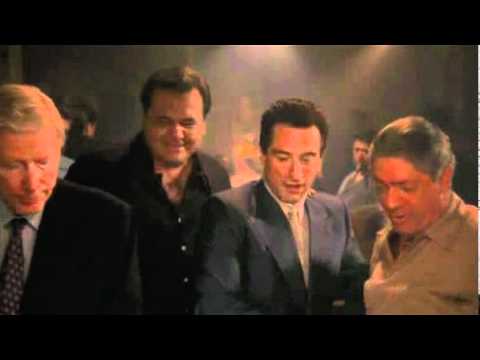
doorman في 30 ثانية
- A doorman is a uniformed professional who manages the entrance of luxury buildings, providing a mix of hospitality, security, and logistical assistance to guests.
- Commonly found in high-end hotels and apartment complexes, doormen are responsible for greeting visitors, opening doors, and hailing taxis for residents and guests.
- The role of a doorman is a symbol of prestige and service, often requiring excellent interpersonal skills and a vigilant eye for building security.
- In urban environments, doormen also handle deliveries and packages, making them an essential part of the daily operations of serviced residential properties.
The term doorman refers to a professional individual whose primary responsibility is to manage the entrance of a building. This role is most commonly associated with luxury residential apartment complexes, high-end hotels, and exclusive private clubs. A doorman acts as the first point of contact for residents, guests, and visitors, serving as both a welcoming presence and a functional gatekeeper. Historically, the position of a doorman was a symbol of status and prestige for a building. In the late 19th and early 20th centuries, having a uniformed doorman signified that the establishment was of a certain caliber, offering a level of service and security that set it apart from standard housing. Today, while the role has evolved, the core essence remains the same: providing assistance, ensuring safety, and maintaining the decorum of the building's threshold.
- The Hospitality Aspect
- In a hotel setting, the doorman is the face of the brand. They are the first person a traveler meets after a long journey and the last person they see upon departure. Their hospitality duties include opening car doors, assisting with the unloading of luggage, and offering a warm, professional greeting that sets the tone for the guest's entire stay. They must possess excellent interpersonal skills and a deep knowledge of the local area to provide directions or recommendations.
The doorman tipped his gold-braided cap as the guests arrived at the gala.
Beyond hospitality, the doorman plays a crucial role in security and logistics. In residential buildings, they monitor who enters and exits, preventing unauthorized access and ensuring the safety of the inhabitants. They often handle deliveries, accepting packages on behalf of residents and notifying them of their arrival. This logistical support is invaluable in busy urban environments where residents may not be home during the day to receive important shipments. The doorman also manages the curb, hailing taxis for residents and ensuring that the entrance remains clear of traffic and debris. This multifaceted role requires a person who is observant, reliable, and capable of multitasking under pressure, especially during peak hours when many people are coming and going simultaneously.
- The Uniform and Presence
- A doorman is typically recognized by a distinctive uniform, which often includes a tailored coat, sometimes with epaulettes or brass buttons, and a peaked cap. This attire is designed to be easily identifiable and to convey a sense of authority and service. The presence of a uniformed doorman can deter potential intruders and provide a sense of comfort to those living or staying in the building.
Living in a building with a doorman provides an extra layer of peace of mind for the residents.
In literature and film, the doorman is often portrayed as a wise or observant character who knows the secrets of the building's inhabitants. Because they see everyone who passes through the doors, they are in a unique position to witness the daily lives, habits, and even the scandals of the people they serve. This has made the doorman a popular archetype in storytelling, representing the bridge between the public street and the private world inside. Whether in a classic novel set in 1920s New York or a modern-day sitcom, the doorman remains a staple of urban life, symbolizing a blend of service, security, and social observation that is rare in other professions.
The doorman at the nightclub checked the guest list carefully before allowing anyone inside.
- Evolution of the Role
- While the traditional image of a doorman involves a grand hotel entrance, the role has expanded. In some contexts, 'doorman' might refer to a security professional at a bar or club, though 'bouncer' is a more common term for that specific environment. However, in high-end nightlife, the term 'doorman' is often preferred to emphasize a more sophisticated level of entry management and customer service compared to a standard security guard.
We asked the doorman for the best route to the theater district.
The doorman has worked at this apartment building for over thirty years.
Using the word doorman correctly involves understanding its grammatical role as a countable noun and its specific social context. Because it refers to a person, it follows standard rules for human nouns. You can use it in the singular form ('the doorman') or the plural form ('the doormen'). It is important to note the spelling change in the plural, where 'man' becomes 'men'. When referring to the profession in a general sense, you might say, 'The role of a doorman is demanding.' When referring to a specific individual, you would use the definite article: 'The doorman at my building is very helpful.'
- Subject and Object Usage
- As a subject: 'The doorman opened the heavy glass doors for the elderly woman.' Here, the doorman is the performer of the action. As an object: 'I gave the doorman a small tip for helping me with my groceries.' In this case, the doorman is the recipient of the action. It can also be used in possessive forms: 'The doorman's uniform was impeccably pressed,' or 'The doormen's lounge is located in the basement.'
If you lose your keys, the doorman can usually let you into the lobby.
In terms of verb collocations, a doorman typically 'greets' guests, 'assists' with luggage, 'hails' taxis, 'monitors' the entrance, and 'manages' deliveries. When writing about a doorman, these verbs help to paint a vivid picture of their daily activities. For example: 'Every morning, the doorman greets the residents with a cheerful smile as they head to work.' This sentence uses the present simple to describe a habitual action, which is a common way to discuss the duties of a profession.
- Descriptive Adjectives
- Common adjectives used to describe a doorman include 'uniformed', 'attentive', 'courteous', 'stoic', 'vigilant', and 'friendly'. These words help to define the character and quality of the service being provided. For instance, 'The vigilant doorman noticed the suspicious package immediately,' emphasizes the security aspect of the job, while 'The courteous doorman held the umbrella for the guests,' emphasizes the service aspect.
The doorman at the luxury hotel was famous for remembering every guest's name.
When using the word in a more formal or professional context, such as a job description or a real estate listing, the phrasing might be more structured. A real estate ad might boast, 'This 24-hour doorman building offers unparalleled security and convenience.' In this case, 'doorman' acts as a modifier for 'building', describing a specific feature of the property. In a professional setting, you might discuss 'doorman services' or 'the doorman staff'.
The doorman coordinated with the valet to have the car ready by 8:00 AM.
- Using 'Doorman' in Dialogue
- In conversation, you might use the word to identify someone or to ask for help. 'Excuse me, is there a doorman who can help with these bags?' or 'I'll leave the package with the doorman.' It is a functional word that clearly identifies a specific role, making communication efficient in service-oriented environments.
'Ask the doorman if any mail arrived for me,' she told her assistant.
The doorman stood at attention as the limousine pulled up to the curb.
The word doorman is a staple of urban vocabulary, particularly in major metropolitan areas like New York City, London, Paris, and Hong Kong. In these cities, the 'doorman building' is a recognized category of real estate, and the word is frequently heard in conversations about housing, safety, and lifestyle. If you are looking for an apartment in Manhattan, a real estate agent will almost certainly ask if you require a doorman. This context emphasizes the word as a marker of luxury and security.
- In the Travel and Tourism Industry
- Travelers encounter the word 'doorman' constantly in the context of high-end hotels. Travel guides, review websites like TripAdvisor, and hotel brochures use the term to highlight the level of service provided. You might hear a concierge say, 'Our doorman will be happy to assist you with your luggage,' or read a review that praises the 'friendly and professional doormen' at a particular resort. In this setting, the word is synonymous with a high-quality guest experience.
The travel vlog highlighted the doorman's role in making the hotel feel welcoming.
In the world of nightlife and entertainment, 'doorman' takes on a slightly different but equally common meaning. At exclusive nightclubs or bars, the doorman is the person who manages the 'velvet rope'. They decide who is allowed to enter based on dress code, guest lists, or overall vibe. In this context, the word is often heard in phrases like, 'The doorman wouldn't let us in,' or 'We need to talk to the doorman to get on the list.' Here, the doorman is a figure of social power and exclusivity.
- In Literature and Media
- The doorman is a frequent character in movies and television shows set in big cities. From the classic sitcom 'Seinfeld', where a doorman becomes a central figure in an episode's plot, to movies like 'The Great Gatsby' that depict the opulence of the Jazz Age, the word is used to ground the story in a specific social reality. Hearing the word in these contexts often evokes a sense of old-world charm or modern urban sophistication.
In the movie, the doorman was the only one who knew where the mysterious tenant went every night.
Finally, you will hear the word in professional and labor discussions. Doormen in many cities are unionized, and the word appears in news reports regarding labor contracts, strikes, or holiday tipping seasons. In New York, for example, 'The Doorman's Strike' is a significant event that impacts the daily lives of thousands of residents. During the December holidays, residents often discuss 'tipping the doorman', making the word a central part of the seasonal social etiquette in many urban communities.
The local news reported on the new contract negotiations for the city's doormen.
- Everyday Interactions
- In daily life, you might hear: 'I'll leave the keys with the doorman,' 'The doorman said the elevator is broken,' or 'Can you ask the doorman to call a cab?' These common phrases illustrate how integrated the doorman is into the functional routine of those who live or work in serviced buildings.
'The doorman has a spare key if you ever get locked out,' my roommate reminded me.
The doorman's presence made the building feel much more secure at night.
While the word doorman seems straightforward, there are several common mistakes that learners and even native speakers make regarding its usage, gender neutrality, and distinction from similar roles. Understanding these nuances is key to using the word accurately and respectfully in various social and professional settings.
- Confusing the Doorman with Other Roles
- A frequent mistake is using 'doorman' interchangeably with 'concierge', 'porter', or 'security guard'. While their duties may overlap, they are distinct roles. A concierge primarily handles guest services like making reservations or booking tours. A porter (or bellhop) is specifically responsible for carrying luggage to and from rooms. A security guard's primary focus is safety and surveillance, often without the hospitality elements. Calling a concierge a 'doorman' might be seen as a slight, as the concierge role often requires more administrative and specialized knowledge.
It is a common mistake to call the concierge a doorman; their responsibilities are quite different.
Another common error is related to gender. Historically, the role was almost exclusively held by men, hence the term 'doorman'. However, in modern times, many women and non-binary individuals hold these positions. Using 'doorman' to refer to a woman can be incorrect or insensitive. In these cases, 'doorperson' or 'door attendant' is the more appropriate and inclusive term. When in doubt, 'door attendant' is a safe and professional choice that covers all genders.
- Pluralization and Spelling
- Grammatically, the most common mistake is incorrect pluralization. Because it is a compound word ending in '-man', the plural must be '-men'. Writing 'doormans' is a frequent error for English learners. Additionally, some people forget the 'r' and write 'doman', which is incorrect. Always ensure the 'door' and 'man' components are clearly spelled out.
The doormen (not doormans) at the hotel all wear matching blue uniforms.
Contextual misuse is also a factor. Using 'doorman' for a person who simply checks IDs at a casual bar might be technically correct but can sound overly formal. In casual settings, 'the guy at the door' or 'the bouncer' (if they are security-focused) is more common. Conversely, calling a professional doorman at a five-star hotel a 'bouncer' would be highly inappropriate and disrespectful to their professional status and service-oriented role.
Don't call the hotel doorman a bouncer; it's considered quite rude.
- Tipping Etiquette Mistakes
- While not a linguistic mistake, a common social mistake is failing to understand when to tip a doorman. In many cultures, a doorman expects a tip for specific services like hailing a cab or carrying bags, but not necessarily for just opening the door. However, in residential buildings, a large holiday tip is often expected. Misunderstanding these social cues can lead to awkward interactions.
He made the mistake of not tipping the doorman after he helped with six heavy suitcases.
The doorman is not a servant; they are a service professional and should be treated with respect.
To truly master the word doorman, it is helpful to compare it with similar terms that describe people working at entrances or in service roles. Each of these words has a specific nuance that distinguishes it from a doorman, and using the right one will make your English sound more precise and natural.
- Doorman vs. Concierge
- The doorman is stationed at the door and handles the physical transition into the building. The concierge is usually stationed at a desk inside the lobby. While the doorman helps with taxis and doors, the concierge helps with information, bookings, and special requests. Think of the doorman as the 'gatekeeper' and the concierge as the 'assistant'.
The doorman opened the door, and then the concierge checked us into our room.
Another related term is 'porter' or 'bellhop'. In a hotel, a porter's primary job is to move luggage. While a doorman might help a guest out of a car and take their bags onto the sidewalk, the porter is the one who takes those bags up to the room. In some smaller buildings, one person might perform both roles, but in luxury establishments, they are strictly separate positions. 'Bellhop' is a slightly more old-fashioned or American term for a porter.
- Doorman vs. Bouncer
- In the context of bars and clubs, you might hear both terms. A 'bouncer' is primarily there for security and to remove unruly patrons. A 'doorman' at a high-end club might do similar things but is also responsible for the 'door policy'—deciding who gets in based on style and status. 'Doorman' sounds more sophisticated, while 'bouncer' sounds more aggressive.
The doorman at the exclusive lounge was much more polite than the bouncer at the dive bar.
For a more gender-neutral or modern alternative, 'door attendant' or 'gatekeeper' can be used. 'Door attendant' is the professional standard in many modern HR departments. 'Gatekeeper' is more metaphorical and can refer to anyone who controls access to something, not just a physical door. In a very formal or historical context, you might encounter the word 'seneschal' or 'usher', though these are rarely used in modern daily English to describe a doorman's role.
The building's door attendant is responsible for receiving all incoming packages.
- Summary of Alternatives
- 1. Door Attendant (Neutral/Professional) 2. Bouncer (Security/Clubs) 3. Porter (Luggage focused) 4. Concierge (Service/Information focused) 5. Security Guard (Safety focused) 6. Valet (Car focused).
The doorman signaled the valet to bring the guest's car around.
The doorman is an essential part of the luxury living experience.
How Formal Is It?
حقيقة ممتعة
The historical ancestor of the doorman is the 'ostiarius', a Latin term for a doorkeeper in ancient Rome and later in the Christian church.
دليل النطق
- Pronouncing 'man' too clearly like the word 'man' (it should be more like 'muhn').
- Dropping the 'r' in American English.
- Confusing the spelling with 'doman'.
مستوى الصعوبة
The word is a simple compound, making it easy to recognize in text.
Learners must remember the irregular plural 'doormen'.
Pronunciation is straightforward with clear syllables.
Easily distinguishable in conversation due to its distinct sounds.
ماذا تتعلّم بعد ذلك
المتطلبات الأساسية
تعلّم لاحقاً
متقدم
قواعد يجب معرفتها
Irregular Plurals (-man to -men)
One doorman, two doormen.
Compound Nouns
Doorman is formed by 'door' + 'man'.
Possessive Nouns
The doorman's hat was gold.
Articles with Professions
He is a doorman. The doorman is here.
Adjectives before Nouns
The polite doorman helped us.
أمثلة حسب المستوى
The doorman is at the hotel.
Le portier est à l'hôtel.
Simple subject-verb-prepositional phrase.
He is a friendly doorman.
C'est un portier sympathique.
Adjective 'friendly' modifying the noun 'doorman'.
The doorman has a hat.
Le portier a un chapeau.
Simple possession with 'has'.
Look at the doorman.
Regardez le portier.
Imperative sentence.
The doorman opens the door.
Le portier ouvre la porte.
Present simple tense.
Is he a doorman?
Est-il portier ?
Simple question form.
The doorman is tall.
Le portier est grand.
Subject-linking verb-adjective.
Thank you, doorman!
Merci, monsieur le portier !
Direct address.
The doorman helped me with my bags.
Le portier m'a aidé avec mes sacs.
Past simple tense.
The doorman called a taxi for us.
Le portier a appelé un taxi pour nous.
Past simple with a direct object.
You should tip the doorman.
Vous devriez donner un pourboire au portier.
Modal verb 'should' for advice.
The doorman wears a blue uniform.
Le portier porte un uniforme bleu.
Present simple for a general fact.
The doorman stands outside all day.
Le portier reste dehors toute la journée.
Adverbial phrase 'all day'.
Where is the doorman?
Où est le portier ?
Wh- question.
The doorman is very polite.
Le portier est très poli.
Adverb 'very' modifying 'polite'.
I saw the doorman at the entrance.
J'ai vu le portier à l'entrée.
Past simple with a location.
The doorman manages all the deliveries for the building.
Le concierge gère toutes les livraisons de l'immeuble.
Present simple for a professional duty.
If you need a cab, the doorman will hail one for you.
Si vous avez besoin d'un taxi, le portier en appellera un pour vous.
First conditional sentence.
The doorman recognized me even though I hadn't been there in years.
Le portier m'a reconnu même si je n'y étais pas allé depuis des années.
Past simple and past perfect.
A 24-hour doorman provides extra security for the residents.
Un portier présent 24h/24 offre une sécurité supplémentaire aux résidents.
Compound adjective '24-hour'.
The doorman's job is more difficult during the winter months.
Le travail du portier est plus difficile pendant les mois d'hiver.
Possessive noun 'doorman's'.
We left our spare keys with the doorman.
Nous avons laissé nos doubles de clés au portier.
Past simple with a plural object.
The doorman greeted every resident by name.
Le portier saluait chaque résident par son nom.
Past simple with 'every'.
Is there a doorman on duty right now?
Y a-t-il un portier de service en ce moment ?
Question with 'there is' and 'on duty'.
The doorman at the exclusive club was very selective about who he let in.
Le portier du club exclusif était très sélectif sur les personnes qu'il laissait entrer.
Relative clause 'who he let in'.
Despite the rain, the doorman remained stoic at his post.
Malgré la pluie, le portier restait stoïque à son poste.
Concession with 'despite'.
The building's reputation was enhanced by its professional doormen.
La réputation de l'immeuble était renforcée par ses portiers professionnels.
Passive voice.
He worked as a doorman while putting himself through college.
Il travaillait comme portier tout en finançant ses études universitaires.
Participle phrase 'while putting'.
The doorman signaled the valet to bring the car around.
Le portier a fait signe au valet d'amener la voiture.
Infinitive of purpose.
Residents often give the doorman a generous bonus at Christmas.
Les résidents donnent souvent au portier une prime généreuse à Noël.
Adverb of frequency 'often'.
The doorman's vigilance prevented a potential break-in.
La vigilance du portier a empêché une éventuelle effraction.
Possessive noun as a subject.
Being a doorman requires a great deal of patience and tact.
Être portier demande beaucoup de patience et de tact.
Gerund as a subject.
The doorman acted as a silent witness to the building's many scandals.
Le portier a agi comme un témoin silencieux des nombreux scandales de l'immeuble.
Metaphorical usage.
In many luxury buildings, the doorman is the linchpin of the community.
Dans de nombreux immeubles de luxe, le portier est le pivot de la communauté.
Advanced vocabulary 'linchpin'.
The doorman's uniform, though archaic, still commanded respect.
L'uniforme du portier, bien qu'archaïque, imposait toujours le respect.
Parenthetical phrase 'though archaic'.
He was the quintessential doorman: discreet, helpful, and impeccably dressed.
Il était le portier par excellence : discret, serviable et impeccablement vêtu.
Adjective 'quintessential'.
The doorman's role has transitioned from simple gatekeeping to complex logistics management.
Le rôle du portier est passé d'une simple surveillance de l'entrée à une gestion logistique complexe.
Present perfect with 'from... to...'.
One must not underestimate the social intelligence required of a top-tier doorman.
Il ne faut pas sous-estimer l'intelligence sociale requise d'un portier de haut niveau.
Formal 'one' and 'must not'.
The doorman's nod was the only confirmation needed that the guest was welcome.
Le hochement de tête du portier était la seule confirmation nécessaire que l'invité était le bienvenu.
Noun phrase as a subject.
The strike by the city's doormen brought the luxury real estate market to a standstill.
La grève des portiers de la ville a paralysé le marché de l'immobilier de luxe.
Complex sentence structure.
The doorman's presence served as a psychological bulwark against the chaos of the city.
La présence du portier servait de rempart psychologique contre le chaos de la ville.
Sophisticated vocabulary 'bulwark'.
The nuances of the doorman's etiquette are often lost on the uninitiated.
Les nuances de l'étiquette du portier échappent souvent aux non-initiés.
Passive construction 'are lost on'.
He navigated the delicate hierarchy of the hotel staff, from the lowly porter to the senior doorman.
Il a navigué dans la hiérarchie délicate du personnel de l'hôtel, du simple porteur au portier principal.
Prepositional phrase 'from... to...'.
The doorman's memoirs provided a scathing critique of the upper class.
Les mémoires du portier ont fourni une critique cinglante de la classe supérieure.
Abstract noun 'critique'.
The role of the doorman is an anachronism that persists in the modern metropolis.
Le rôle du portier est un anachronisme qui persiste dans la métropole moderne.
Advanced vocabulary 'anachronism'.
The doorman's authority was absolute within the confines of the lobby.
L'autorité du portier était absolue dans les limites du hall.
Absolute adjective 'absolute'.
The doorman's stoicism was a mask for a deeply observant and cynical nature.
Le stoïcisme du portier était un masque pour une nature profondément observatrice et cynique.
Complex character description.
The socioeconomic divide was never more apparent than at the threshold guarded by the doorman.
La fracture socio-économique n'a jamais été aussi apparente qu'au seuil gardé par le portier.
Comparative 'never more... than'.
تلازمات شائعة
العبارات الشائعة
— A common suggestion when someone needs help with local information or building services.
If you're not sure where the gym is, just ask the doorman.
— Instructions for a delivery person or a friend to drop off an item at the entrance.
I won't be home, so please leave the package with the doorman.
— Implies that the doorman is well-informed about the building's residents and happenings.
Who lives in 4B? I'm not sure, but the doorman will know.
— A way to resolve an issue regarding entry or building access.
If your guest doesn't have a key, they need to talk to the doorman.
— A specific type of high-end residential property that employs doormen.
Living in a doorman building makes me feel much safer.
— Refers to the customary gratuity given for services rendered.
We need to calculate the doorman's tip for the holiday season.
— Using the building's intercom system to speak with the staff at the entrance.
Can you call the doorman and see if my food delivery has arrived?
— Describes the experience of arriving at a serviced building.
We were greeted by the doorman as soon as our car stopped.
— Refers to the specific professional attire worn by the staff.
The doorman's uniform was bright red with gold buttons.
— Refers to the specific hours a doorman is working.
The morning doorman's shift ends at 3:00 PM.
يُخلط عادةً مع
A concierge handles guest services and bookings, while a doorman handles the entrance.
A porter's main job is carrying luggage, though doormen often help with this too.
A security guard focuses only on safety, while a doorman also provides hospitality.
تعبيرات اصطلاحية
— To be present at the entrance, often used in relation to a doorman's duty.
The doorman is always at the door, ready to help.
neutral— Literally what a doorman does, but idiomatically means to create opportunities.
A good doorman opens doors for guests, just as a good education opens doors for students.
metaphorical— To stay vigilant and observe, a key part of a doorman's security role.
The doorman keeps watch over the lobby all night.
neutral— The person who represents the establishment to the public.
As the doorman, you are the face of the building.
professional— To ask someone to leave, sometimes a task for a doorman or bouncer.
The doorman had to show the unruly guest the door.
idiomatic— Happening right in front of someone without them noticing (though doormen are usually observant).
The thief managed to slip out right under the doorman's nose.
idiomatic— A grand way to describe doormen in a major metropolis.
The doormen of New York are the true gatekeepers of the city.
literary— A phrase often used by doormen to indicate their readiness to help.
'At your service,' said the doorman as he took the bags.
formal— A gesture of respect often performed by doormen.
With a tip of the hat, the doorman welcomed the lady.
traditionalسهل الخلط
Both work at doors.
A bouncer is for security and crowd control at bars; a doorman is for service at hotels or apartments.
The bouncer checked my ID, but the hotel doorman just smiled and said hello.
Both work at the front of a building.
A valet specifically parks cars; a doorman manages the entrance and guests.
The doorman opened my car door, and then the valet drove it to the garage.
Both help hotel guests.
A bellhop works inside the hotel carrying bags to rooms; a doorman stays at the front door.
The doorman handed my bags to the bellhop in the lobby.
Both greet people.
A receptionist sits at a desk inside; a doorman stands at the door outside or in the entryway.
The doorman let me in, and the receptionist gave me my room key.
Both work in building maintenance/service.
A janitor cleans and repairs; a doorman manages the entrance and visitors.
The doorman told me the janitor was fixing the leak in the hallway.
أنماط الجُمل
The doorman is [Adjective].
The doorman is nice.
The doorman [Verb-ed] the [Noun].
The doorman opened the door.
If you need [Noun], the doorman will [Verb].
If you need a taxi, the doorman will help.
The doorman is responsible for [Gerund].
The doorman is responsible for greeting guests.
Despite [Noun], the doorman [Verb-ed].
Despite the cold, the doorman stood outside.
The doorman's [Noun] was a [Noun] for [Noun].
The doorman's silence was a mask for his curiosity.
I left my [Noun] with the doorman.
I left my keys with the doorman.
The doorman wears a [Adjective] [Noun].
The doorman wears a blue hat.
عائلة الكلمة
الأسماء
الصفات
مرتبط
كيفية الاستخدام
Common in urban and hospitality contexts.
-
Using 'doormans' as the plural.
→
Using 'doormen'.
Like 'man', the plural of 'doorman' is irregular and becomes 'doormen'. This is a very common error for English learners.
-
Calling a concierge a 'doorman'.
→
Using the correct title for their role.
A concierge has a different, often more administrative role. Calling them a doorman can be seen as disrespectful or ignorant of their specific duties.
-
Assuming all doormen are men.
→
Using 'doorperson' or 'door attendant' for women.
The profession is no longer male-only. Using gender-specific language for someone of a different gender is inaccurate and can be offensive.
-
Spelling it as 'doman' or 'doormen' (singular).
→
Spelling it 'doorman'.
Learners sometimes forget the 'r' or confuse the singular and plural spellings. Always check that 'door' and 'man' are both present.
-
Calling a professional hotel doorman a 'bouncer'.
→
Using 'doorman'.
A 'bouncer' implies a more aggressive security role at a bar. Using it for a hospitality professional at a luxury hotel is inappropriate.
نصائح
Use 'Doormen' for Plural
Always remember that the plural of doorman is doormen. Avoid using 'doormans' as it is grammatically incorrect. This follows the same pattern as man/men.
Be Polite
A simple 'Good morning' or 'Thank you' goes a long way with a doorman. They are service professionals who appreciate being acknowledged and treated with respect by the people they serve.
Know the Alternatives
In formal writing, consider using 'door attendant' or 'entry professional'. In casual settings, 'the person at the door' is perfectly fine. Knowing these variations helps you adapt to different social situations.
Check Tipping Customs
Before traveling to a new country, check if tipping doormen is expected. In some places, it's a standard practice, while in others, it might not be common or could even be seen as unnecessary.
Compound Word Logic
Think of 'doorman' as a job title. Just like 'policeman' or 'fireman', it describes the person's location or function. This helps you remember the word's structure and meaning.
Identify the Uniform
If you are looking for a doorman at a hotel, look for the most formally dressed person near the entrance. They are usually easy to spot because of their distinctive hats and coats.
Trust the Doorman
In a doorman building, the doorman is there for your safety. If you see something suspicious, they are the first person you should notify. They are trained to handle such situations.
Package Management
If you live in a doorman building, use them as a resource for deliveries. You can often have packages held at the front desk, which is much safer than leaving them in a hallway.
Taxi Assistance
If you are in a busy city and can't find a taxi, go to the nearest luxury hotel. The doorman there can often hail one for you, even if you aren't staying at the hotel (though a small tip is expected).
The Holiday Bonus
If you live in a doorman building, remember the holiday bonus. It is a significant part of their income and a way to show appreciation for their help throughout the year.
احفظها
وسيلة تذكّر
Think of a 'Door' + 'Man'. He is the 'Man' who stands at the 'Door'.
ربط بصري
Visualize a man in a tall hat and a long coat with gold buttons standing next to a revolving glass door.
Word Web
تحدٍّ
Try to use the word 'doorman' in three different sentences today: one about a hotel, one about a taxi, and one about a uniform.
أصل الكلمة
The word 'doorman' is a compound of the English words 'door' and 'man'. It dates back to the late 19th century in its modern sense of a building attendant.
المعنى الأصلي: Literally, a man who is stationed at a door.
Germanic (English)السياق الثقافي
Be mindful of gender; use 'doorperson' if the individual is not a man. Always treat doormen with the same respect as any other professional.
In the US and UK, doormen are common in luxury urban areas. In the UK, they are often called 'commissionaires' in very formal settings.
تدرّب في الحياة الواقعية
سياقات واقعية
Luxury Hotels
- The doorman will take your bags.
- Please ask the doorman for a taxi.
- The doorman greeted us warmly.
- The hotel doorman wears a red coat.
Apartment Buildings
- Is there a doorman in this building?
- The doorman has my package.
- I'll leave the keys with the doorman.
- The doorman knows everyone here.
Nightclubs
- The doorman is checking IDs.
- We talked to the doorman to get in.
- The doorman at the club was rude.
- The doorman managed the velvet rope.
Real Estate
- It's a full-service doorman building.
- Does the rent include doorman service?
- A doorman adds to the property value.
- The doorman staff is excellent.
Travel Planning
- Check if the hotel has a doorman.
- The doorman can help with directions.
- Tipping the doorman is expected.
- The doorman made our arrival easy.
بدايات محادثة
"Does your apartment building have a doorman?"
"Have you ever had a very helpful doorman at a hotel?"
"Do you think doormen are necessary for security today?"
"How much should you tip a doorman for hailing a taxi?"
"What do you think is the hardest part of being a doorman?"
مواضيع للكتابة اليومية
Describe a time a doorman helped you in a new city.
Write a fictional story from the perspective of a doorman who sees everything.
Compare the roles of a doorman and a security guard.
Should all large buildings have a doorman? Why or why not?
Imagine you are a doorman at a famous hotel. What would your day be like?
الأسئلة الشائعة
10 أسئلةA doorman is primarily stationed at the entrance to open doors, hail taxis, and monitor security. A concierge is usually at a desk inside the lobby and assists with making reservations, providing information, and handling special guest requests. While their roles can overlap in smaller buildings, they are distinct professions in luxury establishments.
Historically, 'doorman' referred to men, but today people of all genders hold this position. To be more inclusive, you can use the terms 'doorperson' or 'door attendant'. In professional job listings, 'door attendant' is the most common gender-neutral term used today.
Tipping customs vary by country. In the United States, it is common to tip a doorman $1-$5 for specific services like hailing a taxi or helping with heavy luggage. In residential buildings, it is also customary to give a larger tip or bonus during the holiday season as a thank you for their year-round service.
Doormen typically wear a formal uniform that reflects the style of the building or hotel. This often includes a long coat (sometimes with gold buttons or epaulettes), a peaked cap, and polished shoes. The uniform is designed to make them easily identifiable to guests and to convey a sense of authority and professionalism.
Yes, many luxury buildings and hotels have 24-hour doorman service. The 'night doorman' is responsible for security during the late hours, ensuring that only residents or authorized guests enter the building while most people are sleeping.
In many residential buildings, doormen are happy to help residents with their groceries, either by holding the door open or by helping carry bags to the elevator. It is polite to thank them and, depending on the building's culture, offer a small tip for this extra assistance.
Not exactly. While both work at doors, a 'bouncer' is a term usually reserved for security personnel at bars and nightclubs whose main job is to manage crowds and remove unruly people. A 'doorman' at a hotel or apartment building focuses more on hospitality and service in addition to security.
Becoming a doorman usually requires a high school diploma and good interpersonal skills. Experience in customer service or security is often helpful. In some cities, doormen may need to join a labor union or obtain specific security certifications depending on the building's requirements.
A 'doorman building' is a real estate term for an apartment complex that employs a doorman. These buildings are often considered more desirable and expensive because they offer higher levels of security, convenience, and service compared to buildings without staff at the entrance.
The most important skills for a doorman include excellent communication, a friendly and professional demeanor, physical stamina (as they stand for long periods), and strong observational skills for security purposes. Being reliable and punctual is also critical for this role.
اختبر نفسك 200 أسئلة
Describe the typical uniform of a doorman in a luxury hotel.
Well written! Good try! Check the sample answer below.
Explain three main duties of a doorman.
Well written! Good try! Check the sample answer below.
Why is a doorman important for a luxury apartment building?
Well written! Good try! Check the sample answer below.
Write a short dialogue between a guest and a doorman.
Well written! Good try! Check the sample answer below.
Compare the role of a doorman with that of a security guard.
Well written! Good try! Check the sample answer below.
What are the qualities of a good doorman?
Well written! Good try! Check the sample answer below.
How has the role of the doorman changed in modern times?
Well written! Good try! Check the sample answer below.
Describe the relationship between a long-term resident and their doorman.
Well written! Good try! Check the sample answer below.
Write a job description for a new doorman at a 5-star hotel.
Well written! Good try! Check the sample answer below.
Why do you think doormen are more common in big cities than in small towns?
Well written! Good try! Check the sample answer below.
Discuss the ethics of tipping doormen.
Well written! Good try! Check the sample answer below.
Imagine a day in the life of a doorman and write a journal entry.
Well written! Good try! Check the sample answer below.
What does the presence of a doorman say about a building's status?
Well written! Good try! Check the sample answer below.
How can a doorman improve a guest's first impression of a hotel?
Well written! Good try! Check the sample answer below.
Explain the term 'doorman building' to someone who has never heard it.
Well written! Good try! Check the sample answer below.
What are some challenges a doorman might face during their shift?
Well written! Good try! Check the sample answer below.
Write a thank-you note to a doorman who went above and beyond.
Well written! Good try! Check the sample answer below.
Why is the doorman often a character in movies set in New York?
Well written! Good try! Check the sample answer below.
Discuss the importance of the doorman's uniform.
Well written! Good try! Check the sample answer below.
What would happen if all the doormen in a city went on strike?
Well written! Good try! Check the sample answer below.
Say: 'The doorman opened the door for me.'
Read this aloud:
قلت:
Speech recognition is not supported in your browser. Try Chrome or Edge.
Say: 'Can you ask the doorman for a taxi?'
Read this aloud:
قلت:
Speech recognition is not supported in your browser. Try Chrome or Edge.
Say: 'The doorman's uniform is very impressive.'
Read this aloud:
قلت:
Speech recognition is not supported in your browser. Try Chrome or Edge.
Say: 'I'll leave my keys with the doorman.'
Read this aloud:
قلت:
Speech recognition is not supported in your browser. Try Chrome or Edge.
Say: 'The doormen at this hotel are very helpful.'
Read this aloud:
قلت:
Speech recognition is not supported in your browser. Try Chrome or Edge.
Say: 'Good morning, doorman!'
Read this aloud:
قلت:
Speech recognition is not supported in your browser. Try Chrome or Edge.
Say: 'Thank you for your help, doorman.'
Read this aloud:
قلت:
Speech recognition is not supported in your browser. Try Chrome or Edge.
Say: 'Is there a doorman on duty tonight?'
Read this aloud:
قلت:
Speech recognition is not supported in your browser. Try Chrome or Edge.
Say: 'The doorman hailed a cab in the rain.'
Read this aloud:
قلت:
Speech recognition is not supported in your browser. Try Chrome or Edge.
Say: 'The doorman greeted us at the entrance.'
Read this aloud:
قلت:
Speech recognition is not supported in your browser. Try Chrome or Edge.
Say: 'The doorman is part of the security team.'
Read this aloud:
قلت:
Speech recognition is not supported in your browser. Try Chrome or Edge.
Say: 'The doorman tipped his hat to the lady.'
Read this aloud:
قلت:
Speech recognition is not supported in your browser. Try Chrome or Edge.
Say: 'The doorman knows everyone in the building.'
Read this aloud:
قلت:
Speech recognition is not supported in your browser. Try Chrome or Edge.
Say: 'The doorman's job is very important.'
Read this aloud:
قلت:
Speech recognition is not supported in your browser. Try Chrome or Edge.
Say: 'We tipped the doorman for his service.'
Read this aloud:
قلت:
Speech recognition is not supported in your browser. Try Chrome or Edge.
Say: 'The doorman opened the car door for us.'
Read this aloud:
قلت:
Speech recognition is not supported in your browser. Try Chrome or Edge.
Say: 'The doorman is standing under the awning.'
Read this aloud:
قلت:
Speech recognition is not supported in your browser. Try Chrome or Edge.
Say: 'The doorman checked our names on the list.'
Read this aloud:
قلت:
Speech recognition is not supported in your browser. Try Chrome or Edge.
Say: 'The doorman helped us with our heavy bags.'
Read this aloud:
قلت:
Speech recognition is not supported in your browser. Try Chrome or Edge.
Say: 'The doorman is always very polite.'
Read this aloud:
قلت:
Speech recognition is not supported in your browser. Try Chrome or Edge.
Listen and identify the word: 'The doorman is at the entrance.'
Listen and identify the word: 'Ask the doorman for help.'
Listen and identify the word: 'The doorman called a taxi.'
Listen and identify the word: 'The doorman wears a hat.'
Listen and identify the word: 'I saw the doorman today.'
Listen and identify the word: 'The doorman is very tall.'
Listen and identify the word: 'The doorman opened the door.'
Listen and identify the word: 'The doorman is friendly.'
Listen and identify the word: 'The doorman has a uniform.'
Listen and identify the word: 'The doorman is outside.'
Listen and identify the word: 'The doorman tipped his cap.'
Listen and identify the word: 'The doorman greeted the guest.'
Listen and identify the word: 'The doorman is on duty.'
Listen and identify the word: 'The doorman helped with bags.'
Listen and identify the word: 'The doorman is a professional.'
/ 200 correct
Perfect score!
Summary
A doorman is much more than just a person who opens doors; they are the face of a building's hospitality and the first line of its security. For example, a doorman at a luxury New York apartment might recognize every resident, manage their incoming mail, and ensure that only invited guests gain access to the lobby.
- A doorman is a uniformed professional who manages the entrance of luxury buildings, providing a mix of hospitality, security, and logistical assistance to guests.
- Commonly found in high-end hotels and apartment complexes, doormen are responsible for greeting visitors, opening doors, and hailing taxis for residents and guests.
- The role of a doorman is a symbol of prestige and service, often requiring excellent interpersonal skills and a vigilant eye for building security.
- In urban environments, doormen also handle deliveries and packages, making them an essential part of the daily operations of serviced residential properties.
Use 'Doormen' for Plural
Always remember that the plural of doorman is doormen. Avoid using 'doormans' as it is grammatically incorrect. This follows the same pattern as man/men.
Be Polite
A simple 'Good morning' or 'Thank you' goes a long way with a doorman. They are service professionals who appreciate being acknowledged and treated with respect by the people they serve.
Know the Alternatives
In formal writing, consider using 'door attendant' or 'entry professional'. In casual settings, 'the person at the door' is perfectly fine. Knowing these variations helps you adapt to different social situations.
Check Tipping Customs
Before traveling to a new country, check if tipping doormen is expected. In some places, it's a standard practice, while in others, it might not be common or could even be seen as unnecessary.