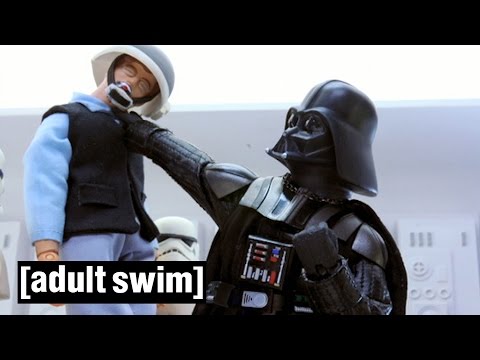
boop در ۳۰ ثانیه
- A gentle, playful tap on the nose of an animal or person.
- Used as both a noun and a verb in informal contexts.
- Highly popular in internet culture and pet-related social media.
- An onomatopoeic word that mimics the sound of a light touch.
- The Physical Action
- The gesture usually involves the index finger moving in a quick, light motion toward the tip of the nose. The contact is brief, often lasting less than a second, and involves minimal pressure. It is the tactile equivalent of a lighthearted wink.
The toddler giggled uncontrollably as her father reached out to boop her tiny nose with his pinky finger.
Every time the golden retriever rested its head on the sofa, its owner couldn't resist giving it a quick boop.
- Onomatopoeic Origins
- The word itself is onomatopoeic, meaning it sounds like the action it describes. The 'b' sound is a sudden start, the 'oo' is soft and playful, and the 'p' is a gentle stop, mimicking the quick contact and release of the finger.
She whispered 'boop' as she tapped the kitten's pink nose, making it sneeze softly.
I sent her a quick boop on Messenger just to see if she was still awake and feeling better.
- Cultural Nuance
- While primarily an English term, the concept of a playful nose-tap exists in many cultures, but the specific 'boop' branding is a hallmark of Western internet slang that has since spread globally due to the dominance of English-language social media.
The internet is full of compilations showing different animals reacting to a boop, from curious cats to confused cows.
- Verb Usage
- To boop something is to perform the action. Example: 'I'm going to boop that puppy's nose.' It can also be used in the past tense ('booped') and the present participle ('booping').
He booped the cat while it was sleeping, causing its ears to twitch in annoyance.
- Noun Usage
- The noun form emphasizes the event. Example: 'That was a very gentle boop.' It is often used with adjectives like 'tiny,' 'playful,' or 'accidental.'
The dog waited patiently for its morning boop before it would start eating its breakfast.
' Boop!' she exclaimed, tapping her boyfriend's nose to stop him from overthinking.
The streamer laughed as he booped the entire enemy team into the well on the Ilios map.
- The 'Boop the Snoot' Construction
- This is a specific idiomatic expression found online. It follows the [Verb] the [Noun] pattern common in internet slang (like 'pet the doggo').
The caption of the photo read: '10/10 would boop this snoot again.'
- Social Media Contexts
- In these spaces, 'boop' is often used in hashtags (#boop, #boopthesnoot) to categorize content. It is also a common comment left on cute animal photos, signifying that the viewer wishes they could reach through the screen and tap the animal's nose.
The video went viral after the zookeeper managed to boop a giant tortoise on its leathery nose.
'Don't be sad,' she said, giving him a little boop on the nose that made him crack a smile despite himself.
- Gaming and Tech
- In gaming, the 'boop' is often a tactical move. In tech circles, sometimes 'booping' two devices together refers to NFC (Near Field Communication) transfers, like when two phones touch to share a contact.
Just boop your phone against the payment terminal to complete the transaction.
- In Animation and Cartoons
- The sound effect 'boop' has been used in cartoons for decades to accompany light physical comedy. This historical usage likely paved the way for its modern popularity.
The cartoon character's nose made a loud boop sound every time it was pressed like a button.
- Register and Context
- Using 'boop' in a professional setting can undermine your credibility. It is a word reserved for friends, family, pets, and casual digital interactions.
Incorrect: 'The CEO gave the quarterly report a quick boop before the meeting.' (This makes no sense and sounds unprofessional.)
'That wasn't a boop,' he complained, rubbing his nose. 'You actually poked me quite hard!'
- Social Boundaries
- A major social mistake is booping a stranger or a stranger's pet without permission. Because a boop is an intimate gesture, performing it on someone you don't know can be seen as an invasion of personal space.
Never try to boop a service dog; they are working and should not be distracted by playful gestures.
- Overuse
- Like any slang or 'cute' word, 'boop' can become grating if overused. Using it in every sentence about a pet can make your writing or speech feel repetitive and overly sentimental.
The blog post was so full of ' boops' and 'doggoes' that it was difficult for some readers to take the advice seriously.
- Boop vs. Poke
- A 'poke' is generally more forceful and can be done anywhere on the body. It is often used to get attention or to annoy. A 'boop' is always gentle and almost always on the nose.
I booped the dog's nose to be sweet, but I poked my brother's arm to wake him up.
- Boop vs. Tap
- 'Tap' is a neutral term. You can tap a window, a table, or a person's shoulder. It doesn't carry the same 'cute' or affectionate connotation as 'boop.' A boop is a specific type of tap.
He gave the microphone a quick tap to see if it was on, then booped his daughter's nose before starting his speech.
- Boop vs. Nudge
- A 'nudge' is a gentle push, often with the elbow or the side of the body. It's used to move someone or to subtly draw their attention to something. A boop is a vertical contact, while a nudge is more horizontal.
The horse gave me a gentle nudge with its head, so I reached out and gave it a boop on its velvety nose.
- Boop vs. Pat
- A 'pat' uses the palm of the hand and is usually done on the head or back. It's a sign of approval or comfort. A boop is much smaller and more focused, using only a fingertip.
After giving the dog a boop, she gave him a reassuring pat on the head and went to work.
- Boop vs. Stroke/Pet
- Stroking or petting involves a long, continuous movement across the fur or skin. A boop is a single, discrete point of contact. You pet a dog for a long time, but you boop a dog in an instant.
She spent the evening petting her cat, occasionally interrupting the long strokes with a playful boop.
چقدر رسمی است؟
نکته جالب
The 'Boop the Snoot' meme became so popular that it has been used by professional photographers and zoos to describe their interactions with animals. There is even a 'Boop' button on some novelty websites that plays the sound when clicked.
راهنمای تلفظ
- Pronouncing it like 'book' (short 'u' sound).
- Adding an extra syllable like 'boo-pah'.
- Confusing it with 'beep' (long 'e' sound).
- Making the 'p' sound too heavy or aspirated.
- Dropping the 'b' sound entirely.
سطح دشواری
Easy to read, though slang contexts might require some cultural knowledge.
Simple spelling, but requires understanding of informal register.
Very easy to pronounce; onomatopoeic nature helps.
Distinct sound, usually easy to pick out in casual speech.
بعداً چه یاد بگیریم؟
پیشنیازها
بعداً یاد بگیرید
پیشرفته
گرامر لازم
Onomatopoeic Verbs
Words like 'boop', 'beep', and 'splash' can function as both nouns and verbs.
Transitive Verbs
In 'I booped the dog,' 'the dog' is the direct object.
Regular Verb Conjugation
Boop follows the standard -ed and -ing endings.
Informal Register
Slang terms like 'boop' are omitted from formal academic or professional writing.
Compound Adjectives
Using '-able' to create 'boopable' follows standard English suffix rules.
مثالها بر اساس سطح
I boop the dog's nose.
I touch the dog's nose gently.
Subject + Verb + Object.
Boop! The cat is happy.
A sound made when touching a cat.
Used as an interjection.
Give the baby a boop.
Give the baby a small touch on the nose.
Used as a noun.
Can I boop your nose?
Asking for permission to touch a nose.
Question form with 'can'.
He boops the kitten.
He touches the small cat.
Third person singular 's'.
It is a tiny boop.
It is a very small touch.
Adjective + Noun.
She likes to boop noses.
She enjoys touching noses.
Infinitive 'to boop'.
Don't boop the big dog.
Do not touch the big dog's nose.
Negative imperative.
I booped the puppy because it was so cute.
I touched the puppy's nose for affection.
Past tense 'booped'.
She gave the cat a little boop on its pink nose.
She touched the cat's nose gently.
Noun phrase 'a little boop'.
The dog's nose is very soft when you boop it.
The nose feels soft during the touch.
Adverbial clause with 'when'.
He is booping all the animals in the video.
He is touching many animals' noses.
Present continuous 'is booping'.
Wait, let me get a boop first!
Wait, I want to touch the nose first.
Imperative with 'let'.
A boop is better than a poke.
A gentle touch is better than a hard one.
Comparative structure.
The kitten sneezed after the boop.
The touch made the kitten sneeze.
Prepositional phrase 'after the boop'.
You should boop the snoot gently.
Touch the nose with care.
Modal verb 'should'.
I couldn't resist booping the dog's wet nose as it walked by.
I had to touch the dog's nose.
Gerund after 'couldn't resist'.
The internet is full of 'boop the snoot' challenges these days.
Many online videos show people touching noses.
Idiomatic phrase in quotes.
She whispered 'boop' every time she tapped the baby's nose.
She said the word while touching.
Reporting a spoken word.
If you boop a cat's nose, it might try to bite your finger.
Touching a cat's nose can have consequences.
First conditional.
The golden retriever seems to enjoy a gentle boop in the morning.
The dog likes the morning nose tap.
Infinitive phrase.
That was a perfectly timed boop for the video.
The touch happened at the right moment.
Adverb + Adjective + Noun.
He booped the doorbell playfully instead of ringing it properly.
He tapped the button like a nose.
Metaphorical usage.
The toddler gave himself a boop in the mirror.
The child touched his own nose in the reflection.
Reflexive pronoun 'himself'.
The streamer managed to boop the enemy off the ledge, winning the game.
The player used a knock-back move.
Gaming jargon usage.
While 'boop' sounds childish, it’s a staple of modern pet-related vocabulary.
The word is common despite its simple sound.
Concessive clause with 'while'.
I accidentally booped my phone against the terminal before I was ready.
I touched the phone to the reader too soon.
NFC technology context.
The dog’s reaction to the boop was caught in slow motion.
The nose tap was filmed slowly.
Passive voice 'was caught'.
You can't just go around booping people's noses without their consent.
Permission is needed for such a gesture.
Gerund as object of preposition.
The 'boop' is a physical manifestation of our obsession with cuteness.
The gesture shows how much we like cute things.
Abstract noun phrase.
He gave the cat a boop, which resulted in a very confused expression.
The touch made the cat look puzzled.
Relative clause with 'which'.
The word 'boop' has evolved from a sound effect into a versatile verb.
The word's role in language has changed.
Present perfect 'has evolved'.
The linguistic charm of 'boop' lies in its onomatopoeic simplicity.
The word is appealing because it sounds like the act.
Subject-verb agreement with abstract noun.
Her tendency to boop her friends' noses was seen as an endearing quirk.
Touching noses was a cute habit of hers.
Infinitive phrase as subject complement.
The 'boop' serves as a non-threatening way to engage with 'cute aggression.'
It's a safe way to react to something adorable.
Psychological terminology.
In the competitive gaming scene, a well-placed boop can change the tide of a match.
A knock-back move can be very effective.
Metaphorical 'tide of a match'.
The marketing campaign used 'boop' to create a sense of playful intimacy with customers.
The brand used the word to feel closer to people.
Infinitive of purpose.
The transition of 'boop' from cartoons to social media is a fascinating cultural shift.
The word's move between media is interesting.
Noun phrase with multiple modifiers.
Despite its informal roots, the term 'boop' is remarkably precise in its application.
The word is used very specifically.
Concessive phrase 'despite'.
He booped the sensor, and the door hissed open with a futuristic sound.
He tapped the sensor like a nose.
Coordinating conjunction 'and'.
The lexicalization of the 'boop' exemplifies the fluid boundaries of digital-era English.
How 'boop' became a word shows how English changes.
Academic register.
To boop is to engage in a ritualistic acknowledgment of an object's inherent cuteness.
Booping is a formal way of saying something is cute.
Philosophical tone.
The 'boop' phenomenon highlights the role of sound symbolism in semantic development.
The sound of the word helped create its meaning.
Linguistic terminology.
The character's signature move, a playful boop, belied a much more complex strategic utility.
The simple tap was actually very useful.
Verb 'belied' for contrast.
One might argue that the boop is the ultimate low-friction social interaction.
It's a very easy way to interact socially.
Hypothetical 'one might argue'.
The sheer ubiquity of the 'boop' on social media suggests a universal human response to facial symmetry.
Everyone booping things means something about humans.
Complex noun phrase as subject.
By booping the snoot, the user performs a digital-age benediction upon the animal.
Touching the nose is like a modern blessing.
Metaphorical 'benediction'.
The word 'boop' occupies a liminal space between auditory mimicry and physical gesture.
It's both a sound and a touch.
Adjective 'liminal'.
ترکیبهای رایج
عبارات رایج
— The sound made while performing the action. It adds to the playfulness.
Boop! Got your nose!
— The most common internet phrase for tapping an animal's nose. It is almost a ritual.
Look at that long nose; it's time to boop the snoot.
— A way of saying an animal is extremely cute. It uses a rating scale.
That puppy is a 10/10, would definitely boop.
— A hyperbolic way to describe a very famous or viral video of a boop.
When the cat booped the lion, it was the boop heard 'round the world.
— A playful variation of 'one step at a time,' usually regarding pet training.
We're making progress with the rescue dog, one boop at a time.
— A humorous way to say an animal is grumpy or shouldn't be touched.
The cat's ears are back; no boops allowed right now.
— Expressing that something is so cute it deserves endless nose taps.
This kitten deserves infinite boops.
— A playful superstition where one boops a nose for good fortune.
Give the dog a boop for luck before your exam.
— A text-based version of the gesture sent via message.
Sending a virtual boop your way!
— The perfect, most satisfying nose tap.
He finally achieved the ultimate boop on the sleeping tiger.
اغلب اشتباه گرفته میشود با
Beep is for electronic sounds; boop is for physical touches or playful sounds.
Poke is more forceful and can be anywhere; boop is gentle and usually on the nose.
Bump is a more significant collision; boop is a very light tap.
اصطلاحات و عبارات
— To perform a gentle tap on an animal's nose, often as a sign of affection.
I couldn't help but boop the snoot of the friendly dog.
informal/slang— To make a light, playful sound or to have a light collision.
The two bumper cars just went boop and bounced away.
informal— In gaming, to use a knock-back ability to push an opponent into a hazard.
I booped the sniper off the map with my sound wave.
slang (gaming)— To acknowledge someone or something in a playful, lighthearted way.
Just give the button a little boop to start the machine.
informal— Describing a nose or an animal that is so cute it invites a boop.
That is a very boop-able nose.
informal/slang— A humorous term for a boop that leads to a funny or dramatic overreaction from a pet.
The cat fell over like it had received the boop of death.
informal/humorous— The idea that everything can be solved or improved with a playful touch.
He tried to fix the computer using boop logic, but it didn't work.
informal/ironic— The act of booping pets to relieve stress.
I need some boop therapy after this long day at work.
informal— To be the recipient of a playful tap, often implying one is being cute.
The baby laughed after being booped by her brother.
informal— An event or situation where many boops are occurring.
The puppy party was a total boop-fest.
informalبهراحتی اشتباه گرفته میشود
Both are onomatopoeic and start with 'b'.
Beep is the sound of a horn or machine. Boop is the sound/action of a light nose tap. You beep a horn, you boop a nose.
The car horn went beep, but I gave the dog a boop.
Similar spelling and sound.
Bop usually means to hit lightly on the head or to dance. Boop is specifically a tap on the nose.
He bopped his head to the music after I gave him a boop.
Similar spelling.
Boob is a slang term for a breast or a foolish person. It is completely unrelated to the playful gesture of a boop.
Don't be a boob; just give the dog a boop.
Similar spelling.
Boot is a type of shoe or to start a computer. It involves much more force or a different context entirely.
I put on my boot before I booped the dog goodbye.
Rhyming and similar structure.
Poop refers to excrement. While both are common in pet contexts, they are very different things!
I had to clean up the poop after I gave the dog a boop.
الگوهای جملهسازی
I boop the [noun].
I boop the cat.
He [verb-ed] the [noun].
He booped the puppy.
I couldn't help but [verb] the [noun].
I couldn't help but boop the snoot.
The [noun] received a [adjective] boop.
The kitten received a gentle boop.
The act of [verb-ing] the [noun] is [adjective].
The act of booping the snoot is endearing.
The [noun] is a [adjective] manifestation of [noun].
The boop is a physical manifestation of affection.
Give [noun] a boop.
Give the dog a boop.
Can I [verb] your [noun]?
Can I boop your nose?
خانواده کلمه
اسمها
فعلها
صفتها
مرتبط
نحوه استفاده
Common in digital and domestic settings.
-
Using 'boop' in a business email.
→
Using 'touch' or 'contact' or avoiding the gesture entirely.
Boop is far too informal for professional environments and can make you look unprofessional.
-
Booping a stranger's nose.
→
Respecting personal space.
A boop is an intimate gesture. Touching a stranger's face is usually considered an invasion of privacy or even harassment.
-
Saying 'I booped to the dog.'
→
I booped the dog.
Boop is a transitive verb; it takes a direct object without a preposition.
-
Applying too much pressure during a boop.
→
Using a very light, quick tap.
If it's hard, it's a poke. A boop must be gentle to be considered a boop.
-
Confusing 'boop' with 'beep' in all contexts.
→
Using 'beep' for sounds and 'boop' for the nose tap.
While similar, they have distinct primary uses in modern English slang.
نکات
Keep it Casual
Only use 'boop' in informal settings. It's perfect for texts, social media, and chatting with friends, but avoid it in any professional or academic writing where it might seem immature.
Be Gentle
The essence of a boop is its lightness. Use only the tip of your finger and very little pressure. If you use too much force, it's no longer a boop—it's a poke, and it might not be appreciated!
Ask First
Before booping someone else's pet, always ask the owner. Some pets are protective of their faces or have sensitive noses. Respecting the animal's space is more important than the 'cute' moment.
Say the Word
To get the full effect of the 'boop,' say the word out loud as you do it. This makes the interaction more playful and clearly signals your affectionate intent to others.
Know the Context
If you're in a gaming community, 'boop' might mean knocking someone off a ledge. Don't be confused if you hear it in a high-stakes competitive match—it's not always about cute puppies!
Use Hashtags
If you're posting a photo of your pet's nose, use #boop or #boopthesnoot. This connects your post to a massive community of animal lovers who enjoy this specific type of content.
Verb vs. Noun
Remember that 'boop' is versatile. You can say 'I'm booping the dog' (verb) or 'I gave the dog a boop' (noun). Both are equally correct and common in casual English.
Global Slang
Even though it's English slang, 'boop' is understood by many non-native speakers who use social media. It's a great 'bridge' word for making friendly, casual connections online.
Watch for Reactions
If a dog licks your finger after a boop, it's usually a sign they enjoyed the interaction. If they sneeze or turn away, they might prefer a pat on the head instead.
Expressive Writing
In your journal or stories, use 'boop' to quickly establish a character's playful or affectionate nature. It's a 'show, don't tell' way to describe their personality.
حفظ کنید
روش یادسپاری
Think of a 'Balloon' that goes 'Pop'—but much softer. B-OO-P. The 'OO' is like the round nose you are touching.
تداعی تصویری
Imagine a giant, soft, pink button that says 'BOOP' on it. When you press it, it makes a tiny, cute sound.
شبکه واژگان
چالش
Try to find three different things in your house that you can 'boop' (like a stuffed animal, a doorbell, or a photo) and say the word out loud each time.
ریشه کلمه
The word 'boop' originated as an onomatopoeic sound effect in early 20th-century American animation. It was famously associated with the character Betty Boop, though her name was more of a rhythmic chant. The modern usage as a verb for tapping a nose emerged in the late 2000s within internet forums and image-sharing sites.
معنای اصلی: A nonsense syllable used in jazz singing (scatting) or a sound effect for a light impact.
English (Onomatopoeic)بافت فرهنگی
Be careful booping people you don't know well; it can be seen as an invasion of personal space. Never boop wild animals or service dogs.
Very common in the US, UK, Canada, and Australia, especially among pet owners and social media users.
تمرین در زندگی واقعی
موقعیتهای واقعی
Playing with a pet
- Who's a good boy? Boop!
- Can I boop your snoot?
- He loves getting boops.
- Stop booping the cat!
Social Media
- 10/10 would boop.
- Boop the snoot!
- The cutest boop ever.
- #boop #doggo
Gaming
- I booped him off!
- Watch out for the boop.
- Nice boop, man.
- He's trying to boop us.
With Children
- Boop! Got your nose!
- Give Mommy a boop.
- One boop for you.
- No more boops, time for bed.
Casual Romance
- Boop! You're cute.
- He gave me a boop.
- A playful boop on the nose.
- I'll boop you if you don't stop.
شروعکنندههای مکالمه
"Have you ever seen those 'boop the snoot' videos on Instagram?"
"Does your dog actually like it when you boop its nose?"
"I saw a video of someone booping a shark—would you ever do that?"
"What's the cutest animal you've ever given a boop to?"
"In the game I play, 'booping' is a real strategy. Do you know what that means?"
موضوعات نگارش
Describe the feeling of booping a very soft animal nose. Use sensory details.
Why do you think the 'boop' has become such a popular word on the internet?
Write about a time a small, playful gesture like a boop made you feel better.
If you could boop any animal in the world without being in danger, which would it be and why?
Do you think 'boop' should be considered a real word in the dictionary? Explain your view.
سوالات متداول
10 سوالYes, 'boop' is a real word in modern English, though it is considered informal slang. It has been added to many contemporary dictionaries due to its widespread use on the internet and in daily conversation. It functions as both a noun and a verb.
You can boop a person, but only if you are very close to them, such as a family member, a romantic partner, or a very close friend. Booping a stranger is generally considered rude or weird because it involves touching their face, which is a very personal area.
'Boop the snoot' is a popular internet meme. 'Snoot' is a cute way of saying 'snout' or 'nose.' The phrase became viral because it sounds funny and describes a very cute action that many pet owners already did.
In games like Overwatch, a 'boop' is a move that knocks an enemy away. It's called a boop because it's often a quick, light-looking ability that has a big effect, similar to the playful tap of a real-life boop.
While both are used, 'boop' is much more common for a nose tap. 'Beep' is often used if you are pretending the nose is a button that makes a sound. 'Boop' is the standard term for the affectionate gesture.
It depends on the animal. Many dogs don't mind a gentle boop, but some cats might find it annoying or threatening. Always watch the animal's body language. If they pull away, don't try to boop them again.
The past tense of boop is 'booped.' It follows the regular verb rule of adding '-ed' to the end of the word. For example: 'I booped the puppy yesterday.'
Yes, 'boop' is used in British English just as much as in American English. It is a global term thanks to the internet and social media platforms like TikTok and Instagram.
Yes, you can 'boop' a button, a doorbell, or even a computer key if you are doing it in a playful way. However, the nose remains the most common and primary target for a boop.
A 'boopable' nose is one that looks particularly cute, soft, or inviting to touch. It's a common adjective used by pet lovers to describe their animals' faces.
خودت رو بسنج 191 سوال
خوب نوشتید! تلاش خوبی بود! پاسخ نمونه را ببینید.
خوب نوشتید! تلاش خوبی بود! پاسخ نمونه را ببینید.
خوب نوشتید! تلاش خوبی بود! پاسخ نمونه را ببینید.
خوب نوشتید! تلاش خوبی بود! پاسخ نمونه را ببینید.
خوب نوشتید! تلاش خوبی بود! پاسخ نمونه را ببینید.
خوب نوشتید! تلاش خوبی بود! پاسخ نمونه را ببینید.
خوب نوشتید! تلاش خوبی بود! پاسخ نمونه را ببینید.
خوب نوشتید! تلاش خوبی بود! پاسخ نمونه را ببینید.
خوب نوشتید! تلاش خوبی بود! پاسخ نمونه را ببینید.
خوب نوشتید! تلاش خوبی بود! پاسخ نمونه را ببینید.
خوب نوشتید! تلاش خوبی بود! پاسخ نمونه را ببینید.
خوب نوشتید! تلاش خوبی بود! پاسخ نمونه را ببینید.
خوب نوشتید! تلاش خوبی بود! پاسخ نمونه را ببینید.
خوب نوشتید! تلاش خوبی بود! پاسخ نمونه را ببینید.
خوب نوشتید! تلاش خوبی بود! پاسخ نمونه را ببینید.
خوب نوشتید! تلاش خوبی بود! پاسخ نمونه را ببینید.
خوب نوشتید! تلاش خوبی بود! پاسخ نمونه را ببینید.
خوب نوشتید! تلاش خوبی بود! پاسخ نمونه را ببینید.
خوب نوشتید! تلاش خوبی بود! پاسخ نمونه را ببینید.
خوب نوشتید! تلاش خوبی بود! پاسخ نمونه را ببینید.
این را بلند بخوانید:
تو گفتی:
تشخیص گفتار در مرورگر شما پشتیبانی نمیشود. از کروم یا اج استفاده کنید.
این را بلند بخوانید:
تو گفتی:
تشخیص گفتار در مرورگر شما پشتیبانی نمیشود. از کروم یا اج استفاده کنید.
این را بلند بخوانید:
تو گفتی:
تشخیص گفتار در مرورگر شما پشتیبانی نمیشود. از کروم یا اج استفاده کنید.
این را بلند بخوانید:
تو گفتی:
تشخیص گفتار در مرورگر شما پشتیبانی نمیشود. از کروم یا اج استفاده کنید.
این را بلند بخوانید:
تو گفتی:
تشخیص گفتار در مرورگر شما پشتیبانی نمیشود. از کروم یا اج استفاده کنید.
این را بلند بخوانید:
تو گفتی:
تشخیص گفتار در مرورگر شما پشتیبانی نمیشود. از کروم یا اج استفاده کنید.
این را بلند بخوانید:
تو گفتی:
تشخیص گفتار در مرورگر شما پشتیبانی نمیشود. از کروم یا اج استفاده کنید.
این را بلند بخوانید:
تو گفتی:
تشخیص گفتار در مرورگر شما پشتیبانی نمیشود. از کروم یا اج استفاده کنید.
این را بلند بخوانید:
تو گفتی:
تشخیص گفتار در مرورگر شما پشتیبانی نمیشود. از کروم یا اج استفاده کنید.
این را بلند بخوانید:
تو گفتی:
تشخیص گفتار در مرورگر شما پشتیبانی نمیشود. از کروم یا اج استفاده کنید.
این را بلند بخوانید:
تو گفتی:
تشخیص گفتار در مرورگر شما پشتیبانی نمیشود. از کروم یا اج استفاده کنید.
این را بلند بخوانید:
تو گفتی:
تشخیص گفتار در مرورگر شما پشتیبانی نمیشود. از کروم یا اج استفاده کنید.
این را بلند بخوانید:
تو گفتی:
تشخیص گفتار در مرورگر شما پشتیبانی نمیشود. از کروم یا اج استفاده کنید.
این را بلند بخوانید:
تو گفتی:
تشخیص گفتار در مرورگر شما پشتیبانی نمیشود. از کروم یا اج استفاده کنید.
این را بلند بخوانید:
تو گفتی:
تشخیص گفتار در مرورگر شما پشتیبانی نمیشود. از کروم یا اج استفاده کنید.
این را بلند بخوانید:
تو گفتی:
تشخیص گفتار در مرورگر شما پشتیبانی نمیشود. از کروم یا اج استفاده کنید.
این را بلند بخوانید:
تو گفتی:
تشخیص گفتار در مرورگر شما پشتیبانی نمیشود. از کروم یا اج استفاده کنید.
این را بلند بخوانید:
تو گفتی:
تشخیص گفتار در مرورگر شما پشتیبانی نمیشود. از کروم یا اج استفاده کنید.
این را بلند بخوانید:
تو گفتی:
تشخیص گفتار در مرورگر شما پشتیبانی نمیشود. از کروم یا اج استفاده کنید.
این را بلند بخوانید:
تو گفتی:
تشخیص گفتار در مرورگر شما پشتیبانی نمیشود. از کروم یا اج استفاده کنید.
/ 191 درست
نمره کامل!
Summary
The 'boop' is a quintessential modern English slang term that combines physical affection with digital-age playfulness. It is most effectively used when describing a light, loving touch on a pet's nose, often accompanied by the spoken word 'Boop!' to enhance the 'cute' factor of the interaction.
- A gentle, playful tap on the nose of an animal or person.
- Used as both a noun and a verb in informal contexts.
- Highly popular in internet culture and pet-related social media.
- An onomatopoeic word that mimics the sound of a light touch.
Keep it Casual
Only use 'boop' in informal settings. It's perfect for texts, social media, and chatting with friends, but avoid it in any professional or academic writing where it might seem immature.
Be Gentle
The essence of a boop is its lightness. Use only the tip of your finger and very little pressure. If you use too much force, it's no longer a boop—it's a poke, and it might not be appreciated!
Ask First
Before booping someone else's pet, always ask the owner. Some pets are protective of their faces or have sensitive noses. Respecting the animal's space is more important than the 'cute' moment.
Say the Word
To get the full effect of the 'boop,' say the word out loud as you do it. This makes the interaction more playful and clearly signals your affectionate intent to others.