









colony در ۳۰ ثانیه
- A colony is a group of people or organisms living together in a specific location, often under the control of a distant power or as a biological community.
- Historically, it refers to territories established by empires for settlement or resource extraction, like the British colonies in America or Australia.
- In biology, it describes social groups of insects like ants and bees, or clusters of microorganisms like bacteria and coral polyps.
- The term can also describe specialized human communities, such as artist colonies, or hypothetical future settlements on other planets like Mars.
The word colony is a multifaceted noun that bridges the gap between human history and the natural world. At its core, it refers to a group of people or organisms living together in a specific, often new, location. In a political and historical sense, a colony is a territory that is under the control of a distant nation. This relationship is often characterized by the 'mother country' sending settlers to inhabit the land, exploit its resources, and establish administrative systems. For example, during the 17th and 18th centuries, many European powers established colonies across the Americas, Africa, and Asia. This usage carries significant historical weight, often associated with themes of exploration, trade, but also exploitation and the displacement of indigenous populations. When you hear historians talk about the 'Thirteen Colonies,' they are referring to the British territories that eventually became the United States. This political definition is essential for understanding global geopolitics and the legacy of imperialism.
- Political Usage
- Used to describe a territory governed by a foreign power. It implies a lack of full sovereignty for the local inhabitants and a dependency on the ruling nation for laws and protection.
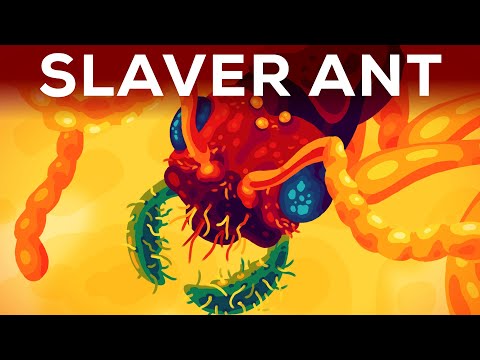
Beyond the realm of human politics, colony is a fundamental term in biology. It describes a community of animals, plants, or microorganisms of the same species living in close proximity and often interacting in a highly organized way. Think of an ant colony, where thousands of individual insects work together with specialized roles—queens, workers, and soldiers—to ensure the survival of the group. Similarly, bees live in colonies within hives, and coral reefs are actually massive colonies of tiny polyps. In a laboratory setting, scientists often speak of bacterial colonies, which are visible clusters of bacteria growing on a culture medium like agar. In these biological contexts, the word emphasizes the collective nature of the organisms and their interdependence. It is not just a random group; it is a structured society or cluster that functions as a single unit in many respects.
The scientists observed a massive colony of penguins huddling together to survive the harsh Antarctic winter.
The word is also used metaphorically or to describe specific types of human settlements that are not necessarily political territories. For instance, an 'artist colony' is a place where many artists live and work together to share ideas and resources. A 'penal colony' is a remote settlement used to exile prisoners and separate them from the general population. In modern science fiction, we often hear about 'space colonies' or 'Mars colonies,' referring to hypothetical human settlements on other planets. In all these cases, the underlying theme is a group of individuals moving to a new or distinct area to live as a community. Whether it is a group of settlers in the 1600s, a cluster of bacteria in a petri dish, or a group of painters in a seaside village, a colony represents a collective presence in a specific space.
- Biological Context
- Refers to a group of organisms of the same species that live together. This can range from microscopic bacteria to large mammals like seals or birds.
The ancient ruins were once a thriving Roman colony located on the shores of the Mediterranean.
In summary, 'colony' is a word that describes organized groups in new or specific environments. It is a key term in history for discussing the expansion of empires and a key term in science for discussing the social behavior of animals and the growth of microorganisms. Understanding its context is crucial, as the word can evoke images of both the natural wonders of a coral reef and the complex, often painful, history of human colonization. Its versatility makes it a powerful tool for describing how life—whether human, animal, or microscopic—establishes itself and thrives in groups.
The mold formed a fuzzy green colony on the old piece of bread left in the cupboard.
- Specialized Settlements
- Terms like 'summer colony' or 'leper colony' describe groups of people brought together by a specific purpose, condition, or season in a shared location.
The British established a colony in Australia, initially using it as a place to send convicts.
A healthy colony of honeybees can contain over fifty thousand individuals working in harmony.
Using the word colony correctly requires an understanding of whether you are discussing history, biology, or a specific type of community. In historical contexts, 'colony' often functions as the object of a verb like 'establish,' 'found,' or 'rule.' For instance, 'The French established a colony in Quebec in 1608.' Here, the word acts as a noun representing a geographical and political entity. It is common to see it paired with adjectives that describe the type of colony, such as 'penal colony,' 'crown colony,' or 'settler colony.' When writing about history, ensure that the relationship between the ruling power and the colony is clear. You might say, 'The colony struggled for independence from its distant rulers,' highlighting the political tension inherent in the term.
- Historical Sentence Patterns
- [Country] founded a colony in [Region]. / The colony of [Name] was known for its [Resource]. / Settlers arrived at the colony to start new lives.
In biological writing, 'colony' is used to describe the social structure or physical cluster of organisms. It is frequently preceded by the name of the organism, such as 'ant colony,' 'seabird colony,' or 'bacterial colony.' For example, 'The researchers monitored the growth of the bacterial colony on the petri dish.' In this case, 'colony' refers to the visible group of cells. When discussing social insects, you might say, 'The entire colony works together to protect the queen.' Note that in biology, 'colony' is a singular noun that takes a singular verb, even though it represents many individuals: 'The colony is expanding,' not 'The colony are expanding.' This is a common point of confusion for learners.
During the spring, the cliffs are home to a vast colony of puffins that return there to breed.
When referring to specialized human groups, the word 'colony' often follows a descriptive noun or adjective. Phrases like 'artist colony,' 'summer colony,' or 'retirement colony' are common. For example, 'She spent the summer at an artist colony in Vermont, surrounded by fellow painters.' In these instances, the word suggests a sense of shared purpose and community rather than political control. You can also use 'colony' to describe a group of people of one nationality living in a foreign city, such as 'the American colony in Paris.' This implies a cluster of expatriates who maintain their own culture while living abroad. This usage is slightly more formal and less common in everyday speech but is frequent in literature and travel writing.
- Biological Sentence Patterns
- A colony of [Organism] lives in [Habitat]. / The [Organism] colony showed signs of [Behavior]. / Scientists are studying the colony's [Characteristic].
The Dutch West India Company established a trading colony on Manhattan Island, which they called New Amsterdam.
Finally, in futuristic or speculative contexts, 'colony' is used to describe potential human habitats beyond Earth. 'The first lunar colony will require advanced life-support systems.' In this sentence, 'colony' functions similarly to its historical meaning—a new settlement in a distant place—but without the connotation of subjugating an existing population. It emphasizes the pioneering spirit and the technical challenge of establishing life in a new environment. When using the word this way, it is often paired with 'space,' 'Mars,' or 'moon.' Using 'colony' effectively involves matching these specific contexts to your intended meaning, ensuring that your audience understands whether you are discussing ants, empires, or astronauts.
The discovery of a new colony of rare orchids in the rainforest surprised the botanists.
- Community Sentence Patterns
- They moved to an artist colony to find inspiration. / The small colony of expats gathered every Sunday for dinner. / A retirement colony was built near the coast.
The ants in the colony communicate using chemical signals called pheromones.
The Portuguese colony of Macau was handed back to China in 1999.
The word colony is a staple in several distinct environments, and where you hear it largely depends on the topic of conversation. In an educational setting, particularly in history or social studies classes, you will hear it constantly. Teachers and professors use it to describe the era of European expansion. You might hear, 'The British Empire consisted of numerous colonies across the globe.' In this context, it is a technical term used to analyze power structures, economics, and the movement of people. It is also common in documentaries about the Age of Discovery or the American Revolution. If you are watching a film like The Last of the Mohicans or a series about early settlers, the word 'colony' will be central to the narrative, defining the setting and the political stakes.
- Classroom & History
- Used to discuss the 13 Colonies, the Scramble for Africa, or the Spanish colonization of South America. It is a foundational word for understanding world history.
In the world of science and nature, 'colony' is equally prevalent. If you watch nature documentaries narrated by David Attenborough, you will frequently hear him describe a 'colony of seals' on a beach or a 'colony of gannets' nesting on a cliffside. Biologists use the word in research papers and lectures to describe the social organization of insects or the growth of microbes. In a doctor's office or a medical lab, a technician might mention a 'bacterial colony' when discussing the results of a throat culture or a water quality test. In these cases, the word is used to describe a physical, observable group of living things. It is a neutral, descriptive term in science, devoid of the political baggage it carries in history.
'The colony has reached a critical size, and the bees are preparing to swarm,' the beekeeper explained.
Science fiction is another major arena for this word. Books, movies, and video games often revolve around the idea of a 'space colony.' In movies like Aliens or Interstellar, the survival of a human colony on a distant planet is a recurring theme. News reports about NASA or SpaceX often use the word when discussing long-term goals for Mars. 'Establishing a permanent colony on Mars is the next great frontier for humanity.' Here, the word evokes a sense of adventure, technology, and the future. It is often used interchangeably with 'settlement' or 'outpost,' but 'colony' sounds more permanent and established, suggesting a self-sustaining community rather than just a temporary base.
- Science & Nature
- Common in biology labs, nature documentaries, and environmental reports. It describes how species cluster and survive together.
The history textbook describes how the colony of Virginia was founded for economic gain.
Finally, you might encounter the word in more niche social contexts. Real estate advertisements might describe a 'luxury artist colony' or a 'private summer colony' to appeal to a specific demographic. In travel guides, you might read about the 'German colony' in a city like Buenos Aires, referring to a neighborhood with a strong ethnic identity. Even in the world of fragrance, 'cologne' is a related word (derived from the city of Cologne, which was originally a Roman colony). While you won't hear 'colony' in every casual conversation, it is a word that appears frequently in any discussion involving history, biology, space exploration, or specialized communities, making it an essential part of a well-rounded English vocabulary.
The sci-fi novel depicts a struggling colony on a moon of Jupiter, facing oxygen shortages.
- Sci-Fi & Future
- Used to describe human settlements on other planets or moons. It carries a sense of pioneering and high-stakes survival.
The lab results showed several colony forming units in the water sample, indicating contamination.
The penguin colony on the island has grown significantly over the last decade.
One of the most common mistakes learners make with the word colony is confusing it with other words for groups or places. In a biological context, students often use 'group' or 'family' when 'colony' is the more precise term. While a group of lions is a 'pride' and a group of wolves is a 'pack,' a group of ants or bees is specifically a 'colony.' Using 'colony' for animals that don't live in highly organized, permanent communities—like a 'colony of dogs'—would be incorrect. It implies a level of social structure and shared living space that isn't present in all animal groups. Similarly, in microbiology, a 'colony' is a specific cluster of cells originating from a single mother cell; calling a random mixture of bacteria a 'colony' would be technically inaccurate.
- Biological Precision
- Don't use 'colony' for every group of animals. It is specifically for those that live in organized, often permanent, communal structures like ants, bees, or coral.
In historical and political contexts, a frequent error is using 'colony' and 'country' interchangeably. While a colony is a geographical area, it is not a sovereign 'country' in the modern sense. A colony is a territory owned or controlled by another country. For example, saying 'India was a country of Britain' is less accurate than saying 'India was a colony of Britain.' The distinction is important because it highlights the power imbalance. Another mistake is confusing 'colonist' with 'colonial.' A 'colonist' is a person who lives in a colony (a noun), while 'colonial' is an adjective describing things related to a colony (e.g., 'colonial architecture' or 'colonial rule'). Mixing these up can make your writing sound awkward.
Incorrect: The colony of people in the park were having a picnic. (Use 'group' or 'crowd' instead).
Grammatically, the most common pitfall is subject-verb agreement. As mentioned before, 'colony' is a collective noun. In American English, it is almost always treated as singular: 'The colony is thriving.' In British English, collective nouns can sometimes take a plural verb if you are thinking of the individuals within the group, but 'is' remains the safer and more common choice globally. Another grammatical error is the plural form. Some learners forget to change the 'y' to 'ies,' writing 'colonys' instead of 'colonies.' This is a basic spelling rule, but it is easy to overlook in the heat of writing. Also, be careful with the preposition: we say a colony of ants, but a colony in America.
- Grammar & Spelling
- Always treat 'colony' as a singular noun for verb agreement. Ensure you use the correct plural spelling 'colonies'.
Incorrect: The British had many colonys in the 19th century. (Correct: colonies).
Finally, there is the issue of sensitivity. Using 'colony' to describe a neighborhood of immigrants in a modern city can sometimes sound dated or even slightly offensive, as it might imply they are 'settlers' rather than integrated citizens. In such cases, 'community,' 'neighborhood,' or 'enclave' are often better choices. Similarly, when discussing history, be aware that 'colonization' is a term with deep emotional and political significance. Using it too lightly when discussing the displacement of people can seem insensitive. Understanding these nuances—technical, grammatical, and social—will help you use the word 'colony' with precision and respect.
Incorrect: The colony of bacteria are growing fast. (Correct: The colony of bacteria is growing fast).
- Sensitivity & Context
- Be mindful of the historical weight of the word. In modern social contexts, 'community' is often a more appropriate and neutral term.
Incorrect: He lives in a colony of artists. (While technically okay, 'artist colony' is the standard compound noun).
Incorrect: The 13 colonies were independent countries. (They were territories under British rule).
The word colony has several synonyms, but each carries a slightly different nuance depending on the context. In a political sense, 'settlement' is a common alternative. While a colony is a broad political entity, a 'settlement' often refers to the specific town or village established by the newcomers. For example, 'The first English settlement in Virginia was Jamestown.' Another related term is 'territory.' A territory is a general term for an area of land under a specific jurisdiction, but it doesn't always imply the 'settler' aspect that 'colony' does. 'Dependency' or 'possession' are more formal, legalistic terms used to describe a territory that is controlled by another country but might have a different administrative status than a traditional colony.
- Political Alternatives
- Settlement: Focuses on the physical act of building homes.
Territory: A more neutral, administrative term.
Outpost: A small, often military or trading, settlement in a remote area.
In biology, the synonyms for 'colony' vary by the type of organism. For insects like bees or ants, 'swarm' or 'hive' can be used, though 'swarm' usually refers to a group in motion, while 'colony' refers to the established community. For birds or seals, 'rookery' is a specific term for a breeding colony. In microbiology, 'cluster' or 'culture' might be used. A 'culture' is the entire population of microorganisms grown in a lab, while a 'colony' is one specific group within that culture. Using the specific biological term (like 'rookery' for penguins) can make your writing sound more professional and knowledgeable.
The settlement eventually grew into a major port city, though it started as a small colony.
When discussing groups of people, 'community' is the most versatile and positive alternative. It lacks the political baggage of 'colony' and emphasizes the social bonds between people. 'Enclave' is a good word for a distinct cultural or ethnic group living within a larger community, such as 'a Chinese enclave in London.' 'Commune' refers to a group of people living together and sharing possessions, which is a more specific type of social organization than a general colony. If you are talking about a group of people living abroad, 'expatriate community' or 'expat circle' is more modern and common than 'foreign colony.'
- Biological Alternatives
- Rookery: Specifically for breeding colonies of birds or seals.
Hive: Specifically for bees.
Cluster: A general term for things growing or grouped closely together.
The scientists studied a cluster of cells that had formed a distinct colony on the slide.
In the context of space exploration, 'base' or 'outpost' are often used for early-stage missions, while 'colony' or 'settlement' implies a more permanent, self-sustaining presence. 'Habitat' is a more technical term for the physical structure where people live in space. Choosing between these words depends on how established you imagine the space community to be. A 'Mars base' sounds like a scientific mission, while a 'Mars colony' sounds like a new branch of civilization. By understanding these subtle differences, you can choose the word that perfectly fits the tone and precision of your message.
The artist community in the village is very supportive of new talent.
- Social Alternatives
- Community: A group of people with shared interests or living in the same area.
Enclave: A distinct group or territory within a larger one.
Expatriates: People living in a country other than their native one.
The military established a remote outpost to monitor the border.
The penguins return to the same rookery every year to raise their chicks.
چقدر رسمی است؟
نکته جالب
The city of Cologne in Germany gets its name from the Latin 'Colonia Agrippina', as it was once a Roman colony.
راهنمای تلفظ
- Pronouncing the 'o' like 'oh' (it should be 'ah' or 'o').
- Putting the stress on the second syllable.
- Confusing the sound with 'colon'.
سطح دشواری
The word is common in textbooks and news, making it easy to recognize.
Requires understanding of plural spelling and historical vs. biological contexts.
Pronunciation is straightforward, but context must be clear.
Easily distinguishable in most accents.
بعداً چه یاد بگیریم؟
پیشنیازها
بعداً یاد بگیرید
پیشرفته
گرامر لازم
Collective Nouns
The colony is (singular) vs The colony are (plural - British English).
Pluralizing 'y' words
Colony becomes colonies (change y to i and add es).
Compound Nouns
'Ant colony' acts as a single unit of meaning.
Prepositional Phrases
'A colony of ants' vs 'A colony in America'.
Adjective Formation
The word 'colonial' is the adjective form of 'colony'.
مثالها بر اساس سطح
The ants live in a big colony.
蚂蚁生活在一个大群体中。
'Colony' is a singular noun here.
America was once a British colony.
美国曾经是英国的殖民地。
Historical context.
I saw a colony of bees in the tree.
我在树上看到了一群蜜蜂。
'Colony of' + plural animal.
The settlers built a new colony.
定居者建立了一个新的殖民地。
'Settlers' are the people in a colony.
Is that an ant colony?
那是蚂蚁窝吗?
Question form.
There are many colonies in history.
历史上有很多殖民地。
Plural form 'colonies'.
The penguins live in a colony.
企鹅生活在一个群体中。
Biological context.
He studies the colony of bacteria.
他研究细菌群。
Scientific context.
The British established a colony in Australia.
英国在澳大利亚建立了一个殖民地。
'Establish' is a common verb with colony.
Many artists live in this artist colony.
许多艺术家住在这个艺术家聚居地。
Compound noun 'artist colony'.
The colony of seals is on the beach.
海豹群在沙滩上。
Subject-verb agreement: 'colony... is'.
They moved to a summer colony for the holidays.
他们搬到一个避暑胜地过节。
'Summer colony' refers to a seasonal community.
The colony was very far from England.
那个殖民地离英国很远。
Distance is a common theme in history.
Scientists found a new colony of rare birds.
科学家们发现了一群罕见的鸟类。
'New colony' implies a discovery.
The bacteria formed a small colony on the bread.
细菌在面包上形成了一个小菌落。
'Formed' describes the growth process.
Life in the colony was difficult for the settlers.
殖民地的生活对定居者来说很艰难。
'Life in the colony' is a common phrase.
The penal colony was located on a remote island.
那个流放地位于一个偏远的岛屿上。
'Penal colony' is a specific historical term.
The colony of honeybees is essential for the garden.
蜜蜂群对花园至关重要。
Highlights the importance of the group.
They are planning to build a colony on Mars.
他们正计划在火星上建立一个殖民地。
Future/Sci-fi context.
The colony struggled for independence for many years.
该殖民地为独立奋斗了多年。
'Struggle for independence' is a key historical theme.
A colony of bacteria can grow very quickly in warm conditions.
在温暖的条件下,细菌群可以生长得很快。
Scientific observation.
The American colony in Paris gathered for Thanksgiving.
在巴黎的美国侨民聚集在一起过感恩节。
Refers to an expatriate community.
The colony was ruled by a governor appointed by the king.
该殖民地由国王任命的总督统治。
Passive voice: 'was ruled by'.
The coral colony provides a home for many fish.
珊瑚群为许多鱼类提供了家园。
Biological interdependence.
Colony collapse disorder has devastated bee populations.
蜂群崩溃综合症摧毁了蜜蜂种群。
Technical term 'Colony collapse disorder'.
The colony's economy was based on the export of tobacco.
该殖民地的经济以烟草出口为基础。
Economic context.
The researchers isolated a single colony of the virus.
研究人员分离出了该病毒的一个单一菌落。
'Isolated' is a common scientific verb.
The French colony of Algeria fought a long war for freedom.
法国殖民地阿尔及利亚为自由进行了一场长期的战争。
Specific historical example.
A colony of seabirds occupied the rugged cliffs.
一群海鸟占据了崎岖的悬崖。
'Occupied' suggests a large presence.
The novel explores the psychological effects of living in a colony.
这部小说探讨了生活在殖民地中的心理影响。
Abstract/Literary context.
The colony was eventually integrated into the neighboring country.
该殖民地最终被并入邻国。
'Integrated into' describes a political change.
The bacterial colony showed resistance to the antibiotic.
细菌群对这种抗生素表现出抗药性。
Medical/Scientific nuance.
The transition from a colony to a sovereign state is often fraught with challenges.
从殖民地向主权国家的过渡往往充满挑战。
Academic/Political vocabulary.
The symbiotic relationship within the coral colony is a marvel of nature.
珊瑚群内部的共生关系是大自然的奇迹。
Sophisticated biological description.
The city's 'Little Italy' functioned as an ethnic colony for decades.
这个城市的‘小意大利’几十年来一直作为一个种族聚居地发挥作用。
Sociological use of 'colony'.
The colony-forming unit is a standard measure in microbiology.
菌落形成单位是微生物学中的一个标准衡量标准。
Highly technical term.
Post-colonial literature often critiques the legacy of the former colony.
后殖民文学经常批判前殖民地的遗产。
Literary/Theoretical context.
The colony was established as a strategic outpost for the empire's navy.
该殖民地被建立为帝国海军的战略前哨。
'Strategic outpost' adds precision.
The social hierarchy within an ant colony is incredibly complex.
蚂蚁群内部的社会等级非常复杂。
'Social hierarchy' describes organization.
The expansion of the colony led to inevitable conflicts with the indigenous people.
殖民地的扩张导致了与原住民之间不可避免的冲突。
Focuses on social/historical consequences.
The philosophical implications of extraterrestrial colonies are a subject of intense debate.
外星殖民地的哲学含义是一个激烈辩论的主题。
Abstract/Speculative context.
The colony's administrative structure was a direct reflection of the mother country's bureaucracy.
该殖民地的行政结构直接反映了母国的官僚机构。
Complex political analysis.
Microbial colonies exhibit collective behaviors that mimic multicellular organisms.
微生物群表现出模仿多细胞生物的集体行为。
Advanced biological theory.
The decolonization process dismantled the formal structures of the colony but left cultural traces.
去殖民化进程拆除了殖民地的正式结构,但留下了文化痕迹。
'Decolonization' and 'cultural traces'.
The artist colony served as a crucible for avant-garde movements in the early 20th century.
艺术家聚居地在20世纪初成为先锋运动的熔炉。
Metaphorical use of 'crucible'.
The colony's legal system was a hybrid of local customs and imperial law.
该殖民地的法律体系是当地习俗和帝国法律的混合体。
Legal/Historical nuance.
The sheer scale of the penguin colony creates a unique microclimate in the area.
企鹅群的巨大规模在该地区创造了一个独特的小气候。
Environmental impact description.
The colony was essentially a corporate venture, managed by a chartered company.
该殖民地本质上是一个企业风险投资,由一家特许公司管理。
Economic/Historical precision.
ترکیبهای رایج
عبارات رایج
— The original British colonies that became the United States.
The 13 Colonies declared independence in 1776.
— A phenomenon where worker bees disappear from a hive.
Colony collapse disorder is a major threat to agriculture.
— A remote settlement used to exile and house prisoners.
Devil's Island was a famous French penal colony.
— A community where artists live and work together.
The village became a famous artist colony in the 1920s.
— A visible cluster of bacteria grown from a single cell.
Each bacterial colony on the plate represents one original cell.
— A British territory ruled directly by the monarch.
Bermuda is a British crown colony.
— A colony where people from the mother country live permanently.
Canada was a settler colony of France and Britain.
— A place where people with leprosy were isolated.
Historically, leper colonies were common on remote islands.
— A permanent human settlement outside of Earth.
The movie depicts a massive space colony orbiting Saturn.
اغلب اشتباه گرفته میشود با
A punctuation mark (:) or part of the large intestine. Sounds similar but spelled differently.
A more general and usually more positive term for a group of people living together.
A colony is not an independent country; it is a territory controlled by another country.
اصطلاحات و عبارات
— A person who prefers to be alone or acts independently of a group.
He's a colony of one, never following the crowd.
informal— The most valuable colony or part of an empire (often referring to India).
India was once considered the jewel in the crown of the British Empire.
historical— (Rare/Creative) A group that works from within to support an outside power.
They acted as a fifth colony, undermining the local government.
literary— A set of ideas or beliefs that dominate a person's thinking.
He was trapped in a colony of the mind, unable to see other perspectives.
poetic— The most important person in a group (from bee colonies).
She is the queen bee of the office.
informal— A person who does a lot of hard, routine work (from ant colonies).
He's a real worker ant, always busy with tasks.
informal— A collective consciousness or group thinking (from bee colonies).
The internet often acts like a hive mind.
modern— Very active and industrious (related to bee colonies).
She's been busy as a bee all morning.
common— A group of unpleasant or dangerous people (metaphorical colony).
The board of directors was a nest of vipers.
literary— The idea that being in a group (colony) is safer.
They stayed together for safety in numbers.
commonبهراحتی اشتباه گرفته میشود
Both relate to colonies.
A colony is the place or group; a colonist is an individual person living there.
The colonist worked hard to build a home in the new colony.
Both relate to colonies.
Colony is a noun; colonial is an adjective.
The town has many beautiful colonial buildings.
Both relate to colonies.
Colony is the result; colonization is the process of creating it.
The colonization of the island took many years.
They have overlapping meanings.
A settlement is often smaller and refers to the physical buildings; a colony is the whole territory and political system.
The small settlement eventually became the capital of the colony.
Both are remote settlements.
An outpost is usually temporary or for a specific purpose (like trade or defense); a colony is intended to be a permanent community.
The military outpost was far from the main colony.
الگوهای جملهسازی
The [animal] live in a colony.
The ants live in a colony.
[Country] had a colony in [Place].
Spain had a colony in Mexico.
They want to build a [Type] colony.
They want to build a space colony.
The colony is known for [Resource/Feature].
The colony is known for its sugar production.
The [Adjective] colony faced [Challenge].
The isolated colony faced severe food shortages.
The [Abstract Noun] of the colony was [Description].
The administrative structure of the colony was highly complex.
A colony of [Organism] was found in [Location].
A colony of rare bats was found in the cave.
The [History Event] led to the end of the colony.
The revolution led to the end of the colony.
خانواده کلمه
اسمها
فعلها
صفتها
مرتبط
نحوه استفاده
Common in academic, scientific, and historical texts; less common in daily casual speech.
-
The ant colony are very busy.
→
The ant colony is very busy.
'Colony' is a collective noun and is treated as singular in most English contexts.
-
He lives in a colony of New York.
→
He lives in a neighborhood of New York.
'Colony' is not used for modern city districts unless it's a very specific type like an 'artist colony'.
-
The British had many colonys.
→
The British had many colonies.
The plural of 'colony' requires changing the 'y' to 'ies'.
-
India was a country of Britain.
→
India was a colony of Britain.
'Colony' correctly describes the political relationship of being ruled by another nation.
-
A colony of lions was hunting.
→
A pride of lions was hunting.
'Colony' is not the correct collective noun for lions; 'pride' is.
نکات
Subject-Verb Agreement
Always remember that 'colony' is a singular noun. Even though it contains many members, use 'is' instead of 'are'. Example: 'The ant colony is huge.'
Choose the Right Word
Use 'colony' for history and biology. Use 'community' or 'neighborhood' for modern groups of people to be more precise and polite.
The Y to IES Rule
When making 'colony' plural, don't just add 's'. Change the 'y' to 'i' and add 'es' to get 'colonies'.
Historical Awareness
When discussing history, remember that 'colony' implies a power dynamic. One country is in charge of another territory.
Microbial Colonies
In science, a colony is a visible group of bacteria. Scientists count these to see how much bacteria is in a sample.
Specialized Colonies
Don't forget the social uses! An 'artist colony' is a great way to describe a group of creative people living together.
Space Exploration
When you hear about 'colonizing Mars', it means building a permanent place for people to live there.
Animal Groups
Not every group of animals is a colony. Use it for those with a fixed home and social structure, like penguins, bees, or ants.
Listen for Adjectives
Words like 'British', 'bacterial', or 'penal' before 'colony' will tell you exactly what kind of group is being discussed.
Precision in History
Instead of saying 'The English lived in America', say 'The English established colonies in America' for a more professional tone.
حفظ کنید
روش یادسپاری
Think of 'COL' as 'Collective' and 'ONY' as 'Only'. A colony is a Collective that is Only in one place.
تداعی تصویری
Imagine a giant anthill (biological colony) with a tiny flag of a distant country on top (political colony).
شبکه واژگان
چالش
Try to write three sentences using 'colony': one about history, one about biology, and one about the future.
ریشه کلمه
From the Latin word 'colonia', which means a 'settlement' or 'farm'.
معنای اصلی: It originally referred to a public settlement of Roman citizens in a conquered territory.
It belongs to the Italic branch of the Indo-European language family.بافت فرهنگی
Be careful when using 'colony' to describe modern immigrant groups; 'community' is usually preferred. In historical discussions, acknowledge the impact on indigenous populations.
The '13 Colonies' are a fundamental part of American identity and history education. In Australia, the 'First Fleet' and the establishment of penal colonies are central to their national story.
تمرین در زندگی واقعی
موقعیتهای واقعی
History Class
- British colonies
- Spanish colonization
- struggle for independence
- colonial rule
Biology Lab
- bacterial colony
- culture medium
- colony-forming unit
- microbial growth
Nature Documentary
- ant colony
- bee colony
- seabird rookery
- social insects
Science Fiction
- Mars colony
- lunar outpost
- space settlement
- future of humanity
Social Discussion
- artist colony
- expatriate community
- summer colony
- neighborhood enclave
شروعکنندههای مکالمه
"Have you ever seen a large ant colony in nature?"
"What do you think are the biggest challenges of starting a colony on Mars?"
"How did the history of colonies shape the world we live in today?"
"Would you ever want to live in an artist colony?"
"Why do you think some animals choose to live in colonies instead of alone?"
موضوعات نگارش
Imagine you are a settler in a new colony. Describe your first day and the challenges you face.
Write about the importance of bee colonies to the environment and what would happen if they disappeared.
Discuss the differences between a political colony and a biological colony.
If you could establish a colony anywhere in the world (or out of it), where would it be and why?
Reflect on how the word 'colony' might be perceived differently by people from different countries.
سوالات متداول
10 سوالNo, a colony is a territory controlled by another country. It does not have its own independent government or full sovereignty. While it may eventually become a country, during its time as a colony, it is a dependency of a 'mother country'.
An ant colony is the most famous example. It consists of a queen, workers, and soldiers all living together in a structured community. Other examples include beehives, coral reefs, and clusters of bacteria in a lab.
In history, colonies were often established through the displacement and exploitation of indigenous people. Therefore, the word can carry negative connotations of oppression and imperialism for many cultures.
A penal colony is a remote settlement where prisoners are sent to live and work as a form of punishment, separating them from the rest of society. Australia and Devil's Island are famous historical examples.
The plural is 'colonies'. You change the 'y' to an 'i' and add 'es' because the 'y' follows a consonant ('n').
Yes, in a non-political sense. People live in 'artist colonies' or 'retirement colonies'. Scientists also live in research colonies in Antarctica. In the future, humans might live in 'space colonies'.
It is a phenomenon where the majority of worker bees in a colony disappear, leaving behind the queen and a few nurse bees. It is a major concern for global food production because bees are vital pollinators.
'Colonial' is the adjective form of colony. It describes anything related to a colony, such as 'colonial history', 'colonial architecture', or 'colonial rule'.
Yes, it is. It refers to a group of individuals as a single unit. In American English, it usually takes a singular verb: 'The colony is growing'.
It comes from the Latin word 'colonia', which meant a farm or a settlement of Roman citizens in a newly conquered land.
خودت رو بسنج 180 سوال
Write a sentence about an ant colony.
خوب نوشتید! تلاش خوبی بود! پاسخ نمونه را ببینید.
Describe what a colony is in your own words.
خوب نوشتید! تلاش خوبی بود! پاسخ نمونه را ببینید.
Write a short paragraph about the 13 colonies.
خوب نوشتید! تلاش خوبی بود! پاسخ نمونه را ببینید.
Explain the meaning of 'colony collapse disorder'.
خوب نوشتید! تلاش خوبی بود! پاسخ نمونه را ببینید.
Imagine you are living in a space colony. What is it like?
خوب نوشتید! تلاش خوبی بود! پاسخ نمونه را ببینید.
Compare a political colony to a biological colony.
خوب نوشتید! تلاش خوبی بود! پاسخ نمونه را ببینید.
Write a sentence using the word 'colonial'.
خوب نوشتید! تلاش خوبی بود! پاسخ نمونه را ببینید.
Why do artists live in colonies? Write 3 sentences.
خوب نوشتید! تلاش خوبی بود! پاسخ نمونه را ببینید.
Discuss the legacy of a former colony in the modern world.
خوب نوشتید! تلاش خوبی بود! پاسخ نمونه را ببینید.
Write a scientific observation about a bacterial colony.
خوب نوشتید! تلاش خوبی بود! پاسخ نمونه را ببینید.
Use the word 'colonist' in a sentence about history.
خوب نوشتید! تلاش خوبی بود! پاسخ نمونه را ببینید.
Describe a colony of penguins on an island.
خوب نوشتید! تلاش خوبی بود! پاسخ نمونه را ببینید.
What are the pros and cons of establishing a colony on Mars?
خوب نوشتید! تلاش خوبی بود! پاسخ نمونه را ببینید.
Write a sentence using the plural form 'colonies'.
خوب نوشتید! تلاش خوبی بود! پاسخ نمونه را ببینید.
Explain the term 'penal colony' with an example.
خوب نوشتید! تلاش خوبی بود! پاسخ نمونه را ببینید.
How does a colony differ from a country?
خوب نوشتید! تلاش خوبی بود! پاسخ نمونه را ببینید.
Write a story about a bee colony in 5 sentences.
خوب نوشتید! تلاش خوبی بود! پاسخ نمونه را ببینید.
Discuss the ethical implications of colonization.
خوب نوشتید! تلاش خوبی بود! پاسخ نمونه را ببینید.
Use the word 'colony' in a metaphorical sense.
خوب نوشتید! تلاش خوبی بود! پاسخ نمونه را ببینید.
Write a sentence about a colony of seals.
خوب نوشتید! تلاش خوبی بود! پاسخ نمونه را ببینید.
Talk about a time you saw an ant colony. What were the ants doing?
این را بلند بخوانید:
تو گفتی:
تشخیص گفتار در مرورگر شما پشتیبانی نمیشود. از کروم یا اج استفاده کنید.
Explain the difference between a colony and a country.
این را بلند بخوانید:
تو گفتی:
تشخیص گفتار در مرورگر شما پشتیبانی نمیشود. از کروم یا اج استفاده کنید.
Describe what life might be like in a space colony on Mars.
این را بلند بخوانید:
تو گفتی:
تشخیص گفتار در مرورگر شما پشتیبانی نمیشود. از کروم یا اج استفاده کنید.
Discuss why bees are important and what a colony is.
این را بلند بخوانید:
تو گفتی:
تشخیص گفتار در مرورگر شما پشتیبانی نمیشود. از کروم یا اج استفاده کنید.
Talk about a famous colony from history that you know about.
این را بلند بخوانید:
تو گفتی:
تشخیص گفتار در مرورگر شما پشتیبانی نمیشود. از کروم یا اج استفاده کنید.
Explain the concept of an artist colony. Would you like to live in one?
این را بلند بخوانید:
تو گفتی:
تشخیص گفتار در مرورگر شما پشتیبانی نمیشود. از کروم یا اج استفاده کنید.
Discuss the impact of colonization on the modern world.
این را بلند بخوانید:
تو گفتی:
تشخیص گفتار در مرورگر شما پشتیبانی نمیشود. از کروم یا اج استفاده کنید.
Describe a colony of animals you have seen in a documentary.
این را بلند بخوانید:
تو گفتی:
تشخیص گفتار در مرورگر شما پشتیبانی نمیشود. از کروم یا اج استفاده کنید.
Explain how bacteria form colonies in a lab.
این را بلند بخوانید:
تو گفتی:
تشخیص گفتار در مرورگر شما پشتیبانی نمیشود. از کروم یا اج استفاده کنید.
Talk about the '13 Colonies' and their role in American history.
این را بلند بخوانید:
تو گفتی:
تشخیص گفتار در مرورگر شما پشتیبانی نمیشود. از کروم یا اج استفاده کنید.
What are the challenges of ruling a colony from far away?
این را بلند بخوانید:
تو گفتی:
تشخیص گفتار در مرورگر شما پشتیبانی نمیشود. از کروم یا اج استفاده کنید.
Discuss the sensitivity of the word 'colony' in certain cultures.
این را بلند بخوانید:
تو گفتی:
تشخیص گفتار در مرورگر شما پشتیبانی نمیشود. از کروم یا اج استفاده کنید.
Describe the social structure of a bee colony.
این را بلند بخوانید:
تو گفتی:
تشخیص گفتار در مرورگر شما پشتیبانی نمیشود. از کروم یا اج استفاده کنید.
Talk about a 'penal colony' and why they were used.
این را بلند بخوانید:
تو گفتی:
تشخیص گفتار در مرورگر شما پشتیبانی نمیشود. از کروم یا اج استفاده کنید.
Explain the term 'colony collapse disorder' to a friend.
این را بلند بخوانید:
تو گفتی:
تشخیص گفتار در مرورگر شما پشتیبانی نمیشود. از کروم یا اج استفاده کنید.
Describe a 'summer colony' you might visit.
این را بلند بخوانید:
تو گفتی:
تشخیص گفتار در مرورگر شما پشتیبانی نمیشود. از کروم یا اج استفاده کنید.
Talk about the Roman colonies and their influence on Europe.
این را بلند بخوانید:
تو گفتی:
تشخیص گفتار در مرورگر شما پشتیبانی نمیشود. از کروم یا اج استفاده کنید.
Discuss the future of human colonies in space.
این را بلند بخوانید:
تو گفتی:
تشخیص گفتار در مرورگر شما پشتیبانی نمیشود. از کروم یا اج استفاده کنید.
Explain what a 'rookery' is.
این را بلند بخوانید:
تو گفتی:
تشخیص گفتار در مرورگر شما پشتیبانی نمیشود. از کروم یا اج استفاده کنید.
Talk about a colony of seals or penguins.
این را بلند بخوانید:
تو گفتی:
تشخیص گفتار در مرورگر شما پشتیبانی نمیشود. از کروم یا اج استفاده کنید.
Listen to a description of an ant colony and identify the roles of different ants.
Listen to a history lecture about the British colonies and take notes on their locations.
Listen to a news report about colony collapse disorder and identify the main cause.
Listen to a scientist explaining how to count bacterial colonies.
Listen to a story about a settler in a new colony and describe their feelings.
Listen to a discussion about space colonies and identify the technical challenges mentioned.
Listen to a travel guide describing an artist colony in a coastal town.
Listen to a documentary clip about penguin colonies in Antarctica.
Listen to a talk on post-colonial literature and identify the key themes.
Listen to a conversation about a summer colony and identify when it is most active.
Listen to a history podcast about Roman colonies in Britain.
Listen to a description of a coral reef and identify the role of the coral colony.
Listen to a report on the American colony in Paris during the 1920s.
Listen to a child explaining what an ant colony looks like.
Listen to a debate about the ethics of colonizing Mars.
/ 180 درست
نمره کامل!
Summary
The word 'colony' describes a collective group—whether human, animal, or microscopic—established in a specific place, often implying a shared structure or external control. Example: 'The ant colony worked together to build a complex nest underground.'
- A colony is a group of people or organisms living together in a specific location, often under the control of a distant power or as a biological community.
- Historically, it refers to territories established by empires for settlement or resource extraction, like the British colonies in America or Australia.
- In biology, it describes social groups of insects like ants and bees, or clusters of microorganisms like bacteria and coral polyps.
- The term can also describe specialized human communities, such as artist colonies, or hypothetical future settlements on other planets like Mars.
Subject-Verb Agreement
Always remember that 'colony' is a singular noun. Even though it contains many members, use 'is' instead of 'are'. Example: 'The ant colony is huge.'
Choose the Right Word
Use 'colony' for history and biology. Use 'community' or 'neighborhood' for modern groups of people to be more precise and polite.
The Y to IES Rule
When making 'colony' plural, don't just add 's'. Change the 'y' to 'i' and add 'es' to get 'colonies'.
Historical Awareness
When discussing history, remember that 'colony' implies a power dynamic. One country is in charge of another territory.
مثال
Canada was once a French and then a British colony.
محتوای مرتبط
آن را در متن یاد بگیرید
این کلمه در زبانهای دیگر
واژههای بیشتر Social
abanthropate
C1وضعیتی را توصیف میکند که در آن ویژگیهای انسانی از دست رفته یا از آن دور شده است. 'منطق ابانتروپاتیک ماشین برای ما غیرقابل درک بود.'
abhospence
C1کلمه abhospence به معنای فقدان میهماننوازی یا رفتار ناخوشایند است.
abjudtude
C1وضعیت طرد رسمی (abjudtude) آن دیپلمات سابق، او را از تمامی حقوق شهروندیاش محروم کرد.
abphobship
C1توصیفکننده بیزاری سیستماتیک و عمیق از سلسلهمراتب نهادی یا چهرههای مقتدر سازمانیافته است.
abstinence
B2پرهیز (abstinence) عمل خودداری داوطلبانه از ارضای یک اشتها یا هوس است، که معمولاً برای الکل یا غذا به کار میرود.
abtactship
C1حالت جدا بودن از تماس فیزیکی یا تعامل ملموس.
abtrudship
C1تحمیل اجباری رهبری یا قوانین بر یک گروه بدون رضایت آنها.
abvictious
C1به طور استراتژیک یک موقعیت یا مزیت جزئی را برای تضمین پیروزی نهایی بزرگتر واگذار کردن. این نشان دهنده شکلی پیچیده از موفقیت است که از طریق ضرر یا عقب نشینی عمدی و محاسبه شده به دست می آید.
abvolism
C1آبوولیسم عمل فاصله گرفتن از هنجارهای اجتماعی برای دستیابی به خودمختاری کامل است.
acceptance
B2پذیرش به معنای عمل موافقت با یک پیشنهاد، طرح یا دعوت است.

