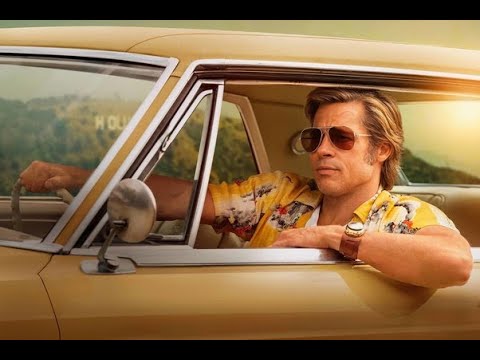
hippie در ۳۰ ثانیه
- A hippie is a person associated with the 1960s counterculture, emphasizing peace, love, and a rejection of mainstream societal norms and materialism.
- The movement is famous for its distinct fashion, including tie-dye and long hair, and its connection to psychedelic rock and anti-war protests.
- In modern contexts, 'hippie' describes individuals who prioritize environmentalism, organic living, and a relaxed, unconventional approach to life and work.
- While sometimes used pejoratively to imply laziness, the term primarily represents a historical and cultural shift toward personal freedom and social justice.
The term hippie refers to a member of a specific countercultural movement that gained significant momentum in the United States during the mid-1960s before spreading to other countries around the globe. At its core, being a hippie involved a fundamental rejection of the conventional values of middle-class American life. This included a disdain for materialism, a refusal to support the Vietnam War, and a desire to live a life governed by peace, love, and personal freedom rather than corporate success or social status. The word itself is derived from 'hipster,' a term used to describe the Beatniks of the 1950s who had moved into San Francisco's Haight-Ashbury district. By the late 1960s, the hippie movement had become a massive cultural phenomenon, culminating in events like the 'Summer of Love' in 1967 and the Woodstock Music Festival in 1969. Hippies were easily identifiable by their appearance: long hair for both men and women, colorful clothing like tie-dye shirts, bell-bottom jeans, and the frequent use of beads and flowers, which led to the synonymous term 'flower children.' Beyond fashion, the movement was deeply tied to psychedelic rock music, communal living experiments, and the exploration of altered states of consciousness through meditation and, famously, psychedelic drugs. In modern usage, the word is often applied to people who adopt a similar aesthetic or who hold progressive, environmentally conscious, or anti-establishment views. It can be used affectionately to describe someone who is relaxed and unconventional, or pejoratively by those who view the lifestyle as lazy or idealistic.
- Historical Context
- The movement emerged as a reaction against the perceived stifling conformity of the 1950s and the escalating military involvement in Vietnam.
During the 1960s, many young people chose to become a hippie to protest the war and promote a message of universal harmony.
The philosophy of the hippie was deeply rooted in the idea of 'dropping out' of the mainstream system. This phrase, popularized by Timothy Leary, encouraged youth to abandon the traditional career paths and social expectations of their parents' generation. Instead, hippies sought 'enlightenment' through various means, including Eastern religions like Buddhism and Hinduism, which influenced their views on non-violence and vegetarianism. The movement also had a profound impact on the arts, giving rise to psychedelic art characterized by bright, swirling colors and intricate patterns that mimicked the visual effects of LSD. While the original movement largely faded by the mid-1970s as many participants entered the workforce or moved on to other social causes, the legacy of the hippie remains visible in modern environmentalism, the organic food industry, and the continued popularity of music festivals. Today, calling someone a hippie might refer to their love for nature, their preference for natural remedies, or their generally laid-back attitude toward life's stresses.
- Social Impact
- Hippies were instrumental in bringing issues like civil rights, women's liberation, and environmental protection to the forefront of public discourse.
She still considers herself an old hippie at heart, spending her weekends gardening and advocating for peace.
Critically, the hippie movement was not a monolithic entity; it was a loose collection of individuals with varying degrees of commitment to the cause. Some were 'weekend hippies' who maintained regular jobs but adopted the fashion and music on their days off, while others lived in rural communes, attempting to build self-sufficient societies away from the influence of capitalism. This diversity is why the term can be so broad. In a political context, the 'hippie' label was often used by conservative figures to dismiss young activists as unpatriotic or drug-addled. However, the cultural shifts they initiated—such as the mainstreaming of yoga, the questioning of authority, and the liberalization of sexual attitudes—have had a lasting effect on Western society. When you use the word today, you are tapping into this rich history of rebellion and idealism. Whether you are describing a vintage fashion trend or a specific worldview, the word carries the weight of a decade that redefined what it meant to be a young person in the modern world.
- Modern Usage
- In the 21st century, the term is frequently used to describe someone who prefers sustainable living, alternative medicine, or a nomadic lifestyle.
The local farmers' market is a great place to meet every local hippie in the county.
He wore a hippie headband to the costume party to look like a rock star from 1969.
My aunt was a total hippie who traveled across the country in a painted Volkswagen van.
Using the word hippie correctly requires an understanding of its dual nature as both a historical identifier and a modern descriptive label. When referring to the 1960s, it functions as a specific noun for a participant in that era's counterculture. For example, 'The hippies gathered in Golden Gate Park for the Human Be-In.' In this context, it is a neutral or even academic term. However, when applying it to people today, the tone can shift based on the speaker's intent. If you say, 'He’s such a hippie,' you might be complimenting his peaceful nature and eco-friendly habits, or you might be mocking his lack of traditional ambition. Context is key. Grammatically, 'hippie' is a countable noun, meaning it can be singular or plural ('one hippie,' 'many hippies'). It also frequently acts as an attributive noun, functioning like an adjective to modify other nouns, such as 'hippie lifestyle,' 'hippie fashion,' or 'hippie ideals.'
- As a Noun
- Used to identify a person. Example: 'The old hippie still wears tie-dye every day.'
Many a hippie found solace in the communal living arrangements of the late sixties.
When constructing sentences, you can use 'hippie' to describe a variety of traits. If you want to emphasize the aesthetic, you might focus on clothing and hair: 'She arrived at the festival looking like a classic hippie, with flowers in her hair and a long, flowing skirt.' If you want to emphasize the ideology, you might focus on peace and social justice: 'His hippie upbringing taught him to value community over competition.' It is also common to see the word used in comparisons. For instance, 'The modern hipster is often contrasted with the original hippie; while the former is seen as ironic and trend-focused, the latter is viewed as sincere and idealistic.' This comparison helps clarify the nuances of the word in a contemporary setting.
- As an Adjective
- Used to describe a thing or style. Example: 'She has a very hippie aesthetic in her home decor.'
The café had a distinct hippie vibe, with incense burning and folk music playing softly.
In more formal writing, such as a history essay or a sociological study, you might use the word to categorize a demographic. 'The hippie movement was a significant factor in the cultural shifts of the 20th century.' In informal conversation, it might be used as a shorthand for a specific set of behaviors. 'Don't be such a hippie, just use the plastic fork!' In this case, the speaker is using the word to tease someone about their environmental concerns. Understanding these different registers—from the academic to the playful to the slightly derogatory—is essential for using the word naturally in English. You can also combine 'hippie' with other words to create specific images, like 'hippie commune,' 'hippie trail,' or 'hippie chic' (a fashion term).
- Compound Usage
- Combining the word with others to specify a context. Example: 'They lived on a hippie commune in Oregon for three years.'
The documentary explored the lives of the hippie activists who fought to save the redwoods.
Even though he works in finance now, he still has his old hippie posters in the basement.
She describes her parenting style as a bit hippie, focusing on nature and creativity.
You are likely to encounter the word hippie in several distinct environments, ranging from historical discussions to modern lifestyle commentary. One of the most common places is in the context of music history. When people talk about the 1960s, classic rock, or the evolution of music festivals, 'hippie' is an unavoidable term. You'll hear it in documentaries about the Beatles, Jimi Hendrix, or Janis Joplin. It is also a staple in fashion circles, particularly when discussing 'Boho-chic' or '70s revival' trends. Designers often cite 'hippie influences' when they use fringe, suede, or floral prints in their collections. In these contexts, the word is usually positive, associated with a sense of freedom and artistic expression.
- In Media
- Found in films like 'Forrest Gump' or 'Once Upon a Time in Hollywood,' which depict the 60s era.
The narrator described the crowd at Woodstock as a sea of hippie dreamers and music lovers.
Another frequent setting for this word is in political and social commentary. Because the hippie movement was so deeply intertwined with anti-war protests and civil rights, historians and political scientists use the term to describe a specific era of American activism. You might hear a commentator say, 'The current protest movement has roots in the hippie activism of the sixties.' Conversely, in more conservative or traditional circles, you might hear the word used as a dismissal. A politician might refer to 'hippie ideas' to suggest that a policy is unrealistic or overly idealistic. This usage highlights the cultural divide that the movement originally created and which, to some extent, still exists today.
- In Lifestyle Discussions
- Commonly used in conversations about organic farming, yoga retreats, and alternative living.
My neighbor is a bit of a hippie; he grows all his own vegetables and makes his own soap.
Finally, the word is very common in travel and tourism, especially when describing certain destinations known for their relaxed atmosphere. Places like Goa in India, Ibiza in Spain, or Byron Bay in Australia are often described as having a 'hippie vibe' or being 'former hippie hangouts.' In these places, you'll see shops selling incense, crystals, and tie-dye clothing, all catering to the enduring appeal of the hippie aesthetic. Whether you're reading a travel blog, watching a period piece on Netflix, or talking to someone about their organic garden, the word 'hippie' serves as a versatile descriptor for a wide range of non-conformist behaviors and styles. It is a word that bridges the gap between a specific historical moment and a timeless set of values centered on peace and nature.
- In Travel
- Used to describe destinations like Kathmandu or San Francisco that were central to the movement.
The town has transformed from a quiet fishing village into a popular hippie destination for backpackers.
She spent her twenties following the hippie trail through Europe and Asia.
The museum exhibit featured authentic hippie artifacts from the Haight-Ashbury era.
One of the most frequent mistakes learners make with the word hippie is confusing it with the modern term 'hipster.' While both words describe subcultures that reject mainstream norms, they belong to different eras and have very different motivations. A hippie is generally associated with the 1960s, sincere idealism, peace, and nature. A hipster, on the other hand, is a 21st-century figure associated with urban areas, irony, and a focus on being 'cool' or 'ahead of the curve' in fashion and technology. Calling a 1960s protester a 'hipster' would be historically inaccurate, just as calling a modern person in a trendy Brooklyn coffee shop a 'hippie' might miss the mark unless they are specifically embracing 60s values. Another common error is the spelling: 'hippie' is the standard American spelling, while 'hippy' is more common in British English, but using 'hippy' as an adjective to describe someone with large hips is a completely different word (though spelled the same as the British variant).
- Hippie vs. Hipster
- Hippies value sincerity and nature; hipsters value irony and urban trends.
It is a mistake to call every young person with a beard a hippie; they might just be following a modern trend.
Another mistake involves the tone of the word. Because 'hippie' can be used pejoratively, it's important to be aware of the context. If you are in a professional environment, calling a colleague a 'hippie' because they brought a reusable water bottle might be seen as unprofessional or mildly insulting, as it implies they are 'unserious' or 'out of touch.' Conversely, in a creative or relaxed setting, it might be a term of endearment. Learners should also be careful not to over-apply the label to anyone who likes nature. A serious environmental scientist is not necessarily a hippie, although they may share some goals. The term implies a certain lifestyle and aesthetic, not just a single belief. Using the word too broadly can strip it of its specific historical and cultural meaning.
- Tone Awareness
- Be careful not to use the word to dismiss someone's valid concerns about the environment or peace.
He felt insulted when his boss called his ideas 'too hippie' for the corporate world.
Finally, there's the mistake of thinking the hippie movement was only about drugs. While substance use was a part of the culture for many, the movement was also about civil rights, anti-war activism, and a genuine search for a more meaningful way of life. Reducing a 'hippie' to just a drug user ignores the profound social and political impact they had. When writing or speaking about hippies, try to include their broader values to provide a more accurate and respectful picture. Also, remember that 'hippie' is a noun, and while it's used as an adjective, the word 'hippie-ish' or 'hippie-like' can sometimes be more precise if you are describing something that only partially resembles the culture.
- Stereotyping
- Avoid the stereotype that all hippies were unproductive; many were dedicated activists and artists.
The professor explained that the hippie movement was a complex social phenomenon, not just a fashion trend.
She corrected him, saying she wasn't a hippie, but a dedicated environmental activist.
Don't assume that a hippie aesthetic means a lack of professional expertise.
When you want to describe someone who is unconventional or non-conformist, but 'hippie' doesn't quite fit, there are several other words you can use. Each has its own nuance and historical background. One common alternative is bohemian. A bohemian is someone, often an artist or writer, who lives an unconventional life, usually in an urban setting. While hippies are associated with the 60s and nature, bohemians have a longer history, dating back to 19th-century Paris. Another word is nonconformist, which is a broader, more formal term for anyone who refuses to follow established customs or ideas. This is a good choice if you want to be neutral and focus on the act of rebellion rather than a specific style.
- Bohemian vs. Hippie
- Bohemians are often urban artists; hippies are more tied to the 1960s peace movement and nature.
While he shared the hippie love for art, his lifestyle was more that of a classic urban bohemian.
If you are focusing on the environmental aspect, you might use terms like environmentalist, eco-activist, or the more informal tree-hugger. 'Tree-hugger' can be used playfully or as an insult, similar to 'hippie.' For someone who lives a simple, self-sufficient life, the term back-to-the-lander is historically accurate for those who moved to rural areas in the 70s. In a more modern context, you might hear free spirit to describe someone who is uninhibited and lives by their own rules without the specific political or historical baggage of the hippie label. 'Free spirit' is almost always positive and focuses on the individual's personality.
- Free Spirit vs. Hippie
- A free spirit is personally uninhibited; a hippie is part of a specific cultural and political movement.
She was a true free spirit, though she never identified with the hippie label.
Finally, consider the term counterculturist. This is a more academic and precise way to describe someone who actively opposes the dominant culture. It encompasses hippies but also includes other groups like punks or beatniks. If you're talking about someone who is just very relaxed and unconcerned with rules, laid-back or easygoing are excellent adjectives. By choosing the right alternative, you can be more specific about which part of the 'hippie' identity you are referring to—whether it's their politics, their fashion, their love for nature, or their general attitude toward life. This precision will make your English sound more natural and sophisticated.
- Counterculturist vs. Hippie
- Counterculturist is a broad sociological term; hippie is a specific historical example of one.
The museum celebrated various hippie icons as key figures in the counterculturist movement.
He preferred the term 'nonconformist' to hippie, as he didn't like the associated stereotypes.
The festival attracted a mix of old hippies and young eco-activists.
چقدر رسمی است؟
نکته جالب
One of the first printed uses of the word 'hippie' was in a San Francisco newspaper article by Michael Fallon in 1965, describing the new wave of bohemians in the city. Before that, they were often just called 'longhairs' or 'beatniks.'
راهنمای تلفظ
- Pronouncing it like 'hypey' (with a long 'i' sound).
- Dropping the 'h' sound at the beginning.
- Confusing the spelling with 'hippy' (which is acceptable but can be confusing).
- Using a short 'i' sound at the end instead of a long 'ee'.
- Over-stressing the second syllable.
سطح دشواری
The word is common in literature and news, making it easy to recognize.
Spelling (hippie vs. hippy) can be a minor challenge.
Pronunciation is straightforward for most learners.
Easily identified in songs and movies about the 60s.
بعداً چه یاد بگیریم؟
پیشنیازها
بعداً یاد بگیرید
پیشرفته
گرامر لازم
Nouns as Adjectives
In 'hippie clothes,' the noun 'hippie' acts as an adjective to describe the clothes.
Pluralization of -ie words
Words ending in -ie usually just add -s to become plural: hippie -> hippies.
Compound Adjectives with Hyphens
Use a hyphen when 'hippie' is part of a compound adjective before a noun: 'a hippie-themed party'.
Articles with Subcultures
Use 'the' when referring to the movement as a whole: 'The hippie movement was influential.'
Capitalization of Movements
The word 'hippie' is generally not capitalized unless it starts a sentence.
مثالها بر اساس سطح
The hippie has a flower in her hair.
Le hippie a une fleur dans ses cheveux.
Subject + Verb + Object.
He is a happy hippie.
C'est un hippie heureux.
Use of 'a' before a consonant sound.
I like hippie clothes.
J'aime les vêtements hippie.
'Hippie' used as an adjective.
The hippie says peace.
Le hippie dit paix.
Present simple tense.
They are hippies.
Ce sont des hippies.
Plural form 'hippies'.
Look at that hippie van!
Regarde ce van de hippie !
Exclamatory sentence.
The hippie lives in a tent.
Le hippie vit dans une tente.
Third person singular -s.
Is he a hippie?
Est-il un hippie ?
Question form.
Many hippies lived together in big houses.
Beaucoup de hippies vivaient ensemble dans de grandes maisons.
Past simple tense.
She wears a hippie headband every day.
Elle porte un bandeau hippie tous les jours.
Frequency adverb 'every day'.
Hippies do not like to fight in wars.
Les hippies n'aiment pas se battre dans les guerres.
Negative form in present simple.
He wants to be a hippie and travel the world.
Il veut être un hippie et voyager à travers le monde.
Infinitive 'to be' and 'to travel'.
That shop sells hippie jewelry.
Cette boutique vend des bijoux hippie.
Noun as adjective.
The hippie movement started in San Francisco.
Le mouvement hippie a commencé à San Francisco.
Proper noun 'San Francisco'.
My parents were hippies when they were young.
Mes parents étaient des hippies quand ils étaient jeunes.
Plural past tense of 'to be'.
She has a very hippie style of painting.
Elle a un style de peinture très hippie.
Adjective modifying 'style'.
The hippie culture of the 1960s influenced modern fashion.
La culture hippie des années 1960 a influencé la mode moderne.
Past simple 'influenced'.
He’s a bit of a hippie because he only eats organic food.
C'est un peu un hippie parce qu'il ne mange que des aliments biologiques.
Idiomatic 'a bit of a'.
The festival was full of hippies dancing to rock music.
Le festival était plein de hippies dansant sur de la musique rock.
Participle phrase 'dancing to...'
Being a hippie meant rejecting the traditional American Dream.
Être un hippie signifiait rejeter le rêve américain traditionnel.
Gerund as subject.
They traveled across the country in a classic hippie bus.
Ils ont voyagé à travers le pays dans un bus hippie classique.
Prepositional phrase 'across the country'.
She identifies as a modern hippie who loves yoga and meditation.
Elle s'identifie comme une hippie moderne qui aime le yoga et la méditation.
Relative clause 'who loves...'
The movie depicts the life of a hippie in the late sixties.
Le film dépeint la vie d'un hippie à la fin des années soixante.
Singular countable noun.
Don't call him a hippie just because he has long hair.
Ne l'appelle pas un hippie juste parce qu'il a les cheveux longs.
Imperative 'Don't call'.
The hippie movement advocated for radical social changes.
Le mouvement hippie prônait des changements sociaux radicaux.
Verb 'advocated for'.
Many people viewed the hippie lifestyle as a threat to traditional values.
Beaucoup de gens considéraient le mode de vie hippie comme une menace pour les valeurs traditionnelles.
Passive-like structure 'viewed as'.
The documentary explores the rise and fall of the hippie era.
Le documentaire explore l'ascension et la chute de l'ère hippie.
Abstract noun 'era'.
He maintains a hippie philosophy of non-attachment to material goods.
Il maintient une philosophie hippie de non-attachement aux biens matériels.
Complex noun phrase.
The term 'hippie' became a catch-all for any young person with long hair.
Le terme 'hippie' est devenu un fourre-tout pour tout jeune ayant les cheveux longs.
Idiomatic 'catch-all'.
She grew up on a hippie commune in Northern California.
Elle a grandi dans une communauté hippie du nord de la Californie.
Preposition 'on' for a commune.
His hippie ideals often clashed with his corporate job requirements.
Ses idéaux hippie entraient souvent en conflit avec les exigences de son emploi en entreprise.
Verb 'clashed with'.
The festival's atmosphere was undeniably hippie in nature.
L'atmosphère du festival était indéniablement de nature hippie.
Adverb 'undeniably'.
The hippie counterculture was a pivotal moment in 20th-century sociology.
La contre-culture hippie a été un moment charnière de la sociologie du XXe siècle.
Adjective 'pivotal'.
Critics often dismissed the hippie movement as mere escapism.
Les critiques ont souvent rejeté le mouvement hippie comme une simple forme d'évasion.
Verb 'dismissed as'.
The transition from 'hipster' to 'hippie' reflects a shift in subcultural identity.
La transition de 'hipster' à 'hippie' reflète un changement d'identité sous-culturelle.
Noun 'shift'.
Her dissertation focused on the economic impact of hippie communes.
Sa thèse portait sur l'impact économique des communautés hippies.
Academic register.
The aesthetic of the hippie has been commodified by major fashion brands.
L'esthétique du hippie a été marchandisée par les grandes marques de mode.
Passive voice 'has been commodified'.
He spoke about the hippie trail with a sense of profound nostalgia.
Il a parlé de la piste hippie avec un sentiment de profonde nostalgie.
Prepositional phrase 'with a sense of'.
The hippie ethos of 'peace and love' was tested by the political turmoil of 1968.
L'ethos hippie de 'paix et amour' a été mis à l'épreuve par l'agitation politique de 1968.
Abstract noun 'ethos'.
One cannot discuss the 1960s without addressing the hippie influence on civil rights.
On ne peut pas discuter des années 1960 sans aborder l'influence hippie sur les droits civiques.
Formal 'one cannot'.
The hippie movement served as a catalyst for the burgeoning environmental movement.
Le mouvement hippie a servi de catalyseur au mouvement environnemental naissant.
Metaphorical 'catalyst'.
The subversion of traditional norms by the hippies remains a subject of intense academic debate.
La subversion des normes traditionnelles par les hippies reste un sujet de débat académique intense.
Nominalization 'subversion'.
The hippie's rejection of the military-industrial complex was both ideological and practical.
Le rejet par le hippie du complexe militaro-industriel était à la fois idéologique et pratique.
Compound adjective 'military-industrial'.
The commercial appropriation of hippie culture often strips it of its original political potency.
L'appropriation commerciale de la culture hippie la dépouille souvent de sa puissance politique originelle.
Abstract noun 'potency'.
Their lifestyle was a manifestation of the hippie desire for authentic human connection.
Leur mode de vie était une manifestation du désir hippie d'une connexion humaine authentique.
Noun 'manifestation'.
The hippie movement's legacy is a tapestry of contradictions and triumphs.
L'héritage du mouvement hippie est une tapisserie de contradictions et de triomphes.
Metaphorical 'tapestry'.
To label someone a hippie today is to invoke a specific set of cultural archetypes.
Étiqueter quelqu'un de hippie aujourd'hui, c'est invoquer un ensemble spécifique d'archétypes culturels.
Infinitive as subject 'To label'.
The hippie phenomenon cannot be disentangled from the broader geopolitical context of the Cold War.
Le phénomène hippie ne peut être dissocié du contexte géopolitique plus large de la guerre froide.
Negative passive 'cannot be disentangled'.
ترکیبهای رایج
عبارات رایج
— A derogatory term used to insult hippies, implying they are unhygienic.
The angry neighbor shouted at the protesters, calling them dirty hippies.
— An adjective describing something that is overly idealistic or nonsensical in a hippie way.
I don't really like that hippie-dippie meditation music.
— A style of fashion that makes hippie clothing look expensive and trendy.
She was wearing a hippie chic outfit from a high-end designer.
— Someone who appears conventional but secretly holds hippie values.
My accountant is a closet hippie who spends his vacations at music festivals.
— Someone who lives a normal life but feels like a hippie inside.
Even though she's a lawyer, she's still a hippie at heart.
— The period in the 1960s and 70s when the movement was most popular.
The museum has a great exhibit on the hippie era.
— A Volkswagen bus, often painted with bright colors.
We saw an old hippie van parked by the beach.
— Language or ideas that sound like they come from a hippie.
Stop all that hippie talk and tell me the facts.
— A wedding ceremony that is informal and often held outdoors.
They had a beautiful hippie wedding in a forest clearing.
اغلب اشتباه گرفته میشود با
Hipsters are modern and trend-focused; hippies are 60s-focused and idealistic.
Spelled with a 'y', this can also mean having large hips, though it's also the UK spelling for hippie.
A hobo is a homeless traveler; a hippie is a member of a specific cultural movement.
اصطلاحات و عبارات
— A famous 60s slogan encouraging people to explore their minds and leave mainstream society.
Many hippies took Timothy Leary's advice to turn on, tune in, and drop out.
historical— A slogan used as a symbol of passive resistance and non-violence.
The protesters used flower power to face the armed guards.
historical— A common anti-war slogan associated with the hippie movement.
The sign in the window simply said, 'Make love, not war.'
historical— A phrase expressing the youth's distrust of the older generation during the 60s.
The radical hippies lived by the motto: don't trust anyone over thirty.
historical— A slang way of saying goodbye, often with a peace sign.
He waved and said, 'Peace out, guys!' as he left the party.
slang— Positive feelings or atmosphere, popularized by hippie culture.
The concert was all about good vibes and great music.
informal— To be relaxed and accept things as they happen.
She's very easygoing; she just likes to go with the flow.
informal— To become calm and relaxed.
You need to mellow out and stop worrying so much.
informal— An expression of surprise, admiration, or being unconventional.
That new painting is really far out!
slangبهراحتی اشتباه گرفته میشود
Both describe alternative subcultures.
Hippies belong to the 1960s and value peace/nature. Hipsters are a 21st-century urban phenomenon focused on irony and fashion.
The hippie wore tie-dye to protest the war, while the hipster wore a vintage flannel to look cool.
Both were counterculture groups from the mid-20th century.
Beatniks were the 1950s predecessors to hippies, often associated with jazz, poetry, and black clothing.
The beatniks liked dark coffee and poetry, but the hippies liked rock music and bright colors.
Both describe unconventional, artistic lifestyles.
Bohemian is a much older term (19th century) and is usually more about art and urban living than the specific 60s politics of hippies.
She lived a bohemian life in Paris long before the hippie movement began.
Both are famous counterculture movements.
Hippies promoted peace and love; punks (70s/80s) were known for aggression, loud music, and a 'do-it-yourself' rebellion.
The hippie gave out flowers, while the punk shouted at the crowd.
They are often discussed together as opposites.
A yuppie (Young Urban Professional) values money and career success, which is the opposite of the hippie rejection of materialism.
In the 80s, many former hippies became yuppies and started working in offices.
الگوهای جملهسازی
He is a [adjective] hippie.
He is a kind hippie.
They like [hippie thing].
They like hippie music.
The hippie movement started in [place].
The hippie movement started in California.
Many people consider him a hippie because [reason].
Many people consider him a hippie because he lives in a van.
The [noun] of the hippie era is still visible today.
The legacy of the hippie era is still visible today.
To what extent did the hippie movement [verb] [noun]?
To what extent did the hippie movement influence modern politics?
She has a very [adjective] hippie style.
She has a very colorful hippie style.
Despite his [noun], he remains a hippie at heart.
Despite his wealth, he remains a hippie at heart.
خانواده کلمه
اسمها
فعلها
صفتها
مرتبط
نحوه استفاده
Common in historical, fashion, and lifestyle contexts.
-
Calling a modern trend-setter a hippie.
→
Calling them a hipster.
Hippies are about 60s idealism; hipsters are about modern urban trends.
-
Spelling it 'hippy' in an American context.
→
Spelling it 'hippie'.
While 'hippy' is okay in the UK, 'hippie' is the standard in the US and avoids confusion.
-
Using 'hippie' to mean 'lazy'.
→
Using 'unproductive' or 'unmotivated'.
Many hippies were very active in social and political causes, so 'hippie' shouldn't just mean 'lazy'.
-
Thinking 'hippie' is only about clothes.
→
Recognizing it as a political and social movement.
The clothes were a symbol, but the movement was about peace, love, and social change.
-
Confusing 'hippie' with 'hobo'.
→
Using 'hippie' for the culture and 'hobo' for a homeless traveler.
They are completely different social categories with different histories.
نکات
Context Matters
Always check the context before using 'hippie.' In a history book, it's a fact; in a political debate, it might be a jab.
Prefer 'Hippie'
Stick to the 'hippie' spelling to avoid being confused with the adjective 'hippy' (related to hips).
Beyond the US
Remember that while it started in the US, the hippie movement was a global event with unique expressions in many countries.
Use Synonyms
If you want to sound more professional, use 'counterculturist' or 'nonconformist' instead of 'hippie.'
Aesthetic vs. Belief
Distinguish between someone who just dresses like a hippie and someone who actually holds hippie beliefs.
Plural Form
The plural is 'hippies.' Don't forget to change the 'ie' to 'i' and add 'es' if you use the 'hippy' spelling (hippies).
The 1960s Connection
Always associate the word with the 1960s if you are talking about its origins; it's the defining decade for the term.
Respect the Roots
Many modern social movements (like environmentalism) have roots in hippie culture, so use the term with that respect.
Soft 'P'
Even though it has two 'p's, it's pronounced as a single, soft 'p' sound.
Avoid Overuse
Don't call every person with long hair a hippie; it can become a lazy stereotype.
حفظ کنید
روش یادسپاری
Think of a 'HIP' person who is 'PIE'-ceful (peaceful). HIP + PIE = HIPPIE.
تداعی تصویری
Imagine a bright, colorful tie-dye shirt with a large peace sign on it and a flower tucked behind an ear.
شبکه واژگان
چالش
Try to describe a 'hippie' to a friend without using the words 'peace,' 'love,' or 'clothes.' Focus on their actions and beliefs.
ریشه کلمه
The word 'hippie' emerged in the mid-1960s in the United States, specifically in San Francisco. It was derived from the word 'hipster,' which had been used since the 1940s to describe fans of jazz and the Beat Generation. Journalists began using 'hippie' to describe the younger, more colorful generation of 'hips' who were moving into the Haight-Ashbury district.
معنای اصلی: A person who is 'hip' or 'in the know' about the latest trends and subcultures.
English (Germanic root for 'hip')بافت فرهنگی
Be careful when using the term pejoratively; many people take pride in their hippie heritage or values.
In the US and UK, the term is deeply tied to the 1960s and the baby boomer generation.
تمرین در زندگی واقعی
موقعیتهای واقعی
History Class
- The hippie movement
- Anti-war protests
- The counterculture era
- Social revolution
Fashion Blog
- Hippie chic
- Boho-inspired
- Tie-dye patterns
- Vintage 70s style
Music Festival
- Hippie vibe
- Good vibes only
- Flower power
- Communal spirit
Environmental Discussion
- Sustainable living
- Back to nature
- Organic lifestyle
- Eco-friendly values
Casual Teasing
- You're such a hippie
- Hippie-dippie ideas
- Don't be a hippie
- Classic hippie move
شروعکنندههای مکالمه
"Do you think the hippie movement had a positive impact on the world?"
"What is the first thing you think of when you hear the word 'hippie'?"
"Would you ever want to live on a hippie commune for a few months?"
"Do you know anyone who is a 'modern-day hippie'?"
"Why do you think hippie fashion keeps coming back into style?"
موضوعات نگارش
If you were a hippie in the 1960s, what cause would you be most passionate about and why?
Reflect on a time you felt like a 'nonconformist.' How does that relate to the hippie identity?
Describe your ideal 'peaceful' lifestyle. Does it include any hippie elements like nature or community?
Compare the hippie movement of the 60s to a modern social movement. What are the similarities?
Write a short story about a hippie traveling across the country in 1969.
سوالات متداول
10 سوالIt can be. While many people use it neutrally or positively to describe a peaceful lifestyle, some use it pejoratively to imply that someone is lazy, unhygienic, or unrealistic. Always consider the speaker's tone.
'Hippie' is the standard American spelling. 'Hippy' is common in British English. However, 'hippy' can also be an adjective meaning 'having large hips,' so 'hippie' is often preferred to avoid confusion.
Yes, though the original 1960s movement has ended. Many people still identify as hippies or live in hippie-style communes, and many 'modern hippies' focus on environmentalism and alternative medicine.
Hippies primarily believed in peace, love, individual freedom, and environmental protection. They rejected mainstream materialism and the military-industrial complex, often seeking spiritual enlightenment through Eastern religions.
Tie-dye was a way for hippies to express their individuality and creativity. The bright, swirling colors were also meant to represent the visual experiences of psychedelic exploration.
A hippie commune is a group of people living together and sharing resources, often in a rural area. They aimed to create a self-sufficient society away from the influence of capitalism.
Yes, 'flower child' is a synonymous term that specifically emphasizes the peaceful, gentle, and nature-loving aspects of the hippie movement.
Hippies were closely associated with psychedelic rock, folk music, and artists like The Beatles, Jimi Hendrix, Janis Joplin, and the Grateful Dead.
The movement didn't have a single end date, but it faded in the mid-1970s as many participants grew older, the Vietnam War ended, and the culture was absorbed into the mainstream.
Yes, it is very common to use 'hippie' as an adjective, as in 'hippie clothes' or 'hippie music.' You can also use 'hippie-ish' for something that is only slightly like a hippie.
خودت رو بسنج 190 سوال
Describe what a typical hippie from the 1960s might look like.
خوب نوشتید! تلاش خوبی بود! پاسخ نمونه را ببینید.
What were the main values of the hippie movement?
خوب نوشتید! تلاش خوبی بود! پاسخ نمونه را ببینید.
How is a 'modern hippie' different from a 1960s hippie?
خوب نوشتید! تلاش خوبی بود! پاسخ نمونه را ببینید.
Write a sentence using 'hippie' as an adjective.
خوب نوشتید! تلاش خوبی بود! پاسخ نمونه را ببینید.
Explain why some people use the word 'hippie' as an insult.
خوب نوشتید! تلاش خوبی بود! پاسخ نمونه را ببینید.
What was the significance of the Woodstock festival for hippies?
خوب نوشتید! تلاش خوبی بود! پاسخ نمونه را ببینید.
Why did hippies move to communes?
خوب نوشتید! تلاش خوبی بود! پاسخ نمونه را ببینید.
Describe the 'hippie aesthetic' in interior design.
خوب نوشتید! تلاش خوبی بود! پاسخ نمونه را ببینید.
What is the 'hippie trail'?
خوب نوشتید! تلاش خوبی بود! پاسخ نمونه را ببینید.
How did the hippie movement influence modern environmentalism?
خوب نوشتید! تلاش خوبی بود! پاسخ نمونه را ببینید.
Write a short dialogue between a hippie and a businessman.
خوب نوشتید! تلاش خوبی بود! پاسخ نمونه را ببینید.
What does 'flower power' mean to you?
خوب نوشتید! تلاش خوبی بود! پاسخ نمونه را ببینید.
Is the word 'hippie' still relevant today? Why or why not?
خوب نوشتید! تلاش خوبی بود! پاسخ نمونه را ببینید.
Compare hippies and punks.
خوب نوشتید! تلاش خوبی بود! پاسخ نمونه را ببینید.
What role did music play in the hippie movement?
خوب نوشتید! تلاش خوبی بود! پاسخ نمونه را ببینید.
Describe a 'hippie van'.
خوب نوشتید! تلاش خوبی بود! پاسخ نمونه را ببینید.
What does it mean to be a 'hippie at heart'?
خوب نوشتید! تلاش خوبی بود! پاسخ نمونه را ببینید.
Why did hippies reject materialism?
خوب نوشتید! تلاش خوبی بود! پاسخ نمونه را ببینید.
Write a sentence using the word 'hippie-dippie'.
خوب نوشتید! تلاش خوبی بود! پاسخ نمونه را ببینید.
How did the Vietnam War affect the hippie movement?
خوب نوشتید! تلاش خوبی بود! پاسخ نمونه را ببینید.
Talk about a person you know who might be called a hippie.
این را بلند بخوانید:
تو گفتی:
تشخیص گفتار در مرورگر شما پشتیبانی نمیشود. از کروم یا اج استفاده کنید.
Explain the meaning of 'Make love, not war'.
این را بلند بخوانید:
تو گفتی:
تشخیص گفتار در مرورگر شما پشتیبانی نمیشود. از کروم یا اج استفاده کنید.
What do you think of hippie fashion?
این را بلند بخوانید:
تو گفتی:
تشخیص گفتار در مرورگر شما پشتیبانی نمیشود. از کروم یا اج استفاده کنید.
Would you like to live in a hippie commune? Why or why not?
این را بلند بخوانید:
تو گفتی:
تشخیص گفتار در مرورگر شما پشتیبانی نمیشود. از کروم یا اج استفاده کنید.
Why do you think the hippie movement started in the 1960s?
این را بلند بخوانید:
تو گفتی:
تشخیص گفتار در مرورگر شما پشتیبانی نمیشود. از کروم یا اج استفاده کنید.
Describe a hippie festival like Woodstock.
این را بلند بخوانید:
تو گفتی:
تشخیص گفتار در مرورگر شما پشتیبانی نمیشود. از کروم یا اج استفاده کنید.
Is being called a hippie a good thing or a bad thing?
این را بلند بخوانید:
تو گفتی:
تشخیص گفتار در مرورگر شما پشتیبانی نمیشود. از کروم یا اج استفاده کنید.
How do hippies view nature?
این را بلند بخوانید:
تو گفتی:
تشخیص گفتار در مرورگر شما پشتیبانی نمیشود. از کروم یا اج استفاده کنید.
What is 'flower power'?
این را بلند بخوانید:
تو گفتی:
تشخیص گفتار در مرورگر شما پشتیبانی نمیشود. از کروم یا اج استفاده کنید.
Talk about the 'hippie trail'.
این را بلند بخوانید:
تو گفتی:
تشخیص گفتار در مرورگر شما پشتیبانی نمیشود. از کروم یا اج استفاده کنید.
Do you think we need a new hippie movement today?
این را بلند بخوانید:
تو گفتی:
تشخیص گفتار در مرورگر شما پشتیبانی نمیشود. از کروم یا اج استفاده کنید.
What kind of music is 'hippie music'?
این را بلند بخوانید:
تو گفتی:
تشخیص گفتار در مرورگر شما پشتیبانی نمیشود. از کروم یا اج استفاده کنید.
Why did hippies have long hair?
این را بلند بخوانید:
تو گفتی:
تشخیص گفتار در مرورگر شما پشتیبانی نمیشود. از کروم یا اج استفاده کنید.
Explain the term 'hippie-dippie'.
این را بلند بخوانید:
تو گفتی:
تشخیص گفتار در مرورگر شما پشتیبانی نمیشود. از کروم یا اج استفاده کنید.
How did hippies change society?
این را بلند بخوانید:
تو گفتی:
تشخیص گفتار در مرورگر شما پشتیبانی نمیشود. از کروم یا اج استفاده کنید.
What is a 'peace sign'?
این را بلند بخوانید:
تو گفتی:
تشخیص گفتار در مرورگر شما پشتیبانی نمیشود. از کروم یا اج استفاده کنید.
Describe a 'hippie van'.
این را بلند بخوانید:
تو گفتی:
تشخیص گفتار در مرورگر شما پشتیبانی نمیشود. از کروم یا اج استفاده کنید.
Why did hippies like Eastern religions?
این را بلند بخوانید:
تو گفتی:
تشخیص گفتار در مرورگر شما پشتیبانی نمیشود. از کروم یا اج استفاده کنید.
What is 'hippie chic' fashion?
این را بلند بخوانید:
تو گفتی:
تشخیص گفتار در مرورگر شما پشتیبانی نمیشود. از کروم یا اج استفاده کنید.
Talk about the 'Summer of Love'.
این را بلند بخوانید:
تو گفتی:
تشخیص گفتار در مرورگر شما پشتیبانی نمیشود. از کروم یا اج استفاده کنید.
Listen to a description of Woodstock and identify the year it took place.
Listen to a person talking about their 'hippie' aunt. What does she wear?
Listen to a history clip. What was the main reason hippies protested?
Listen to a fashion expert. What is 'hippie chic'?
Listen to a travel story. Where did the 'hippie trail' end?
Listen to a debate. Why does the speaker call the other person a 'hippie'?
Listen to a song from the 60s. What is the main theme?
Listen to a description of a commune. How do people live there?
Listen to a news report from 1967. What is happening in San Francisco?
Listen to a person describing their lifestyle. Are they a hippie?
Listen to the word 'hippie'. Which syllable is stressed?
Listen to a list of subcultures. Which one is mentioned?
Listen to a definition. Is it describing a hippie or a punk?
Listen to a slogan. What is it?
Listen to a story about a van. What color is it?
/ 190 درست
نمره کامل!
Summary
A hippie is a symbol of 1960s rebellion, defined by a commitment to pacifism and a 'back-to-nature' lifestyle. Whether used historically or as a modern descriptor, it signifies a preference for peace and individuality over corporate conformity.
- A hippie is a person associated with the 1960s counterculture, emphasizing peace, love, and a rejection of mainstream societal norms and materialism.
- The movement is famous for its distinct fashion, including tie-dye and long hair, and its connection to psychedelic rock and anti-war protests.
- In modern contexts, 'hippie' describes individuals who prioritize environmentalism, organic living, and a relaxed, unconventional approach to life and work.
- While sometimes used pejoratively to imply laziness, the term primarily represents a historical and cultural shift toward personal freedom and social justice.
Context Matters
Always check the context before using 'hippie.' In a history book, it's a fact; in a political debate, it might be a jab.
Prefer 'Hippie'
Stick to the 'hippie' spelling to avoid being confused with the adjective 'hippy' (related to hips).
Beyond the US
Remember that while it started in the US, the hippie movement was a global event with unique expressions in many countries.
Use Synonyms
If you want to sound more professional, use 'counterculturist' or 'nonconformist' instead of 'hippie.'