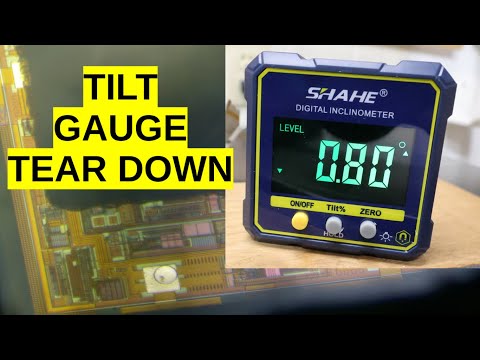
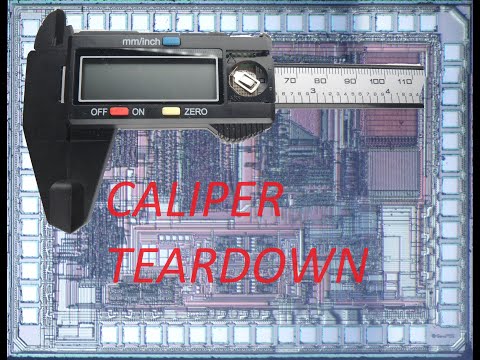
lcd در ۳۰ ثانیه
- LCD stands for Liquid Crystal Display, a thin, flat-panel technology used for screens in various electronic devices like phones and TVs.
- It works by using liquid crystals to block or allow light from a backlight, creating images without emitting light directly from the pixels.
- LCDs are known for being energy-efficient, lightweight, and capable of high resolutions, though they require a separate light source to function.
- Commonly found in everything from digital watches to computer monitors, LCD remains the most widely used display technology in the world today.
The term LCD, which stands for Liquid Crystal Display, represents one of the most significant leaps in visual technology of the late 20th and early 21st centuries. At its core, an LCD is a flat-panel display or other electronically modulated optical device that uses the light-modulating properties of liquid crystals combined with polarizers. Liquid crystals do not emit light directly; instead, they use a backlight or reflector to produce images in color or monochrome. This technology replaced the bulky Cathode Ray Tube (CRT) monitors that dominated the previous era, allowing for the creation of thin, lightweight, and energy-efficient screens that we now find in almost every facet of modern life. From the tiny digital display on a microwave oven to the massive high-definition televisions in living rooms, LCD technology is the invisible backbone of our visual interface with the digital world.
- Technical Composition
- An LCD consists of several layers, including two polarized filters, two glass substrates with electrodes, and a layer of liquid crystal material. When an electric current is applied, the liquid crystals align in a way that either blocks or allows light to pass through the polarizers, creating the pixels we see.
In everyday conversation, people use the term 'LCD' to refer to the screen itself. You might hear someone say, 'The LCD on my phone is cracked,' or 'I prefer an LCD monitor for office work because it is easier on the eyes.' The term is ubiquitous in the consumer electronics industry, appearing in product specifications, repair manuals, and tech reviews. Because LCDs are so common, the acronym has become a standard noun in the English language, often treated as a singular object despite being an abbreviation for a complex system. It is important to note that while newer technologies like OLED (Organic Light Emitting Diode) are becoming popular, LCD remains the dominant technology for many budget and mid-range devices due to its cost-effectiveness and durability.
The technician explained that the flickering was caused by a faulty connection to the lcd panel.
The versatility of LCDs is unmatched. They are used in calculators, digital watches, laptop screens, instrument panels in cars, and even in smart appliances. The technology is favored because it can be manufactured in various sizes and shapes. Furthermore, LCDs are known for their high resolution and clarity, making them ideal for tasks that require precise detail, such as graphic design or medical imaging. However, one of the limitations often discussed is the 'viewing angle'—the angle at which the screen can be viewed without the colors distorting. Older LCDs suffered significantly from this, but modern 'In-Plane Switching' (IPS) LCDs have largely solved this issue, providing vibrant colors from almost any direction.
- Environmental Impact
- LCDs are generally more environmentally friendly than CRTs because they consume less power and do not contain lead. However, the disposal of LCD panels requires careful handling due to the presence of mercury in some older backlight units.
I upgraded my old monitor to a 27-inch lcd to improve my productivity at home.
In a professional context, engineers and designers might discuss the 'response time' of an LCD, which refers to how quickly a pixel can change from one color to another. This is crucial for gamers and video editors who need smooth motion without 'ghosting' effects. The term 'dead pixel' is also commonly associated with LCDs, referring to a tiny spot on the screen that fails to change color. Understanding these nuances helps users make informed decisions when purchasing or troubleshooting electronic devices. As we move further into the digital age, the LCD continues to evolve, integrating with touch-sensitive layers to create the interactive interfaces we use on tablets and smartphones every day.
- Market Presence
- The global LCD market is worth billions of dollars, with major manufacturing hubs in East Asia. Despite competition from OLED, LCDs remain the standard for computer monitors and industrial displays.
The digital thermometer has a small lcd that shows your temperature in seconds.
Most modern cars feature an lcd dashboard that provides real-time navigation and vehicle data.
The billboard in the city center was replaced with a giant lcd screen for more dynamic advertising.
Using the word LCD in a sentence is relatively straightforward because it functions as a standard noun or an adjective modifying another noun. In most cases, it refers to the physical screen or the technology behind it. When using it as a noun, you often precede it with an article like 'the' or 'an'. For example, 'The LCD is bright,' or 'I need an LCD for my project.' Note that because 'LCD' begins with a vowel sound ('el'), the correct indefinite article is 'an', not 'a'. This is a common point of confusion for learners who might look at the consonant 'L' and assume 'a' is correct.
- As a Direct Object
- 'The company manufactures high-quality LCDs for the medical industry.' Here, LCDs is the plural direct object of the verb manufacture.
When used as an adjective, 'LCD' describes the type of display or device. Common pairings include 'LCD screen', 'LCD monitor', 'LCD projector', and 'LCD panel'. In these instances, 'LCD' provides specific information about the technology being used. For instance, 'The LCD projector in the conference room is broken.' This specifies that it is not a DLP or laser projector, but specifically one using liquid crystal technology. In technical writing, you might see it used to describe components, such as 'the LCD driver' or 'the LCD backlight'.
Please do not press too hard on the lcd screen, as it can damage the liquid crystals inside.
In more advanced or technical sentences, 'LCD' can be part of a complex subject or object. For example, 'The integration of high-resolution LCDs into wearable technology has revolutionized the fitness industry.' This sentence uses 'LCDs' within a prepositional phrase that modifies 'integration'. Another example would be, 'While OLED displays offer deeper blacks, LCDs are often preferred for their brightness and longevity in outdoor environments.' This compares two technologies, using 'LCDs' as the subject of the second clause.
- Pluralization
- To make LCD plural, simply add a lowercase 's' at the end: LCDs. Avoid using an apostrophe (LCD's) unless you are indicating possession.
The new smartphone features a 6.5-inch lcd with a 120Hz refresh rate.
Sentences involving 'LCD' often include verbs related to viewing, repairing, or manufacturing. Examples include 'staring at the LCD', 'replacing the LCD', 'calibrating the LCD', or 'mounting the LCD'. In a troubleshooting context, you might say, 'If the LCD remains black after turning on the device, check the power supply.' This uses a conditional structure common in technical manuals. In a descriptive context, you might say, 'The LCD provides a crisp, clear image even in direct sunlight,' highlighting the benefits of the technology.
- Comparative Usage
- 'This LCD is much thinner than the one we had five years ago.' This shows the progression of the technology over time.
We need to order a replacement lcd for the broken control panel in the factory.
The photographer checked the lcd on the back of the camera to review the shot.
The museum used several large lcd monitors to create an immersive digital exhibit.
The word LCD is a staple in the vocabulary of the modern world, and you are likely to encounter it in a wide variety of settings. One of the most common places is in retail environments, specifically electronics stores like Best Buy or MediaMarkt. Sales associates will frequently use the term when comparing different television models or computer monitors. You might hear, 'This model uses an LCD panel with LED backlighting, which makes it very energy efficient.' In this context, 'LCD' is used to differentiate the product from more expensive OLED options or older technologies.
- In the Tech Industry
- Software developers, hardware engineers, and IT professionals use 'LCD' constantly. They might discuss 'LCD refresh rates', 'LCD resolution', or 'LCD interface protocols' like LVDS or MIPI.
Another common setting is the repair shop. If you take a broken smartphone or laptop to a technician, the word 'LCD' will almost certainly come up. The technician might say, 'The glass is fine, but the LCD underneath is bleeding,' or 'We need to replace the entire LCD assembly.' Here, the word is used with technical precision to describe a specific component of the device. Similarly, in online forums like Reddit or specialized tech blogs, enthusiasts discuss the merits of different LCD types, such as TN (Twisted Nematic), VA (Vertical Alignment), and IPS (In-Plane Switching).
The customer service representative asked if there were any visible lines on the lcd after the drop.
In the workplace, particularly in offices, 'LCD' is heard during meetings or when setting up equipment. An office manager might say, 'We’ve installed new LCD projectors in all the conference rooms,' or an IT staff member might ask, 'Do you need an extra LCD monitor for your workstation?' It is also common in the medical field, where high-resolution LCDs are used for displaying X-rays, MRIs, and other diagnostic images. Doctors and technicians rely on the clarity of these displays to make accurate assessments, often referring to them simply as 'the display' or 'the LCD'.
- In Transportation
- Airports and train stations use massive LCD arrays to display flight times and gate information. Pilots and drivers also use LCD-based 'glass cockpits' for navigation.
The pilot checked the primary flight display, which was a high-contrast lcd.
You will also hear 'LCD' in educational settings. Teachers use LCD projectors to show presentations, and students might use tablets with LCD screens for their coursework. In science classes, the physics of liquid crystals and how they polarize light might be a topic of study. Furthermore, in the world of hobbyist electronics and DIY projects (like those using Arduino or Raspberry Pi), 'LCD' is a very common term. Makers often buy small 16x2 character LCDs or larger graphical LCDs to provide a user interface for their inventions, frequently discussing how to 'wire up the LCD' or 'code the LCD library'.
- In Marketing
- Advertisements for smartphones, tablets, and TVs often highlight 'LCD' as a feature, sometimes using marketing terms like 'Retina Display' (which is a type of LCD used by Apple).
The new smart fridge has a built-in lcd that allows you to see what is inside without opening the door.
The digital signage in the mall uses a series of interconnected lcd panels to create a massive video wall.
I can't read the lcd on my watch when the sun is reflecting directly off it.
One of the most frequent mistakes people make regarding LCD technology is confusing it with LED. It is common to hear someone say, 'I don't want an LCD TV; I want an LED TV.' In reality, almost all 'LED TVs' are actually LCD TVs. The 'LED' part refers only to the backlight—the light source behind the screen—while the 'LCD' part refers to the panel that creates the image. Older LCDs used Cold Cathode Fluorescent Lamps (CCFL) for backlighting, while modern ones use Light Emitting Diodes (LEDs). Therefore, an LED TV is simply a more modern version of an LCD TV. Confusing these two can lead to misunderstandings when shopping for electronics or discussing technical specifications.
- LCD vs. OLED
- Another mistake is assuming LCD and OLED are the same. They are fundamentally different. LCDs require a backlight, while OLED pixels emit their own light. This means OLEDs can achieve 'perfect blacks' by turning off pixels entirely, which LCDs cannot do.
Another common error involves the physical care of LCD screens. Many people treat an LCD screen like a traditional glass CRT monitor or a window, using harsh chemicals like Windex or ammonia-based cleaners. This is a significant mistake. LCD screens are often made of or coated with plastic polymers that can be permanently damaged, clouded, or stripped of their anti-glare coating by such chemicals. The correct way to clean an LCD is with a dry microfiber cloth or a specialized screen cleaner that is alcohol-free and ammonia-free. Pressing too hard on the screen while cleaning is another mistake; the 'liquid' in liquid crystal is held between thin layers of glass or plastic, and excessive pressure can cause 'bruising' or permanent pixel damage.
He made the mistake of using a paper towel to clean the lcd, which left tiny scratches all over the surface.
In terms of terminology, people often misuse the term 'burn-in'. While CRT and Plasma screens suffered from permanent 'burn-in' (where a static image leaves a ghost-like permanent mark), LCDs generally do not. Instead, LCDs suffer from 'image persistence' or 'image retention'. This is a temporary condition where a ghost image remains on the screen but eventually fades away. Calling it 'burn-in' on an LCD is technically incorrect, though the effect looks similar. Furthermore, some users mistakenly believe that a higher resolution LCD will always look better. However, if the screen size is small, the human eye might not be able to tell the difference between 1080p and 4K, making the extra cost unnecessary.
- Grammar Tip
- Always use 'an LCD' instead of 'a LCD'. Even though 'L' is a consonant, it is pronounced 'el', which starts with a vowel sound.
The user complained about a 'dead pixel' on the lcd, but it turned out to be just a speck of dust.
Lastly, there is a misconception about 'response time' and 'input lag'. Many people use these terms interchangeably, but they are different. Response time is how fast the LCD pixels change color (measured in milliseconds), while input lag is the delay between pressing a button and seeing the action on the screen. A monitor could have a very fast 1ms response time but still have high input lag due to slow internal processing. Understanding this distinction is vital for gamers who want the most responsive experience possible. Avoiding these common pitfalls will help you speak more accurately and take better care of your devices.
- The 'Dead Pixel' Myth
- Many people think a single dead pixel means the whole LCD is broken. In reality, most manufacturers have a 'pixel policy' that allows for a certain number of dead pixels before they consider the unit defective.
It is a common mistake to think that all lcd screens are touch-sensitive; many require an additional digitizer layer for touch input.
The manual warns against leaving the lcd in direct sunlight for extended periods, as heat can degrade the liquid crystals.
Don't assume that a '4K lcd' is always better than a '1080p OLED'; panel technology often matters more than raw resolution.
When discussing display technology, LCD is just one of several terms you might encounter. Understanding the alternatives and similar words helps provide context for where LCD fits in the technological landscape. The most prominent modern alternative is OLED (Organic Light Emitting Diode). While LCDs use a backlight to illuminate pixels, OLED pixels produce their own light. This allows for thinner screens, better contrast, and more vibrant colors. However, OLEDs are generally more expensive and can suffer from permanent burn-in over time, whereas LCDs are more durable and cost-effective for large-scale production.
- LCD vs. OLED
- LCD: Requires a backlight, cheaper, longer lifespan, better for bright rooms. OLED: Self-emissive, better contrast, thinner, more expensive, potential for burn-in.
Another term often heard alongside LCD is Plasma. Plasma displays were popular in the early 2000s for large televisions. They worked by using small cells containing electrically charged ionized gases. While they offered excellent color reproduction and deep blacks, they were heavy, consumed a lot of power, and generated significant heat. Eventually, LCD technology improved enough to surpass Plasma in both performance and price, leading to the discontinuation of Plasma TVs by most major manufacturers. Today, Plasma is considered an obsolete technology, much like the CRT (Cathode Ray Tube) monitors that preceded it.
While lcd is the standard for laptops, high-end smartphones have almost entirely transitioned to OLED technology.
In specific niches, you might encounter E-ink (Electronic Ink). This is the technology used in e-readers like the Kindle. Unlike LCDs, which refresh dozens of times per second and emit light, E-ink reflects light just like paper and only uses power when the image changes. This makes it incredibly energy-efficient and easy on the eyes for long reading sessions. However, E-ink has a very slow refresh rate and is usually monochrome, making it unsuitable for video or general computing. Thus, while LCD is the 'jack-of-all-trades' for displays, E-ink is the specialist for reading.
- LCD vs. E-ink
- LCD: High refresh rate, full color, emits light, versatile. E-ink: Low refresh rate, usually monochrome, reflects light, best for reading, extreme battery life.
The designer debated between using a standard lcd or a more expensive AMOLED panel for the new wearable device.
Within the LCD family itself, there are different panel types that serve as alternatives to one another. TN (Twisted Nematic) panels are the cheapest and have the fastest response times, making them popular with budget gamers. IPS (In-Plane Switching) panels offer the best color accuracy and viewing angles, making them the choice for photographers and designers. VA (Vertical Alignment) panels sit in the middle, offering better contrast than IPS but slower response times than TN. When someone says 'I want a good LCD,' they are often choosing between these three sub-technologies based on their specific needs.
- LCD vs. CRT
- LCD: Flat, light, digital, energy-efficient. CRT: Bulky, heavy, analog, high power consumption, but historically had better motion clarity.
For the outdoor kiosk, an ultra-bright lcd was chosen over OLED to prevent sunlight from washing out the image.
The engineer suggested using a transflective lcd for the handheld GPS to ensure it remains readable in bright daylight.
Many retro gamers still prefer CRT monitors over lcd screens because of the way they handle low-resolution graphics.
چقدر رسمی است؟
نکته جالب
Liquid crystals are a state of matter that has properties between those of conventional liquids and those of solid crystals. They can flow like a liquid, but their molecules may be oriented in a crystal-like way.
راهنمای تلفظ
- Pronouncing it as a single word like 'lucked'.
- Putting the stress on the 'L' instead of the 'D'.
- Using 'a' instead of 'an' before it in writing.
- Confusing the 'C' for a 'K' sound.
- Forgetting to pronounce each letter clearly.
سطح دشواری
Easy to recognize in text, but technical descriptions can be dense.
Commonly misspelled with 'a' instead of 'an'.
Simple to pronounce as individual letters.
Distinct sound, rarely confused with other words.
بعداً چه یاد بگیریم؟
پیشنیازها
بعداً یاد بگیرید
پیشرفته
گرامر لازم
Using 'an' with acronyms starting with vowel sounds.
An LCD (pronounced 'el-si-dee').
Pluralizing acronyms.
Several LCDs (no apostrophe).
Acronyms as adjectives.
The LCD screen (modifies 'screen').
Capitalization of acronyms.
Always write LCD in capital letters.
Defining acronyms on first use.
Liquid Crystal Display (LCD) is common.
مثالها بر اساس سطح
My watch has a small LCD.
Mon montre a un petit écran LCD.
Use 'an' before LCD because it starts with a vowel sound.
The LCD is very bright.
L'écran LCD est très lumineux.
LCD is a noun here.
Look at the LCD on the calculator.
Regardez l'écran LCD de la calculatrice.
Preposition 'on' shows location.
Is the LCD broken?
L'écran LCD est-il cassé ?
Question form with 'is'.
I see the time on the LCD.
Je vois l'heure sur l'écran LCD.
Present simple tense.
The phone has a big LCD.
Le téléphone a un grand écran LCD.
Adjective 'big' modifies LCD.
This is an LCD screen.
C'est un écran LCD.
LCD acts as an adjective for 'screen'.
Turn off the LCD.
Éteignez l'écran LCD.
Imperative mood.
I need to clean my LCD screen.
Je dois nettoyer mon écran LCD.
Infinitive 'to clean' follows 'need'.
The LCD on my laptop is 15 inches.
L'écran LCD de mon ordinateur portable fait 15 pouces.
Measurement of screen size.
He bought a new LCD monitor yesterday.
Il a acheté un nouveau moniteur LCD hier.
Past simple tense.
Does your camera have an LCD?
Votre appareil photo a-t-il un écran LCD ?
Auxiliary 'does' for questions.
The LCD shows the battery level.
L'écran LCD affiche le niveau de la batterie.
Third person singular 'shows'.
The colors on this LCD are beautiful.
Les couleurs sur cet écran LCD sont magnifiques.
Plural subject 'colors'.
I can't see the LCD in the sun.
Je ne vois pas l'écran LCD au soleil.
Modal 'can't' for inability.
The LCD is better than the old screen.
L'écran LCD est meilleur que l'ancien écran.
Comparative 'better than'.
The technician replaced the cracked LCD in under an hour.
Le technicien a remplacé l'écran LCD fissuré en moins d'une heure.
Passive-like action in active voice.
Most modern televisions use LCD technology with LED backlighting.
La plupart des téléviseurs modernes utilisent la technologie LCD avec un rétroéclairage LED.
Noun phrase 'LCD technology'.
If the LCD flickers, you might have a loose cable.
Si l'écran LCD scintille, vous avez peut-être un câble mal branché.
First conditional structure.
The LCD provides a high-resolution image for gaming.
L'écran LCD fournit une image haute résolution pour les jeux.
Compound adjective 'high-resolution'.
I prefer an LCD because it consumes less power than a plasma screen.
Je préfère un écran LCD car il consomme moins d'énergie qu'un écran plasma.
Comparison of power consumption.
The digital display uses a monochrome LCD to save battery.
L'affichage numérique utilise un écran LCD monochrome pour économiser la batterie.
Adjective 'monochrome' specifies the type.
You should check the LCD settings to adjust the contrast.
Vous devriez vérifier les paramètres de l'écran LCD pour ajuster le contraste.
Modal 'should' for advice.
The price of LCD panels has dropped significantly recently.
Le prix des panneaux LCD a considérablement baissé récemment.
Present perfect tense.
The primary disadvantage of an LCD is its inability to produce true black levels.
Le principal inconvénient d'un écran LCD est son incapacité à produire des niveaux de noir véritables.
Abstract noun 'inability' followed by infinitive.
Engineers are working to improve the viewing angles of standard LCD panels.
Les ingénieurs travaillent à améliorer les angles de vision des panneaux LCD standard.
Present continuous tense for ongoing work.
The laptop features an IPS LCD, which offers superior color accuracy.
L'ordinateur portable est doté d'un écran LCD IPS, qui offre une précision des couleurs supérieure.
Relative clause 'which offers...' adds detail.
Despite the rise of OLED, LCD remains the dominant technology in the monitor market.
Malgré l'essor de l'OLED, le LCD reste la technologie dominante sur le marché des moniteurs.
Concession 'Despite' used with a noun phrase.
The manufacturing process for LCDs involves precise alignment of liquid crystals.
Le processus de fabrication des écrans LCD implique un alignement précis des cristaux liquides.
Gerund 'manufacturing' as a modifier.
The tablet's LCD is protected by a layer of scratch-resistant glass.
L'écran LCD de la tablette est protégé par une couche de verre résistant aux rayures.
Passive voice 'is protected'.
Calibration is necessary to ensure the LCD displays colors correctly.
L'étalonnage est nécessaire pour s'assurer que l'écran LCD affiche les couleurs correctement.
Adverb 'correctly' modifies 'displays'.
The flickering was attributed to a failure in the LCD's inverter board.
Le scintillement a été attribué à une défaillance de la carte onduleur de l'écran LCD.
Possessive 'LCD's'.
The transition from CCFL to LED backlighting significantly enhanced the energy efficiency of LCDs.
La transition du rétroéclairage CCFL au LED a considérablement amélioré l'efficacité énergétique des écrans LCD.
Complex noun phrase as subject.
The researcher discussed the molecular orientation of liquid crystals within the LCD matrix.
Le chercheur a discuté de l'orientation moléculaire des cristaux liquides au sein de la matrice LCD.
Technical vocabulary 'molecular orientation'.
High-end LCDs utilize local dimming zones to approximate the contrast ratios of OLED displays.
Les écrans LCD haut de gamme utilisent des zones de gradation locale pour se rapprocher des rapports de contraste des écrans OLED.
Infinitive of purpose 'to approximate'.
The environmental impact of LCD production is a growing concern due to the chemicals involved.
L'impact environnemental de la production d'écrans LCD est une préoccupation croissante en raison des produits chimiques impliqués.
Causal phrase 'due to'.
Passive-matrix LCDs have largely been supplanted by active-matrix versions for better performance.
Les écrans LCD à matrice passive ont été largement supplantés par les versions à matrice active pour de meilleures performances.
Present perfect passive 'have been supplanted'.
The aperture ratio of an LCD determines how much light can effectively pass through the pixel.
Le rapport d'ouverture d'un écran LCD détermine la quantité de lumière qui peut effectivement passer à travers le pixel.
Noun clause 'how much light...' as object.
Sub-pixel rendering techniques are used to improve the perceived resolution of the LCD.
Des techniques de rendu de sous-pixels sont utilisées pour améliorer la résolution perçue de l'écran LCD.
Past participle 'perceived' as adjective.
The refresh rate of the LCD is a critical specification for professional video editing.
Le taux de rafraîchissement de l'écran LCD est une spécification critique pour le montage vidéo professionnel.
Predicate nominative 'a critical specification'.
The inherent latency of liquid crystal realignment poses a challenge for ultra-high-speed LCD applications.
La latence inhérente au réalignement des cristaux liquides pose un défi pour les applications LCD à ultra-haute vitesse.
Sophisticated subject 'inherent latency...'
Quantum dot enhancement films have been integrated into LCD stacks to broaden the achievable color gamut.
Des films d'amélioration à points quantiques ont été intégrés dans les empilements LCD pour élargir la gamme de couleurs réalisable.
Technical term 'LCD stacks'.
The fringe-field switching (FFS) mode in LCDs provides superior transmittance and wider viewing angles.
Le mode de commutation par champ de frange (FFS) dans les écrans LCD offre une transmittance supérieure et des angles de vision plus larges.
Acronym within a noun phrase.
The optical anisotropy of liquid crystals is the fundamental principle governing LCD operation.
L'anisotropie optique des cristaux liquides est le principe fondamental régissant le fonctionnement des écrans LCD.
Participial phrase 'governing LCD operation'.
Manufacturers must mitigate the effects of light leakage to maintain high contrast in LCD panels.
Les fabricants doivent atténuer les effets de la fuite de lumière pour maintenir un contraste élevé dans les panneaux LCD.
Modal 'must' for necessity.
The degradation of the polyimide alignment layer can lead to long-term LCD instability.
La dégradation de la couche d'alignement en polyimide peut entraîner une instabilité de l'écran LCD à long terme.
Chemical term 'polyimide'.
Advanced polarizers are essential for minimizing the reflectance of LCDs in high-ambient-light environments.
Des polariseurs avancés sont essentiels pour minimiser la réflectance des écrans LCD dans des environnements à forte lumière ambiante.
Gerund 'minimizing' as object of preposition.
The evolution of LCD technology is a testament to the synergy between material science and electronic engineering.
L'évolution de la technologie LCD témoigne de la synergie entre la science des matériaux et le génie électronique.
Metaphorical use of 'testament'.
مترادفها
متضادها
ترکیبهای رایج
عبارات رایج
— A display that has physical damage to the internal panel.
The repair shop specializes in fixing cracked LCDs.
— A single point on the screen that does not work.
I noticed a dead pixel on the LCD right after I bought it.
— The light source behind the liquid crystal layer.
If the LCD backlight fails, the screen will look very dark.
— A screen capable of showing very clear, detailed images.
We watched the movie on a high-definition LCD.
— The software or hardware that controls the display.
You need to update your LCD driver for the best performance.
— The connection between the screen and the device.
The tablet uses a standard LCD interface.
— A complete display unit ready to be installed.
The engineer ordered a new LCD module for the prototype.
— An LCD screen that responds to touch input.
The kiosk features a large touch-enabled LCD.
— The intensity of light emitted by the screen.
You can adjust the LCD brightness in the settings menu.
— The range of angles from which the screen looks good.
This LCD has a very wide viewing angle.
اغلب اشتباه گرفته میشود با
LED is a light source often used inside an LCD, not a different type of screen altogether (usually).
A drug with a similar acronym; very important not to confuse them.
A competing technology where pixels emit their own light.
اصطلاحات و عبارات
— Spending too much time looking at a screen.
The kids have been glued to the LCD all afternoon.
Informal— Viewing the world only through digital media.
He experiences life mostly through the LCD lens of his phone.
Metaphorical— The pale complexion of someone who spends too much time indoors at a computer.
After a month of coding, he had a noticeable LCD tan.
Slang— Something that is flawless or exactly as it should be (often used in design).
The new website layout is pixel perfect on every LCD.
Professional— The amount of time spent looking at an LCD or similar display.
Doctors recommend limiting screen time for young children.
Neutral— A way of seeing things far away through a screen.
The LCD acts as a digital window into the lives of others.
Poetic— The feeling of tiredness or eye strain from looking at LCDs too much.
I've got the blue light blues after that long meeting.
Informal— A strange image or glitch that appears on a screen.
There's a ghost in the LCD; I keep seeing a faint line.
Informal— To work late into the night at a computer (play on 'burn the midnight oil').
I'll be burning the midnight LCD to finish this report.
Informalبهراحتی اشتباه گرفته میشود
They are both three-letter acronyms starting with 'L' and related to screens.
LCD is the display panel; LED is the light behind it. Most LED TVs are actually LCDs.
My TV is an LCD with LED backlighting.
They are both display technologies.
LCD needs a backlight; OLED pixels make their own light. OLED has better blacks.
The iPhone Pro uses OLED, but the cheaper model uses LCD.
Both were popular flat-screen technologies.
Plasma uses ionized gas; LCD uses liquid crystals. Plasma is now obsolete.
I replaced my heavy plasma TV with a light LCD.
Both are types of monitors.
CRT is the old, deep, heavy tube; LCD is the modern, thin, flat panel.
We threw away the old CRT and bought an LCD.
TFT is a type of LCD.
TFT is the specific technology (Thin Film Transistor) used in most high-quality LCDs.
This laptop has a high-end TFT-LCD.
الگوهای جملهسازی
The [noun] has an LCD.
The watch has an LCD.
I have a new LCD [noun].
I have a new LCD monitor.
The LCD is [adjective] for [verb-ing].
The LCD is great for watching movies.
Despite being [adjective], the LCD [verb].
Despite being old, the LCD works well.
The [noun] of the LCD [verb] the [noun].
The resolution of the LCD improves the clarity.
The [technical noun] within the LCD [verb] [adverb].
The liquid crystals within the LCD align precisely.
If the LCD [verb], then [clause].
If the LCD breaks, then you need a repair.
The LCD [verb] by [verb-ing] [noun].
The LCD works by modulating light.
خانواده کلمه
اسمها
فعلها
صفتها
مرتبط
نحوه استفاده
Very common in technical and everyday contexts.
-
Saying 'a LCD'
→
an LCD
The letter L starts with a vowel sound ('el'), so 'an' is the correct article.
-
Thinking LED and LCD are totally different
→
LED is a type of LCD
Most modern screens are LCDs that use LEDs for light. They are not separate technologies.
-
Cleaning with Windex
→
Use a dry cloth
Harsh chemicals can destroy the protective coating on an LCD screen.
-
Confusing LCD with LSD
→
LCD
LCD is a screen; LSD is a drug. Using the wrong one can be very confusing or offensive.
-
Calling it 'burn-in' on an LCD
→
Image persistence
Burn-in is permanent; image persistence on an LCD is usually temporary.
نکات
Use 'an' not 'a'
Always write 'an LCD' because the letter L is pronounced with a vowel sound at the start ('el').
Microfiber is best
Only use microfiber cloths to clean your LCD to avoid making tiny scratches on the plastic surface.
Check viewing angles
When buying an LCD, look at it from the side to see if the colors change. IPS panels have the best angles.
Native Resolution
Always set your computer to the LCD's native resolution for the sharpest possible image.
The 20-20-20 Rule
To avoid eye strain from your LCD, every 20 minutes, look at something 20 feet away for 20 seconds.
Brightness matters
Lowering the brightness of your LCD is the easiest way to save battery life on a laptop or phone.
Identify the damage
If you see 'bleeding' ink-like spots, the internal LCD is broken, even if the top glass feels smooth.
Recycle properly
Never throw an LCD in the trash; they contain electronic components that should be recycled at a proper facility.
Response Time
For fast games, look for an LCD with a response time of 1ms to 5ms to avoid blurry motion.
Dual Monitors
Using two LCD monitors can increase your productivity by allowing you to see more information at once.
حفظ کنید
روش یادسپاری
L-C-D: Light Controls Display. Remember that it needs light (a backlight) to work!
تداعی تصویری
Imagine a thin sandwich of glass with 'liquid' honey in the middle that turns into 'crystals' when you touch it with a battery.
شبکه واژگان
چالش
Try to find five different LCDs in your room right now and name the device they are on.
ریشه کلمه
The term is an acronym for 'Liquid Crystal Display'. The concept of liquid crystals was discovered in 1888 by Austrian botanist Friedrich Reinitzer. However, the first operational LCD was not developed until the 1960s by George H. Heilmeier at RCA Laboratories.
معنای اصلی: A display that uses liquid crystals to modulate light.
English (Technical Acronym)بافت فرهنگی
No specific cultural sensitivities, but be aware of the environmental impact of disposing of LCDs.
In the US and UK, 'LCD' is a household term that even non-technical people understand.
تمرین در زندگی واقعی
موقعیتهای واقعی
Buying Electronics
- What is the resolution of this LCD?
- Does this LCD have a warranty?
- Is it an LCD or an OLED?
- How bright is the LCD?
Technical Support
- The LCD is flickering.
- There are lines on the LCD.
- The LCD won't turn on.
- Can you replace the LCD?
Office Work
- Connect the laptop to the LCD projector.
- I need a second LCD monitor.
- Adjust the LCD brightness.
- The LCD is too small for this task.
Photography
- Check the photo on the LCD.
- The LCD is hard to see in the sun.
- The camera has a tiltable LCD.
- The LCD color is accurate.
Manufacturing
- The LCD panel is defective.
- We need to align the LCD layers.
- Test the LCD for dead pixels.
- The LCD production line is down.
شروعکنندههای مکالمه
"Do you prefer LCD or OLED screens for your phone?"
"Have you ever had to replace a cracked LCD on a device?"
"What do you think is the most important feature of an LCD monitor?"
"How many LCD screens do you think you look at in a single day?"
"Do you remember the first time you saw a flat LCD screen?"
موضوعات نگارش
Describe how your life would change if all the LCD screens in your house suddenly stopped working.
Write about the evolution of technology from bulky monitors to thin LCDs.
Reflect on your daily 'screen time' and how it affects your health and productivity.
Imagine a new type of display technology that could replace the LCD. What would it be like?
Discuss the pros and cons of using LCDs in educational settings for children.
سوالات متداول
10 سوالLCD stands for Liquid Crystal Display. It is a technology used for flat screens in many electronic devices. It uses liquid crystals to control light and create images.
An LED TV is actually a type of LCD TV. It uses LED lights for the backlight instead of older fluorescent lamps. This makes it more energy-efficient and allows for a thinner design.
Generally, a cracked LCD panel cannot be repaired; it must be replaced entirely. This can be expensive, often costing a large portion of the device's original price.
A dead pixel is a tiny spot on an LCD screen that stays one color (usually black, white, or red) and does not change. It happens when a sub-pixel fails to function correctly.
Use a dry, soft microfiber cloth. If needed, use a cleaner specifically made for LCDs. Never use window cleaner or paper towels, as they can scratch or damage the screen.
LCDs do not typically have permanent burn-in like older Plasma or CRT screens. They can have 'image persistence', which is temporary and usually goes away after a while.
Flickering can be caused by a loose cable, a failing backlight, or incorrect refresh rate settings in your computer's operating system. Check the connections first.
LCDs require a backlight to show an image, while OLED pixels emit their own light. OLEDs generally have better contrast and are thinner, but LCDs are often cheaper.
IPS stands for In-Plane Switching. It is a type of LCD that offers better color accuracy and wider viewing angles compared to standard TN (Twisted Nematic) LCDs.
Looking at any screen for too long can cause eye strain. LCDs emit blue light, which can interfere with sleep. Using 'blue light filters' or taking breaks can help reduce strain.
خودت رو بسنج 200 سوال
Describe the LCD on your favorite device.
خوب نوشتید! تلاش خوبی بود! پاسخ نمونه را ببینید.
Explain the difference between an LCD and an OLED to a friend.
خوب نوشتید! تلاش خوبی بود! پاسخ نمونه را ببینید.
Write a short review of a new LCD monitor you bought.
خوب نوشتید! تلاش خوبی بود! پاسخ نمونه را ببینید.
How would you clean a dirty LCD screen? Write the steps.
خوب نوشتید! تلاش خوبی بود! پاسخ نمونه را ببینید.
Discuss the advantages of LCD technology in modern medicine.
خوب نوشتید! تلاش خوبی بود! پاسخ نمونه را ببینید.
Write a technical paragraph about how liquid crystals work in an LCD.
خوب نوشتید! تلاش خوبی بود! پاسخ نمونه را ببینید.
What should you do if your phone's LCD is cracked?
خوب نوشتید! تلاش خوبی بود! پاسخ نمونه را ببینید.
Compare an LCD screen to an E-ink screen for reading books.
خوب نوشتید! تلاش خوبی بود! پاسخ نمونه را ببینید.
Write an advertisement for a high-definition LCD television.
خوب نوشتید! تلاش خوبی بود! پاسخ نمونه را ببینید.
Explain why 'an LCD' is grammatically correct.
خوب نوشتید! تلاش خوبی بود! پاسخ نمونه را ببینید.
Describe a situation where an LCD was difficult to use.
خوب نوشتید! تلاش خوبی بود! پاسخ نمونه را ببینید.
Write a complaint letter to a company about a dead pixel on your new LCD.
خوب نوشتید! تلاش خوبی بود! پاسخ نمونه را ببینید.
Discuss the environmental impact of disposing of old LCD monitors.
خوب نوشتید! تلاش خوبی بود! پاسخ نمونه را ببینید.
How has LCD technology changed the way we work in offices?
خوب نوشتید! تلاش خوبی بود! پاسخ نمونه را ببینید.
Write a short story about a world where all LCDs stop working.
خوب نوشتید! تلاش خوبی بود! پاسخ نمونه را ببینید.
Explain the term 'native resolution' in your own words.
خوب نوشتید! تلاش خوبی بود! پاسخ نمونه را ببینید.
Describe the different types of LCD panels (TN, VA, IPS).
خوب نوشتید! تلاش خوبی بود! پاسخ نمونه را ببینید.
Write a guide for a child on how to take care of their tablet's LCD.
خوب نوشتید! تلاش خوبی بود! پاسخ نمونه را ببینید.
Discuss the future of display technology beyond the LCD.
خوب نوشتید! تلاش خوبی بود! پاسخ نمونه را ببینید.
What features would your 'dream' LCD monitor have?
خوب نوشتید! تلاش خوبی بود! پاسخ نمونه را ببینید.
Explain what an LCD is to someone who has never seen one.
این را بلند بخوانید:
تو گفتی:
تشخیص گفتار در مرورگر شما پشتیبانی نمیشود. از کروم یا اج استفاده کنید.
Discuss the pros and cons of having many LCD screens in your home.
این را بلند بخوانید:
تو گفتی:
تشخیص گفتار در مرورگر شما پشتیبانی نمیشود. از کروم یا اج استفاده کنید.
Describe a time you broke an LCD screen and what happened next.
این را بلند بخوانید:
تو گفتی:
تشخیص گفتار در مرورگر شما پشتیبانی نمیشود. از کروم یا اج استفاده کنید.
Give a short presentation on the difference between LCD and OLED.
این را بلند بخوانید:
تو گفتی:
تشخیص گفتار در مرورگر شما پشتیبانی نمیشود. از کروم یا اج استفاده کنید.
Debate whether children should have limited time looking at LCDs.
این را بلند بخوانید:
تو گفتی:
تشخیص گفتار در مرورگر شما پشتیبانی نمیشود. از کروم یا اج استفاده کنید.
Explain how to clean an LCD monitor properly.
این را بلند بخوانید:
تو گفتی:
تشخیص گفتار در مرورگر شما پشتیبانی نمیشود. از کروم یا اج استفاده کنید.
Talk about the importance of high-resolution LCDs in your work or hobbies.
این را بلند بخوانید:
تو گفتی:
تشخیص گفتار در مرورگر شما پشتیبانی نمیشود. از کروم یا اج استفاده کنید.
Describe the LCD on your smartphone in detail.
این را بلند بخوانید:
تو گفتی:
تشخیص گفتار در مرورگر شما پشتیبانی نمیشود. از کروم یا اج استفاده کنید.
Discuss the environmental challenges of LCD disposal.
این را بلند بخوانید:
تو گفتی:
تشخیص گفتار در مرورگر شما پشتیبانی نمیشود. از کروم یا اج استفاده کنید.
Explain the concept of 'viewing angles' to a customer.
این را بلند بخوانید:
تو گفتی:
تشخیص گفتار در مرورگر شما پشتیبانی نمیشود. از کروم یا اج استفاده کنید.
Tell a story about a world where all LCD screens turn off for a day.
این را بلند بخوانید:
تو گفتی:
تشخیص گفتار در مرورگر شما پشتیبانی نمیشود. از کروم یا اج استفاده کنید.
Describe the evolution of screens from CRTs to modern LCDs.
این را بلند بخوانید:
تو گفتی:
تشخیص گفتار در مرورگر شما پشتیبانی نمیشود. از کروم یا اج استفاده کنید.
Discuss the impact of LCD technology on global communication.
این را بلند بخوانید:
تو گفتی:
تشخیص گفتار در مرورگر شما پشتیبانی نمیشود. از کروم یا اج استفاده کنید.
Explain what a 'dead pixel' is and how it feels to find one.
این را بلند بخوانید:
تو گفتی:
تشخیص گفتار در مرورگر شما پشتیبانی نمیشود. از کروم یا اج استفاده کنید.
Give advice to someone buying a new LCD television.
این را بلند بخوانید:
تو گفتی:
تشخیص گفتار در مرورگر شما پشتیبانی نمیشود. از کروم یا اج استفاده کنید.
Discuss the role of LCDs in modern car dashboards.
این را بلند بخوانید:
تو گفتی:
تشخیص گفتار در مرورگر شما پشتیبانی نمیشود. از کروم یا اج استفاده کنید.
Explain the term 'backlight' and why LCDs need one.
این را بلند بخوانید:
تو گفتی:
تشخیص گفتار در مرورگر شما پشتیبانی نمیشود. از کروم یا اج استفاده کنید.
Talk about your favorite movie and how it looks on a good LCD.
این را بلند بخوانید:
تو گفتی:
تشخیص گفتار در مرورگر شما پشتیبانی نمیشود. از کروم یا اج استفاده کنید.
Describe the technical process of how an LCD creates an image.
این را بلند بخوانید:
تو گفتی:
تشخیص گفتار در مرورگر شما پشتیبانی نمیشود. از کروم یا اج استفاده کنید.
Discuss whether LCD technology has peaked or if it will keep improving.
این را بلند بخوانید:
تو گفتی:
تشخیص گفتار در مرورگر شما پشتیبانی نمیشود. از کروم یا اج استفاده کنید.
Listen to a tech review and write down the LCD's brightness in nits.
Listen to a repair technician and identify the part that needs replacing.
Listen to a commercial and list the features of the LCD TV.
Listen to a lecture on liquid crystals and summarize the main points.
Listen to a conversation between two gamers about monitor refresh rates.
Listen to a news report about a factory fire and its impact on LCD prices.
Listen to a guide on cleaning electronics and identify the forbidden chemicals.
Listen to a podcast about the history of the digital watch and the first LCDs.
Listen to a doctor explaining how to reduce eye strain from LCDs.
Listen to a technical briefing on IPS vs TN panels.
Listen to a customer service call about a broken screen and identify the problem.
Listen to a description of a new tablet and write down the LCD size.
Listen to an interview with a display engineer about the future of LCDs.
Listen to a classroom explanation of how polarizers work in an LCD.
Listen to a weather report shown on an outdoor LCD and identify the temperature.
/ 200 درست
نمره کامل!
Summary
LCD (Liquid Crystal Display) is the standard technology for flat screens, offering a balance of clarity and efficiency. For example, 'The LCD on my laptop is very sharp.'
- LCD stands for Liquid Crystal Display, a thin, flat-panel technology used for screens in various electronic devices like phones and TVs.
- It works by using liquid crystals to block or allow light from a backlight, creating images without emitting light directly from the pixels.
- LCDs are known for being energy-efficient, lightweight, and capable of high resolutions, though they require a separate light source to function.
- Commonly found in everything from digital watches to computer monitors, LCD remains the most widely used display technology in the world today.
Use 'an' not 'a'
Always write 'an LCD' because the letter L is pronounced with a vowel sound at the start ('el').
Microfiber is best
Only use microfiber cloths to clean your LCD to avoid making tiny scratches on the plastic surface.
Check viewing angles
When buying an LCD, look at it from the side to see if the colors change. IPS panels have the best angles.
Native Resolution
Always set your computer to the LCD's native resolution for the sharpest possible image.