خودم، خودت، خودش: افعال بازتابی!
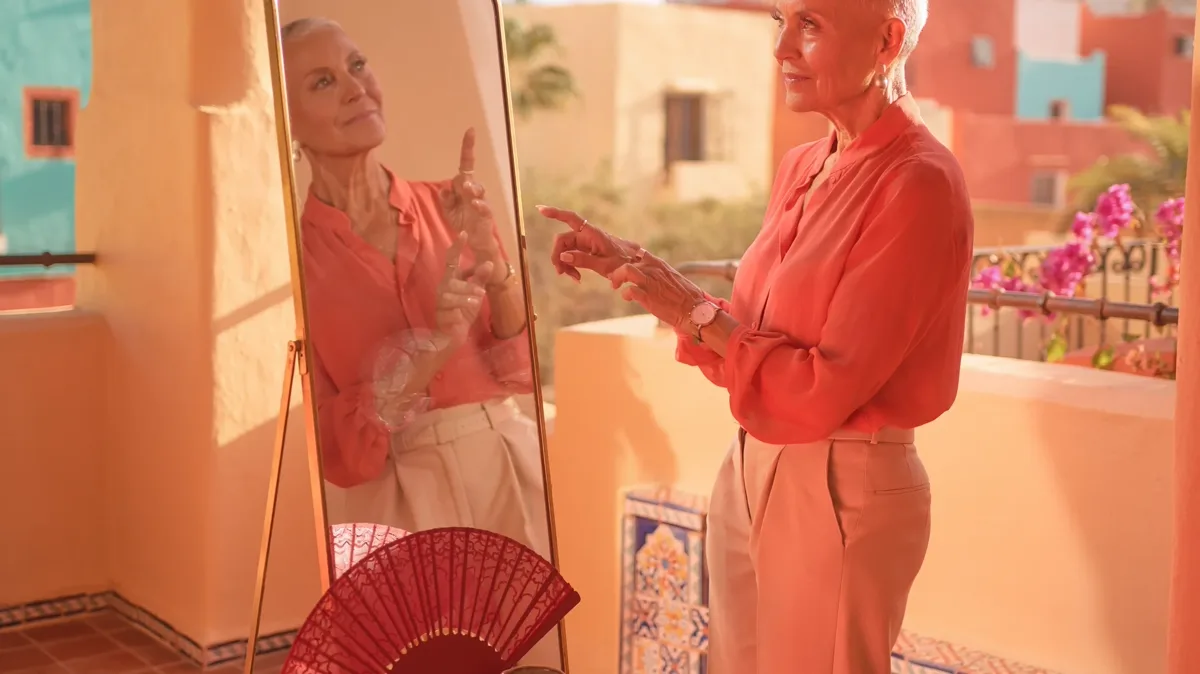
Chapter in 30 Seconds
Master the 'grammatical mirror' to describe your daily life and actions performed on yourself.
- Identify and use the six reflexive pronouns in Spanish.
- Conjugate common daily routine verbs like 'to wake up' and 'to get dressed'.
- Distinguish how 'se' changes the meaning of basic verbs like 'to go'.
چی یاد میگیری
سلام رفیق! آمادهای یه قدم بزرگ دیگه تو اسپانیایی برداری؟ قبلا کلی چیزای باحال یاد گرفتی و الان وقتشه که بریم سراغ یه مبحث خیلی کاربردی: افعال بازتابی! تو این فصل قراره یاد بگیری چطوری درباره کارایی حرف بزنی که خودت روی خودت انجام میدی. مثلا، چطوری بگی 'من خودم رو میشورم' یا 'تو خودت رو آماده میکنی'. با 'me', 'te', 'se' و بقیه ضمیرای بازتابی آشنا میشی که مثل یه آینه عمل میکنن و فعل رو برمیگردونن به فاعل. بعد میریم سراغ افعال رایجی که این ضمیرها رو میگیرن و بعد یه چیز خفنتر! میبینی که چطوری اضافه کردن 'se' میتونه معنی یه فعل رو کلا عوض کنه؛ مثلا 'رفتن' (ir) با 'se' میشه 'ترک کردن' (irse). فکر کن صبحا که از خواب بیدار میشی، میخوای بگی چه کارایی انجام میدی: مسواک زدن، لباس پوشیدن، آماده شدن... یا وقتی میخوای از یکی بپرسی 'کی میری؟' یا 'کی از اینجا حرکت میکنی؟' اینا همش با افعال بازتابی سر و کار داره. پس اگه میخوای مثل یه اسپانیایی زبان واقعی حرف بزنی، این بخش رو نباید از دست بدی! آخر این فصل، تو میتونی خیلی راحت درباره روتین روزانهات حرف بزنی، کارهایی که خودت انجام میدی رو بگی و حتی تفاوتهای ظریف معنی فعلها رو با 'se' بفهمی و درست استفاده کنی. آماده شو که مکالمههات رو یه سطح بالاتر ببری!
-
ضمایر انعکاسی در اسپانیایی (me, te, se)وقتی تو انجامدهنده و دریافتکننده یک کار هستی، این ابزارهای جادویی
me,te,se,nos,os,seرو یادت نره. -
افعال انعکاسی اسپانیایی: Me, Te, Se (افعال رایج)وقتی کاری رو روی خودت انجام میدی، باید از این ضمایر استفاده کنی:
me,te,se. -
رفتن در مقابل ترک کردن: افعال اسپانیایی با 'Se' (تغییرات معنای انعکاسی)اضافه کردن 'se' به فعل، معمولاً معنی رو به سمت «رفتن»، «تغییر حالت» یا «تکمیل شدن» میبره.
Learning Objectives
By the end of this chapter, you will be able to:
-
1
By the end you will be able to: correctly match reflexive pronouns to subject pronouns in all forms.
-
2
By the end you will be able to: describe your entire morning routine using at least five reflexive verbs.
-
3
By the end you will be able to: explain the difference between 'ir' and 'irse' in a situational context.
راهنمای فصل

مرور کلی
I wash myself or you get dressed. This concept is fundamental to everyday conversations and will significantly improve your fluency and comprehension. By the end of this chapter, you’ll not only understand the mechanics of these verbs but also feel confident using them in real-life interactions.این گرامر چطور کار میکنه
reflects back onto the person performing it.
اشتباهات رایج
- 1✗ Wrong:
Yo lavo las manos.
(I wash the hands.)
Yo me lavo las manos.(I wash my hands.)
my.- 1✗ Wrong:
¿Cuándo vas?(When are you going?) - when meaningWhen are you leaving?
¿Cuándo te vas?(When are you leaving?)
you.
مکالمات واقعی
A
B
A
B
A
B
سؤالات رایج
What is a reflexive verb in Spanish and why is it important for A2 learners?
A Spanish reflexive verb is one where the subject performs the action on itself, indicated by a reflexive pronoun (e.g., me, te, se). For A2 learners, mastering these verbs is crucial for describing daily routines, personal care, and expressing nuanced meanings like leaving instead of just going, making your Spanish more natural.
How do I know when to use 'se' in Spanish?
You use se when the action reflects back on the third person singular (él, ella, usted) or plural (ellos, ellas, ustedes), or when you want to express an impersonal action (e.g., Se habla español - Spanish is spoken). It's also used for verbs that change meaning with reflexivity, like ir (to go) vs. irse (to leave).
Are all verbs that end in -se reflexive?
Yes, verbs listed with -se at the end of their infinitive form (e.g., lavarse, vestirse) are reflexive verbs. This -se is the infinitive form of the reflexive pronoun, indicating that the verb is typically used reflexively.
What's the main difference between 'ir' and 'irse' in Spanish grammar?
Ir means to go (movement towards a destination), while irse means to leave or to go away (movement away from a place). The addition of the reflexive pronoun se completely shifts the focus from simply moving to the act of departing.

بافت فرهنگی
I get up, Spanish often uses the reflexive me levanto, highlighting the self-directed action. This reflects a common linguistic pattern where Spanish often uses reflexive structures more frequently than English for similar concepts.مثالهای کلیدی (6)
Me despierto a las siete todos los días para ir a trabajar.
من هر روز ساعت هفت از خواب بیدار میشوم تا به سر کار بروم.
ضمایر انعکاسی در اسپانیایی (me, te, se)¿Te duchas por la mañana o por la noche después del gimnasio?
صبح دوش میگیری یا شب بعد از باشگاه؟
ضمایر انعکاسی در اسپانیایی (me, te, se)Me despierto a las siete para ir a clase.
من ساعت هفت بیدار میشوم که برم کلاس.
افعال انعکاسی اسپانیایی: Me, Te, Se (افعال رایج)¿Te vas ya de la fiesta?
همین الان از مهمونی میری؟
افعال انعکاسی اسپانیایی: Me, Te, Se (افعال رایج)Mañana voy a Madrid, pero ahora `me voy` de la fiesta.
فردا میرم مادرید، اما الان دارم مهمونی رو ترک میکنم.
رفتن در مقابل ترک کردن: افعال اسپانیایی با 'Se' (تغییرات معنای انعکاسی)Siempre duermo ocho horas, pero anoche `me dormí` viendo Netflix.
من همیشه هشت ساعت میخوابم، اما دیشب داشتم نتفلیکس میدیدم خوابم برد.
رفتن در مقابل ترک کردن: افعال اسپانیایی با 'Se' (تغییرات معنای انعکاسی)نکات و ترفندها (3)
قانون آینه
I shave myself.قانون اعضای بدن
Me lavo las manosنه
Me lavo mis manos.
قانون 'رفتن'
Me voy de la fiesta.
واژگان کلیدی (7)
Real-World Preview
Morning Routine Chat
Leaving the Party
Review Summary
- [Subject] + [me/te/se/nos/os/se] + [Verb]
- Verbo + Se = New Meaning
اشتباهات رایج
In Spanish, if you are doing the action to yourself, you MUST use the reflexive pronoun 'me'. Without it, the sentence sounds incomplete.
Learners often use 'se' for everyone. Remember: 'se' is only for third-person (él, ella, usted, ellos, ustedes).
To say you are 'leaving' a place, you must use the reflexive 'irse'. 'Ir' just means 'to go' to a destination.
قواعد این فصل (3)
Next Steps
You've just conquered one of the most essential building blocks of Spanish conversation. Keep practicing your routine, and soon these pronouns will feel like second nature!
Record yourself describing your morning routine in Spanish.
Write 5 sentences comparing what you do (reflexive) vs what you do to others (non-reflexive).
تمرین سریع (9)
Ya ___ (irse) de la oficina. ¡Hasta mañana!
frontend.learn_grammar.from_rule: رفتن در مقابل ترک کردن: افعال اسپانیایی با 'Se' (تغییرات معنای انعکاسی)
روش درست گفتن 'آنها دستهایشان را میشویند' چیه؟
frontend.learn_grammar.from_rule: ضمایر انعکاسی در اسپانیایی (me, te, se)
Yo ___ levanto temprano todos los días.
frontend.learn_grammar.from_rule: ضمایر انعکاسی در اسپانیایی (me, te, se)
Yo ___ levanto a las ocho.
frontend.learn_grammar.from_rule: افعال انعکاسی اسپانیایی: Me, Te, Se (افعال رایج)
Find and fix the mistake:
Tú se duchas en la noche.
frontend.learn_grammar.from_rule: ضمایر انعکاسی در اسپانیایی (me, te, se)
Choose the correct sentence:
frontend.learn_grammar.from_rule: رفتن در مقابل ترک کردن: افعال اسپانیایی با 'Se' (تغییرات معنای انعکاسی)
Choose the grammatically correct sentence for 'We wash our hands':
frontend.learn_grammar.from_rule: افعال انعکاسی اسپانیایی: Me, Te, Se (افعال رایج)
Find and fix the mistake:
Yo quedo en casa todo el día.
frontend.learn_grammar.from_rule: رفتن در مقابل ترک کردن: افعال اسپانیایی با 'Se' (تغییرات معنای انعکاسی)
Find and fix the mistake:
Juan lava se cada mañana.
frontend.learn_grammar.from_rule: افعال انعکاسی اسپانیایی: Me, Te, Se (افعال رایج)
Score: /9
سوالات رایج (6)
I wash myself.They wash themselves.Me voy.Me dormí en el sofá(روی مبل خوابم برد).

