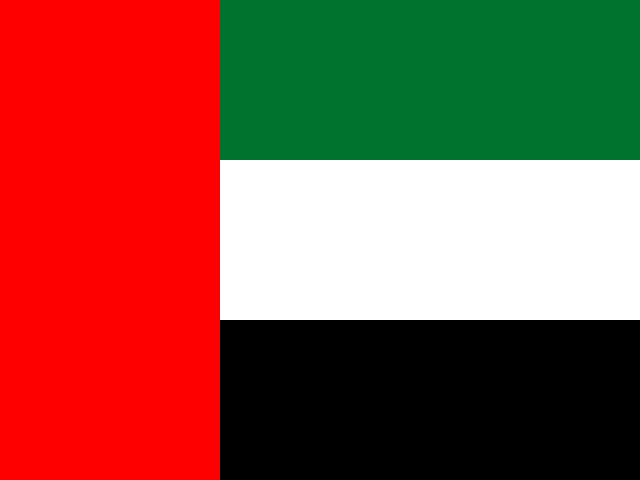
الإمارات العربية المتحدة
Émirats arabes unis
À propos de Émirats arabes unis
The United Arab Emirates is a federation of seven emirates situated at the crossroads of Europe, Asia, and Africa on the Arabian Peninsula. Established in 1971, it has rapidly transformed from a traditional Bedouin society centered on pearl diving into a global leader in innovation and luxury. Its cultural identity is defined by a deep respect for Islamic heritage and desert traditions, seamlessly integrated with a hyper-modern, cosmopolitan lifestyle.
En bref
Capitale
Abu Dhabi
Population
9,890,402
Région
Asia · Western Asia
Devise
UAE Dirham (AED)
Langues parlées

Arabe
العربية
Le savais-tu ?
The UAE is home to the Burj Khalifa in Dubai, the tallest building in the world, which stands at a staggering 828 meters.
The Dubai Police Force is famous for its 'supercar' fleet, which includes luxury vehicles like Bugattis, Ferraris, and Lamborghinis to patrol tourist areas.
Falconry is the national sport of the UAE, and falcons are so highly regarded that they are the only animals allowed to travel in the cabin of planes on certain Middle Eastern airlines.
There are no natural permanent rivers in the entire country, leading the UAE to become a world leader in desalination technology to provide fresh water.
Monuments célèbres
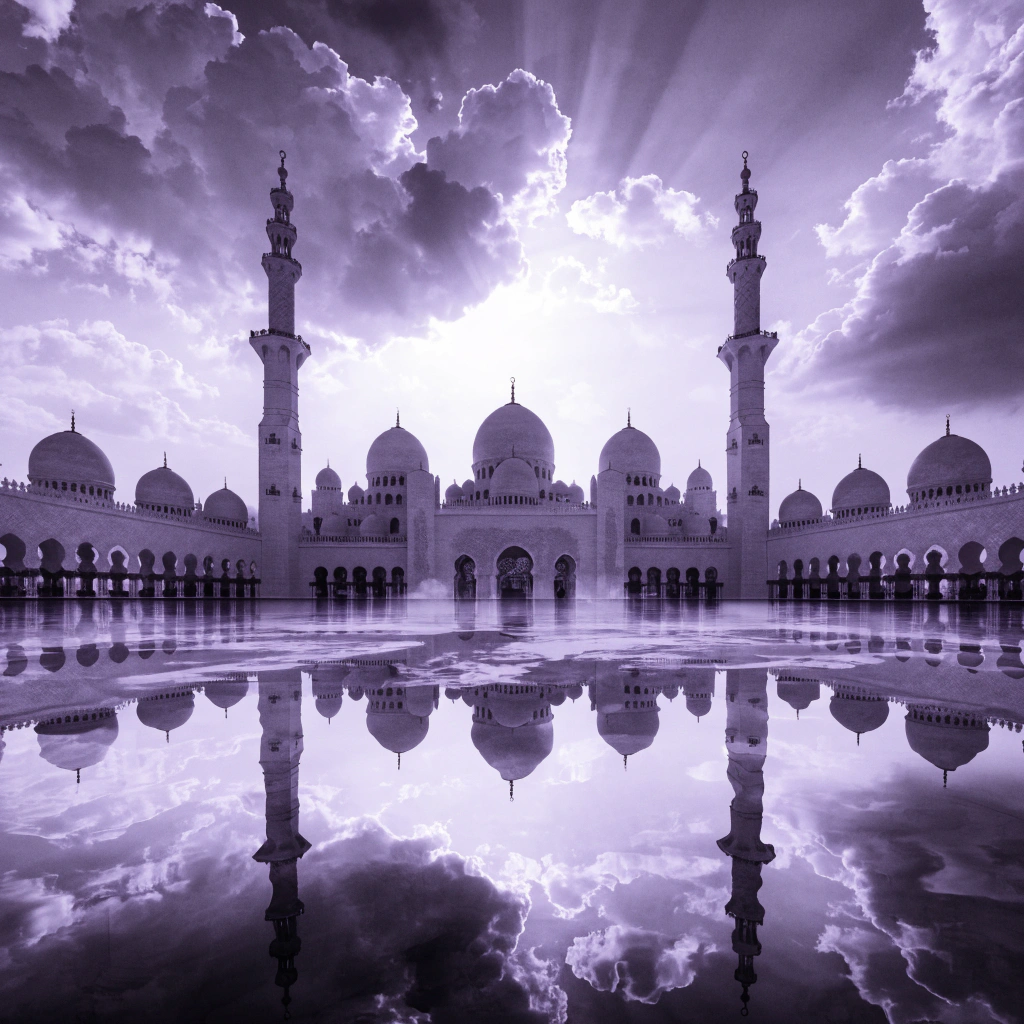
Grande Mosquée Sheikh Zayed
Un chef-d'œuvre architectural à couper le souffle à Abu Dhabi, qui se dresse comme un symbole de paix, de tolérance et de la diversité des styles artistiques islamiques.
Lire la suite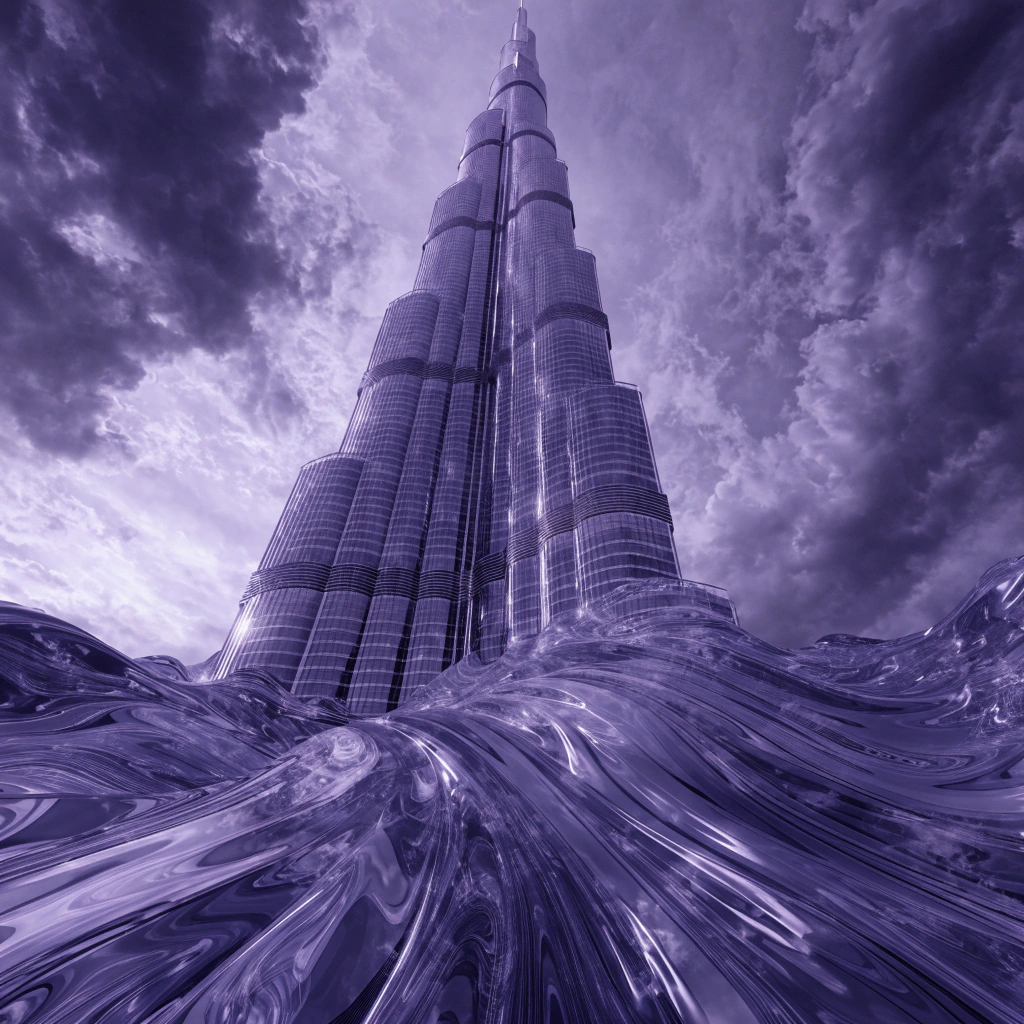
Burj Khalifa
La plus haute structure jamais construite par l'homme, cette aiguille scintillante dans le ciel de Dubai représente l'ascension fulgurante des UAE et leur ambition mondiale.
Lire la suite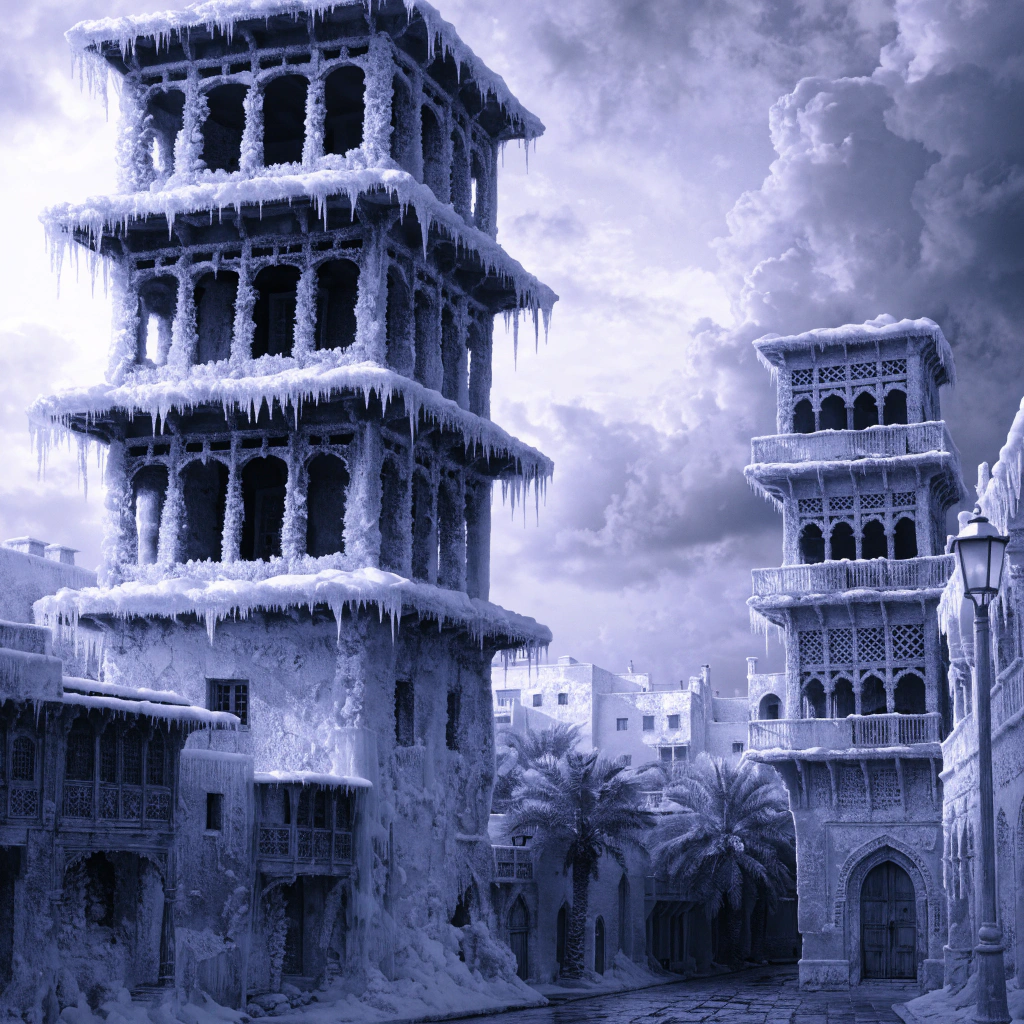
Al Fahidi Historical Neighbourhood
A charming preservation of old Dubai featuring traditional wind-tower architecture that offers a glimpse into life before the discovery of oil.
Lire la suite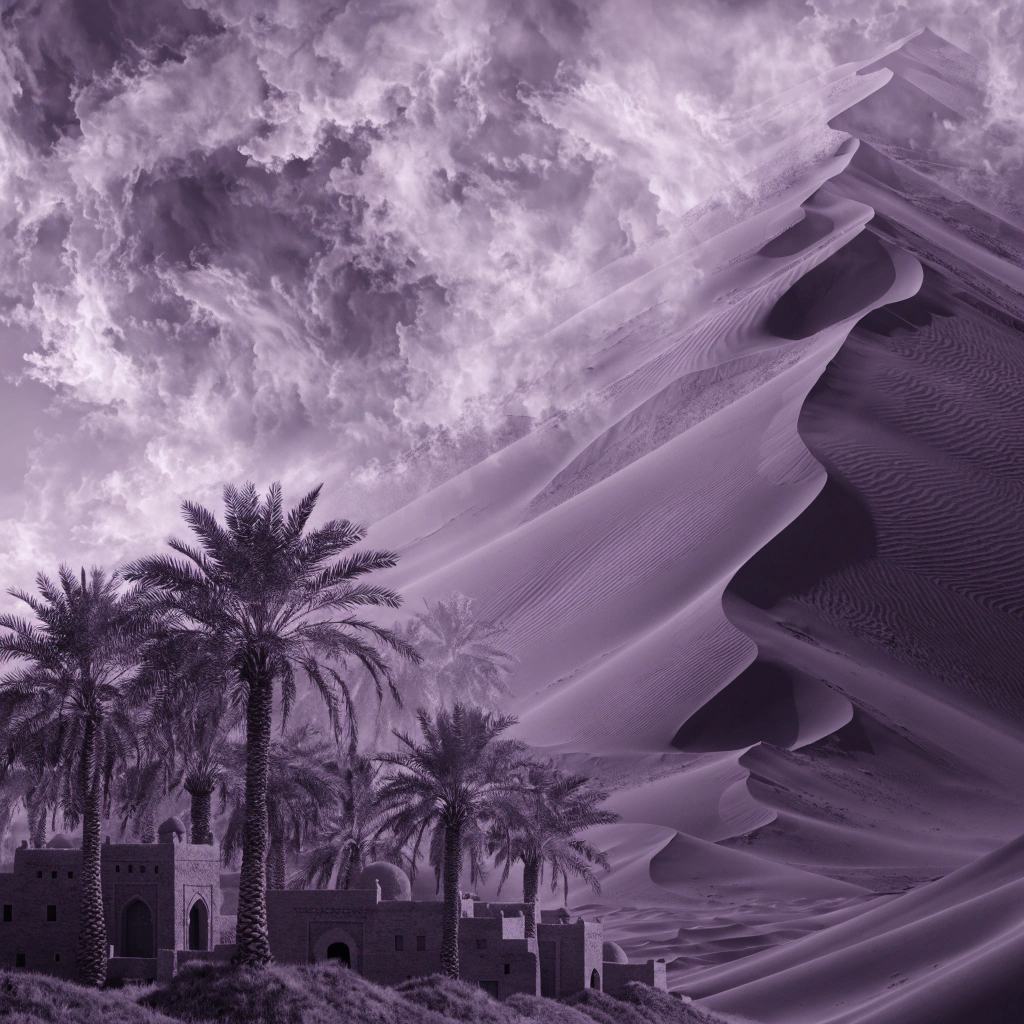
Oasis de Liwa
Une palmeraie luxuriante nichée au bord du Rub' al Khali, le foyer ancestral des familles régnantes des Émirats Arabes Unis et une porte d'entrée vers d'immenses dunes de sable.
Lire la suiteCuisine
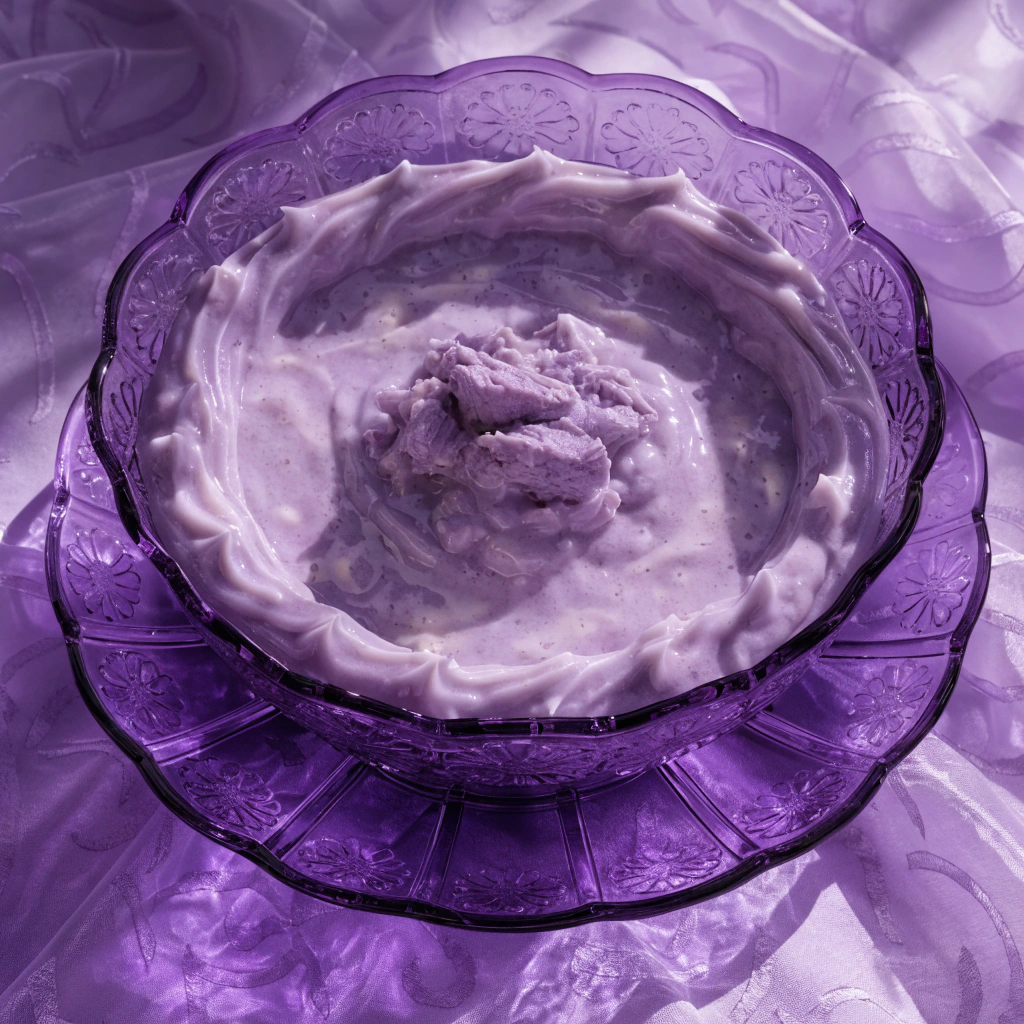
Harees
Une bouillie savoureuse mijotée lentement, faite de blé pilé et de viande, traditionnellement servie lors des mariages et pendant le Ramadan.
Lire la suite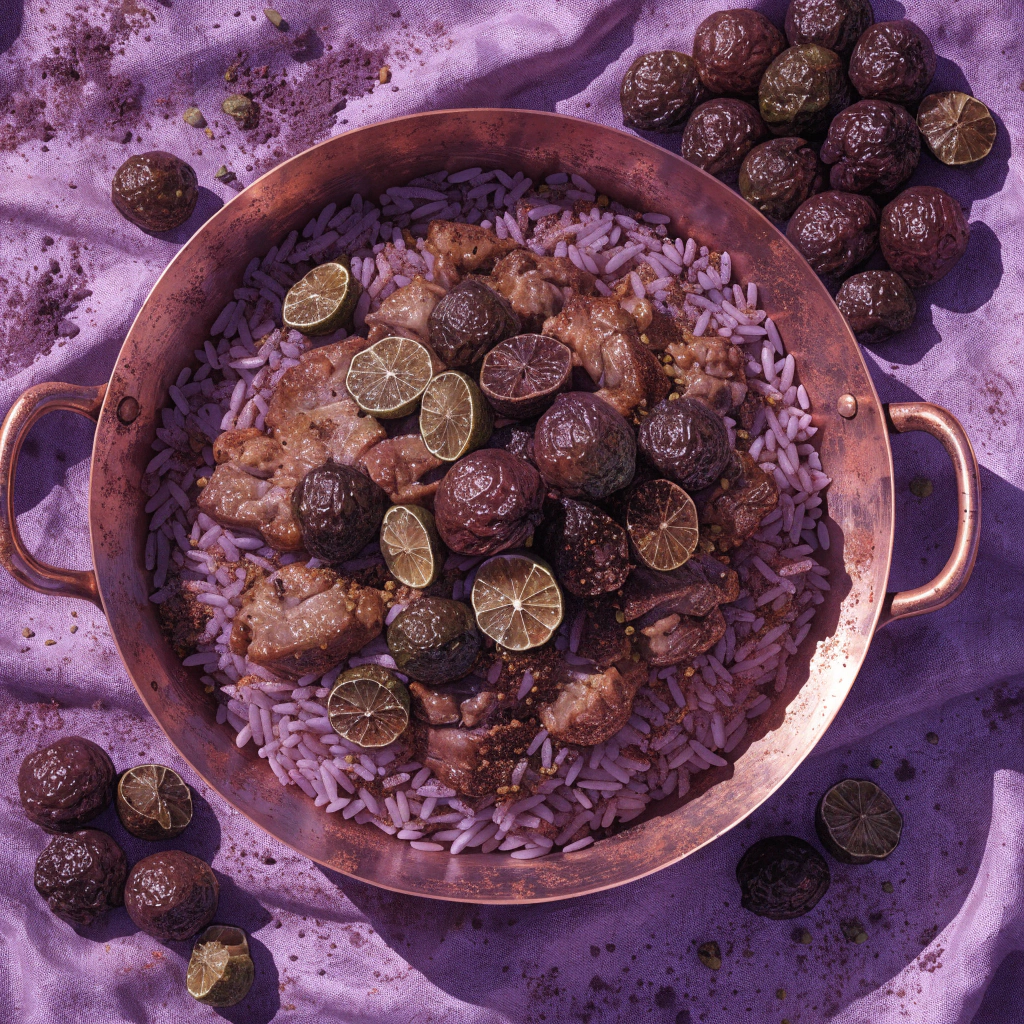
Machboos
Un plat unique, parfumé et consistant, de riz épicé combiné à de la viande ou du poisson, relevé par un mélange unique d'épices du Golfe et de citrons secs.
Lire la suite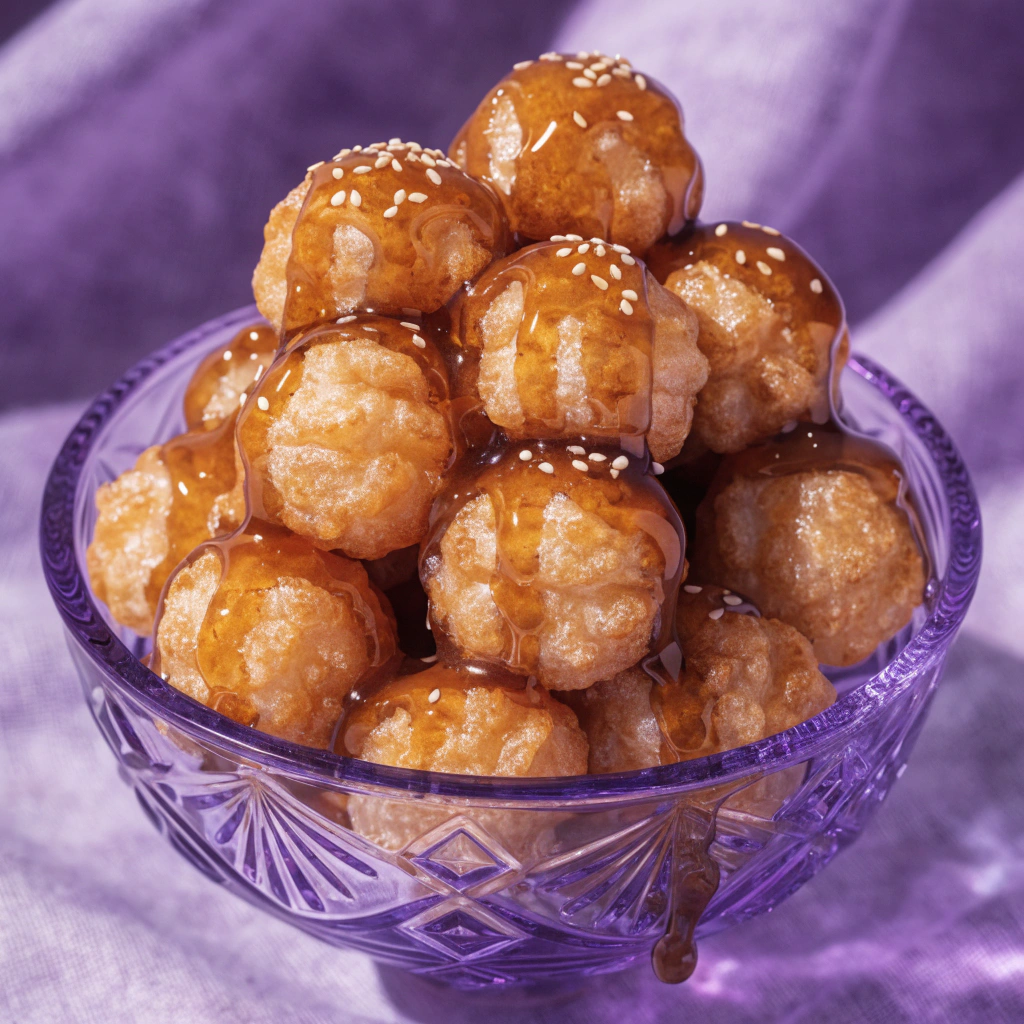
Luqaimat
Des petites boules de pâte frites, dorées et croquantes, nappées de sirop de datte et parsemées de graines de sésame, adorées comme le dessert émirati par excellence.
Lire la suite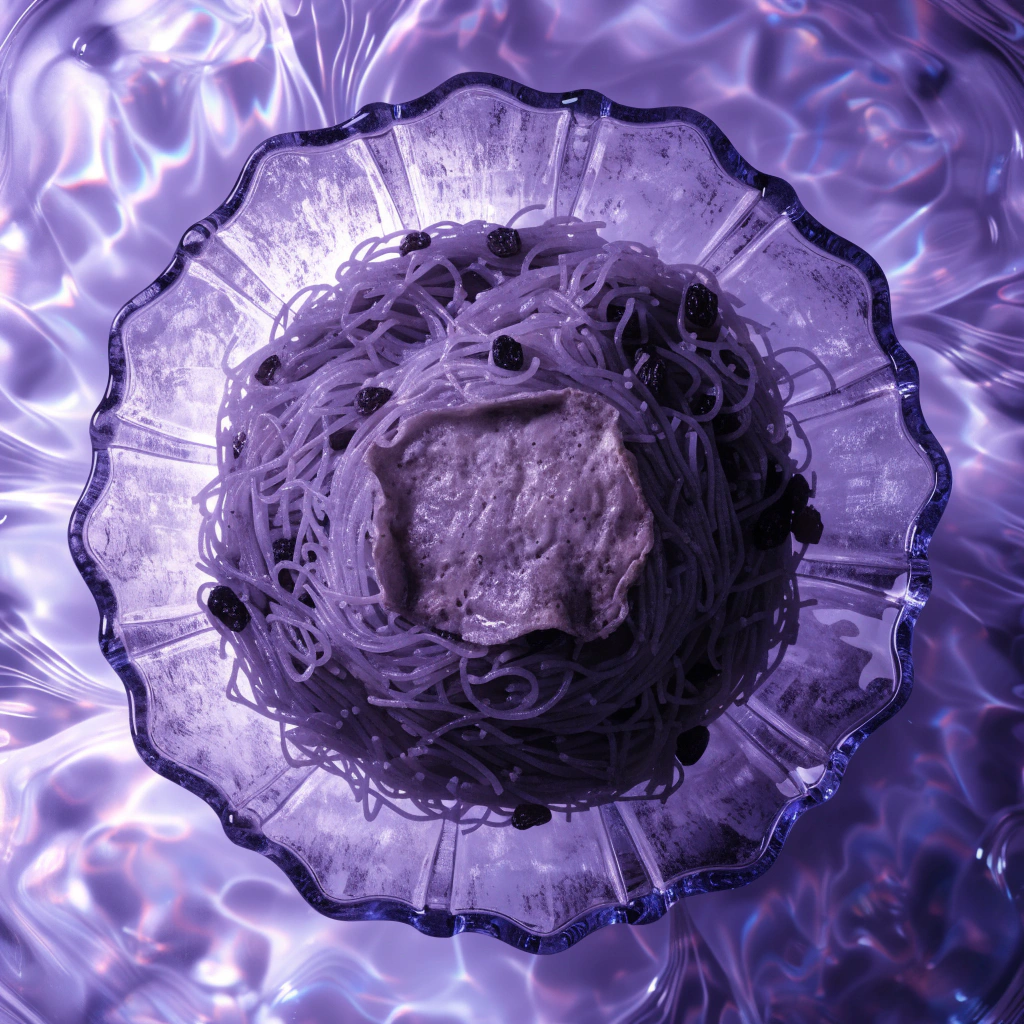
Balaleet
A unique sweet and savory breakfast dish consisting of saffron-infused vermicelli topped with a thin, savory omelet.
Lire la suiteMusique et arts
The music and arts of the United Arab Emirates are deeply rooted in Bedouin culture and the country's historical maritime heritage. These traditions, such as the rhythmic Al Ayyala and the chanted poetry of Al-Taghrooda, emphasize values of community, bravery, and hospitality. Many of these art forms are recognized by UNESCO as vital parts of humanity's intangible cultural heritage.
Arts traditionnels
Événements et festivals
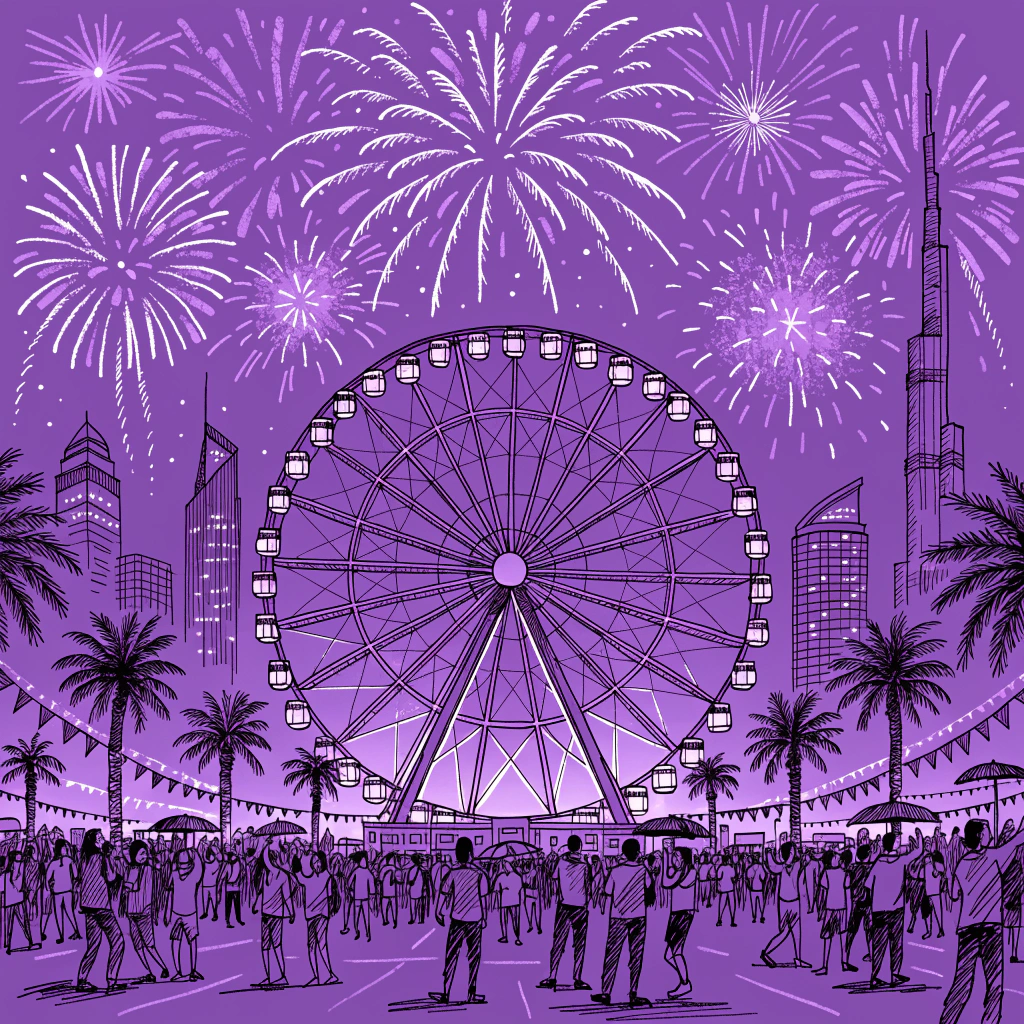
Festival du Shopping de Dubaï (DSF)
Janvier-FévrierUne fête géante dans toute la ville, avec des soldes incroyables, des spectacles de classe mondiale et des feux d'artifice spectaculaires.
Lire la suite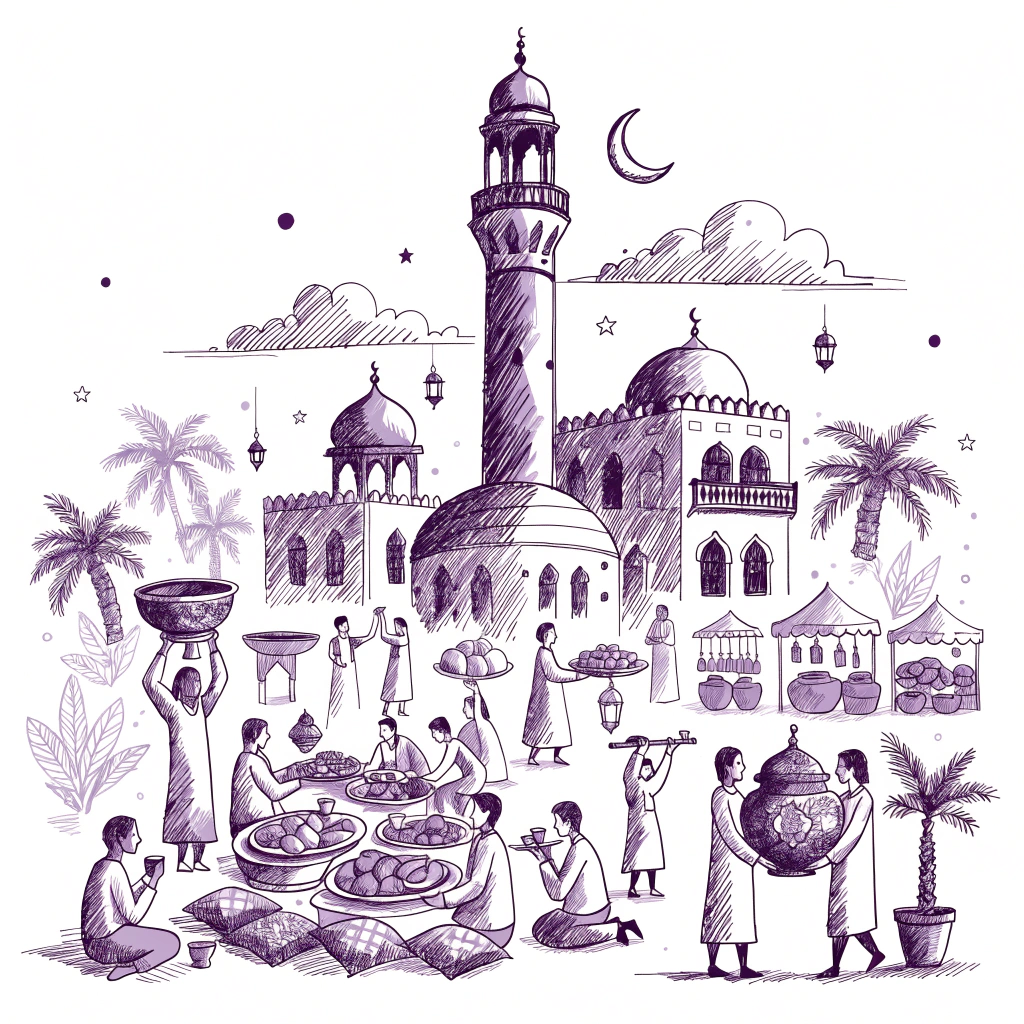
Ramadan and Eid Al Fitr
Variable (Lunar Calendar)The holy month of fasting followed by the 'Festival of Breaking the Fast,' marked by spirituality, charity, and communal feasts.
Lire la suite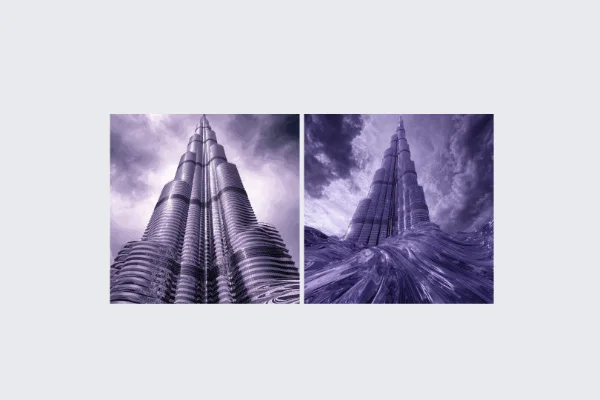
Aïd al-Adha
Variable (Calendrier Lunaire)Le «Festival du Sacrifice» commémorant l'achèvement du Hajj et les valeurs de dévotion et de partage.
Lire la suite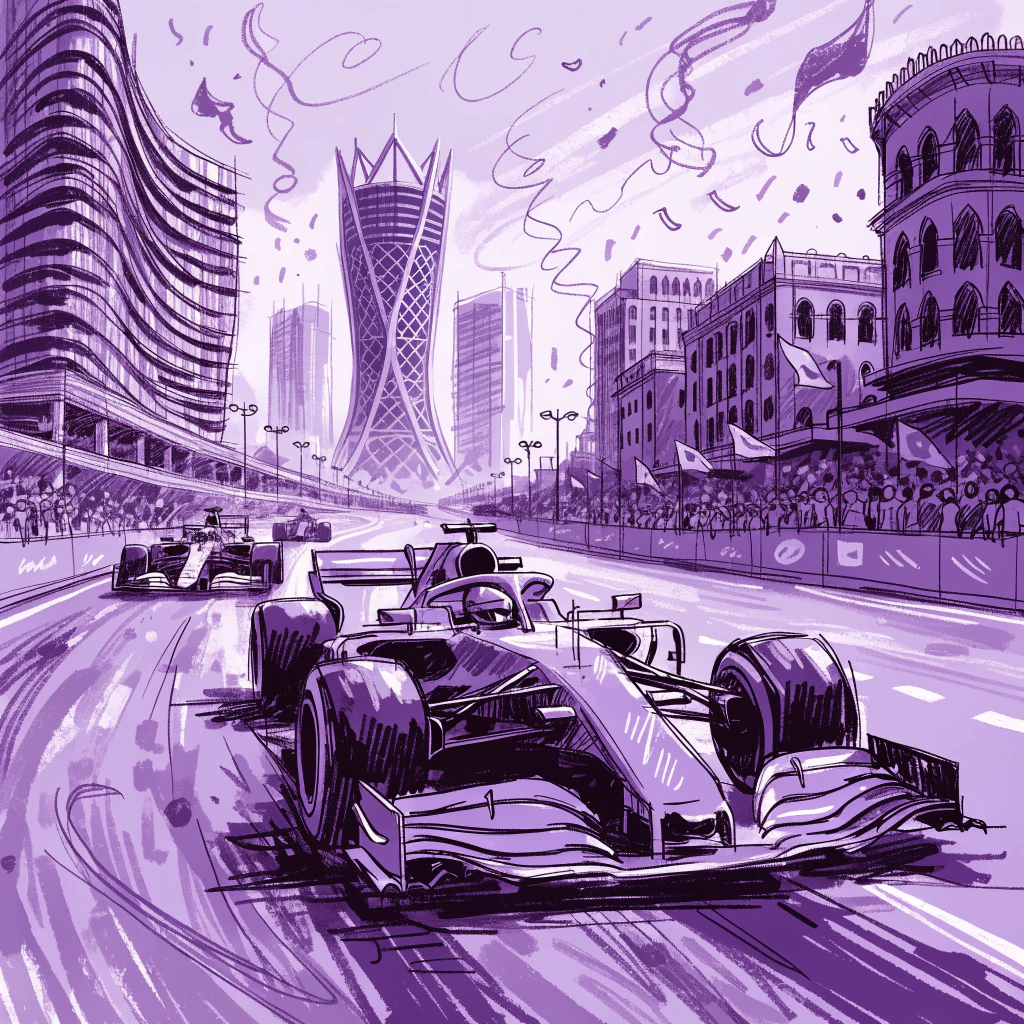
Grand Prix d'Abu Dhabi (Formule 1)
Novembre-DécembreLa finale spectaculaire de la saison du Championnat du Monde de Formule 1, qui se déroule sur le magnifique circuit de Yas Marina.
Lire la suite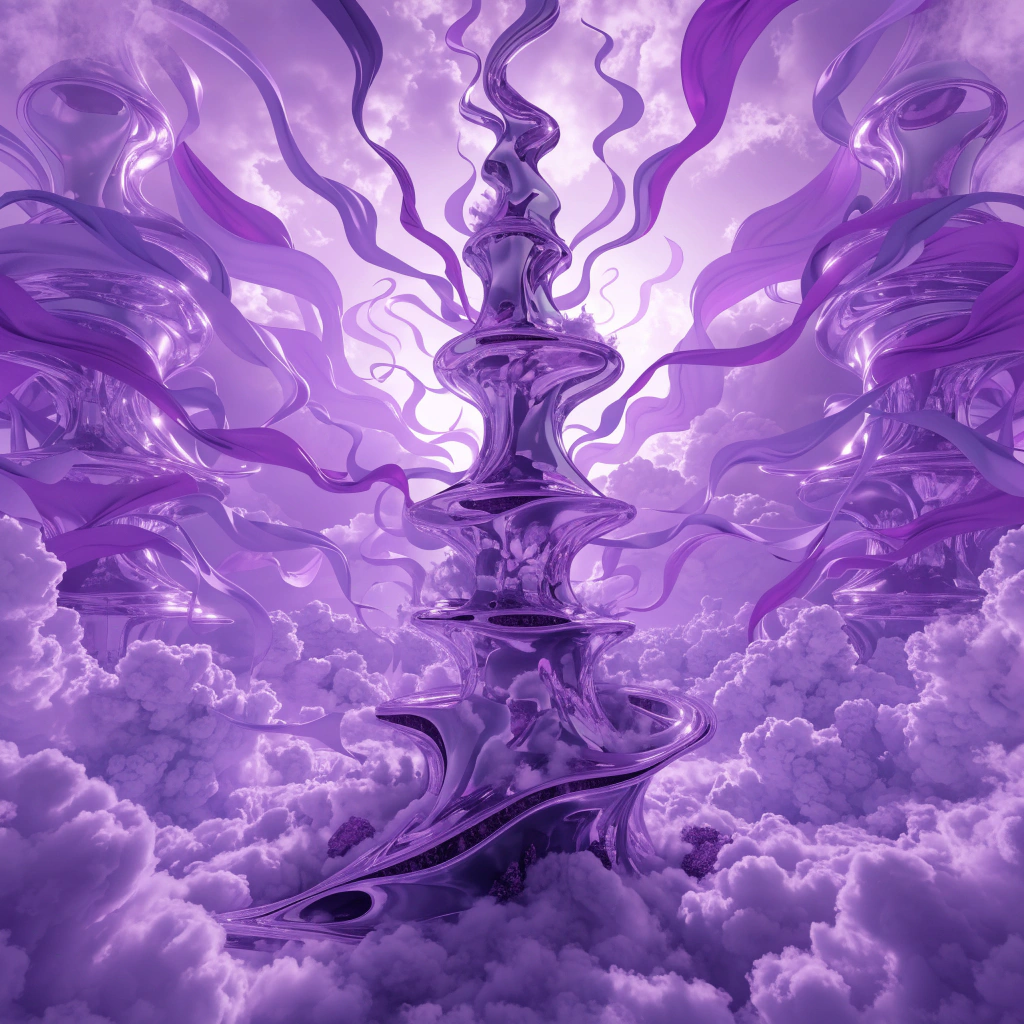
Fête nationale des EAU (Al-Eid al-Watani)
2 décembreUne grande célébration de l'unification en 1971 des sept émirats en une seule nation souveraine.
Lire la suitePhrases de voyage
السلام عليكم
As-salaam 'alaykum
Peace be upon you (Standard greeting)
شكراً
Shukran
Thank you
مرحباً
Marhaban
Hello
كيف حالك؟
Kayfa halak?
How are you?
من فضلك
Min fadlak
Please
عذراً
‘Udhran
Excuse me / Sorry
Mode de vie et coutumes
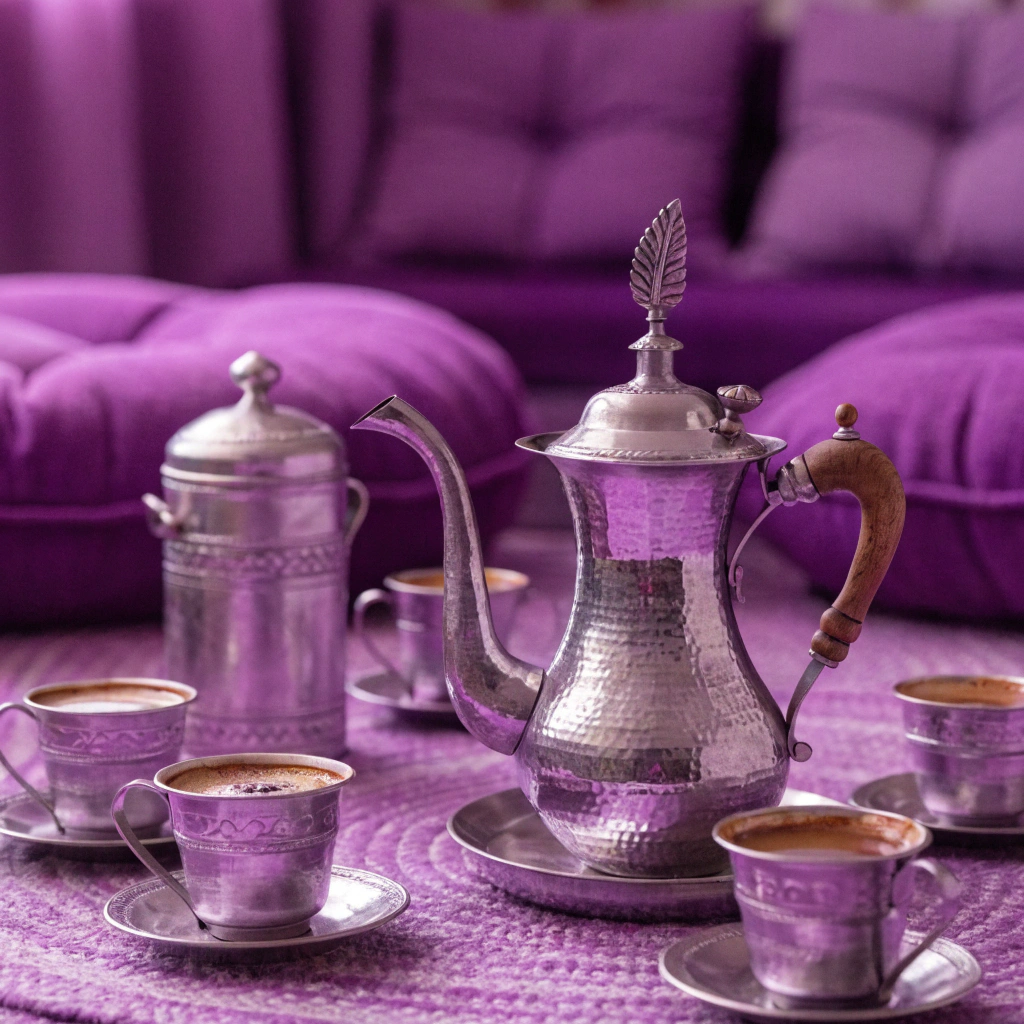
L'art de l'hospitalité émiratie : le Gahwa et le Majlis
Au cœur de la vie sociale émiratie, le Majlis et le service du Gahwa représentent une tradition de générosité et de communauté vieille de plusieurs siècles.
Lire la suite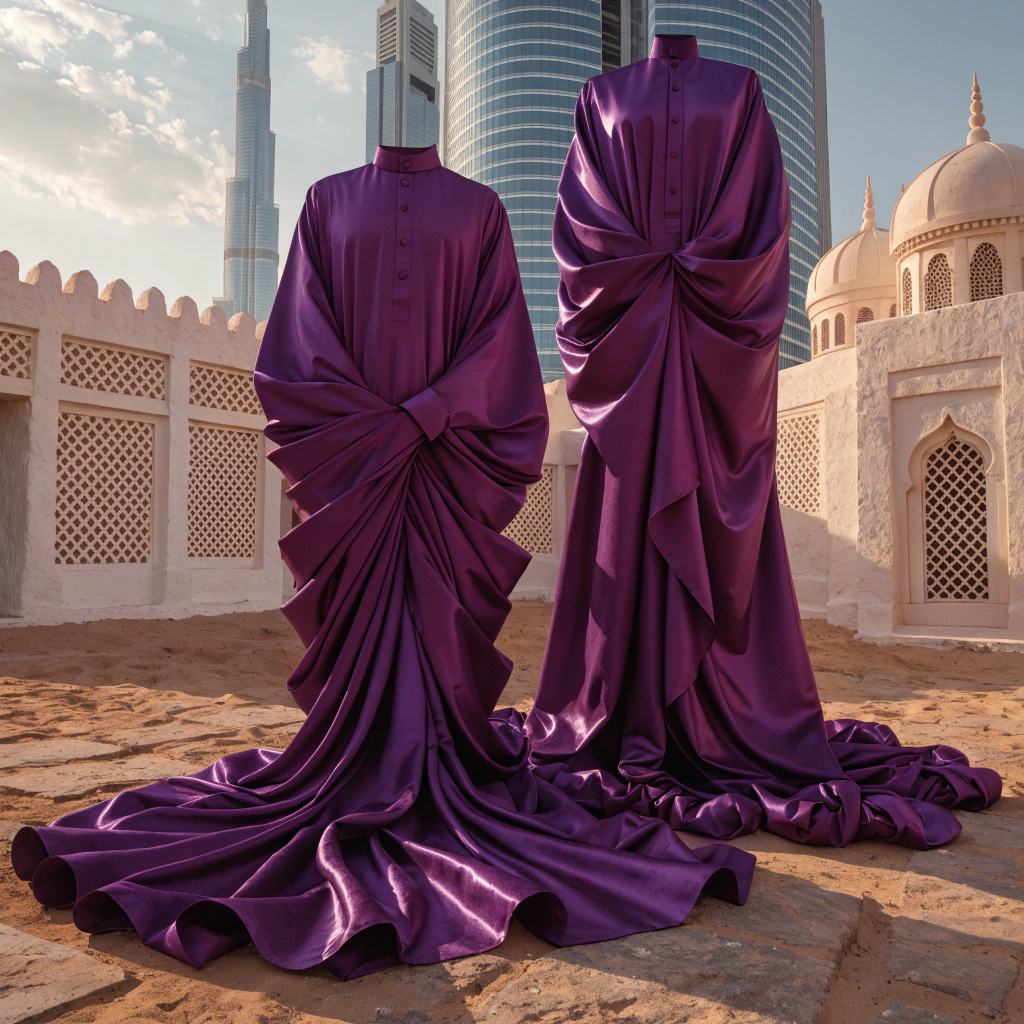
Symbols of Identity: The Kandura and Abaya
The distinctive traditional garments of the UAE are not just clothing but profound symbols of national pride, modesty, and cultural heritage.
Lire la suite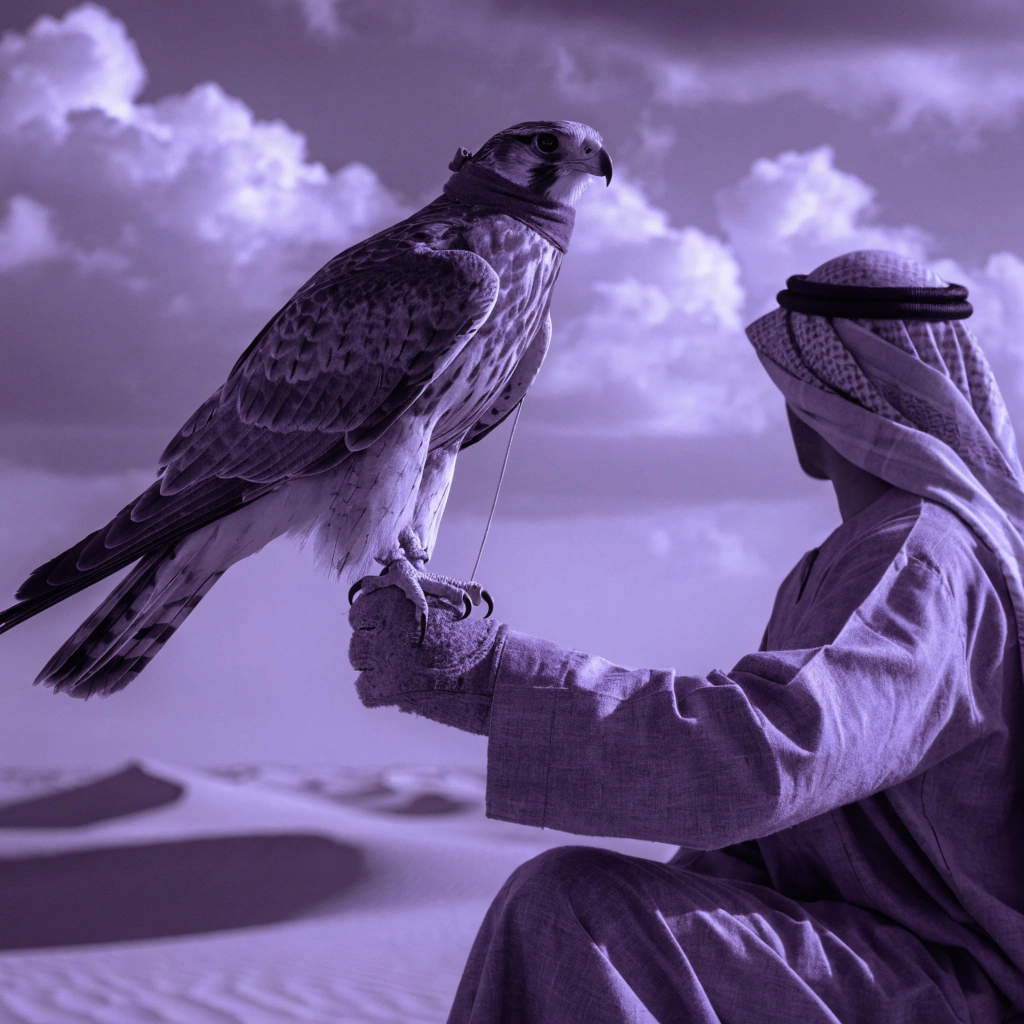
The Noble Sport: Falconry in Emirati Culture
Once a vital means of survival in the desert, falconry has evolved into a prestigious sport and a deeply respected symbol of Emirati heritage.
Lire la suiteConseils d'étiquette
Dress modestly in public places, ensuring shoulders and knees are covered.
Wear revealing or transparent clothing in shopping malls, markets, or religious sites.
Use your right hand for eating, shaking hands, and passing or receiving items.
Use your left hand for social interactions or eating, as it is traditionally considered unclean.
Ask for permission before taking photographs of local people, especially Emirati women.
Take photos of government buildings, military installations, or restricted transportation hubs.
Stand up when an elderly person or someone of higher social status enters a room.
Point the soles of your feet or shoes towards others, as it is considered a sign of disrespect.
Explorer plus de pays en Western Asia

Apprends Arabe pour te connecter à Émirats arabes unis
Commence à apprendre Arabe avec des vidéos, des exercices et des outils IA sur SubLearn.
Commencer apprendre
