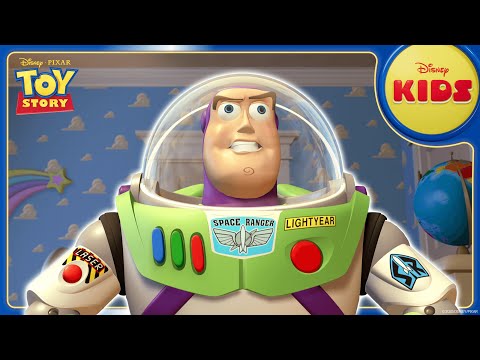
chuckling en 30 secondes
- Chuckling is a quiet, gentle form of laughter often done to oneself or in response to mild amusement.
- It is characterized by a low volume and a rhythmic sound coming from the chest and throat area.
- The word is frequently used in literature to show a character's warmth, wisdom, or secret enjoyment of a situation.
- Unlike giggling or guffawing, chuckling is mature, subdued, and generally carries a positive, non-judgmental connotation in social settings.
The word chuckling describes a specific, often private form of laughter. Unlike a loud guffaw or a high-pitched giggle, chuckling is characterized by its low volume and internal nature. It is the sound of someone finding something genuinely amusing but perhaps not wanting to draw excessive attention to themselves, or simply reacting to a thought that only they are privy to. When you see someone chuckling over a book in a quiet library, you are witnessing a moment of quiet joy. It is a deeply human expression that bridges the gap between a silent smile and a full-throated laugh.
- The Physical Act
- Chuckling often involves a rhythmic vibration in the chest and throat. The mouth might remain partially closed, causing the sound to be muffled and resonant. It is often accompanied by a twinkle in the eyes or a slight shaking of the shoulders.
The old man sat on the porch, chuckling to himself as he watched the kittens chase their own tails in the grass.
In social contexts, chuckling serves as a social lubricant. It signals agreement, shared humor, or a gentle acknowledgment of a joke without the disruptive energy of a loud laugh. It is frequently used in literature to denote a character's wisdom or their ability to find humor in the ironies of life. A grandfather might be described as chuckling while recounting a mischievous story from his youth, suggesting a sense of peace and amusement with his past.
- Emotional Resonance
- Chuckling is often associated with warmth and kindness. While 'sneering' or 'smirking' can be negative, chuckling is almost always perceived as a positive, albeit restrained, reaction to humor.
She couldn't help chuckling at the absurdly long list of rules her younger brother had written for his secret club.
Furthermore, chuckling can be a solitary activity. It is the hallmark of the 'inner monologue' being entertained. When we read a clever turn of phrase in a novel or remember a funny incident from the day before, we might find ourselves chuckling while alone in a room. This highlights the word's connection to internal cognitive processes and the personal appreciation of wit.
The professor was chuckling as he graded the papers, clearly enjoying the creative, if slightly incorrect, answers provided by his students.
- Cultural Nuance
- In many English-speaking cultures, a 'chuckle' is seen as a sign of a good-natured personality. It suggests a person who doesn't take themselves too seriously and can find the light side of most situations.
The audience was chuckling throughout the opening monologue, charmed by the comedian's self-deprecating style.
After the long day, they sat by the fire, chuckling over the various mishaps they had encountered on their hike.
Using the word chuckling correctly requires an understanding of its grammatical versatility. As a present participle, it most frequently appears in continuous verb tenses to describe an ongoing action. For example, 'He is chuckling' or 'They were chuckling.' It can also function as an adjective modifying a noun, such as 'a chuckling sound,' or as a gerund, as in 'Chuckling is good for the soul.'
- Continuous Action
- When used to describe a state of being, 'chuckling' emphasizes the duration of the amusement. It suggests the person has been laughing quietly for some time.
I could hear him chuckling in the next room while he watched the classic sitcom.
One of the most common ways to use 'chuckling' is in combination with the preposition 'at.' We chuckle at something—a joke, a memory, a situation, or a person's antics. This identifies the source of the amusement. Alternatively, we can chuckle 'to ourselves,' which emphasizes the private and internal nature of the laughter. This phrase is particularly useful in narrative writing to show a character's internal state without them having to speak.
- As a Participle Phrase
- 'Chuckling' is often used at the beginning or end of a sentence to provide additional information about the subject's mood while they perform another action.
Chuckling softly, the baker dusted the flour off his apron and greeted the customer.
In dialogue tags, 'chuckling' can replace 'said' to indicate the manner in which a person is speaking. This is a powerful tool for writers to convey emotion and tone simultaneously. Instead of writing '"That's a good one," he said while laughing,' a writer might simply write, '"That's a good one," he chuckled.' While 'chuckled' is the past tense verb, 'chuckling' can be used in the surrounding description to set the scene.
He walked away, chuckling at the thought of the surprise he had planned for his wife.
- Adverbial Modification
- You can modify 'chuckling' with adverbs to change its intensity or character. Common modifiers include 'softly,' 'quietly,' 'dryly,' 'darkly,' or 'heartily.'
The villain stood in the shadows, chuckling darkly as his plan began to unfold.
Despite the seriousness of the meeting, Sarah found herself chuckling at the cat's attempt to catch a fly on the window.
The word chuckling is ubiquitous in English literature, film, and everyday conversation, though it occupies a specific niche. You are most likely to encounter it in narrative storytelling—whether in a novel, a screenplay, or a spoken anecdote. It is a favorite of authors because it conveys a wealth of character information in a single word. It suggests a character who is observant, perhaps a bit detached, or possessed of a dry sense of humor.
- In Literature
- Classic and contemporary authors use 'chuckling' to humanize their characters. It is often used to describe mentors, grandparents, or witty sidekicks. Think of a character like Gandalf or Dumbledore; they are often described as chuckling at the antics of younger characters.
The narrator described the protagonist chuckling as he realized he had been outsmarted by a five-year-old.
In film and television, 'chuckling' is a direction often given to actors. It's a way to show a character's internal reaction without dialogue. A close-up of an actor chuckling can tell the audience that the character is not as angry as they seem, or that they have a secret plan. It's a subtle tool for building subtext. In audiobooks, the narrator will often actually perform a chuckle when the text describes a character doing so, bringing the word to life for the listener.
- In Everyday Life
- While people don't often say 'I am chuckling' while they are doing it, they frequently use the word when describing events later. 'We were all chuckling about it at dinner' is a common way to recount a lighthearted moment.
I heard the neighbors chuckling in their garden, and it made me feel happy just to hear their quiet joy.
You will also find 'chuckling' in journalism and feature writing, especially when the writer is trying to create a vivid portrait of a person. Describing a CEO as 'chuckling' during an interview can make them seem more approachable and less intimidating. It suggests a level of comfort and confidence. Similarly, in sports commentary, a commentator might mention a coach 'chuckling' on the sidelines after a particularly unusual play.
The reporter noted that the scientist was chuckling as she explained the unexpected results of the experiment.
In the quiet of the morning, the only sound was the coffee pot bubbling and my father chuckling at the comic strips in the newspaper.
While chuckling is a relatively straightforward word, learners of English often confuse it with other types of laughter. The most common mistake is using 'chuckling' when the laughter is actually loud or high-pitched. Understanding the 'volume' and 'tone' of different laughter words is key to using them correctly. Chuckling is always low-volume and usually low-pitched.
- Chuckle vs. Giggle
- A giggle is high-pitched, often nervous, and usually associated with children or silly situations. Chuckling is deeper, more controlled, and often associated with maturity or quiet amusement.
Incorrect: The little girls were chuckling at the silly clown. (Better: giggling)
Another frequent error is confusing 'chuckling' with 'snickering' or 'smirking.' While all three can be quiet, 'snickering' often has a mean-spirited or disrespectful undertone—laughing at someone's misfortune or mistake in a hidden way. 'Smirking' is a facial expression (a smug smile) rather than a sound. 'Chuckling' is almost always benign and genuine.
- Chuckle vs. Guffaw
- A guffaw is a loud, boisterous burst of laughter. You cannot 'chuckle' loudly. If the laughter fills the room, it is definitely not a chuckle.
Incorrect: He let out a loud, booming chuckling. (Better: guffaw or laugh)
Learners also sometimes struggle with the spelling, specifically the 'ck' and the double 'l' in the related forms. Remember: c-h-u-c-k-l-e. The 'ck' creates that hard 'k' sound in the middle of the word. Also, ensure you don't confuse 'chuckling' with 'choking.' While both involve sounds from the throat, one is a sign of amusement and the other is a medical emergency!
Mistake: He was chuckling on his water. (Correct: choking)
Mistake: The movie was so funny, I was chuckling my head off. (Idiom correction: laughing my head off—chuckling is too quiet for this idiom)
To truly master the use of chuckling, it's helpful to compare it with its synonyms. Each word carries a slightly different shade of meaning, and choosing the right one can significantly enhance your writing or speaking. While 'chuckling' is the most common term for quiet laughter, words like 'chortling,' 'tittering,' and 'sniggering' offer more specific nuances.
- Chuckling vs. Chortling
- 'Chortle' is a blend of 'chuckle' and 'snort' (coined by Lewis Carroll). It implies a more gleeful, exuberant, and slightly louder sound than a simple chuckle. It often suggests a sense of triumph or great satisfaction.
'Tittering' is another alternative, but it describes a very different sound. A titter is a short, nervous, suppressed laugh. It is often used to describe the reaction of an audience to something slightly scandalous or embarrassing. Unlike the warm, resonant sound of chuckling, tittering is thin and often higher in pitch.
- Chuckling vs. Sniggering/Snickering
- These words describe a suppressed, often disrespectful laugh. If you are laughing at someone's expense or at something you shouldn't be laughing at, you are sniggering. Chuckling, by contrast, is usually innocent and shared.
Comparison: He was chuckling at the memory of the dog's silly dance, whereas the bullies were snickering at the boy's old shoes.
For a more formal or literary tone, you might use 'subdued laughter' or 'quiet amusement.' However, these phrases lack the onomatopoeic quality of 'chuckling.' The word itself sounds a bit like the action it describes—the 'ch' and 'ck' sounds mimic the gentle guttural stops of the laughter. In very informal settings, you might hear 'cracking up,' but this usually implies a much louder and more intense reaction than chuckling.
- Chuckling vs. Giggling
- As mentioned before, age and pitch are the key differences. Giggling is youthful and light; chuckling is mature and resonant. You might 'giggle' at a tickle, but you 'chuckle' at a witty remark.
The professor's chuckling was a sign that he had finally solved the complex equation that had bothered him for weeks.
I sat in the back of the theater, chuckling at the subtle jokes that the rest of the audience seemed to miss.
How Formal Is It?
Le savais-tu ?
The word 'chortle' was actually created by Lewis Carroll in 'Through the Looking-Glass' by combining 'chuckle' and 'snort.'
Guide de prononciation
- Pronouncing the 'u' like the 'oo' in 'book'.
- Making the 'ch' sound like a 'sh' sound (shuckling).
- Over-emphasizing the 'g' at the end.
- Confusing the 'ck' sound with a soft 'c'.
- Dropping the 'l' sound (chucking).
Niveau de difficulté
Common in literature, easily understood from context.
Requires understanding of the specific nuance of quiet laughter.
Natural-sounding word that adds flavor to descriptions.
Distinctive sound, but can be confused with similar words.
Quoi apprendre ensuite
Prérequis
Apprends ensuite
Avancé
Grammaire à connaître
Present Participle as Adjective
The chuckling man sat by the fire.
Gerund as Subject
Chuckling is a great way to relieve stress.
Participle Phrase for Simultaneous Action
Chuckling, she turned the page of her book.
Verbs of Perception + Participle
I heard him chuckling in the next room.
Prepositional Phrases with Gerunds
He was tired of all the chuckling.
Exemples par niveau
The boy is chuckling at the cat.
Le garçon ricane en regardant le chat.
Present continuous tense.
She was chuckling during the movie.
Elle ricanait pendant le film.
Past continuous tense.
I like chuckling with my friends.
J'aime ricaner avec mes amis.
Gerund after 'like'.
He is a chuckling baby.
C'est un bébé qui ricane.
Adjective use.
Why are you chuckling?
Pourquoi ricanes-tu ?
Question form.
The teacher was chuckling at the joke.
Le professeur ricanait à la blague.
Past continuous.
Stop chuckling and listen!
Arrête de ricaner et écoute !
Imperative with gerund.
We were all chuckling together.
Nous ricanions tous ensemble.
Past continuous with 'all'.
He sat in the corner, chuckling to himself.
Il était assis dans le coin, ricanant tout seul.
Participle phrase.
I heard some chuckling from the kitchen.
J'ai entendu des ricanements venant de la cuisine.
Noun use (gerund as noun).
The old man was chuckling about his youth.
Le vieil homme ricanait en pensant à sa jeunesse.
Preposition 'about'.
She started chuckling when she saw the dog's hat.
Elle a commencé à ricaner quand elle a vu le chapeau du chien.
Gerund after 'started'.
Is he chuckling at me?
Est-ce qu'il se moque de moi (en ricanant) ?
Present continuous question.
The chuckling sound made me smile.
Le son du ricanement m'a fait sourire.
Adjective modifying 'sound'.
They kept chuckling throughout the play.
Ils n'ont pas arrêté de ricaner pendant toute la pièce.
Gerund after 'kept'.
He was chuckling while reading the letter.
Il ricanait en lisant la lettre.
Conjunction 'while' with participle.
The professor was chuckling as he reviewed the student's clever essay.
Le professeur ricanait en relisant la brillante dissertation de l'étudiant.
Conjunction 'as' showing simultaneous action.
I found him in the garden, chuckling over a comic book.
Je l'ai trouvé dans le jardin, ricanant devant une bande dessinée.
Preposition 'over' indicating the cause.
Despite the rain, they were chuckling about their ruined picnic.
Malgré la pluie, ils ricanaient de leur pique-nique gâché.
Contrastive 'despite'.
Her chuckling was a welcome sound in the quiet house.
Son ricanement était un son bienvenu dans la maison calme.
Gerund as the subject of the sentence.
He couldn't help chuckling at the irony of the situation.
Il ne pouvait s'empêcher de ricaner devant l'ironie de la situation.
Phrase 'can't help' + gerund.
The audience began chuckling even before the comedian spoke.
Le public a commencé à ricaner avant même que l'humoriste ne parle.
Adverbial 'even before'.
She stood there chuckling, her eyes bright with amusement.
Elle restait là à ricaner, les yeux brillants d'amusement.
Descriptive participle phrase.
He was chuckling softly so as not to wake the baby.
Il ricanait doucement pour ne pas réveiller le bébé.
Purpose clause 'so as not to'.
The detective was chuckling, having already figured out the culprit's mistake.
Le détective ricanait, ayant déjà compris l'erreur du coupable.
Perfect participle 'having figured out'.
A low chuckling emerged from the back of the room, drawing everyone's attention.
Un léger ricanement s'éleva du fond de la pièce, attirant l'attention de tous.
Gerund as a noun with an adjective.
He was chuckling dryly, unimpressed by the politician's excuses.
Il ricanait d'un ton sec, peu impressionné par les excuses du politicien.
Adverbial modification 'dryly'.
The author's use of 'chuckling' adds a sense of warmth to the character.
L'utilisation par l'auteur du mot 'ricanement' ajoute une touche de chaleur au personnage.
Noun use in a literary context.
She was chuckling at the sheer audacity of his request.
Elle ricanait devant l'audace pure de sa demande.
Prepositional phrase 'at the sheer audacity'.
I remember my grandfather chuckling while he carved wooden toys for us.
Je me souviens de mon grand-père ricanant pendant qu'il nous sculptait des jouets en bois.
Object + participle construction.
The villain's chuckling sent a shiver down my spine.
Le ricanement du méchant m'a donné un frisson dans le dos.
Possessive gerund.
He spent the afternoon chuckling over old photographs.
Il a passé l'après-midi à ricaner devant de vieilles photographies.
Verb 'spend' + time + gerund.
The diplomat was chuckling inwardly, aware of the hidden agenda behind the proposal.
Le diplomate ricanait intérieurement, conscient des intentions cachées derrière la proposition.
Adverb 'inwardly' modifying the participle.
There was a constant chuckling in the background, which some found distracting.
Il y avait un ricanement constant en arrière-plan, que certains trouvaient distrayant.
Existential 'there was' with a gerund noun.
He was chuckling heartily, his entire frame shaking with suppressed mirth.
Il ricanait de bon cœur, tout son corps tremblant d'une allégresse contenue.
Absolute construction 'his entire frame shaking'.
The irony of the situation left him chuckling long after the guests had departed.
L'ironie de la situation le laissa ricaner longtemps après le départ des invités.
Object complement structure.
Her chuckling was intermittent, breaking the silence of the study at irregular intervals.
Son ricanement était intermittent, rompant le silence du bureau à intervalles irréguliers.
Adjective 'intermittent' with gerund.
He was chuckling at the absurdity of it all, a defense mechanism against the stress.
Il ricanait de l'absurdité de tout cela, un mécanisme de défense contre le stress.
Appositive phrase explaining the action.
The sound of chuckling echoed through the hallway, though no one was visible.
Le son de ricanements résonnait dans le couloir, bien que personne ne soit visible.
Gerund as the object of a preposition.
By the time he finished the story, the entire room was chuckling.
Au moment où il eut fini son histoire, toute la salle ricanait.
Collective subject with continuous verb.
The protagonist's penchant for chuckling at inappropriate moments underscored his social alienation.
Le penchant du protagoniste à ricaner à des moments inappropriés soulignait son aliénation sociale.
Gerund phrase as the object of a preposition.
The narrative is punctuated by the old man's rhythmic chuckling, serving as a motif for his resilience.
Le récit est ponctué par le ricanement rythmique du vieil homme, servant de motif à sa résilience.
Passive voice with an agentive gerund.
He was chuckling with a sort of weary cynicism that only comes with age.
Il ricanait avec une sorte de cynisme las qui ne vient qu'avec l'âge.
Complex prepositional phrase modifying the verb.
The subtle chuckling of the stream provided a tranquil backdrop to their conversation.
Le léger clapotis (ricanement métaphorique) du ruisseau offrait une toile de fond tranquille à leur conversation.
Metaphorical use of 'chuckling'.
Despite his outward composure, he was chuckling internally at the sheer incompetence of his rivals.
Malgré son calme apparent, il ricanait intérieurement de l'incompétence pure de ses rivaux.
Contrast between 'outward' and 'internally'.
The recording captured the faint chuckling of the audience, a testament to the play's understated humor.
L'enregistrement a capturé le faible ricanement du public, témoignage de l'humour discret de la pièce.
Gerund as the head of a complex noun phrase.
He found himself chuckling at the memory, a sudden burst of levity in an otherwise somber day.
Il se surprit à ricaner au souvenir, un soudain élan de légèreté dans une journée par ailleurs sombre.
Reflexive 'found himself' + participle.
The philosopher was chuckling as he contemplated the paradox, finding joy in the unsolvable.
Le philosophe ricanait en contemplant le paradoxe, trouvant de la joie dans l'insoluble.
Simultaneous participles.
Collocations courantes
Phrases Courantes
— To chuckle continuously for a period of time.
He was chuckling away in the corner for hours.
— To cause a group of people to be amused after you leave.
His witty remark left them all chuckling.
— To be seen laughing quietly when you perhaps shouldn't be.
She was caught chuckling during the serious meeting.
— To laugh so quietly that it is barely audible.
He was chuckling under his breath at the absurd comment.
— To make someone start laughing quietly.
That story will send you chuckling all the way home.
— A small amount of quiet laughter.
There was a bit of chuckling when the cat walked across the stage.
— Something that is funny enough to cause a quiet laugh.
It's not hilarious, but it's certainly worth a chuckle.
— A variation of 'laughing all the way to the bank' (less common).
He's chuckling all the way to the bank with that new deal.
— Feeling amused internally without making a sound.
I felt an inner chuckling at the irony of his statement.
— A command to cease quiet laughter.
Stop that chuckling and pay attention to the lecture!
Souvent confondu avec
Choking is a medical emergency; chuckling is a happy sound. Don't mix them up!
Chucking means throwing something; chuckling means laughing.
Checking means inspecting; chuckling means laughing.
Expressions idiomatiques
— To be privately amused by something.
He was chuckling to himself as he walked down the street.
neutral— To ultimately succeed or be proven right in a way that is satisfying.
They doubted him, but he had the last chuckle when the project succeeded.
informal— Something that is very funny or constantly amusing.
That new sitcom is a chuckle a minute.
informal— An old-fashioned term for someone who is stupid or foolish.
Don't be such a chuckle-headed fool!
archaic/informal— To amuse someone slightly.
The card gave her a good chuckle on her birthday.
neutral— To laugh quietly because you are excited about something coming up.
He was chuckling in anticipation of the prank.
neutral— A quiet laugh that suggests a lack of genuine warmth or a cynical view.
He gave a dry chuckle when he heard the bad news.
literary— To laugh quietly with great happiness or triumph.
The child was chuckling with glee at the sight of the presents.
neutral— To try hard not to laugh quietly.
She had to suppress a chuckle when she saw his mismatched socks.
neutral— To suddenly start laughing quietly.
He burst out chuckling in the middle of the quiet library.
neutralFacile à confondre
Both are types of laughter.
Giggling is high-pitched and silly; chuckling is low and mature.
The kids were giggling, but the teacher was only chuckling.
Both are quiet.
Snickering is often mean or disrespectful; chuckling is usually kind.
He was chuckling at the puppy, but they were snickering at his mistake.
Very similar sounds.
Chortling is louder and more gleeful, like a combination of a chuckle and a snort.
He was chortling with joy after winning the game.
Both are suppressed laughter.
Tittering is nervous and thin; chuckling is warm and resonant.
The nervous students were tittering before the exam.
Both involve amusement.
Smirking is a facial expression (a smile); chuckling is a sound.
He was smirking while he listened to her, then he started chuckling.
Structures de phrases
Subject + is/are + chuckling.
He is chuckling.
Subject + is/are + chuckling + at + noun.
They are chuckling at the cat.
Subject + verb + chuckling + to + oneself.
She sat chuckling to herself.
Chuckling + [adverb], + subject + verb.
Chuckling softly, he walked away.
Subject + found + object + chuckling.
I found him chuckling over the news.
The + [adjective] + chuckling + of + noun.
The low chuckling of the crowd was audible.
Subject + was + chuckling + [adverbial phrase].
He was chuckling with a sense of profound irony.
Gerund phrase + verb + complement.
His constant chuckling became quite irritating.
Famille de mots
Noms
Verbes
Adjectifs
Apparenté
Comment l'utiliser
Common in both spoken and written English.
-
Using 'chuckling' for a loud laugh.
→
Using 'guffawing' or 'laughing loudly.'
Chuckling is by definition quiet. If the sound is loud, 'chuckling' is the wrong word.
-
Spelling it as 'chukling'.
→
Chuckling.
Don't forget the 'c' before the 'k'. It follows the standard English pattern for a short vowel followed by a 'k' sound.
-
Using 'chuckling' when you mean 'choking'.
→
Choking.
One is happy (chuckling), the other is dangerous (choking). The sounds are different, and the meanings are opposites.
-
Confusing 'chuckling' with 'giggling' in formal writing.
→
Use the one that fits the character's age and tone.
Giggling can sound immature. If you want to show a mature character is amused, 'chuckling' is much better.
-
Using 'chuckling' for a mean laugh.
→
Snickering or sniggering.
Chuckling is usually warm. If the person is being mean, 'snickering' conveys that negative intent much better.
Astuces
Use for Subtlety
Use 'chuckling' when you want to show a character's internal amusement without making them seem loud or boisterous.
Expand Your Range
Don't just use 'laughing.' Use 'chuckling' to add variety and precision to your descriptions of people.
Focus on the 'U'
Make sure the 'u' in 'chuckling' is a short sound, like in 'cup' or 'luck.' Practice saying it quickly.
Character Building
Giving a character a 'habitual chuckle' can make them seem more endearing and wise to your readers.
Participle Power
Use 'chuckling' as a participle phrase at the start of a sentence to set the mood immediately.
Social Lubricant
In English-speaking cultures, a soft chuckle is a great way to show you are listening and amused in a conversation.
Look for Context
When you see 'chuckling' in a book, look at what the character is doing. It often reveals their true feelings.
Identify the Sound
Try to identify the specific sound of a chuckle in movies. It's usually a low, rhythmic 'he-he-he' or 'ho-ho-ho'.
Avoid Overuse
While it's a great word, don't use it for every laugh. Reserve it for those truly quiet, amused moments.
The Chicken Cluck
Remember the etymology! A chuckle is like a gentle cluck from a happy chicken. This will help you remember the sound and the word.
Mémorise-le
Moyen mnémotechnique
Think of a 'CHUCK' (like a chicken) 'LING' (lingering) over a joke. A chicken clucking quietly is like a person chuckling.
Association visuelle
Imagine a friendly grandfather sitting in a rocking chair, his chest vibrating slightly as he laughs at a funny memory.
Word Web
Défi
Try to describe three different situations today where someone might be chuckling instead of laughing out loud.
Origine du mot
The word 'chuckle' originated in the mid-16th century. It is thought to be a frequentative of the word 'chuck,' which meant to make a sound like a hen.
Sens originel : To cluck like a hen; to laugh in a suppressed or broken manner.
Germanic / English.Contexte culturel
Generally a very safe and positive word. No major sensitivities.
Chuckling is generally seen as a sign of a good-natured and approachable person.
Pratique dans la vie réelle
Contextes réels
Reading a book
- chuckling at a passage
- quietly chuckling
- chuckling to oneself
- a chuckle-worthy line
Social gathering
- shared chuckling
- chuckling over a joke
- gentle chuckling
- room full of chuckling
Watching a movie
- chuckling at the screen
- constant chuckling
- suppressed chuckling
- burst out chuckling
Remembering the past
- chuckling at a memory
- nostalgic chuckling
- chuckling about old times
- soft chuckling
Workplace (informal)
- chuckling at an email
- chuckling in the breakroom
- dry chuckling
- ironic chuckling
Amorces de conversation
"What was the last book that had you chuckling to yourself?"
"Do you prefer a loud laugh or a quiet chuckling sound?"
"I saw you chuckling earlier; what was so funny?"
"Does your grandfather have a distinctive way of chuckling?"
"Can you remember a time you were chuckling when you should have been serious?"
Sujets d'écriture
Describe a moment today when you found yourself chuckling. What caused it?
Write about a person you know who is always chuckling. What does it say about their personality?
Compare the feeling of a full laugh with the feeling of a quiet chuckling. Which do you prefer?
Imagine a scene in a library where someone starts chuckling and won't stop. What happens next?
What are some 'chuckle-worthy' things that happened to you this week?
Questions fréquentes
10 questionsUsually, yes. It suggests warmth and genuine amusement. However, in some contexts, like a 'villainous chuckle,' it can be sinister. But generally, it's a friendly word.
Yes, you can say 'I heard a low chuckling.' In this case, it functions as a gerund used as a noun.
A chuckle is a subset of laughing. It is specifically quiet, low-pitched, and often internal. A laugh can be any volume or pitch.
It is neutral. You can use it in a casual conversation or in a formal piece of literature.
The past tense is 'chuckled.' You just add a 'd' to the end of the base word.
Yes, babies often make soft, rhythmic laughing sounds that can be described as chuckling.
Many people think so! The 'ch' and 'ck' sounds mimic the guttural stops of a quiet laugh.
Common ones include softly, quietly, dryly, heartily, inwardly, and darkly.
No. Smiling is silent and involves the mouth and eyes. Chuckling involves sound and breath from the throat/chest.
Yes, though people often use 'lol' or 'haha,' saying 'I'm chuckling' suggests a more specific, quiet kind of amusement.
Teste-toi 200 questions
Write a sentence using 'chuckling' to describe a grandfather.
Well written! Good try! Check the sample answer below.
Describe a scene in a library where someone is chuckling.
Well written! Good try! Check the sample answer below.
Use 'chuckling' as a gerund in a sentence about health.
Well written! Good try! Check the sample answer below.
Write a dialogue where one person is chuckling at another's mistake.
Well written! Good try! Check the sample answer below.
Use the phrase 'chuckling to himself' in a short story opening.
Well written! Good try! Check the sample answer below.
Describe the sound of chuckling using at least two adjectives.
Well written! Good try! Check the sample answer below.
Write a sentence using 'chuckling' to show irony.
Well written! Good try! Check the sample answer below.
Use 'chuckling' in a formal business context (e.g., a report or observation).
Well written! Good try! Check the sample answer below.
Describe a baby chuckling.
Well written! Good try! Check the sample answer below.
Write a sentence using 'chuckling' and 'delight'.
Well written! Good try! Check the sample answer below.
Use 'chuckling' to describe a villain's reaction.
Well written! Good try! Check the sample answer below.
Write a sentence where 'chuckling' is modified by the adverb 'dryly'.
Well written! Good try! Check the sample answer below.
Describe a group of friends chuckling together.
Well written! Good try! Check the sample answer below.
Use 'chuckling' in a sentence about a movie.
Well written! Good try! Check the sample answer below.
Write a sentence using 'chuckling' as a participle phrase at the end.
Well written! Good try! Check the sample answer below.
Describe a stream using the word 'chuckling' metaphorically.
Well written! Good try! Check the sample answer below.
Write a sentence using 'chuckling' to describe a teacher's reaction.
Well written! Good try! Check the sample answer below.
Use 'chuckling' in a sentence about a funny memory.
Well written! Good try! Check the sample answer below.
Write a sentence using 'chuckling' and 'irony'.
Well written! Good try! Check the sample answer below.
Describe a person's physical reaction while chuckling.
Well written! Good try! Check the sample answer below.
Describe a time you were chuckling to yourself. What was funny?
Read this aloud:
Tu as dit :
Speech recognition is not supported in your browser. Try Chrome or Edge.
How would you describe the difference between chuckling and giggling to a friend?
Read this aloud:
Tu as dit :
Speech recognition is not supported in your browser. Try Chrome or Edge.
Can you demonstrate a 'soft chuckle'?
Read this aloud:
Tu as dit :
Speech recognition is not supported in your browser. Try Chrome or Edge.
Why might a villain in a movie be chuckling?
Read this aloud:
Tu as dit :
Speech recognition is not supported in your browser. Try Chrome or Edge.
What kind of things make you start chuckling?
Read this aloud:
Tu as dit :
Speech recognition is not supported in your browser. Try Chrome or Edge.
Is chuckling common in your culture? When do people do it?
Read this aloud:
Tu as dit :
Speech recognition is not supported in your browser. Try Chrome or Edge.
Describe a 'chuckle-worthy' moment from your week.
Read this aloud:
Tu as dit :
Speech recognition is not supported in your browser. Try Chrome or Edge.
Do you think chuckling is a good way to relieve stress? Why?
Read this aloud:
Tu as dit :
Speech recognition is not supported in your browser. Try Chrome or Edge.
How does someone's face look when they are chuckling?
Read this aloud:
Tu as dit :
Speech recognition is not supported in your browser. Try Chrome or Edge.
Can you use 'chuckling' in a sentence about a funny book you read?
Read this aloud:
Tu as dit :
Speech recognition is not supported in your browser. Try Chrome or Edge.
What's the difference between 'chuckling' and 'laughing out loud'?
Read this aloud:
Tu as dit :
Speech recognition is not supported in your browser. Try Chrome or Edge.
Describe a person you know who is always chuckling.
Read this aloud:
Tu as dit :
Speech recognition is not supported in your browser. Try Chrome or Edge.
When is it inappropriate to be chuckling?
Read this aloud:
Tu as dit :
Speech recognition is not supported in your browser. Try Chrome or Edge.
Do you prefer people who chuckle or people who laugh loudly?
Read this aloud:
Tu as dit :
Speech recognition is not supported in your browser. Try Chrome or Edge.
Can you think of a famous character who is known for chuckling?
Read this aloud:
Tu as dit :
Speech recognition is not supported in your browser. Try Chrome or Edge.
What does a 'dry chuckle' sound like to you?
Read this aloud:
Tu as dit :
Speech recognition is not supported in your browser. Try Chrome or Edge.
How can you tell if someone is chuckling if you can't hear them?
Read this aloud:
Tu as dit :
Speech recognition is not supported in your browser. Try Chrome or Edge.
Use 'chuckling' to describe a scene at a dinner party.
Read this aloud:
Tu as dit :
Speech recognition is not supported in your browser. Try Chrome or Edge.
Is 'chuckling' a positive word in your opinion?
Read this aloud:
Tu as dit :
Speech recognition is not supported in your browser. Try Chrome or Edge.
What's the best 'chuckle' you've had recently?
Read this aloud:
Tu as dit :
Speech recognition is not supported in your browser. Try Chrome or Edge.
Listen to the description: 'A man is sitting in a chair, his shoulders are shaking slightly, and he is making a low, rhythmic sound.' What is he doing?
In a story, the narrator says: 'He chuckled at the irony.' Does he find the situation funny or sad?
Listen to the tone: [Audio of a soft, warm chuckle]. How does this person feel?
A character says: 'I couldn't help chuckling when I saw his hat.' What caused the laughter?
The teacher says: 'Stop that chuckling at the back!' Is the teacher happy or annoyed?
Listen to the description: 'The sound was like a quiet clucking of a hen.' What word describes this sound?
In a movie, a villain chuckles after the hero falls into a trap. What does this indicate?
A friend says: 'We were all chuckling about it later.' When did the chuckling happen?
Listen to the sentence: 'He was chuckling dryly.' Does the speaker sound very happy?
The narrator says: 'A low chuckling emerged from the shadows.' Is the person visible?
Listen to the sound: [Audio of a high-pitched giggle]. Is this a chuckle?
A person says: 'I was chuckling to myself all day.' Was anyone else laughing with them?
Listen to the description: 'The old man's chuckling was a constant backdrop to the evening.' What does 'backdrop' mean here?
A character says: 'It's worth a chuckle, I suppose.' Is the joke very funny?
Listen to the sentence: 'She was chuckling with delight.' What is her emotion?
/ 200 correct
Perfect score!
Summary
Chuckling is the 'quiet' version of laughter. Use it to describe someone who is genuinely amused but expressing it in a restrained, often internal way. For example: 'He was chuckling at the clever pun.'
- Chuckling is a quiet, gentle form of laughter often done to oneself or in response to mild amusement.
- It is characterized by a low volume and a rhythmic sound coming from the chest and throat area.
- The word is frequently used in literature to show a character's warmth, wisdom, or secret enjoyment of a situation.
- Unlike giggling or guffawing, chuckling is mature, subdued, and generally carries a positive, non-judgmental connotation in social settings.
Use for Subtlety
Use 'chuckling' when you want to show a character's internal amusement without making them seem loud or boisterous.
Expand Your Range
Don't just use 'laughing.' Use 'chuckling' to add variety and precision to your descriptions of people.
Focus on the 'U'
Make sure the 'u' in 'chuckling' is a short sound, like in 'cup' or 'luck.' Practice saying it quickly.
Character Building
Giving a character a 'habitual chuckle' can make them seem more endearing and wise to your readers.