









knife en 30 secondes
- A knife is a cutting tool with a sharp blade and a handle.
- It's used in kitchens for preparing food and at tables for eating.
- Knives can also be weapons or tools for crafts.
- Always handle knives with care due to their sharpness.
- Definition
- A tool or weapon with a sharp metal blade and a handle, used for cutting or stabbing. It is a common piece of cutlery used in the kitchen and at the dining table for food preparation and eating.
- Common Uses
- People use knives for a wide variety of tasks, from preparing food in the kitchen, such as chopping vegetables or slicing meat, to eating meals at the table. They are also used in many crafts and professions, like woodworking, surgery, and even as a defensive tool. The shape and size of a knife can vary greatly depending on its intended purpose. A chef's knife is designed for general kitchen use, while a paring knife is smaller and used for detailed peeling and trimming. A bread knife has a serrated edge to cut through crusty loaves. In a historical context, knives have been fundamental tools for survival, hunting, and defense.
- Everyday Scenarios
- You will encounter knives in numerous everyday situations. In the kitchen, a chef uses a sharp knife to quickly dice onions. At the dinner table, a steak knife helps to cut through tender pieces of meat. Children might use a blunt butter knife to spread jam on toast. Outdoor enthusiasts might carry a utility knife for various tasks. Even in a craft setting, an artist might use a palette knife to mix paints. The presence of a knife is so ubiquitous that we often don't even think about it until we need one for a specific cutting or spreading action.
Please pass me the sharp knife so I can slice the bread.
The chef carefully used a santoku knife to prepare the sushi ingredients.
A butter knife is perfect for spreading jam evenly.
- Basic Usage
- The most straightforward use of 'knife' involves its function as a cutting tool. You can use it to describe the action of cutting or the object itself. For instance, 'He used a sharp knife to cut the apple.' Here, 'knife' is the object performing the action. Another example is, 'The kitchen drawer contained several knives.' This sentence simply refers to the presence of knives.
- Specifying Types
- To be more precise, you can combine 'knife' with adjectives that describe its type or purpose. This helps convey more specific information. Examples include 'a chef's knife,' 'a paring knife,' 'a bread knife,' 'a pocket knife,' or 'a hunting knife.' For instance, 'She needed a small paring knife to peel the potatoes.' The adjective 'paring' clarifies the specific type of knife required for the task.
- Actions with Knives
- Sentences can also focus on the actions performed with a knife. Common verbs associated with knives include 'cut,' 'slice,' 'chop,' 'stab,' 'sharpen,' and 'wield.' For example, 'The samurai trained to wield his katana, a type of sword that is essentially a large knife.' Or, 'Be careful not to stab yourself with the sharp knife.' Understanding these verbs helps in constructing more dynamic sentences.
The baker used a serrated knife to slice the crusty baguette.
For intricate carving, a detail knife is essential.
He accidentally cut his finger while using the kitchen knife.
- Kitchen and Dining
- The most common place to hear the word 'knife' is in contexts related to food. In kitchens, chefs, cooks, and home cooks frequently discuss using knives for chopping, slicing, dicing, and mincing ingredients. You'll hear it in conversations like, 'Do you have a sharp chef's knife?' or 'I need a paring knife for this small fruit.' At the dining table, people might refer to specific types of cutlery, such as a 'steak knife' or a 'butter knife.' For example, 'Can you hand me the steak knife, please?' or 'This bread is so soft, a butter knife is all I need.'
- Outdoors and Hobbies
- Outdoor activities and hobbies also frequently involve the use of knives. Campers, hikers, and survivalists often carry multi-tools or dedicated knives. You might hear discussions about 'a good camping knife' or 'a utility knife for cutting rope.' In crafting hobbies like woodworking or sculpting, specialized knives are used. A woodworker might say, 'I need to use my carving knife to get this detail just right.' Even in the context of collecting, people discuss antique knives or specific brands.
- Safety and Security
- The word 'knife' can also appear in discussions about safety or security, particularly when it refers to a potential weapon. News reports might mention 'a man armed with a knife,' or police might issue warnings about 'carrying a concealed knife.' In a more benign context, safety discussions might involve proper storage of knives, like using a 'knife block' to prevent accidents. For example, 'It's important to store your knives safely in a block or on a magnetic strip.' These instances highlight the dual nature of a knife as both a tool and a potential hazard.
The survivalist showed us how to use a sturdy bushcraft knife for various outdoor tasks.
The news reported that the suspect was apprehended without the use of a weapon, though a knife was found nearby.
She asked if the restaurant provided a steak knife with her order.
- Mispronunciation (Silent 'K')
- A very common mistake for learners is to pronounce the initial 'k' in 'knife.' The 'k' is silent in this word. So, it should be pronounced /naɪf/, not /knaɪf/. This silent 'k' is a feature of many English words of Germanic origin. Forgetting this rule can make your pronunciation sound unnatural.
- Confusing with 'Knave'
- While less frequent, some learners might confuse 'knife' with 'knave.' Both words start with a silent 'k,' but their meanings are entirely different. A 'knave' is an archaic term for a dishonest or unscrupulous man, or a male servant. It is not related to a cutting tool. For example, saying 'He picked up the knave to spread the butter' would be incorrect and nonsensical.
- Overuse or Underuse of Specific Types
- Another potential pitfall is not using the correct specific term when referring to a knife. While 'knife' is a general term, using a more specific descriptor like 'paring knife,' 'bread knife,' or 'steak knife' can be more accurate and informative. Conversely, sometimes learners might overuse specific terms when a general 'knife' would suffice. It's about choosing the right level of specificity for the context.
Incorrect: 'He pronounced the word k-nife loudly.' Correct: 'He pronounced the word knife clearly, remembering the silent k.'
Incorrect: 'The cunning knave used his sharp knife to escape.' Correct: 'The cunning knave was caught, and his knife was confiscated.'
- Blade
- 'Blade' refers specifically to the sharp cutting edge of a knife, or more generally to the flat, broad part of any tool or weapon that cuts. While a knife has a blade, not every blade is a knife (e.g., a saw blade). Usage: 'The chef honed the blade of his favorite knife.' 'The sword's blade gleamed in the sunlight.'
- Cutter
- 'Cutter' is a more general term for any tool designed for cutting. This can include knives, but also scissors, box cutters, or even specialized industrial cutting machines. It often implies a more utilitarian or industrial function than a typical kitchen knife. Usage: 'We used a box cutter to open the large packages.' 'This specialized cutter can slice through thick cardboard.'
- Blade (as in a knife blade)
- This is very similar to the first entry but specifically emphasizes the cutting part of a knife. It can sometimes be used metonymously to refer to the knife itself in certain contexts, especially when discussing sharpness or the cutting action. Usage: 'The sharpness of the blade is crucial for precision slicing.' 'He checked the integrity of the knife's blade.'
- Dagger
- A dagger is a type of knife with a short, pointed blade, primarily designed for stabbing or thrusting. It's generally considered a weapon rather than a kitchen tool. Usage: 'The historical exhibit featured an ancient dagger.' 'He carried a small dagger for self-defense.'
- Stiletto
- A stiletto is a specific type of dagger characterized by a slender, needle-like blade, designed for thrusting. Like a dagger, it is primarily a weapon. Usage: 'The assassin was known to carry a stiletto.' 'The blade of the stiletto was incredibly thin.'
- Utility knife
- A utility knife is a versatile, general-purpose knife, often found in workshops or for everyday tasks. It can be a folding knife or a fixed blade and is designed for a variety of cutting jobs. Usage: 'He used a utility knife to open the packaging.' 'A good utility knife is a must-have for any toolbox.'
While a knife has a blade, the term 'blade' alone refers to the cutting edge.
A 'cutter' is a broad category that can include a knife, but also scissors or other cutting tools.
A dagger is a specific type of knife designed for stabbing.
How Formal Is It?
Le savais-tu ?
The silent 'k' in 'knife' is a remnant of its Old English pronunciation. Many words starting with 'kn' in modern English, like 'knight,' 'knock,' and 'know,' also feature this silent 'k,' a historical linguistic trait that has persisted.
Guide de prononciation
- Pronouncing the 'k' sound: /knaɪf/
- Incorrect vowel sound: /nɔɪf/ or /nɛf/
Niveau de difficulté
The word 'knife' is a common A1 level vocabulary item. Its meaning is straightforward and its usage is frequent in everyday contexts, making it easy to encounter and understand in reading materials for beginners.
Quoi apprendre ensuite
Prérequis
Apprends ensuite
Avancé
Grammaire à connaître
Silent 'K' at the beginning of words
Words like 'knife,' 'knight,' 'knock,' and 'know' all have a silent 'k' that is not pronounced.
Irregular Plurals
The plural of 'knife' is 'knives,' which follows an irregular pattern (ending in -f/-fe often changes to -ves).
Using 'with' to indicate tools
We use the preposition 'with' to show the instrument or tool used for an action: 'He cut the bread with a knife.'
Adjective Order
When describing a knife, adjectives usually come before it: 'a sharp kitchen knife,' 'a small paring knife.'
Compound Nouns
Combining 'knife' with another noun creates compound nouns like 'steak knife' or 'pocket knife,' specifying its type or purpose.
Exemples par niveau
I have a knife.
Yo tengo un cuchillo.
Basic possession. 'a' is an indefinite article.
Cut the apple with the knife.
Corta la manzana con el cuchillo.
Imperative verb 'cut'. 'with' indicates the tool.
This is my knife.
Este es mi cuchillo.
Possessive pronoun 'my'.
The knife is sharp.
El cuchillo es afilado.
Adjective 'sharp' describing the noun.
Can I use your knife?
¿Puedo usar tu cuchillo?
Modal verb 'can' for requests.
Put the knife away.
Guarda el cuchillo.
Imperative verb 'put away' for tidying.
A knife has a blade.
Un cuchillo tiene una hoja.
Basic sentence structure: Subject-Verb-Object.
Be careful with the knife.
Ten cuidado con el cuchillo.
Phrase 'be careful with' for safety.
He bought a new kitchen knife for his mother.
Él compró un cuchillo de cocina nuevo para su madre.
Past tense 'bought'. Adjective order: 'new kitchen knife'.
The chef uses a sharp knife to slice vegetables.
El chef usa un cuchillo afilado para cortar verduras.
Present simple for habitual actions. Infinitive 'to slice'.
Please don't leave the knife on the edge of the table.
Por favor, no dejes el cuchillo al borde de la mesa.
Negative imperative 'don't leave'. Prepositional phrase 'on the edge'.
She sharpened the knife before preparing dinner.
Ella afiló el cuchillo antes de preparar la cena.
Past tense 'sharpened'. Gerund 'preparing' after 'before'.
A butter knife is used for spreading.
Un cuchillo de mantequilla se usa para untar.
Passive voice 'is used'. Gerund 'spreading'.
The hunting knife had a strong grip.
El cuchillo de caza tenía un agarre fuerte.
Compound noun 'hunting knife'. Past tense 'had'.
He accidentally cut his finger with the sharp knife.
Accidentalmente se cortó el dedo con el cuchillo afilado.
Adverb 'accidentally'. Past tense 'cut'.
The picnic basket included a small utility knife.
La cesta de picnic incluía un pequeño cuchillo multiusos.
Past tense 'included'. Adjective 'small utility'.
The intricate carving on the wooden sculpture required a specialized carving knife.
La intrincada talla en la escultura de madera requería un cuchillo de talla especializado.
Adjectives 'intricate', 'wooden', 'specialized'. Noun phrase 'carving knife'.
When camping, it's essential to have a reliable knife for various tasks, from cutting rope to preparing food.
Cuando acampas, es esencial tener un cuchillo confiable para diversas tareas, desde cortar cuerdas hasta preparar comida.
Gerund 'camping'. Adjective 'reliable'. Prepositional phrases 'for various tasks', 'from... to...'.
She carefully stored her collection of antique knives in a display case to protect them from damage.
Ella guardó cuidadosamente su colección de cuchillos antiguos en una vitrina para protegerlos del daño.
Adverb 'carefully'. Noun 'collection'. Infinitive of purpose 'to protect'.
The security guard was trained to disarm individuals carrying a knife without causing harm.
El guardia de seguridad estaba entrenado para desarmar a individuos que portaban un cuchillo sin causar daño.
Passive voice 'was trained'. Present participle 'carrying'. Infinitive 'to disarm'.
A well-sharpened bread knife makes slicing through crusty loaves significantly easier.
Un cuchillo para pan bien afilado hace que cortar panes de corteza sea significativamente más fácil.
Adverb 'well-sharpened'. Gerund phrase 'slicing through crusty loaves'. Adverb 'significantly'.
The chef demonstrated how to properly hold and maneuver a chef's knife for maximum efficiency and safety.
El chef demostró cómo sujetar y maniobrar correctamente un cuchillo de chef para máxima eficiencia y seguridad.
Noun phrase 'chef's knife'. Adverbs 'properly', 'for maximum efficiency'.
In survival situations, a sturdy knife can be used for everything from building shelter to preparing game.
En situaciones de supervivencia, un cuchillo resistente se puede usar para todo, desde construir refugios hasta preparar caza.
Adjective 'sturdy'. Prepositional phrase 'for everything from... to...'.
The debate over whether a knife is primarily a tool or a weapon often depends on its design and intended use.
El debate sobre si un cuchillo es principalmente una herramienta o un arma a menudo depende de su diseño y uso previsto.
Subordinate clause 'whether a knife is...'. Noun phrase 'intended use'.
The forensic analysis revealed that the fatal wound was inflicted by a blade consistent with a standard hunting knife.
El análisis forense reveló que la herida mortal fue infligida por una hoja compatible con un cuchillo de caza estándar.
Noun phrase 'forensic analysis'. Passive voice 'was inflicted'. Adjective phrase 'consistent with'.
Mastering the art of Japanese sushi preparation involves understanding the subtle differences between various types of knives, such as the yanagiba and deba.
Dominar el arte de la preparación de sushi japonés implica comprender las sutiles diferencias entre varios tipos de cuchillos, como el yanagiba y el deba.
Gerund phrase 'Mastering the art'. Noun phrases 'Japanese sushi preparation', 'subtle differences'. Examples 'such as'.
The historical significance of the ceremonial dagger cannot be overstated, often symbolizing power, status, or religious devotion.
No se puede exagerar la importancia histórica del puñal ceremonial, que a menudo simboliza poder, estatus o devoción religiosa.
Noun phrase 'historical significance'. Passive modal 'cannot be overstated'. Participle phrase 'often symbolizing'.
Ergonomic design plays a crucial role in the usability and safety of any knife, particularly for prolonged use in professional kitchens.
El diseño ergonómico juega un papel crucial en la usabilidad y seguridad de cualquier cuchillo, especialmente para uso prolongado en cocinas profesionales.
Noun phrase 'Ergonomic design'. Adjective 'crucial'. Adverb 'particularly'. Noun phrase 'prolonged use'.
While often perceived as a tool for violence, a well-crafted knife can also be an indispensable instrument for culinary artistry and intricate craftsmanship.
Aunque a menudo se percibe como una herramienta para la violencia, un cuchillo bien elaborado también puede ser un instrumento indispensable para el arte culinario y la artesanía intrincada.
Concessive clause 'While often perceived...'. Participle phrase 'well-crafted'. Noun phrases 'culinary artistry', 'intricate craftsmanship'.
The evolution of the knife mirrors the development of human civilization, from rudimentary stone tools to sophisticated alloys used in modern blades.
La evolución del cuchillo refleja el desarrollo de la civilización humana, desde herramientas rudimentarias de piedra hasta aleaciones sofisticadas utilizadas en hojas modernas.
Noun phrase 'evolution of the knife'. Verb 'mirrors'. Noun phrase 'development of human civilization'. Participle phrase 'used in modern blades'.
Understanding the legal ramifications of carrying certain types of knives is paramount for individuals who travel or work in diverse jurisdictions.
Comprender las ramificaciones legales de portar ciertos tipos de cuchillos es primordial para las personas que viajan o trabajan en diversas jurisdicciones.
Gerund phrase 'Understanding the legal ramifications'. Adjective 'paramount'. Noun phrase 'diverse jurisdictions'.
The humble utility knife, often overlooked, proves indispensable in countless DIY projects and everyday household tasks.
El humilde cuchillo multiusos, a menudo pasado por alto, demuestra ser indispensable en innumerables proyectos de bricolaje y tareas domésticas cotidianas.
Adjective 'humble'. Participle phrase 'often overlooked'. Adjective 'indispensable'. Noun phrase 'DIY projects'.
The meticulous craftsmanship evident in the Damascus steel knife spoke volumes about the artisan's dedication and skill.
La meticulosa artesanía evidente en el cuchillo de acero de Damasco decía mucho sobre la dedicación y habilidad del artesano.
Noun phrase 'meticulous craftsmanship'. Participle phrase 'evident in...'. Idiomatic phrase 'spoke volumes'.
Beyond its utilitarian function, the knife has historically been imbued with symbolic meaning, often representing authority, protection, or even betrayal.
Más allá de su función utilitaria, el cuchillo ha estado históricamente imbuido de significado simbólico, a menudo representando autoridad, protección o incluso traición.
Prepositional phrase 'Beyond its utilitarian function'. Passive voice 'has historically been imbued'. Participle phrase 'often representing'.
The subtle nuances in blade geometry and handle ergonomics are paramount considerations for professional chefs seeking optimal performance and comfort.
Los sutiles matices en la geometría de la hoja y la ergonomía del mango son consideraciones primordiales para los chefs profesionales que buscan un rendimiento y comodidad óptimos.
Noun phrases 'subtle nuances', 'blade geometry', 'handle ergonomics'. Adjective 'paramount'. Participle phrase 'seeking optimal performance'.
The prosecution argued that the recovered knife, found near the scene, constituted compelling evidence linking the suspect to the crime.
La fiscalía argumentó que el cuchillo recuperado, encontrado cerca de la escena, constituía evidencia contundente que vinculaba al sospechoso con el crimen.
Noun phrase 'The prosecution argued'. Participle phrase 'recovered knife'. Participle phrase 'found near the scene'. Noun phrase 'compelling evidence'.
The ethnographic study explored the cultural significance of the ceremonial knife within indigenous communities, examining its role in rites of passage and social hierarchies.
El estudio etnográfico exploró la importancia cultural del cuchillo ceremonial dentro de las comunidades indígenas, examinando su papel en los ritos de paso y las jerarquías sociales.
Noun phrase 'The ethnographic study'. Gerund phrase 'examining its role'. Noun phrases 'rites of passage', 'social hierarchies'.
In the realm of horology, the precision required to craft intricate watch mechanisms bears a striking resemblance to the meticulous skill needed to forge a high-quality knife blade.
En el ámbito de la horología, la precisión requerida para fabricar intrincados mecanismos de relojería guarda un asombroso parecido con la habilidad meticulosa necesaria para forjar una hoja de cuchillo de alta calidad.
Noun phrase 'the realm of horology'. Participle phrase 'required to craft'. Noun phrase 'intricate watch mechanisms'. Idiomatic phrase 'bears a striking resemblance'.
The legislation pertaining to the carrying of knives aims to strike a delicate balance between public safety and the rights of law-abiding citizens.
La legislación relativa al porte de cuchillos tiene como objetivo lograr un delicado equilibrio entre la seguridad pública y los derechos de los ciudadanos respetuosos de la ley.
Participle phrase 'pertaining to the carrying'. Verb phrase 'aims to strike'. Noun phrase 'delicate balance'. Adjective phrase 'law-abiding citizens'.
The novel's climax hinges on a tense confrontation where the protagonist must use their wits and a rudimentary knife to survive.
El clímax de la novela depende de una tensa confrontación en la que el protagonista debe usar su ingenio y un cuchillo rudimentario para sobrevivir.
Noun phrase 'The novel's climax'. Verb 'hinges on'. Participle phrase 'rudimentary knife'. Infinitive of purpose 'to survive'.
The meticulous metallurgy involved in forging a San Mai knife blade requires an exceptionally high degree of precision and an intimate understanding of material properties.
La metalurgia meticulosa involucrada en la forja de una hoja de cuchillo San Mai requiere un grado excepcionalmente alto de precisión y una comprensión íntima de las propiedades del material.
Noun phrase 'meticulous metallurgy'. Participle phrase 'involved in forging'. Noun phrase 'San Mai knife blade'. Adverb 'exceptionally'. Noun phrase 'intimate understanding'.
The symbolic resonance of the sacrificial knife transcends mere utility, often serving as a potent emblem of transformation, covenant, or existential reckoning.
La resonancia simbólica del cuchillo sacrificial trasciende la mera utilidad, sirviendo a menudo como un emblema potente de transformación, pacto o ajuste de cuentas existencial.
Noun phrase 'symbolic resonance'. Verb 'transcends'. Gerund phrase 'serving as a potent emblem'. Noun phrases 'existential reckoning'.
The forensic pathologist meticulously documented the trajectory and depth of the wound, correlating it with the characteristics of the suspected implement – a finely honed stiletto knife.
El patólogo forense documentó meticulosamente la trayectoria y la profundidad de la herida, correlacionándola con las características del presunto implemento: un cuchillo de estilete finamente afilado.
Adverb 'meticulously'. Noun phrase 'trajectory and depth'. Gerund phrase 'correlating it with...'. Participle phrase 'finely honed'.
The discourse surrounding the legal classification of what constitutes a 'knife' often involves complex interpretations of legislative intent and evolving societal norms.
El discurso que rodea la clasificación legal de lo que constituye un 'cuchillo' a menudo implica interpretaciones complejas de la intención legislativa y las normas sociales en evolución.
Noun phrase 'The discourse surrounding'. Gerund phrase 'what constitutes a knife'. Noun phrases 'legislative intent', 'societal norms'.
The cultural anthropologist posited that the ubiquitous presence of the knife in early human societies was instrumental in fostering social cohesion and facilitating the development of complex tool-making traditions.
El antropólogo cultural postuló que la presencia ubicua del cuchillo en las sociedades humanas tempranas fue instrumental para fomentar la cohesión social y facilitar el desarrollo de tradiciones complejas de fabricación de herramientas.
Verb 'posited'. Noun phrase 'ubiquitous presence'. Adjective 'instrumental in fostering'. Noun phrase 'complex tool-making traditions'.
The intricate balance required to wield a katana, a weapon that fundamentally shares the cutting principles of a knife, necessitates years of rigorous training and profound somatic awareness.
El intrincado equilibrio requerido para empuñar una katana, un arma que fundamentalmente comparte los principios de corte de un cuchillo, requiere años de riguroso entrenamiento y profunda conciencia somática.
Participle phrase 'required to wield'. Noun phrase 'cutting principles'. Noun phrase 'profound somatic awareness'.
The philosophical inquiry into the nature of the knife probes its dual capacity as both an instrument of creation and destruction, a potent metaphor for human agency and its inherent duality.
La indagación filosófica sobre la naturaleza del cuchillo sondea su doble capacidad como instrumento de creación y destrucción, una potente metáfora de la agencia humana y su dualidad inherente.
Noun phrase 'The philosophical inquiry'. Verb 'probes'. Noun phrase 'dual capacity'. Noun phrase 'human agency'.
The provenance of the artifact, a remarkably preserved obsidian knife, offered invaluable insights into the sophisticated lithic technologies employed by prehistoric cultures.
La procedencia del artefacto, un cuchillo de obsidiana notablemente conservado, ofreció valiosas ideas sobre las sofisticadas tecnologías líticas empleadas por las culturas prehistóricas.
Noun phrase 'The provenance of the artifact'. Participle phrase 'remarkably preserved'. Noun phrase 'invaluable insights'. Participle phrase 'employed by prehistoric cultures'.
Collocations courantes
Phrases Courantes
— Refers to a knife with a blade that is very keen and capable of cutting easily. It emphasizes the effectiveness and potential danger of the tool.
Always use a sharp knife for slicing; it's safer and more efficient.
— A general term for any knife used in the kitchen for food preparation. This can include chef's knives, paring knives, bread knives, etc.
My grandmother had a set of beautiful, old kitchen knives that she cherished.
— Describes the action of using a knife to divide something. It's a direct and common way to express the function of the tool.
She learned how to cut vegetables with a knife from her mother.
— A specific type of knife with a dull, broad blade, primarily used for spreading butter, jam, or other soft condiments on bread or toast.
A butter knife is safer for children to use than a sharp knife.
— A small knife that can be folded so that the blade is hidden inside the handle. It is designed to be carried in a pocket.
He pulled out his pocket knife to open the letter.
— A warning or reminder to handle a knife with caution to avoid injury, due to its sharp blade.
Always be careful with a knife, especially when you are tired.
— A type of knife with a sharp blade, often serrated, provided at a meal for cutting steak and other meats.
The restaurant provided a serrated steak knife to easily cut through the tenderloin.
— The process of making a knife's blade keener and sharper using a whetstone, steel, or electric sharpener.
He spent Saturday morning learning how to sharpen a knife properly.
— A long knife, usually with a serrated edge, specifically designed to cut through bread without crushing the loaf.
The crusty sourdough was no match for the sharp bread knife.
— The part of the knife that is held by the user. It is designed for grip and control.
The wooden handle of the knife felt smooth and comfortable in her hand.
Souvent confondu avec
Both 'knife' and 'knave' start with a silent 'k,' but 'knave' refers to a dishonest man or a servant, not a cutting tool. The meanings are completely different.
This is a misspelling of 'knife.' The correct spelling includes the silent 'k'.
A cleaver is a type of large knife, but 'cleaver' specifically refers to a tool designed for chopping through bone and thick cuts of meat, often heavier and broader than a standard knife.
Expressions idiomatiques
— To say or do something cruel or damaging, especially to someone who is already in a weak or vulnerable position. It implies betrayal or malicious intent.
He was already upset about losing his job, and then his colleague really put the knife in by telling everyone he was fired.
Informal— Similar to 'put the knife in,' this idiom means to criticize or attack someone maliciously, often relentlessly.
The press really got their knife into the politician after the scandal broke.
Informal— A situation that is very uncertain, dangerous, or precarious, where a small change could lead to disaster. It implies being on the brink of something bad.
The company's finances are on a knife edge; one bad quarter could lead to bankruptcy.
Informal— Describes something done with extreme accuracy and exactness, like the fine edge of a knife. It emphasizes meticulous detail.
The surgeon performed the operation with knife-edge precision.
Formal/Neutral— To be severely unprepared or outmatched for a situation, especially when facing a much more powerful opponent or challenge.
Trying to compete with their marketing budget with our small team felt like bringing a knife to a gunfight.
Informal— To threaten someone with a knife, forcing them to do something against their will. This is a literal and dangerous situation.
The robbers kept the cashier at knife point until they got the money.
Literal/Informal— To make a sudden, forceful cutting motion. This is often used literally but can be metaphorical.
With a quick movement, he managed to strike a knife through the thick rope.
Literal— A betrayal by someone you trusted. It implies a malicious and unexpected act of treachery.
He felt like he received a knife in the back when his best friend spread rumors about him.
Informal— Describes something that cuts or goes through something else very easily and smoothly.
The new electric saw cut through the wood like a knife through butter.
Informal— Similar to 'knife edge,' this idiom means to be in a very precarious or dangerous situation, where one must be extremely careful.
The diplomat had to walk a knife edge to negotiate peace between the two warring nations.
Formal/NeutralFacile à confondre
Both words begin with a silent 'k' and have a similar sound pattern (/n...f/ vs /n...v/).
A 'knife' is a tool with a blade used for cutting. A 'knave' is an archaic term for a dishonest or unscrupulous man, or a male servant. Their meanings are entirely distinct, despite the phonetic similarity and shared silent 'k'.
The knight drew his trusty knife, not the knave he expected to face.
'Blade' is the most critical part of a knife, so the terms are closely associated. Sometimes 'blade' can be used metonymously for the knife itself.
'Blade' specifically refers to the sharp cutting edge of a knife or similar tool. 'Knife' refers to the entire implement, including the blade and the handle. You can have a blade without it being a complete knife (e.g., a spare blade), but a knife always has a blade.
The sharpness of the knife's blade is essential for precise slicing.
Both 'knife' and 'cutter' are used for cutting.
'Cutter' is a broader term for any device designed for cutting, which can include knives, but also scissors, box cutters, or industrial cutting machines. 'Knife' typically refers to a specific type of cutting tool with a blade and handle, often associated with culinary or general-purpose use.
While a utility knife is a type of cutter, a paper cutter is not a knife.
A dagger is a type of knife.
A 'dagger' is specifically a short, pointed knife designed primarily as a weapon for stabbing or thrusting. While it is a knife, the term 'knife' is much broader and includes tools for cooking, crafts, and general use, which are not daggers.
The historical exhibit featured a ceremonial dagger, distinct from the kitchen knives displayed nearby.
A scalpel is a type of knife.
A 'scalpel' is a highly specialized, extremely sharp knife used in surgery for making precise incisions. It is distinct from general-purpose knives used in kitchens or for other tasks due to its specific design and application.
The surgeon used a scalpel for the delicate procedure, not a standard kitchen knife.
Structures de phrases
Subject + have/has + a knife.
I have a knife.
This/That + is + a knife.
This is a knife.
Verb + the knife.
Cut the apple with the knife.
Subject + Verb + adjective + knife.
He bought a sharp knife.
Subject + Verb + noun + knife.
She uses a kitchen knife.
Subject + Verb + infinitive + purpose + (with) a knife.
He needed a knife to open the package.
Be careful + with + the knife.
Be careful with that sharp knife.
Participle phrase + describing the knife + Verb.
The knife, found near the scene, was examined by the police.
Famille de mots
Noms
Verbes
Adjectifs
Apparenté
Comment l'utiliser
Very High
-
Pronouncing the 'k' in 'knife'.
→
Pronounce it as /naɪf/ (nife).
The 'k' in 'knife' is silent, a common feature in English words of Germanic origin. Learners often mistakenly pronounce it, sounding like 'k-nife'.
-
Using 'knife' when a more specific term is needed.
→
Use 'paring knife,' 'bread knife,' 'steak knife,' etc., when appropriate.
While 'knife' is a general term, using a more specific word like 'paring knife' for peeling or 'bread knife' for slicing bread provides clarity and demonstrates a better vocabulary.
-
Confusing 'knife' with 'knave'.
→
'Knife' is a cutting tool; 'knave' is a dishonest person.
Both words start with a silent 'k,' but their meanings are completely unrelated. Confusing them leads to nonsensical sentences.
-
Incorrect pluralization.
→
The plural is 'knives.'
Many learners might incorrectly say 'knifes.' The correct irregular plural form changes the 'f' to 'ves'.
-
Referring to the blade as the entire knife.
→
'Blade' is part of the knife; 'knife' is the whole object.
While 'blade' is crucial, it's only the cutting part. The 'knife' includes the handle and the blade. Using 'blade' when you mean the whole object can be imprecise.
Astuces
Master the Silent 'K'
The most common pronunciation error is to say the 'k' in 'knife.' Remember it's silent. Practice saying /naɪf/ repeatedly. Listen to native speakers to get the rhythm and sound just right.
Learn Specific Types
Beyond the general term 'knife,' learn specific types like 'paring knife,' 'bread knife,' and 'chef's knife.' Knowing these terms will make your communication more precise, especially in culinary contexts.
Handle with Care
Knives are sharp and can cause serious injury. Always handle them with respect and caution. Keep them stored safely, out of reach of children, and always cut away from yourself.
Irregular Plurals
The plural form of 'knife' is 'knives.' This is an irregular plural that follows a pattern common to words ending in -f or -fe (like 'wife' becoming 'wives').
Visual Associations
Create strong mental images. Picture a chef expertly slicing with a gleaming knife, or a knight wielding his trusty blade. The more vivid the image, the easier it is to recall the word.
Tool vs. Weapon
Understand the dual nature of the knife. It's a symbol of sustenance and creation in the kitchen but also a symbol of danger and conflict. This duality is reflected in idioms and cultural representations.
Use It Actively
The best way to learn is to use the word. Try to incorporate 'knife' into your writing and speaking. Describe cooking actions, discuss tools, or even write a short story involving a knife.
Trace the Origin
Knowing that 'knife' comes from Old English 'cnīf' and has a silent 'k' can help solidify the spelling and pronunciation. It's a linguistic quirk that makes the word memorable.
Expand Your Lexicon
Learn related words like 'blade,' 'cutter,' 'dagger,' and antonyms like 'spoon' or 'blunt object.' This helps you understand the nuances and choose the most precise word for your meaning.
Mémorise-le
Moyen mnémotechnique
Imagine a KNIGHT, who always carries a sharp K-NIFE to battle. The 'K' in KNIGHT is silent, just like the 'K' in K-NIFE.
Association visuelle
Picture a chef slicing a large, juicy steak with a very shiny, sharp knife. Focus on the action of cutting and the gleam of the blade.
Word Web
Défi
Try to use the word 'knife' in five different sentences describing various actions or objects related to it, ensuring you pronounce it correctly without the 'k' sound.
Origine du mot
The word 'knife' comes from Old English 'cnīf,' meaning 'knife.' This word is believed to have Germanic origins. Interestingly, the initial 'k' was pronounced in Old English but became silent over time, a common linguistic shift in English.
Sens originel : Originally meant a cutting tool.
Indo-European > Germanic > West Germanic > EnglishContexte culturel
When discussing knives, especially in contexts where they might be perceived as weapons, it's important to be mindful of the potential for fear or distress. Using the word 'knife' in a context of violence or threat should be done with caution and sensitivity.
In English-speaking countries, the dinner knife is a standard part of a place setting. The phrase 'a knife in the back' is a common idiom for betrayal. Discussions about kitchen safety often emphasize the proper use and storage of knives.
Pratique dans la vie réelle
Contextes réels
Kitchen and Food Preparation
- chef's knife
- paring knife
- cutting board
- slice vegetables
- chop meat
- peel fruit
Dining Table
- steak knife
- butter knife
- cutlery set
- pass the knife
- eat dinner
Outdoors and Hobbies
- pocket knife
- utility knife
- hunting knife
- survival knife
- cut rope
- whittle wood
Safety and Warnings
- be careful with the knife
- sharp blade
- handle with care
- store knives safely
- accidental cut
Weapons and Defense
- armed with a knife
- dagger
- stabbing
- self-defense
- dangerous weapon
Amorces de conversation
"What's your favorite type of knife to use in the kitchen and why?"
"Do you have any special knives for particular tasks, like a bread knife or a paring knife?"
"What's the most unusual place you've ever seen or needed a knife?"
"If you were stranded on a desert island, what one type of knife would you want to have with you?"
"What are your thoughts on keeping knives sharp? Is it something you do yourself or have done professionally?"
Sujets d'écriture
Describe a time when a knife was particularly useful to you. What was the situation, and what did you use the knife for?
Think about the different types of knives you've encountered. Which one do you find most interesting or important, and why?
Write about the concept of a 'sharp' tool. How does sharpness relate to effectiveness and safety, using a knife as an example?
Imagine you are designing a new type of knife. What would be its purpose, unique features, and name?
Reflect on the cultural significance of knives. How have they been portrayed in stories, movies, or historical accounts that you know?
Questions fréquentes
10 questionsThe correct pronunciation of 'knife' is /naɪf/. Remember that the 'k' at the beginning is silent. So, it sounds like 'nife'.
The plural of 'knife' is 'knives.' This is an irregular pluralization where the 'f' changes to 'ves'.
Knives are primarily used for cutting. This includes preparing food in the kitchen (chopping, slicing), eating at the table (steak knife), and for various tasks in crafts, hobbies, and survival situations.
Yes, there are many types of knives designed for specific purposes. Examples include chef's knives, paring knives, bread knives, utility knives, pocket knives, hunting knives, and daggers.
A knife can be both. In the kitchen or for crafts, it's a tool. However, some knives, like daggers, are designed primarily as weapons, and any knife can be used as a weapon in certain circumstances.
The silent 'k' is a historical feature of the English language, originating from Old English 'cnīf.' Many words that started with 'kn' in Old English have retained the silent 'k' in modern English.
A butter knife has a dull, broad blade and is used for spreading butter, jam, or other soft condiments on bread or toast. It is not designed for cutting.
It's best to store knives safely in a knife block, on a magnetic strip, or in a drawer with protective covers to prevent accidental cuts. Keep them out of reach of children.
A 'blade' is the sharp cutting part of a knife. A 'knife' is the complete tool, including the blade and the handle. You can have a blade separately, but a knife always includes a blade.
Yes, a knife can be used for self-defense, although it is considered a dangerous weapon. The legality and appropriateness of using a knife for defense vary significantly by location and circumstance.
Teste-toi 10 questions
/ 10 correct
Perfect score!
Summary
A knife is a fundamental tool with a sharp blade and handle, essential for cutting in kitchens, at dining tables, and in various crafts, but requires careful handling due to its sharpness.
- A knife is a cutting tool with a sharp blade and a handle.
- It's used in kitchens for preparing food and at tables for eating.
- Knives can also be weapons or tools for crafts.
- Always handle knives with care due to their sharpness.
Master the Silent 'K'
The most common pronunciation error is to say the 'k' in 'knife.' Remember it's silent. Practice saying /naɪf/ repeatedly. Listen to native speakers to get the rhythm and sound just right.
Context is Key
The meaning and implication of 'knife' can change based on context. A 'kitchen knife' is a tool, while being 'armed with a knife' implies a threat. Always consider the surrounding words to understand the intended meaning.
Learn Specific Types
Beyond the general term 'knife,' learn specific types like 'paring knife,' 'bread knife,' and 'chef's knife.' Knowing these terms will make your communication more precise, especially in culinary contexts.
Handle with Care
Knives are sharp and can cause serious injury. Always handle them with respect and caution. Keep them stored safely, out of reach of children, and always cut away from yourself.
Exemple
I need a sharp knife to cut these tomatoes for the salad.
Contenu associé
Voir dans les vidéos
 6:26
6:26
Once Upon A Time In Hollywood - Final fight scene
"I need a sharp knife to cut these tomatoes for the salad."
 3:01
3:01
Inglourious Basterds Final Scene
"I need a sharp knife to cut these tomatoes for the salad."
 8:35
8:35
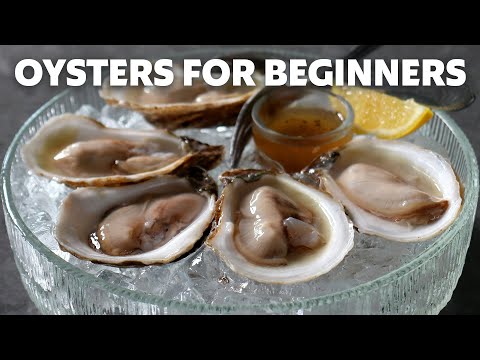
Oysters for Beginners | How to Shuck and Serve Oysters | Food Wishes
"The knife is important."
Ce mot dans d'autres langues
Expressions liées
Plus de mots sur Food
additive
B2Un additif est une substance ajoutée en petites quantités pour améliorer un produit.
additives
B2Les additifs sont des substances ajoutées aux aliments pour améliorer leur conservation ou leur aspect.
almond
B2Ses yeux en amande sont magnifiques.
annatto
B1L'annatto est un colorant alimentaire naturel rouge orangé issu des graines du rouscouyer. On l'utilise pour colorer le fromage et le beurre.
appetite
C1L'appétit est un désir naturel de manger. Il peut aussi désigner une forte envie pour quelque chose, comme le pouvoir.
appetizer
C1Un hors-d'œuvre est une petite portion de nourriture servie avant le plat principal.
appetizing
B2Qui a l'air ou l'odeur très bon, donnant envie de manger. / L'odeur du pain frais sortant du four était très appétissante.
apple
C1Il a organisé son bureau 'apple', avec une simplicité rafraîchissante.
apples
A1Les pommes sont des fruits ronds et croquants.
apricot
C1Le ciel était d'un magnifique orange abricot pendant le coucher du soleil.

