









lettuce en 30 secondes
- Lettuce is a leafy green vegetable primarily used raw in salads, sandwiches, and wraps due to its refreshing crunch.
- It is a non-count noun usually measured in 'heads' or 'leaves,' and it belongs to the daisy plant family.
- Common varieties include Iceberg, Romaine, and Butterhead, each offering different textures and nutritional profiles for various culinary uses.
- Beyond food, it occasionally appears in slang to mean money or hair, and it symbolizes health and freshness in modern culture.
At its most fundamental level, lettuce refers to a widely cultivated annual plant, Lactuca sativa, which belongs to the daisy family, Asteraceae. While it may seem like a simple garden staple, lettuce is a cornerstone of global gastronomy, particularly in Western and Middle Eastern cuisines. It is primarily grown as a leaf vegetable, prized for its high water content, refreshing crunch, and ability to act as a neutral base for a variety of flavors. When people use the word 'lettuce' in a culinary context, they are usually referring to the raw leaves used in salads, though certain varieties are also grilled, braised, or added to soups in various international traditions.
- Botanical Classification
- Lettuce is a member of the sunflower family. Most modern cultivars are derived from wild lettuce (Lactuca serriola), a weed found throughout the Mediterranean and Middle East. Over thousands of years, humans have bred it to reduce its natural bitterness and increase the size and tenderness of its leaves.
The chef insisted on using only the crispest lettuce for the Caesar salad to ensure a satisfying texture.
The term is also used colloquially and metaphorically in several distinct ways. In some English-speaking regions, particularly in the United States, 'lettuce' has historically been used as slang for paper money, specifically greenbacks, due to the shared color. In the world of sports, particularly ice hockey, 'lettuce' refers to a player's long, flowing hair that sticks out from under their helmet. However, in 99% of daily interactions, you will hear this word in the context of food, grocery shopping, and healthy living. Whether you are ordering a burger 'protein style' (wrapped in leaves instead of a bun) or discussing the rising prices of produce at the market, lettuce is the word of choice.
- Varietal Diversity
- There are four main groups of lettuce: Head (like Iceberg), Romaine (long and sturdy), Leaf (loose-leaf varieties), and Butterhead (soft, oily leaves). Each has a specific culinary application and flavor profile.
I prefer Romaine lettuce because it stays crunchy even when dressed with heavy sauces.
From a nutritional perspective, lettuce is often criticized for being 'just water,' but this is a misconception. While it is low in calories, darker varieties like Romaine and red leaf lettuce are rich in Vitamin A, Vitamin K, and folate. The word 'lettuce' thus carries connotations of health, freshness, and light eating. In a metaphorical sense, it represents the 'filler' or the 'base'—something that provides structure and volume without overwhelming the main components of a dish or a situation. When you use this word, you are tapping into a history of agriculture that dates back to the ancient Egyptians, who considered it a sacred plant associated with fertility.
- Usage in Modern Diets
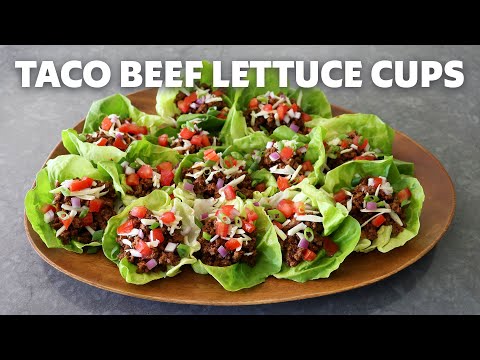
- With the rise of low-carb and keto diets, lettuce has seen a resurgence as a 'bread substitute.' Terms like 'lettuce wraps' and 'lettuce cups' have become ubiquitous on restaurant menus globally.
Would you like your taco in a corn shell or a lettuce leaf?
The garden was overflowing with several different types of lettuce this spring.
Don't forget to wash the lettuce thoroughly to remove any grit or insects.
Ultimately, lettuce is a versatile noun that bridges the gap between basic survival and high-end culinary art. It is a word that every beginner English learner must master, as it appears in every grocery list, menu, and kitchen conversation. Its simplicity belies its importance in the global food chain and its ubiquity in the English language.
Mastering the use of lettuce in a sentence requires an understanding of its grammatical status as a non-count noun in most contexts, though it can occasionally be used as a count noun when referring to specific varieties or heads. For beginners, the most common way to quantify it is by using the phrase 'a head of lettuce' or 'some lettuce.' For example, you wouldn't typically say 'I bought three lettuces' unless you were a farmer discussing different species; instead, you would say 'I bought three heads of lettuce.'
- Quantification
- Use 'head of,' 'leaf of,' or 'bag of' to make lettuce countable. Example: 'Please add two leaves of lettuce to my sandwich.'
The recipe calls for a whole head of Iceberg lettuce, shredded finely.
When describing lettuce, adjectives related to texture and freshness are paramount. Words like 'crisp,' 'crunchy,' 'wilted,' 'soggy,' 'fresh,' and 'organic' are frequently paired with it. In a sentence, these adjectives usually precede the noun. For instance, 'I can't stand soggy lettuce in my burger' conveys a clear preference for texture. Furthermore, verbs associated with the preparation of lettuce are essential for culinary descriptions. You 'wash,' 'rinse,' 'spin' (using a salad spinner), 'chop,' 'shred,' 'tear,' and 'dress' lettuce.
- Action Verbs
- Common verbs: 'To wilt' (when lettuce gets old or hot), 'to bolt' (when the plant grows a flower stalk and becomes bitter), and 'to harvest.'
If you leave the lettuce out in the sun, it will wilt within an hour.
In more complex sentence structures, lettuce can function as part of a compound noun or as a modifier. We see this in terms like 'lettuce wrap,' 'lettuce knife,' or 'lettuce field.' In these cases, 'lettuce' describes the type of object it is paired with. For example, 'The lettuce wrap is a great gluten-free alternative to a traditional bun.' Notice how 'lettuce' here acts as an adjective modifying 'wrap.' Additionally, in scientific or agricultural writing, you might see 'lettuce' used to refer to the entire industry or crop: 'The regional lettuce production was impacted by the recent drought.'
- Prepositional Phrases
- Common phrases include 'on a bed of lettuce' (a way of serving food) and 'tossed with lettuce.'
The grilled salmon was served on a bed of fresh garden lettuce.
Can I have extra lettuce on my sandwich, please?
The rabbit nibbled contentedly on a piece of lettuce.
Finally, consider the register of your sentence. In a casual setting, 'Pass the lettuce' is sufficient. In a formal culinary review, you might write, 'The delicate bitterness of the Frisée lettuce provided a perfect counterpoint to the rich duck confit.' Whether you are writing a simple grocery list or a complex culinary analysis, understanding the nuances of how 'lettuce' interacts with other words will improve your fluency and precision in English.
The word lettuce is a staple of everyday English, and you will encounter it in a variety of real-world environments. The most obvious place is the grocery store or supermarket. Here, you will hear it in the produce section, often in questions to staff: 'Where is the Romaine lettuce?' or 'Is this lettuce organic?' You'll also hear it at the checkout counter if there's a pricing issue. In these settings, the word is purely functional and descriptive.
- In Restaurants
- Servers will often ask, 'Would you like lettuce and tomato on that?' or 'What kind of lettuce would you like for your base?' It is a key word in the 'customization' phase of ordering.
'I'll have the burger, but can you swap the bun for a lettuce wrap?'
Another common arena for this word is the domestic kitchen. Parents might tell their children, 'Eat your lettuce, it's good for you,' or roommates might ask, 'Who finished the lettuce? I was going to make a salad.' In these casual, private settings, the word is often part of discussions about health, meal planning, and household chores. You might also hear it on cooking shows or YouTube tutorials, where chefs emphasize the importance of 'drying your lettuce' to ensure the dressing sticks properly.
- In Gardening and Agriculture
- Gardeners discuss 'planting lettuce,' 'thinning out the lettuce,' and 'lettuce seeds.' Farmers might talk about 'lettuce yields' or 'pest control for lettuce.'
The local farmer's market has the best heirloom lettuce varieties I've ever seen.
Beyond the literal vegetable, you might hear 'lettuce' in more niche or slang-heavy environments. In certain financial circles or older movies, you might hear someone refer to 'folding lettuce' (money). In the world of sports, particularly in North America, you might hear a commentator or fan compliment a player's 'great lettuce,' referring to their impressive hair. While these uses are less common, they illustrate how a simple word can take on diverse meanings in different subcultures. Finally, in health and wellness podcasts or articles, 'lettuce' is frequently mentioned in the context of 'leafy greens' and 'micronutrients,' reinforcing its status as a symbol of a healthy lifestyle.
- In Pop Culture
- Lettuce often appears in idioms or jokes, such as 'Let us (lettuce) pray,' showing its presence in the playful side of the English language.
The comedian made a pun about lettuce that had the whole audience groaning.
'Do you want Iceberg or Romaine?' the sandwich artist asked while holding the lettuce.
The grocery store flyer advertised a sale on lettuce and other salad greens.
In summary, 'lettuce' is a word you will hear wherever food is grown, sold, prepared, or discussed. Its presence spans from the most mundane domestic tasks to high-stakes political satire and niche sports slang, making it a versatile and essential part of the English lexicon.
One of the most frequent mistakes learners make with lettuce involves its countability. As mentioned earlier, 'lettuce' is primarily an uncountable (mass) noun. A common error is saying 'I need to buy two lettuces.' While this might be understood, it sounds unnatural to native speakers. The correct way to express this is 'I need to buy two heads of lettuce.' Similarly, when referring to the individual pieces, you should say 'leaves of lettuce' rather than 'lettuces.'
- Countability Confusion
- Incorrect: 'There are many lettuces in the fridge.' Correct: 'There is a lot of lettuce in the fridge' or 'There are several heads of lettuce in the fridge.'
He accidentally ordered ten heads of lettuce instead of ten leaves.
Spelling and pronunciation also present hurdles. Some learners confuse the spelling of 'lettuce' with 'let us' or 'lattice.' It's important to remember the 'u-c-e' ending. In terms of pronunciation, the second syllable is often reduced to a schwa sound or a short 'i' sound (/ˈlɛtɪs/), making it rhyme with 'notice' or 'justice.' Learners often over-emphasize the 'u,' pronouncing it like 'let-tuse,' which can sound quite foreign to native ears.
- Confusing with Cabbage
- Many learners confuse lettuce with cabbage. While they look similar, cabbage is much denser, tougher, and usually needs to be cooked or fermented (like in sauerkraut), whereas lettuce is almost always eaten raw.
She thought she was buying lettuce, but she actually picked up a head of cabbage.
Another mistake is using 'lettuce' when 'salad' is the intended word. In some languages, the word for the vegetable and the dish is the same. In English, 'lettuce' is the ingredient, and 'salad' is the prepared dish. You eat a salad made of lettuce; you don't 'eat a lettuce' for lunch. This distinction is crucial for clear communication in culinary contexts. Furthermore, be careful with the adjective 'lettuce-like.' While it exists, it's rarely used; instead, people use 'leafy' or 'crisp' to describe things that resemble lettuce.
- Misusing Slang
- Using 'lettuce' to mean money is very dated or very specific to certain dialects. Using it in a formal business meeting would be a significant register error.
The waiter was confused when the customer asked for 'more lettuce' but was pointing at the spinach.
It's a mistake to dress the lettuce too early, as it will become soggy before it's served.
He misspelled lettuce as 'lettis' on the grocery list.
By avoiding these common pitfalls—specifically regarding countability, confusion with similar vegetables, and pronunciation—you will sound much more like a native speaker. Remember that lettuce is a simple mass noun that forms the base of many meals, and treating it with the correct grammatical and phonetic respect will enhance your overall English proficiency.
While lettuce is the most common term for this leafy green, there are many similar words and alternatives that you should know to expand your vocabulary. These range from specific varieties of lettuce to other leafy vegetables that can be used in similar ways. Understanding the differences between these terms will help you be more precise in your descriptions, especially in culinary or agricultural contexts.
- Lettuce vs. Cabbage
- Cabbage (Brassica oleracea) is much denser and has a higher fiber content. While lettuce is 95% water and eaten raw, cabbage is often cooked, fermented, or shredded into slaw. Cabbage heads are heavy and hard, while lettuce heads are lighter and more fragile.
If you run out of lettuce, you can use thinly sliced cabbage for a crunchier salad.
Other leafy greens often confused with or used as alternatives to lettuce include spinach, kale, arugula (rocket), and chard. Spinach has a much softer texture and a more metallic, earthy flavor. Kale is very tough and fibrous, often requiring 'massaging' or cooking to be palatable. Arugula is known for its peppery, spicy kick, which is quite different from the neutral taste of most lettuce. When a recipe calls for 'mixed greens' or 'spring mix,' it usually refers to a combination of young lettuce leaves and these other alternatives.
- Specific Varieties
- Instead of just saying 'lettuce,' try using: Romaine (sturdy, for Caesar salads), Iceberg (very crunchy, low flavor), Bibb/Boston (buttery and soft), or Radicchio (purple and bitter).
The salad was a beautiful mix of green lettuce and purple radicchio.
In a more metaphorical or slang context, alternatives to 'lettuce' (meaning money) include 'dough,' 'bread,' 'bucks,' 'moolah,' or 'greenbacks.' If you are using 'lettuce' to refer to hair, alternatives might be 'mane,' 'locks,' 'flow,' or 'mop.' However, these are highly informal and should be used with caution. In most professional or standard settings, 'lettuce' should only be used to refer to the vegetable. Understanding these synonyms and related terms allows you to navigate menus, grocery stores, and casual conversations with much greater confidence and nuance.
- Regional Names
- In the UK, 'Cos lettuce' is the common name for what Americans call 'Romaine.' Knowing these regional variations can prevent confusion when traveling.
I substituted the lettuce with arugula to give the sandwich a peppery bite.
Butter lettuce is the best choice for delicate shrimp tacos.
The farmer grew several types of leaf lettuce that didn't form tight heads.
By mastering these alternatives, you not only improve your English but also your culinary literacy. Whether you're looking for a crunchier base, a more bitter accent, or a softer leaf, knowing the right word for the right green is a hallmark of an advanced speaker.
How Formal Is It?
Le savais-tu ?
Ancient Egyptians considered lettuce an aphrodisiac and a symbol of the god Min.
Guide de prononciation
- Pronouncing the 'u' clearly like 'let-TUSE'.
- Confusing it with 'let us' (though they sound similar).
- Pronouncing the 'c' as a 'k' sound.
- Making the second syllable too long.
- Failing to reduce the second vowel sound.
Niveau de difficulté
Very easy to recognize in text.
Spelling 'uce' can be tricky for beginners.
Pronunciation of the second syllable is often missed.
Clear and distinct in most contexts.
Quoi apprendre ensuite
Prérequis
Apprends ensuite
Avancé
Grammaire à connaître
Mass Nouns
We say 'much lettuce' not 'many lettuces'.
Compound Nouns
'Lettuce wrap' functions as a single unit.
Adjective Order
'Fresh green lettuce' (Opinion/Quality + Color).
Partitives
Using 'a head of' to count uncountable items.
Reduced Vowels
The 'u' in lettuce becomes /ɪ/ or /ə/.
Exemples par niveau
I like lettuce in my salad.
J'aime la laitue dans ma salade.
Uncountable noun use.
Is there any lettuce in the fridge?
Y a-t-il de la laitue dans le frigo ?
Question form with 'any'.
The lettuce is green and fresh.
La laitue est verte et fraîche.
Subject-verb-adjective structure.
Please buy some lettuce.
S'il vous plaît, achetez de la laitue.
Imperative with 'some'.
I put lettuce on my sandwich.
Je mets de la laitue sur mon sandwich.
Preposition 'on'.
Do you want lettuce?
Voulez-vous de la laitue ?
Simple present question.
This lettuce is very crunchy.
Cette laitue est très croquante.
Demonstrative 'this'.
The rabbit eats the lettuce.
Le lapin mange la laitue.
Third person singular verb.
I need a head of lettuce for the party.
J'ai besoin d'une pomme de laitue pour la fête.
Using 'a head of' as a quantifier.
Which type of lettuce do you prefer?
Quel type de laitue préférez-vous ?
Wh- question.
Wash the lettuce before you cut it.
Lavez la laitue avant de la couper.
Time clause with 'before'.
There isn't much lettuce left.
Il ne reste plus beaucoup de laitue.
Negative with 'much' for uncountable nouns.
She grows lettuce in her small garden.
Elle fait pousser de la laitue dans son petit jardin.
Present simple for habits.
I bought a bag of chopped lettuce.
J'ai acheté un sachet de laitue hachée.
Compound noun 'chopped lettuce'.
Lettuce is healthier than bread.
La laitue est plus saine que le pain.
Comparative adjective.
The lettuce was very cheap today.
La laitue était très bon marché aujourd'hui.
Past simple 'was'.
He shredded the lettuce to put it in the tacos.
Il a râpé la laitue pour la mettre dans les tacos.
Past simple with purpose clause.
If the lettuce is wilted, don't use it.
Si la laitue est flétrie, ne l'utilisez pas.
First conditional.
I'm looking for a recipe that uses Romaine lettuce.
Je cherche une recette qui utilise de la laitue romaine.
Relative clause with 'that'.
The lettuce should be stored in the crisper drawer.
La laitue doit être conservée dans le bac à légumes.
Passive voice with modal 'should'.
Tear the lettuce into bite-sized pieces.
Déchirez la laitue en morceaux de la taille d'une bouchée.
Imperative with prepositional phrase.
I prefer lettuce wraps to traditional burgers.
Je préfère les wraps à la laitue aux burgers traditionnels.
Prefer X to Y structure.
The salad consists of lettuce, tomatoes, and cucumbers.
La salade se compose de laitue, de tomates et de concombres.
Phrasal verb 'consists of'.
How many heads of lettuce did you order?
Combien de têtes de laitue avez-vous commandées ?
Question with 'how many' + count noun.
The price of lettuce has skyrocketed due to the drought.
Le prix de la laitue a grimpé en flèche à cause de la sécheresse.
Present perfect with 'due to'.
Hydroponic lettuce is becoming increasingly popular among urban farmers.
La laitue hydroponique devient de plus en plus populaire parmi les agriculteurs urbains.
Present continuous for trends.
Despite being mostly water, lettuce contains important nutrients.
Bien qu'elle soit principalement composée d'eau, la laitue contient des nutriments importants.
Concession clause with 'despite'.
The chef recommended using Bibb lettuce for its buttery texture.
Le chef a recommandé d'utiliser de la laitue Bibb pour sa texture beurrée.
Gerund after 'recommended'.
Lettuce production in California was affected by the recent floods.
La production de laitue en Californie a été affectée par les récentes inondations.
Passive voice in the past.
Make sure to spin the lettuce dry before adding the dressing.
Assurez-vous d'essorer la laitue avant d'ajouter l'assaisonnement.
Infinitive of purpose.
The bitterness of the lettuce was balanced by the sweet vinaigrette.
L'amertume de la laitue était équilibrée par la vinaigrette sucrée.
Passive voice with agent.
Organic lettuce is often more expensive than conventionally grown varieties.
La laitue biologique est souvent plus chère que les variétés cultivées de manière conventionnelle.
Adverb-adjective collocation.
The linguistic root of 'lettuce' can be traced back to the Latin word for milk.
La racine linguistique de 'laitue' remonte au mot latin pour le lait.
Passive voice with 'traced back to'.
The restaurant's signature dish features a charred heart of Romaine lettuce.
Le plat signature du restaurant propose un cœur de laitue romaine grillé.
Complex noun phrase.
The agricultural sector is exploring more resilient lettuce cultivars to combat climate change.
Le secteur agricole explore des cultivars de laitue plus résilients pour lutter contre le changement climatique.
Present continuous with infinitive of purpose.
The sheer variety of lettuce available at the market was overwhelming.
La grande variété de laitue disponible au marché était impressionnante.
Adjective 'sheer' for emphasis.
Lettuce serves as an excellent vehicle for bold, spicy flavors in Asian cuisine.
La laitue sert d'excellent support pour les saveurs fortes et épicées de la cuisine asiatique.
Metaphorical use of 'vehicle'.
The satirical comparison between the Prime Minister and a head of lettuce went viral.
La comparaison satirique entre le Premier ministre et une pomme de laitue est devenue virale.
Noun-noun comparison.
Proper irrigation is vital for maintaining the turgidity of lettuce leaves.
Une irrigation adéquate est vitale pour maintenir la turgidité des feuilles de laitue.
Academic vocabulary 'turgidity'.
The farmer's market offers heirloom lettuce that you won't find in standard supermarkets.
Le marché fermier propose de la laitue ancienne que vous ne trouverez pas dans les supermarchés classiques.
Relative clause with 'won't'.
The precarious nature of lettuce supply chains was laid bare by the recent logistics crisis.
La nature précaire des chaînes d'approvisionnement en laitue a été mise à nu par la récente crise logistique.
Idiomatic expression 'laid bare'.
Genetic modification of lettuce aims to enhance its shelf life and nutritional density.
La modification génétique de la laitue vise à améliorer sa durée de conservation et sa densité nutritionnelle.
Subject-verb agreement with 'modification'.
The delicate interplay between the bitterness of the lettuce and the acidity of the citrus was masterful.
L'interaction délicate entre l'amertume de la laitue et l'acidité des agrumes était magistrale.
Abstract noun 'interplay'.
In the lexicon of 1920s slang, 'lettuce' was a common euphemism for paper currency.
Dans le lexique de l'argot des années 1920, 'laitue' était un euphémisme courant pour la monnaie fiduciaire.
Prepositional phrase 'In the lexicon of'.
The proliferation of lettuce-based substitutes reflects a broader societal shift towards plant-based diets.
La prolifération des substituts à base de laitue reflète un changement sociétal plus large vers des régimes à base de plantes.
Complex subject-verb-object structure.
The physiological response of lettuce to heat stress involves the premature initiation of the flowering stage.
La réponse physiologique de la laitue au stress thermique implique l'initiation prématurée de la phase de floraison.
Scientific terminology.
To dismiss lettuce as mere water is to overlook its historical significance in ancient medicinal practices.
Rejeter la laitue comme étant simplement de l'eau, c'est ignorer son importance historique dans les anciennes pratiques médicinales.
Infinitive as subject 'To dismiss... is to...'.
The juxtaposition of the crunchy lettuce against the tender seared scallops created a textural masterpiece.
La juxtaposition de la laitue croquante et des noix de Saint-Jacques poêlées tendres a créé un chef-d'œuvre textural.
Advanced noun 'juxtaposition'.
Collocations courantes
Phrases Courantes
— The standard toppings for a sandwich or burger.
I'll take a burger with lettuce and tomato.
— A small portion of lettuce served next to a main dish.
It comes with a side of lettuce and dressing.
— A combination of different types of lettuce leaves.
The salad is made with mixed lettuce.
— Lettuce that has been pre-cut and sold in a plastic bag.
Bagged lettuce is very convenient for busy people.
— Lettuce grown without synthetic pesticides or fertilizers.
We only buy organic lettuce.
— Leaves of lettuce used as small bowls for filling.
These chicken lettuce cups are delicious.
— Specifically shredded iceberg variety, common in fast food.
The taco was filled with shredded iceberg lettuce.
— A place where lettuce is grown commercially.
They visited a large lettuce farm in Salinas.
— Lettuce that has developed a sharp, unpleasant taste.
The lettuce became bitter after the heatwave.
Souvent confondu avec
Cabbage is much harder and denser than lettuce.
Spinach has smaller, darker, and softer leaves.
Lattice is a structure of crossed strips, not a vegetable.
Expressions idiomatiques
— A slang term for paper money.
He's got a lot of lettuce in his wallet.
informal/dated— Refers to a person's thick, healthy hair.
That hockey player has some great lettuce.
slang (sports)— A common pun used in religious or humorous contexts.
The gardener said, 'lettuce pray for rain.'
humorous— A derogatory or humorous term for salad or lettuce.
I'm tired of eating this rabbit food; I want a steak.
informal— Describing something very weak or lacking energy.
His handshake was as limp as a piece of old lettuce.
informal— While not using 'lettuce', it's the same 'fresh vegetable' idiom category.
She stayed cool as a cucumber during the test.
neutral— A mixture of things, often including lettuce.
His ideas were a bit of a tossed salad.
metaphorical— To turn pages quickly, related to the 'leaf' of a lettuce.
I leafed through the magazine while waiting.
neutral— Skill at gardening, often applied to growing lettuce.
You must have a green thumb to grow lettuce this big.
neutral— Overwhelmed with work, often used in kitchens where lettuce is prepped.
The salad station is really in the weeds tonight.
informal (restaurant)Facile à confondre
Similar shape and color.
Cabbage is a Brassica, much tougher, and usually cooked. Lettuce is a Lactuca, mostly water, and eaten raw.
Use cabbage for coleslaw and lettuce for a green salad.
Both are leafy greens.
Kale is very bitter and tough; lettuce is mild and crunchy.
I prefer lettuce in my sandwich because kale is too chewy.
Used in salads.
Arugula has a very strong peppery taste; lettuce is neutral.
Arugula adds spice, but lettuce adds crunch.
Often found in salad mixes.
Endive is much more bitter than standard lettuce.
The endive was too bitter for me, so I added more lettuce.
Large leaves.
Chard has thick, colorful stems and is usually cooked like spinach.
Don't put raw chard in the salad; use lettuce instead.
Structures de phrases
I like [lettuce].
I like lettuce.
This is [lettuce].
This is lettuce.
Can I have some [lettuce]?
Can I have some lettuce?
I bought a head of [lettuce].
I bought a head of lettuce.
The [lettuce] is [adjective].
The lettuce is wilted.
He [verb] the [lettuce].
He shredded the lettuce.
Despite the [noun], the [lettuce]...
Despite the heat, the lettuce stayed fresh.
The [noun] of [lettuce] is...
The cultivation of lettuce is complex.
Famille de mots
Noms
Verbes
Adjectifs
Apparenté
Comment l'utiliser
Extremely high in daily life and culinary contexts.
-
I bought two lettuces.
→
I bought two heads of lettuce.
Lettuce is usually uncountable. Use 'heads' to count them.
-
The lettuce is very crunchy, like a cabbage.
→
The lettuce is very crunchy.
While they are both crunchy, native speakers don't usually compare them this way as they are distinct categories.
-
I'm eating a lettuce for lunch.
→
I'm eating a salad for lunch.
Lettuce is the ingredient; salad is the meal.
-
The lettuse is in the fridge.
→
The lettuce is in the fridge.
Incorrect spelling of the ending.
-
How many lettuce do we need?
→
How much lettuce do we need?
Use 'much' for uncountable nouns.
Astuces
Dry Your Leaves
Always dry your lettuce after washing. If the leaves are wet, the salad dressing will slide off and pool at the bottom of the bowl.
The Paper Towel Trick
Put a dry paper towel in the bag with your lettuce. It absorbs moisture and keeps the leaves crisp for several extra days.
Heavy is Healthy
When buying Iceberg or Romaine, look for heads that feel heavy for their size. This usually means they are full of water and very fresh.
Tear, Don't Cut
Some people believe that tearing lettuce by hand instead of cutting it with a metal knife prevents the edges from turning brown as quickly.
Cool Weather Crop
If you grow your own lettuce, plant it in the spring or fall. It hates the hot summer sun and will turn bitter quickly.
Go Darker
As a general rule, the darker the green of the lettuce leaf, the more vitamins and minerals it contains.
Bite-Sized Pieces
When making a salad for guests, make sure the lettuce is torn into pieces that are easy to eat in one bite without using a knife.
Know Your Audience
Only use 'lettuce' to mean money or hair in very casual, specific social groups. In standard English, it's just a vegetable.
Mix It Up
Don't just stick to one type. Mixing different lettuces adds different textures and flavors to your meals.
Check for Recalls
Lettuce is occasionally linked to foodborne illness, so always stay informed about any safety recalls in your area.
Mémorise-le
Moyen mnémotechnique
Remember: 'LET US' eat 'LETTUCE' in our salad!
Association visuelle
Imagine a green head of lettuce shaped like a brain, full of water.
Word Web
Défi
Try to use the word 'lettuce' in three different ways today: once for a meal, once for shopping, and once to describe a texture.
Origine du mot
Derived from the Old French 'laitue', which comes from the Latin 'lactuca'.
Sens originel : The Latin 'lactuca' comes from 'lac' (milk), referring to the milky sap.
Indo-European (Italic/Romance).Contexte culturel
No major sensitivities, though some may find the 'rabbit food' joke repetitive.
Commonly found in every household; associated with the 'standard' American or British diet.
Pratique dans la vie réelle
Contextes réels
Grocery Shopping
- Where is the lettuce?
- How much is a head of lettuce?
- Is this lettuce fresh?
- I need a bag of lettuce.
Ordering Food
- No lettuce, please.
- Extra lettuce on the side.
- Can I have a lettuce wrap?
- What kind of lettuce is in the salad?
Cooking
- Chop the lettuce.
- Wash the lettuce thoroughly.
- Dry the lettuce in the spinner.
- Tear the lettuce by hand.
Gardening
- Planting lettuce seeds.
- The lettuce is bolting.
- Harvest the lettuce in the morning.
- The slugs are eating my lettuce.
Health/Nutrition
- Lettuce is low in calories.
- Leafy greens like lettuce are good for you.
- Is lettuce high in vitamins?
- I'm eating more lettuce to lose weight.
Amorces de conversation
"Do you prefer crunchy Iceberg lettuce or soft Butterhead lettuce?"
"What is your favorite thing to put in a lettuce wrap?"
"Have you ever tried growing your own lettuce in a garden?"
"Do you think lettuce is actually nutritious or just water?"
"What's the best dressing to use on a fresh lettuce salad?"
Sujets d'écriture
Describe the perfect salad. What kind of lettuce would you use as the base?
Write about a time you tried a new vegetable. Was it similar to lettuce?
If you had to live on only one type of lettuce for a week, which would it be and why?
How does the price of fresh produce like lettuce affect your weekly budget?
Imagine you are a head of lettuce in a grocery store. Describe your day.
Questions fréquentes
10 questionsLettuce is a vegetable. Specifically, it is a leaf vegetable because we eat the leaves of the plant.
No, you should not freeze lettuce. Because it has a very high water content, the cells burst when frozen, making it mushy and gross when thawed.
Lettuce usually becomes bitter when the weather gets too hot or when the plant starts to produce flowers (bolting).
Store it in the refrigerator in a plastic bag with a paper towel to absorb extra moisture.
Yes, it is healthy because it provides hydration and some fiber, but darker lettuces like Romaine have more vitamins.
A 'head' is the whole, round ball of lettuce as it grows in the ground before it is cut into pieces.
Yes, most types of lettuce are safe for dogs and can be a crunchy, low-calorie treat.
Rinse the leaves under cold running water or soak them in a bowl of water, then dry them thoroughly.
It comes from the Latin word 'lactuca,' which means 'milky,' because of the white sap inside the stems.
Lettuce wraps are a dish where large lettuce leaves are used instead of bread or tortillas to hold a filling.
Teste-toi 180 questions
Describe what a fresh head of lettuce looks and feels like.
Well written! Good try! Check the sample answer below.
Write a short recipe for a simple salad using lettuce.
Well written! Good try! Check the sample answer below.
Explain the difference between lettuce and cabbage.
Well written! Good try! Check the sample answer below.
Why is it important to wash lettuce before eating it?
Well written! Good try! Check the sample answer below.
Write a dialogue between a customer and a waiter about ordering a salad.
Well written! Good try! Check the sample answer below.
Describe your favorite type of lettuce and why you like it.
Well written! Good try! Check the sample answer below.
Write a grocery list that includes lettuce and four other vegetables.
Well written! Good try! Check the sample answer below.
Discuss the pros and cons of buying bagged lettuce vs. whole heads.
Well written! Good try! Check the sample answer below.
Write a short story about a rabbit who finds a giant lettuce.
Well written! Good try! Check the sample answer below.
How has lettuce been used in recent political satire?
Well written! Good try! Check the sample answer below.
Explain the process of growing lettuce from seed to harvest.
Well written! Good try! Check the sample answer below.
What are the nutritional benefits of including lettuce in your diet?
Well written! Good try! Check the sample answer below.
Write an advertisement for a new 'Lettuce Wrap' at a restaurant.
Well written! Good try! Check the sample answer below.
Describe the texture of different types of lettuce (e.g., Romaine vs. Butterhead).
Well written! Good try! Check the sample answer below.
Write a formal letter to a grocery store complaining about the quality of their lettuce.
Well written! Good try! Check the sample answer below.
Discuss the environmental impact of industrial lettuce farming.
Well written! Good try! Check the sample answer below.
How do you store lettuce to keep it fresh for the longest time?
Well written! Good try! Check the sample answer below.
Write a poem about a crisp, green lettuce leaf.
Well written! Good try! Check the sample answer below.
Compare the use of lettuce in Western and Eastern cuisines.
Well written! Good try! Check the sample answer below.
What does the word 'lettuce' mean in different slang contexts?
Well written! Good try! Check the sample answer below.
Pronounce the word 'lettuce' correctly, focusing on the second syllable.
Read this aloud:
Tu as dit :
Speech recognition is not supported in your browser. Try Chrome or Edge.
Describe your favorite sandwich and mention the lettuce.
Read this aloud:
Tu as dit :
Speech recognition is not supported in your browser. Try Chrome or Edge.
Tell a story about a time you went grocery shopping for vegetables.
Read this aloud:
Tu as dit :
Speech recognition is not supported in your browser. Try Chrome or Edge.
Explain how to make a salad to a friend.
Read this aloud:
Tu as dit :
Speech recognition is not supported in your browser. Try Chrome or Edge.
Discuss the importance of eating green vegetables like lettuce.
Read this aloud:
Tu as dit :
Speech recognition is not supported in your browser. Try Chrome or Edge.
Compare Romaine lettuce and Iceberg lettuce out loud.
Read this aloud:
Tu as dit :
Speech recognition is not supported in your browser. Try Chrome or Edge.
Roleplay: You are at a restaurant and want to swap your bun for a lettuce wrap.
Read this aloud:
Tu as dit :
Speech recognition is not supported in your browser. Try Chrome or Edge.
Describe the texture of a very fresh piece of lettuce.
Read this aloud:
Tu as dit :
Speech recognition is not supported in your browser. Try Chrome or Edge.
Explain the 'Liz Truss lettuce' meme to someone who hasn't heard of it.
Read this aloud:
Tu as dit :
Speech recognition is not supported in your browser. Try Chrome or Edge.
Talk about the challenges of growing lettuce in a hot climate.
Read this aloud:
Tu as dit :
Speech recognition is not supported in your browser. Try Chrome or Edge.
Discuss the pros and cons of organic vs. conventional lettuce.
Read this aloud:
Tu as dit :
Speech recognition is not supported in your browser. Try Chrome or Edge.
Describe the botanical characteristics of lettuce.
Read this aloud:
Tu as dit :
Speech recognition is not supported in your browser. Try Chrome or Edge.
Explain the etymology of the word 'lettuce'.
Read this aloud:
Tu as dit :
Speech recognition is not supported in your browser. Try Chrome or Edge.
Discuss the role of lettuce in global food security.
Read this aloud:
Tu as dit :
Speech recognition is not supported in your browser. Try Chrome or Edge.
Give a short presentation on the history of lettuce cultivation.
Read this aloud:
Tu as dit :
Speech recognition is not supported in your browser. Try Chrome or Edge.
Talk about your favorite salad dressing and why it pairs well with lettuce.
Read this aloud:
Tu as dit :
Speech recognition is not supported in your browser. Try Chrome or Edge.
Describe a time you saw a rabbit or other animal eating lettuce.
Read this aloud:
Tu as dit :
Speech recognition is not supported in your browser. Try Chrome or Edge.
Explain why some people call salad 'rabbit food'.
Read this aloud:
Tu as dit :
Speech recognition is not supported in your browser. Try Chrome or Edge.
Discuss the different ways lettuce is used in Asian vs. Western cooking.
Read this aloud:
Tu as dit :
Speech recognition is not supported in your browser. Try Chrome or Edge.
Practice saying 'a head of lettuce' five times quickly.
Read this aloud:
Tu as dit :
Speech recognition is not supported in your browser. Try Chrome or Edge.
Listen to the sentence: 'I need a head of lettuce.' What does the speaker need?
Listen to the sentence: 'The Romaine is on sale today.' Which lettuce is on sale?
Listen to the sentence: 'Wash the lettuce thoroughly.' What should you do to the lettuce?
Listen to the sentence: 'Is that Iceberg or Butterhead?' What are the two options?
Listen to the sentence: 'The lettuce has wilted in the heat.' What happened to the lettuce?
Listen to the sentence: 'I'll have the lettuce wrap, please.' What did the person order?
Listen to the sentence: 'Shred the lettuce for the tacos.' How should the lettuce be prepared?
Listen to the sentence: 'We grow our lettuce hydroponically.' How is the lettuce grown?
Listen to the sentence: 'The price of lettuce has doubled.' What happened to the price?
Listen to the sentence: 'Tear the lettuce, don't cut it.' What is the instruction?
Listen to the sentence: 'The rabbit is in the lettuce patch.' Where is the rabbit?
Listen to the sentence: 'I prefer crisp lettuce.' What kind of lettuce does the speaker prefer?
Listen to the sentence: 'The salad consists of lettuce and tomatoes.' What is in the salad?
Listen to the sentence: 'Don't forget the lettuce seeds.' What should not be forgotten?
Listen to the sentence: 'The lettuce is bolting due to the sun.' Why is the lettuce bolting?
/ 180 correct
Perfect score!
Summary
Lettuce is the essential foundation of the modern salad. Whether you prefer the crunch of Iceberg or the sturdiness of Romaine, mastering this word is key to navigating any grocery store or restaurant menu. Example: 'I'll have a chicken salad with extra lettuce, please.'
- Lettuce is a leafy green vegetable primarily used raw in salads, sandwiches, and wraps due to its refreshing crunch.
- It is a non-count noun usually measured in 'heads' or 'leaves,' and it belongs to the daisy plant family.
- Common varieties include Iceberg, Romaine, and Butterhead, each offering different textures and nutritional profiles for various culinary uses.
- Beyond food, it occasionally appears in slang to mean money or hair, and it symbolizes health and freshness in modern culture.
Dry Your Leaves
Always dry your lettuce after washing. If the leaves are wet, the salad dressing will slide off and pool at the bottom of the bowl.
The Paper Towel Trick
Put a dry paper towel in the bag with your lettuce. It absorbs moisture and keeps the leaves crisp for several extra days.
Heavy is Healthy
When buying Iceberg or Romaine, look for heads that feel heavy for their size. This usually means they are full of water and very fresh.
Tear, Don't Cut
Some people believe that tearing lettuce by hand instead of cutting it with a metal knife prevents the edges from turning brown as quickly.
Exemple
I need to buy a fresh head of lettuce from the supermarket.
Contenu associé


Ce mot dans d'autres langues
Plus de mots sur Food
additive
B2Un additif est une substance ajoutée en petites quantités pour améliorer un produit.
additives
B2Les additifs sont des substances ajoutées aux aliments pour améliorer leur conservation ou leur aspect.
almond
B2Ses yeux en amande sont magnifiques.
annatto
B1L'annatto est un colorant alimentaire naturel rouge orangé issu des graines du rouscouyer. On l'utilise pour colorer le fromage et le beurre.
appetite
C1L'appétit est un désir naturel de manger. Il peut aussi désigner une forte envie pour quelque chose, comme le pouvoir.
appetizer
C1Un hors-d'œuvre est une petite portion de nourriture servie avant le plat principal.
appetizing
B2Qui a l'air ou l'odeur très bon, donnant envie de manger. / L'odeur du pain frais sortant du four était très appétissante.
apple
C1Il a organisé son bureau 'apple', avec une simplicité rafraîchissante.
apples
A1Les pommes sont des fruits ronds et croquants.
apricot
C1Le ciel était d'un magnifique orange abricot pendant le coucher du soleil.

