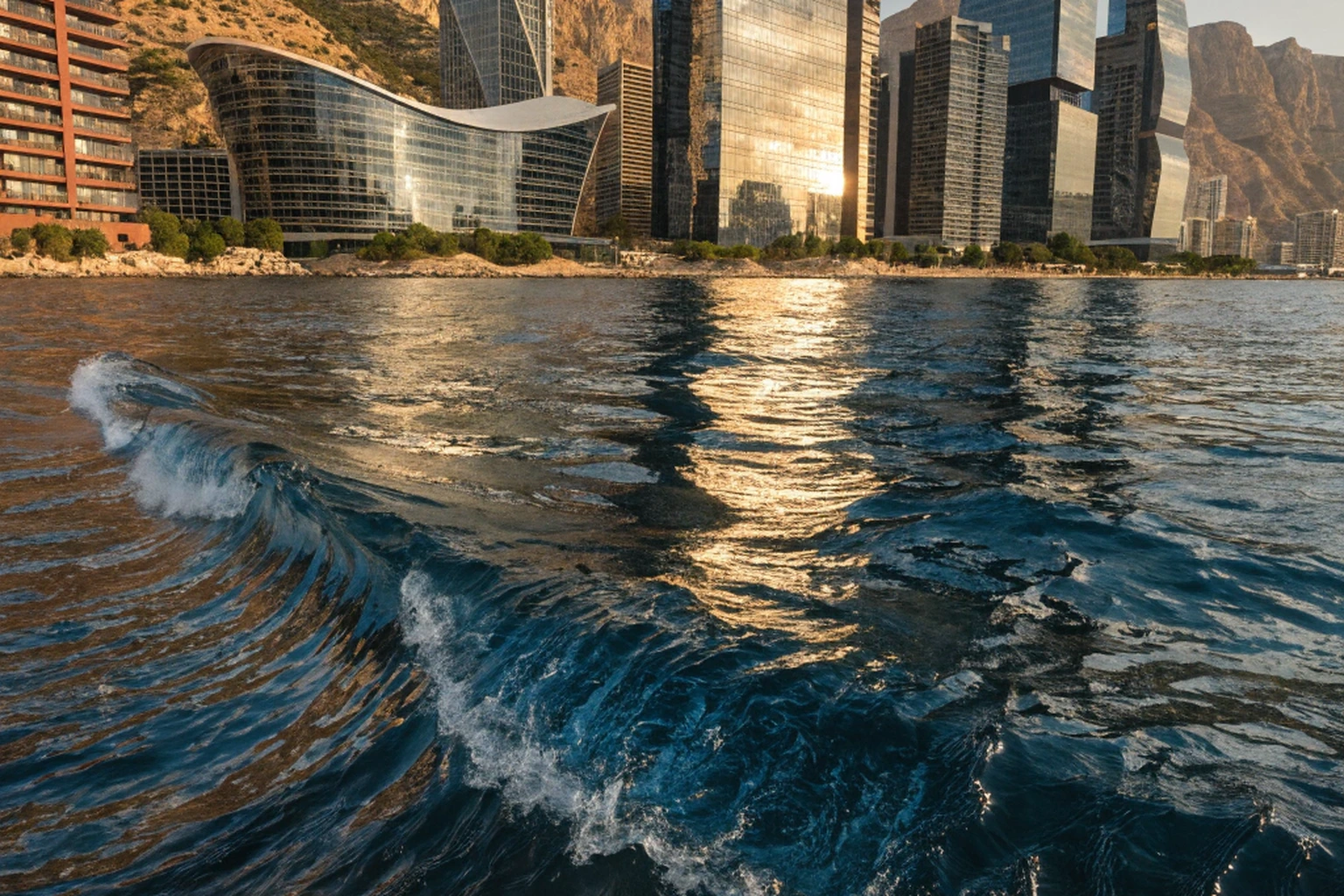
Oman's Big Plan for the Future
Oman has a big plan. It is called Vision 2040. The plan is for the future of the country. Oman wants to be different in 2040. Now, Oman makes money from oil. But oil will not last forever. So Oman wants new ways to make money. The plan says education is very important. More Omanis need to go to university. The plan also says tourism is important. Oman has beautiful mountains and beaches. The government wants more visitors. Vision 2040 is about making life better for everyone in Oman.
文法スポットライト
パターン: Want + to 不定詞
"Oman wants to be different in 2040."
「~したい」という願いや希望を伝えるときは "want + to + 動詞" を使います。"Oman wants new ways" は、新しい方法を求めていることを表します。
パターン: 未来を表す Will
"Oil will not last forever."
未来の予測には "will" を使います。否定的な未来のことを言うときは "will not" (won't) を使いましょう。
理解度をチェック
10 問 · A1 初級 · 無料プレビュー 1回
この記事で学んだことをテストしよう。全問正解してXPを獲得!
Vision 2040とは何ですか?
問題の内訳
Vision 2040とは何ですか?
あなたの回答:
正解: オマーンの未来への計画
オマーンは観光からしかお金を得ていません。
あなたの回答:
正解: 間違い
「tourism」はどういう意味ですか?
あなたの回答:
正解: 場所を訪れるために旅行すること
その計画では_____が非常に重要だと言っています。
あなたの回答:
正解: education
Understanding Oman Vision 2040
Oman Vision 2040 is a national plan that was launched in 2021. It replaced the previous development plan and covers 20 years, from 2021 to 2040. The plan has four main themes: people and society, the economy, the environment, and governance.
For people and society, the plan focuses on better education, healthcare, and social protection. It wants Omani students to have world-class skills so they can compete in the global job market.
For the economy, the biggest goal is diversification. This means making money from many different sectors, not just oil and gas. In 2020, oil accounted for about 30% of Oman's GDP. The plan wants to reduce this to less than 10% by 2040. Key sectors include tourism, fishing, mining, manufacturing, and technology.
For the environment, Vision 2040 promises to protect Oman's natural beauty while developing the economy. The plan includes targets for renewable energy and reducing carbon emissions.
The plan is important because Oman has a young population. About half of all Omanis are under 25. They need good jobs and a strong economy for the future.
文法スポットライト
パターン: 計画を表す現在形
"The plan focuses on better education and healthcare."
計画や文書の内容を説明するときに現在形を使います。例:「計画は~に焦点を当てる」「~を含む」「~を約束する」。
パターン: Want + 目的語 + to 不定詞
"It wants Omani students to have world-class skills."
「Want + 誰か + to do something」で、他の人に何かをしてほしいという願望を表します。
理解度をチェック
11 問 · A2 初級 · 無料プレビュー 1回
この記事で学んだことをテストしよう。全問正解してXPを獲得!
オマーン・ビジョン2040はいつ開始されましたか?
問題の内訳
オマーン・ビジョン2040はいつ開始されましたか?
あなたの回答:
正解: 2021年
「diversification」はどういう意味ですか?
あなたの回答:
正解: 収入源にバリエーションを加えること
ビジョン2040は、石油がGDPの30%にとどまることを望んでいる。
あなたの回答:
正解: 間違い
オマーン人の約半数は _____ 歳未満です。
あなたの回答:
正解: 25
ビジョン2040の4つのテーマは何ですか?
あなたの回答:
正解: 人間と社会、経済、環境、統治
How Vision 2040 Is Reshaping Oman
Oman Vision 2040 is more than just a document — it is a roadmap that is actively reshaping the country's economy, society, and institutions. Since its launch in January 2021, the plan has guided government spending, policy reforms, and investment decisions across every sector.
The economic pillar of Vision 2040 is perhaps the most ambitious. Oman aims to reduce its dependence on oil and gas from approximately 30% of GDP to under 10%. To achieve this, the government is investing heavily in five priority sectors: tourism, logistics, manufacturing, mining, and fisheries. Each sector has specific targets and dedicated government programmes to support growth.
Education reform is another critical component. The plan calls for a complete overhaul of the education system, from primary school to university level. The goal is to produce graduates who are ready for the private sector, with strong skills in technology, critical thinking, and entrepreneurship. Oman has signed partnerships with top international universities to improve academic standards.
The environmental dimension is increasingly important. Oman has committed to producing 30% of its electricity from renewable sources by 2030 and has ambitious plans for green hydrogen production. The Duqm Green Hydrogen project, for example, aims to become one of the world's largest producers.
Vision 2040 also emphasises social development. It includes plans to expand social protection, improve women's participation in the workforce, and strengthen the national identity while embracing globalisation.
Challenges include the speed of implementation, the need for cultural change in attitudes towards private sector work, and the ongoing impact of global oil price fluctuations on government finances. However, the level of commitment and the breadth of the reforms suggest that Oman is serious about transformation.
文法スポットライト
パターン: 現在完了形
"The plan has guided government spending since its launch in 2021."
現在完了形(has + 過去分詞)は、過去に始まり現在にも関連がある動作を表します。「Since」は、その動作が始まった時点を示します。
パターン: 公式な報告で使われる表現
"Oman has committed to producing 30% of electricity from renewable sources."
「Has committed to + -ing」は、公式な誓約や決定を報告する際に使われます。このパターンはニュースや政策に関する報告でよく見られます。
理解度をチェック
11 問 · B1 中級 · 無料プレビュー 1回
この記事で学んだことをテストしよう。全問正解してXPを獲得!
オマーンは2030年までに、電力の何パーセントを再生可能エネルギーから得たいと考えていますか?
問題の内訳
オマーンは2030年までに、電力の何パーセントを再生可能エネルギーから得たいと考えていますか?
あなたの回答:
正解: 30%
"overhaul" はどういう意味ですか?
あなたの回答:
正解: システムの徹底的な改善
ビジョン2040は、経済的な変化のみに焦点を当てています。
あなたの回答:
正解: 間違い
オマーンは石油への依存度をGDPの_____%未満に下げることを目指しています。
あなたの回答:
正解: 10
オマーンが優先する5つの経済部門は何ですか?
あなたの回答:
正解: 観光、物流、製造、鉱業、水産
オマーン・ビジョン2040:未来への戦略的挑戦
オマーンは、2040年を見据えた長期戦略計画「オマーン・ビジョン2040」を推進しています。この壮大なビジョンは、経済の多角化、教育制度の向上、医療サービスの強化、そして持続可能で繁栄する国家の構築を目標としています。石油依存型経済からの脱却を目指し、新たな成長分野の開拓に重点を置いています。
「オマーン・ビジョン2040」は、その策定段階から国民の広範な参加を促し、多様な意見を政策に反映させることで、真に国家全体を巻き込む計画となっています。これは、単なる経済改革に留まらず、社会全体の変革を促すものであり、特に若年層の雇用創出と人材育成が喫緊の課題として認識されています。教育分野においては、国際水準に合致したカリキュラムの導入や、デジタル技術を活用した学習環境の整備が進められています。
経済の多様化に向けては、観光業、物流、製造業、再生可能エネルギーといった非石油部門への投資が積極的に行われています。これらの産業は、将来の経済成長の牽引役となることが期待されており、国内外からの投資を呼び込むための法制度改革も実施されています。特に、地理的優位性を活かした物流ハブとしての役割強化は、地域経済のみならず、国際貿易においても重要な位置を占めるでしょう。
また、医療分野では、質の高い医療サービスへのアクセス向上と予防医療の推進が掲げられています。国民の健康寿命を延ばすことは、生産性向上にも繋がり、国家全体の持続的な発展を支える基盤となります。これらの取り組みは、国際的なベストプラクティスに基づいて進められており、オマーンが世界に開かれた先進的な国家として発展していくための揺るぎない決意を示しています。
「オマーン・ビジョン2040」の実現は容易な道のりではありませんが、政府と国民が一体となって取り組むことで、その目標達成に向けた確固たる歩みが期待されます。このビジョンは、オマーンが直面する課題を克服し、未来世代のために明るい未来を築くための羅針盤となることでしょう。
文法スポットライト
パターン: 〜を目指し (o mezashi)
"石油依存型経済からの脱却を目指し、新たな成長分野の開拓に重点を置いています。"
「〜を目指し」は、「〜を目標として」という意味で、動詞「目指す」の連用形(ます形から「ます」を取った形)に接続します。これは、ある目標や目的を達成するために行動していることを表す、フォーマルな表現です。
パターン: 〜のみならず〜も (nomi narazu ~ mo)
"地域経済のみならず、国際貿易においても重要な位置を占めるでしょう。"
「AのみならずBも」は、「AだけでなくBも」という意味で、AとB両方が当てはまることを強調する表現です。多くの場合、Aだけでも十分だが、さらにBも加わるというニュアンスを持ちます。名詞や動詞の終止形、形容詞の終止形に接続します。
パターン: 〜ことが期待されています (koto ga kitai sarete imasu)
"これらの産業は、将来の経済成長の牽引役となることが期待されており、国内外からの投資を呼び込むための法制度改革も実施されています。"
「〜ことが期待されています」は、「〜という事実が望ましい、または実現されるだろうと多くの人が考えている」という意味を表す受身形の表現です。フォーマルな文脈で、ある状況や結果に対する一般的な見込みや期待を述べる際によく使われます。動詞の辞書形や名詞句の後に「こと」を付けて接続します。
理解度をチェック
11 問 · B2 中上級 · 無料プレビュー 1回
この記事で学んだことをテストしよう。全問正解してXPを獲得!
「オマーン・ビジョン2040」の主な目標として、本文中で言及されていないものは次のうちどれですか?
問題の内訳
「オマーン・ビジョン2040」の主な目標として、本文中で言及されていないものは次のうちどれですか?
あなたの回答:
正解: 軍事力の強化
「オマーン・ビジョン2040」は、その策定段階で国民の参加を促さなかった。
あなたの回答:
正解: 間違い
「喫緊」という言葉の最も適切な意味は何ですか?
あなたの回答:
正解: 非常に差し迫っていること
経済の多様化に向けて、観光業、物流、製造業、再生可能エネルギーといった非石油部門への_____が積極的に行われています。
あなたの回答:
正解: 投資
オマーンが「物流ハブ」としての役割強化を目指す理由として、本文中で述べられているのは何ですか?
あなたの回答:
正解: 地理的優位性
Vision 2040: Institutional Design and Implementation Challenges
Oman Vision 2040 represents a sophisticated exercise in long-range national planning that merits analysis not only for its substantive policy content but also for its institutional design, implementation mechanisms, and the political economy dynamics that will ultimately determine its success or failure.
The plan's architectural sophistication is immediately apparent. Unlike earlier Omani five-year plans, which operated as relatively siloed sectoral strategies, Vision 2040 adopts a systems-thinking approach. The 12 national priorities are explicitly cross-referenced, with recognition that progress in education, for instance, is a precondition for manufacturing diversification, which in turn generates the fiscal resources necessary for continued social investment. This integrated logic represents a marked departure from the incremental, petroleum-funded development model that characterised the previous five decades.
The implementation governance structure merits particular scrutiny. The establishment of the Implementation Follow-up Unit (IFU) within the Diwan of Royal Court — rather than within a line ministry — was a deliberate architectural choice that insulates implementation monitoring from the political dynamics of inter-ministerial competition. The IFU's quarterly progress reviews employ a traffic-light scoring methodology, and its reports are accessible to the Sultan, creating an accountability mechanism with teeth.
The human capital transformation envisioned by the plan is perhaps its most consequential and challenging dimension. Oman's education system, while having achieved universal access, has consistently underperformed on international assessments such as TIMSS and PISA. Closing this quality gap requires not merely additional funding but a fundamental reconceptualisation of pedagogical approaches, teacher training, and assessment methods. The plan's alignment with OECD standards by 2040 implies an annual rate of improvement that exceeds the historical performance of most developing education systems.
The green economy strategy has emerged as Vision 2040's most internationally visible component. Oman's announcement of a $30 billion investment programme in green hydrogen has positioned the sultanate as a potential major player in the emerging global hydrogen economy. The country's advantages are genuine: exceptional solar irradiance (averaging 5.5 kWh/m²/day), consistent wind resources along the southern coast, and vast tracts of undeveloped land suitable for renewable installations. However, the scaling challenge is formidable — producing green hydrogen at commercially competitive prices requires achieving electrolyser costs and renewable energy prices that remain, as of writing, at the optimistic end of industry projections.
The fiscal sustainability of the transition itself poses a significant challenge. Oman's debt-to-GDP ratio rose sharply during the oil price downturn of 2014-2020, and the introduction of VAT and corporate income tax represents the beginning of a challenging fiscal diversification process. The plan must effectively fund its own transformation while simultaneously managing the fiscal consequences of declining oil revenues — a delicate balancing act that will test institutional capacity and political resolve over the full 20-year horizon.
文法スポットライト
パターン: Inversion after Negative Adverbials
"Not only does the plan require additional funding, but it demands a fundamental reconceptualisation."
After negative/restrictive adverbials (not only, rarely, seldom, never), the subject and auxiliary verb invert. This is characteristic of formal/academic English.
パターン: Cleft Constructions for Focus
"It is the human capital transformation that is perhaps the most consequential dimension."
"It is/was X that/who..." constructions highlight specific elements for emphasis. "What X requires is Y" is another common cleft pattern.
パターン: Hedging in Academic Analysis
"The plan's alignment with OECD standards by 2040 implies an annual rate of improvement that exceeds historical performance."
Verbs like "implies", "suggests", "merits" and adverbs like "perhaps", "arguably", "potentially" hedge claims appropriately in academic writing.
理解度をチェック
12 問 · C1 上級 · 無料プレビュー 1回
この記事で学んだことをテストしよう。全問正解してXPを獲得!
Where is the Implementation Follow-up Unit located?
問題の内訳
Where is the Implementation Follow-up Unit located?
あなたの回答:
正解: Diwan of Royal Court
What does "pedagogical" mean?
あなたの回答:
正解: Relating to teaching and education
Oman's solar irradiance averages 5.5 kWh/m\u00b2/day.
あなたの回答:
正解: 正しい
Oman has announced a $_____ billion investment programme in green hydrogen.
あなたの回答:
正解: 30
Why was the IFU placed in the Diwan of Royal Court?
あなたの回答:
正解: To insulate monitoring from inter-ministerial competition
What does "formidable" mean?
あなたの回答:
正解: Impressively large or difficult
Oman Vision 2040: Evaluating Transformational Ambition Against Structural Constraints
A rigorous evaluation of Oman Vision 2040 demands engagement with a fundamental paradox that pervades the document: it is simultaneously a product of and a remedy for the institutional and economic structures it seeks to transform. This reflexive quality — the plan as both diagnosis and prescription — generates inherent tensions that sophisticated analysis must acknowledge rather than elide.
The epistemological foundations of Vision 2040 draw eclectically from multiple planning traditions. One discerns elements of East Asian developmental state thinking in the emphasis on strategic industrial policy and targeted sectoral investment, Scandinavian social democratic influences in the human capital and social protection provisions, and Anglo-Saxon market liberalism in the deregulation and privatisation components. Whether this heterodox synthesis constitutes creative pragmatism or incoherent eclecticism remains a genuinely open question, the answer to which will likely emerge only through the plan's unfolding implementation.
The most intellectually provocative dimension of Vision 2040 concerns the relationship between economic transformation and political evolution. Historically, rentier state theory — the academic framework for analysing oil-dependent polities — posits that hydrocarbon wealth enables authoritarian governance by obviating the need for taxation and thus eliminating the "no taxation without representation" dynamic that drove democratic development in Western societies. Vision 2040's introduction of taxation (VAT, corporate income tax) and its explicit embrace of private sector-led growth necessarily renegotiate this social contract, raising questions about the long-term political implications that the plan itself studiously avoids addressing.
The green hydrogen strategy deserves scrutiny through the lens of technological path dependency. Oman's commitment to becoming a major hydrogen exporter represents a wager on the ascendancy of hydrogen in the global energy transition — a proposition that, while plausible, remains contested. Competing pathways (direct electrification, advanced battery storage, synthetic fuels) could diminish hydrogen's eventual role, and the enormous capital investments required for hydrogen infrastructure create significant lock-in effects. The wisdom of concentrating such substantial resources on a single technological pathway, rather than maintaining optionality across multiple energy vectors, warrants deliberation.
The implementation of education reform illustrates the plan's most intractable challenge: temporal mismatch between institutional capacity building and economic transformation timelines. Producing a generation of graduates with OECD-comparable competencies requires approximately 15 years from the point of curricular reform — meaning that even if reforms were perfectly implemented from 2021, the full human capital dividend would not materialise until the mid-2030s. The economy, however, needs skilled workers now. This structural lag creates a dependency on expatriate labour that contradicts the plan's Omanisation objectives, generating a policy tension for which no elegant resolution exists.
Ultimately, Vision 2040's significance may lie less in its specific targets — many of which will inevitably require revision as circumstances evolve — than in its role as a coordinating mechanism for collective intentionality. By articulating a shared vision and establishing accountability structures, the plan creates a framework within which incremental progress becomes both measurable and politically legitimate, regardless of whether the precise numerical targets are met.
文法スポットライト
パターン: 正式な分析における仮定法
"Whether this heterodox synthesis constitutes creative pragmatism or incoherent eclecticism remains a genuinely open question."
学術的な分析における「XかYか(Whether X or Y)」という構文は、真に未解決の問いを提示します。仮定法を使うことで、分析的な客観性を保っています。
パターン: 抽象化のための名詞化
"The temporal mismatch between institutional capacity building and economic transformation timelines."
密度の高い名詞化(mismatch, building, transformation)は、抽象的で分析的な文章を作り出します。それぞれの名詞化された形式は、命題全体を一つの名詞句に圧縮しています。
パターン: 譲歩的・評価的フレーミング
"Ultimately, Vision 2040's significance may lie less in its specific targets than in its role as a coordinating mechanism."
「XというよりはむしろY(Less in X than in Y)」や「XというほどではなくY(not so much X as Y)」という構造は、単純な肯定的/否定的な評価を超えた、ニュアンスのある評価的判断を表現します。
理解度をチェック
12 問 · C2 マスター · 無料プレビュー 1回
この記事で学んだことをテストしよう。全問正解してXPを獲得!
「レンティア国家論(rentier state theory)」とは何ですか?
問題の内訳
「レンティア国家論(rentier state theory)」とは何ですか?
あなたの回答:
正解: 石油依存の政治体と統治を分析するための枠組み
「Intractable」はどういう意味ですか?
あなたの回答:
正解: 対処が極めて困難
教育改革による人的資本の配当は、2025年までに完全に具体化するだろう。
あなたの回答:
正解: 間違い
その計画は、オマーン化の目標と矛盾する_____労働力への依存を生み出す。
あなたの回答:
正解: expatriate
ビジョン2040の根本的なパラドックスは何ですか?
あなたの回答:
正解: それは、変革しようとしている構造そのものの産物であり、同時にその救済策でもある
「Elide」はどういう意味ですか?
あなたの回答:
正解: 省略する、またはごまかす

