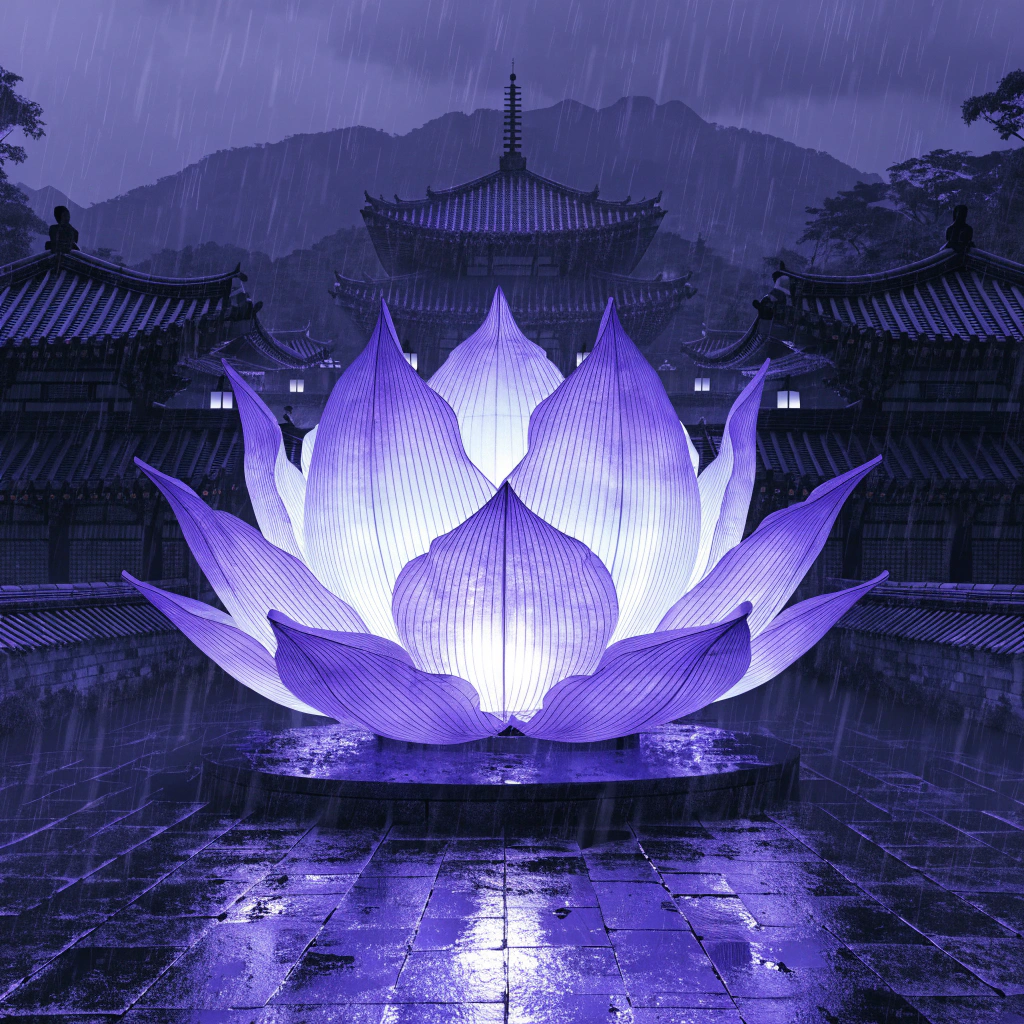
韓国の「釈迦誕生日」
韓国には、大切なお祭りがあります。「釈迦誕生日」と言います。これは仏陀の誕生日です。この日は韓国の「祝日」です。みんな仕事が休みです。
韓国には、仏教の長い歴史があります。1600年以上です。釈迦誕生日の前に、「燃燈会」というお祭りがあります。これは「蓮の提灯のお祭り」です。
燃燈会は、ユネスコの世界遺産です。人々はきれいな提灯を作ります。そして、提灯を持って街を歩きます。夜の街は、提灯の光でとてもきれいです。
文法スポットライト
パターン: 〜があります
"韓国には、大切なお祭りがあります。"
「〜があります」は、「〜がある」を丁寧にした形です。物や場所の存在を言うときに使います。例えば、「本があります」は「本がある」と同じ意味です。
パターン: 〜と言います
"「釈迦誕生日」と言います。"
「〜と言います」は、名前や呼び方を説明するときに使います。この文は「名前が『釈迦誕生日』です」という意味です。誰かの名前を言うときにも使います。
理解度をチェック
10 問 · A1 初級 · 無料プレビュー 1回
この記事で学んだことをテストしよう。全問正解してXPを獲得!
「釈迦誕生日」は、何の日ですか。
問題の内訳
「釈迦誕生日」は、何の日ですか。
あなたの回答:
正解: 仏陀の誕生日
燃燈会はユネスコの世界遺産ではありません。
あなたの回答:
正解: 間違い
「提灯」の意味は何ですか。
あなたの回答:
正解: ランタン
韓国には、長い___の歴史があります。
あなたの回答:
正解: 仏教
韓国の美しい「お釈迦様の誕生日」
韓国では、「お釈迦様の誕生日」という大切なお祝いがあります。これは「釈迦誕生日(ソッガタンシニル)」とも呼ばれ、毎年5月にあります。この日は韓国の祝日です。韓国には1600年以上前から仏教の長い歴史があります。だから、このお祭りはとても特別です。
お釈迦様の誕生日の前には、たくさんのきれいな提灯を見ることができます。特に、「燃燈会(ヨンドゥンフェ)」というお祭りが有名です。これはユネスコの世界無形文化遺産にもなっています。人々は、色々な色の蓮の提灯を作ります。そして、その提灯を街に飾ります。
この期間、ソウルなどの大きな街では、たくさんの提灯が夜を明るくします。人々は、提灯に自分の願い事を書きます。そして、家族や友達の健康と幸せを願います。提灯の明かりは、みんなの心も明るくします。このお祭りは、とても美しくて、韓国の文化を学ぶ良い機会です。
文法スポットライト
パターン: 〜があります
"韓国では、「お釈迦様の誕生日」という大切なお祝いがあります。"
「〜があります」は、物や事が「存在する」ことを表すときに使います。場所や時間と一緒に使うことが多いです。この文では「お祝い」という存在を伝えています。
パターン: 〜として
"これは「釈迦誕生日(ソッガタンシニル)」とも呼ばれ、毎年5月にあります。"
「〜として」は、あるものや人が「どういう立場や役割で」あるかを示すときに使います。この文では、「釈迦誕生日」という名前で呼ばれることを表しています。
理解度をチェック
11 問 · A2 初級 · 無料プレビュー 1回
この記事で学んだことをテストしよう。全問正解してXPを獲得!
韓国の「お釈迦様の誕生日」の名前は何ですか?
問題の内訳
韓国の「お釈迦様の誕生日」の名前は何ですか?
あなたの回答:
正解: 釈迦誕生日(ソッガタンシニル)
「燃燈会」はユネスコの世界無形文化遺産です。
あなたの回答:
正解: 正しい
「祝日」は何を意味しますか?
あなたの回答:
正解: 学校や会社が休みの特別な日
人々は提灯に自分の______を書きます。
あなたの回答:
正解: 願い事
韓国には何年くらい前から仏教の歴史がありますか?
あなたの回答:
正解: 1600年以上
韓国の「釈迦誕生日」:光と伝統の祭り
韓国では、毎年旧暦の4月8日に「釈迦誕生日(석가탄신일, Seokga Tansinil)」という祝日があります。これは、仏教の開祖であるお釈迦様の誕生を祝う大切な日です。韓国における仏教の歴史は非常に長く、1600年以上も前に伝わったと言われています。この長い歴史と豊かな文化は、この祝日の祝い方に色濃く反映されています。
釈迦誕生日が近づくと、韓国の街は華やかな提灯で飾られます。特に有名なのが「燃灯会(연등회, Yeon Deung Hoe)」という祭りです。この燃灯会は、毎年釈迦誕生日の前に数週間にわたって行われ、数えきれないほどの美しい蓮の提灯が街を彩ります。この提灯は、仏の知恵と慈悲を表すと言われており、見る人々を魅了します。
燃灯会は、その歴史的・文化的価値が認められ、2020年にはユネスコ無形文化遺産にも登録されました。これは、韓国の伝統と文化が世界的に高く評価された証拠です。祭りでは、提灯行列だけでなく、伝統的なパフォーマンスや文化体験イベントも多く開催され、多くの人々が参加します。
釈迦誕生日は、ただの祝日ではなく、韓国の歴史と文化、そして人々の信仰心が深く結びついた特別な一日です。この時期に韓国を訪れると、その美しさと精神性に触れることができるでしょう。
文法スポットライト
パターン: 〜として知られています
"韓国では、毎年旧暦の4月8日に「釈迦誕生日(석가탄신일, Seokga Tansinil)」という祝日があります。これは、仏教の開祖であるお釈迦様の誕生を祝う大切な日です。"
「〜として知られています」は、「〜という名前で有名である」や「〜という役割がある」というように、あるものが何であるかを説明する時に使います。この文では、仏教の開祖としてお釈迦様がよく知られていることを表しています。
パターン: 〜という名詞
"特に有名なのが「燃灯会(연등회, Yeon Deung Hoe)」という祭りです。"
「〜という名詞」は、あるものに特定の名前や説明を加えて紹介する時に使われます。この例では、「燃灯会」が「祭り」であると説明しています。名前や引用、定義を伝えるときに便利です。
理解度をチェック
11 問 · B1 中級 · 無料プレビュー 1回
この記事で学んだことをテストしよう。全問正解してXPを獲得!
韓国の釈迦誕生日は、何を祝う日ですか。
問題の内訳
韓国の釈迦誕生日は、何を祝う日ですか。
あなたの回答:
正解: お釈迦様の誕生日
燃灯会は、釈迦誕生日が終わった後に行われます。
あなたの回答:
正解: 間違い
「無形文化遺産」の正しい意味はどれですか。
あなたの回答:
正解: 形はないけれど大切な文化
燃灯会は、その歴史的・文化的価値が認められ、2020年にはユネスコ無形文化遺産にも_____されました。
あなたの回答:
正解: 登録
提灯は、何を表すと言われていますか。
あなたの回答:
正解: 仏の知恵と慈悲
Illuminating Tradition: The Cultural Significance of Seokga Tansinil in South Korea
Every spring, the urban landscapes of South Korea undergo a vibrant transformation as the nation prepares for Seokga Tansinil, also known as Buddha’s Birthday. This public holiday, which officially commemorates the birth of Siddhartha Gautama, is not merely a religious observance but a profound manifestation of Korean cultural identity. Having flourished for over 1,600 years, Buddhism has left an indelible mark on the peninsula’s history. This rich heritage is most spectacularly displayed through the 'Yeon Deung Hoe' (Lotus Lantern Festival), an event that has been designated a UNESCO Intangible Cultural Heritage of Humanity, reflecting its immense global significance.
In the weeks preceding the holiday, thousands of meticulously crafted lotus-shaped lanterns are suspended across the country, symbolizing the light of wisdom breaking through the darkness of ignorance. The artistry involved in creating these lanterns is a testament to the country's dedication to craftsmanship. Historically, lantern lighting was a practice that dates back to the Goryeo Dynasty, where it was already a significant state-sponsored event. Over the centuries, the techniques have evolved, yet the core materials—traditional 'hanji' paper and bamboo frames—remain central to the process. This blend of ancient technique and modern artistic expression allows the festival to remain visually stunning while staying true to its roots.
The centerpiece of the festivities is a massive parade in downtown Seoul, where monks and laypeople alike carry intricate lanterns. These range from traditional shapes to elaborate contemporary designs, such as glowing dragons and majestic peacocks. Although the event is deeply rooted in ancient religious tradition, it fosters a sense of communal solidarity that transcends individual faith, inviting people of all backgrounds to participate in the celebration.
On the day of Seokga Tansinil, Buddhist temples become hubs of activity. Visitors often participate in the ritual of 'bathing' a statue of the baby Buddha, a symbolic gesture intended to purify one’s soul and mind. Furthermore, temples traditionally offer free vegetarian meals, typically bibimbap, to all attendees. This act of sharing food promotes a spirit of generosity and equality, which are core tenets of the faith. In the face of rapid modernization, the continued popularity of Seokga Tansinil illustrates how traditional values can be successfully integrated into contemporary life. The festival serves as a vital reminder of the importance of spiritual enlightenment and cultural preservation in an increasingly digital world.
文法スポットライト
パターン: Non-defining Relative Clauses
"This public holiday, which officially commemorates the birth of Siddhartha Gautama, is not merely a religious observance..."
This pattern is used to add extra information about a noun that is already clearly identified. It is separated from the rest of the sentence by commas and uses 'which' or 'who'.
パターン: Perfect Participle Clauses
"Having flourished for over 1,600 years, Buddhism has left an indelible mark on the peninsula’s history."
This structure (Having + Past Participle) is used to show that one action happened before another. It provides a more formal way to express a cause or sequence of events.
パターン: Present Perfect Passive
"...an event that has been designated a UNESCO Intangible Cultural Heritage of Humanity..."
This pattern combines 'has/have been' with a past participle to emphasize the action or status rather than the person who performed it, specifically for events linked to the present.
理解度をチェック
11 問 · B2 中上級 · 無料プレビュー 1回
この記事で学んだことをテストしよう。全問正解してXPを獲得!
What is the primary significance of the 'Yeon Deung Hoe' festival mentioned in the text?
問題の内訳
What is the primary significance of the 'Yeon Deung Hoe' festival mentioned in the text?
あなたの回答:
正解: It is a UNESCO-recognized cultural heritage.
The lanterns used in the festival are meant to symbolize the light of wisdom.
あなたの回答:
正解: 正しい
What does the word 'intricate' mean in the context of the lantern parade?
あなたの回答:
正解: Extremely complex and detailed
This rich _____ is most spectacularly displayed through the 'Yeon Deung Hoe'.
あなたの回答:
正解: heritage
What is the symbolic purpose of 'bathing' the baby Buddha statue?
あなたの回答:
正解: To purify the participant's soul and mind
韓国における「釈迦誕辰日」:古都を彩る光の祭典とその深淵
韓国の春を彩る祝祭の中でも、ひときわ荘厳な輝きを放つのが「釈迦誕辰日」(석가탄신일、Seokga Tansinil)である。釈迦、すなわち仏陀の誕生を祝うこの日は、単なる宗教的行事に留まらず、国民全体の文化的な祝日として深く根付いている。その歴史は実に1600年以上に及び、朝鮮半島における仏教の深遠な影響力を物語っていると言っても過言ではない。
この祝祭の象徴とも言えるのが、「燃燈会」(연등회、Yeon Deung Hoe)、すなわち蓮の灯篭祭りである。数週間にわたる準備期間を経て、色鮮やかな蓮の灯篭が街中に飾られ、寺院は絢爛豪華な装飾で彩られる。ソウルの中心部を練り歩く大規模なパレードは、まさに圧巻の一言に尽きる。ユネスコ無形文化遺産にも登録されたこの祭りは、仏教徒のみならず、多くの人々を魅了してやまない。これほどまでに大規模な祝祭が、単なる宗教的祭祀の枠を超え、民族全体のアイデンティティの一部として認識されているのは、韓国仏教の歴史的背景と社会への浸透度を抜きには語れないだろう。
燃燈会の起源は、新羅時代にまで遡るとされ、その形式や規模は時代とともに変遷を遂げてきた。しかし、灯篭に込められた「世の中を明るく照らし、人々の願いを成就させる」という普遍的な祈りの精神は、脈々と受け継がれてきた。特に現代においては、この祭りが持つ平和への願いや、共生を重んじるメッセージが、国内外から大きな共感を呼んでいる。夜空を彩る無数の灯篭の光は、単なる美しさだけではなく、人々の心に安らぎと希望をもたらす象徴的な存在なのである。
この祭りのもう一つの特筆すべき点は、その参加型の性格である。市民は自ら灯篭を作り、願い事を書き込む。子供から大人まで、誰もがこの祝祭の一部となり、共同体の一員としての絆を深める。このような文化体験は、仏教の教えを日常生活の中で自然に学ぶ機会を提供し、世代を超えて伝統が継承される重要な役割を担っている。仏教が韓国の精神文化に深く根差していることの何よりの証左は、このような祝祭が、特定の信者層に限定されることなく、社会全体で共有されているという事実にある。
釈迦誕辰日は、単に仏陀の誕生日を祝う日ではない。それは、韓国の豊かな歴史、文化、そして精神性を凝縮した祝祭であり、過去と現在、そして未来を繋ぐ光のメッセージである。この日を通して、私たちは生命の尊厳、慈悲の心、そして平和への普遍的な願いを再認識する機会を与えられる。この祝祭が、今後も変わることなく、多くの人々に感動と啓発を与え続けるであろうことは、想像に難くない。
文法スポットライト
パターン: 〜を抜きには語れない
"これほどまでに大規模な祝祭が、単なる宗教的祭祀の枠を超え、民族全体のアイデンティティの一部として認識されているのは、韓国仏教の歴史的背景と社会への浸透度を抜きには語れないだろう。"
ある事柄の重要性や前提条件を示し、「〜がなければ、その事柄は適切に説明できない」という意味を表します。多くの場合、論理的な必然性や、ある要素が不可欠であることを強調する際に用いられます。
パターン: 〜に尽きる
"ソウルの中心部を練り歩く大規模なパレードは、まさに圧巻の一言に尽きる。"
ある事柄や感情を表現する際に、「これ以上適切な言葉はない」「この一言で全てが言い表せる」と、その本質や最も重要な側面を強調する表現です。多くの場合、感嘆や強い評価を表す際に用いられます。
パターン: 〜に難くない
"この祝祭が、今後も変わることなく、多くの人々に感動と啓発を与え続けるであろうことは、想像に難くない。"
ある事柄が容易に予測できる、あるいは理解できることを表す表現です。「〜することは難しくない」という意味で、特に「想像に難くない」「理解に難くない」といった形で使われます。
理解度をチェック
12 問 · C1 上級 · 無料プレビュー 1回
この記事で学んだことをテストしよう。全問正解してXPを獲得!
釈迦誕辰日は、韓国においてどのような位置づけの祝日ですか?
問題の内訳
釈迦誕辰日は、韓国においてどのような位置づけの祝日ですか?
あなたの回答:
正解: 国民全体の文化的な祝日
燃燈会は、ユネスコ無形文化遺産には登録されていません。
あなたの回答:
正解: 間違い
「荘厳」という言葉の意味として最も適切なものはどれですか?
あなたの回答:
正解: 厳かで立派な様子
燃燈会の起源は、_____時代にまで遡るとされています。
あなたの回答:
正解: 新羅
燃燈会で灯篭に込められた普遍的な祈りの精神は何ですか?
あなたの回答:
正解: 世の中を明るく照らし、人々の願いを成就させること
釈迦誕辰日は、仏陀の誕生日を祝う日であると同時に、韓国の文化と精神性を凝縮した祝祭でもあります。
あなたの回答:
正解: 正しい
Ephemeral Radiance: The Ontological and Socio-Cultural Dimensions of Seokga Tansinil
To contemplate the annual observance of Seokga Tansinil—Buddha’s Birthday—within the South Korean peninsula is to engage with a profound tapestry of temporal continuity and spiritual rejuvenation. While the superficial observer might perceive a mere public holiday, the discerning scholar recognizes a complex synthesis of Goryeo-era traditions and the exigencies of modern secularism. Central to this phenomenon is the Yeon Deung Hoe, or Lotus Lantern Festival, an event so culturally significant that its designation as a UNESCO Intangible Cultural Heritage of Humanity seems almost a perfunctory acknowledgement of its intrinsic value.
Were one to traverse the labyrinthine thoroughfares of Seoul during the lunar month preceding the festivities, the sheer aesthetic magnitude of the myriad lanterns would be palpable. These luminous constructs, far from being mere decorative artifacts, serve as metaphorical manifestations of enlightenment, intended to dispel the ignorance that shrouds the human condition. It is within these interstitial spaces between the mundane and the divine that the Korean populace finds a collective resonance. The festival acts as a cultural ballast, anchoring a society characterized by breakneck technological advancement to its 1,600-year-old Buddhist heritage.
Furthermore, the philosophical underpinnings of Seokga Tansinil invite an analytical inquiry into the concept of interconnectedness. This ontological perspective, often likened to 'Indra’s Net' where every jewel reflects every other, suggests that the individual’s celebration is inextricably linked to the cosmic whole. It is perhaps through this lens that the syncretism of Korean Buddhism—incorporating elements of shamanism and Confucianism—becomes most apparent. The celebration is not merely a commemoration of a historical birth; rather, it is a re-actualization of the Buddha-nature inherent within all sentient beings.
Academic hedging is necessary when discussing the societal impact of such a tradition. It could be argued that the commercialization of the festival threatens to dilute its spiritual potency; however, the counter-argument posits that such visibility is essential for the perpetuation of the faith in a pluralistic society. Not only does the festival foster a sense of national identity, but it also provides a sanctuary for introspection amidst the cacophony of the 21st-century zeitgeist. The zenith of the celebrations, marked by grand processions and the rhythmic chanting of sutras, offers a fleeting glimpse into a transcendental reality that remains a vestige of Korea’s pre-modern soul.
Ultimately, Seokga Tansinil represents more than a chronological milestone. It is a testament to the resilience of a tradition that has navigated the turbulent waters of colonization, war, and rapid industrialization. As the lanterns eventually fade, the ephemeral nature of the display serves as a poignant reminder of the Buddhist doctrine of impermanence. Yet, the profound psychological and social impact ensures that the spirit of the occasion remains deeply ingrained in the Korean psyche, awaiting its next cyclical manifestation.
文法スポットライト
パターン: Inverted Conditional (Subjunctive)
"Were one to traverse the labyrinthine thoroughfares of Seoul during the lunar month preceding the festivities, the sheer aesthetic magnitude of the myriad lanterns would be palpable."
This structure replaces 'If one were to traverse...' by inverting the subject and the verb 'were'. It is used in formal or academic writing to express a hypothetical condition with a high degree of elegance.
パターン: Negative Inversion
"Not only does the festival foster a sense of national identity, but it also provides a sanctuary for introspection..."
When a sentence starts with a negative or restrictive expression like 'Not only', the auxiliary verb comes before the subject. This is used for rhetorical emphasis and to vary sentence structure.
パターン: Nominalization for Academic Tone
"Academic hedging is necessary when discussing the societal impact of such a tradition."
Nominalization involves turning verbs or adjectives into nouns (e.g., 'hedging' from 'to hedge'). This shifts the focus from actions to concepts, creating a more objective and analytical tone.
理解度をチェック
12 問 · C2 マスター · 無料プレビュー 1回
この記事で学んだことをテストしよう。全問正解してXPを獲得!
What does the author suggest by using the term 'cultural ballast' in relation to the festival?
問題の内訳
What does the author suggest by using the term 'cultural ballast' in relation to the festival?
あなたの回答:
正解: The festival provides stability and historical grounding for a rapidly changing society.
The author argues that the commercialization of Seokga Tansinil has unequivocally destroyed its spiritual value.
あなたの回答:
正解: 間違い
Which word describes the 'amalgamation of different religious elements' mentioned in the text?
あなたの回答:
正解: Syncretism
The author notes that the lanterns are _____ manifestations of enlightenment.
あなたの回答:
正解: metaphorical
According to the text, what does 'Indra's Net' represent in the context of the celebration?
あなたの回答:
正解: The philosophical concept of universal interconnectedness.
The Yeon Deung Hoe has been recognized by UNESCO as an Intangible Cultural Heritage of Humanity.
あなたの回答:
正解: 正しい
韓国の 仏様の 誕生日
韓国には お寺が あります。 お寺は とても きれいです。 仏様の 誕生日です。 これは 「釈迦誕生日」です。 人々は お祝いを します。 「蓮灯会」という お祭りです。 たくさん 提灯が あります。 提灯は とても きれいです。 みんな、楽しいです。
文法スポットライト
パターン: 名詞 + です
"お寺は とても きれいです。"
「名詞 + です」は、物や状況を説明する時に使います。とても簡単な文です。この文は「お寺はきれいだ」という意味です。
理解度をチェック
9 問 · A0 プレビギナー · 無料プレビュー 1回
この記事で学んだことをテストしよう。全問正解してXPを獲得!
問題の内訳
韓国に 何が ありますか?
あなたの回答:
正解: お寺
「釈迦誕生日」は 悲しい日です。
あなたの回答:
正解: 間違い
「提灯」の 意味は 何ですか?
あなたの回答:
正解: 明かり

