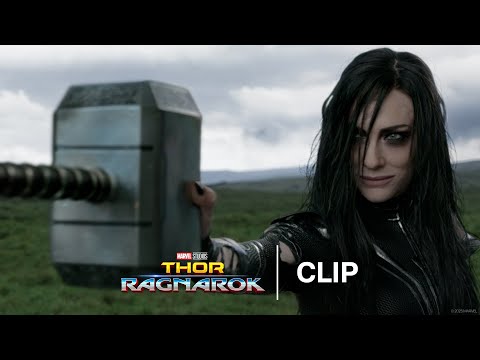
Odin is a very important god in old Norse stories, like the king of all the gods.
People thought he was wise and powerful, often connected to things like fighting and magic.
He is usually shown as having only one eye, and he travels a lot.
He also cares about poems and what happens after people die.
§ What does 'Odin' mean?
- DEFINITION
- Odin is the supreme deity in Norse mythology, serving as the king of the Aesir gods. He is associated with wisdom, war, poetry, magic, and the afterlife, often depicted as a one-eyed wanderer.
The name 'Odin' itself comes from the Old Norse word 'Óðinn', which is related to 'óðr', meaning 'fury, madness, excitement, or poetry'. This etymology perfectly encapsulates the multifaceted nature of the god. He is not just a leader, but a complex figure embodying intense intellectual pursuit, fierce martial prowess, and profound mystical knowledge.
Odin's role as the Allfather, the ruler of Asgard and the chief of the Aesir, places him at the very pinnacle of the Norse pantheon. He is often depicted as an older man with a long beard and one eye, having sacrificed his other eye for wisdom at Mimir's well. This act symbolizes his relentless quest for knowledge and understanding, a central theme in his mythology.
§ When do people use the word 'Odin'?
The term 'Odin' is primarily used when discussing Norse mythology, ancient Scandinavian culture, and related folklore. It's a proper noun that directly refers to the specific deity. You'll encounter it in a variety of contexts, including:
- Academic and historical texts: When studying the beliefs, rituals, and societal structures of the Norse people.
- Literature and storytelling: In retellings of Norse myths, sagas, and epic poems.
- Fantasy and popular culture: Modern adaptations of Norse mythology in books, movies, TV shows, and video games.
- Art and music: References in artistic works inspired by the Norse pantheon.
Using 'Odin' correctly means acknowledging its specific reference to the Norse god. It's not a generic term for a god or a leader; it's always tied to its mythological origin.
In the epic poem, Odin embarked on a perilous journey to gain ultimate knowledge.
Many stories of the Norse gods feature Odin's raven messengers, Huginn and Muninn, who fly across the world to gather information.
It's important to differentiate 'Odin' from other supreme deities in different mythologies, such as Zeus in Greek mythology or Ra in Egyptian mythology, as each has distinct attributes and cultural contexts.
Understanding 'Odin' goes beyond just his name; it's about grasping the rich tapestry of Norse mythology and the significant role he plays within it. His attributes, such as wisdom, war, and magic, are not just arbitrary characteristics but reflect the values and concerns of the ancient Norse societies that worshipped him. His depiction as a wanderer also highlights a continuous quest for enlightenment, a journey that many can relate to even today.
The ancient runes were believed to be a gift from Odin himself, containing profound magical secrets.
In summary, 'Odin' is a specific and powerful name used to refer to the supreme god of Norse mythology, an incredibly influential figure whose stories continue to resonate in various forms of media and scholarship.
§ How to use it in a sentence — grammar, prepositions
- Definition
- Odin is the supreme deity in Norse mythology, serving as the king of the Aesir gods. He is associated with wisdom, war, poetry, magic, and the afterlife, often depicted as a one-eyed wanderer.
As a proper noun, "Odin" refers to a specific mythological figure. Therefore, it is always capitalized. When using "Odin" in a sentence, its grammatical function will depend on the role it plays. It can be the subject of a sentence, the object of a verb or preposition, or a possessive noun.
§ Using Odin as the Subject
When "Odin" is the subject of a sentence, it performs the action of the verb. Since Odin is a single entity, the verb should be in the singular form.
Odin sacrificed an eye for wisdom.
Odin is the father of Thor.
§ Using Odin as the Object
"Odin" can also function as the object of a verb or a preposition. As a direct object, it receives the action of the verb. As an indirect object, it is the recipient of the direct object. When used with a preposition, it follows the preposition.
Direct Object:
Many stories feature Odin as a cunning god.
Object of a Preposition:
The ancient Vikings prayed to Odin for victory in battle.
§ Possessive Form of Odin
To show possession, you can use the apostrophe + 's' ('s) with "Odin."
Odin's ravens, Huginn and Muninn, fly across the world.
Odin's wisdom is legendary.
§ Prepositions Commonly Used with Odin
Here are some common prepositions and how they might be used with "Odin" in a mythological context:
- To Odin: Used when referring to actions directed towards Odin, such as praying or dedicating something to him.
Offerings were made to Odin before battles.
- About Odin: Used when discussing information or stories concerning Odin.
We learned many fascinating facts about Odin in our mythology class.
- Of Odin: Indicates possession or origin, similar to the possessive form 'Odin's'.
The spear Gungnir is a symbol of Odin's power.
- With Odin: Used to describe being in the company of Odin or performing an action alongside him (in a narrative context).
Valhalla is where warriors feast with Odin.
§ Mythology and Literature
The most common place to encounter the name "Odin" is within the realm of mythology and literature, specifically when discussing Norse mythology. As the supreme deity, he is a central figure in sagas, Eddas, and various academic texts exploring ancient Scandinavian beliefs. Whether you're reading a book on world mythologies, studying ancient religions, or even delving into fantasy literature inspired by Norse lore, the name Odin will frequently appear.
In the epic poem, the wise and powerful Odin sacrifices an eye for ultimate knowledge.
- Literary Context
- When reading or discussing works that draw from Norse mythology, such as Neil Gaiman's American Gods or J.R.R. Tolkien's inspirations for Gandalf, references to Odin are almost inevitable due to his pervasive influence on these narratives.
§ Popular Culture and Entertainment
Beyond academic and classical literary contexts, Odin has a significant presence in popular culture. This includes movies, television shows, video games, and comic books, especially those within the fantasy and superhero genres. Marvel Comics, for instance, prominently features Odin as the father of Thor, introducing him to a global audience. Video games like God of War also bring Norse mythology, and thus Odin, into interactive storytelling.
The movie adaptation depicted Odin as a stern but benevolent ruler of Asgard.
§ Educational Settings
In schools and universities, you might encounter the word "Odin" in various courses. This is particularly true in history classes covering ancient civilizations, literature classes analyzing epic poems, or religious studies courses exploring polytheistic beliefs. Students studying European history or comparative mythology will frequently come across discussions about Odin and his role in pre-Christian Germanic cultures.
- History lectures discussing Viking Age beliefs.
- Literature seminars analyzing Eddic poetry.
- Religious studies courses on comparative mythologies.
Understanding Odin's significance is key to grasping the cultural and spiritual landscape of early Northern Europe.
- Academic Usage
- In academic papers or classroom discussions, "Odin" is used precisely to refer to the Norse god, often in the context of analyzing his attributes, myths, and influence on societal structures.
§ Historical and Archaeological Discussions
When discussing historical artifacts, archaeological finds, or ancient texts from regions where Norse culture thrived, Odin's name can arise. Runestones, artwork, and historical accounts often allude to or explicitly mention Odin, providing insights into the beliefs and practices of the people who created them. Researchers and enthusiasts in these fields will frequently use "Odin" when interpreting such evidence.
Archaeologists discovered an amulet depicting a one-eyed figure believed to be Odin.
§ Modern Spirituality and Neo-Paganism
For individuals involved in modern pagan traditions, particularly those centered around Norse beliefs (Heathenry, Asatru), Odin is a revered figure. Discussions about Odin in these communities revolve around spiritual practice, interpretation of ancient texts for contemporary relevance, and cultural identity. In such contexts, "Odin" is not just a mythological character but a deity actively worshipped and honored.
- Online forums and communities discussing Heathenry.
- Books and resources for modern Norse pagan practices.
- Conversations among practitioners of Asatru.
レベル別の例文
The profound influence of Odin on Norse culture is undeniable, permeating their sagas, rituals, and societal structures with his complex mythology.
Profound influence; permeating sagas, rituals, societal structures; complex mythology.
Use of 'permeating' as a present participle to describe widespread influence. 'Undeniable' as an adjective.
While often depicted as a fearsome warrior god, Odin's multifaceted nature also encompasses a deep connection to esoteric knowledge and shamanistic practices.
Fearsome warrior god; multifaceted nature; esoteric knowledge; shamanistic practices.
Use of 'while' to introduce a contrasting idea. 'Esoteric' as an adjective meaning specialized or secret knowledge.
Scholars meticulously analyze ancient texts to reconstruct the intricate cosmology in which Odin presides over Valhalla and the disparate realms.
Scholars meticulously analyze; reconstruct intricate cosmology; presides over Valhalla; disparate realms.
Adverb 'meticulously' modifying 'analyze'. 'Disparate' as an adjective meaning fundamentally different or distinct.
The quest for wisdom, a recurring motif in Odin's mythology, often entailed immense personal sacrifice, including the famous renunciation of an eye.
Quest for wisdom; recurring motif; entailed immense personal sacrifice; renunciation of an eye.
Use of 'entailed' meaning involved as a necessary consequence. 'Renunciation' as a noun meaning the formal rejection of something.
The poetic Edda, a seminal source of Norse mythology, frequently alludes to Odin's various epithets, each revealing a different aspect of his formidable persona.
Poetic Edda; seminal source; frequently alludes; various epithets; formidable persona.
Adjective 'seminal' meaning strongly influencing later developments. 'Alludes to' meaning refers to indirectly. 'Formidable' as an adjective meaning inspiring fear or respect.
Despite his divine stature, Odin is portrayed with human-like complexities, grappling with fate, betrayal, and the inexorable march towards Ragnarök.
Divine stature; human-like complexities; grappling with fate, betrayal; inexorable march towards Ragnarök.
Use of 'despite' to introduce a contrasting element. 'Inexorable' as an adjective meaning impossible to stop or prevent.
The reverence for Odin was not merely spiritual; it was deeply interwoven with the martial values and legal systems of the early Germanic peoples.
Reverence not merely spiritual; deeply interwoven with martial values; legal systems of early Germanic peoples.
Adverb 'merely' to emphasize restriction. 'Interwoven' as a past participle acting as an adjective.
Modern interpretations of Odin often explore the psychological archetypes he represents: the wise elder, the cunning strategist, and the seeker of forbidden knowledge.
Modern interpretations; psychological archetypes; wise elder; cunning strategist; seeker of forbidden knowledge.
Use of 'archetypes' meaning a very typical example of a certain person or thing. 'Cunning' as an adjective meaning having or showing skill in achieving one's ends by deceit or evasion.
よく使う組み合わせ
よく使うフレーズ
Odin, king of the gods
Odin, the Allfather
Odin and the Aesir
Odin's association with wisdom and war
Odin's sacrifice for knowledge
Odin's role in Ragnarok
Odin's journey through the realms
Odin's mighty steed Sleipnir
Odin, a complex deity
Odin's various names and epithets
ヒント
Contextual Learning
When encountering a proper noun like Odin, try to understand its context. Where does it come from? What stories or myths is it a part of? This helps with recall.
Pronunciation Practice
Practice pronouncing Odin correctly. Listen to how it's said in Norse mythology documentaries or audiobooks to get the intonation right.
Image Association
Visualize Odin as described: a one-eyed wanderer, king of the Aesir gods, associated with wisdom and war. Creating a mental image can aid memory.
Cultural Significance
Understand that Odin is a significant figure in Norse mythology. Knowing this adds depth to your understanding of the word and related concepts.
Sentence Creation
Try to use Odin in your own sentences. For example, 'Many stories in Norse mythology revolve around Odin's quest for knowledge.'
Etymology Exploration
While Odin is a proper noun, researching its potential etymological roots (e.g., connection to 'fury' or 'inspiration') can be fascinating for advanced learners.
Related Vocabulary
Learn related terms and names from Norse mythology, such as 'Aesir,' 'Thor,' 'Loki.' This builds a stronger semantic network around Odin.
Flashcards
Create a flashcard for Odin with its definition and key attributes. Review it regularly to reinforce your memory.
Literary References
Look for instances of Odin in literature, comics, or movies. This shows how the character is represented in modern culture.
Teach it to Someone
Explain who Odin is and what he represents to a friend or study partner. Teaching often solidifies your own understanding.
暗記しよう
記憶術
Imagine 'Odin' wearing an 'odd-in' eye patch, symbolizing his one eye and association with wisdom and mystery.
視覚的連想
Picture a majestic, one-eyed king with a long beard, seated on a throne amidst a stormy sky, holding a spear. Ravens perch on his shoulders, and wolves lie at his feet, representing his connection to nature and war.
Word Web
チャレンジ
Describe Odin's key characteristics and domains in your own words. How do his attributes reflect the values of Norse culture? Create a short story or a poem about an encounter with Odin, incorporating details from his mythological depictions.
よくある質問
10 問Odin is the chief god in Norse mythology, often called the 'Allfather.' He's the god of wisdom, war, poetry, magic, and death. Think of him as a very powerful and complex leader among the gods.
Odin is typically depicted as an old man with a long beard and one eye. He sacrificed his other eye for wisdom at Mimir's Well. He often wears a broad-brimmed hat and carries a spear called Gungnir.
Some well-known stories include him hanging himself from Yggdrasil, the world tree, for nine days and nights to gain knowledge of the runes, and his quest for wisdom at Mimir's Well.
Yes, he's famously accompanied by two ravens, Huginn (thought) and Muninn (memory), who fly around the world and bring him information. He also rides an eight-legged horse named Sleipnir.
In Ragnarok, the Norse 'doom of the gods,' Odin is destined to lead the gods and heroes into battle against the forces of chaos. He is prophesied to be devoured by the monstrous wolf Fenrir.
Absolutely! Odin appears in many modern works of fiction, including Marvel comics and movies (as Thor's father), video games like 'God of War,' and various fantasy novels. He's a popular figure!
Odin is a very complex character and can't be easily categorized as simply 'good' or 'evil.' He is wise and protective of his people, but also cunning, ruthless, and sometimes associated with deception to achieve his goals.
Odin sacrificed his eye into Mimir's Well to gain immeasurable wisdom and knowledge. This act symbolizes the great price one must sometimes pay for profound understanding and insight.
Valhalla is Odin's great hall in Asgard, where fallen warriors who died bravely in battle are taken by the Valkyries. They feast and train there, preparing to fight alongside Odin during Ragnarok.
Ancient Norse people honored Odin through rituals, sacrifices (sometimes human, though this is debated by historians), poetry, and sagas. They sought his favor for victory in battle, wisdom, and protection.
自分をテスト 72 問
___ is a god.
Odin is a god from old stories.
Odin is from ___ mythology.
Odin is a god in Norse myths.
Odin is the ___ of the gods.
Odin is the leader of the gods.
Odin has ___ eye.
Odin is often shown with one eye.
Odin is known for his ___.
Odin is a very wise god.
Odin is a strong ___.
Odin is a powerful god.
Listen for the name 'Odin'.
Listen for the word 'important'.
Listen for how many eyes Odin has.
Read this aloud:
Odin is a god.
Focus: Odin, god
あなたの回答:
Speech recognition is not supported in your browser. Try Chrome or Edge.
Read this aloud:
He has one eye.
Focus: He, one, eye
あなたの回答:
Speech recognition is not supported in your browser. Try Chrome or Edge.
Read this aloud:
Odin is wise.
Focus: Odin, wise
あなたの回答:
Speech recognition is not supported in your browser. Try Chrome or Edge.
Imagine you meet a very wise old man. What three questions would you ask him to gain wisdom?
Well written! Good try! Check the sample answer below.
Sample answer
I would ask him: 'How can I be kind to everyone?' 'What is the most important thing in life?' and 'How can I learn new things every day?'
Write two sentences about someone who is a leader or a king. What do they do?
Well written! Good try! Check the sample answer below.
Sample answer
Our class leader helps us in school. He makes sure everyone is happy. A king rules a country and makes important decisions for his people.
What is something you enjoy doing that makes you feel strong or powerful?
Well written! Good try! Check the sample answer below.
Sample answer
I enjoy playing soccer because it makes me feel strong and fast. When I score a goal, I feel powerful.
What is Odin known for?
Read this passage:
Odin is a very old god from stories. People say he is very wise. He sometimes wears a big hat and has one eye. He helps people learn about many things.
What is Odin known for?
The passage says, 'People say he is very wise.'
The passage says, 'People say he is very wise.'
What does Odin love?
Read this passage:
In old stories, Odin is a king of the gods. He knows a lot about magic. He also loves poetry and stories. He is often shown as a traveler.
What does Odin love?
The passage states, 'He also loves poetry and stories.'
The passage states, 'He also loves poetry and stories.'
What two things is Odin linked with?
Read this passage:
Odin is a very important god. He is linked with war, so he is strong. He is also linked with knowing many things. He helps people in many ways.
What two things is Odin linked with?
The passage says, 'He is linked with war...' and 'He is also linked with knowing many things.'
The passage says, 'He is linked with war...' and 'He is also linked with knowing many things.'
Who is considered the supreme deity in Norse mythology?
Odin is described as the supreme deity in Norse mythology.
Which of these is NOT associated with Odin?
Odin is associated with wisdom, war, poetry, magic, and the afterlife, but not typically love.
How is Odin often depicted?
The definition states Odin is often depicted as a one-eyed wanderer.
Odin is the king of the Aesir gods.
The definition states Odin is the king of the Aesir gods.
Odin is primarily known for his connection to the sea.
Odin is associated with wisdom, war, poetry, magic, and the afterlife, not primarily the sea.
Odin is often shown with two eyes.
Odin is often depicted as a one-eyed wanderer.
Imagine you are a storyteller in ancient Norse times. Write a short paragraph describing Odin and one of his qualities, such as his wisdom or his connection to war. Include at least two facts from the definition.
Well written! Good try! Check the sample answer below.
Sample answer
In the sagas of old, Odin stands supreme. He is the king of the Aesir gods, known for his deep wisdom. This one-eyed wanderer often seeks knowledge, sometimes even sacrificing greatly to gain new insights. His connection to both magic and poetry makes him a truly remarkable deity.
If Odin were to visit your town today, what might he be interested in? Write a short journal entry from his perspective, mentioning what he observes and what he finds similar or different to his own time.
Well written! Good try! Check the sample answer below.
Sample answer
Today, I walked among mortals in a place called 'town'. I saw chariots moving without horses and people staring at small glowing rectangles. I sensed a hunger for knowledge, much like my own, but also a great distraction. Perhaps these 'internet' scrolls contain much wisdom, but I miss the clear skies of Asgard and the open battlefields.
Odin is associated with the afterlife. Write a few sentences describing what you think the Norse afterlife might be like, based on the idea of a supreme deity like Odin overseeing it.
Well written! Good try! Check the sample answer below.
Sample answer
The Norse afterlife, overseen by Odin, must be a place of honor for warriors and those who lived bravely. Perhaps there are grand halls like Valhalla, where feasting and stories of battles are common. Odin, with his connection to wisdom, would ensure that the souls there continue to learn and grow, even after their earthly lives.
What is one of Odin's common activities mentioned in the passage?
Read this passage:
Odin, the Allfather, is a central figure in Norse mythology. He often disguises himself as an old man with a broad-brimmed hat, wandering the realms in search of wisdom. His two ravens, Huginn and Muninn (Thought and Memory), fly over the world daily and bring him news of all that occurs.
What is one of Odin's common activities mentioned in the passage?
The passage states that Odin 'wandering the realms in search of wisdom.'
The passage states that Odin 'wandering the realms in search of wisdom.'
According to the passage, what is Odin's connection to poetry?
Read this passage:
In Norse mythology, Odin is not just a god of war but also a patron of poetry. Skalds, the ancient Norse poets, often invoked Odin in their verses. He is said to have gifted humanity the Mead of Poetry, which inspires poetic skill and wisdom in those who drink it.
According to the passage, what is Odin's connection to poetry?
The passage clearly states that 'He is said to have gifted humanity the Mead of Poetry' and 'is not just a god of war but also a patron of poetry.'
The passage clearly states that 'He is said to have gifted humanity the Mead of Poetry' and 'is not just a god of war but also a patron of poetry.'
What did Odin sacrifice to gain wisdom, according to the passage?
Read this passage:
Many stories in Norse mythology describe Odin's quest for knowledge. One famous tale tells of how he sacrificed one of his eyes to drink from Mímisbrunnr, the Well of Mimir, which contained all wisdom and understanding. This act shows his deep dedication to gaining insight.
What did Odin sacrifice to gain wisdom, according to the passage?
The passage states that 'he sacrificed one of his eyes to drink from Mímisbrunnr, the Well of Mimir, which contained all wisdom and understanding.'
The passage states that 'he sacrificed one of his eyes to drink from Mímisbrunnr, the Well of Mimir, which contained all wisdom and understanding.'
Listen for the sacrifice Odin made.
Pay attention to what Odin pursued.
Identify Odin's companions and their role.
Read this aloud:
Odin's association with magic and prophecy made him a formidable deity.
Focus: formidable, deity
あなたの回答:
Speech recognition is not supported in your browser. Try Chrome or Edge.
Read this aloud:
In Norse mythology, Odin is often depicted as a wise, old wanderer.
Focus: depicted, wanderer
あなたの回答:
Speech recognition is not supported in your browser. Try Chrome or Edge.
Read this aloud:
The concept of Valhalla, a hall for fallen warriors, is closely linked to Odin.
Focus: Valhalla, closely linked
あなたの回答:
Speech recognition is not supported in your browser. Try Chrome or Edge.
This sentence introduces Odin's primary role.
This sentence describes some of Odin's key attributes.
This sentence describes Odin's common physical portrayal.
In the intricate tapestry of Norse cosmology, _______ holds a paramount position as the Allfather, a deity whose influence pervades realms from martial valor to arcane wisdom.
Odin is indeed the Allfather, the chief god in Norse mythology, known for his vast dominion and attributes.
Depicted frequently with a single eye, a sacrifice made for profound insight, _______ embodies the seeker of knowledge, willing to pay any price for cosmic understanding.
Odin famously sacrificed an eye for wisdom, a central aspect of his character.
The sagas often recount _______'s journeys in disguise, observing humanity and shaping destiny with an enigmatic presence that underscores his role as a master of fate.
Odin is known for his disguised wanderings and his involvement in the fates of mortals and gods.
As the god of poetry, _______ inspires skalds and poets, bestowing upon them the gift of verse and connecting the mundane with the divine through eloquent expression.
Odin is closely associated with poetry and poetic inspiration in Norse mythology.
The concept of Valhalla, the hall of slain warriors, is inextricably linked to _______, who welcomes worthy heroes to feast and prepare for Ragnarök under his aegis.
Valhalla is Odin's hall, where chosen warriors reside after death.
With his spear Gungnir and his two ravens, Huginn and Muninn, _______ commands an aura of both majesty and mystery, presiding over a pantheon rich with complex narratives.
Gungnir and his ravens are iconic symbols of Odin's power and domain.
Which of the following attributes is NOT commonly associated with Odin in Norse mythology?
Odin is strongly associated with wisdom, war, and poetry, among other domains. Fertility, while important in Norse cosmology, is not one of his primary or most prominent associations.
In Norse mythology, Odin is often depicted as a one-eyed wanderer. What does the loss of his eye symbolize?
Odin famously sacrificed one of his eyes to Mimir's Well in exchange for wisdom and knowledge, making it a profound symbol of his pursuit of understanding.
Which realm is Odin said to rule over as king of the Aesir gods?
Odin is the supreme deity and king of Asgard, the realm of the Aesir gods, where he presides from his hall, Valhalla.
Odin is exclusively associated with the act of creation in Norse mythology.
While Odin plays a significant role in creation myths, particularly with his brothers Vili and Vé, he is not exclusively associated with creation. His domains are much broader, encompassing wisdom, war, magic, and death.
Odin is often referred to as the 'Allfather' due to his role as a paternal figure to both gods and humanity.
The title 'Allfather' is indeed one of Odin's most common epithets, reflecting his position as the patriarch of the gods and his influence over the cosmos, including humanity.
The Valkyries are believed to be Odin's messengers, who choose slain warriors worthy of Valhalla.
The Valkyries are supernatural female figures in Norse mythology who serve Odin, selecting the bravest warriors killed in battle to be taken to Valhalla, Odin's hall in Asgard.
Odin, the preeminent deity in the Norse pantheon, is often depicted with a solitary eye, symbolizing his relentless pursuit of what?
Odin famously sacrificed an eye to Mimir's well to gain wisdom, making the solitary eye a powerful symbol of his quest for profound insight and knowledge.
Which of the following domains is NOT primarily associated with Odin in Norse mythology?
While Odin is a versatile deity, he is not typically associated with the sea; that domain is more often attributed to gods like Njörðr or Ægir. Odin's primary associations are with wisdom, war, poetry, and magic.
Odin's role as the Allfather underscores his position as the patriarch of the Aesir gods, signifying his overarching authority and his function as what?
As the Allfather, Odin is revered as the principal creator god in Norse mythology, responsible for the creation of the world and the first humans, thus establishing his fundamental authority.
Odin's association with Valhalla exclusively pertains to his role as a benevolent host to valiant warriors, ensuring their eternal peace and joyous feasting.
While Odin hosts valiant warriors in Valhalla, his role is not exclusively benevolent. The gathering of these warriors is also a strategic preparation for Ragnarök, the final battle, where they will fight alongside him.
The Gungnir, Odin's spear, is famed for its unerring accuracy, symbolizing his unyielding resolve and strategic prowess in battle.
Gungnir, Odin's spear, is legendary for always hitting its mark, making it a potent symbol of his strategic military acumen and his determination in conflicts.
Odin's consistent guise as a venerable, single-eyed wanderer reflects his intrinsic detachment from worldly affairs, preferring solitude over intervention.
Odin's wanderer guise is not indicative of detachment; rather, it is a means for him to gain knowledge, observe human affairs, and covertly influence events, demonstrating his active engagement with the world.
Compose a short narrative (150-200 words) from the perspective of a character who has had a profound encounter with a figure reminiscent of Odin. Describe the figure's appearance, the nature of their interaction, and the lasting impact of this meeting on the character's life and understanding of the world. Focus on conveying a sense of ancient wisdom and destiny.
Well written! Good try! Check the sample answer below.
Sample answer
In the hush of twilight, by the gnarled roots of an ancient oak, I met him. A solitary figure, cloaked in shadows, with one eye piercing the veil of existence. He spoke not of trivialities, but of the loom of fate and the echoes of forgotten ages. His voice, a low rumble, seemed to carry the weight of countless battles and untold prophecies. He offered no easy answers, only riddles that unraveled the very fabric of my preconceived notions. The encounter left an indelible mark, a yearning for truths beyond the mundane, and a newfound appreciation for the intricate tapestry of life and death. The world, once a simple stage, now pulsed with hidden meanings, each shadow a potential whisper from the cosmic beyond. I was no longer merely observing; I was immersed in a grand narrative, guided by the memory of that singular, transformative gaze.
You are a scholar of comparative mythology. Write an essay (200-250 words) comparing and contrasting Odin with a supreme deity from another mythological tradition (e.g., Zeus, Ra, Vishnu). Discuss their shared attributes, distinct characteristics, and the cultural values they represent within their respective pantheons. Pay particular attention to how their roles reflect the societies that worshipped them.
Well written! Good try! Check the sample answer below.
Sample answer
While both Odin and Zeus reign as supreme deities in their respective mythologies, Norse and Greek, their roles and characteristics reveal distinct cultural values. Odin, the Allfather, embodies wisdom, war, poetry, and magic, reflecting a Norse society that valued strategic prowess, poetic sagas, and the pursuit of hidden knowledge, even at great personal cost (e.g., sacrificing an eye for wisdom). His association with Valhalla speaks to a warrior culture's reverence for death in battle. In contrast, Zeus, king of the Olympians, is often depicted as a powerful but often capricious ruler, associated with thunder, law, and justice, yet frequently embroiled in affairs and power struggles. This reflects a more anthropocentric Greek worldview, where the gods, though mighty, were susceptible to human vices and passions, mirroring the intricate political and social dynamics of their city-states. While both command immense power, Odin’s solitary quest for knowledge and his role as a patron of both warriors and poets highlight a different societal emphasis than Zeus's more overtly political and familial reign, demonstrating how myths serve as profound mirrors to their originating cultures.
Imagine you are a contemporary poet inspired by Norse mythology. Write a poem (minimum 16 lines) exploring the modern relevance of Odin's attributes. How might his wisdom, association with war, or magic manifest in the challenges and triumphs of the 21st century? Use vivid imagery and metaphorical language.
Well written! Good try! Check the sample answer below.
Sample answer
The Allfather's gaze, though ancient, still pierces through the screen, Where data streams like ravens, on knowledge ever keen. His wisdom, now, in algorithms, in codes that shape our fate, Unseen battles waged in cyberspace, where digital legions wait. The spear Gungnir, a satellite's glint, in orbital ascent, Surveying distant conflicts, where the virtual is sent. And magic, once in runes, in whispers to the breeze, Now hums within the fiber optics, across the global seas. He walks the neon vales, a wanderer in disguise, Observing human folly, through his singular, knowing eyes. For every market's surge, for every truth unfurled, Odin's spirit lingers, in our interconnected world. He judges not the server's hum, nor the drone's unerring flight, But the human heart that beats beneath, in shadow and in light. And though Valhalla's gates have shifted, to realms of digital might, The quest for truth and power still fuels the endless night.
Which of the following best encapsulates the central idea of the passage regarding Odin's significance?
Read this passage:
Odin, revered as the Allfather in Norse mythology, is a complex deity whose multifaceted nature reflects the profound philosophical underpinnings of ancient Norse culture. His relentless pursuit of wisdom led him to sacrifice an eye at Mimir's well, a poignant symbol of the cost of enlightenment. As a god of war, he is not merely a figure of brute force, but a strategist, a patron of heroes, and a weaver of fates on the battlefield. Furthermore, his mastery of seidr, a form of magic, and his association with poetry underscore the holistic worldview of the Norse, where spiritual insight, martial prowess, and artistic expression were intertwined. His journey to the underworld and his role in Ragnarök highlight a cyclical understanding of existence, emphasizing renewal even amidst ultimate destruction.
Which of the following best encapsulates the central idea of the passage regarding Odin's significance?
The passage emphasizes Odin's 'complex deity whose multifaceted nature reflects the profound philosophical underpinnings of ancient Norse culture,' and details how his various roles (wisdom, war, magic, poetry, Ragnarök) are intertwined within this holistic worldview. The other options either misrepresent the passage's main point or focus on only one aspect of Odin's character.
The passage emphasizes Odin's 'complex deity whose multifaceted nature reflects the profound philosophical underpinnings of ancient Norse culture,' and details how his various roles (wisdom, war, magic, poetry, Ragnarök) are intertwined within this holistic worldview. The other options either misrepresent the passage's main point or focus on only one aspect of Odin's character.
The author suggests that Odin's 'deception, espionage, and self-inflicted hardship' are indicative of what aspect of Norse cultural understanding?
Read this passage:
In many ways, the enduring appeal of Odin lies in his embodiment of both heroic ambition and profound existential struggle. Unlike more straightforward deities, Odin frequently engages in deception, espionage, and self-inflicted hardship to achieve his objectives, particularly in his relentless quest for knowledge. This nuanced portrayal suggests a cultural understanding that wisdom and power are not always acquired through conventional means, and that the path to enlightenment can be fraught with moral ambiguity. His foreknowledge of Ragnarök, coupled with his efforts to gather heroes for the final battle, speaks to a fatalistic yet resilient worldview, where destiny is acknowledged but not passively accepted.
The author suggests that Odin's 'deception, espionage, and self-inflicted hardship' are indicative of what aspect of Norse cultural understanding?
The passage explicitly states: 'This nuanced portrayal suggests a cultural understanding that wisdom and power are not always acquired through conventional means, and that the path to enlightenment can be fraught with moral ambiguity.'
The passage explicitly states: 'This nuanced portrayal suggests a cultural understanding that wisdom and power are not always acquired through conventional means, and that the path to enlightenment can be fraught with moral ambiguity.'
According to the passage, what is a key pitfall in modern interpretations of Odin?
Read this passage:
The figure of Odin has seen numerous reinterpretations and appropriations throughout history, extending far beyond the confines of religious worship. From romantic nationalist movements in the 19th century to various subcultures in the modern era, Odin has been invoked as a symbol of strength, rebellion, and ancestral heritage. However, these appropriations often selectively emphasize certain aspects of his persona while neglecting the richer, more intricate tapestry of his mythological roles and the complex ethical considerations embedded within them. Understanding Odin in his original context requires a critical engagement with the primary sources, rather than relying on simplified or ideologically driven modern interpretations.
According to the passage, what is a key pitfall in modern interpretations of Odin?
The passage states, 'However, these appropriations often selectively emphasize certain aspects of his persona while neglecting the richer, more intricate tapestry of his mythological roles and the complex ethical considerations embedded within them.'
The passage states, 'However, these appropriations often selectively emphasize certain aspects of his persona while neglecting the richer, more intricate tapestry of his mythological roles and the complex ethical considerations embedded within them.'
This sentence structure emphasizes the deep connection between Odin's wisdom and the grand design of fate.
This arrangement clearly states Odin's sacrifice and its purpose, leading to the outcome of gaining cosmic knowledge.
This order establishes Odin's authority as the 'Allfather' and the far-reaching impact of his commands.
/ 72 correct
Perfect score!
Contextual Learning
When encountering a proper noun like Odin, try to understand its context. Where does it come from? What stories or myths is it a part of? This helps with recall.
Pronunciation Practice
Practice pronouncing Odin correctly. Listen to how it's said in Norse mythology documentaries or audiobooks to get the intonation right.
Image Association
Visualize Odin as described: a one-eyed wanderer, king of the Aesir gods, associated with wisdom and war. Creating a mental image can aid memory.
Cultural Significance
Understand that Odin is a significant figure in Norse mythology. Knowing this adds depth to your understanding of the word and related concepts.