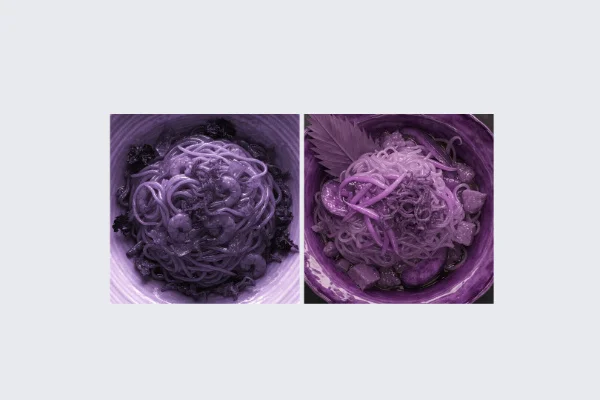
The Vegetarian Festival in Phuket
Phuket is a beautiful island in Thailand. Every year, there is a big festival. It is the Nine Emperor Gods Festival. People call it the Vegetarian Festival.
The festival lasts for nine days. People do not eat meat. They eat vegetables and fruit. They wear white clothes. They want to be clean and healthy.
There are many parades in the streets. You can see many colors and hear loud music. It is a very special time in Phuket.
문법 스포트라이트
패턴: Present Simple (to be)
"Phuket is a beautiful island in Thailand."
We use 'is' with singular subjects like Phuket to describe facts. It tells us what something is or where it is.
패턴: Negative Sentences (Present Simple)
"People do not eat meat."
To make a negative sentence with a plural subject, we use 'do not' before the main verb. It shows that an action does not happen.
이해도를 테스트하세요
10 질문 · A1 초급 · 무료 미리보기 1회
이 기사에서 배운 내용을 테스트하세요. 모든 질문에 답하여 XP를 획득하세요!
Where is the festival?
문제별 결과
Where is the festival?
내 답변:
정답: On Phuket island
The festival is nine days long.
내 답변:
정답: 참
What does 'healthy' mean?
내 답변:
정답: Good for your body
They wear white _____.
내 답변:
정답: clothes
The Amazing Phuket Vegetarian Festival
The Phuket Vegetarian Festival is a famous event in Thailand. It happens every year in October. This festival is older than many other traditions in Phuket. It lasts for nine days and people celebrate it to stay healthy.
The festival started in the 19th century. A group of Chinese actors came to Phuket to perform. Suddenly, they became very ill with a fever. They decided to stop eating meat and prayed to their gods. Surprisingly, they became healthy again. The local people were happy because the actors were better.
Today, many people follow this tradition. During the festival, people do not eat meat or drink alcohol. They also wear white clothes because white is the color of purity. There are many parades in the streets. These parades are louder and more exciting than normal days. Visitors come from many countries to see the colorful celebrations. It is a special time for the community.
문법 스포트라이트
패턴: Past Simple
"A group of Chinese actors came to Phuket to perform."
We use the past simple to talk about finished actions in the past. For irregular verbs like 'come', the form changes to 'came'.
패턴: Comparatives
"These parades are louder and more exciting than normal days."
We use comparatives to compare two things. For short words like 'loud', we add -er. For long words like 'exciting', we use 'more' before the word.
이해도를 테스트하세요
11 질문 · A2 초등급 · 무료 미리보기 1회
이 기사에서 배운 내용을 테스트하세요. 모든 질문에 답하여 XP를 획득하세요!
Why do people celebrate the festival today?
문제별 결과
Why do people celebrate the festival today?
내 답변:
정답: To stay healthy
The festival lasts for two weeks.
내 답변:
정답: 거짓
What does 'fever' mean?
내 답변:
정답: A high body temperature
People wear _____ clothes during the festival.
내 답변:
정답: white
When did the festival start?
내 답변:
정답: In the 19th century
The Colors and Traditions of Phuket's Vegetarian Festival
The Phuket Vegetarian Festival is one of the most famous cultural events in Thailand. It has been celebrated for many years by the local Chinese community. The festival, which lasts for nine days, takes place during the ninth month of the lunar calendar. People believe that following a strict diet will bring good health and peace of mind.
The origins of this festival date back to 1825. A Chinese opera troupe visited Phuket but they soon fell ill with a dangerous fever. To recover, they followed a strict vegetarian diet and performed special rituals to honor the Nine Emperor Gods. Surprisingly, they were cured. Since then, the local people have continued this tradition every year.
During the festival, many rules must be followed. Participants wear white clothes and avoid eating meat, drinking alcohol, or using strong spices like garlic. The streets of Phuket are filled with the sounds of drums and firecrackers. Rituals are performed at various Chinese shrines across the island. One of the most shocking parts of the festival involves the "Ma Song." These are people who allow spirits to enter their bodies. They often pierce their cheeks with long metal objects, which they believe shows their spiritual strength.
Today, the event has become a major attraction for tourists from all over the world. Although some parts of the festival look painful, it is fundamentally a time for spiritual cleaning. It is a unique experience that combines ancient beliefs with modern Thai culture.
문법 스포트라이트
패턴: Present Perfect
"It has been celebrated for many years by the local Chinese community."
We use the present perfect (have/has + past participle) to describe an action that started in the past and continues to the present. It often uses 'for' or 'since' to show duration.
패턴: Relative Clauses
"The festival, which lasts for nine days, takes place during the ninth month."
Relative clauses starting with 'which' or 'who' provide extra information about a noun. In this case, 'which lasts for nine days' tells us more about the festival.
이해도를 테스트하세요
11 질문 · B1 중급 · 무료 미리보기 1회
이 기사에서 배운 내용을 테스트하세요. 모든 질문에 답하여 XP를 획득하세요!
Why did the Chinese opera troupe start the vegetarian diet in 1825?
문제별 결과
Why did the Chinese opera troupe start the vegetarian diet in 1825?
내 답변:
정답: They were sick with a fever
Participants in the festival usually wear colorful clothes.
내 답변:
정답: 거짓
What does 'ancient' mean?
내 답변:
정답: From a very long time ago
The festival lasts for _____ days.
내 답변:
정답: nine
What is one of the rules for participants during the festival?
내 답변:
정답: Avoiding alcohol
Sacred Endurance: The Cultural Depth of the Phuket Vegetarian Festival
The Phuket Vegetarian Festival, also referred to as the Nine Emperor Gods Festival, represents one of Thailand’s most intellectually and visually captivating cultural phenomena. Occurring annually during the ninth lunar month, this nine-day event transcends mere dietary restrictions, evolving into a profound exhibition of spiritual devotion and physical endurance. While the name might suggest a simple food festival, the reality is a complex tapestry of ancient traditions and modern communal identity.
Historical accounts suggest that the festival’s origins date back to 1825, when a traveling Chinese opera troupe arrived in Phuket to perform for the local mining community. Shortly after their arrival, the entire company was struck by a mysterious, debilitating fever. In a desperate attempt to seek divine intervention, the performers committed themselves to a strict vegetarian diet and performed sacred rituals to honor the Nine Emperor Gods. To the amazement of the locals, the troupe made a full recovery. Consequently, the grateful performers initiated a festival to commemorate their healing, a tradition that has flourished for nearly two centuries.
Central to the modern celebration are the 'Mah Song,' individuals who are believed to be chosen by the gods to serve as spiritual mediums. During the festival’s elaborate processions, these devotees undergo intense physical trials, including skin piercings and walking across glowing coals. It is widely maintained that the Mah Song remain in a trance-like state, which supposedly protects them from pain and long-term injury. From a sociological perspective, these acts of self-mortification are viewed not as senseless violence, but as a symbolic manifestation of the gods’ power and a means of shifting bad luck away from the community.
Beyond the striking spectacles, the festival demands rigorous adherence to ten specific rules. Participants must refrain from consuming animal products, alcohol, and stimulants, while maintaining high standards of moral conduct. This period of abstinence is intended to achieve spiritual purification, allowing participants to reconnect with their inner selves and the divine. In contemporary Thailand, the festival remains deeply rooted in Chinese-Thai heritage, serving as a poignant reminder of the enduring power of faith and the human capacity for resilience.
문법 스포트라이트
패턴: Passive Voice
"the entire company was struck by a mysterious, debilitating fever."
The passive voice is used here to focus on the person or thing affected by the action (the company) rather than the cause of the fever, which is unknown.
패턴: Present Perfect Tense
"a tradition that has flourished for nearly two centuries."
The present perfect (has + past participle) is used to describe an action that started in the past and continues to the present time.
패턴: Participle Phrases
"Occurring annually during the ninth lunar month, this nine-day event transcends mere dietary restrictions..."
A present participle phrase is used at the beginning of the sentence to provide additional information about the subject in a concise, academic way.
이해도를 테스트하세요
11 질문 · B2 중상급 · 무료 미리보기 1회
이 기사에서 배운 내용을 테스트하세요. 모든 질문에 답하여 XP를 획득하세요!
What was the primary reason the Chinese opera troupe started the rituals in 1825?
문제별 결과
What was the primary reason the Chinese opera troupe started the rituals in 1825?
내 답변:
정답: To recover from a mysterious and deadly fever
The Mah Song are believed to be in a trance that protects them from feeling pain.
내 답변:
정답: 참
Which word describes a person who acts as a bridge between the human and spirit worlds?
내 답변:
정답: Medium
The festival's name is somewhat misleading because it is actually a complex _____ of ancient traditions.
내 답변:
정답: tapestry
According to the article, what is the spiritual purpose of the ten rules and abstinence?
내 답변:
정답: To achieve spiritual purification
The Visceral Devotion of Phuket: A C1 Analysis of the Nine Emperor Gods Festival
Few cultural phenomena in Southeast Asia possess the visceral intensity of the Phuket Vegetarian Festival. What began as a desperate plea for divine intervention by a 19th-century Chinese opera troupe has evolved into a staggering display of spiritual devotion and physical endurance. It was during their residency in the Kathu district that the troupe, suddenly afflicted by a lethal contagion, sought purification through rigorous abstinence and the invocation of the Nine Emperor Gods. The subsequent eradication of the disease was attributed to these ascetic practices, cementing a tradition that remains unyielding in the face of modern secularism.
Central to the festival’s spiritual architecture is the concept of purification, achieved through the strict adherence to ten precepts. Not only must participants abstain from meat and stimulants, but they must also maintain a state of internal and external sanctity. The manifestation of this commitment is most apparent in the Ma Song—individuals who, while in a state of profound trance, undergo elaborate self-mutilation. It is the belief that these mediums invite the spirits of the gods into their bodies that allows them to endure such arduous feats without apparent pain. To the uninitiated, the sight of blades and skewers piercing flesh is jarring; however, within the local context, it represents a selfless act of taking on the community's misfortunes to ensure collective prosperity.
The festival’s visual landscape is further enriched by the vibrant processions that weave through the streets of Phuket Town. Seldom does one witness such a seamless amalgamation of chaotic firecrackers and solemn prayer. Nominalisation of the experience—the 'sanctification' of the space—occurs as the streets are transformed into a stage for divine encounter. What the observer witnesses is not merely a spectacle for tourism, but a complex tapestry of Taoist cosmology and local folklore. The shrines, such as Jui Tui and Bang Neow, become the epicenters of this spiritual fervor, drawing thousands of devotees dressed in white, symbolizing their purity.
Critics often argue that the festival's graphic nature overshadows its spiritual core, suggesting a shift toward sensationalism. Yet, a more nuanced analysis reveals that the physical extremity is inextricable from the spiritual aspiration. The transcendence of physical pain serves as a potent metaphor for the overcoming of worldly desires and the fragility of the human form. It is this duality—the grotesque and the divine—that ensures the festival’s enduring relevance. Ultimately, the Phuket Vegetarian Festival stands as a testament to the resilience of cultural identity and the profound human need for ritualistic cleansing in an increasingly fragmented world. By engaging in these rituals, the community reaffirms its historical roots while navigating the pressures of a rapidly globalizing society.
문법 스포트라이트
패턴: Negative Inversion
"Seldom does one witness such a seamless amalgamation of chaotic firecrackers and solemn prayer."
Inversion is used after negative or restrictive adverbials (like 'seldom') at the start of a sentence for emphasis. The auxiliary verb 'does' is placed before the subject 'one'.
패턴: It-Cleft Sentence
"It is the belief that these mediums invite the spirits of the gods into their bodies that allows them to endure such arduous feats."
Cleft sentences focus on a specific part of the sentence for emphasis. Here, it highlights 'the belief' as the primary reason for the mediums' endurance.
패턴: Nominalisation
"The manifestation of this commitment is most apparent in the Ma Song."
Nominalisation involves turning verbs or adjectives into nouns (e.g., 'manifest' to 'manifestation'). It creates a more formal, academic, and dense writing style typical of C1 level texts.
이해도를 테스트하세요
12 질문 · C1 고급 · 무료 미리보기 1회
이 기사에서 배운 내용을 테스트하세요. 모든 질문에 답하여 XP를 획득하세요!
What was the original catalyst for the Phuket Vegetarian Festival?
문제별 결과
What was the original catalyst for the Phuket Vegetarian Festival?
내 답변:
정답: A 19th-century opera troupe's recovery from a lethal disease.
The Ma Song are believed to experience pain during self-mutilation but choose to ignore it.
내 답변:
정답: 거짓
What does 'arduous' mean in the context of the article?
내 답변:
정답: A task requiring strenuous effort and being very difficult.
Participants must maintain a state of internal and external _____ by following ten precepts.
내 답변:
정답: sanctity
According to the text, what is the role of the Ma Song in the local community?
내 답변:
정답: To take on the community's misfortunes through selfless acts.
The author argues that the graphic nature of the festival is completely separate from its spiritual goals.
내 답변:
정답: 거짓
The Phuket Vegetarian Festival: A Phenomenological Analysis of Asceticism and Syncretism
The Phuket Vegetarian Festival, ostensibly a dietary observance, transcends the mere avoidance of animal products to manifest as a profound exploration of spiritual endurance and communal identity. Known formally as the Nine Emperor Gods Festival, this annual event represents a complex intersection of Taoist cosmology, local folklore, and the enduring legacy of the Chinese diaspora in Southeast Asia. While the casual observer might be captivated by the visceral spectacle of self-mortification, a scholarly inquiry reveals a profound syncretism that defies simple categorization. Historically, the festival’s genesis is attributed to a nineteenth-century Chinese opera troupe that, upon falling victim to a debilitating epidemic, sought recourse through a rigorous nine-day asceticism. Their subsequent recovery was interpreted not merely as a biological triumph but as a divine validation of their spiritual praxis. Seldom does a cultural event bridge the chasm between the corporeal and the ethereal so viscerally, challenging our contemporary perceptions of pain and piety.
At the heart of these proceedings lies the concept of liminality. The 'Ma Song'—individuals who act as conduits for the deities—occupy a space between the human and the divine. Through acts of self-mortification, such as piercing their cheeks with elaborate implements, they demonstrate a transcendence over corporeal limitations. It is imperative that the devotee adhere to a strict regimen of purity, for any deviation might compromise the spiritual efficacy of the ritual. The physical trauma endured by the Ma Song is not viewed as suffering in the conventional sense; rather, it is a reification of divine protection, where the deity is believed to absorb the pain, leaving the medium in a state of trance-like anesthesia. This phenomenological experience serves to reinforce the collective belief in the supernatural efficacy of the Nine Emperor Gods.
Furthermore, the festival serves as a socio-cultural anchor for the Thai-Chinese community. Were one to scrutinize the historical records, the evolution of these rituals would reflect the shifting tensions of identity and integration. The dietary restrictions are symbolic of a deeper ontological cleansing, intended to harmonize the internal 'qi' with the cosmic order. This period of collective abstinence fosters a shared sense of moral responsibility, reinforcing communal bonds that might otherwise remain fragmentary in an increasingly globalized world. The vibrant yellow flags and the towering Go Teng poles erected at shrines like Jui Tui or Bang Neow are not mere aesthetic choices; they are signifiers of a sacred space carved out within the secular landscape.
The theological underpinnings of the festival also warrant attention. The invocation of the Nine Emperor Gods necessitates a phenomenological engagement with the unseen. The rituals are not merely performative; they are transformative. By subjecting the body to extreme stimuli, the participants seek to exhaust the ego, thereby facilitating a state of spiritual receptivity. This interplay between the physical and the metaphysical underscores the festival's enduring relevance. It remains a testament to the resilience of tradition, even as it adapts to the modern pressures of tourism and commercialization. The intricate ceremonies, from the invitation of the Jade Emperor to the final farewell procession, constitute a narrative of purification that resonates across generations.
In conclusion, the Phuket Vegetarian Festival is much more than a localized curiosity or a tourist attraction. It is a sophisticated manifestation of religious fervor and historical memory. By analyzing its components—from the asceticism of the participants to the syncretic nature of its rituals—we gain insight into the human capacity for finding meaning through sacrifice. It stands as a vibrant, albeit challenging, reminder of the power of faith to reshape both the individual and the collective experience. To dismiss it as mere spectacle is to overlook the profound psychological and sociological functions it performs for those who participate in its rigorous demands.
문법 스포트라이트
패턴: Negative Inversion
"Seldom does a cultural event bridge the chasm between the corporeal and the ethereal so viscerally."
Used for emphasis by placing a negative adverbial at the beginning of the sentence, followed by an auxiliary verb and the subject. It creates a more formal and dramatic tone.
패턴: Subjunctive Mood
"It is imperative that the devotee adhere to a strict regimen of purity."
The base form of the verb (adhere) is used after verbs or adjectives of necessity or urgency. It conveys a sense of requirement rather than a statement of fact.
패턴: Inverted Conditional
"Were one to scrutinize the historical records, the evolution of these rituals would reflect the shifting tensions of identity."
A formal alternative to 'If one were to...', using 'were' at the start of the clause to express a hypothetical or formal condition.
이해도를 테스트하세요
12 질문 · C2 마스터 · 무료 미리보기 1회
이 기사에서 배운 내용을 테스트하세요. 모든 질문에 답하여 XP를 획득하세요!
What is the primary historical catalyst for the Phuket Vegetarian Festival mentioned in the text?
문제별 결과
What is the primary historical catalyst for the Phuket Vegetarian Festival mentioned in the text?
내 답변:
정답: The recovery of a Chinese opera troupe from an epidemic
The text suggests that the Ma Song experience pain as a form of divine punishment.
내 답변:
정답: 거짓
Which word describes the state of being on a threshold or in a transitional phase?
내 답변:
정답: Liminality
The festival is _____ a dietary observance, but it serves deeper spiritual functions.
내 답변:
정답: ostensibly
According to the article, what is the purpose of exhausting the ego through extreme stimuli?
내 답변:
정답: To facilitate spiritual receptivity
The Go Teng poles are described as being purely aesthetic additions to the shrines.
내 답변:
정답: 거짓

