launder 30초 만에
- Launder is a verb meaning to wash and iron clothes or to hide the illegal origins of money by moving it through legal businesses.
- In a domestic context, it implies a thorough, professional cleaning of fabrics like shirts and linens, often including drying and pressing.
- In a financial context, it is a serious crime involving the disguise of 'dirty' money to make it appear 'clean' and legitimate.
- The word is commonly found on clothing care labels and in news reports about financial crimes, corruption, or organized crime activities.
The word launder is a versatile verb that functions in two primary, yet vastly different, spheres of human activity: the domestic chore of cleaning textiles and the criminal activity of processing illegally obtained money. At its most basic, literal level, to launder means to wash, dry, and iron clothes or linens. This definition carries a sense of thoroughness; it is not just a quick rinse but a complete cycle of care that returns a garment to a clean, wearable, and presentable state. Historically, this was a labor-intensive process involving boiling water, lye, and heavy physical effort, often performed by specialized workers known as laundresses or in commercial establishments called laundries.
- Domestic Context
- In a household setting, you might say you need to launder the curtains or the bedsheets. It implies a professional or semi-professional level of cleaning, often involving starching or pressing to ensure the fabric is crisp.
However, in modern parlance, particularly in news, film, and legal contexts, launder is most frequently encountered in the phrase money laundering. In this metaphorical sense, the word describes the process of making 'dirty' money—cash obtained from illegal activities like drug trafficking, embezzlement, or organized crime—appear 'clean' or legitimate. The goal is to obscure the audit trail so that the funds can be used in the open economy without triggering suspicion from law enforcement or tax authorities. This process typically involves three stages: placement (putting the cash into the financial system), layering (moving it through complex transactions to hide its origin), and integration (bringing it back into the economy as legitimate wealth).
The investigation revealed that the corporation helped launder millions of dollars through a network of offshore shell companies.
Beyond these two main uses, launder can occasionally be used figuratively to describe the 'cleaning' of information or reputations. For example, a politician might attempt to launder their public image by associating with charitable causes, or a spy might launder intelligence by passing it through multiple sources to hide the original, perhaps illicit, method of collection. In all its forms, the core concept of the word remains the same: taking something that is soiled, whether by physical dirt or moral/legal corruption, and processing it until it appears acceptable to the world.
- Metaphorical Cleansing
- To launder a reputation involves systematic efforts to erase past scandals and replace them with a narrative of virtue and success.
It is essential to launder the linens at a high temperature to ensure all bacteria are eliminated.
Understanding the context is crucial when using this word. If you are at a dry cleaner, the staff will understand you are talking about clothes. If you are in a bank or a courtroom, the word takes on a much more serious, criminal connotation. The transition from a humble domestic verb to a high-stakes legal term reflects the word's journey through history, from the riverbanks where clothes were beaten against stones to the digital servers where billions of dollars are moved with a single click.
- Legal Implications
- Laundering money is a felony in most jurisdictions, often carrying heavy prison sentences and massive fines, as it is seen as the lifeblood of organized crime.
The dictator was accused of trying to launder his country's wealth into private European bank accounts.
You should launder new clothes before wearing them to remove any chemical residues from the manufacturing process.
Using the verb launder correctly requires an understanding of its transitive nature; it almost always takes a direct object. You launder something. In the domestic sense, that object is usually a textile: clothes, shirts, linens, uniforms, or fabrics. In the financial sense, the object is typically money, funds, proceeds, cash, or assets. The grammar remains consistent across both meanings, but the surrounding vocabulary changes significantly to signal the intended context.
- Active Voice Construction
- Subject + Launder + Object. Example: 'The hotel staff launders the towels every morning.' This emphasizes the person or entity performing the action.
In financial and legal writing, launder is very frequently used in the passive voice. This is because the focus is often on the money itself or the process, rather than the specific individual (who might be unknown or part of a larger organization). For instance, 'The illicit funds were laundered through a series of shell companies.' This structure is common in news reports and police statements. It allows the writer to describe the crime without necessarily identifying the perpetrator in every sentence.
The suspect was caught attempting to launder the ransom money at a local casino.
Another important aspect of using launder is the use of prepositions. In the financial context, we often use 'through' to describe the medium or channel used for the crime: 'laundered through a bank,' 'laundered through real estate.' In the domestic context, we might use 'in' or 'with' to describe the method: 'laundered in hot water,' 'laundered with organic detergent.' These small words provide essential clues to the reader about which definition is being applied.
- Professional Usage
- In the hospitality industry, 'to launder' is a standard term for the management of guest clothing and hotel linens. 'Please launder these items by 5 PM.'
They used a complex web of international accounts to launder the proceeds of the cyberattack.
When writing about history or literature, you might encounter the word in a more archaic sense, referring to the physical labor of the 'laundress.' In these cases, the word carries a weight of social class and domestic service. In modern business English, 'laundering' can also be used metaphorically to describe the 'cleaning up' of data—removing errors or inconsistencies to make a report look more favorable, though this is often considered a deceptive practice.
- Collocations
- Commonly paired with: 'extensively', 'professionally', 'successfully', 'illegally', 'systematically'.
The instructions on the label say to launder only in cold water to prevent shrinking.
He was indicted on charges of conspiracy to launder drug money through his restaurant chain.
The charity was used as a front to launder political bribes.
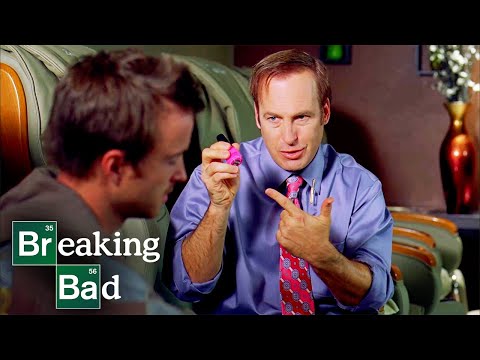
The word launder occupies a unique space in the English language because its two meanings are heard in completely different environments. If you are watching a crime drama on Netflix, such as Ozark or Breaking Bad, you will hear the word used constantly in its financial sense. In these contexts, characters discuss the logistics of how to launder millions of dollars, the risks of getting caught by the IRS, and the various businesses (like car washes or casinos) they use as fronts. It is a word associated with tension, danger, and high-level criminal strategy.
- In the Media
- News anchors frequently use the term when reporting on international banking scandals, corruption in government, or the activities of global cartels. 'The bank was fined for failing to prevent clients from laundering money.'
In contrast, the domestic use of launder is something you are more likely to see in writing than hear in casual conversation. While people rarely say 'I'm going to launder my jeans' (preferring 'wash' or 'do the laundry'), you will see the word on clothing care labels, in hotel service directories, and in high-end housekeeping manuals. It conveys a sense of professional care. When a hotel provides a 'laundry service,' the verb form launder is used to describe what they will do to your garments. It sounds more formal and thorough than simply 'washing.'
The documentary explains how offshore tax havens make it easy for corrupt officials to launder stolen public funds.
In the corporate world, specifically within 'FinTech' (Financial Technology) and banking, 'Anti-Money Laundering' (AML) is a massive industry. Employees in these sectors hear the word launder every day in the context of compliance, software algorithms designed to detect suspicious patterns, and regulatory requirements. For these professionals, laundering is a technical problem to be solved through data analysis and strict 'Know Your Customer' (KYC) protocols.
- In Literature
- In 19th-century novels, the 'laundress' was a common character, and the verb 'to launder' described her arduous daily work. Modern historical fiction continues this usage to maintain period accuracy.
The hotel's guest book noted: 'We can launder and press your evening wear within four hours.'
Finally, you might hear the word in political discourse. 'Reputation laundering' or 'image laundering' are terms used by critics to describe how controversial figures or regimes use public relations, sports sponsorships (sometimes called 'sportswashing'), or philanthropic donations to distract from their misdeeds. In this sense, launder is a powerful rhetorical tool used to accuse someone of being deceptive about their true character or history.
- Everyday Signs
- You will see 'Launder' on the care tags of your clothes, usually followed by instructions like 'Launder with like colors' or 'Do not launder'.
The whistleblower claimed the company had a secret department dedicated to laundering bribe money.
I need to launder my winter coat before putting it away for the summer.
The hackers used cryptocurrency to launder the stolen digital assets.
One of the most frequent mistakes learners make with the word launder is confusing the verb with the noun laundry. While they are closely related, they are not interchangeable. You do the laundry (noun), but you launder (verb) the clothes. Using 'I need to laundry my shirt' is grammatically incorrect. Similarly, 'I have a lot of launder to do' is wrong; it should be 'I have a lot of laundry to do.' Understanding this part-of-speech distinction is the first step toward mastery.
- Verb vs. Noun
- Launder = Action (Verb). Laundry = The items to be washed or the place where they are washed (Noun).
Another common error involves the register or formality of the word. In casual, everyday English, using launder for your personal clothes can sound overly formal or even slightly strange. If you tell a friend, 'I spent all Saturday laundering my socks,' they might think you are being humorous or that you are unusually obsessed with the technical details of washing. In most informal situations, 'wash' or 'clean' is the more natural choice. Reserve launder for professional contexts, care instructions, or the financial meaning.
Incorrect: He was arrested for laundrying money. Correct: He was arrested for laundering money.
In the context of money laundering, a mistake often made by non-native speakers is using the wrong preposition. You do not launder money 'to' a bank or 'at' a shell company; you launder it through an entity. The word 'through' emphasizes the money's movement into, through, and out of the system. Using 'in' is acceptable if you are referring to the location where the process happened ('He laundered money in Switzerland'), but 'through' is the standard term for the mechanism.
- Spelling and Pronunciation
- The 'au' in launder is pronounced like the 'aw' in 'law'. Some learners mistakenly pronounce it like the 'au' in 'laugh' (in some accents) or 'a' in 'land'.
Confusing: 'The company laundered the report.' This is ambiguous. Does it mean they literally washed the paper, or did they 'clean up' the data to hide something? Usually, it's the latter, but it's better to be specific.
Finally, be careful with the word's connotation. Because the financial meaning is so prevalent in the news, using launder can sometimes unintentionally sound suspicious. If you say, 'I need to launder these funds for the project,' a colleague might jokingly (or seriously) ask if you're doing something illegal. If you just mean 'transfer' or 'allocate' money, use those words instead. Only use launder in a financial context if you are specifically talking about the crime of disguising illegal proceeds.
- Common Confusion
- Launder vs. Wash: 'Wash' is general. 'Launder' is specific to textiles and implies a full process (wash + dry + iron).
Mistake: 'She laundered her hands before dinner.' Correction: 'She washed her hands before dinner.' (You only launder fabrics, not body parts).
Mistake: 'The money was laundered to the offshore account.' Correction: 'The money was laundered through the offshore account.'
Depending on which meaning of launder you are using, there are several synonyms and alternatives that might be more appropriate for your specific context. For the domestic meaning of cleaning clothes, the most common alternative is simply wash. However, wash is more general. If you want to emphasize the professional or complete nature of the process, you might use clean or dry-clean (though dry-cleaning is a specific chemical process that doesn't use water). In a more industrial or technical setting, process or treat might be used.
- Domestic Alternatives
- Wash: General cleaning with water.
- Cleanse: Often used for skin or more poetic contexts.
- Scrub: Implies vigorous rubbing.
- Sanitize: Implies removing bacteria/germs.
In the financial and criminal context, launder is quite a specific term, but there are related words. Disguise or conceal are often used to describe the goal of laundering (e.g., 'to disguise the origin of the funds'). Legitimize is another strong alternative, as it describes the intended outcome of making illegal money appear legal. In more informal or slang contexts, you might hear clean (e.g., 'cleaning the cash'), but launder remains the standard legal and journalistic term.
Instead of laundering, the lawyer suggested they 'legitimize' the assets through a series of legal investments.
When comparing launder to wash, it's helpful to think about the 'full service' aspect. Laundering often includes ironing and folding. If you send your shirts to a laundry service, you expect them to be laundered, not just washed. In the financial sense, laundering is more than just 'hiding' money; it's a multi-step process of transformation. Simply burying stolen cash in your backyard is 'hiding' it, but it isn't 'laundering' it because the money hasn't been processed to look legitimate.
- Financial Synonyms
- Funnel: To move money through various accounts.
- Recycle: Sometimes used to describe re-introducing money into the economy.
- Sanitize: Occasionally used to describe 'cleaning' a reputation or data.
The hackers tried to launder the Bitcoin by using a 'tumbler' service to mix it with other users' coins.
Finally, consider the word process. In both meanings, launder is a type of processing. You process clothes through a laundry cycle, and you process money through a financial system. If you are looking for a neutral, technical word that covers both, 'process' is a good candidate, though it lacks the specific descriptive power of launder. Choosing the right word depends on whether you want to be general (wash), specific (launder), or descriptive of the intent (disguise).
- Comparison Table
- Launder
- Professional, complete process, or criminal financial activity.
- Wash
- Basic cleaning with water, informal.
- Conceal
- To hide something (the 'why' of money laundering).
The government introduced new laws to prevent criminals from using real estate to launder their profits.
Please launder these delicate silks by hand to avoid damaging the fibers.
How Formal Is It?
재미있는 사실
The financial meaning 'money laundering' only appeared in the 20th century, famously associated with the 1920s Prohibition era in the US.
발음 가이드
- Pronouncing it like 'lander' (with a short 'a').
- Confusing the 'au' sound with the 'ou' in 'loud'.
- Adding an extra syllable like 'launder-er' when only the verb is needed.
- Misplacing the stress on the second syllable.
- Pronouncing the 'l' too softly.
난이도
Easy to understand in context, but the financial meaning is more complex.
Requires care to distinguish from the noun 'laundry'.
Pronunciation is straightforward but formal.
Common in news and crime dramas.
다음에 무엇을 배울까
선수 학습
다음에 배울 것
고급
알아야 할 문법
Transitive Verbs
You must launder *the clothes*.
Passive Voice for Crimes
The money *was laundered*.
Gerunds as Subjects
*Laundering* money is a serious offense.
Prepositional Phrases
Laundered *through* a shell company.
Infinitive of Purpose
They used the shop *to launder* cash.
수준별 예문
I launder my white shirts.
I wash my white shirts.
Subject + verb + object.
Does the hotel launder clothes?
Does the hotel wash clothes?
Question form with 'does'.
Please launder this dress.
Please wash this dress.
Imperative (command) form.
They launder the towels every day.
They wash the towels every day.
Present simple tense.
I need to launder my jeans.
I need to wash my jeans.
'Need to' + infinitive.
She launders her own clothes.
She washes her own clothes.
Third person singular 's'.
We launder the sheets on Monday.
We wash the sheets on Monday.
Present simple for habits.
Can you launder this for me?
Can you wash this for me?
Modal 'can' for requests.
The label says to launder in cold water.
The tag says wash in cold water.
Infinitive after 'says to'.
He laundered his uniform before the game.
He washed his uniform before the game.
Past simple tense.
The hotel offers to launder guest items.
The hotel provides a washing service.
Infinitive as an object.
You should launder new bedsheets first.
You should wash new sheets before using them.
Modal 'should' for advice.
She is laundering the curtains today.
She is washing the curtains now.
Present continuous tense.
They will launder the tablecloths after the party.
They will wash the tablecloths later.
Future simple with 'will'.
It is expensive to launder silk at home.
Washing silk costs a lot at home.
'It is' + adjective + infinitive.
He forgot to launder his work shirts.
He didn't remember to wash his shirts.
'Forgot to' + infinitive.
The criminal was arrested for trying to launder money.
The bad man was caught hiding illegal money.
Gerund after 'for'.
They used a restaurant to launder their illegal profits.
They used a business to make bad money look good.
Infinitive of purpose.
It is important to launder hospital linens at high temperatures.
Washing hospital sheets in hot water is necessary.
Formal 'It is' construction.
The gang laundered the stolen cash through a casino.
The group hid the stolen money using a casino.
Past simple with 'through'.
She was accused of laundering funds for the cartel.
People said she hid money for a crime group.
Passive 'was accused of' + gerund.
The company was fined for laundering dirty money.
The business had to pay for hiding bad money.
Passive 'was fined for'.
He learned how to launder money from a movie.
He saw how to hide money in a film.
'How to' + infinitive.
The police are investigating how they launder the cash.
The police are looking at their money-hiding method.
Present continuous + indirect question.
The dictator attempted to launder his reputation through charity work.
The leader tried to fix his bad image with donations.
Metaphorical usage.
Sophisticated software is used to detect those who launder money.
Smart computers find people hiding illegal cash.
Passive voice 'is used'.
The proceeds of the robbery were laundered through several banks.
The stolen money was moved through many banks.
Passive 'were laundered'.
She meticulously laundered the antique lace by hand.
She very carefully washed the old lace.
Adverb 'meticulously' modifying the verb.
The scheme was designed to launder millions of dollars undetected.
The plan was made to hide money without being caught.
Passive 'was designed'.
They were caught laundering the embezzled funds via offshore accounts.
They were caught hiding stolen company money in other countries.
Gerund after 'caught'.
The laundry service will launder and press your suit by tomorrow.
The cleaners will wash and iron your suit.
Future with 'will' and compound verbs.
Banks have strict rules to prevent customers from laundering money.
Banks have rules so people can't hide bad money.
'Prevent... from' + gerund.
The shell company was merely a front used to launder illicit gains.
The fake company was only for hiding illegal profits.
Noun phrase 'illicit gains'.
He sought to launder his image by donating to prestigious universities.
He tried to clean his reputation with school donations.
Figurative 'launder his image'.
The complexity of the transactions made it easy to launder the money.
The difficult steps made hiding the money simple.
'Made it' + adjective + infinitive.
The fine was a result of the bank's failure to prevent laundering.
The bank was punished because it didn't stop money hiding.
Gerund as a noun.
The organization was implicated in a plot to launder terrorist funds.
The group was involved in hiding money for terrorists.
Passive 'was implicated in'.
She specializes in laundering delicate historical textiles.
She is an expert at washing very old fabrics.
'Specializes in' + gerund.
The integration phase is the final step when you launder money.
The last part of hiding money is putting it back in the economy.
Technical financial terminology.
They utilized cryptocurrency tumblers to launder the stolen assets.
They used crypto tools to hide the stolen digital money.
Advanced vocabulary 'utilized', 'tumblers'.
The regime utilized 'sportswashing' to launder its international reputation.
The government used sports to clean its bad global image.
Neologism 'sportswashing' linked to 'launder'.
The forensic accountant traced the laundered funds back to the source.
The special accountant found where the hidden money started.
Participle 'laundered' as an adjective.
The legislative framework was tightened to curb the ability to launder money.
Laws were made stronger to stop money hiding.
Passive 'was tightened'.
Her dissertation explored the social history of those who laundered for the elite.
Her paper was about people who washed clothes for the rich.
Academic context.
The art market is often criticized for being a conduit to launder wealth.
People say art is used to hide and move riches.
Metaphorical 'conduit'.
The sophisticated layering process makes it nearly impossible to detect laundered assets.
The complex steps make hidden riches very hard to find.
Technical 'layering process'.
The whistleblower exposed a systemic effort to launder political bribes.
The person told the truth about a big plan to hide bribes.
Adjective 'systemic'.
The process to launder the radioactive isotopes was meticulously documented.
The way they cleaned the radioactive parts was recorded carefully.
Rare technical usage.
동의어
반의어
자주 쓰는 조합
자주 쓰는 구문
— The crime of making illegal money look legal.
Money laundering is a global problem.
— Money that has been processed to hide its illegal origin.
The police seized the laundered money.
— A professional service that washes and irons clothes.
The hotel's laundry service is very fast.
— A long list of items (not always related to washing).
He gave me a laundry list of complaints.
— Private or embarrassing facts about someone.
Don't air your dirty laundry in public.
— To use a fake company to hide money.
They laundered the cash through a shell company.
— Property or money that has been 'cleaned'.
The government confiscated the laundered assets.
— Rules and laws to stop money laundering.
The bank's AML department is very busy.
— Trying to fix a bad public reputation.
The PR firm specialized in image laundering.
자주 혼동되는 단어
Launder is the action (verb); laundry is the pile of clothes (noun).
A lander is a spacecraft or person that lands; it has nothing to do with cleaning.
Lavender is a plant or a color; it sounds similar but is unrelated.
관용어 및 표현
— To discuss private or embarrassing matters in front of others.
They shouldn't wash their dirty linen in public.
informal— To take all of someone's money, often through cheating or a bad deal.
That divorce took him to the cleaners.
informal— Completely clean or legal; having no criminal record.
His background check came back clean as a whistle.
informal— To improve a bad reputation through calculated actions.
The billionaire tried to launder his image through philanthropy.
neutral— To avoid involvement in something illegal or dishonest.
The boss kept his hands clean while his workers did the crime.
neutral— To tell the truth about something you have been hiding.
He finally decided to come clean about the theft.
informal— A fresh start where past mistakes are forgotten.
The new job gave him a clean slate.
neutral— To start behaving better or more legally.
The company needs to clean up its act to avoid more fines.
informal— The idea that the origin of money doesn't matter once it is in hand.
He didn't care where the profit came from; money doesn't smell.
literary— Metaphorically, a period of rapid change or confusion (from a washing machine).
The political campaign is in a total spin cycle.
informal혼동하기 쉬운
Both mean to clean with water.
Wash is general; launder is for textiles and implies a full process or a financial crime.
I wash my face, but I launder my shirts.
Both involve cleaning.
Scrub implies hard physical rubbing; launder is the whole process.
I scrubbed the floor, then I laundered the rags.
Both involve 'cleaning' something bad.
Launder hides the source of money; whitewash hides the truth of a situation.
They laundered the money and whitewashed the scandal.
Both mean to make clean.
Sanitize is about killing germs; launder is about washing fabrics.
Sanitize the counter, then launder the towels.
Both are professional cleaning methods.
Dry-cleaning uses chemicals; laundering uses water.
Don't launder that wool coat; dry-clean it.
문장 패턴
I launder [noun].
I launder my shirts.
Please launder [noun].
Please launder the towels.
He was caught laundering [noun].
He was caught laundering money.
They launder [noun] through [noun].
They launder cash through a shop.
[Noun] was laundered by [noun].
The money was laundered by the gang.
Attempting to launder [noun] results in [noun].
Attempting to launder funds results in a fine.
The [noun] served to launder [noun].
The charity served to launder his reputation.
Laundering [noun] requires [noun].
Laundering assets requires complex layering.
어휘 가족
명사
동사
형용사
관련
사용법
Common in legal and domestic service contexts; rare in casual speech.
-
I need to laundry my clothes.
→
I need to launder my clothes.
Laundry is a noun; launder is the verb.
-
The criminal laundered the money to a bank.
→
The criminal laundered the money through a bank.
We use 'through' to show the channel used for laundering.
-
She laundered her face.
→
She washed her face.
Launder is only for fabrics and money, not body parts.
-
He was arrested for money laundry.
→
He was arrested for money laundering.
The crime is called 'money laundering' (using the gerund).
-
Launder the car please.
→
Wash the car please.
You don't launder vehicles; you wash them.
팁
Verb vs Noun
Remember that 'launder' is the action. You cannot 'do a launder', you 'do the laundry' or you 'launder the clothes'.
Context Clues
If you see 'launder' near words like 'bank', 'cash', or 'illegal', it's about crime. If it's near 'cotton', 'water', or 'hotel', it's about cleaning.
Professionalism
Use 'launder' when writing a formal email to a hotel or cleaning service to sound more sophisticated.
The 'AU' Sound
Don't forget the 'u' in launder. It's not 'lander'. The 'au' makes the 'aw' sound.
AML
In business, 'AML' stands for Anti-Money Laundering. It's a very important term to know if you work in finance.
Care Labels
Always check the 'launder' instructions on new clothes to avoid shrinking them in hot water.
Reputation
You can use 'launder' to describe someone trying to hide their past mistakes, which is a great way to use the word figuratively.
Stress the First
Always put the emphasis on the first part: LAUN-der. This makes your speech sound more natural.
Passive Voice
When writing about crime, the passive voice 'was laundered' is very common and sounds professional.
Regional Terms
Remember 'Launderette' for the UK and 'Laundromat' for the US, but the verb 'launder' works everywhere.
암기하기
기억법
Think of 'LAUNder' as 'LAWN-der'. Just as you might clean your lawn, you 'launder' your clothes to keep them clean. Or, think of 'Launder' and 'Laundry' - they both start with 'L' and involve cleaning.
시각적 연상
Imagine a washing machine filled with dollar bills instead of clothes. The 'dirty' money goes in, and 'clean' money comes out. This connects both meanings perfectly.
Word Web
챌린지
Try to use 'launder' in two different sentences today: one about your clothes and one about a news story you read.
어원
Derived from the Middle English word 'launder' or 'lavander', which came from the Old French 'lavandier'. This ultimately traces back to the Latin verb 'lavare', meaning 'to wash'.
원래 의미: Originally, a 'launder' was a person who washed linen, especially a woman (a laundress).
Indo-European > Italic > Latin > Romance > French > Germanic (English).문화적 맥락
Be careful when using the financial meaning; it is a serious criminal accusation. Do not use it jokingly in a professional banking environment.
In the UK, 'launderette' is the standard term, while in the US, 'laundromat' is used. Both use the verb 'launder'.
실생활에서 연습하기
실제 사용 상황
At a Hotel
- Can you launder this?
- Laundry service
- Launder and press
- Express laundering
In a News Report
- Money laundering scheme
- Laundered millions
- Offshore accounts
- Criminal proceeds
Reading a Care Label
- Launder with like colors
- Do not launder
- Launder in warm water
- Machine launder
In a Courtroom
- Accused of laundering
- Laundered funds
- Evidence of laundering
- Conspiracy to launder
At Home
- Launder the sheets
- Time to launder
- Launder the curtains
- Launder by hand
대화 시작하기
"Have you ever seen a movie where someone had to launder a lot of money?"
"Do you prefer to launder your own clothes or use a professional service?"
"Why do you think it's called 'money laundering' instead of 'money cleaning'?"
"What are the most common ways people try to launder money in the news?"
"Is it difficult to launder delicate fabrics like silk or wool at home?"
일기 주제
Describe a time you had to launder something very delicate and how you felt about the process.
Write a short story about a character who accidentally discovers a money laundering operation.
Explain the importance of anti-money laundering laws in modern society.
Compare the literal act of laundering clothes with the metaphorical act of laundering a reputation.
If you owned a business, what steps would you take to ensure no one used it to launder money?
자주 묻는 질문
10 질문No, you wash your car. Launder is specifically used for textiles like clothes and linens, or for money.
Yes, by definition, money laundering is the process of hiding the illegal origin of funds, which is a crime in almost every country.
A launderette (UK) or laundromat (US) is a place where you can pay to use washing machines and dryers to launder your clothes.
No, 'launder' is a verb. The noun form is 'laundry' or 'laundering'.
It is a metaphor: taking 'dirty' (illegal) money and making it 'clean' (legal) through a washing-like process.
It is very common in the news and on clothing labels, but in daily life, most people say 'wash' or 'do the laundry'.
No, but you can 'launder a reputation' or 'launder an image', which means making a bad person look good.
The past tense is 'laundered'. For example: 'He laundered his shirts yesterday.'
Both are used. You launder 'in' hot water or 'with' a specific detergent.
In a professional context, yes, laundering usually implies washing, drying, and pressing (ironing).
셀프 테스트 180 질문
Write a sentence using 'launder' in a domestic context.
Well written! Good try! Check the sample answer below.
Write a sentence using 'launder' in a criminal context.
Well written! Good try! Check the sample answer below.
Explain the difference between 'wash' and 'launder' in your own words.
Well written! Good try! Check the sample answer below.
Write a short dialogue between a hotel guest and a receptionist about laundering clothes.
Well written! Good try! Check the sample answer below.
Describe what 'money laundering' is to someone who has never heard the term.
Well written! Good try! Check the sample answer below.
Use the word 'laundered' as an adjective in a sentence.
Well written! Good try! Check the sample answer below.
Write a sentence using 'launder' in a metaphorical sense (e.g., reputation).
Well written! Good try! Check the sample answer below.
Write a sentence using 'launder' in the passive voice.
Well written! Good try! Check the sample answer below.
Create a care instruction for a delicate garment using 'launder'.
Well written! Good try! Check the sample answer below.
Write a news headline about a bank and laundering.
Well written! Good try! Check the sample answer below.
Describe the three stages of money laundering using the verb 'launder'.
Well written! Good try! Check the sample answer below.
Write a sentence using 'launder' and 'through'.
Well written! Good try! Check the sample answer below.
Use 'launder' in a question about a service.
Well written! Good try! Check the sample answer below.
Write a sentence about the history of the word 'launder'.
Well written! Good try! Check the sample answer below.
Write a sentence about 'sportswashing' using 'launder'.
Well written! Good try! Check the sample answer below.
Use 'launder' in a sentence about technology.
Well written! Good try! Check the sample answer below.
Write a sentence using 'launder' in the future tense.
Well written! Good try! Check the sample answer below.
Write a sentence using 'launder' and 'carefully'.
Well written! Good try! Check the sample answer below.
Use 'launder' in a sentence about a crime drama.
Well written! Good try! Check the sample answer below.
Write a sentence about the importance of laundering hospital sheets.
Well written! Good try! Check the sample answer below.
Explain the two meanings of 'launder' to a partner.
Read this aloud:
당신의 답변:
Speech recognition is not supported in your browser. Try Chrome or Edge.
How do you launder your clothes at home? Describe the process.
Read this aloud:
당신의 답변:
Speech recognition is not supported in your browser. Try Chrome or Edge.
Why is money laundering a serious crime? Give two reasons.
Read this aloud:
당신의 답변:
Speech recognition is not supported in your browser. Try Chrome or Edge.
Have you ever seen a movie about money laundering? Tell me about it.
Read this aloud:
당신의 답변:
Speech recognition is not supported in your browser. Try Chrome or Edge.
Read this sentence aloud with correct stress: 'The hotel will launder your shirts.'
Read this aloud:
당신의 답변:
Speech recognition is not supported in your browser. Try Chrome or Edge.
What does a clothing label mean when it says 'Launder with like colors'?
Read this aloud:
당신의 답변:
Speech recognition is not supported in your browser. Try Chrome or Edge.
Discuss how someone might 'launder their reputation' after a scandal.
Read this aloud:
당신의 답변:
Speech recognition is not supported in your browser. Try Chrome or Edge.
Why do hotels use the word 'launder' instead of 'wash'?
Read this aloud:
당신의 답변:
Speech recognition is not supported in your browser. Try Chrome or Edge.
What is the difference between laundering money and just hiding it?
Read this aloud:
당신의 답변:
Speech recognition is not supported in your browser. Try Chrome or Edge.
Tell me about a news story you heard involving money laundering.
Read this aloud:
당신의 답변:
Speech recognition is not supported in your browser. Try Chrome or Edge.
How do you pronounce the 'au' in launder? Give examples of other words with that sound.
Read this aloud:
당신의 답변:
Speech recognition is not supported in your browser. Try Chrome or Edge.
What are the risks of laundering money?
Read this aloud:
당신의 답변:
Speech recognition is not supported in your browser. Try Chrome or Edge.
Do you think it's possible to launder money through small businesses? How?
Read this aloud:
당신의 답변:
Speech recognition is not supported in your browser. Try Chrome or Edge.
Describe a 'launderette' or 'laundromat' you have visited.
Read this aloud:
당신의 답변:
Speech recognition is not supported in your browser. Try Chrome or Edge.
Why is 'launder' used for both clothes and money? What is the connection?
Read this aloud:
당신의 답변:
Speech recognition is not supported in your browser. Try Chrome or Edge.
What would you do if you found out a company was laundering money?
Read this aloud:
당신의 답변:
Speech recognition is not supported in your browser. Try Chrome or Edge.
Is it common to launder bedsheets every day in your country?
Read this aloud:
당신의 답변:
Speech recognition is not supported in your browser. Try Chrome or Edge.
Explain the term 'sportswashing' using the word 'launder'.
Read this aloud:
당신의 답변:
Speech recognition is not supported in your browser. Try Chrome or Edge.
What are some synonyms for 'launder' in the financial sense?
Read this aloud:
당신의 답변:
Speech recognition is not supported in your browser. Try Chrome or Edge.
How has technology made it harder or easier to launder money?
Read this aloud:
당신의 답변:
Speech recognition is not supported in your browser. Try Chrome or Edge.
Listen to this: 'The suspect was caught laundering the ransom money at a local casino.' Where was he caught?
Listen to this: 'Please launder these linens at sixty degrees.' At what temperature should they be washed?
Listen to this: 'The bank's AML department is investigating a series of suspicious transfers.' What does AML stand for?
Listen to this: 'I need to launder my suit for the interview.' Why is the person laundering their suit?
Listen to this: 'They used a network of shell companies to launder the proceeds of the fraud.' What did they use to hide the money?
Listen to this: 'The hotel will launder and press your garments by 6 PM.' What time will the clothes be ready?
Listen to this: 'He was indicted on charges of conspiracy to launder drug money.' What was the money from?
Listen to this: 'Launder separately to avoid color bleeding.' What is the advice?
Listen to this: 'The integration phase is where the laundered money enters the legal economy.' What happens in this phase?
Listen to this: 'She specialized in laundering antique lace.' What kind of fabric did she clean?
Listen to this: 'The dictator attempted to launder his reputation through a series of charitable donations.' What was he trying to clean?
Listen to this: 'The forensic accountant traced the laundered funds to a bank in Zurich.' Where did the funds lead?
Listen to this: 'You should launder new sheets before you use them.' When should you wash new sheets?
Listen to this: 'The gang was laundering cash through a chain of pizza restaurants.' What kind of business were they using?
Listen to this: 'The instructions say: Do not launder. Dry clean only.' Can you wash this in a machine?
/ 180 correct
Perfect score!
Summary
The word 'launder' bridges the gap between a mundane household chore and a high-stakes financial crime; it always involves 'cleaning' something, whether it is a dirty shirt or the illicit history of stolen money. Example: 'The hotel will launder your suit, while the police investigate the gang's attempt to launder their profits.'
- Launder is a verb meaning to wash and iron clothes or to hide the illegal origins of money by moving it through legal businesses.
- In a domestic context, it implies a thorough, professional cleaning of fabrics like shirts and linens, often including drying and pressing.
- In a financial context, it is a serious crime involving the disguise of 'dirty' money to make it appear 'clean' and legitimate.
- The word is commonly found on clothing care labels and in news reports about financial crimes, corruption, or organized crime activities.
Verb vs Noun
Remember that 'launder' is the action. You cannot 'do a launder', you 'do the laundry' or you 'launder the clothes'.
Context Clues
If you see 'launder' near words like 'bank', 'cash', or 'illegal', it's about crime. If it's near 'cotton', 'water', or 'hotel', it's about cleaning.
Professionalism
Use 'launder' when writing a formal email to a hotel or cleaning service to sound more sophisticated.
The 'AU' Sound
Don't forget the 'u' in launder. It's not 'lander'. The 'au' makes the 'aw' sound.