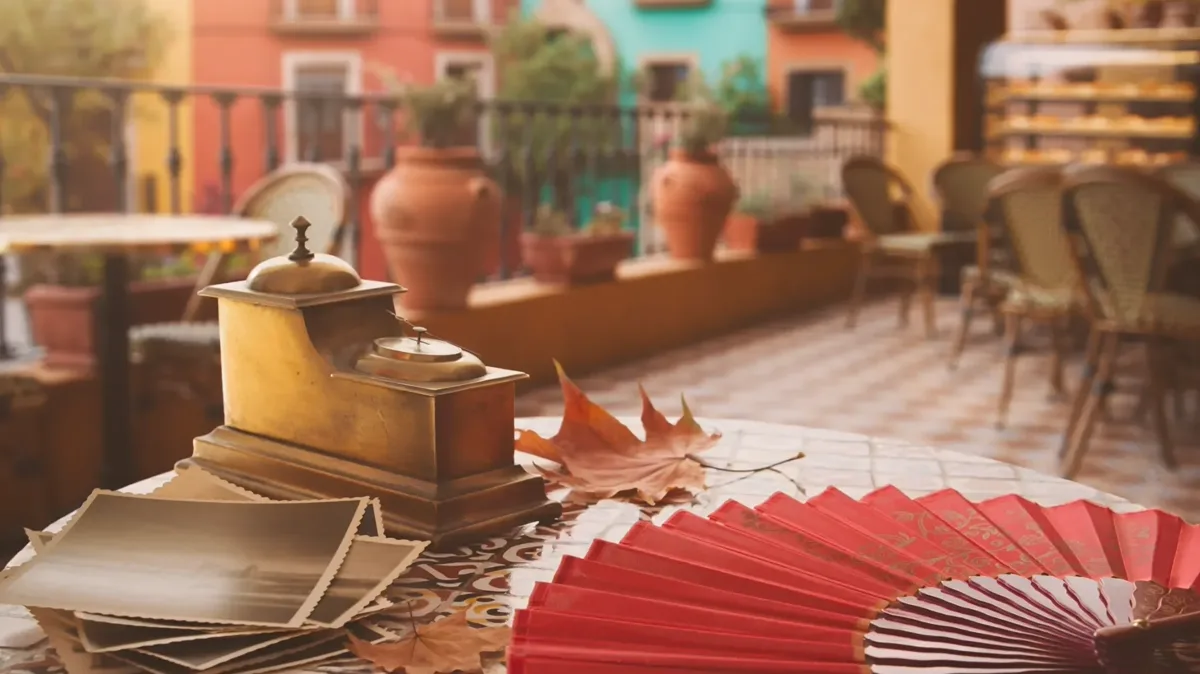
A2 · 초중급 챕터 11

Irregular Descriptions and Habitual Trips

3 총 규칙
30 예문
6

Chapter in 30 Seconds

Master the three essential irregular verbs to narrate your past memories with ease and confidence.

  • Identify irregular past forms of ser, ir, and ver.
  • Describe past states and habitual activities.
  • Recount childhood scenes and shared memories.
Unlock the past with three powerful verbs.

배울 내용

Hey friend! You’ve already got a solid grasp of Spanish basics, building up your confidence. Now, it’s time to take a big step forward and dive into the past – but not just any past! In this exciting chapter, you’re going to meet three of Spanish’s 'tricky' verbs in the Imperfect tense: 'ser' (to be), 'ir' (to go), and 'ver' (to see). These are the only irregular verbs in this tense, and mastering them will significantly boost your ability to talk about the past. You’ll learn how to use 'ser' to describe people, places, and general vibes in the past without needing to specify exact start or end points. Imagine telling someone what a person used to be like, or how a place looked years ago. Then, we’ll move to 'ir,' which lets you talk about habitual past trips or set the scene for past events. It’s even useful for explaining intentions that didn’t quite pan out! For instance, you could say 'I always used to go to school by bike' or 'I intended to go to Spain back then.' Finally, with 'ver' (to see), which has a unique conjugation in the Imperfect (veía), you’ll learn how to recount what you used to see. These skills are super handy when you want to share memories, reminisce about old times, or even chat with a friend about your childhood in a Spanish café! With these three verbs, the past won't feel intimidating anymore. By the end of this chapter, you’ll be able to discuss the past, tell stories, and describe atmospheres much more smoothly and vividly. Your Spanish skills will jump to the next level, allowing you to bring your memories to life just like a native speaker. Ready? Let’s go!

  • 과거의 묘사: Ser 불완료 과거 (era, eras, era...)
    과거의 사람, 장소, 분위기를 설명할 때 'ser'의 불완료과거를 써요. 특정 시점이 중요하지 않을 때 'ser'의 imperfecto 형태인 era를 사용해서 descripción을 하는 거죠!
  • 스페인어 불완료 과거: 'ir' 사용하기 (iba, ibas, iba...)
    'ir'의 불완료 과거형은 세 가지 상황에서 유용해요. 과거에 반복적으로 했던 행동 (habitual past trips), 배경 설명을 할 때 (setting scenes), 그리고 하려다가 못 한 일 ("intentions that didn't happen")을 말할 때 써보세요!
  • 과거를 보다: 'Ver' 동사 (veía)
    동사 'ver'는 불완료과거 시제에서 'e'를 유지해요. 그래서 일반적인 'vía' 대신 veía가 되는 거죠. 마치 'e'가 'ver'의 특별한 표식 같아요.

Learning Objectives

By the end of this chapter, you will be able to:

  1. 1
    By the end you will be able to: Describe your childhood personality and environment using 'ser'.
  2. 2
    By the end you will be able to: Narrate habitual past trips and routines using 'ir'.
  3. 3
    By the end you will be able to: Recall what you used to see in specific settings using 'ver'.

챕터 가이드

Overview

¡Hola, future fluent Spanish speaker! Welcome to a pivotal chapter in your Spanish grammar A2 journey. You've built a fantastic foundation, and now it's time to dive into a part of the past tense that will unlock vivid storytelling and richer conversations: the Imperfect tense.
This chapter focuses on three special verbs – ser (to be), ir (to go), and ver (to see) – which are the *only* irregular verbs in the Spanish Imperfect. Mastering them is a key step towards sounding more natural and expressing yourself with greater nuance. You'll learn to describe how things used to be, talk about places you used to go, and recount things you used to see.
This knowledge is crucial for telling stories, sharing memories, and painting detailed pictures of the past. Get ready to significantly enhance your ability to communicate in Spanish and impress native speakers with your newfound fluency!

How This Grammar Works

Let's unravel the magic of these three essential verbs in the Imperfect tense. Remember, the Imperfect is for actions that were habitual, ongoing, or descriptive in the past, without a definite beginning or end.
First up is The 'Used to Be' Verb: Ser in the Imperfect. This verb is your go-to for describing people, places, or conditions in the past. Its conjugations are:
* Yo era (I used to be / I was)
* Tú eras (You used to be / You were)
* Él/Ella/Usted era (He/She/You formal used to be / He/She/You formal were)
* Nosotros/Nosotras éramos (We used to be / We were)
* Vosotros/Vosotras erais (You all informal used to be / You all informal were)
* Ellos/Ellas/Ustedes eran (They/You all formal used to be / They/You all formal were)
* Example: Cuando era niño, era muy tímido. (When I was a child, I used to be very shy.)
* Example: La casa era grande. (The house was big.)
Next, we have Spanish Imperfect: Using 'ir'. This verb is perfect for talking about habitual trips or movements in the past, or even intentions. Its conjugations are:
* Yo iba (I used to go / I was going)
* Tú ibas (You used to go / You were going)
* Él/Ella/Usted iba (He/She/You formal used to go / He/She/You formal were going)
* Nosotros/Nosotras íbamos (We used to go / We were going)
* Vosotros/Vosotras ibais (You all informal used to go / You all informal were going)
* Ellos/Ellas/Ustedes iban (They/You all formal used to go / They/You all formal were going)
* Example: Siempre iba al parque después de la escuela. (I always used to go to the park after school.)
* Example: Íbamos a visitar a mis abuelos cada verano. (We used to go visit my grandparents every summer.)
Finally, let's look at Watching the Past: The Verb 'Ver' (veía). This verb is unique in its irregularity for the Imperfect, giving you the power to describe what you used to see. Its conjugations are:
* Yo veía (I used to see / I was seeing)
* Tú veías (You used to see / You were seeing)
* Él/Ella/Usted veía (He/She/You formal used to see / He/She/You formal were seeing)
* Nosotros/Nosotras veíamos (We used to see / We were seeing)
* Vosotros/Vosotras veíais (You all informal used to see / You all informal were seeing)
* Ellos/Ellas/Ustedes veían (They/You all formal used to see / They/You all formal were seeing)
* Example: Veía la televisión todos los días. (I used to watch TV every day.)
* Example: Desde mi ventana se veían las montañas. (From my window, the mountains used to be seen.)

Common Mistakes

  1. 1Wrong:
    Cuando fui niño, fui muy tímido.
Correct:
Cuando era niño, era muy tímido.
*Explanation:* The preterite (fui) indicates a completed action in the past, while the imperfect (era) describes a state or characteristic that lasted over a period in the past. Being a child and being shy are descriptions, not single events.
  1. 1Wrong:
    Siempre fui al parque después de la escuela.
Correct:
Siempre iba al parque después de la escuela.
*Explanation:* Always (siempre) clearly signals a habitual action in the past, which requires the imperfect tense (iba), not the preterite (fui), which would imply you went *once* or at a specific completed time.
  1. 1Wrong:
    De niño, yo vía muchos dibujos animados.
Correct:
De niño, yo veía muchos dibujos animados.

*Explanation:* The verb ver is irregular in the imperfect, and its stem is ve-, not v-. The correct ending for the first person singular is -ía, making it veía.

Real Conversations

A

A

¿Cómo era tu ciudad cuando eras pequeña? (What was your city like when you were little?)
B

B

Era muy tranquila. Había muchos árboles y la gente iba mucho al parque. (It was very quiet. There were many trees and people used to go to the park a lot.)
A

A

¿Qué veías desde la ventana de tu habitación de niño? (What did you use to see from your bedroom window as a child?)
B

B

Veía a mis vecinos jugar y, a veces, veía pájaros en los árboles. (I used to see my neighbors playing and, sometimes, I used to see birds in the trees.)
A

A

¿A dónde ibas de vacaciones cuando eras joven? (Where did you use to go for vacations when you were young?)
B

B

Siempre íbamos a la playa. Mis hermanos y yo éramos muy felices allí. (We always used to go to the beach. My siblings and I were very happy there.)

Quick FAQ

Q

What are the only irregular verbs in the Spanish Imperfect tense?

The only irregular verbs in the Spanish Imperfect tense are ser (to be), ir (to go), and ver (to see).

Q

How do I describe past habits in A2 Spanish?

You use the Imperfect tense, especially with verbs like ir (e.g., iba for

I used to go
) or other regular verbs with Imperfect endings.

Q

When should I use era versus fue in Spanish grammar?

Use era (Imperfect of ser) for descriptions, ongoing states, or habitual actions in the past. Use fue (Preterite of ser) for completed, single actions or events in the past.

Q

Is ver the only -er verb with an irregular imperfect conjugation in Spanish?

Yes, ver is the only -er verb that is irregular in the Imperfect tense, taking the unique stem ve- before the regular -ía endings.

Cultural Context

These three irregular imperfect verbs are absolutely fundamental for everyday storytelling in Spanish. Native speakers constantly use them to share memories, describe childhoods, or set the scene for past events. Whether reminiscing about how a town era (used to be), where they iban (used to go) on holidays, or what they veían (used to see) from their window, these verbs bring conversations to life.
They're the backbone of expressing nostalgia and sharing personal histories, making your Spanish sound authentic and engaging.

주요 예문 (6)

1

Cuando `era` niño, me gustaba jugar con Legos.

어렸을 때, 나는 레고 가지고 노는 것을 좋아했어.

과거의 묘사: Ser 불완료 과거 (era, eras, era...)
2

Mi primer móvil `era` muy pequeño y no tenía cámara.

내 첫 휴대폰은 아주 작았고 카메라가 없었어.

과거의 묘사: Ser 불완료 과거 (era, eras, era...)
3

Yo iba a mandarte un WhatsApp, pero me quedé dormido.

WhatsApp 보내려 했는데, 잠들어버렸어.

스페인어 불완료 과거: 'ir' 사용하기 (iba, ibas, iba...)
4

De pequeños, íbamos a la playa cada verano.

어릴 때 우리는 매년 여름 해변에 가곤 했어.

스페인어 불완료 과거: 'ir' 사용하기 (iba, ibas, iba...)
5

Cuando era niño, yo veía dibujos animados cada mañana.

어릴 때, 나는 매일 아침 만화를 보곤 했어요.

과거를 보다: 'Ver' 동사 (veía)
6

Mi abuela siempre veía las telenovelas después de comer.

할머니는 식사 후에 항상 텔레노벨라를 보셨어요.

과거를 보다: 'Ver' 동사 (veía)

팁과 요령 (3)

🎯

'Used to Be' 테스트

영어 'was'를 'used to be'로 바꿔도 말이 된다면, 스페인어에서는 'era'를 쓸 확률이 높아요. 예를 들어,
I used to be shy.
Yo era tímido.
가 되죠.
frontend.learn_grammar.from_rule: 과거의 묘사: Ser 불완료 과거 (era, eras, era...)
🎯

'하려던 참이었어' 마법의 표현

뭔가 하려다가 못 했을 때 변명하기 딱 좋아요! «Iba a + 동사원형»을 쓰면 '하려던 참이었어'라고 부드럽게 말할 수 있어요.
Iba a mandarte un WhatsApp, pero me quedé dormido.
frontend.learn_grammar.from_rule: 스페인어 불완료 과거: 'ir' 사용하기 (iba, ibas, iba...)
🎯

'E'가 핵심이에요

'e'를 빼먹고 'vía'라고 하면 '길'이나 '경로'라는 뜻이 돼요. 우리가 뭔가를 '봤다'고 말하려면 꼭 'e'를 지켜주세요!
Yo veía la televisión.
frontend.learn_grammar.from_rule: 과거를 보다: 'Ver' 동사 (veía)

핵심 어휘 (6)

siempre always antes before/used to tímido shy parque park película movie vecindario neighborhood

Real-World Preview

coffee

Nostalgic Café Chat

Review Summary

  • era/eras/era/éramos/erais/eran
  • iba/ibas/iba/íbamos/ibais/iban
  • veía/veías/veía/veíamos/veíais/veían

자주 하는 실수

Students often confuse the English 'I used to be' with the verb 'go'. Use 'ser' for states of being, not 'ir'.

Wrong: Yo iba a ser feliz.
정답: Yo era feliz.

Learners often try to add the -aba ending to 'ver', but it follows the -ía pattern.

Wrong: Yo veaba la tele.
정답: Yo veía la tele.

Don't forget the accent on the 'i' in íbamos!

Wrong: Nosotros ibamos al parque.
정답: Nosotros íbamos al parque.

Next Steps

You've successfully conquered the most common irregular verbs in the imperfect. Keep practicing, and you'll be telling stories like a native speaker in no time!

Write 5 sentences about your last vacation using these three verbs.

빠른 연습 (9)

문법적으로 올바른 'nosotros' 형태를 고르세요.

Choose the sentence that correctly uses the 'nosotros' form:

✓ Correct! ✗ Not quite. Correct answer: Nosotros íbamos a la playa.
'ir' 동사의 불완료 과거형 'nosotros'는 항상 첫 번째 'i'에 악센트가 붙은 'íbamos'예요.

frontend.learn_grammar.from_rule: 스페인어 불완료 과거: 'ir' 사용하기 (iba, ibas, iba...)

문장에서 틀린 부분을 찾아 고치세요.

Find and fix the mistake:

Ellos ibas al gimnasio ayer por la tarde.

✓ Correct! ✗ Not quite. Correct answer: Ellos iban al gimnasio.
'ellos' (그들)에 대한 올바른 형태는 'iban'이에요.

frontend.learn_grammar.from_rule: 스페인어 불완료 과거: 'ir' 사용하기 (iba, ibas, iba...)

빈칸을 'ver' 동사의 올바른 불완료과거형으로 채우세요.

Cuando yo era joven, ______ mucha televisión.

✓ Correct! ✗ Not quite. Correct answer: veía
주어가 'yo'일 때는 'veía'가 올바른 형태예요. 'e'를 유지하고 '-ía'를 붙이죠.

frontend.learn_grammar.from_rule: 과거를 보다: 'Ver' 동사 (veía)

어떤 문장이 과거의 습관을 올바르게 설명하나요?

올바른 문장을 선택하세요:

✓ Correct! ✗ Not quite. Correct answer: Nosotros veíamos el atardecer cada día.
'Víamos'는 흔한 실수예요. 'e'를 꼭 유지해야 합니다. 'Veíamos'가 1인칭 복수형으로 올바른 형태예요.

frontend.learn_grammar.from_rule: 과거를 보다: 'Ver' 동사 (veía)

시간에 대한 이 문장에서 실수를 찾아 고치세요.

Find and fix the mistake:

Era las tres de la tarde.

✓ Correct! ✗ Not quite. Correct answer: Eran las tres de la tarde.
1시를 제외하고는 모든 시간에 대해 복수형 'eran'을 사용해야 합니다.

frontend.learn_grammar.from_rule: 과거의 묘사: Ser 불완료 과거 (era, eras, era...)

불완료과거 시제 'ser' 동사의 올바른 형태로 빈칸을 채우세요.

Cuando yo ____ pequeño, vivía en Madrid.

✓ Correct! ✗ Not quite. Correct answer: era
주어가 'yo'이므로 올바른 형태는 'era'입니다.

frontend.learn_grammar.from_rule: 과거의 묘사: Ser 불완료 과거 (era, eras, era...)

이 문장에서 틀린 부분을 찾아 고치세요.

Find and fix the mistake:

Tú veias a tu abuela los domingos.

✓ Correct! ✗ Not quite. Correct answer: Tú veías a tu abuela los domingos.
'veías'라는 단어는 항상 'í' 위에 악센트 표시가 필요해요.

frontend.learn_grammar.from_rule: 과거를 보다: 'Ver' 동사 (veía)

'ir' 동사의 불완료 과거형으로 빈칸을 채우세요.

Cuando era niño, yo ___ al parque todos los días.

✓ Correct! ✗ Not quite. Correct answer: iba
매일(todos los días) 하던 습관적인 행동이므로 불완료 과거형 'iba'를 사용해요.

frontend.learn_grammar.from_rule: 스페인어 불완료 과거: 'ir' 사용하기 (iba, ibas, iba...)

문법적으로 올바른 문장을 고르세요.

올바른 악센트가 있는 문장을 고르세요:

✓ Correct! ✗ Not quite. Correct answer: Nosotros éramos muy felices.
'ser' 동사의 불완료과거 시제에서 'nosotros' 형태에만 첫 번째 'e'에 악센트가 붙어요: éramos.

frontend.learn_grammar.from_rule: 과거의 묘사: Ser 불완료 과거 (era, eras, era...)

Score: /9

자주 묻는 질문 (6)

'나는 ~였다', '그/그녀는 ~였다', '그것은 ~였다'는 뜻이에요. 과거에 지속되었던 상태를 설명할 때 써요.
네, 맞아요! 불완료과거 시제에서 불규칙 동사는 'ser', 'ir', 'ver' 딱 세 개뿐이에요.
네, 맞아요! 불완료 과거 시제에서 불규칙 동사는 'ir' 포함 딱 세 개뿐이에요 ('ser', 'ver'도 있어요). 일반적인 어미를 따르지 않고 'iba' 어간을 사용한답니다.
'iba'는 '가곤 했다' 또는 '가는 중이었다'는 의미로 사용하고, 'fui'는 '갔다' (한 번 완료된 행동)는 의미로 사용해요. 예를 들어, 'Iba al cine los lunes' (월요일마다 영화관에 가곤 했다)와 'Ayer fui al cine' (어제 영화관에 갔다)의 차이예요.
'ver'는 동사 원형의 'e'를 그대로 유지하기 때문에 불규칙이에요. 일반 동사들은 '-er' 어미를 통째로 빼지만, 'ver'는 너무 짧아서 'e'를 남겨두고 veía가 된답니다.
정확히는 달라요. 'Vi'는 '나는 (한 번) 봤다'이고, 'veía'는 '나는 ~하곤 했다' 또는 '나는 ~하고 있었다' (반복적이거나 지속적인 행동)라는 뜻이에요. 예를 들어,
Yo veía la tele cada día.

