









cheesecake in 30 Seconds
- A rich, creamy dessert featuring a thick layer of soft cheese (like cream cheese) mixed with sugar and eggs, often on a biscuit base.
- Available in two main styles: baked (dense and smooth) or unbaked (light and chilled), with numerous regional variations like New York or Japanese.
- Commonly flavored with vanilla, lemon, or chocolate and frequently topped with fruit sauces, fresh berries, or whipped cream for added contrast.
- A compound noun used globally in culinary contexts, historically also serving as a slang term for mid-20th-century pin-up glamour photography.
Cheesecake is far more than a mere dessert; it is a global culinary phenomenon that represents the intersection of ancient tradition and modern indulgence. At its core, a cheesecake is a sweet, multi-layered confection where the primary, thickest layer consists of a mixture of soft, fresh cheese, sugar, and often eggs. This mixture is typically set upon a base or crust, which provides a structural and textural contrast to the creamy filling. While the name suggests a 'cake,' its composition and preparation methods often align more closely with a custard or a tart, depending on whether it is baked or chilled. The term is used universally in English-speaking cultures to describe this specific category of sweets, ranging from the dense, heavy New York style to the light, airy Japanese souffle style.
- Culinary Classification
- Technically a crust-filled custard, cheesecake is categorized as a dessert and is often the centerpiece of celebratory meals.
People use the word 'cheesecake' in various contexts, most commonly when dining out or planning a menu. It is a staple of the 'American Diner' experience, but it also holds a prestigious place in European patisseries. In a social setting, suggesting a 'cheesecake' often implies a desire for something rich and satisfying. The word carries a connotation of luxury and 'cheat-day' indulgence due to its high fat and sugar content. Historically, the word also functioned as a slang term for pin-up photography in the 1940s and 50s, though this usage is now largely obsolete and mostly found in historical or media studies contexts.
After the heavy main course, we decided to share a single slice of cheesecake because it was so rich.
The versatility of cheesecake is reflected in how the word is modified. You will hear terms like 'No-bake cheesecake,' which refers to a version set with gelatin or refrigeration rather than heat, or 'Savory cheesecake,' a modern gourmet twist that might use blue cheese and herbs. In professional kitchens, the word is treated with respect because achieving the perfect 'cheesecake'—one without cracks on the surface—is considered a sign of a skilled baker. The word evokes a specific sensory profile: the tanginess of the cheese, the sweetness of the sugar, and the buttery crunch of the graham cracker crust.
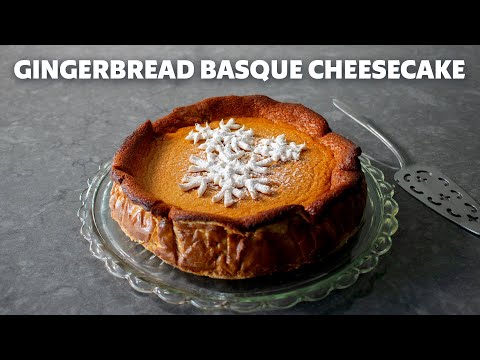
In popular culture, cheesecake is often used as a symbol of friendship and late-night bonding, most famously depicted in the television show 'The Golden Girls,' where the characters would resolve their problems over a kitchen table and a cheesecake. This has cemented the word in the English lexicon as a synonym for 'comfort food' and 'confessional snack.' Whether you are talking about a 'basque cheesecake' with its burnt top or a 'vegan cheesecake' made from cashews, the word remains the anchor for any dessert that prioritizes a creamy, cheese-based filling.
- Texture Profile
- The word 'cheesecake' implies a contrast between a crumbly, dry base and a smooth, moist, and dense interior.
The bakery's signature cheesecake features a hint of lemon zest to balance the richness.
Furthermore, the word is used in marketing to denote a specific flavor profile. You will find 'cheesecake-flavored' ice cream, protein shakes, and even yogurt. In these cases, 'cheesecake' acts as a descriptor for a combination of lactic tang and vanilla sweetness. It is a highly productive word in the food industry, constantly being combined with fruits (strawberry cheesecake), chocolates (white chocolate cheesecake), or seasonal flavors (pumpkin cheesecake).
I prefer a baked cheesecake over the gelatin-based versions because of the superior mouthfeel.
- Modern Variations
- From the 'burnt' Basque style to the 'cotton' Japanese style, the word covers a wide spectrum of densities.
The cheesecake was topped with a vibrant raspberry coulis that added a necessary acidity.
Is there any cheesecake left in the fridge, or did you finish the whole thing?
Using the word 'cheesecake' correctly involves understanding its role as both a countable and an uncountable noun. When referring to the dessert in a general sense or as a substance, it is uncountable. For example, 'I love cheesecake.' However, when referring to a specific, whole cake or individual portions, it becomes countable. You might say, 'I baked two cheesecakes for the party' or 'I'll have a cheesecake, please,' though the latter often implies 'a slice of cheesecake.' In formal writing, it is better to specify 'a slice of' or 'a portion of' to avoid ambiguity.
- Grammatical Number
- Use 'cheesecake' as uncountable for the concept and countable for the physical units.
Adjectives play a crucial role in describing cheesecake. Because it is a versatile dish, you will often see it paired with descriptive words like 'decadent,' 'velvety,' 'dense,' 'fluffy,' 'tangy,' or 'creamy.' These adjectives help the listener understand which style of cheesecake is being discussed. For instance, 'a decadent New York cheesecake' suggests a very rich experience, while 'a light Japanese cheesecake' suggests something more like a sponge cake. When using it in a sentence about cooking, you might use verbs like 'set,' 'bake,' 'whip,' or 'fold.' For example, 'You must fold the egg whites gently into the cheesecake batter.'
The recipe calls for a springform pan to ensure the cheesecake releases cleanly.
In terms of sentence structure, 'cheesecake' often acts as the direct object of verbs related to consumption or preparation. 'She ate the cheesecake,' 'He ordered the cheesecake,' or 'They prepared the cheesecake.' It can also function as a subject: 'The cheesecake was the highlight of the evening.' When used as a compound noun or an adjective, it modifies other nouns, such as 'cheesecake factory,' 'cheesecake recipe,' or 'cheesecake crust.' In these instances, it defines the type or purpose of the following noun.
Prepositional phrases are also common with 'cheesecake.' You might talk about a cheesecake 'with' a topping, 'on' a base, or 'from' a specific bakery. 'The cheesecake with the cherry topping was delicious.' 'The base is made from crushed digestive biscuits.' In comparative sentences, 'cheesecake' is often compared to other desserts to highlight its unique texture. 'This mousse is almost as thick as a cheesecake.' 'I prefer cheesecake over traditional sponge cake because it is more moist.'
- Comparative Usage
- Use 'cheesecake' to set a benchmark for richness or density in dessert comparisons.
Would you like your cheesecake plain or with a drizzle of chocolate sauce?
Finally, consider the register. In a professional culinary review, you might see more complex sentence structures: 'The chef’s interpretation of a deconstructed cheesecake challenges the traditional notions of the dessert’s structural integrity.' In a casual text message, it might be as simple as: 'Want to grab some cheesecake later?' Regardless of the complexity, the word remains the central focus of the culinary intent.
Even though I was full, I couldn't resist a tiny sliver of cheesecake.
Making a cheesecake requires patience, especially during the cooling process.
The cheesecake filling should be smooth and free of any lumps.
The word 'cheesecake' is a frequent guest in various real-world environments, primarily centered around food and social interaction. One of the most common places you will hear it is in a restaurant or cafe. When a server approaches a table at the end of a meal, 'cheesecake' is almost always mentioned as a highlight of the dessert tray. In these settings, it is often spoken with an inviting tone, emphasizing its status as a treat. You will also hear it in bakeries, where customers ask for specific types, such as 'a whole New York cheesecake' or 'two slices of the blueberry cheesecake.'
- The Dining Context
- Listen for it during the 'dessert pitch' at the end of a restaurant meal.
Television and media are other major sources of the word. Cooking shows, from 'The Great British Bake Off' to 'MasterChef,' frequently feature cheesecake challenges. Here, the word is used technically, focusing on 'structure,' 'consistency,' and 'flavor balance.' You will hear judges critique a 'cheesecake' for being too grainy or not having enough 'tang.' In scripted television, as mentioned before, 'cheesecake' often serves as a plot device for characters to bond. It is the ultimate 'comfort food' word in the English-speaking world’s media landscape.
On the baking show, the contestant was worried her cheesecake hadn't set in time.
In grocery stores, the word is found in the refrigerated or frozen aisles. You might hear a parent say to a child, 'Let’s pick up a frozen cheesecake for Sunday dinner.' It also appears on the labels of various snack foods. Interestingly, in the world of fitness and nutrition, you might hear 'cheesecake' mentioned in the context of 'healthy alternatives.' People talk about 'protein cheesecake' or 'low-carb cheesecake,' using the word to describe a healthier version of the traditional dessert that still satisfies the same craving.
Social media, particularly platforms like Instagram and TikTok, is saturated with the word. 'Cheesecake' is a highly 'Instagrammable' food, and you will hear influencers describe their 'cheesecake' in breathless, hyperbolic terms like 'life-changing' or 'the best I’ve ever had.' The word is often hashtagged and used in the titles of viral recipe videos. In these digital spaces, 'cheesecake' is a keyword that drives engagement because of its universal appeal.
- Digital Presence
- The word is a major driver of 'foodie' content on social media platforms.
I saw a viral video for a three-ingredient Japanese cheesecake and had to try it.
Finally, you might hear the word in historical or artistic discussions. While rare today, a historian might refer to 'cheesecake photography' when discussing mid-century American pop culture. This refers to the pin-up style that was considered 'tasty' or 'sweet' to look at, much like the dessert. However, in 99% of modern interactions, when you hear 'cheesecake,' someone is talking about the delicious, creamy cake.
The waiter recommended the passion fruit cheesecake as their seasonal special.
Is that a homemade cheesecake, or did you buy it from the bakery?
The secret to a great cheesecake is using high-quality full-fat cream cheese.
One of the most frequent mistakes learners make with the word 'cheesecake' is related to its spelling and spacing. It is a closed compound word, meaning there should be no space between 'cheese' and 'cake.' Writing it as 'cheese cake' is technically incorrect in modern English, as it might imply a cake made entirely of cheese wheels (like a 'wedding cheese cake' made of brie and cheddar). Always remember to keep the two words joined together to refer to the sweet dessert.
- Spelling Error
- Incorrect: 'cheese cake'. Correct: 'cheesecake'.
Another common error involves the pronunciation of the 's' in 'cheese.' It should be pronounced as a /z/ sound, not a sharp /s/. Many non-native speakers pronounce it as 'cheess-cake,' which can sound slightly off to a native ear. The transition from the /z/ sound to the /k/ sound of 'cake' should be smooth. Additionally, some learners struggle with the stress; the primary stress is on the first syllable: CHEESE-cake. Putting the stress on 'cake' (cheese-CAKE) sounds unnatural and can lead to misunderstandings.
I made a mistake and spelled cheesecake as two words on the menu.
From a grammatical perspective, the countability of 'cheesecake' is a frequent stumbling block. As mentioned earlier, it is often uncountable. Saying 'I want a cheesecake' when you only want a slice is a common colloquialism, but in a formal setting or when writing a recipe, it is more accurate to say 'a slice of cheesecake.' Conversely, saying 'I want some cheesecakes' when you mean multiple slices of the same cake is also incorrect; you should say 'some slices of cheesecake' or 'some cheesecake.'
In terms of meaning, some learners confuse 'cheesecake' with other cheese-based dishes. For example, a 'cheese tart' is similar but usually smaller and has a different crust-to-filling ratio. A 'cheese danish' is a pastry, not a cheesecake. Using the word 'cheesecake' to describe any sweet thing with cheese in it is a common overgeneralization. It is important to recognize that a cheesecake must have that characteristic dense, creamy layer to truly earn the name.
- Conceptual Confusion
- Don't use 'cheesecake' for pastries like danishes or savory cheese pies.
The student incorrectly called the cheese danish a cheesecake during the English exam.
Finally, there is the 'slang' trap. While 'cheesecake' was used to refer to pin-up photos, using it that way today without a historical context will likely confuse people or make you sound like you are living in the 1940s. Stick to the culinary meaning unless you are specifically discussing vintage media. Also, be careful with the word 'cheesy'; while it comes from 'cheese,' it means 'cheap' or 'low-quality' and has nothing to do with the deliciousness of a cheesecake!
He tried to be funny by calling the photo cheesecake, but no one understood the reference.
You shouldn't say 'I ate three cheesecakes' unless you actually ate three entire cakes.
The word cheesecake is never pluralized when you are talking about the flavor.
While 'cheesecake' is a very specific term, there are several words you can use depending on the context or the specific type of dessert you are describing. If you want to be more general, you can use words like 'dessert,' 'confection,' or 'sweet.' However, these lack the descriptive power of 'cheesecake.' If you are looking for something that describes the texture, 'custard' or 'mousse' might be appropriate, though they usually lack the cheese component and the crust.
- Gateau vs. Cheesecake
- A 'gateau' is usually a light sponge cake with cream layers, whereas a 'cheesecake' is much denser and cheese-based.
In European contexts, you might encounter the word 'torte.' A torte is a rich, multilayered cake that uses little to no flour, instead using ground nuts or breadcrumbs. While some cheesecakes could be considered tortes, the word 'torte' usually implies a more complex, multi-layered construction. Another alternative is 'tart.' A 'cheese tart' is often smaller and has a pastry crust that goes up the sides, whereas a cheesecake often has a crust only on the bottom (though not always). 'Flan' is another similar word, referring to a baked custard dessert, but it is typically much smoother and wobblier than a cheesecake.
The Italian restaurant serves a ricotta cheesecake that is much lighter than a New York torte.
If you are talking about the 'slang' meaning of cheesecake (pin-up photos), the modern equivalent would be 'glamour photography' or simply 'pin-up.' These terms are much more common today and avoid the food-based metaphor. In a culinary sense, if you want to describe a cheesecake-like flavor without using the word, you might use 'cream-cheese based' or 'tangy and sweet.' This is common in technical recipe writing.
Regional variations also provide alternative names. In Germany, you might hear 'Quarkkuchen,' which is a cheesecake made with quark cheese. In Poland, it is 'Sernik.' Using these specific names can add a layer of authenticity if you are discussing international cuisines. However, in a general English context, 'cheesecake' remains the most recognized and effective term. Even when describing these international versions, people will often say 'a German-style cheesecake' to ensure they are understood.
- Summary of Alternatives
- Use 'tart' for pastry-heavy versions, 'mousse' for lighter textures, and 'torte' for flourless, rich cakes.
Instead of a traditional cheesecake, the chef prepared a deconstructed cheese mousse.
The texture of this cheesecake is so light it's almost like a souffle.
I prefer a fruit tart to a cheesecake because it feels less heavy.
How Formal Is It?
""
""
""
""
""
Fun Fact
Ancient Greek athletes were served cheesecake during the first Olympic Games in 776 BC because it was considered a great source of energy!
Pronunciation Guide
- Pronouncing the 's' as a sharp /s/ instead of a /z/.
- Putting the stress on the second syllable: cheese-CAKE.
- Pronouncing it as two separate words with a pause in between.
- Shortening the long 'ee' sound in 'cheese'.
- Confusing it with 'cheese cake' (savory cheese wheels).
Difficulty Rating
The word is easy to recognize as it is a compound of two common words.
Learners often forget it is one word and struggle with the spelling of 'cheese'.
The 'z' sound in the middle and the syllable stress can be tricky.
It is usually pronounced clearly in food contexts.
What to Learn Next
Prerequisites
Learn Next
Advanced
Grammar to Know
Compound Nouns
Cheesecake is formed by combining 'cheese' and 'cake'.
Countable vs Uncountable
I like cheesecake (uncountable) vs. I bought two cheesecakes (countable).
Adjective Placement
A 'creamy, rich cheesecake' (adjectives before the noun).
Gerunds as Subjects
Baking a cheesecake takes a long time.
Prepositional Phrases
A slice of cheesecake with strawberries.
Examples by Level
I like strawberry cheesecake.
I like [sweet cake with cheese] with strawberries.
Simple subject-verb-object structure.
Is this cheesecake sweet?
Is this [cheese dessert] sugary?
Question form using 'is'.
The cheesecake is in the fridge.
The [cake] is in the cold box.
Definite article 'the' used for a specific cake.
We eat cheesecake on Sundays.
We eat [this dessert] every Sunday.
Present simple for a habit.
Can I have some cheesecake?
Can I have [a piece of the cake]?
Using 'some' for an uncountable amount.
This is a big cheesecake.
This is a [large cheese cake].
Adjective 'big' before the noun.
My mom makes good cheesecake.
My mother bakes [delicious cheese cake].
Third-person singular 'makes'.
Do you want cheesecake or ice cream?
Do you want [this cake] or [cold cream]?
Using 'or' for choice.
She bought a cheesecake for the party.
She purchased a [whole cheese cake].
Past simple 'bought'.
The crust of the cheesecake is very crunchy.
The [bottom part] of the cake is hard.
Genitive 'of the' to show possession.
I prefer chocolate cheesecake to vanilla.
I like [chocolate version] more than [vanilla version].
Verb 'prefer' with 'to'.
Is there any cheesecake left?
Is there [any amount] of cake remaining?
Using 'any' in a question.
This cheesecake is made with lemon juice.
This cake [has lemon in it].
Passive voice 'is made with'.
He ate a large slice of cheesecake.
He ate a [big piece].
Countable 'slice of'.
You should put the cheesecake in the oven now.
Put the [cake] in the [cooker].
Modal verb 'should' for advice.
My favorite dessert is definitely cheesecake.
I like [this cake] the most.
Adverb 'definitely' for emphasis.
The New York style cheesecake is known for being very dense.
The [NY version] is famous for its [thickness].
Gerund 'being' after a preposition.
I'm looking for a simple cheesecake recipe to try this weekend.
I want [instructions] for a [cheese cake].
Present continuous 'am looking'.
If you don't bake the cheesecake long enough, it won't set.
If it doesn't cook, it won't [become firm].
First conditional sentence.
She topped the cheesecake with a layer of fresh raspberries.
She put [berries] on the [cake].
Past simple with prepositional phrase.
Cheesecake is often served at weddings as an alternative to traditional cake.
It is [given to guests] instead of [normal cake].
Passive voice with 'often'.
I found a vegan cheesecake made from cashews and coconut milk.
A [no-animal-product cake] made of [nuts].
Reduced relative clause 'made from'.
Would you like to share a cheesecake with me?
Do you want to [split] a [cake]?
Infinitive 'to share' after 'would like'.
The bakery specializes in various types of cheesecake.
The shop [is an expert in] many [cakes].
Verb 'specializes in'.
The secret to a smooth cheesecake is ensuring all ingredients are at room temperature.
The [trick] is the [warmth of the food].
Gerund 'ensuring' as a complement.
Despite its name, cheesecake is technically a form of custard pie.
[Even though] it's called a cake, it's a [custard].
Preposition 'despite' followed by a noun phrase.
The cheesecake had a subtle hint of almond in the crust.
The [bottom] had a [small taste] of [nut].
Adjective 'subtle' modifying 'hint'.
Baking the cheesecake in a water bath prevents the surface from cracking.
Using [hot water] stops [breaks in the top].
Gerund phrase as the subject.
The richness of the cheesecake was perfectly balanced by the tartness of the fruit.
The [heavy fat] was [evened out] by the [sour fruit].
Passive voice with 'by' agent.
He described the cheesecake as having a velvety texture that melted in his mouth.
He said the [cake] felt like [velvet].
Preposition 'as' followed by a gerund phrase.
Many people find that a no-bake cheesecake is much easier to prepare for large groups.
The [chilled version] is [simpler].
Comparative 'easier to prepare'.
The restaurant's signature dish is a deconstructed cheesecake served in a glass.
Their [famous food] is a [broken-down cake].
Compound adjective 'deconstructed'.
The artisanal bakery offers a savory cheesecake featuring goat cheese and caramelized onions.
The [fancy shop] has a [not-sweet cake].
Present participle 'featuring' as an adjective.
Over-beating the eggs can incorporate too much air, causing the cheesecake to puff up and then collapse.
Mixing [too much] makes the [cake fall].
Causal participle phrase 'causing...'.
The historical use of 'cheesecake' as a slang term for pin-ups is a fascinating linguistic relic.
The [old slang] is an [interesting bit of history].
Complex noun phrase as subject.
A truly authentic Italian cheesecake utilizes ricotta, resulting in a grainier yet lighter consistency.
Real [Italian version] uses [ricotta cheese].
Adverb 'yet' connecting contrasting adjectives.
The chef’s rendition of a Basque cheesecake was intentionally charred to provide a bitter contrast to the sweet interior.
The [burnt top] was [on purpose].
Infinitive of purpose 'to provide'.
One must allow the cheesecake to cool gradually to maintain its structural integrity.
You [have to] let it [cool slowly].
Formal pronoun 'one' and adverb 'gradually'.
The sheer decadence of the triple-chocolate cheesecake made it impossible to finish a whole slice.
The [extreme richness] was [too much].
Noun 'decadence' derived from 'decadent'.
The recipe was meticulously refined over years to achieve the perfect cheesecake-to-crust ratio.
The [instructions] were [carefully improved].
Adverb 'meticulously' modifying a passive verb.
The juxtaposition of the saline crust and the saccharine cheesecake filling created a complex flavor profile.
The [mix] of [salty] and [sweet] was [complex].
Use of high-level vocabulary like 'juxtaposition' and 'saline'.
Her critique of the dessert focused on the lack of acidity needed to cut through the cheesecake's cloying richness.
She said it was [too sweet] and needed [acid].
Gerund 'cloying' used as an adjective.
The evolution of the cheesecake from an ancient Greek energy source to a modern indulgence is a testament to its enduring appeal.
The [history] shows it is [always popular].
Prepositional phrase 'from... to...' as a noun modifier.
The molecular gastronomy version of the cheesecake was served as a delicate foam with biscuit 'soil'.
The [science-based cake] was a [foam].
Technical culinary terminology.
To describe the photograph as 'cheesecake' is to evoke a specific mid-century aesthetic that has largely vanished.
Calling it [that name] reminds us of [the 1950s].
Infinitive phrase as subject and complement.
The cheesecake’s dense matrix of fats and proteins requires a slow, bain-marie baking process to ensure uniformity.
The [thick structure] needs [slow cooking].
Possessive noun 'cheesecake's' with technical nouns.
A connoisseur of fine desserts would immediately recognize the superior quality of a cheesecake made with authentic Neufchâtel.
An [expert] would know the [good cheese].
Conditional 'would' for hypothetical expert opinion.
The ubiquity of cheesecake on global menus often masks the intricate skill required to master its various regional forms.
The fact it is [everywhere] hides how [hard] it is to make.
Abstract nouns 'ubiquity' and 'intricate skill'.
Common Collocations
Common Phrases
— A place where cheesecakes are made, or a famous American restaurant chain.
We went to the Cheesecake Factory for my sister's birthday.
— A cheesecake with a high fat and sugar content, making it very filling.
This is a very rich cheesecake; I can't finish it all.
— A cheesecake without any fruit, chocolate, or other toppings.
I prefer plain cheesecake so I can taste the cheese.
— The bottom layer of the cheesecake, usually made of crumbs.
The cheesecake base was a bit too thick for my liking.
— Small cheesecakes made for one person each.
She made individual cheesecakes in muffin tins.
— A non-sweet version of the dish, often using herbs or strong cheeses.
The appetizer was a savory cheesecake with smoked salmon.
— Anything put on top of the cheesecake, like fruit or sauce.
What is your favorite cheesecake topping?
— The process of the cheesecake becoming firm in the fridge.
You need to let the cheesecake set for at least four hours.
— The uncooked mixture of cheese, sugar, and eggs.
Don't over-mix the cheesecake batter or it will crack.
Often Confused With
Two words usually refer to a cake made of actual cheese wheels, not the sweet dessert.
Similar but usually smaller and has a different crust-to-filling ratio.
A pastry with a cheese filling, not a dense cake.
Idioms & Expressions
— A mid-20th century term for pin-up photos of attractive women.
The magazine was full of cheesecake photos from the 1950s.
Archaic— Something that is very easy to do (related to the 'cake' part).
That exam was a piece of cake!
Informal— Something that makes a good situation even better.
Winning the prize was the icing on the cake.
Neutral— To have two good things at the same time that are usually impossible to have together.
You can't have your cake and eat it too.
Neutral— To sell very quickly and in large numbers.
The new cheesecakes are selling like hot cakes.
Informal— To be the most remarkable or foolish example of something.
His rude behavior really takes the cake.
Informal— A phrase showing a lack of understanding of the problems of poor people.
The politician's response was a real 'let them eat cake' moment.
Historical/Idiomatic— To make an offer more attractive.
They offered a free cheesecake to sweeten the deal.
NeutralEasily Confused
Derived from 'cheese'.
Cheesy means low-quality or cheap, while cheesecake is a dessert.
That movie was so cheesy, but the cheesecake was great.
It is the main ingredient.
Cream cheese is the raw ingredient; cheesecake is the finished dish.
I need to buy cream cheese to make the cheesecake.
Similar texture.
Custard is usually made with milk/cream and eggs, while cheesecake must have cheese.
This cheesecake has a custard-like texture.
Both are creamy desserts.
Mousse is aerated and light, while cheesecake is dense and heavy.
I wanted something light like a mousse, but I ordered cheesecake instead.
Both are rich cakes.
A torte is a general term for a rich cake, while cheesecake is specific to cheese.
This cheesecake is so rich it's almost a torte.
Sentence Patterns
I like [flavor] cheesecake.
I like chocolate cheesecake.
Can I have a slice of [flavor] cheesecake?
Can I have a slice of lemon cheesecake?
The [style] cheesecake is [adjective].
The New York cheesecake is very dense.
I prefer [type A] to [type B] because [reason].
I prefer baked cheesecake to no-bake because it's smoother.
Despite being [adjective], the cheesecake was [adjective].
Despite being very rich, the cheesecake was surprisingly light.
The [noun] of the cheesecake [verb] the [noun].
The acidity of the fruit balanced the richness of the cheesecake.
Is there any [noun] left?
Is there any cheesecake left?
This is the best [noun] I've ever had.
This is the best cheesecake I've ever had.
Word Family
Nouns
Adjectives
Related
How to Use It
Very High in culinary and social contexts.
-
Spelling it as 'cheese cake'.
→
cheesecake
It is a closed compound word in modern English.
-
Pronouncing it 'cheess-cake'.
→
/ˈtʃiːz.keɪk/
The 's' in 'cheese' should be a voiced /z/ sound.
-
Using it for savory cheese pies.
→
cheese pie / savory tart
Cheesecake almost always refers to the sweet dessert.
-
Over-mixing the batter.
→
Mix until just combined.
Too much air causes the cake to puff and crack.
-
Saying 'I want three cheesecakes' for slices.
→
I want three slices of cheesecake.
Cheesecake is often uncountable when referring to portions.
Tips
Room Temperature Ingredients
Always make sure your cheese and eggs are at room temperature before mixing to avoid a lumpy batter.
Use a Water Bath
Baking your cheesecake in a water bath (bain-marie) helps it cook evenly and prevents the top from cracking.
Clean Cuts
To get a perfect slice, dip your knife in hot water and wipe it clean between every single cut.
Cool Slowly
Let the cheesecake cool in the oven with the door slightly open to prevent sudden temperature changes.
Add Acidity
A little bit of lemon juice or zest can help balance the heavy richness of the cream cheese.
Don't Over-mix
Mixing too much air into the batter can cause the cheesecake to rise and then fall, leading to cracks.
Full-Fat is Best
For the best texture and flavor, always use full-fat cream cheese rather than low-fat versions.
Fresh Toppings
Add your fruit or sauce toppings just before serving to keep the crust from getting soggy.
Portion Control
Since cheesecake is very rich, serve it in small slivers to satisfy the craving without over-indulging.
Practice Spelling
Write 'cheesecake' ten times as one word to build muscle memory and avoid the 'cheese cake' mistake.
Memorize It
Mnemonic
Think of a 'Cheese' that wanted to be a 'Cake' so it jumped on a biscuit and got sweet!
Visual Association
Imagine a giant block of white cream cheese wearing a party hat and sitting on a bed of crushed cookies.
Word Web
Challenge
Try to describe your favorite type of cheesecake using three adjectives and one topping in a full sentence.
Word Origin
The word 'cheesecake' is a compound of 'cheese' and 'cake.' The concept dates back to ancient Greece, where 'plakous' (flat cake) was made with cheese and honey. The first recorded mention of a cheesecake-like dish was by the Greek physician Aegimus in the 5th century BC.
Original meaning: A cake made with cheese.
Germanic (English)Cultural Context
Be aware that 'cheesecake' was old slang for pin-ups, which some might find dated or slightly objectifying in a historical context.
In the US and UK, it is a standard dessert found in almost every restaurant and supermarket.
Practice in Real Life
Real-World Contexts
At a restaurant
- What kind of cheesecake do you have?
- I'll have a slice of cheesecake.
- Is the cheesecake homemade?
- Does the cheesecake have nuts?
In a kitchen
- Don't over-mix the cheesecake.
- Let the cheesecake cool slowly.
- Press the crumbs into the base.
- Bake it in a water bath.
At a party
- Who brought this amazing cheesecake?
- I can't believe I ate that much cheesecake.
- This cheesecake is so rich!
- Can I have the recipe for this cheesecake?
At a bakery
- I'd like to order a whole cheesecake.
- Do you sell cheesecake by the slice?
- Which cheesecake is your best-seller?
- Is this a baked or no-bake cheesecake?
In a grocery store
- Where is the frozen cheesecake?
- Is there any cheesecake in the bakery section?
- I need cream cheese for my cheesecake.
- This cheesecake is on sale.
Conversation Starters
"Do you prefer your cheesecake baked or no-bake?"
"What is the best cheesecake you have ever eaten?"
"If you could only have one topping on your cheesecake, what would it be?"
"Have you ever tried making a cheesecake from scratch?"
"Do you think cheesecake is better with fruit or chocolate?"
Journal Prompts
Describe the perfect slice of cheesecake using all five senses.
Write about a time you shared a dessert with someone special. Was it cheesecake?
If you were to invent a new flavor of cheesecake, what ingredients would you use?
Why do you think cheesecake is such a popular dessert around the world?
Write a short story about a baker who discovers a secret cheesecake recipe.
Frequently Asked Questions
10 questionsTechnically, it is a custard pie because of its structure and filling, but it is universally called a cake.
New York cheesecake is denser and creamier because it uses more cream cheese and sometimes extra egg yolks.
Yes, cheesecake freezes very well and can be kept for several months if wrapped properly.
Cracks usually happen because the cheesecake was over-baked or cooled too quickly, causing it to shrink and pull apart.
Generally, no. It is high in fat, sugar, and calories, making it an occasional treat rather than a health food.
Most modern recipes use cream cheese, but ricotta, mascarpone, and quark are also very common.
Yes, 'no-bake' cheesecakes are made by chilling the mixture in the fridge until it sets, usually with the help of gelatin.
The most common crust is made from crushed graham crackers or digestive biscuits mixed with melted butter.
It typically stays fresh for 3 to 5 days if kept in an airtight container.
Because the main ingredient is soft cheese, which provides the unique texture and slightly tangy flavor.
Test Yourself 200 questions
Write a sentence about your favorite cheesecake.
Well written! Good try! Check the sample answer below.
What color is a plain cheesecake?
Well written! Good try! Check the sample answer below.
Describe the two layers of a cheesecake.
Well written! Good try! Check the sample answer below.
When do people usually eat cheesecake?
Well written! Good try! Check the sample answer below.
Explain the difference between baked and no-bake cheesecake.
Well written! Good try! Check the sample answer below.
Why is New York cheesecake famous?
Well written! Good try! Check the sample answer below.
What are the common ingredients in a cheesecake filling?
Well written! Good try! Check the sample answer below.
How can you prevent a cheesecake from cracking?
Well written! Good try! Check the sample answer below.
Discuss the historical origins of cheesecake.
Well written! Good try! Check the sample answer below.
Analyze the use of 'cheesecake' as a slang term.
Well written! Good try! Check the sample answer below.
Compare the textures of Japanese and New York cheesecakes.
Well written! Good try! Check the sample answer below.
Explain the role of proteins in the baking of a cheesecake.
Well written! Good try! Check the sample answer below.
Do you like cheesecake? Why?
Well written! Good try! Check the sample answer below.
What toppings do you like on cheesecake?
Well written! Good try! Check the sample answer below.
Write a short dialogue ordering cheesecake in a restaurant.
Well written! Good try! Check the sample answer below.
Describe the sensory experience of eating cheesecake.
Well written! Good try! Check the sample answer below.
How has the definition of cheesecake evolved over time?
Well written! Good try! Check the sample answer below.
Evaluate the cultural significance of cheesecake in modern media.
Well written! Good try! Check the sample answer below.
Write a shopping list for making a cheesecake.
Well written! Good try! Check the sample answer below.
Is cheesecake healthy? Explain.
Well written! Good try! Check the sample answer below.
Say: 'I like cheesecake.'
Read this aloud:
You said:
Speech recognition is not supported in your browser. Try Chrome or Edge.
Say: 'Sweet cheesecake.'
Read this aloud:
You said:
Speech recognition is not supported in your browser. Try Chrome or Edge.
Say: 'A slice of cheesecake, please.'
Read this aloud:
You said:
Speech recognition is not supported in your browser. Try Chrome or Edge.
Say: 'Is the cheesecake cold?'
Read this aloud:
You said:
Speech recognition is not supported in your browser. Try Chrome or Edge.
Say: 'I prefer New York style cheesecake.'
Read this aloud:
You said:
Speech recognition is not supported in your browser. Try Chrome or Edge.
Say: 'The crust is very crunchy.'
Read this aloud:
You said:
Speech recognition is not supported in your browser. Try Chrome or Edge.
Say: 'The cheesecake has a velvety texture.'
Read this aloud:
You said:
Speech recognition is not supported in your browser. Try Chrome or Edge.
Say: 'Baking it in a water bath prevents cracks.'
Read this aloud:
You said:
Speech recognition is not supported in your browser. Try Chrome or Edge.
Say: 'The historical context of cheesecake is fascinating.'
Read this aloud:
You said:
Speech recognition is not supported in your browser. Try Chrome or Edge.
Say: 'The acidity cuts through the richness.'
Read this aloud:
You said:
Speech recognition is not supported in your browser. Try Chrome or Edge.
Say: 'The Maillard reaction enhances the flavor profile.'
Read this aloud:
You said:
Speech recognition is not supported in your browser. Try Chrome or Edge.
Say: 'It exemplifies the marriage of lipid-rich textures.'
Read this aloud:
You said:
Speech recognition is not supported in your browser. Try Chrome or Edge.
Say: 'Yummy cheesecake!'
Read this aloud:
You said:
Speech recognition is not supported in your browser. Try Chrome or Edge.
Say: 'Don't eat all the cheesecake!'
Read this aloud:
You said:
Speech recognition is not supported in your browser. Try Chrome or Edge.
Say: 'What's your favorite cheesecake topping?'
Read this aloud:
You said:
Speech recognition is not supported in your browser. Try Chrome or Edge.
Say: 'This cheesecake is incredibly decadent.'
Read this aloud:
You said:
Speech recognition is not supported in your browser. Try Chrome or Edge.
Say: 'The pin-up slang term is now archaic.'
Read this aloud:
You said:
Speech recognition is not supported in your browser. Try Chrome or Edge.
Say: 'The structural integrity relies on protein coagulation.'
Read this aloud:
You said:
Speech recognition is not supported in your browser. Try Chrome or Edge.
Say: 'I'm craving a piece of cheesecake.'
Read this aloud:
You said:
Speech recognition is not supported in your browser. Try Chrome or Edge.
Say: 'The cheesecake is in the bakery window.'
Read this aloud:
You said:
Speech recognition is not supported in your browser. Try Chrome or Edge.
Listen and identify: 'Cheesecake'.
Listen: 'I want cake.' Did they say cheesecake?
Listen: 'The cheesecake is $5.' How much is it?
Listen: 'Do you like strawberry or blueberry?' What are the flavors?
Listen: 'New York cheesecake is my favorite.' Which style was mentioned?
Listen: 'It needs to set in the fridge.' Where does it go?
Listen: 'The water bath prevents the surface from cracking.' What does the bath prevent?
Listen: 'It has a velvety mouthfeel.' How is the texture described?
Listen: 'The term was mid-century slang for pin-ups.' What was the slang for?
Listen: 'The acidity of the coulis is essential.' What is essential?
Listen: 'The coagulation of egg proteins provides structure.' What provides structure?
Listen: 'The Maillard reaction is evident on the surface.' Where is the reaction?
Listen: 'I'll take a slice of the plain one.' Which one do they want?
Listen: 'The crust is made of graham crackers.' What is the crust made of?
Listen: 'It's a very rich dessert.' Is it light or heavy?
/ 200 correct
Perfect score!
Summary
Cheesecake is a versatile, cheese-based dessert that balances creamy textures with a crunchy base. It is a staple of global dessert menus, known for its richness and variety. Example: 'The decadent New York cheesecake was the perfect conclusion to our dinner party.'
- A rich, creamy dessert featuring a thick layer of soft cheese (like cream cheese) mixed with sugar and eggs, often on a biscuit base.
- Available in two main styles: baked (dense and smooth) or unbaked (light and chilled), with numerous regional variations like New York or Japanese.
- Commonly flavored with vanilla, lemon, or chocolate and frequently topped with fruit sauces, fresh berries, or whipped cream for added contrast.
- A compound noun used globally in culinary contexts, historically also serving as a slang term for mid-20th-century pin-up glamour photography.
Room Temperature Ingredients
Always make sure your cheese and eggs are at room temperature before mixing to avoid a lumpy batter.
Use a Water Bath
Baking your cheesecake in a water bath (bain-marie) helps it cook evenly and prevents the top from cracking.
Clean Cuts
To get a perfect slice, dip your knife in hot water and wipe it clean between every single cut.
Cool Slowly
Let the cheesecake cool in the oven with the door slightly open to prevent sudden temperature changes.
Example
The New York cheesecake is famous for its dense and rich texture.
Related Content

More Food words
additive
B2A substance added to something in small quantities to improve, strengthen, or preserve it. It is most commonly used in the context of food processing, fuel production, and industrial manufacturing to enhance specific qualities like flavor, shelf life, or performance.
additives
B2A substance added to something in small quantities to improve or preserve it. Additives are often used in food production to enhance flavor, appearance, or shelf life, but they can also be used in fuels, plastics, and other industrial products.
almond
B2Describes a light, creamy-tan color or an oval shape that tapers at the ends, resembling the seed of the almond tree. It is frequently used in the context of fashion, beauty, and interior design to categorize shades and physical features.
annatto
B1Annatto is a natural food coloring derived from the seeds of the achiote tree. It is primarily used to impart a yellow to reddish-orange hue to foods like cheese, butter, rice, and baked goods.
appetite
C1Appetite refers to a natural desire to satisfy a bodily need, most commonly for food. In a broader sense, it describes a strong desire or liking for a specific activity, experience, or object, such as power or knowledge.
appetizer
C1An appetizer is a small portion of food or a drink served before a meal to stimulate the appetite. It is usually savory and intended to prepare the palate for the main courses to follow.
appetizing
B2Describing food or smells that look or smell attractive and make you feel hungry. It is often used to describe the visual presentation or aroma of a meal rather than its actual flavor.
apple
C1Describes an action performed with a wholesome simplicity, clarity, and a refreshing, crisp quality. It is a highly figurative and literary adverbial usage signifying a naturally perfect or aesthetically pleasing execution.
apples
A1Apples are round, edible fruits produced by an apple tree (Malus domestica). They are known for their crisp texture and come in various colors such as red, green, and yellow.
apricot
C1Describes a soft, yellowish-orange color characteristic of the fruit's skin, often used in aesthetic contexts such as fashion and interior design. At an advanced level, it implies a specific warmth and subtlety in color theory and descriptive writing.

