Possibility and Probability

Chapter in 30 Seconds
Master the art of expressing uncertainty and logical deductions with professional precision.
- Differentiate between weak and strong possibilities using modal verbs.
- Make logical deductions based on evidence using 'must' and 'can't'.
- Use advanced probability adjectives and adverbs to sound more natural.
O que você vai aprender
Ever wonder how likely something is? This chapter helps you confidently discuss possibilities with may and might, and make logical deductions using must, so you can express yourself more precisely and naturally.
-
Possibilidade em Inglês: May e MightUse may e might para falar de
possibilidadeseprobabilidadessem ter 100% de certeza. -
Suposição Lógica com 'Must' (Epistêmico)Você tem um superpoder com o 'must' para expressar suas conclusões lógicas com 'confiança'. Ele te ajuda a conectar os 'pontos' quando as 'evidências' são fortes.
-
Potenciador de Probabilidade: May Well & Might Well'May well' e 'might well' deixam suas previsões mais 'confiantes' e 'lógicas'.
-
Impossibilidade Lógica (Não pode ser!)Você tem duas formas poderosas:
Can't be(no presente) ecouldn't have been(no passado) para expressar uma forteimpossibilidade lógicabaseada no que você sabe. -
Probability: Likely, Unlikely, Bound To, Definitely, ProbablyUse likely, unlikely, bound to, definitely, and probably to express how certain you are about something. They differ in strength and grammar.
Learning Objectives
By the end of this chapter, you will be able to:
-
1
By the end you will be able to: describe a 30-50% chance of an event happening using may or might.
-
2
By the end you will be able to: conclude that something is definitely true or false based on evidence.
-
3
By the end you will be able to: rank different outcomes from 'unlikely' to 'bound to' using non-modal structures.
Guia do capítulo

Overview
How This Grammar Works
It may rain latermeans there's a chance of rain.
She might be at the librarysuggests it's a possibility, but you're not sure. These express general uncertainty or a 'maybe' situation.
She must be tired.You're almost certain based on the clues.
may or might alone, suggesting a reasonable expectation.must for logical deduction.
Common Mistakes
- 1✗ Using 'must' for permission instead of logical deduction in this context.
You might go to the party if you want.)
- 1✗ Confusing 'may' and 'might' for past possibility.
- 1✗ Using 'cannot' instead of 'can't' for logical impossibility in informal contexts.

Real Conversations
A
B
A
B
A
B
Quick FAQ
Can I use 'may' and 'might' interchangeably for possibility?
Yes, in most cases for present and future possibility, may and might are interchangeable. Some people feel 'might' expresses a slightly weaker possibility, but the difference is very subtle and often not significant in everyday conversation.
How is 'must' for possibility different from 'must' for obligation?
Must for possibility (epistemic) means
I am almost certain based on evidence(e.g.,
He must be rich; he drives a fancy car.). Must for obligation means
It is necessary or required(e.g.,
You must finish your homework.). The context makes the meaning clear.
Is 'may well' much stronger than 'may'?
Yes, may well expresses a higher degree of probability than just may. It suggests that something is quite likely because there's a logical reason or expectation for it to happen. It's like saying "it's very likely or it's probable."
When should I use 'can't' instead of 'won't be able to' for impossibility?
Use can't when you're making a logical deduction that something is impossible based on facts or evidence ("That can't be true, I saw it myself!"). Use 'won't be able to' for future inability or lack of opportunity ("I won't be able to come tomorrow, I have an appointment.").

Cultural Context
Exemplos-chave (8)
I `may go` to the gym after work, if I'm not too tired.
Eu talvez vá à academia depois do trabalho, se não estiver muito cansado.
Possibilidade em Inglês: May e MightThey `might be` stuck in traffic, which is why they're late.
Eles podem estar presos no trânsito, por isso estão atrasados.
Possibilidade em Inglês: May e MightLook at all the snow! It `must be` freezing outside.
Olha quanta neve! Deve estar congelando lá fora.
Suposição Lógica com 'Must' (Epistêmico)He's wearing a doctor's coat. He `must be` a doctor.
Ele está usando um jaleco de médico. Deve ser médico.
Suposição Lógica com 'Must' (Epistêmico)She **may well pass** the exam; she studied all week.
É bem provável que ela passe no exame; ela estudou a semana toda.
Potenciador de Probabilidade: May Well & Might WellThe package **might well arrive** tomorrow, as it shipped yesterday.
O pacote pode muito bem chegar amanhã, já que foi enviado ontem.
Potenciador de Probabilidade: May Well & Might WellThat pizza place `can't be closed` already, it's only 8 PM!
Aquela pizzaria não pode estar fechada já, são só 20h!
Impossibilidade Lógica (Não pode ser!)My internet `couldn't have gone out`. I just paid the bill yesterday.
Minha internet não poderia ter caído. Eu acabei de pagar a conta ontem.
Impossibilidade Lógica (Não pode ser!)Dicas e truques (4)
Sugestões educadas
Faça isso, tente algo como You might want to consider thispara soar mais colaborativo.
Procure pelas evidências!
He must be exhausted.
Turbine Suas Previsões
She may well pass the exam; she studied all week.
Pense no contrário
must be para uma dedução positiva forte (tipo, 'Ele deve ser rico'), então can't be é o seu oposto lógico negativo (tipo, 'Ele não pode ser pobre'). Isso ajuda a conectar as ideias! He must be richvs "He can't be poor".
Vocabulário-chave (6)
Real-World Preview
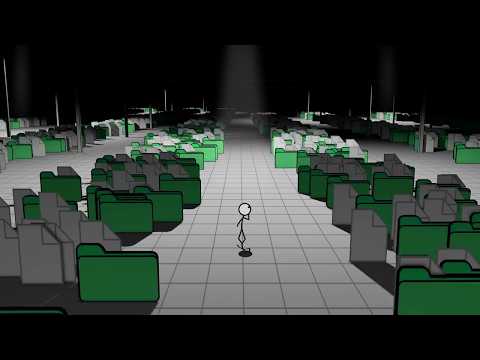
Solving an Office Mystery
Review Summary
- Subject + may/might + base verb
- Subject + must + base verb
- Subject + can't + base verb
Erros comuns
In English, we do not use 'must not' for logical deductions. We use 'can't' to say something is logically impossible.
Modal verbs like 'might' never take an 's' in the third person singular.
Adverbs of probability like 'probably' usually go after the first auxiliary verb or before the main verb.
Regras neste capítulo (5)
Next Steps
You've unlocked a new level of English! Being able to speculate and deduce makes your conversations much more interesting. Keep practicing those 'must be' moments!
Look out the window and make 5 'must be' and 5 'might be' observations about people you see.
Prática rápida (10)
It is ___ to rain.
frontend.learn_grammar.from_rule: Probability: Likely, Unlikely, Bound To, Definitely, Probably
The lights are off and the door is locked. She ___ asleep.
frontend.learn_grammar.from_rule: Suposição Lógica com 'Must' (Epistêmico)
Find and fix the mistake:
They mustn't be home. Their car isn't in the driveway.
frontend.learn_grammar.from_rule: Impossibilidade Lógica (Não pode ser!)
Find and fix the mistake:
If you don't save, you might as well run out of money.
frontend.learn_grammar.from_rule: Potenciador de Probabilidade: May Well & Might Well
She's always late, so she ___ miss the bus.
frontend.learn_grammar.from_rule: Potenciador de Probabilidade: May Well & Might Well
He's only 16, so he ___ a licensed driver yet.
frontend.learn_grammar.from_rule: Impossibilidade Lógica (Não pode ser!)
Choose the correct sentence:
frontend.learn_grammar.from_rule: Suposição Lógica com 'Must' (Epistêmico)
Find and fix the mistake:
He must not be hungry; he just ate a huge burger.
frontend.learn_grammar.from_rule: Suposição Lógica com 'Must' (Epistêmico)
Choose the correct sentence:
May not é corretamente seguido pela forma base do verbo (understand). Outras opções têm formas verbais incorretas.frontend.learn_grammar.from_rule: Possibilidade em Inglês: May e Might
Choose the correct sentence:
frontend.learn_grammar.from_rule: Potenciador de Probabilidade: May Well & Might Well
Score: /10
Perguntas comuns (6)
é possível ou provável, mas não totalmente certo. Eles deixam você especular ou adivinhar sem se comprometer com uma afirmação definitiva, tipo: It may rain later(Pode chover mais tarde) ou
She might be busy(Ela pode estar ocupada).
intercambiáveis. Embora might possa às vezes sugerir uma probabilidade um pouco menor, a diferença é quase imperceptível e não é algo que os falantes nativos se preocupem na fala do dia a dia.must be true' porque é a única conclusão lógica. Pense que seu amigo está com os olhos vermelhos e inchados, você pensa: She must have been crying.
The lights are off, so he must be asleep.
It may well rain later.
She might well call later.