aksai em 30 segundos
- Aksai is a geographic term from Turkic languages meaning 'White Valley' or 'White Ravine.'
- It refers to regions in Central Asia, including parts of Kazakhstan and Gansu, China.
- Historically, it served as a vital corridor for the Silk Road and nomadic migrations.
- The name describes the region's characteristic white rocky soil and dry riverbeds.
The term Aksai is a fascinating toponym deeply rooted in the linguistic and geographical tapestry of Central Asia. Derived from Turkic languages, specifically Kazakh and Kyrgyz, the name is a compound of 'Ak' (meaning white) and 'Sai' (meaning a dry riverbed, a rocky valley, or a gully). Therefore, the literal translation of Aksai is 'White Valley' or 'White Ravine.' This descriptive name is ubiquitous across the Eurasian steppe, appearing in various locations from the high plateaus of the Tian Shan mountains to the rugged landscapes of the Gansu province in China. When people use the word Aksai, they are typically referring to a specific administrative region, such as the Aksai Kazakh Autonomous County, or a historical geographic corridor that has served as a vital artery for trade and migration for millennia. The 'whiteness' in the name often refers to the presence of salt crusts, limestone deposits, or the shimmering appearance of dry, sun-bleached river stones that characterize these arid yet majestic landscapes.
- Geographical Context
- Aksai often identifies regions near the Dzungarian Gate, a historically significant mountain pass that connects Central Asia to the East.
The nomadic tribes moved their herds through the aksai during the early spring thaw to reach the higher pastures.
In contemporary usage, the word is most frequently encountered in the context of international relations, history, and geography. For instance, scholars discussing the Silk Road frequently mention the Aksai region as a critical node where different cultures, languages, and goods intersected. The term carries a sense of vastness and historical weight, evoking images of camel caravans navigating through narrow mountain passes and expansive, windswept plains. It is not a word used in casual daily conversation unless one is discussing regional travel or specific historical events. However, for those living in or studying Central Asia, it is a foundational term that defines the identity of the land itself. The use of the word often implies an appreciation for the rugged beauty and the strategic importance of the Eurasian heartland.
- Cultural Significance
- The Aksai region is home to diverse ethnic groups, primarily the Kazakh people, whose traditions and folklore are inextricably linked to the geography of the 'White Valley.'
Archaeologists discovered ancient petroglyphs in the aksai that date back to the Bronze Age.
Furthermore, the term Aksai is often associated with the 'Dzungarian Gate,' a pass that has been described as the only gateway in the great mountain wall that stretches from the Caspian Sea to the Pacific Ocean. This makes the Aksai region a site of immense geopolitical interest. Historically, it was the path taken by the Mongol hordes and later became a point of contention during the 'Great Game' between the British and Russian Empires. Today, it remains relevant as part of modern infrastructure projects like the 'Belt and Road Initiative,' where the ancient paths of the Aksai are being transformed into high-speed rail corridors and modern highways. Understanding the word Aksai is therefore not just a linguistic exercise but a gateway into understanding the deep history and future potential of the Eurasian continent.
Modern pipelines now traverse the aksai, carrying energy resources across the continent.
- Linguistic Root
- The word comes from the Turkic 'Ak' (white) and 'Say' (riverbed), reflecting the geology of the region.
The unique flora of the aksai has adapted to the high-altitude, arid conditions of the valley.
Using the word Aksai correctly requires an understanding of its role as a proper noun referring to a specific geographical or administrative entity. Because it is a place name, it is almost always capitalized in formal writing. However, in a broader linguistic sense, it can be used to describe the type of landscape it represents—a white, dry valley. When constructing sentences, it is important to provide enough context so the reader understands whether you are referring to the historical region, the modern administrative county, or the physical landform itself. For example, when writing about history, you might say, 'The Silk Road caravans often sought refuge in the sheltered basins of the Aksai.' Here, the word functions as a geographical marker that situates the action within a specific, well-known historical corridor.
- Formal Usage
- In academic papers, use 'Aksai' to denote the specific region or the ethnic autonomous county in Gansu.
The administrative center of Aksai serves as a hub for the local Kazakh community.
In descriptive or travel writing, the word can be used to evoke a sense of place and atmosphere. You might describe the 'stark, sun-drenched slopes of the Aksai' or the 'bitter winter winds that howl through the Aksai pass.' In these instances, the word acts as a powerful evocative tool, grounding the narrative in the specific physical realities of the Central Asian landscape. It is also common to see the word used in compound forms or as a modifier, such as 'the Aksai region' or 'Aksai history.' When used this way, it provides a specific focus to the general noun it modifies. For instance, 'Aksai folklore' refers specifically to the stories and traditions of the people living in that 'White Valley' region, distinguishing it from the folklore of other Central Asian areas.
- Descriptive Usage
- Use the word to describe the physical characteristics of the dry, rocky valleys common in the region.
Travelers were struck by the ethereal beauty of the aksai at sunset.
Furthermore, in geopolitical discussions, 'Aksai' might be used to discuss border security or regional development. A sentence like, 'The development of new infrastructure in the Aksai is a priority for regional stability,' demonstrates how the word is used in a modern, policy-oriented context. It is important to avoid using the word too broadly; it is not a synonym for 'valley' in general English, but a specific term for a specific type of valley in a specific part of the world. Using it correctly shows a high level of geographical and cultural literacy. When speaking, the emphasis is usually on the first syllable (AK-sai), and the 'ai' sound at the end is similar to the word 'sigh.' Mastering the pronunciation and the contextual nuances of the word allows for precise and sophisticated communication about one of the world's most historically significant regions.
The Aksai remains a vital corridor for migratory birds traveling across Asia.
- Scientific Usage
- Geologists use the term to describe specific sediment patterns found in the 'White Valleys' of Central Asia.
Sediment samples from the aksai revealed evidence of ancient river flows.
The word Aksai is most commonly heard in specialized contexts rather than in everyday English conversation. If you are a student of history, geography, or international relations, you will likely encounter this word in lectures and textbooks. It is a staple of Silk Road studies, where it is discussed as a crucial geographic bottleneck. In documentaries produced by organizations like National Geographic or the BBC that focus on the landscapes of Central Asia, the narrator might describe the 'vast, unforgiving expanses of the Aksai.' In these media, the word is used to transport the audience to a remote and exotic location, emphasizing the ruggedness and historical depth of the region. It is also a word you would hear frequently if you were traveling through Kazakhstan, Kyrgyzstan, or western China, as it appears on road signs, maps, and in the names of local businesses and administrative districts.
- Academic Settings
- In university seminars on Eurasian history, 'Aksai' is used to discuss the migration patterns of nomadic empires.
The professor highlighted the aksai as a key strategic point during the Dzungar–Qing Wars.
In the realm of international news, the word occasionally surfaces in reports concerning border disputes or regional infrastructure projects. For example, news coverage of the 'New Silk Road' often mentions the Aksai region as a site for new rail links or energy pipelines. In these contexts, the word is used with a sense of modern strategic importance. You might also hear the word in the context of mountaineering or extreme travel. Adventurers who seek to explore the less-traveled paths of the Tian Shan mountains often speak of the Aksai as a challenging and rewarding destination. In their blogs and social media posts, the word is synonymous with adventure, isolation, and natural beauty. For these individuals, the Aksai is not just a place on a map but a symbol of the wild, untamed frontier that still exists in the heart of Asia.
- Travel and Tourism
- Travel guides for Central Asia often feature the Aksai as a destination for trekking and experiencing nomadic culture.
The travel vlog showcased the stunning limestone cliffs of the aksai.
Furthermore, the word is significant in the field of ethnography. Researchers studying the Kazakh diaspora or the traditional lifestyles of nomadic herders will use 'Aksai' to refer to specific cultural landscapes. In this context, the word is used to describe the relationship between a people and their environment. You might hear an ethnographer talk about the 'Aksai pastures' or the 'seasonal migrations through the Aksai.' Here, the word is imbued with cultural meaning, representing a way of life that has persisted for centuries despite the pressures of modernization. Finally, in the world of literature, especially in works by Central Asian authors or historical novelists, the Aksai is often used as a setting that evokes a sense of timelessness and epic scale. In these stories, the word is more than just a name; it is a character in itself, shaping the lives and destinies of those who dwell within its white valleys.
In the novel, the protagonist dreams of returning to the ancestral lands of the aksai.
- Geopolitical Reports
- Think tanks often publish reports on the 'Aksai Corridor' regarding regional energy security.
The report analyzed the economic impact of the new railway through the aksai.
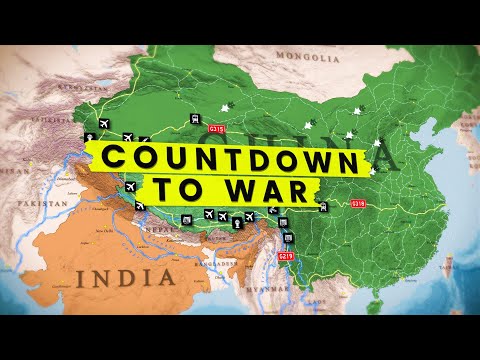
One of the most frequent mistakes people make when encountering the word Aksai is confusing it with 'Aksai Chin.' While the two names share the same Turkic root—'Aksai' meaning 'White Valley'—they refer to different geographic locations. Aksai Chin is a high-altitude desert region located at the junction of Tibet and Xinjiang, and it is a major point of territorial dispute between India and China. In contrast, 'Aksai' (without the 'Chin') usually refers to regions further north, such as the Aksai Kazakh Autonomous County in Gansu or various locations in Kazakhstan. Confusing these two can lead to significant misunderstandings in historical or geopolitical discussions. It is essential to check the context to ensure you are referring to the correct 'White Valley.' Another common error is treating 'Aksai' as a common noun rather than a proper noun. In English, it should almost always be capitalized when referring to the specific region.
- Geographic Confusion
- Mistake: Using 'Aksai' to refer to the disputed border region between India and China (that is 'Aksai Chin').
Incorrect: The soldiers patrolled the aksai near the Indian border. (Correct: Aksai Chin).
Pronunciation is another area where mistakes are common. English speakers might be tempted to pronounce it as 'AK-say' (rhyming with 'day') or 'ak-SIGH' with the emphasis on the second syllable. The more accurate pronunciation, following its Turkic origins, is 'AK-sigh,' with the emphasis on the first syllable and the second syllable sounding like the English word 'sigh.' Mispronouncing the word can sometimes make it difficult for locals or experts to understand which region you are discussing. Additionally, because the word is a transliteration from Kazakh or Chinese, its spelling can sometimes vary in older texts (e.g., 'Ak-sai' or 'Aqsay'). While 'Aksai' is the most common modern English spelling, being aware of these variations is important for anyone doing deep research into the region's history.
- Spelling Variations
- Mistake: Thinking 'Aqsay' and 'Aksai' are different places. They are just different transliterations of the same name.
The map labeled the region as Aqsay, which is the same as Aksai.
Finally, a subtle mistake is over-generalizing the meaning of the word. While 'Ak' and 'Sai' do mean 'white' and 'valley,' the word 'Aksai' has become a specific name for specific places. You wouldn't call a white valley in the Swiss Alps an 'aksai.' It is a term deeply tied to the Turkic-speaking world and the geography of Central Asia. Using it outside of this cultural and geographic context would be linguistically inappropriate. Furthermore, some people mistakenly believe that the 'white' in Aksai refers to snow. While these regions can be snowy, the 'white' more often refers to the color of the soil, rocks, or salt deposits. Understanding these nuances prevents the common pitfall of literal over-interpretation. By being mindful of these common errors, you can use the word 'Aksai' with the precision and cultural sensitivity it deserves.
The geologist explained that the aksai's white color comes from calcium carbonate, not snow.
- Grammatical Number
- Mistake: Using 'Aksais' as a plural. Since it is a proper name, it is typically used in the singular.
The diverse landscapes of the Aksai region are home to many rare species.
When looking for similar words or alternatives to Aksai, it is important to distinguish between words that describe the same type of landscape and words that refer to the same geographic area. Since 'Aksai' literally means 'White Valley,' common nouns like 'valley,' 'ravine,' 'gully,' or 'canyon' are the closest general alternatives. However, none of these capture the specific 'white' or 'dry' connotations of the original Turkic term. In a Central Asian context, the word 'wadi' (though Arabic in origin) is sometimes used to describe a similar dry riverbed that only flows during the rainy season. Another related term is 'steppe,' which describes the vast, semi-arid grasslands that often surround the Aksai valleys. While a steppe is flat and an Aksai is a valley, they are part of the same ecological and cultural complex.
- Comparison: Aksai vs. Wadi
- An Aksai is specifically a 'white' valley in Central Asia, while a Wadi is a dry riverbed in Arabic-speaking regions.
While the Sahara has its wadis, the Central Asian steppe has its aksai.
If you are looking for alternatives that refer to the same geographic region, you might use terms like 'the Dzungarian corridor,' 'the Ili valley,' or 'the Gansu panhandle,' depending on which specific part of the Aksai you are referring to. These terms are more descriptive of the broader geography and are often used in academic or technical writing. For instance, 'the Dzungarian Gate' is a more specific term for the mountain pass that is the most famous feature of the Aksai region. In historical texts, you might encounter the term 'Tartary' or 'Chinese Turkestan,' which were older, more Eurocentric names for the vast region that includes the Aksai. While these terms are now considered dated or even offensive in some contexts, they appear frequently in 19th-century literature and travelogues.
- Comparison: Aksai vs. Gorge
- A gorge is typically narrow and steep-walled, whereas an Aksai can be a broad, expansive valley with white, rocky soil.
The wide aksai provided a much easier route for the army than the narrow mountain gorges.
In terms of register, 'Aksai' is a very specific, high-level term. If you are speaking to someone who is not familiar with Central Asian geography, it is often better to use a more general term like 'mountain valley' or 'historical region' and then explain the specific name. However, in the company of historians, geographers, or regional experts, using the word 'Aksai' is preferred as it demonstrates precision. Another alternative in a poetic or literary context might be 'the white gateway' or 'the chalky ravine,' which translates the literal meaning of the word into English. This can be effective in creative writing to convey the visual quality of the landscape without using a foreign term. Ultimately, the choice between 'Aksai' and its alternatives depends on your audience and the level of detail you wish to provide. By understanding the synonyms and related terms, you can more effectively communicate the unique characteristics of this remarkable part of the world.
The explorers marveled at the aksai, a vast white gateway into the unknown heart of the continent.
- Comparison: Aksai vs. Basin
- A basin is a large, low-lying area, while an Aksai is specifically the valley or riverbed within that landscape.
The river system drains into the aksai, creating a fertile oasis in the middle of the arid basin.
How Formal Is It?
Curiosidade
There are dozens of places named 'Aksai' across Central Asia and Russia, much like there are many places named 'Springfield' in the United States. Each one refers to a local 'White Valley.'
Guia de pronúncia
- Pronouncing it as 'AK-say' (rhyming with 'day').
- Putting the stress on the second syllable: ak-SAI.
- Pronouncing the 'k' as a 'q' sound (though 'Aqsay' is a variant spelling, the English 'k' is standard).
- Confusing it with 'Aksai Chin' and adding the 'Chin' suffix unnecessarily.
- Treating it as a common noun and not capitalizing it.
Nível de dificuldade
The word itself is simple, but it appears in complex historical and geographical texts.
Requires knowledge of proper noun capitalization and correct contextual usage.
Pronunciation is straightforward once the 'sigh' sound is mastered.
Can be confused with 'Aksai Chin' or other similar-sounding place names.
O que aprender depois
Pré-requisitos
Aprenda a seguir
Avançado
Gramática essencial
Capitalization of Proper Nouns
Always capitalize 'Aksai' as it refers to a specific place.
Use of Articles with Place Names
Use 'the' when 'Aksai' modifies a noun (e.g., the Aksai region), but not when used alone (e.g., Aksai is large).
Possessive Form of Proper Nouns
Add 's to show possession: 'Aksai's history is fascinating.'
Compound Proper Adjectives
Use a hyphen in compounds like 'Aksai-Kazakh' when modifying a noun.
Prepositions of Place
Use 'in' for the region (in Aksai) and 'through' for the corridor (through the Aksai).
Exemplos por nível
Aksai is a place in Asia.
Aksai est un endroit en Asie.
Proper noun, used as a subject.
The name Aksai means White Valley.
Le nom Aksai signifie Vallée Blanche.
Aksai is the subject of the sentence.
Aksai is very big.
Aksai est très grand.
Adjective 'big' describes the noun 'Aksai'.
I see Aksai on the map.
Je vois Aksai sur la carte.
Aksai is the direct object.
People live in Aksai.
Des gens vivent à Aksai.
Prepositional phrase 'in Aksai'.
Aksai has many mountains.
Aksai a beaucoup de montagnes.
Verb 'has' shows possession/characteristic.
Is Aksai in China?
Est-ce qu'Aksai est en Chine ?
Interrogative sentence structure.
Aksai is a beautiful name.
Aksai est un beau nom.
Aksai as a proper noun.
The Aksai region is famous for its history.
La région d'Aksai est célèbre pour son histoire.
Aksai used as a modifier for 'region'.
Many Kazakh people live in the Aksai county.
Beaucoup de Kazakhs vivent dans le comté d'Aksai.
Aksai as a proper adjective for 'county'.
Travelers went through Aksai to trade silk.
Les voyageurs passaient par Aksai pour commercer de la soie.
Preposition 'through' indicates movement.
The ground in Aksai looks white because of the rocks.
Le sol à Aksai semble blanc à cause des rochers.
Prepositional phrase 'in Aksai'.
We are learning about Aksai in our geography class.
Nous apprenons des choses sur Aksai dans notre cours de géographie.
Present continuous tense.
Aksai is located near the mountains.
Aksai est situé près des montagnes.
Passive voice 'is located'.
You can see the stars clearly in Aksai.
On peut voir les étoiles clairement à Aksai.
Modal verb 'can' for possibility.
The weather in Aksai can be very cold.
Le temps à Aksai peut être très froid.
Aksai as the object of a preposition.
The Aksai region served as a vital corridor for the Silk Road.
La région d'Aksai a servi de corridor vital pour la Route de la Soie.
Past simple tense.
The name Aksai is derived from Turkic words meaning 'white' and 'valley'.
Le nom Aksai est dérivé de mots turcs signifiant 'blanc' et 'vallée'.
Passive voice 'is derived from'.
Aksai Kazakh Autonomous County is located in Gansu Province.
Le comté autonome kazakh d'Aksai est situé dans la province du Gansu.
Full proper name used as a subject.
Historically, Aksai was a strategic point for nomadic tribes.
Historiquement, Aksai était un point stratégique pour les tribus nomades.
Adverb 'Historically' modifies the sentence.
The Dzungarian Gate is a famous pass within the Aksai area.
La Porte de Dzoungarie est un col célèbre dans la zone d'Aksai.
Prepositional phrase 'within the Aksai area'.
Many tourists visit Aksai to experience the local culture.
De nombreux touristes visitent Aksai pour découvrir la culture locale.
Infinitive 'to experience' shows purpose.
The landscape of Aksai is characterized by dry riverbeds and rocky hills.
Le paysage d'Aksai est caractérisé par des lits de rivières asséchés et des collines rocheuses.
Passive voice 'is characterized by'.
Researchers are studying the ancient petroglyphs found in Aksai.
Les chercheurs étudient les anciens pétroglyphes trouvés à Aksai.
Past participle 'found' as an adjective.
The strategic importance of the Aksai corridor facilitated trade between empires.
L'importance stratégique du corridor d'Aksai a facilité le commerce entre les empires.
Complex subject phrase.
Aksai's unique geography made it a natural gateway for migration.
La géographie unique d'Aksai en a fait une porte naturelle pour les migrations.
Possessive form 'Aksai's'.
The administrative reforms in Aksai have improved local infrastructure.
Les réformes administratives à Aksai ont amélioré les infrastructures locales.
Present perfect tense.
It is essential to distinguish Aksai from the disputed Aksai Chin region.
Il est essentiel de distinguer Aksai de la région contestée d'Aksai Chin.
Infinitive phrase as a subject complement.
The folklore of Aksai reflects the nomadic heritage of its inhabitants.
Le folklore d'Aksai reflète l'héritage nomade de ses habitants.
Subject-verb agreement.
Environmental conservation in Aksai is crucial for protecting rare species.
La conservation de l'environnement à Aksai est cruciale pour protéger les espèces rares.
Gerund phrase 'Environmental conservation'.
The Aksai region has witnessed numerous historical conflicts over the centuries.
La région d'Aksai a été le témoin de nombreux conflits historiques au fil des siècles.
Present perfect tense with 'witnessed'.
Scholars debate the exact boundaries of the historical Aksai territory.
Les chercheurs débattent des frontières exactes du territoire historique d'Aksai.
Direct object 'the exact boundaries'.
The geomorphology of the Aksai is defined by its characteristic white limestone deposits.
La géomorphologie de l'Aksai est définie par ses dépôts caractéristiques de calcaire blanc.
Specialized vocabulary 'geomorphology'.
Aksai's role as a geopolitical bottleneck has influenced regional power dynamics for millennia.
Le rôle d'Aksai en tant que goulot d'étranglement géopolitique a influencé la dynamique du pouvoir régional pendant des millénaires.
Appositive phrase 'as a geopolitical bottleneck'.
The integration of Aksai into modern trade networks is a key component of the Belt and Road Initiative.
L'intégration d'Aksai dans les réseaux commerciaux modernes est un élément clé de l'Initiative Ceinture et Route.
Complex noun phrase as a subject.
Ethnographic studies in Aksai provide insights into the resilience of nomadic traditions.
Les études ethnographiques à Aksai donnent un aperçu de la résilience des traditions nomades.
Plural subject 'studies'.
The stark beauty of the Aksai has long been a source of inspiration for Central Asian poets.
La beauté austère de l'Aksai est depuis longtemps une source d'inspiration pour les poètes d'Asie centrale.
Present perfect passive 'has long been'.
The historical narratives of Aksai are inextricably linked to the Dzungar–Qing conflicts.
Les récits historiques d'Aksai sont inextricablement liés aux conflits Dzoungar-Qing.
Adverb 'inextricably' modifying the verb 'linked'.
Navigating the Aksai pass required immense skill and knowledge of the local terrain.
Naviguer dans le col d'Aksai exigeait une compétence immense et une connaissance du terrain local.
Gerund 'Navigating' as the subject.
The preservation of the Aksai's unique ecosystem is a matter of international concern.
La préservation de l'écosystème unique de l'Aksai est une question de préoccupation internationale.
Possessive 'Aksai's' with a definite article.
The Aksai serves as a quintessential example of a geographic corridor that has shaped the course of Eurasian history.
L'Aksai sert d'exemple quintessentiel d'un corridor géographique qui a façonné le cours de l'histoire eurasienne.
Relative clause 'that has shaped...'.
Aksai's toponymy reveals the deep-seated linguistic influence of Turkic nomadic cultures on the region.
La toponymie d'Aksai révèle l'influence linguistique profonde des cultures nomades turques sur la région.
Specialized term 'toponymy'.
The liminality of the Aksai region, situated between vast empires, fostered a unique cultural synthesis.
La liminalité de la région d'Aksai, située entre de vastes empires, a favorisé une synthèse culturelle unique.
Abstract noun 'liminality'.
Geopolitical analysts often scrutinize the Aksai corridor for its potential as a strategic energy artery.
Les analystes géopolitiques examinent souvent le corridor d'Aksai pour son potentiel en tant qu'artère énergétique stratégique.
Verb 'scrutinize' for detailed examination.
The historical continuity of settlement in the Aksai is evidenced by layers of archaeological findings.
La continuité historique du peuplement à Aksai est mise en évidence par des couches de découvertes archéologiques.
Passive voice 'is evidenced by'.
The Aksai's arid climate and rugged terrain have historically necessitated a nomadic or semi-nomadic lifestyle.
Le climat aride et le terrain accidenté de l'Aksai ont historiquement nécessité un mode de vie nomade ou semi-nomade.
Present perfect 'have... necessitated'.
Contemporary discourse on Aksai often revolves around the balance between economic development and cultural preservation.
Le discours contemporain sur Aksai tourne souvent autour de l'équilibre entre le développement économique et la préservation culturelle.
Phrasal verb 'revolves around'.
The Aksai's significance in the Dzungarian Gate cannot be overstated, as it remains a pivotal link in transcontinental logistics.
L'importance de l'Aksai dans la Porte de Dzoungarie ne peut être surestimée, car il reste un lien pivot dans la logistique transcontinentale.
Conjunction 'as' introducing a reason.
Colocações comuns
Frases Comuns
— In the central part of the Aksai region.
The village is located in the heart of Aksai.
— Moving from one side of the region to the other.
The caravan traveled across the Aksai for three days.
— A point of entry into the region, often a mountain pass.
The Dzungarian Gate is the gateway of Aksai.
— The cultural and historical legacy of the region.
We must preserve the Aksai heritage for future generations.
— The physical appearance and features of the region.
The Aksai landscape is unlike any other in the world.
— Far into the remote parts of the region.
They found ancient ruins deep in the Aksai.
— The essential character or feeling of the place.
The music captures the true spirit of Aksai.
— The customs and practices of the people in the region.
Aksai traditions are still practiced today.
— The strong winds characteristic of the high-altitude valleys.
The winds of Aksai can be very powerful.
— A descriptive phrase for the region's geology.
Aksai's white stones shimmer in the sunlight.
Frequentemente confundido com
A disputed region between India and China, much further south than the general Aksai regions.
A specific glacier in Kyrgyzstan, often referred to simply as Ak-Sai.
A variant spelling of Aksai, often used in different transliteration systems.
Expressões idiomáticas
— Used to describe something extremely large or expansive.
His knowledge of history is as vast as the Aksai.
Literary— Metaphorically refers to a clear or pure journey.
She followed the white path of Aksai in her studies.
Poetic— Refers to the mountains that surround the valley.
The peak stood like Aksai's silent guardian.
Literary— To overcome a significant geographical or personal hurdle.
He finally crossed his Aksai and finished the project.
Metaphorical— Refers to the long history and many people who have passed through.
The city is built on the dust of Aksai.
Poetic— Refers to the rugged, resilient nature of the land and people.
The explorer had a heart of white stone, like the Aksai itself.
Literary— Refers to the freezing winds of the region.
Aksai's winter breath chilled them to the bone.
Descriptive— Refers to the sound of the wind or local folk music.
They listened to the song of the Aksai in the quiet night.
Poetic— A common saying highlighting the region's importance.
As they say, 'White valley, deep history.'
Informal— Refers to the lasting impact of historical events in the region.
The echo of the Aksai can still be felt in modern politics.
MetaphoricalFácil de confundir
They share the same first word and Turkic root.
Aksai refers to regions in Kazakhstan and Gansu, while Aksai Chin is a high-altitude desert in the Himalayas. Aksai Chin is a major geopolitical flashpoint, whereas Aksai is generally an administrative or historical term.
The border dispute involves Aksai Chin, not the Aksai county in Gansu.
Both are names of regions in Central Asia starting with 'A'.
Altai refers to a major mountain range where Russia, China, Kazakhstan, and Mongolia meet. Aksai is a specific 'White Valley' region, often within or near the Altai or Tian Shan ranges.
The Altai mountains tower over the Aksai valleys.
Similar spelling.
Akai is a Japanese consumer electronics brand. Aksai is a geographic region in Central Asia.
He bought an Akai stereo, but he wants to travel to Aksai.
Similar sound.
Asai (or Acai) is a type of berry from South America. Aksai is a region in Asia.
She ate an acai bowl while reading about Aksai.
Rhyming sound.
Sakai is a city in Japan. Aksai is a region in Central Asia.
Sakai is in Japan, but Aksai is in Kazakhstan.
Padrões de frases
Aksai is [Adjective].
Aksai is big.
The [Noun] in Aksai is [Adjective].
The ground in Aksai is white.
Aksai is known for its [Noun].
Aksai is known for its historical trade routes.
The [Noun] of Aksai played a [Adjective] role in [Noun].
The geography of Aksai played a strategic role in Silk Road trade.
Aksai's [Noun] is inextricably linked to [Noun].
Aksai's history is inextricably linked to the nomadic tribes of the steppe.
The [Noun] of the Aksai serves as a [Noun] for [Noun].
The topography of the Aksai serves as a quintessential example of a geographic corridor.
Many people [Verb] through Aksai to [Verb].
Many people traveled through Aksai to trade goods.
Despite its [Adjective] [Noun], Aksai remains [Adjective].
Despite its harsh climate, Aksai remains a culturally rich region.
Família de palavras
Substantivos
Adjetivos
Relacionado
Como usar
Low in general English; High in specialized regional studies.
-
Confusing Aksai with Aksai Chin.
→
Aksai (Kazakhstan/Gansu) vs. Aksai Chin (Himalayan border).
Aksai Chin is a specific disputed territory, while Aksai is a more general and widespread place name.
-
Pronouncing it 'AK-say'.
→
AK-sigh.
The 'ai' in Aksai is a diphthong that sounds like the 'i' in 'light' or the word 'sigh'.
-
Not capitalizing the word.
→
Aksai.
As a proper noun (place name), it must always be capitalized in English.
-
Thinking 'white' refers to snow.
→
White refers to rocks/soil.
While it can snow, the 'Ak' usually describes the limestone or salt deposits in the valley.
-
Using it as a common noun for any valley.
→
Use 'valley' or 'ravine' for general places.
Aksai is a specific name for specific places in the Turkic-speaking world.
Dicas
Be Specific
When using 'Aksai,' always specify the country or region (e.g., Aksai in Kazakhstan) to avoid confusion, as the name is very common.
Remember the Color
The 'Ak' in Aksai means white. This helps you visualize the landscape—think of white rocks, salt, or limestone.
Think 'Corridor'
In a historical context, think of Aksai as a 'corridor' or 'gate' that connects different parts of the world.
The 'Sigh' Sound
Always remember that the second syllable rhymes with 'sigh.' This is the most common mistake for English speakers.
Capitalize It
Since it's a place name, always use a capital 'A.' This distinguishes it from common nouns in other languages.
Silk Road Link
Associate Aksai with the Silk Road. This is the most common context you will find in English literature.
Nomadic Heritage
Link the word to the Kazakh people and their history of nomadic herding in the Central Asian steppe.
Aksai vs. Aksai Chin
Keep a mental note that 'Aksai Chin' is the disputed border area, while 'Aksai' is the broader regional name.
Related Terms
Learn 'Ak' (white) and 'Sai' (valley) separately to help you understand other Central Asian place names.
Map Check
If you see 'Aksai' on a map, look for nearby mountains or dry riverbeds to see why it was given that name.
Memorize
Mnemônico
Think of an 'AK' rifle lying in a 'SIGH-ing' (windy) valley. AK-SIGH. The valley is 'white' with snow or rocks.
Associação visual
Imagine a vast, sun-bleached valley with white limestone cliffs and a dry, rocky riverbed winding through it.
Word Web
Desafio
Try to use 'Aksai' in a sentence about the Silk Road, a sentence about geography, and a sentence about nomadic culture.
Origem da palavra
The word 'Aksai' originates from the Turkic language family, specifically Kazakh and Kyrgyz. It is a compound of two words: 'Ak,' meaning white, and 'Sai,' meaning a dry riverbed, a rocky valley, or a gully. This naming convention is common in Central Asia, where geographic features are described by their physical appearance.
Significado original: White Valley or White Ravine.
Turkic (Altaic)Contexto cultural
Be careful to distinguish 'Aksai' from 'Aksai Chin' to avoid political confusion regarding border disputes.
In the English-speaking world, Aksai is primarily known through historical and geographical studies of the Silk Road and Central Asia.
Pratique na vida real
Contextos reais
History Class
- The Silk Road through Aksai
- Nomadic migrations in Aksai
- Historical significance of Aksai
- Ancient trade in Aksai
Geography Lesson
- Topography of the Aksai
- The Aksai riverbed
- Climate of the Aksai region
- Mapping the Aksai
Travel Planning
- Visiting Aksai
- Trekking in the Aksai
- Aksai travel guide
- Best time to see Aksai
Political Discussion
- Aksai autonomous county
- Regional development in Aksai
- Aksai border security
- Infrastructure in Aksai
Cultural Studies
- Aksai Kazakh traditions
- Folklore of the Aksai
- Aksai ethnic identity
- Preserving Aksai culture
Iniciadores de conversa
"Have you ever heard of the Aksai region in Central Asia?"
"Did you know that Aksai literally means 'White Valley' in Turkic languages?"
"I was reading about the Silk Road and the importance of the Aksai corridor."
"Would you be interested in visiting a place like Aksai for its history?"
"How do you think the geography of the Aksai influenced the nomadic people there?"
Temas para diário
Imagine you are a traveler on the ancient Silk Road entering the Aksai for the first time. Describe what you see.
Why do you think place names like 'Aksai' (White Valley) are so common in Central Asia?
Reflect on the strategic importance of the Aksai region throughout history.
If you were to visit Aksai today, what would you hope to learn about the local culture?
Discuss the challenges of preserving the environment and culture in a remote region like Aksai.
Perguntas frequentes
10 perguntasAksai comes from Turkic languages, where 'Ak' means white and 'Sai' means a dry riverbed or valley. Therefore, it literally means 'White Valley.' This name describes the rocky, limestone-rich landscapes of the region.
There are several places named Aksai. The most prominent are the Aksai Kazakh Autonomous County in Gansu, China, and various districts and towns in Kazakhstan and Kyrgyzstan. It is a common toponym in Central Asia.
No, they are different. Aksai Chin is a disputed high-altitude desert region between India and China. While it shares the same name origin ('White Valley'), it is a distinct geographic and political entity located further south.
Aksai was a crucial corridor for the ancient Silk Road. Its geography, particularly the Dzungarian Gate, provided a natural pass through the mountains, facilitating trade and migration between East and West for centuries.
The region is primarily inhabited by the Kazakh people, especially in the autonomous county in China. It is also home to other Central Asian ethnic groups who have historically practiced nomadic herding.
It is pronounced 'AK-sigh.' The first syllable 'Ak' is stressed and sounds like 'back,' and the second syllable 'sai' rhymes with 'sigh.' Avoid pronouncing it like 'AK-say.'
In English, it is used as a proper noun to refer to specific regions or administrative districts. However, its components 'Ak' and 'Sai' are common words in Turkic languages.
The climate is generally arid or semi-arid, with cold winters and warm summers. Because it is often located in high-altitude or mountainous areas, the weather can be quite harsh and windy.
Yes, parts of the Aksai region in Kazakhstan and China are accessible to tourists. It is a popular destination for those interested in Silk Road history, nomadic culture, and rugged mountain landscapes.
The Dzungarian Gate is the most famous geographical landmark associated with the Aksai region. There are also numerous ancient petroglyphs and historical sites scattered throughout the 'White Valleys.'
Teste-se 200 perguntas
Describe the literal meaning of the word 'Aksai' and explain why it is an appropriate name for the region.
Well written! Good try! Check the sample answer below.
Write a short paragraph about the historical importance of the Aksai corridor in the Silk Road trade.
Well written! Good try! Check the sample answer below.
Compare and contrast the Aksai region with another geographical corridor you know.
Well written! Good try! Check the sample answer below.
Imagine you are a travel writer. Write a descriptive introduction to a story about visiting the Aksai.
Well written! Good try! Check the sample answer below.
Explain the difference between Aksai and Aksai Chin and why this distinction is important.
Well written! Good try! Check the sample answer below.
Discuss the impact of modern infrastructure projects on the traditional nomadic lifestyle in Aksai.
Well written! Good try! Check the sample answer below.
Write a dialogue between two historians discussing the strategic value of the Dzungarian Gate in Aksai.
Well written! Good try! Check the sample answer below.
How does the name of a place, like Aksai, influence our perception of its landscape?
Well written! Good try! Check the sample answer below.
Describe the cultural heritage of the Kazakh people in the Aksai region.
Well written! Good try! Check the sample answer below.
What are the environmental challenges facing the Aksai region today?
Well written! Good try! Check the sample answer below.
Write a summary of the etymology of the word 'Aksai'.
Well written! Good try! Check the sample answer below.
Describe a typical landscape in the Aksai using at least five adjectives.
Well written! Good try! Check the sample answer below.
Why was Aksai a 'bottleneck' for ancient armies?
Well written! Good try! Check the sample answer below.
Discuss the role of Aksai in modern transcontinental logistics.
Well written! Good try! Check the sample answer below.
Write a poem or short creative piece inspired by the 'White Valley'.
Well written! Good try! Check the sample answer below.
Analyze the geopolitical significance of the Aksai region in the 19th century.
Well written! Good try! Check the sample answer below.
How has the meaning of 'Aksai' evolved from a simple description to a formal place name?
Well written! Good try! Check the sample answer below.
Describe the seasonal migrations of nomads through the Aksai.
Well written! Good try! Check the sample answer below.
What role does Aksai play in the ethnic autonomy system in China?
Well written! Good try! Check the sample answer below.
Write a letter to a friend explaining why you want to visit the Aksai region.
Well written! Good try! Check the sample answer below.
Explain the meaning of 'Aksai' to a friend who has never heard of it.
Read this aloud:
Você disse:
Speech recognition is not supported in your browser. Try Chrome or Edge.
Discuss why the Aksai region was important for the Silk Road.
Read this aloud:
Você disse:
Speech recognition is not supported in your browser. Try Chrome or Edge.
Describe the physical landscape of an 'Aksai' (White Valley).
Read this aloud:
Você disse:
Speech recognition is not supported in your browser. Try Chrome or Edge.
Compare the historical role of Aksai with a modern trade route.
Read this aloud:
Você disse:
Speech recognition is not supported in your browser. Try Chrome or Edge.
Talk about the culture of the people who live in the Aksai region.
Read this aloud:
Você disse:
Speech recognition is not supported in your browser. Try Chrome or Edge.
Explain the difference between Aksai and Aksai Chin clearly.
Read this aloud:
Você disse:
Speech recognition is not supported in your browser. Try Chrome or Edge.
Discuss the challenges of traveling through a remote region like Aksai.
Read this aloud:
Você disse:
Speech recognition is not supported in your browser. Try Chrome or Edge.
Present a short talk on the etymology of Central Asian place names using Aksai as an example.
Read this aloud:
Você disse:
Speech recognition is not supported in your browser. Try Chrome or Edge.
Argue for the importance of preserving the natural environment of the Aksai.
Read this aloud:
Você disse:
Speech recognition is not supported in your browser. Try Chrome or Edge.
Describe how the geography of Aksai might have influenced ancient military strategies.
Read this aloud:
Você disse:
Speech recognition is not supported in your browser. Try Chrome or Edge.
Role-play a guide explaining the history of the Dzungarian Gate to tourists.
Read this aloud:
Você disse:
Speech recognition is not supported in your browser. Try Chrome or Edge.
Discuss the impact of the Belt and Road Initiative on the Aksai region.
Read this aloud:
Você disse:
Speech recognition is not supported in your browser. Try Chrome or Edge.
Tell a short story or legend set in the 'White Valley'.
Read this aloud:
Você disse:
Speech recognition is not supported in your browser. Try Chrome or Edge.
Explain why the name 'White Valley' is a good description of the region.
Read this aloud:
Você disse:
Speech recognition is not supported in your browser. Try Chrome or Edge.
Discuss the significance of petroglyphs found in the Aksai.
Read this aloud:
Você disse:
Speech recognition is not supported in your browser. Try Chrome or Edge.
Describe the climate and how it affects life in the Aksai.
Read this aloud:
Você disse:
Speech recognition is not supported in your browser. Try Chrome or Edge.
Talk about the importance of the Aksai as a cultural crossroads.
Read this aloud:
Você disse:
Speech recognition is not supported in your browser. Try Chrome or Edge.
Explain the Turkic roots 'Ak' and 'Sai' and give other examples if possible.
Read this aloud:
Você disse:
Speech recognition is not supported in your browser. Try Chrome or Edge.
Discuss the future of the Aksai region in a globalized world.
Read this aloud:
Você disse:
Speech recognition is not supported in your browser. Try Chrome or Edge.
Describe your impressions of the Aksai landscape based on what you've learned.
Read this aloud:
Você disse:
Speech recognition is not supported in your browser. Try Chrome or Edge.
Listen to the description of the Silk Road and identify when 'Aksai' is mentioned.
Identify the meaning of 'Ak' and 'Sai' from a short audio clip.
Listen to a news report about Gansu and note the mention of Aksai County.
Distinguish between 'Aksai' and 'Aksai Chin' in a recorded lecture.
Listen for geographical terms like 'pass,' 'valley,' and 'corridor' in a talk about Aksai.
Identify the correct pronunciation of Aksai among several options.
Listen to a story about a nomad in Aksai and answer questions about the plot.
Note the strategic importance of the Dzungarian Gate in an audio documentary snippet.
Listen for the reasons why the soil in Aksai is white.
Identify the tone of a poem being read about the 'White Valley'.
Listen to a discussion on regional development and identify the role of Aksai.
Identify the ethnic group mentioned in an audio clip about Aksai traditions.
Listen for the mention of 'limestone' and 'salt' in a geological talk about Aksai.
Note the historical dates mentioned in a lecture about the Aksai corridor.
Listen to a travel vlog and list the activities the traveler does in Aksai.
/ 200 correct
Perfect score!
Summary
Aksai is a proper noun for a 'White Valley' in Central Asia, historically significant as a Silk Road corridor and culturally important to the Kazakh people. Example: 'The caravan traveled through the Aksai to reach the market.'
- Aksai is a geographic term from Turkic languages meaning 'White Valley' or 'White Ravine.'
- It refers to regions in Central Asia, including parts of Kazakhstan and Gansu, China.
- Historically, it served as a vital corridor for the Silk Road and nomadic migrations.
- The name describes the region's characteristic white rocky soil and dry riverbeds.
Be Specific
When using 'Aksai,' always specify the country or region (e.g., Aksai in Kazakhstan) to avoid confusion, as the name is very common.
Remember the Color
The 'Ak' in Aksai means white. This helps you visualize the landscape—think of white rocks, salt, or limestone.
Think 'Corridor'
In a historical context, think of Aksai as a 'corridor' or 'gate' that connects different parts of the world.
The 'Sigh' Sound
Always remember that the second syllable rhymes with 'sigh.' This is the most common mistake for English speakers.