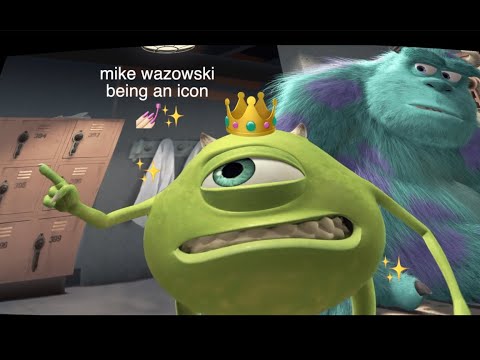
genius em 30 segundos
- A genius is an individual with extraordinary mental or creative power that far exceeds normal levels of intelligence or talent.
- The word can also describe the quality of being brilliant or a specific, natural aptitude for a particular task or field.
- Commonly used in both formal academic settings and informal daily conversation, sometimes with a touch of sarcasm or hyperbole.
- Grammatically, it functions as both a countable noun for people and an uncountable noun for the quality of brilliance.
The word genius is a powerful noun that describes a level of human capability that transcends the ordinary. In its most common modern usage, it refers to a person who displays exceptional intellectual ability, creative productivity, or originality, typically to a degree that is associated with the achievement of new advances in a domain of knowledge. However, the word is not limited to just the person; it also describes the innate quality or the specific nature of that talent itself. When we speak of the 'genius of the Renaissance,' we are referring to the collective spirit and extraordinary creative output of that era. Understanding this word requires looking beyond mere 'smartness.' A smart person knows the answers, but a genius often asks the questions that no one else thought to ask. It is about a fundamental shift in perspective that allows for groundbreaking insights.
- Intellectual Genius
- This refers to individuals like Albert Einstein or Isaac Newton, whose cognitive abilities allowed them to understand complex physical laws that govern our universe. Their genius was characterized by an ability to synthesize vast amounts of data into elegant, simple theories.
The young girl showed a stroke of genius when she used a simple magnet to retrieve the keys from the narrow drain.
In social contexts, the word is often used hyperbolically. You might hear someone say, 'You're a genius!' simply because a friend figured out how to fix a minor technical glitch or suggested a great place for dinner. While this is common in informal English, learners should distinguish between this 'casual genius' and the 'historical genius' that changes the world. The word carries a weight of prestige and often implies a certain level of mystery—as if the talent is so great it cannot be fully explained by hard work alone. Historically, the term comes from the Latin 'genius,' which was a guardian spirit assigned to a person at birth. This suggests that genius was once seen as something external that visited a person, rather than a trait they owned. Today, we view it as internal, but that sense of 'magic' or 'divine inspiration' still lingers in how we describe brilliant artists and scientists.
- Creative Genius
- This applies to artists, musicians, and writers like Mozart or Picasso. It describes the ability to produce works that are not only technically proficient but also emotionally resonant and structurally innovative in ways that redefine their medium.
The genius of the design lies in its absolute simplicity and ease of use.
Furthermore, the word can describe a particular aptitude. One might have a 'genius for' something, such as a 'genius for friendship' or a 'genius for organization.' This usage highlights a natural, effortless skill in a specific area of life. It suggests that the person performs these tasks with a level of grace and effectiveness that others find difficult to replicate. In professional settings, identifying the 'genius' of a project or a strategy means finding the core idea that makes the whole thing work. It is the 'secret sauce' or the 'eureka' moment that provides the solution to a complex problem. Whether used to describe a person, a quality, or a specific talent, 'genius' remains one of the highest compliments in the English language, signifying a peak of human potential.
- The 'Evil' Genius
- In literature and film, this trope refers to a character who uses their immense intelligence for destructive or selfish purposes. It shows that genius is a neutral tool that can be applied to both good and bad ends.
The architect's genius was evident in the way the building integrated with the natural landscape.
It doesn't take a genius to see that the current plan is going to fail.
The marketing campaign was a work of pure genius, increasing sales by forty percent in a single month.
Using the word genius correctly involves understanding its grammatical flexibility as both a countable and uncountable noun. When you are referring to a specific individual who possesses this extraordinary trait, you use it as a countable noun. For example, 'She is a genius' or 'The world has seen many geniuses.' In this form, it functions like any other job title or descriptive noun. However, when you are discussing the abstract quality of being exceptionally brilliant, it becomes an uncountable (mass) noun. For instance, 'The genius of his work lies in its subtlety.' Here, you are not talking about the person, but the essence of their talent. This distinction is crucial for advanced learners who want to sound natural in their speech and writing.
- As a Countable Noun (Person)
- 'We need a technical genius to fix this coding error.' In this sentence, 'genius' refers to a person with a specific skill set. It can be preceded by articles like 'a' or 'the' and can be made plural.
The company is looking to hire a creative genius to lead their new advertising department.
Another common way to use 'genius' is in the phrase 'a genius for [something].' This construction describes a natural aptitude or a knack for a particular activity. It doesn't always have to be academic. You could say, 'He has a genius for making people feel at ease,' or 'She has a genius for finding the best deals.' This adds a layer of sophistication to your descriptions of people's talents. It moves beyond saying someone is 'good at' something and suggests that their skill is innate and remarkable. In academic writing, you might see 'genius' used to describe the prevailing spirit of a place or time, often phrased as 'the genius loci' (the spirit of a place) or 'the genius of the age.' These are more specialized uses but show the depth of the word's application.
- As an Uncountable Noun (Quality)
- 'The sheer genius of the invention was not recognized until years later.' Here, 'genius' refers to the brilliance inherent in the invention itself, not a person.
His genius was often overshadowed by his difficult personality and erratic behavior.
In negative constructions, 'genius' is often used sarcastically or to point out the obvious. The phrase 'It doesn't take a genius to...' is a very common idiom used to suggest that something is very easy to understand or figure out. For example, 'It doesn't take a genius to see that if you don't water the plants, they will die.' This idiomatic use is very common in spoken English and is a great way for B1-B2 learners to sound more like native speakers. Additionally, when describing a person's work, you might use the word 'near-genius' to indicate something that is exceptionally high quality but perhaps just short of the absolute peak of human achievement. This nuanced use of modifiers helps in providing more precise evaluations of work or talent.
- The 'Genius For' Pattern
- 'My grandmother had a genius for storytelling; she could turn a trip to the grocery store into an epic adventure.'
Some people believe that genius is one percent inspiration and ninety-nine percent perspiration.
The genius of the system is that it automates the most tedious parts of the job.
While he was a genius in the laboratory, he struggled with simple social interactions.
The word genius is ubiquitous in modern culture, appearing in everything from high-brow academic journals to low-brow reality television. In the tech world, you'll hear it frequently. Apple, for example, famously branded their technical support staff as 'Geniuses' and their service desk as the 'Genius Bar.' This was a clever marketing move that elevated the status of a repair technician to that of an expert or intellectual. In this context, 'genius' is synonymous with 'expert' or 'specialist.' You will also hear it in the world of sports, where commentators might describe a player's 'tactical genius' or a 'stroke of genius' in a game-winning play. In these instances, the word highlights the mental aspect of the sport—the ability to read the game and make split-second decisions that others cannot.
- In Technology and Business
- 'I need to take my laptop to the Genius Bar because the screen won't turn on.' This usage is very specific to Apple products but has influenced how we think about tech support.
The CEO was hailed as a marketing genius after the company's stock price tripled.
In the arts and entertainment industry, 'genius' is a label that is both sought after and criticized. Film critics might call a director a 'cinematic genius,' while music reviewers might debate whether a new artist is a 'true genius' or just a 'one-hit wonder.' The word is often used in the titles of documentaries and biographies (e.g., 'Genius: Picasso' or 'The Genius of Charles Darwin'). This highlights our cultural obsession with individual brilliance and the 'Great Man' theory of history. In casual conversation, the word is frequently used as an exclamation of approval. If you come up with a clever solution to a problem, a friend might say, 'That's genius!' or 'You're a genius!' In this sense, it's a synonym for 'very clever' or 'really smart,' and the tone is usually lighthearted and enthusiastic.
- In Academic and Historical Contexts
- 'The genius of the Enlightenment was its focus on reason and empirical evidence.' Here, it refers to the defining spirit or character of a movement.
The documentary explores the mathematical genius of Alan Turing and his role in cracking the Enigma code.
You will also encounter 'genius' in the context of awards and recognition. The MacArthur Fellowship is colloquially known as the 'Genius Grant.' It is awarded to individuals who show 'extraordinary originality and dedication in their creative pursuits.' This reinforces the idea that genius is something that can be identified and supported by society. In psychology and education, the term is sometimes used more technically to refer to individuals with an IQ score above a certain threshold (usually 140 or 145), although many modern psychologists argue that IQ is too narrow a measure to capture the full scope of genius. Regardless of the field, hearing the word 'genius' usually signals that something—or someone—is being held up as an example of the very best that humanity has to offer.
- In Sports Commentary
- 'That pass was a moment of pure genius; no other player on the field would have even seen that opening.'
It was a stroke of genius to move the event indoors before the storm hit.
The genius of the comedian lies in his ability to find humor in the most mundane aspects of daily life.
She's a genius when it comes to negotiating complex business deals.
One of the most frequent mistakes learners make with genius is confusing it with the adjective 'ingenious.' While they are related, they serve different grammatical functions. 'Genius' is primarily a noun (a person or a quality), whereas 'ingenious' is an adjective used to describe a thing, a plan, or a solution that is clever and original. For example, you would say 'He is a genius' (noun) but 'That is an ingenious solution' (adjective). Using 'genius' as an adjective (e.g., 'a genius idea') is very common in informal speech, but in a formal essay or a professional report, it is better to use 'ingenious' or 'brilliant.' This distinction shows a higher level of mastery over English vocabulary and register.
- Genius vs. Ingenious
- Mistake: 'He came up with a genius plan.' (Informal/Common)
Better: 'He came up with an ingenious plan.' (Formal/Correct Adjective)
The genius of the plan was its simplicity, but the plan itself was described as ingenious.
Another common error involves the plural form. Most people use 'geniuses' when referring to multiple brilliant people. However, in very specific, often older or more academic contexts, you might see the plural 'genii.' 'Genii' is the Latin plural and is usually reserved for the original meaning of 'guardian spirits.' If you are talking about smart people in the 21st century, always use 'geniuses.' Using 'genii' to describe a group of scientists would sound archaic and potentially confusing. Additionally, learners often struggle with the preposition that follows 'genius.' The correct preposition is almost always 'for' when describing a specific talent (e.g., 'a genius for math'), not 'in' or 'at.' While 'at' is used for 'good at,' 'genius' requires 'for' to sound idiomatic.
- The Sarcasm Trap
- Learners sometimes miss the sarcastic use of 'genius.' If someone says 'Oh, genius!' after you drop your phone in the toilet, they are not complimenting your intelligence. Pay close attention to tone of voice.
Many people mistakenly believe that genius is purely innate, ignoring the years of practice required to master a craft.
Finally, there is the issue of overusing the word. In English, 'genius' is a very high-intensity word. If you call every person who is slightly above average a 'genius,' the word loses its power. This is especially true in professional evaluations. Calling a colleague a 'genius' for completing a standard report on time might sound insincere or even mocking. Reserve the word for truly exceptional, transformative, or highly original contributions. Similarly, avoid using 'genius' when you simply mean 'smart' or 'intelligent.' Genius implies a level of creativity and originality that 'smart' does not. A 'smart' student gets an A on the test; a 'genius' student might find a flaw in the test's logic or propose a new way to solve the problems entirely.
- Confusion with 'Genuineness'
- Because they sound slightly similar, some learners confuse 'genius' with 'genuine' (real/authentic). They are completely unrelated. 'Genius' is about ability; 'genuineness' is about authenticity.
It is a common mistake to think that genius excuses poor behavior or a lack of social responsibility.
Don't be a genius who knows everything but understands nothing.
The genius of the artist was his ability to capture light in a way that felt almost tangible.
While genius is a fantastic word, using it repeatedly can make your writing feel repetitive. Depending on the context, there are several alternatives that might be more precise. If you are talking about a young person with exceptional talent, 'prodigy' is the perfect word. A 'prodigy' is specifically a child or young person who performs at an adult level in a particular field, like a 'piano prodigy.' If you want to describe someone who is highly skilled but perhaps not at the level of a world-changing genius, 'expert,' 'master,' or 'virtuoso' (for music/arts) are excellent choices. These words focus more on the high level of skill and practice rather than an innate, mysterious brilliance.
- Genius vs. Prodigy
- A 'genius' can be any age and implies a deep, original insight. A 'prodigy' is specifically a child who shows adult-level skills early on. Many prodigies become geniuses, but not all.
While Mozart was a child prodigy, his adult works proved he was a true musical genius.
For describing an idea or a solution, 'brilliant' and 'ingenious' are the most common adjectives. 'Brilliant' is very versatile and can describe anything from a student to a lightbulb to a plan. 'Ingenious' is more specific to clever inventions or complex problem-solving. If you are looking for a more formal or academic term, 'intellectual' or 'polymath' might fit. A 'polymath' is a person of wide-ranging knowledge or learning—someone like Leonardo da Vinci, who was a genius in many different fields. Using 'polymath' instead of 'genius' can add a layer of historical and academic depth to your description. In a more casual setting, you might use 'brainiac' (often slightly derogatory or playful) or 'whiz' (e.g., 'a computer whiz').
- Genius vs. Intellectual
- An 'intellectual' is someone who enjoys mental activity and deep thinking. A 'genius' has the actual capacity for extraordinary achievement. You can be an intellectual without being a genius.
The genius of the new software is its ability to learn from the user's behavior.
When discussing the 'spirit' or 'essence' of something, words like 'core,' 'heart,' or 'quintessence' can sometimes replace 'genius.' For example, instead of 'the genius of the design,' you could say 'the quintessence of the design.' This is much more formal and literary. If you are describing a person's natural talent, 'gift' or 'flair' are good alternatives. 'She has a gift for languages' is a very natural way to say she is exceptionally good at them. 'Flair' suggests a certain style or elegance in the talent (e.g., 'a flair for fashion'). By expanding your vocabulary to include these synonyms, you can tailor your language to the specific nuance of the situation, making your English sound more sophisticated and precise.
- Genius vs. Expert
- An 'expert' has acquired vast knowledge through study and experience. A 'genius' often has an intuitive grasp of a subject that goes beyond what can be taught.
He was no genius, but his hard work and persistence made him one of the top surgeons in the country.
The genius of the movie was how it managed to be both a comedy and a tragedy at the same time.
They called him a genius, but he always insisted that he was just more curious than other people.
How Formal Is It?
Curiosidade
In ancient Rome, people would offer sacrifices to their 'genius' on their birthdays to ensure good luck for the coming year.
Guia de pronúncia
- Pronouncing it as 'gen-yus' with two syllables instead of three (though common in US).
- Confusing the 'g' sound with a 'j' sound (it is a soft 'g').
- Misplacing the stress on the second syllable.
- Pronouncing the 'i' as a long 'eye' sound.
- Dropping the final 's' sound.
Nível de dificuldade
The word itself is easy, but its use in abstract or historical contexts can be challenging.
Using it correctly as both a countable and uncountable noun requires practice.
Very common in spoken English, especially in casual compliments.
Need to be able to distinguish between sincere and sarcastic tones.
O que aprender depois
Pré-requisitos
Aprenda a seguir
Avançado
Gramática essencial
Nouns used as adjectives
He had a 'genius' idea. (Informal)
Prepositional phrases with 'for'
A genius 'for' languages.
Countable vs. Uncountable nouns
He is 'a' genius (Countable) vs. His 'genius' (Uncountable).
Compound nouns
She is a 'math genius'.
Idiomatic expressions
It 'doesn't take a genius' to...
Exemplos por nível
Albert Einstein was a genius.
Albert Einstein was a very smart person.
Noun: 'a' + genius.
My brother is a math genius.
My brother is very good at math.
Compound noun: 'math' + 'genius'.
You are a genius! Thank you.
You are very smart! Thank you.
Used as a compliment.
Is he a genius?
Is he very smart?
Question form.
The little girl is a genius.
The small girl is very smart.
Subject + is + a + genius.
She is not a genius, but she is smart.
She is not a genius, but she is clever.
Negative form.
We need a genius to help us.
We need a very smart person to help us.
Verb 'need' + object 'a genius'.
That was a genius idea.
That was a very smart idea.
Informal use of 'genius' as an adjective.
It was a stroke of genius to bring an umbrella.
It was a very smart idea to bring an umbrella.
Idiom: 'a stroke of genius'.
He has a genius for fixing cars.
He is naturally very good at fixing cars.
Pattern: 'a genius for' + -ing verb.
The movie was a work of genius.
The movie was very, very good and clever.
Phrase: 'a work of genius'.
They are all geniuses in this class.
Everyone in this class is very smart.
Plural form: 'geniuses'.
She is a creative genius.
She is very smart and creative.
Adjective 'creative' + noun 'genius'.
That computer programmer is a real genius.
That programmer is truly very smart.
Emphasis with 'real'.
It doesn't take a genius to see the problem.
The problem is very easy to see.
Common idiom: 'It doesn't take a genius to...'.
The genius of the game is its simple rules.
The best part of the game is the simple rules.
Uncountable noun referring to a quality.
The genius of the design lies in its portability.
The brilliance of the design is that it is easy to carry.
Uncountable noun as the subject.
She has a genius for organization that I really envy.
She is naturally amazing at organizing things.
Noun 'genius' + preposition 'for'.
Many people consider Steve Jobs a marketing genius.
Many people think Steve Jobs was amazing at marketing.
Object complement: 'consider [someone] [noun]'.
The young prodigy was hailed as a musical genius.
The talented child was called a musical genius.
Passive voice: 'was hailed as'.
His genius was recognized only after his death.
People only realized how smart he was after he died.
Possessive 'His' + 'genius'.
It was a pure stroke of genius to use recycled materials.
It was a completely brilliant idea to use recycled things.
Emphasis with 'pure'.
The evil genius planned to take over the world.
The very smart but bad person had a plan for the world.
Common trope: 'evil genius'.
The genius of the book is how it explains complex ideas simply.
The best thing about the book is its simple explanations.
Relative clause: 'how it explains...'.
The architect's genius is evident in every detail of the building.
You can see the architect's brilliance in every part of the building.
Possessive 'architect's' + 'genius'.
He was a man of genius, but he lacked the discipline to succeed.
He was very brilliant, but he didn't work hard enough.
Phrase: 'a man of genius'.
The company's success is due to the collective genius of its employees.
The company is successful because all the workers are smart together.
Adjective 'collective' + 'genius'.
She possesses a rare genius for diplomatic negotiation.
She has a very special and rare talent for making deals between countries.
Verb 'possesses' + 'genius'.
The film captures the tortured genius of the famous painter.
The movie shows the brilliant but sad life of the painter.
Adjective 'tortured' + 'genius'.
It doesn't take a genius to realize that the economy is struggling.
Anyone can see that the economy is not doing well.
Idiomatic usage in a formal context.
His genius lay in his ability to anticipate market trends.
His brilliance was in knowing what people would want to buy in the future.
Verb 'lay in' + 'ability'.
The software is a work of technical genius.
The software is a masterpiece of technical skill.
Adjective 'technical' + 'genius'.
The genius of the Enlightenment was its unwavering commitment to reason.
The defining spirit of that time was its focus on logic.
Abstract noun referring to a historical period.
The author's narrative genius keeps the reader engaged until the very last page.
The writer's brilliant way of telling stories is very exciting.
Compound noun: 'narrative genius'.
Critics debated whether the director's latest film was a stroke of genius or a self-indulgent mess.
Critics argued if the movie was brilliant or just bad and selfish.
Coordinating conjunction 'or' used for contrast.
The genius loci of the ancient ruins was palpable to all who visited.
The special feeling or spirit of the old ruins was very strong.
Latin phrase 'genius loci' used in English.
Her genius for improvisation made her the star of the jazz club.
Her natural talent for making up music as she played made her famous.
Noun 'genius' + 'for' + 'improvisation'.
The scientist's genius was matched only by his profound humility.
The scientist was as humble as he was brilliant.
Passive voice: 'was matched by'.
The sheer genius of the plan was that it required no additional funding.
The most brilliant part of the plan was that it cost no extra money.
Emphasis with 'sheer'.
The exhibition explores the creative genius of women throughout history.
The show looks at the brilliant work of women in the past.
Collective use of 'creative genius'.
The philosophical treatise delves into the nature of genius and its relationship to madness.
The deep book looks at what genius is and if it's related to being crazy.
Noun 'genius' used as an abstract concept.
The composer's later works exhibit a level of contrapuntal genius that remains unsurpassed.
The musician's later songs show a brilliant way of mixing melodies that is still the best.
Technical adjective 'contrapuntal' + 'genius'.
In Roman mythology, the genius was the individual instance of a divine nature that is present in every person.
In old Roman stories, the genius was a bit of god inside everyone.
Historical/Mythological definition.
The political strategist's genius lay in his ability to manipulate public perception through subtle rhetoric.
The politician's brilliance was in how he changed what people thought using words.
Complex sentence structure with multiple clauses.
The mathematical genius of the algorithm allows it to process billions of data points in milliseconds.
The brilliant math in the computer program makes it very fast.
Noun 'genius' used to describe a non-human system.
To call him a genius would be an understatement; he is a once-in-a-generation visionary.
Calling him a genius is not enough; he is even better than that.
Subjunctive mood 'would be' + 'understatement'.
The genius of the legal argument was its reliance on a forgotten 18th-century precedent.
The brilliant part of the lawyer's talk was using an old, forgotten law.
Possessive 'argument's' + 'genius'.
The poet's genius was his ability to find the universal in the particular.
The writer's brilliance was showing how one small thing is like everything else.
Abstract philosophical usage.
Colocações comuns
Frases Comuns
— A natural talent or aptitude for a specific activity.
She has a genius for making people feel comfortable.
— Used to say that something is very obvious or easy to understand.
It doesn't take a genius to see that the car is out of gas.
— A masterpiece or something exceptionally well-made.
The symphony is truly a work of genius.
— Almost at the level of a genius.
His ability to predict the weather is bordering on genius.
— A person who possesses extraordinary intellectual power.
He was a man of genius who changed the course of history.
— The specific quality that makes something brilliant.
The genius of the iPhone was its user-friendly interface.
He is a recognized genius in the field of astrophysics.
— A brilliant person whose ideas are not appreciated by others.
Many artists die as misunderstood geniuses.
— A very young person with exceptional intelligence.
The child genius started university at the age of twelve.
Frequentemente confundido com
Genius is a noun (person/quality); ingenious is an adjective (clever/original).
Genius is about talent; genuine is about being real or authentic.
Genius is about intelligence; genial is about being friendly and cheerful.
Expressões idiomáticas
— A sudden, very clever idea or action.
Moving the party indoors was a stroke of genius.
neutral— Something is very easy to figure out.
It doesn't take a genius to know that fire is hot.
informal— Success comes more from hard work than from natural talent.
He always reminded his students that genius is 1% inspiration and 99% perspiration.
neutral— A brilliant person who uses their mind for bad things.
The hacker was an evil genius who stole millions.
neutral— The protective spirit of a place; the unique atmosphere of a location.
The genius loci of the old library inspired many writers.
formal— A natural ability to get into difficult situations.
That kid has a real genius for trouble.
informal— Not very smart; average intelligence.
He's no genius, but he's a very hard worker.
informal— The defining spirit or most brilliant person of a specific time period.
Newton was often called the genius of the age.
formal— Exceptional ability to create original art or ideas.
The ad campaign was the work of a creative genius.
neutral— A brilliant person who is also eccentric or mentally unstable.
The scientist was a bit of a mad genius.
informalFácil de confundir
They sound similar and share the same root.
Genius is a person or the quality itself. Ingenious is an adjective describing a thing or idea.
The genius inventor came up with an ingenious solution.
Both refer to exceptional talent.
A prodigy is specifically a young person. A genius can be any age.
The child prodigy grew up to be a world-famous genius.
Both involve high intelligence.
An intellectual is someone who values and engages in mental activity. A genius has extraordinary innate ability.
The intellectual enjoyed reading books, but the genius wrote them.
Both describe high-level skill.
Virtuoso is usually limited to the arts, especially music. Genius is broader.
The violin virtuoso was also a mathematical genius.
Both involve clever planning.
Mastermind implies someone who directs a specific, often complex, operation.
He was the mastermind behind the genius marketing campaign.
Padrões de frases
[Name] is a genius.
Einstein is a genius.
It was a stroke of genius to [verb].
It was a stroke of genius to bring snacks.
[Name] has a genius for [noun/gerund].
She has a genius for making people laugh.
The genius of [thing] lies in [quality].
The genius of the plan lies in its simplicity.
[Name] is widely regarded as a [adjective] genius.
He is widely regarded as a cinematic genius.
The [adjective] genius of [thing] is palpable.
The inherent genius of the symphony is palpable.
It doesn't take a genius to [verb].
It doesn't take a genius to see the truth.
He was a man of genius, yet [contrast].
He was a man of genius, yet he lived in poverty.
Família de palavras
Substantivos
Adjetivos
Relacionado
Como usar
Common in both spoken and written English.
-
He is a genius in math.
→
He is a genius for math. / He is a math genius.
The preposition 'for' is more idiomatic when describing a specific talent.
-
That was a genius plan.
→
That was an ingenious plan.
In formal writing, 'ingenious' should be used as the adjective to describe a plan or thing.
-
They are many genii in the world.
→
They are many geniuses in the world.
'Genii' is for spirits; 'geniuses' is for people.
-
I am genius.
→
I am a genius.
When referring to yourself or another person, 'genius' is a countable noun and needs an article.
-
Her genuine was obvious.
→
Her genius was obvious.
'Genuine' is an adjective meaning real; 'genius' is the noun for brilliance.
Dicas
Countable vs. Uncountable
Remember that 'a genius' is a person, but 'genius' is a quality. 'She is a genius' vs. 'Her genius is clear.'
Genius vs. Ingenious
Use 'genius' for the person and 'ingenious' for the idea. This is a common mistake even for advanced learners.
Using Sarcasm
Be careful with 'genius' in casual settings. If your tone is wrong, it can sound like you are making fun of someone.
Avoid Overuse
Don't call everything 'genius.' Save it for things that are truly exceptional to keep the word powerful.
The 'For' Preposition
Always use 'for' when talking about a specific talent: 'a genius for music,' not 'a genius in music.'
The 'Genius Bar'
If you are at an Apple store, the 'Geniuses' are the people who fix your devices. It's a specific brand name.
Latin Roots
Knowing that 'genius' meant a 'spirit' helps you understand phrases like 'the genius of the place.'
Stroke of Genius
This is a great phrase to use in business or academic writing to describe a brilliant move.
First Syllable Stress
Always stress the first part: GEN-ius. If you stress the second part, it will be hard to understand.
Prodigy for Kids
If you are talking about a very smart child, 'prodigy' is often a more precise word than 'genius.'
Memorize
Mnemônico
Think of a 'Genie' in a bottle. A 'Genie' has magical powers, and a 'Genius' has magical brain powers.
Associação visual
Imagine a lightbulb glowing very brightly inside a person's head, illuminating everything around them.
Word Web
Desafio
Try to use the word 'genius' in three different ways today: once for a person, once for an idea, and once sarcastically.
Origem da palavra
The word 'genius' comes from the Latin 'genius,' which originally meant a 'guardian spirit' or 'attendant spirit' that was believed to be assigned to every person at birth. This spirit was thought to govern their fortune and character throughout their life. Over time, the meaning shifted from an external spirit to an internal quality of the person.
Significado original: Guardian spirit; innate nature.
Indo-European (Latin)Contexto cultural
Be careful when using 'genius' to describe people with neurodivergent traits; while often meant as a compliment, it can sometimes feel like a stereotype.
In the US and UK, 'genius' is often used very casually in conversation, which can sometimes diminish its formal meaning.
Pratique na vida real
Contextos reais
Education
- gifted student
- academic genius
- IQ score
- learning potential
Technology
- tech genius
- coding whiz
- innovative design
- Genius Bar
Art & Music
- creative genius
- musical prodigy
- masterpiece
- artistic vision
Business
- marketing genius
- strategic mastermind
- entrepreneurial spirit
- market trend
Daily Life
- stroke of genius
- you're a genius
- doesn't take a genius
- clever solution
Iniciadores de conversa
"Do you believe that genius is something you are born with, or can it be developed?"
"Who is one person from history that you would definitely call a genius?"
"If you could have a 'genius' for any one thing, what would it be?"
"Do you think the word 'genius' is overused in today's world?"
"Have you ever had a 'stroke of genius' that solved a difficult problem?"
Temas para diário
Write about a time you felt like a genius, even if it was for something small.
Discuss the difference between being 'smart' and being a 'genius' in your own words.
If you were a 'marketing genius,' how would you sell a product that nobody wants?
Describe the 'genius' of your favorite book, movie, or piece of art.
Reflect on the idea of the 'tortured genius.' Do you think great talent always comes with a price?
Perguntas frequentes
10 perguntasYes, in informal English, people often say 'That's a genius idea.' However, in formal writing, you should use 'ingenious' or 'brilliant' instead.
The most common plural is 'geniuses.' The Latin plural 'genii' is rare and usually refers to guardian spirits in mythology.
Usually, yes. However, it can be used sarcastically to mean the opposite (e.g., 'Nice move, genius' after someone makes a mistake).
'Smart' usually means someone learns quickly or knows a lot. 'Genius' implies a much higher, extraordinary level of original and creative power.
Use the pattern 'a genius for [something].' For example: 'She has a genius for solving puzzles.'
Metaphorically, yes. People might talk about the 'genius' of an algorithm or a computer system, but the word is primarily used for humans.
It's both! It's countable when referring to a person ('a genius') and uncountable when referring to the quality ('his genius').
It comes from the Latin word for a 'guardian spirit' that was thought to be born with every person.
It's an idiom that means a sudden, very clever idea or action that solves a problem perfectly.
Yes, it is generally introduced at the B1 level as learners begin to describe people's qualities and talents in more detail.
Teste-se 190 perguntas
Write a sentence about a famous genius you admire.
Well written! Good try! Check the sample answer below.
Describe a 'stroke of genius' you once had.
Well written! Good try! Check the sample answer below.
Compare a 'genius' and a 'prodigy' in two sentences.
Well written! Good try! Check the sample answer below.
Write a short story about an 'evil genius'.
Well written! Good try! Check the sample answer below.
Explain the 'genius' of your favorite invention.
Well written! Good try! Check the sample answer below.
Use 'genius' sarcastically in a dialogue.
Well written! Good try! Check the sample answer below.
Write a formal sentence using 'ingenious'.
Well written! Good try! Check the sample answer below.
Describe someone who has a 'genius for' something unusual.
Well written! Good try! Check the sample answer below.
Discuss if genius is born or made.
Well written! Good try! Check the sample answer below.
Write a review of a 'work of genius' you've seen.
Well written! Good try! Check the sample answer below.
Use the phrase 'it doesn't take a genius' in a sentence.
Well written! Good try! Check the sample answer below.
Describe the 'genius loci' of your hometown.
Well written! Good try! Check the sample answer below.
Write a sentence using 'genius' as an uncountable noun.
Well written! Good try! Check the sample answer below.
Explain why Steve Jobs is called a marketing genius.
Well written! Good try! Check the sample answer below.
Write a dialogue between two 'geniuses'.
Well written! Good try! Check the sample answer below.
What would you do if you were a mathematical genius?
Well written! Good try! Check the sample answer below.
Describe a 'creative genius' in the world of art.
Well written! Good try! Check the sample answer below.
Write a sentence about a 'misunderstood genius'.
Well written! Good try! Check the sample answer below.
How does 'genius' differ from 'hard work'?
Well written! Good try! Check the sample answer below.
Write a sentence using 'near-genius'.
Well written! Good try! Check the sample answer below.
Tell a story about a genius you know.
Read this aloud:
Você disse:
Speech recognition is not supported in your browser. Try Chrome or Edge.
Explain why you think someone is a genius.
Read this aloud:
Você disse:
Speech recognition is not supported in your browser. Try Chrome or Edge.
Discuss the pros and cons of being a genius.
Read this aloud:
Você disse:
Speech recognition is not supported in your browser. Try Chrome or Edge.
Roleplay a scene at the Apple 'Genius Bar'.
Read this aloud:
Você disse:
Speech recognition is not supported in your browser. Try Chrome or Edge.
Give a short presentation on a famous genius.
Read this aloud:
Você disse:
Speech recognition is not supported in your browser. Try Chrome or Edge.
Debate: Is genius innate or learned?
Read this aloud:
Você disse:
Speech recognition is not supported in your browser. Try Chrome or Edge.
Describe a 'stroke of genius' you've witnessed.
Read this aloud:
Você disse:
Speech recognition is not supported in your browser. Try Chrome or Edge.
Use 'genius' in a sarcastic way in a sentence.
Read this aloud:
Você disse:
Speech recognition is not supported in your browser. Try Chrome or Edge.
Talk about a 'genius for' something you have.
Read this aloud:
Você disse:
Speech recognition is not supported in your browser. Try Chrome or Edge.
Explain the meaning of 'it doesn't take a genius'.
Read this aloud:
Você disse:
Speech recognition is not supported in your browser. Try Chrome or Edge.
Discuss the 'evil genius' trope in movies.
Read this aloud:
Você disse:
Speech recognition is not supported in your browser. Try Chrome or Edge.
Describe a 'work of genius' you love.
Read this aloud:
Você disse:
Speech recognition is not supported in your browser. Try Chrome or Edge.
How would you define genius to a child?
Read this aloud:
Você disse:
Speech recognition is not supported in your browser. Try Chrome or Edge.
Talk about the 'genius of the design' of a product.
Read this aloud:
Você disse:
Speech recognition is not supported in your browser. Try Chrome or Edge.
Discuss the 'genius loci' of a place you've visited.
Read this aloud:
Você disse:
Speech recognition is not supported in your browser. Try Chrome or Edge.
What is a 'child genius' and have you met one?
Read this aloud:
Você disse:
Speech recognition is not supported in your browser. Try Chrome or Edge.
Explain the difference between 'genius' and 'ingenious'.
Read this aloud:
Você disse:
Speech recognition is not supported in your browser. Try Chrome or Edge.
Talk about a 'marketing genius' you admire.
Read this aloud:
Você disse:
Speech recognition is not supported in your browser. Try Chrome or Edge.
Discuss the 'collective genius' of a team.
Read this aloud:
Você disse:
Speech recognition is not supported in your browser. Try Chrome or Edge.
Use 'sheer genius' in a sentence about a meal.
Read this aloud:
Você disse:
Speech recognition is not supported in your browser. Try Chrome or Edge.
Listen to the sentence and write down the word 'genius'.
Is the speaker being sincere or sarcastic?
What specific talent does the 'genius' have?
Identify the phrase 'stroke of genius' in the audio.
What does the speaker say about Einstein?
How many times is the word 'genius' used?
What is the 'genius of the plan' according to the speaker?
Listen for the preposition used after 'genius'.
Identify the synonym for 'genius' used in the talk.
What is the speaker's opinion of the 'Genius Bar'?
Listen to the pronunciation and repeat the word.
Does the speaker say 'genius' or 'ingenious'?
What is the 'genius loci' described in the audio?
Identify the 'evil genius' in the story segment.
What does 'it doesn't take a genius' refer to here?
/ 190 correct
Perfect score!
Summary
The word 'genius' represents the pinnacle of human intellectual and creative achievement. Whether referring to a person like Einstein or a 'stroke of genius' in a simple idea, it signifies a level of originality and insight that transforms our understanding of the world.
- A genius is an individual with extraordinary mental or creative power that far exceeds normal levels of intelligence or talent.
- The word can also describe the quality of being brilliant or a specific, natural aptitude for a particular task or field.
- Commonly used in both formal academic settings and informal daily conversation, sometimes with a touch of sarcasm or hyperbole.
- Grammatically, it functions as both a countable noun for people and an uncountable noun for the quality of brilliance.
Countable vs. Uncountable
Remember that 'a genius' is a person, but 'genius' is a quality. 'She is a genius' vs. 'Her genius is clear.'
Genius vs. Ingenious
Use 'genius' for the person and 'ingenious' for the idea. This is a common mistake even for advanced learners.
Using Sarcasm
Be careful with 'genius' in casual settings. If your tone is wrong, it can sound like you are making fun of someone.
Avoid Overuse
Don't call everything 'genius.' Save it for things that are truly exceptional to keep the word powerful.