wand em 30 segundos
- A wand is a slender rod primarily known as a magical tool for casting spells in fantasy literature and folklore.
- Beyond magic, it refers to practical handheld tools like mascara applicators, barcode scanners, and metal detector wands used in security.
- Metaphorically, the phrase 'magic wand' describes an impossibly easy or instant solution to a complex and difficult problem.
- The word originates from Old Norse and is a countable noun, often paired with verbs like wave, flick, or scan.
The word wand primarily refers to a thin, straight rod or stick, typically held in one hand. While its most common association is with the world of magic and fantasy, the term has several practical applications in modern life. Historically, the wand has been a symbol of power, authority, and supernatural influence. In ancient rituals, a wand was often a branch from a sacred tree, used to direct energy or signal a transition between the mundane and the divine. Today, when we hear the word, we often think of a wizard like Harry Potter or a fairy godmother waving a wooden stick to perform a spell. However, the definition extends to specialized tools used in various industries. For example, a makeup artist uses a mascara wand to apply pigment to eyelashes, and a security guard might use a metal detector wand to scan individuals at an airport. The essence of a wand is its slender shape and its function as an extension of the hand to perform a specific, often precise, task.
- Magical Context
- In literature and film, a wand is the primary instrument through which a magical being channels their internal power. It is rarely just a stick; it is often described as having a 'core' (like a phoenix feather or dragon heartstring) and being made of specific wood (like oak or holly) that matches the user's personality.
The magician flourished his wand, and a white rabbit appeared out of thin air.
Beyond the supernatural, the word is used metaphorically to describe a quick or effortless solution to a complex problem. If someone says they wish they had a 'magic wand' to fix the economy, they are expressing a desire for a simple, instantaneous remedy that does not actually exist. This metaphorical usage highlights the cultural perception of the wand as a tool of transformation. In technical fields, the term describes handheld electronic devices. A barcode wand is a scanner that a clerk runs over a product code. A 'wand' in a car wash is the high-pressure spray nozzle you hold to clean the vehicle. Despite these varied uses, the core image remains the same: a slender, handheld object used to interact with the world in a focused way. Whether it is casting a fireball in a video game or applying eyeliner in front of a mirror, the wand serves as a bridge between the user's intent and the final result.
- Industrial Usage
- A 'wand' can also refer to the handheld part of a vacuum cleaner or a steam cleaner, allowing the user to reach tight corners or specific spots with precision.
The security officer passed the metal detector wand over the passenger's luggage.
In the realm of music, although the conductor's stick is technically called a 'baton,' it is sometimes poetically or colloquially referred to as a wand, especially when the speaker wants to emphasize the 'magic' of the music being created. In beauty and cosmetics, the 'wand' is the applicator attached to the cap of liquid products. The design of the wand—its bristles, length, and flexibility—is often the most marketed feature of a mascara product. This demonstrates how the word has evolved from a mystical artifact to a common household term. Understanding the context is key: if you are in a library's fantasy section, 'wand' means magic; if you are at a tech conference, it likely means a scanning device; if you are at a makeup counter, it refers to an applicator. The word is versatile, evocative, and deeply embedded in both our imaginative and practical vocabularies.
- Symbolism
- The wand symbolizes the direction of will. It points toward a target, signifying that the user's focus is being projected outward to cause a change.
She used the mascara wand to carefully define her lashes before the photo shoot.
Using the word wand correctly depends heavily on whether you are speaking about fantasy, technology, or cosmetics. As a noun, it usually follows verbs of action like 'wave,' 'flick,' 'point,' or 'hold.' In a magical context, the 'wave' of a wand is often accompanied by an incantation. For example, 'With a swift wave of her wand, the fairy turned the pumpkin into a carriage.' Here, the wand is the instrument of the action. Notice how the preposition 'of' connects the action to the tool. You can also use 'with' to indicate the tool being used: 'He cast a spell with his wand.' In more modern, technical contexts, the verbs change slightly. You might 'pass' a wand over something or 'scan' with a wand. 'The technician passed the diagnostic wand over the engine to check for leaks.' In this case, the wand is a sensor.
- Common Verb Pairings
- Wave, flick, brandish, point, tap, scan, pass, apply (with mascara wand), flourish.
The wizard wand was carved from ancient rowan wood and inlaid with silver.
Adjectives often describe the material or the purpose of the wand. In fantasy, you might see 'willow wand,' 'ebony wand,' or 'magic wand.' In practical use, you see 'mascara wand,' 'barcode wand,' 'curling wand,' or 'metal-detecting wand.' When describing the physical appearance, words like 'slender,' 'tapered,' 'polished,' or 'gnarled' are common. For instance, 'The old hermit held a gnarled wooden wand that looked like a twisted root.' This helps the reader visualize the object more clearly. In metaphorical use, 'wand' is almost always preceded by 'magic.' The phrase 'to wave a magic wand' is a common idiom meaning to solve a problem instantly and easily. 'You can't just wave a magic wand and make all your debts disappear,' implies that effort and time are required, as opposed to a supernatural fix.
- Sentence Structures
- [Subject] + [Verb] + [Article] + [Adjective] + wand. Example: 'The apprentice dropped his fragile wand.'
She pulled the wand out of the mascara tube and wiped off the excess product.
In more complex sentences, 'wand' can be part of a prepositional phrase describing the manner of an action. 'With wand in hand, the sorcerer stepped into the arena.' This creates a sense of readiness. You can also use it in the passive voice, though it is less common: 'The wand was passed over the barcode by the cashier.' However, active voice is usually preferred for clarity. When discussing hair styling, a 'curling wand' is a specific tool. 'She wrapped her hair around the curling wand to create loose waves.' Here, the wand is the object around which something else moves. This variety of sentence patterns shows that while the word is simple, its application is broad. Whether you are writing a fairy tale, a technical manual, or a beauty blog, the word 'wand' provides a precise way to describe a slender, handheld tool used for a specific purpose.
- Metaphorical Use
- 'The CEO waved a magic wand and the company's culture changed overnight.' (Used sarcastically to show that such changes are actually difficult).
The conductor's wand (baton) rose, and the orchestra fell into a sudden, expectant silence.
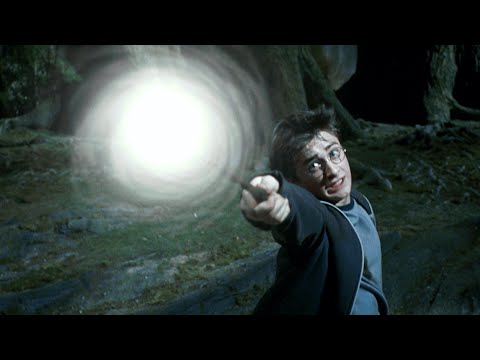
The word wand is ubiquitous in popular culture, particularly within the fantasy genre. You will hear it most frequently in movies, television shows, and audiobooks centered around magic. In the *Harry Potter* series, the 'wand' is perhaps the most important object, and characters frequently discuss wand-lore, wand-making, and the 'wand choosing the wizard.' This has solidified the word's place in the modern lexicon. If you attend a fan convention or visit a theme park like Universal Studios, you will hear people talking about 'interactive wands' that can trigger effects in the environment. This is a very specific, modern context where the word refers to a high-tech toy designed to look like a mythical object.
- In Entertainment
- Fantasy movies, RPG video games (where 'wands' are often items used by mage classes), and children's cartoons featuring fairies or magicians.
'The wand chooses the wizard, Mr. Potter,' said Ollivander in a hushed tone.
Outside of fiction, you will hear 'wand' in very practical, everyday settings. At an airport or a high-security building, a security officer might say, 'I need to use the wand on you,' referring to a handheld metal detector. This is a common experience for travelers. In the beauty industry, you will hear it in every mascara commercial or makeup tutorial on YouTube. Influencers will talk about the 'tapered wand' or the 'silicone wand' of a new mascara, focusing on how the shape of the wand affects the application of the product. Similarly, in hair salons, stylists use 'curling wands' rather than 'curling irons' to describe a specific type of tool that doesn't have a clamp. These professional uses are just as common as the magical ones, though they are more utilitarian.
- In Technology
- Barcode scanners, handheld document scanners, and light-emitting medical devices used for skin treatments.
The dental assistant used a curing light wand to harden the filling in the patient's tooth.
In political or economic discussions, you might hear the word used in a skeptical or critical way. A commentator might say, 'The government can't just wave a magic wand and fix the housing crisis.' This usage is meant to ground the conversation in reality, suggesting that there are no easy, supernatural fixes for complex societal issues. You might also hear it in the context of 'wandering' (though the words are etymologically different, they sound similar), so listen carefully to the context. In the tech world, 'wand' is sometimes used for VR controllers that are long and thin. As technology becomes more integrated into our lives, the 'wand' continues to be a favorite term for any handheld device that seems to perform a complex task with a simple movement. From the 'magic' of a remote control to the precision of a surgical laser wand, the word is everywhere.
- In Daily Life
- Self-service car washes, vacuum cleaner attachments, and even some types of remote controls for smart TVs.
The clerk used a barcode wand to quickly inventory the new shipment of books.
One of the most common mistakes learners make with the word wand is confusing it with the verb 'want.' Because they sound somewhat similar in fast speech, beginners might write 'I wand a coffee' instead of 'I want a coffee.' It is important to remember that 'wand' is almost always a noun (except in very rare technical jargon), while 'want' is a verb expressing desire. Another frequent error is using 'wand' when 'staff' or 'rod' would be more appropriate. In fantasy literature, a wand is small and held in one hand, whereas a staff is tall, often as tall as the person, and used like a walking stick. Using 'wand' to describe a six-foot-long piece of wood can make your writing feel inaccurate to fans of the genre.
- Wand vs. Staff
- A wand is short and delicate (one-handed); a staff is long and sturdy (two-handed or used for walking).
Incorrect: He leaned on his wand as he walked up the mountain. (Correct: staff)
Another mistake involves the word 'baton.' While a conductor's baton is shaped like a wand, calling it a 'wand' in a formal musical context might sound amateurish. In an orchestra, it is always a 'baton.' Similarly, a 'scepter' is a ceremonial rod held by royalty; it is usually much more ornate and heavier than a wand. Using 'wand' for a king's scepter diminishes the sense of regal authority. Learners also sometimes struggle with the plural form. The plural is simply 'wands.' Some might try to use 'wandes' or 'wanden' by mistake, but it follows the standard English rule of adding an 's.' Additionally, be careful with the pronunciation; the 'a' in 'wand' sounds like the 'o' in 'pond,' not the 'a' in 'hand.'
- Wand vs. Baton
- Use 'baton' for conductors and relay racers. Use 'wand' for magic, makeup, and scanners.
Incorrect: The relay runner passed the wand to her teammate. (Correct: baton)
Finally, there is the confusion between 'wand' and 'wander.' To 'wander' is to walk around aimlessly. While they look similar, they are unrelated. 'He was wandering with his wand' is a perfectly correct sentence, but 'He was wanding around the park' is incorrect. In technical contexts, some people might call any handheld sensor a 'wand,' but it is better to use the specific name if you know it (e.g., 'stylus' for a tablet pen). Misusing the term in a technical manual can lead to confusion. For example, a 'light wand' in photography is a specific tool, and calling a regular flashlight a 'wand' would be inaccurate. By paying attention to these distinctions, you can use the word 'wand' with the precision and flair of a native speaker.
- Wand vs. Scepter
- A scepter is a symbol of royal power; a wand is a tool for magic or specific tasks.
Incorrect: The queen held her wand during the coronation. (Correct: scepter)
While wand is a very specific term, there are several synonyms and related words that might be more appropriate depending on the context. In the world of magic, 'staff' and 'rod' are the most common alternatives. A staff is usually long and made of wood, often associated with powerful wizards like Gandalf. A 'rod' is often metallic and associated with divine or kingly power, though it can also be used for magic. In a more general sense, 'stick' or 'switch' can describe a slender piece of wood, but these lack the specialized or magical connotations of 'wand.' If you are describing a conductor, 'baton' is the precise term. If you are describing a relay race, 'baton' is also the correct word. Using 'wand' in these cases would be considered a poetic or metaphorical choice rather than a literal one.
- Wand vs. Staff
- A wand is small, portable, and used for delicate magic. A staff is large, serves as a walking aid, and represents immense power.
- Wand vs. Baton
- A baton is used for directing music or in sports. A wand is used for magic, makeup, or scanning.
- Wand vs. Rod
- A rod is typically thicker and more rigid than a wand, often made of metal or heavy wood, and used as a symbol of office.
The wizard chose a staff for the long journey, but kept his wand hidden in his sleeve for quick spells.
In technical and cosmetic contexts, 'applicator' is a common synonym for a wand. For example, 'mascara applicator' and 'mascara wand' are interchangeable. In technology, 'scanner' or 'probe' might be used instead of 'wand.' A 'stylus' is a specific type of wand used for touchscreens. When talking about a magic wand metaphorically, you might use 'silver bullet' or 'panacea' to describe a perfect solution, though these have slightly different nuances. A 'silver bullet' is a simple solution to a very difficult problem, while a 'panacea' is a cure-all. Neither captures the sense of 'magic' as directly as 'magic wand' does. Understanding these alternatives allows you to choose the word that best fits the tone and precision of your message.
- Wand vs. Scepter
- A scepter is a ceremonial object held by a monarch. A wand is a functional object used by a magician or technician.
The fairy godmother's wand sparkled, while the king's scepter remained heavy and still.
Finally, consider the word 'cane.' A cane is used for walking support, similar to a staff but usually shorter and often with a curved handle. You would never call a magic wand a 'cane' unless it was a very large, dual-purpose object. In the context of a car wash, the 'wand' is a 'sprayer' or 'nozzle.' In a vacuum cleaner, it's an 'extension tube.' By choosing the right word, you show a deeper mastery of the English language. Whether you want the mystical air of a 'wand' or the clinical precision of an 'applicator,' knowing the synonyms and their specific contexts is essential for effective communication.
How Formal Is It?
Curiosidade
In ancient times, wands were often made from hazel or elder wood, which were believed to have protective and magical properties. The association with magic is thousands of years old.
Guia de pronúncia
- Pronouncing it to rhyme with 'hand' or 'band'.
- Confusing the pronunciation with 'want' (which has a 't' sound at the end).
- Over-emphasizing the 'w' sound.
- Using a long 'a' sound like 'way-nd'.
- Failing to pronounce the 'd' clearly.
Nível de dificuldade
Easy to recognize in context due to popular culture.
Easy to spell, but avoid confusing with 'want'.
Pronunciation requires care to avoid rhyming with 'hand'.
Can be confused with 'want' or 'wander' in fast speech.
O que aprender depois
Pré-requisitos
Aprenda a seguir
Avançado
Gramática essencial
Countable Nouns
I have one wand; she has two wands.
Compound Nouns
The 'mascara wand' acts as a single unit of meaning.
Prepositional Phrases
He did it 'with a wand'.
Articles with Nouns
Use 'a' for non-specific (a wand) and 'the' for specific (the wand).
Adjective Placement
The 'slender wooden' wand (Size + Material + Noun).
Exemplos por nível
The fairy has a magic wand.
La fée a une baguette magique.
Simple noun usage with an adjective.
He waves his wand.
Il agite sa baguette.
Present simple tense.
Is this your wand?
Est-ce ta baguette ?
Interrogative sentence.
I have a new mascara wand.
J'ai une nouvelle brosse à mascara.
Compound noun usage.
The wand is made of wood.
La baguette est en bois.
Passive description.
Look at the magic wand!
Regarde la baguette magique !
Imperative sentence.
She lost her wand in the park.
Elle a perdu sa baguette dans le parc.
Past simple tense.
The magician needs a wand.
Le magicien a besoin d'une baguette.
Verb 'needs' followed by a noun.
The security guard used a metal detector wand.
Le vigile a utilisé un détecteur de métaux portable.
Using 'wand' as a technical tool.
She used a curling wand to style her hair.
Elle a utilisé un fer à boucler pour se coiffer.
Specific tool name.
The fairy godmother tapped the pumpkin with her wand.
La marraine la fée a tapoté la citrouille avec sa baguette.
Verb 'tapped' shows action.
He found a slender wand in the forest.
Il a trouvé une fine baguette dans la forêt.
Adjective 'slender' describes the noun.
Do you know how to use this barcode wand?
Sais-tu comment utiliser ce lecteur de code-barres ?
Infinitive phrase 'how to use'.
The wand glowed with a bright blue light.
La baguette brillait d'une lumière bleue éclatante.
Descriptive past tense.
She bought a set of replacement mascara wands.
Elle a acheté un ensemble de brosses à mascara de rechange.
Plural noun usage.
The magician's wand disappeared suddenly.
La baguette du magicien a disparu soudainement.
Possessive 'magician's'.
I wish I could just wave a magic wand and fix everything.
J'aimerais pouvoir simplement agiter une baguette magique et tout arranger.
Metaphorical idiom.
The technician passed the diagnostic wand over the machine.
Le technicien a passé la sonde de diagnostic sur la machine.
Technical context.
Each wand in the shop was unique and had a different core.
Chaque baguette dans la boutique était unique et avait un cœur différent.
Distributive 'each'.
She carefully cleaned the mascara wand to avoid clumps.
Elle a soigneusement nettoyé la brosse à mascara pour éviter les paquets.
Adverb 'carefully' modifies the verb.
The conductor's wand—or baton—moved in time with the music.
La baguette du chef d'orchestre—ou bâton—bougeait en mesure avec la musique.
Appositive phrase for clarification.
He brandished his wand, ready to defend himself.
Il a brandi sa baguette, prêt à se défendre.
Advanced verb 'brandished'.
The high-pressure wand at the car wash was very powerful.
La lance haute pression de la station de lavage était très puissante.
Industrial application.
She pointed her wand at the locked door and whispered a spell.
Elle a pointé sa baguette vers la porte verrouillée et a chuchoté un sort.
Prepositional phrase 'at the locked door'.
The politician's promise to wave a magic wand over the economy was met with skepticism.
La promesse du politicien d'agiter une baguette magique sur l'économie a été accueillie avec scepticisme.
Complex sentence with passive voice.
The wand's flexibility allowed the stylist to create perfect curls.
La souplesse du fer à boucler a permis au styliste de créer des boucles parfaites.
Possessive noun as subject.
Archaeologists found a ceremonial wand made of ivory in the tomb.
Les archéologues ont trouvé une baguette cérémonielle en ivoire dans la tombe.
Historical/Academic context.
The scanner wand failed to read the damaged barcode.
Le stylo lecteur n'a pas réussi à lire le code-barres endommagé.
Infinitive 'to read' as object.
He felt the weight of the wand in his hand, a symbol of his new responsibility.
Il sentit le poids de la baguette dans sa main, symbole de sa nouvelle responsabilité.
Appositive 'a symbol of...'.
The mascara wand featured a unique curved design for maximum volume.
La brosse à mascara présentait un design incurvé unique pour un volume maximum.
Descriptive technical language.
She flicked her wand with practiced ease, lighting the candles instantly.
Elle a donné un coup de baguette avec une aisance consommée, allumant les bougies instantanément.
Participle phrase 'lighting the candles'.
The security wand beeped loudly when it passed over the hidden keys.
La baguette de sécurité a sonné bruyamment lorsqu'elle est passée sur les clés cachées.
Subordinate clause starting with 'when'.
The author uses the wand as a motif for the protagonist's growing agency.
L'auteur utilise la baguette comme motif pour l'autonomie croissante du protagoniste.
Literary analysis terminology.
The surgeon utilized a laser wand to perform the delicate procedure.
Le chirurgien a utilisé une sonde laser pour effectuer l'intervention délicate.
Precise professional vocabulary.
In many folklore traditions, the wand is an extension of the practitioner's spirit.
Dans de nombreuses traditions folkloriques, la baguette est une extension de l'esprit du praticien.
Abstract conceptual usage.
The transition from a wooden wand to a metallic scepter marked his rise to power.
La transition d'une baguette en bois à un sceptre métallique a marqué son accession au pouvoir.
Contrast between similar terms.
The intricate carvings on the wand depicted the history of the ancient tribe.
Les sculptures complexes sur la baguette dépeignaient l'histoire de l'ancienne tribu.
Complex subject-verb agreement.
The software includes a 'magic wand' tool for selecting complex shapes.
Le logiciel comprend un outil 'baguette magique' pour sélectionner des formes complexes.
Technical metaphor in computing.
Despite the hype, no single policy can act as a magic wand for social inequality.
Malgré le battage médiatique, aucune politique unique ne peut servir de baguette magique contre l'inégalité sociale.
Nuanced metaphorical application.
The wand was balanced perfectly, allowing for incredibly precise movements.
La baguette était parfaitement équilibrée, permettant des mouvements incroyablement précis.
Adverbial modification of 'precise'.
The wand, in its archetypal form, serves as the conduit for the numinous.
La baguette, dans sa forme archétypale, sert de conduit pour le numineux.
Highly academic/philosophical register.
One must scrutinize the wand-lore of the 17th century to understand these occult practices.
Il faut scruter la tradition des baguettes du XVIIe siècle pour comprendre ces pratiques occultes.
Formal imperative 'one must'.
The wand's efficacy was contingent upon the wielder's mental fortitude.
L'efficacité de la baguette dépendait de la force mentale de celui qui la maniait.
Advanced vocabulary (efficacy, contingent, fortitude).
The dichotomy between the utilitarian wand and the ceremonial rod is a recurring theme.
La dichotomie entre la baguette utilitaire et la tige cérémonielle est un thème récurrent.
Abstract noun 'dichotomy'.
The mascara wand's ergonomics have been optimized through extensive consumer research.
L'ergonomie de la brosse à mascara a été optimisée grâce à des recherches approfondies auprès des consommateurs.
Passive voice in a corporate context.
He dismissed the proposal as a mere magic wand solution, lacking any structural depth.
Il a rejeté la proposition comme étant une simple solution de baguette magique, manquant de profondeur structurelle.
Critical evaluative language.
The wand's symbolic resonance in the tarot deck pertains to the element of fire.
La résonance symbolique de la baguette dans le jeu de tarot se rapporte à l'élément du feu.
Specific jargon (symbolic resonance, pertains).
The artisan spent years perfecting the taper of the wand to ensure its aerodynamic properties.
L'artisan a passé des années à perfectionner l'effilement de la baguette pour assurer ses propriétés aérodynamiques.
Complex sentence with gerund phrase.
Colocações comuns
Frases Comuns
— To solve a problem instantly and easily, as if by magic.
You can't just wave a magic wand and make the debt disappear.
— The study or knowledge of wands, especially in fantasy settings.
He was an expert in ancient wand-lore.
— The applicator brush inside a tube of mascara.
She accidentally poked her eye with the mascara wand.
— A hair styling tool used to create curls without a clamp.
A curling wand gives a more natural look than an iron.
— A handheld device used to scan people for metal objects.
The security officer passed the wand over my pockets.
— A handheld scanner used to read barcodes.
The library uses a wand to check out books.
— A selection tool in image editing software like Photoshop.
Use the magic wand tool to select the background.
— A rod carried as a symbol of a particular rank or position.
The usher carried his wand of office during the ceremony.
— A handheld light source used in photography or for signals.
The photographer used a light wand for the portrait.
— A handheld shower head on a flexible hose.
The shower wand makes it easier to wash the dog.
Frequentemente confundido com
A verb meaning to desire something. 'I want a wand' is a common source of confusion.
A verb meaning to walk aimlessly. It looks similar but has a different meaning and sound.
A stick for conductors or relay racers. 'Wand' is more for magic or applicators.
Expressões idiomáticas
— To provide an easy solution to a difficult problem.
The manager can't just wave a magic wand to fix the budget.
informal— Used to say that there is no easy or instant solution.
There is no magic wand for achieving world peace.
neutral— Doing something very quickly and effortlessly.
The room was clean with just a flick of a wand.
literary— The idea that a tool or destiny selects the person, not the other way around.
In this career, it's often a case of the wand choosing the wizard.
informal/pop-culture— A very slight or delicate change that has a big effect.
With the touch of a wand, the old house looked new.
poetic— Being under the influence of magic or a powerful force.
The whole kingdom was under the wand of the wicked witch.
literary— A loss of power or the end of a magical career.
His retirement felt like a broken wand.
metaphorical— To show off one's power or tools aggressively.
He brandished his wand to intimidate the crowd.
literary— Often used to describe something elegant and powerful.
The moonlight was like a silver wand across the lake.
poetic— The phenomenon where a small change causes a large, positive result.
Adding plants to the office had a magic wand effect on morale.
businessFácil de confundir
Both are wooden sticks used for magic.
A staff is long and used for walking; a wand is short and held in one hand.
Gandalf uses a staff, but Harry Potter uses a wand.
Both are thin, straight objects.
A rod is usually thicker, often metal, and implies authority or industrial use.
The lightning rod was made of iron.
Both are handheld symbols of power.
A scepter is purely ceremonial and royal; a wand is a functional tool for magic or tasks.
The king held his scepter during the speech.
Both are thin sticks used by hand.
A baton is for music or sports; a wand is for magic or specialized tools.
The conductor waved his baton.
Both are sticks held in the hand.
A cane is specifically for walking support and often has a handle.
The old man leaned on his cane.
Padrões de frases
The [Noun] has a wand.
The fairy has a wand.
He/She uses a [Adjective] wand.
She uses a curling wand.
I wish I could wave a magic wand and [Verb].
I wish I could wave a magic wand and fix the car.
The [Noun] was scanned with a [Type] wand.
The suitcase was scanned with a security wand.
The wand serves as a symbol of [Abstract Noun].
The wand serves as a symbol of authority.
The efficacy of the wand is contingent upon [Condition].
The efficacy of the wand is contingent upon the user's skill.
With a flick of the wand, [Clause].
With a flick of the wand, the door opened.
This is a [Material] wand.
This is a wooden wand.
Família de palavras
Substantivos
Verbos
Adjetivos
Relacionado
Como usar
Common in fiction and specific industries (beauty, tech).
-
I wand to go home.
→
I want to go home.
You are using the noun 'wand' instead of the verb 'want'.
-
The conductor waved his wand.
→
The conductor waved his baton.
In music, the specific term is 'baton', not 'wand'.
-
He leaned on his wand.
→
He leaned on his staff.
A wand is too small to lean on; a staff is the correct word for a walking aid.
-
The wand rhymes with hand.
→
The wand rhymes with pond.
The vowel sound in 'wand' is a short 'o', not a short 'a'.
-
She used a mascara baton.
→
She used a mascara wand.
In cosmetics, the applicator is always called a 'wand', never a 'baton'.
Dicas
Learn the Core
Always remember that the core meaning of a wand is a 'slender rod'. This helps you understand why it's used for both magic and mascara.
Countable Noun
Wand is countable. You must say 'a wand' or 'the wand'. Don't forget the 's' for the plural 'wands'.
Rhyme Time
Practice saying 'The wand is in the pond' to get the vowel sound right. It's a short 'o' sound.
Idiom Alert
Use 'wave a magic wand' when talking about unrealistic solutions. It makes your English sound more natural and advanced.
Check the Field
Before using 'wand', check if you are in a music or sports context. If so, use 'baton' instead.
Descriptive Adjectives
When writing about wands, use adjectives like 'slender', 'tapered', or 'polished' to give more detail.
Wand vs Want
Double-check your spelling. 'Wand' ends with a 'd' and is a noun. 'Want' ends with a 't' and is a verb.
Pop Culture
Knowing about Harry Potter or Cinderella helps you understand the cultural weight of the word 'wand'.
Tool Names
In a professional setting, 'applicator' or 'scanner' is more formal, but 'wand' is often used for the handheld part.
Metaphorical Flair
Don't be afraid to use 'wand' metaphorically to describe someone who is very skilled at a task, like 'a wand with a paintbrush'.
Memorize
Mnemônico
Think of a 'Wand' that you 'Want' to use for 'Wonder'. W-A-N-D.
Associação visual
Imagine a thin wooden stick with a glowing star at the tip, like a classic fairy godmother's tool.
Word Web
Desafio
Write three sentences using 'wand' in three different ways: magic, makeup, and technology.
Origem da palavra
The word 'wand' comes from the Middle English 'wand', which was borrowed from the Old Norse word 'vöndr'. This Old Norse term referred to a flexible stick, rod, or switch. It is related to the word 'wind' (as in to twist or turn), suggesting the original wands were supple branches.
Significado original: A supple stick or rod.
GermanicContexto cultural
No major sensitivities, though it is primarily a secular or fantasy term today.
Commonly used in idioms like 'wave a magic wand' to express frustration with difficult problems.
Pratique na vida real
Contextos reais
Fantasy Stories
- cast a spell
- magic wand
- wizard's tool
- wave and flick
Makeup & Beauty
- mascara wand
- curling wand
- apply evenly
- tapered brush
Security
- metal detector wand
- handheld scanner
- pass over
- security check
Technology
- barcode wand
- diagnostic tool
- scan the code
- handheld device
Home & Cleaning
- vacuum wand
- shower wand
- extension rod
- reach corners
Iniciadores de conversa
"If you had a magic wand, what is the first thing you would change about the world?"
"Do you prefer using a curling wand or a traditional curling iron for your hair?"
"Have you ever been scanned by a security wand at an airport or concert?"
"Which Harry Potter wand do you think has the coolest design?"
"Do you think technology today is becoming like a magic wand for humans?"
Temas para diário
Describe a day in your life if you suddenly discovered a real magic wand in your drawer.
Write about a time you wished you could wave a magic wand to solve a difficult problem.
Compare the use of a wand in a fantasy book you've read to its use in real-life technology.
If you were a wand-maker, what materials would you use and what powers would your wands have?
Discuss the metaphor of the 'magic wand' in modern political promises.
Perguntas frequentes
10 perguntasIn stories, wands are made of various woods like oak, holly, or willow. In real life, mascara wands are plastic, and security wands are made of metal and plastic components.
No, a baton is used by music conductors or relay runners. A wand is used for magic, makeup, or scanning. They look similar but have different names in their specific fields.
Yes, but it is less common. In security or technology, you can 'wand' someone, meaning to scan them with a handheld detector. Example: 'The guard wanded the visitors at the gate.'
It is called a wand because it is a slender rod that 'magically' transforms the appearance of the eyelashes. It is a marketing term that stuck.
It is an idiom that means to solve a problem instantly and without effort. It is often used negatively to say that a problem is too hard for a simple fix.
Size is the main difference. A wand is small (about 10-15 inches) and held in one hand. A staff is long (5-6 feet) and used as a walking stick or for powerful magic.
It rhymes with 'pond' or 'fond'. The 'a' makes an 'ah' or short 'o' sound. It does not rhyme with 'hand'.
Yes, there are barcode wands for scanning, diagnostic wands for machines, and even light wands for photography and light painting.
It is a tool that allows you to select an area of an image based on color. It is called 'magic' because it selects complex shapes very quickly.
While the correct term is 'baton', some people poetically call the conductor's stick a wand because it seems to 'conjure' the music from the orchestra.
Teste-se 190 perguntas
Describe a magic wand in three sentences.
Well written! Good try! Check the sample answer below.
Write a short story about a character who finds a wand in the woods.
Well written! Good try! Check the sample answer below.
Explain the difference between a wand and a staff.
Well written! Good try! Check the sample answer below.
Use the idiom 'wave a magic wand' in a sentence about a difficult job.
Well written! Good try! Check the sample answer below.
Describe how a mascara wand is used.
Well written! Good try! Check the sample answer below.
Write a dialogue between a security guard and a traveler about a security wand.
Well written! Good try! Check the sample answer below.
What would you do if you had a magic wand for one day?
Well written! Good try! Check the sample answer below.
Explain the metaphorical use of 'wand' in politics.
Well written! Good try! Check the sample answer below.
Write a product description for a high-tech 'barcode wand'.
Well written! Good try! Check the sample answer below.
Compare a wand to a scepter in terms of symbolism.
Well written! Good try! Check the sample answer below.
Describe the physical appearance of an ancient, gnarled wand.
Well written! Good try! Check the sample answer below.
Write a sentence using 'wand' in a musical context (metaphorically).
Well written! Good try! Check the sample answer below.
How does the 'wand choosing the wizard' idea apply to real-life tools?
Well written! Good try! Check the sample answer below.
Write a set of instructions for using a curling wand.
Well written! Good try! Check the sample answer below.
Describe the sound of the word 'wand' and what it reminds you of.
Well written! Good try! Check the sample answer below.
Write a poem about a fairy's wand.
Well written! Good try! Check the sample answer below.
Discuss the ergonomics of a modern mascara wand.
Well written! Good try! Check the sample answer below.
Write a sentence using 'wand' as a verb.
Well written! Good try! Check the sample answer below.
What materials would you use to make a wand and why?
Well written! Good try! Check the sample answer below.
Explain why 'wand' is a B1 level word.
Well written! Good try! Check the sample answer below.
Pronounce the word 'wand' correctly. Does it rhyme with 'pond' or 'hand'?
Read this aloud:
Você disse:
Speech recognition is not supported in your browser. Try Chrome or Edge.
Tell a story about a magic wand in 30 seconds.
Read this aloud:
Você disse:
Speech recognition is not supported in your browser. Try Chrome or Edge.
Explain how to use a mascara wand.
Read this aloud:
Você disse:
Speech recognition is not supported in your browser. Try Chrome or Edge.
Discuss a time you wished you had a magic wand.
Read this aloud:
Você disse:
Speech recognition is not supported in your browser. Try Chrome or Edge.
Compare a wand to a staff in your own words.
Read this aloud:
Você disse:
Speech recognition is not supported in your browser. Try Chrome or Edge.
Describe the security process at an airport involving a wand.
Read this aloud:
Você disse:
Speech recognition is not supported in your browser. Try Chrome or Edge.
Why do you think wands are so popular in movies?
Read this aloud:
Você disse:
Speech recognition is not supported in your browser. Try Chrome or Edge.
Explain the idiom 'wave a magic wand' to a friend.
Read this aloud:
Você disse:
Speech recognition is not supported in your browser. Try Chrome or Edge.
Describe your ideal magic wand (material, core, power).
Read this aloud:
Você disse:
Speech recognition is not supported in your browser. Try Chrome or Edge.
What are the pros and cons of using a curling wand?
Read this aloud:
Você disse:
Speech recognition is not supported in your browser. Try Chrome or Edge.
Talk about the history of wands in folklore.
Read this aloud:
Você disse:
Speech recognition is not supported in your browser. Try Chrome or Edge.
How has the meaning of 'wand' changed over time?
Read this aloud:
Você disse:
Speech recognition is not supported in your browser. Try Chrome or Edge.
Describe a 'barcode wand' and its use in a library.
Read this aloud:
Você disse:
Speech recognition is not supported in your browser. Try Chrome or Edge.
If you were a magician, how would you use your wand?
Read this aloud:
Você disse:
Speech recognition is not supported in your browser. Try Chrome or Edge.
What does the word 'wand' sound like to you?
Read this aloud:
Você disse:
Speech recognition is not supported in your browser. Try Chrome or Edge.
Is a wand a symbol of power or a tool? Discuss.
Read this aloud:
Você disse:
Speech recognition is not supported in your browser. Try Chrome or Edge.
How do you feel when a security guard uses a wand on you?
Read this aloud:
Você disse:
Speech recognition is not supported in your browser. Try Chrome or Edge.
Describe a 'bubble wand' to a child.
Read this aloud:
Você disse:
Speech recognition is not supported in your browser. Try Chrome or Edge.
What is the most famous wand in history or fiction?
Read this aloud:
Você disse:
Speech recognition is not supported in your browser. Try Chrome or Edge.
Can technology ever truly be like a magic wand?
Read this aloud:
Você disse:
Speech recognition is not supported in your browser. Try Chrome or Edge.
Listen to the sentence: 'The guard wanded the passenger.' What did the guard do?
Listen to the word: 'Wand'. Does it end with a 't' or a 'd'?
Listen to the phrase: 'Wave a magic wand'. Is this literal or metaphorical?
Listen to the sentence: 'She lost her mascara wand.' What did she lose?
Listen to the sentence: 'The wand was made of oak.' What is the material?
Listen to the sentence: 'He flicked his wand.' What action did he perform?
Listen to the sentence: 'The conductor's baton is like a wand.' What are being compared?
Listen to the sentence: 'There is no magic wand for this.' Does the speaker have a solution?
Listen to the sentence: 'The wand glowed blue.' What color was the light?
Listen to the sentence: 'The scanner wand beeped.' What made the sound?
Listen to the sentence: 'A slender wand of willow.' What are the two adjectives?
Listen to the sentence: 'The wand choose the wizard.' Who is in control?
Listen to the sentence: 'The shower wand is broken.' What needs fixing?
Listen to the sentence: 'He brandished the wand.' Was the movement slow or aggressive?
Listen to the sentence: 'The wand's core was powerful.' What part was powerful?
/ 190 correct
Perfect score!
Summary
The word 'wand' describes a thin, handheld rod used to focus action or energy. Whether it is a wizard casting a spell or a technician scanning a package, the wand acts as a precise extension of the user's hand. Example: 'The security guard used a metal detector wand to scan the passengers.'
- A wand is a slender rod primarily known as a magical tool for casting spells in fantasy literature and folklore.
- Beyond magic, it refers to practical handheld tools like mascara applicators, barcode scanners, and metal detector wands used in security.
- Metaphorically, the phrase 'magic wand' describes an impossibly easy or instant solution to a complex and difficult problem.
- The word originates from Old Norse and is a countable noun, often paired with verbs like wave, flick, or scan.
Learn the Core
Always remember that the core meaning of a wand is a 'slender rod'. This helps you understand why it's used for both magic and mascara.
Countable Noun
Wand is countable. You must say 'a wand' or 'the wand'. Don't forget the 's' for the plural 'wands'.
Rhyme Time
Practice saying 'The wand is in the pond' to get the vowel sound right. It's a short 'o' sound.
Idiom Alert
Use 'wave a magic wand' when talking about unrealistic solutions. It makes your English sound more natural and advanced.