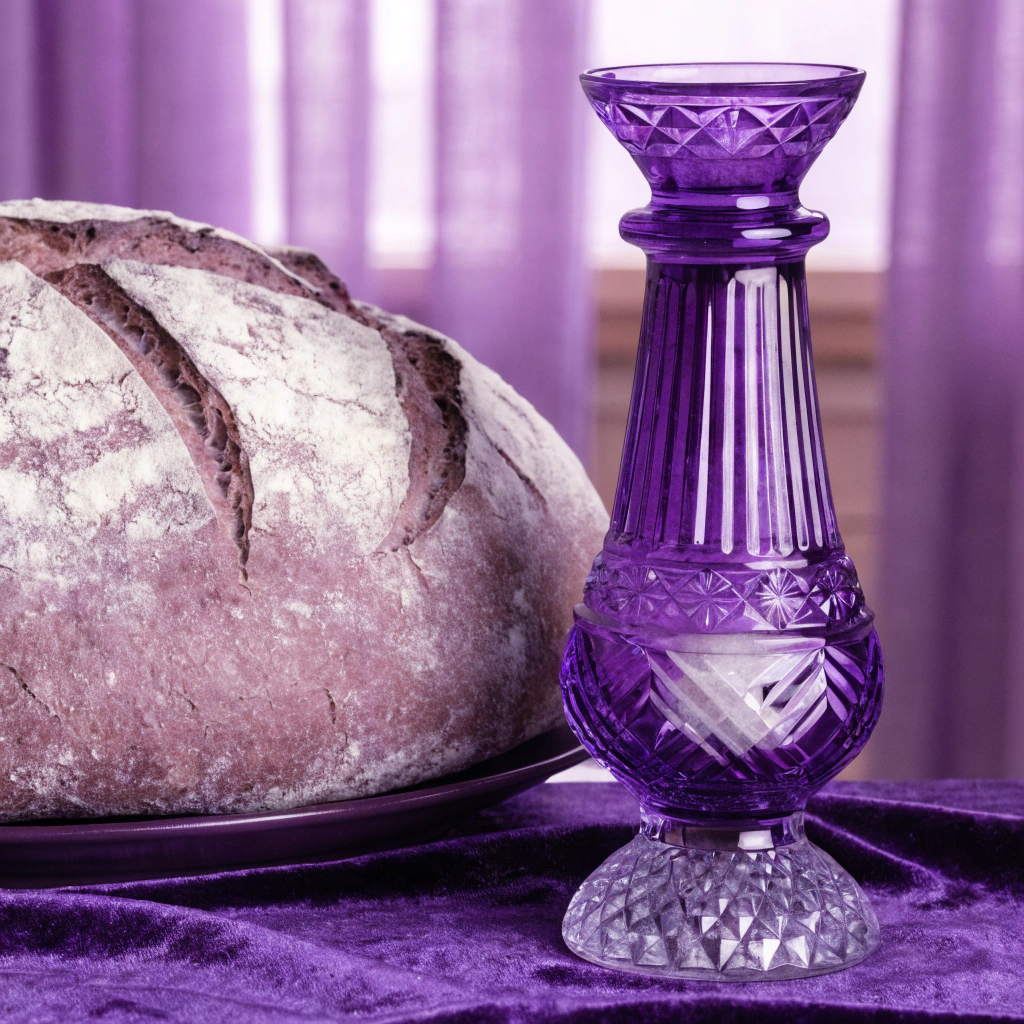
Bread and Salt in Russia
Russian people are very friendly. They love guests. In Russia, people have a special tradition. It is called Bread and Salt.
A host gives a guest a big piece of bread. The bread is on a beautiful towel. There is salt on top of the bread.
Bread means life and money. Salt means a long friendship. The guest takes a small piece of bread. Then, the guest puts the bread in the salt and eats it. This tradition is very old. It shows that the guest is welcome. It is a sign of love and respect.
语法聚焦
句型: Present Simple (to be)
"Russian people are very friendly."
We use 'am', 'is', or 'are' to describe facts or people. Use 'are' for plural subjects like 'people'.
句型: Present Simple (Third Person)
"A host gives a guest a big piece of bread."
In the present simple, we add '-s' to the verb when the subject is singular (he, she, or it).
测试你的理解
10 个问题 · A1 初学 · 1 次免费预览
测试你从这篇文章中学到的知识。回答所有问题即可获得经验值!
What two things do Russian hosts give to guests?
题目详情
What two things do Russian hosts give to guests?
你的回答:
正确答案: Bread and salt
The Bread and Salt tradition is a new idea in Russia.
你的回答:
正确答案: 错误
What does 'beautiful' mean?
你的回答:
正确答案: Very nice to look at
The guest takes a small _____ of bread.
你的回答:
正确答案: piece
俄罗斯的“面包和盐”:欢迎客人的传统
俄罗斯人非常热情。他们有一个很老的传统,叫做“面包和盐”。这个传统是为了欢迎重要的客人。
当客人来的时候,主人会给他们一块圆圆的面包。这种面包叫“卡拉瓦伊”(Karavay)。面包放在一块漂亮的布上,这块布叫“鲁什尼克”(rushnik)。布上有很多好看的图案。面包中间或者上面会放一点盐。
为什么是面包和盐呢?在俄罗斯,面包过去是非常重要的食物。它代表着生命和财富。盐也很重要,因为它以前很贵,也很特别。所以,给客人面包和盐,意思就是希望他们生活好,也表示主人很尊重客人。
客人会拿一小块面包,蘸一点盐,然后吃掉。这是一个很特别的欢迎仪式,表示友谊和信任。现在,很多俄罗斯家庭仍然喜欢用这个传统来欢迎他们的朋友和家人。这是一个美丽的文化。
语法聚焦
句型: 叫 (jiào) - is called
"这种面包叫“卡拉瓦伊”(Karavay)。"
“叫”字在这里用来介绍或说明一个东西的名字。它的结构是:[事物] + 叫 + [名字]。这是一种很常见的表达方式。
句型: 因为...所以... (yīnwèi...suǒyǐ...) - because...therefore...
"盐也很重要,因为它以前很贵,也很特别。所以,给客人面包和盐,意思就是希望他们生活好..."
这个句型用来连接原因和结果。“因为”后面说原因,“所以”后面说结果。它帮助我们理解事情发生的原因和带来的影响。
测试你的理解
11 个问题 · A2 基础 · 1 次免费预览
测试你从这篇文章中学到的知识。回答所有问题即可获得经验值!
题目详情
俄罗斯的“面包和盐”传统是为了做什么?
你的回答:
正确答案: 欢迎客人
在俄罗斯,面包和盐在过去都是很重要的东西。
你的回答:
正确答案: 正确
“客人”是什么意思?
你的回答:
正确答案: 到别人家里访问的人
这种圆圆的面包叫“_____”。
你的回答:
正确答案: 卡拉瓦伊
“鲁什尼克”是什么?
你的回答:
正确答案: 一块漂亮的布
Bread and Salt: The Heart of Russian Hospitality
In Russia, hospitality is more than just a polite habit; it is a cultural pillar that has survived for centuries. The most famous example of this is the tradition of 'Bread and Salt.' When important guests arrive at a Russian home or a special event, they are often welcomed with a beautiful ceremony that shows the host's respect.
During this ritual, a large, round loaf of bread called 'Karavay' is presented to the visitors. The bread is placed on a 'rushnik,' which is a traditional towel decorated with colorful embroidery. In the center of the bread, there is a small container of salt. The guest is expected to break off a small piece of the bread, dip it into the salt, and eat it. This action confirms the bond between the host and the guest.
This simple act has a deep meaning. Historically, bread has represented wealth and the bounty of the earth. Salt, which was once very expensive and rare, has symbolized a long-lasting friendship. By sharing these items, the host shows that they are offering their best to the guest. It is a sign that the guest is protected and valued in that house. Throughout history, refusing bread and salt was seen as a very rude gesture.
Even today, this custom is still used at weddings and for welcoming foreign leaders who visit the country. It is a tradition that connects the modern world with Russia’s ancient history. If you are lucky enough to visit Russia, you might experience this warm welcome yourself. It is a moment that shows the true heart of Russian culture and the importance of sharing what you have with others.
语法聚焦
句型: Present Perfect
"it is a cultural pillar that has survived for centuries."
The present perfect (have/has + past participle) is used here to describe an action that started in the past and continues to the present day.
句型: Passive Voice
"The bread is placed on a 'rushnik,' which is a traditional towel."
The passive voice is used when the focus is on the action or the object being acted upon (the bread) rather than who is performing the action.
测试你的理解
11 个问题 · B1 中级 · 1 次免费预览
测试你从这篇文章中学到的知识。回答所有问题即可获得经验值!
题目详情
What is a 'Karavay'?
你的回答:
正确答案: A large, round loaf of bread
In the past, salt was a very cheap and common item in Russia.
你的回答:
正确答案: 错误
What does 'embroidery' mean?
你的回答:
正确答案: Decorating cloth with needle and thread
The bread is placed on a _____ during the ceremony.
你的回答:
正确答案: rushnik
What does the combination of bread and salt symbolize?
你的回答:
正确答案: Wealth and long-lasting friendship
面包与盐:俄罗斯待客之道的极致体现
在俄罗斯文化中,待客之道远不止是简单的社交礼仪,它更是一种根深蒂固的文化基石。而这其中,最能体现其精髓的,莫过于“面包与盐”这一古老而庄重的传统仪式。这一仪式不仅承载着丰厚的历史意义,也深刻地反映了俄罗斯人民对来宾的最高敬意与美好祝愿。
当有重要客人来访时,主人会郑重地献上一份独特的礼物:一个圆形的黑麦面包(俄语称“卡拉瓦伊”,Karavay),它被小心翼翼地放置在一块名为“鲁什尼克”(Rushnik)的精致刺绣毛巾上。毛巾中央或面包顶部会摆放着一个小小的盐罐。这并非随意的摆设,每一个元素都蕴含着深远的象征意义。
从古至今,面包在俄罗斯文化中一直被视为财富、生命和大地丰饶的象征。它代表着生存的必需品,是家庭富足和幸福的标志。而盐,则因其在古代的珍贵性、防腐性和药用价值,被赋予了保护、纯洁和友谊的寓意。在物资匮乏的年代,盐甚至可以作为一种货币流通。因此,将这两种在俄罗斯人民心中占据核心地位的物品一同献给客人,无疑是在表达最真挚的欢迎和最深厚的祝福。
仪式的具体流程通常是这样的:主人手捧面包和盐,微笑着迎接客人。客人则会撕下一小块面包,蘸上少许盐,然后吃下。这一简单的动作,象征着客人接受了主人的心意,并承诺与主人建立起信任和融洽的关系。在某些地区,客人甚至会被邀请亲吻面包,以示对这一传统的尊重。
“面包与盐”传统之所以能够流传至今,并不仅仅因为它是一个美丽的习俗,更因为它体现了俄罗斯民族热情好客、真诚待人的核心价值观。它超越了语言和地域的界限,成为了一种普遍的友谊和接纳的象征。在现代俄罗斯社会,尽管生活方式发生了巨大变化,但这一传统依然在重要的家庭聚会、婚礼乃至国际外交场合中被保留和沿用,持续传递着俄罗斯人民对和平、友谊和相互尊重的渴望。因此,了解“面包与盐”的意义,是理解俄罗斯文化深层内涵的关键一步。
语法聚焦
句型: 不仅…而且…/还… (bùjǐn…érqiě…/hái…)
"这一仪式不仅承载着丰厚的历史意义,也深刻地反映了俄罗斯人民对来宾的最高敬意与美好祝愿。"
这个句式表示递进关系,强调后半句的意义更进一步。前半句说明一个事实,后半句在此基础上增加更重要的信息。它常用于连接两个分句或两个并列成分,表示“不只……而且还……”的意思。
句型: 之所以…是因为… (zhīsuǒyǐ…shì yīnwèi…)
"“面包与盐”传统之所以能够流传至今,并不仅仅因为它是一个美丽的习俗,更因为它体现了俄罗斯民族热情好客、真诚待人的核心价值观。"
这个句式用于解释原因,其中“之所以”引导结果或现象,而“是因为”引导产生这个结果或现象的原因。它强调因果关系,使得论证更加清晰有力。
句型: 将…视为… (jiāng…shì wéi…)
"从古至今,面包在俄罗斯文化中一直被视为财富、生命和大地丰饶的象征。"
这个句式表示把某物看作或当作某物,强调一种观念或看法。其中“将”是书面语中“把”的意思,后面接宾语,“视为”表示“看作”或“当作”。
测试你的理解
11 个问题 · B2 中高级 · 1 次免费预览
测试你从这篇文章中学到的知识。回答所有问题即可获得经验值!
题目详情
根据文章,以下哪一项不是面包在俄罗斯文化中的象征意义?
你的回答:
正确答案: 爱情
“鲁什尼克”是一种用来盛放面包和盐的容器。
你的回答:
正确答案: 错误
“基石”在文章中的意思是什么?
你的回答:
正确答案: 重要的基础
盐在古代因其珍贵性、防腐性和药用价值,被赋予了保护、纯洁和______的寓意。
你的回答:
正确答案: 友谊
客人接受“面包与盐”仪式时,通常会做什么?
你的回答:
正确答案: 撕一小块面包蘸盐吃下
面包与盐:俄罗斯待客礼仪的巅峰象征
在俄罗斯文化中,待客之道绝非寻常的社交礼节,而是一个根深蒂固、关乎民族精神的基石。在诸多体现这一理念的习俗中,尤以“面包与盐”(俄语:Хлеб-соль, Khleb-da-sol)仪式最具代表性,堪称其待客哲学之巅峰。
这一古老而隆重的仪式,其渊源可追溯至几个世纪前。之于俄罗斯人而言,面包,尤其是黑麦面包(俄语:Каравай, Karavay),承载着生命、财富与大地丰饶的深层寓意。它不仅是维系生存的必需品,更是富足与福祉的象征。而盐,在古代社会,其珍贵程度毋庸置疑,一度被视为财富的等价物,亦有辟邪、净化之功用。因此,将这两者融汇于待客之礼,其背后蕴含的,是对客人最真挚的欢迎、最崇高的敬意以及最美好的祝愿。
具体而言,当贵客莅临,主人会庄重地奉上一块圆形的大面包,通常是经过精心烘焙的卡拉瓦伊。这块面包并非随意放置,而是置于一条绣有精美图案的仪式毛巾——“鲁什尼克”(俄语:Рушник, rushnik)之上。毛巾中央或面包顶部,则会摆放一个盛有盐的小碟。客人受邀掰下一小块面包,蘸上少许盐,然后品尝。这一简单的动作,其象征意义却极其深远:它标志着主人与客人之间信任纽带的建立,意味着共同分享,也寓意着双方关系的纯洁与坚固。
正是这种对面包和盐的共同享用,才使得这一仪式超越了单纯的食物馈赠。它不仅仅是物质上的给予,更是精神层面的交流与承诺。通过这一举动,主人向客人敞开了心扉,表达了“我的家就是你的家”的深情厚意;而客人则以接受与品尝,回应了主人的盛情,并表达了对这份友谊的珍视。其所传递的信任与尊重,是任何言语都难以完全替代的。
即便在现代俄罗斯,尽管生活方式日新月异,但“面包与盐”的传统依然在重要的场合,如婚礼、国家元首欢迎仪式或重要的家庭聚会中得以延续。它不再仅仅是生存物质的象征,更多地被解读为一种对传统文化的坚守,以及对人际关系中真诚、信任和尊重的强调。这种超越时空的文化传承,无疑是俄罗斯民族精神中不可或缺的一部分,也向世人展现了其深邃而热忱的待客之道。是何等引人深思,一个简单的仪式,竟能承载如此厚重的文化底蕴与哲学思考。
语法聚焦
句型: 之于……而言 (zhī yú... ér yán)
"之于俄罗斯人而言,面包,尤其是黑麦面包,承载着生命、财富与大地丰饶的深层寓意。"
这个结构常用于引出某个群体或个人对某事的看法或感受,强调“对于……来说”。它比简单的“对于”更具书面语色彩,能提升语体的正式性和C1水平的表达力。
句型: 正是……才…… (zhèng shì... cái...)
"正是这种对面包和盐的共同享用,才使得这一仪式超越了单纯的食物馈赠。"
这是一个强调句型,用于突出原因、条件或方式,表示“正因为是这个原因,才导致了某个结果”。它强调了前半句的重要性,使语气更加肯定和有力,是C1水平中常用的复杂句式。
句型: 是何等…… (shì hé děng...)
"是何等引人深思,一个简单的仪式,竟能承载如此厚重的文化底蕴与哲学思考。"
这个句式用于表示强烈的感叹或强调,常用于书面语,表达“多么”、“何其”之意。它通过疑问词“何等”来表达肯定和赞叹,能增强语气的感染力和文章的文学性。
测试你的理解
12 个问题 · C1 高级 · 1 次免费预览
测试你从这篇文章中学到的知识。回答所有问题即可获得经验值!
题目详情
根据文章,俄罗斯“面包与盐”仪式最主要的象征意义是什么?
你的回答:
正确答案: 建立主人与客人之间的信任、分享与友谊
在古代社会,盐因为其珍贵程度,曾被视为财富的等价物,并有辟邪、净化之功用。
你的回答:
正确答案: 正确
“莅临”在文章中的含义最接近以下哪一项?
你的回答:
正确答案: 出席,到来(敬语)
“面包与盐”仪式中,面包通常置于一条绣有精美图案的仪式毛巾——“_____”之上。
你的回答:
正确答案: 鲁什尼克
文章中提到,“面包与盐”的传统在现代俄罗斯的哪些场合依然得以延续?
你的回答:
正确答案: 婚礼、国家元首欢迎仪式或重要的家庭聚会
文章认为“面包与盐”仅仅是物质上的给予,不包含精神层面的交流。
你的回答:
正确答案: 错误
Sacramental Sustenance: The Socio-Cultural Archetypes of Russian Hospitality
In the grand tapestry of Slavic cultural identity, few motifs resonate with the same ontological weight as the tradition of 'Khleb-da-sol'. This ritualized offering of bread and salt transcends the mundane boundaries of social etiquette, manifesting instead as a profound semiotic gesture that encapsulates the very essence of Russian 'dusha' or soul. To the uninitiated observer, the presentation of a 'Karavay'—a round, ornate loaf of rye bread—atop an intricately embroidered 'rushnik' might appear as a quaint vestige of agrarian folklore. However, were one to delve into the historical and spiritual underpinnings of this practice, it would become evident that the ritual is inextricably linked to a worldview where hospitality is perceived as a sacred obligation, rather than a mere elective courtesy.
The bread, or 'khleb', occupies a central position in this symbolic economy. Historically, in the agrarian heartlands of Russia, grain was the primary metric of survival and prosperity. The 'Karavay' is not merely sustenance; it is a consecrated object, a reification of the earth’s bounty and the labor of the collective. Its circular form mimics the sun, a primordial deity in Slavic paganism, suggesting a continuity of life and the cyclical nature of existence. When a guest is offered bread, they are being invited into a covenant of shared survival. To refuse such an offering is not merely a breach of manners but an ontological rejection of the host’s life-force.
Complementing the bread is salt, a substance whose historical scarcity rendered it a luxury of the highest order. In the Russian cultural imagination, salt is venerated for its imperishable nature and its capacity to preserve and purify. It serves as a prophylactic against the corrosive forces of malevolence and decay. By dipping a piece of bread into salt, the guest partakes in a ritual of purification, cementing a bond of mutual protection. It is imperative that the recipient acknowledge this gesture with equal solemnity, lest the fragile bond of trust be severed by a lack of perceived reverence. This interplay between the perishable bread and the eternal salt creates a dialectic of hospitality that balances the immediate needs of the body with the transcendent requirements of the spirit.
The 'rushnik', the ceremonial towel upon which the bread and salt are proffered, adds another layer of hermeneutic complexity. Far from being a utilitarian textile, the 'rushnik' is a narrative canvas, adorned with talismanic embroidery that often depicts the tree of life or ancestral spirits. These patterns are not merely decorative; they are evocative of a lineage that stretches back through time, positioning the current act of hospitality within a broader historical and familial trajectory. The 'rushnik' acts as a bridge between the domestic space of the host and the external world of the guest, facilitating a transition that is both physical and metaphysical.
In contemporary Russia, while the socio-economic conditions that birthed 'Khleb-da-sol' have largely vanished, the ritual persists with remarkable tenacity. Whether at a wedding, a state visit, or a simple homecoming, the gesture remains a potent symbol of Russian identity. It reflects a proclivity for egalitarian inclusion, where the stranger is temporarily elevated to the status of a sacrosanct entity. Not only does the bread represent the bounty of the earth, but it also serves as a vessel for communal identity, reinforcing the idea that to share one’s resources is to affirm one’s humanity. Ultimately, 'Khleb-da-sol' is a testament to the enduring power of symbolic communication. In an increasingly atomized global society, such rituals provide a necessary anchor, grounding individuals in a shared moral framework. The act of offering bread and salt is a reminder that hospitality, at its pinnacle, is an act of radical vulnerability and profound generosity. It suggests that despite the vicissitudes of history, the fundamental human need for connection remains as imperishable as the salt itself.
语法聚焦
句型: Inverted Conditional
"However, were one to delve into the historical and spiritual underpinnings of this practice, it would become evident that the ritual is inextricably linked to a worldview where hospitality is perceived as a sacred obligation."
The 'were one to' structure is a formal alternative to 'if one were to'. It is used to express a hypothetical situation in the present or future, maintaining a scholarly and sophisticated tone.
句型: The Subjunctive Mood
"It is imperative that the recipient acknowledge this gesture with equal solemnity, lest the fragile bond of trust be severed by a lack of perceived reverence."
The present subjunctive ('acknowledge') follows adjectives of necessity like 'imperative'. The word 'lest' is followed by the base form 'be', indicating a negative purpose or fear.
句型: Negative Inversion
"Not only does the bread represent the bounty of the earth, but it also serves as a vessel for communal identity."
Starting a sentence with a negative or restrictive phrase like 'Not only' requires the subject and auxiliary verb to switch places (does the bread represent) to emphasize the cumulative nature of the statement.
测试你的理解
12 个问题 · C2 精通 · 1 次免费预览
测试你从这篇文章中学到的知识。回答所有问题即可获得经验值!
What does the circular shape of the 'Karavay' primarily symbolize in Russian tradition?
题目详情
What does the circular shape of the 'Karavay' primarily symbolize in Russian tradition?
你的回答:
正确答案: The sun and the continuity of life
The article suggests that salt was historically an inexpensive and common commodity in Russia.
你的回答:
正确答案: 错误
Which word describes a trace of something that is nearly gone?
你的回答:
正确答案: Vestige
The tradition of 'Khleb-da-sol' is _____ linked to the Russian soul.
你的回答:
正确答案: inextricably
According to the text, what is the symbolic function of salt in the ritual?
你的回答:
正确答案: To serve as a prophylactic against malevolence and decay
The 'rushnik' is described as a purely utilitarian object used for hygiene during the meal.
你的回答:
正确答案: 错误

