meltdown 30秒了解
- A meltdown is a noun describing a total, often sudden, failure of a system, organization, or a person's emotional composure.
- The term originated in the nuclear power industry to describe the melting of a reactor core due to cooling failure.
- Commonly used today to describe financial market crashes, technical system failures, and intense emotional episodes in children or stressed adults.
- It differs from a 'tantrum' because it is usually an involuntary response to being overwhelmed rather than a goal-oriented behavior.
The term meltdown is one of the most evocative nouns in the English language, primarily because it conjures images of heat, dissolution, and uncontrollable failure. At its most literal level, a meltdown refers to a catastrophic accident in a nuclear reactor. This occurs when the cooling systems fail, and the nuclear fuel becomes so hot that it melts through its containment vessel. This imagery of a solid, structured system turning into a chaotic, molten mass has provided a perfect metaphor for various types of systemic and personal collapses in modern society. When people use this word today, they are rarely talking about nuclear physics; instead, they are describing moments where things fall apart completely and rapidly.
- Technical Origin
- The word gained prominence in the 1950s and 60s within the nuclear power industry to describe the melting of a reactor core. It represents the ultimate failure of safety protocols.
In the world of finance, a meltdown describes a sudden and drastic drop in asset prices. Unlike a 'correction' or a 'dip,' a meltdown implies a sense of panic and a total lack of control. It is the financial equivalent of a reactor core melting—the structures that usually keep the market stable simply stop working. This usage became widespread after the stock market crash of 1987 and was used extensively during the 2008 global financial crisis. When you hear a news anchor talk about a 'market meltdown,' they are signaling that the situation is dire and that the usual safeguards are failing to stop the bleeding.
The global economy faced a total meltdown during the banking crisis of 2008.
Perhaps the most common everyday usage of 'meltdown' relates to human psychology and behavior. In this context, it describes a state where an individual becomes completely overwhelmed by their emotions or sensory environment. While often associated with toddlers who are tired or frustrated, the term is also critically important in the context of neurodiversity, such as autism or ADHD. For an autistic person, a meltdown is not a choice or a 'tantrum' used to get their way; it is an involuntary neurological response to sensory overload or extreme stress. The brain effectively 'overheats' and loses the ability to process information, leading to an intense emotional release.
- Emotional Intensity
- A meltdown is characterized by a loss of control. It is not a calculated outburst but a systemic failure of emotional regulation.
Finally, the word is used in technology and organizational management. A 'server meltdown' or a 'company meltdown' suggests that the internal systems have failed so thoroughly that the entity can no longer function. It implies a chain reaction where one failure leads to another, much like the physical process in a nuclear reactor. Whether it is a celebrity having a public meltdown on social media or a computer network crashing under heavy traffic, the word 'meltdown' tells the listener that the situation is beyond a simple fix—it is a total breakdown of the core structure.
The actor's public meltdown on live television shocked his fans and damaged his career.
- Organizational Failure
- When a corporation experiences a meltdown, it usually involves a collapse of leadership, ethics, and financial stability simultaneously.
The IT department worked through the night to prevent a total system meltdown after the cyberattack.
The toddler's meltdown in the grocery store was caused by exhaustion and overstimulation.
Using the word 'meltdown' correctly requires an understanding of its weight and the specific verbs that usually accompany it. Because it is a noun describing a state of failure, it is most frequently paired with verbs like 'have,' 'suffer,' 'experience,' or 'prevent.' You don't just 'do' a meltdown; you are either the victim of one or the person trying to stop it. For example, 'The stock market suffered a meltdown' sounds much more natural than 'The stock market did a meltdown.' The choice of verb helps set the tone—'suffered' implies a painful loss, while 'prevented' implies a heroic effort to maintain order.
- Verb Pairings
- Common verbs: have, suffer, experience, undergo, trigger, avert, witness, survive.
Adjectives are also crucial for modifying 'meltdown' to indicate the scale of the disaster. 'Total,' 'complete,' 'absolute,' and 'catastrophic' are frequently used to emphasize that the failure was not partial. In a psychological context, you might see 'emotional' or 'sensory' meltdown. In a technical context, 'nuclear' or 'systemic' are the standard modifiers. When you say someone had a 'total meltdown,' you are communicating that every part of their composure or every part of the system failed at once. This lack of nuance is what makes the word so powerful—it describes a binary state: either things are working, or they are in a state of meltdown.
After working eighty hours a week for a month, Sarah finally had a complete meltdown during the Monday morning meeting.
The preposition 'over' is often used to describe the cause of a meltdown. 'He had a meltdown over the lost keys' or 'The market had a meltdown over the new trade tariffs.' This helps link the catastrophic result to a specific trigger. However, it is important to remember that the trigger is often just the 'last straw'—the final small event that causes a pre-stressed system to finally give way. In more formal writing, you might use 'precipitated by' or 'resulting in' to create a more academic tone. For instance, 'The financial meltdown was precipitated by a collapse in the housing market.'
- Prepositional Use
- Use 'over' for the immediate cause and 'due to' or 'following' for the broader context.
In professional or technical reports, 'meltdown' can be used to describe a failure of logic or process. 'The software experienced a meltdown when processing the large dataset' implies that the code reached a point where it could no longer execute instructions correctly and crashed. Here, the word acts as a synonym for a fatal error or a system hang, but with a more dramatic flair. It suggests that the failure was not just a bug, but a fundamental inability of the software to handle the load it was given.
The cooling system failure led to an imminent nuclear meltdown, requiring immediate evacuation of the surrounding area.
- Scale and Intensity
- Use 'imminent' to describe a meltdown that is about to happen and 'ongoing' for one that is currently occurring.
Investors are terrified of a crypto meltdown as prices continue to spiral downward.
The coach's angry meltdown on the sidelines resulted in his immediate ejection from the game.
You will encounter the word 'meltdown' in several distinct environments, each with its own nuance. The most common place is in the news, particularly in the business and technology sections. When a major company's stock price drops by 20% in a single day, or when a popular social media platform goes offline for several hours, journalists love to use the word 'meltdown.' It creates a sense of urgency and drama that 'failure' or 'decline' simply cannot match. In these contexts, it often appears in headlines like 'Tech Giant Faces Meltdown' or 'Market Meltdown Looms as Inflation Rises.'
- Media Usage
- News outlets use 'meltdown' to describe high-stakes failures in politics, finance, and celebrity culture.
Another frequent setting is in the world of parenting and education. If you spend time in a playground or a school, you will inevitably hear a parent or teacher say, 'He’s having a bit of a meltdown.' In this casual setting, it has become a shorthand for any time a child is crying uncontrollably. However, as mentioned before, there is a growing movement among child psychologists and neurodiversity advocates to use the word more precisely. They distinguish a 'meltdown' (which is sensory-based and involuntary) from a 'tantrum' (which is behavior-based and goal-oriented). Hearing the word in a school meeting might indicate a serious discussion about a student's emotional well-being and their need for a calmer environment.
The school counselor explained that the student's meltdown was a reaction to the loud fire alarm.
In the tech industry, 'meltdown' has a very specific and famous meaning. In 2018, a major security vulnerability in computer processors was discovered and named 'Meltdown.' This vulnerability allowed hackers to bypass the hardware barriers between applications and the computer's memory. Because it affected almost every modern processor, it was a literal 'meltdown' of the security assumptions that the entire computing world relied upon. If you work in cybersecurity or IT, 'Meltdown' (often paired with its sister vulnerability 'Spectre') is a word that still causes a lot of stress and reminds professionals of the massive patching effort that was required to fix it.
- Pop Culture
- Reality TV often thrives on 'meltdowns,' where contestants lose their composure under the pressure of competition.
Finally, you will hear this word in casual conversation among adults to describe their own stress levels. Someone might say, 'I'm about to have a meltdown if this printer doesn't start working.' In this context, it is often hyperbolic—the person isn't actually having a neurological collapse, but they are using the word to express extreme frustration. It has become a socially acceptable way to say 'I am very stressed and I feel like I am losing my ability to cope.' This usage reflects how deeply the nuclear and financial metaphors have penetrated our everyday language for describing the human experience of pressure.
I had a minor meltdown this morning when I realized I had deleted my entire presentation.
- Hyperbolic Usage
- Adults often use 'meltdown' to describe high levels of frustration, even if the situation isn't a true catastrophe.
The internet went into a meltdown after the surprise announcement of the movie's cancellation.
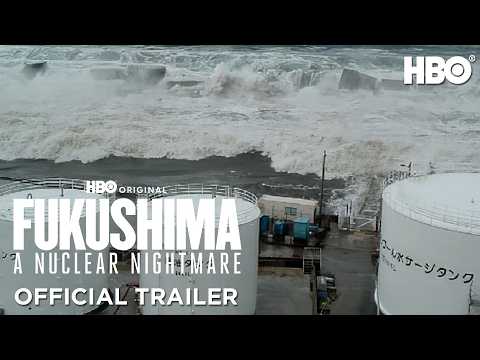
The nuclear meltdown at Fukushima led to a global re-evaluation of energy policies.
One of the most frequent mistakes learners make is confusing 'meltdown' with 'tantrum.' While they can look similar from the outside—lots of crying, shouting, and physical distress—the underlying cause and the appropriate response are very different. A tantrum is usually a goal-oriented behavior; a child wants a toy, doesn't get it, and uses a tantrum to try and change the parent's mind. A meltdown, however, is a complete loss of control due to being overwhelmed. If you tell someone their child is having a 'tantrum' when they are actually having a 'meltdown,' it can come across as insensitive because it implies the child is being manipulative rather than suffering from genuine distress.
- Meltdown vs. Tantrum
- A tantrum is a choice to get something; a meltdown is a failure of the system to cope with pressure.
Another common error is using 'meltdown' as a verb. You will often hear people say, 'He is melting down,' which is the correct phrasal verb form. However, 'meltdown' itself is a noun. You cannot say, 'He meltdowned yesterday.' You must say, 'He had a meltdown yesterday' or 'He was melting down yesterday.' Keeping the noun and the phrasal verb distinct is a key marker of advanced English proficiency. The noun 'meltdown' describes the event, while the phrasal verb 'to melt down' describes the process of the failure occurring.
Incorrect: The computer meltdowned after the update. Correct: The computer had a meltdown after the update.
Learners also sometimes overuse the word in situations that are merely 'problems' or 'annoyances.' Because 'meltdown' has its roots in nuclear disaster, using it for a minor inconvenience can make you sound overly dramatic or like you don't understand the severity of the word. If your coffee is cold, that's not a meltdown. If the coffee shop burns down and the entire supply chain for coffee in your city collapses, that might be a meltdown. In a professional context, calling a minor project delay a 'meltdown' might alarm your boss unnecessarily. It is better to use words like 'hiccup,' 'setback,' or 'issue' for small problems.
- Register and Scale
- Match the severity of the word to the severity of the situation. Don't use a 'nuclear' word for a 'spark' problem.
Finally, there is a confusion between 'meltdown' and 'breakdown.' While they are similar, a 'breakdown' (especially a 'nervous breakdown') often implies a longer-term period of mental health struggle or a mechanical failure that stops something from working. A 'meltdown' is usually more acute, sudden, and explosive. A car has a breakdown when it stops on the side of the road; a nuclear reactor has a meltdown when it becomes a dangerous, uncontrollable mess. In psychological terms, a meltdown is a temporary, intense episode, whereas a breakdown might last for weeks or months.
She suffered a nervous breakdown and took a month off, but the meltdown she had in the office only lasted ten minutes.
- Suddenness
- A meltdown is almost always a sudden event, whereas a breakdown can be a slow process of falling apart.
The CEO's meltdown during the press conference led to his resignation the next day.
Don't confuse a technical meltdown with a simple software bug.
When you want to describe a failure but 'meltdown' feels too strong or not quite right, there are several alternatives you can use. 'Collapse' is perhaps the closest synonym. It can be used for buildings, economies, or people. However, 'collapse' often implies a falling down or a loss of structure, whereas 'meltdown' implies a failure caused by internal heat or pressure. If a company goes bankrupt slowly, it's a collapse; if it goes bankrupt because the CEO went crazy and the servers caught fire, it's a meltdown.
- Collapse vs. Meltdown
- Collapse is about structural failure; meltdown is about systemic failure due to overload.
In a psychological context, 'outburst' or 'blow-up' are good alternatives. An 'outburst' is a sudden release of strong emotion, but it doesn't necessarily imply the total loss of control that a meltdown does. A 'blow-up' usually refers to a sudden argument or a moment of anger. If you want to be more clinical or empathetic, especially regarding neurodiversity, you might use 'sensory overload' or 'emotional dysregulation.' These terms describe the cause of the meltdown without the potentially negative connotations of the word itself.
Instead of calling it a meltdown, the therapist described the child's behavior as an episode of sensory overload.
For financial or technical situations, 'crash' is the most common alternative. A 'market crash' and a 'market meltdown' are often used interchangeably, but a 'crash' sounds more like a sudden impact, while a 'meltdown' sounds like a process of disintegration. In computing, 'crash' is the standard term for a program stopping unexpectedly. Use 'meltdown' only if the crash is so severe that it affects the entire system or involves a loss of data integrity. 'Debacle' is another great word for a total failure that is also embarrassing or poorly managed.
- Crash vs. Meltdown
- A crash is a sudden stop; a meltdown is a systemic dissolution.
Finally, consider the word 'implosion.' While a meltdown is an outward failure often caused by heat, an implosion is a failure where something collapses inward on itself. In business, an 'implosion' often happens when internal scandals or bad management cause a company to fail from the inside. 'Disintegration' is another alternative that emphasizes the way something breaks into many small pieces. Choosing the right word depends on whether you want to emphasize the heat/pressure (meltdown), the impact (crash), the shame (debacle), or the structural failure (collapse).
The project's meltdown was a complete debacle that cost the firm millions.
- Implosion vs. Meltdown
- Implosion is a collapse inward; meltdown is a systemic failure due to overheating/overload.
The athlete's emotional meltdown after losing the final was caught on every camera.
The economic meltdown of the 1930s changed the world forever.
How Formal Is It?
趣味小知识
The term 'meltdown' was popularized by the 1979 movie 'The China Syndrome,' which was released just days before the real-life Three Mile Island nuclear accident.
发音指南
- Pronouncing it as two separate words with equal stress.
- Confusing the 'ow' sound in 'down' with 'oh'.
难度评级
Common in news and literature.
Requires understanding of collocations and register.
Useful for expressing high stress or describing disasters.
Frequently heard in news reports and casual talk.
接下来学什么
前置知识
接下来学习
高级
需要掌握的语法
Noun vs. Phrasal Verb
A meltdown (noun) vs. To melt down (verb).
Countable Nouns
There were several meltdowns in the market this year.
Adjective Placement
A 'total' meltdown or a 'catastrophic' meltdown.
Prepositional Phrases
A meltdown 'over' something or 'due to' something.
Compound Nouns
Stock-market meltdown, nuclear-reactor meltdown.
按水平分级的例句
The little boy had a meltdown in the shop.
The small child cried very loudly.
Uses 'had a' + noun.
I am tired and I feel like I might have a meltdown.
I am very stressed and might cry.
First person usage.
The baby's meltdown lasted for ten minutes.
The baby cried for a long time.
Possessive 's with noun.
Please stop your meltdown and listen to me.
Stop crying and listen.
Imperative sentence.
Is he having a meltdown?
Is he crying a lot?
Present continuous question.
That was a big meltdown!
That was a lot of crying.
Exclamatory sentence.
I don't like meltdowns.
I don't like when people cry loudly.
Plural noun.
She had a meltdown because she lost her toy.
She cried because her toy was gone.
Using 'because' to show cause.
The stock market had a meltdown yesterday.
The prices went down very fast.
Financial context.
My computer had a total meltdown and I lost my work.
The computer crashed completely.
Technical context.
She suffered a meltdown after the long flight.
She was very tired and upset.
Using 'suffered' for a more serious tone.
The team had a meltdown and lost the game.
The team played very badly at the end.
Sports context.
Don't have a meltdown over such a small problem.
Don't get too upset about this.
Negative imperative.
The traffic caused a meltdown for many drivers.
The traffic made many people very angry.
Cause and effect.
We need to avoid a meltdown in the kitchen.
We need to stop things from going wrong.
Using 'avoid' + noun.
His meltdown was caught on video.
Someone filmed him losing control.
Passive voice construction.
The nuclear meltdown at Chernobyl was a global disaster.
The reactor accident was very bad.
Literal/technical context.
He had a public meltdown during the press conference.
He lost his temper in front of everyone.
Public/celebrity context.
The economic meltdown led to many people losing their homes.
The financial crash caused many problems.
Socio-economic context.
I'm on the verge of a meltdown with all this pressure.
I am very close to losing control.
Idiom: 'on the verge of'.
The company's meltdown was caused by poor management.
The company failed because of the bosses.
Organizational context.
She managed to prevent a meltdown by staying calm.
She stopped the disaster by being quiet.
Using 'prevent' to show agency.
The toddler's meltdown was a result of sensory overload.
The child cried because it was too loud/bright.
Psychological/sensory context.
There was a meltdown in communication between the two departments.
The two groups stopped talking correctly.
Metaphorical usage for communication.
The financial meltdown of 2008 triggered a worldwide recession.
The crash caused a long period of bad economy.
Historical reference.
Investors are worried about an imminent meltdown in the tech sector.
People think tech companies will fail soon.
Using 'imminent' to show time.
The athlete's emotional meltdown cost him the gold medal.
He lost because he couldn't control his feelings.
Consequence-focused sentence.
A total system meltdown occurred after the power outage.
Everything stopped working when the electricity went off.
Technical/systemic context.
The celebrity's social media meltdown went viral within hours.
Her angry posts were seen by everyone.
Modern digital context.
We must implement safeguards to prevent a nuclear meltdown.
We need rules to stop the reactor from melting.
Formal/policy context.
The meltdown in the housing market affected millions of families.
The house price crash was bad for many people.
Specific market context.
He experienced a complete meltdown after the tragic news.
He fell apart when he heard the bad news.
Grief/trauma context.
The Meltdown vulnerability exposed millions of devices to potential attacks.
The security flaw made computers unsafe.
Proper noun usage (Cybersecurity).
The diplomatic meltdown followed the expulsion of the ambassadors.
The countries' relationship failed after the move.
Political/diplomatic context.
Her latest novel depicts the slow meltdown of a suburban family.
The book shows a family falling apart.
Literary/metaphorical context.
The CEO's erratic behavior signaled an impending corporate meltdown.
The boss acting strangely showed the company was failing.
Predictive usage.
The grid experienced a localized meltdown during the record heatwave.
The power system failed in one area because of the heat.
Infrastructural context.
The sheer scale of the financial meltdown was unprecedented in modern history.
The crash was bigger than anything before.
Emphasis on scale.
A meltdown is often a neurological protective mechanism against overstimulation.
It is the brain's way of dealing with too much.
Scientific/clinical context.
The project's meltdown was a classic example of scope creep and poor planning.
The failure happened because the project got too big.
Project management context.
The catastrophic meltdown of the polar ice caps is a primary concern for climatologists.
The ice melting is a big worry for scientists.
Environmental/literal usage.
The administration is struggling to contain the political meltdown caused by the leak.
The government is trying to stop the damage from the secret info.
Political damage control.
The film explores the psychological meltdown of a man isolated in space.
The movie shows a man going crazy alone in a rocket.
Cinematic/thematic context.
The market's meltdown was exacerbated by high-frequency trading algorithms.
Computer trading made the crash worse.
Complex financial context.
The sudden meltdown of the peace talks dashed all hopes for a ceasefire.
The failure of the meeting ended hopes for peace.
Abstract/metaphorical context.
The sheer volatility of the currency led to a total economic meltdown in the region.
The money changing value fast caused a crash.
Macroeconomic context.
Critics described the performance as a career-ending meltdown of epic proportions.
The show was so bad it ended her career.
Hyperbolic/critical context.
The meltdown of traditional social structures has led to a rise in individualistic philosophies.
The failure of old society rules changed how people think.
Sociological context.
常见搭配
常用短语
— To experience a sudden emotional or systemic collapse.
I think I'm going to have a meltdown if I don't sleep.
— To be the victim of a catastrophic failure.
The reactor suffered a partial meltdown.
— Very close to failing or losing control.
The economy is on the verge of a meltdown.
— To successfully stop a collapse from happening.
Quick thinking averted a total meltdown.
— To see a failure or emotional collapse happen.
I witnessed his meltdown in the office.
— A failure that affects every part of a system.
It was a complete meltdown of communication.
— A failure that affects the entire world.
Scientists warn of a global environmental meltdown.
— The total failure of a large company.
The corporate meltdown led to thousands of layoffs.
— A series of erratic or angry posts by a user.
The singer had a social media meltdown last night.
容易混淆的词
A tantrum is goal-oriented; a meltdown is a loss of control due to overload.
A breakdown is often longer-term; a meltdown is acute and sudden.
A crash is a sudden stop; a meltdown is a systemic disintegration.
习语与表达
— To lose one's temper or composure.
He lost his cool and had a meltdown.
Informal— To reach a point where you cannot continue.
I hit the wall and had a total meltdown.
Informal— To lose internal structure or control.
The project is falling apart at the seams.
Informal— To experience a sudden and worsening decline.
The company went into a tailspin after the CEO left.
Neutral— A situation where everything starts to go wrong.
The wheels are coming off this administration.
Informal— To fail because of too much stress.
He cracked under pressure and had a meltdown.
Neutral— The most extreme course of action.
They chose the nuclear option to prevent a meltdown.
Political— To use up all available money, often causing a meltdown.
The wedding costs might break the bank.
Informal容易混淆
Both involve crying and shouting.
A tantrum is usually a choice to get something, while a meltdown is an involuntary reaction to stress.
The toddler's tantrum stopped when he got the toy, but his meltdown continued until he fell asleep.
Both mean something stopped working.
A breakdown can be a slow process or a simple mechanical stop; a meltdown is a catastrophic, high-pressure failure.
The car had a breakdown, but the nuclear plant had a meltdown.
Both are used for markets and computers.
A crash is the impact or the moment of stopping; a meltdown is the chaotic process of falling apart.
The market crash led to a total economic meltdown.
Both involve sudden emotion.
An outburst is a single moment of emotion; a meltdown is a more sustained period of losing control.
His angry outburst was short, but her emotional meltdown lasted an hour.
Both mean a big failure.
A fiasco is usually a social or organizational failure that is embarrassing; a meltdown is more about the system failing under pressure.
The party was a fiasco, but the company's finances were in a meltdown.
句型
The [noun] had a meltdown.
The baby had a meltdown.
I had a meltdown because [reason].
I had a meltdown because I was tired.
The [system] suffered a total meltdown.
The computer suffered a total meltdown.
To prevent a meltdown, we must [action].
To prevent a meltdown, we must stay calm.
The [event] triggered a [type] meltdown.
The news triggered a financial meltdown.
The [abstract noun] is on the verge of a meltdown.
The diplomatic relationship is on the verge of a meltdown.
A meltdown in [area] led to [consequence].
A meltdown in communication led to the project's failure.
Despite the [event], a meltdown was averted.
Despite the crash, a meltdown was averted.
词族
名词
动词
形容词
相关
如何使用
Common in news, parenting, and tech circles.
-
He meltdowned.
→
He had a meltdown.
Meltdown is a noun, not a verb. Use 'had a' or 'experienced a'.
-
The child had a tantrum meltdown.
→
The child had a meltdown.
Tantrums and meltdowns are different things. Don't combine them.
-
I have a meltdown because I lost my pen.
→
I'm annoyed because I lost my pen.
Don't use 'meltdown' for very small problems; it's too dramatic.
-
The reactor had a breakdown.
→
The reactor had a meltdown.
In nuclear contexts, 'meltdown' is the specific and more accurate term.
-
She is in a meltdown.
→
She is having a meltdown.
We usually use the verb 'have' with meltdown, not 'be in'.
小贴士
Use Adjectives
Words like 'total,' 'partial,' or 'imminent' help specify the type of meltdown you are describing.
Noun vs Verb
Remember that 'meltdown' is the noun. If you need a verb, use 'melt down.'
Be Sensitive
When describing a person's meltdown, remember it is often a sign of deep distress, not just 'bad behavior.'
Office Talk
In the office, use 'meltdown' for serious system failures, but use 'stress' or 'overwhelmed' for personal feelings to stay professional.
Headline Reading
When you see 'meltdown' in a headline, expect a story about a major failure or a sudden drop in value.
Stress the Start
Always put the emphasis on the first part: MELT-down. This makes it sound natural.
Variety
Try using 'collapse' or 'debacle' if you have already used 'meltdown' too many times in a paragraph.
Nuclear Roots
Remember the nuclear origin to understand why the word feels so 'hot' and 'dangerous.'
Viral Meltdowns
Be aware that 'social media meltdown' usually refers to someone posting many angry things in a short time.
记住它
记忆技巧
Think of an ice cream cone on a hot day. If it gets too hot, it has a 'meltdown' and turns into a mess. Now apply that to a person or a computer!
视觉联想
Imagine a nuclear reactor core glowing red and melting through the floor, or a toddler lying on a supermarket floor crying.
Word Web
挑战
Try to use 'meltdown' in three different ways today: once for a technical problem, once for a person's feelings, and once for a news story.
词源
The word is a compound of 'melt' (from Old English 'meltan') and 'down' (from Old English 'dune'). It was first used in the context of nuclear physics in the mid-20th century.
原始含义: The melting of the fuel rods in a nuclear reactor core.
Germanic (English)文化背景
Be careful using it for children with autism; it is a serious medical/neurological state, not a choice.
Commonly used in parenting blogs and office gossip.
在生活中练习
真实语境
Nuclear Power
- reactor core
- radiation leak
- cooling failure
- containment breach
Finance
- market crash
- asset prices
- investor panic
- economic recession
Psychology
- sensory overload
- emotional breakdown
- loss of control
- stress response
Technology
- system crash
- server failure
- security vulnerability
- data loss
Parenting
- toddler behavior
- overstimulation
- calming techniques
- tantrum vs meltdown
对话开场白
"Have you ever witnessed a total system meltdown at work?"
"What do you think is the best way to handle a toddler's meltdown in public?"
"Do you remember the financial meltdown of 2008?"
"How do you prevent yourself from having a meltdown when you're stressed?"
"What's the difference between a meltdown and a simple bad day?"
日记主题
Describe a time you experienced a personal meltdown. What caused it and how did you recover?
Write about a famous historical meltdown (nuclear or financial) and its impact on the world.
How does the word 'meltdown' change our understanding of emotional distress compared to 'tantrum'?
Imagine a world where technical meltdowns are impossible. How would society be different?
Discuss the ethics of media coverage regarding celebrity public meltdowns.
常见问题
10 个问题Yes, adults can have meltdowns, especially when under extreme stress or if they have sensory processing issues. It is often called an 'emotional meltdown' and involves a temporary loss of composure and control.
In almost every context, a meltdown is negative because it represents a failure of a system or control. However, in some psychological contexts, it is seen as a necessary release of built-up pressure.
As a phrasal verb, 'to melt down' means to melt something completely (like metal) or to lose control. Example: 'The ice cream is melting down' or 'He is melting down because of the stress.'
Not exactly. A financial meltdown is the sudden, chaotic failure of markets, which often *leads* to a recession (a longer period of economic decline).
It is a severe nuclear reactor accident that results in core damage from overheating. It is the most serious type of accident a nuclear plant can have.
The 2018 'Meltdown' vulnerability was named because it 'melts' the security boundaries that are normally enforced by the computer's hardware.
It is not slang, but it is often used informally and hyperbolically. It is a standard English word used in technical, financial, and psychological fields.
Prevention usually involves identifying triggers like hunger, tiredness, or loud noises and addressing them before the child becomes completely overwhelmed.
While a 'system meltdown' usually just means a software crash, extreme hardware failure (like a battery exploding) can literal cause a fire, though this is rare.
Yes, it often describes an athlete or team that was winning but suddenly starts playing very badly and loses control of the game.
自我测试 200 个问题
Describe a time you saw a system (like a computer or a team) have a meltdown. What happened?
Well written! Good try! Check the sample answer below.
Explain the difference between a tantrum and a meltdown in your own words.
Well written! Good try! Check the sample answer below.
Write a news headline and a short paragraph about a fictional financial meltdown.
Well written! Good try! Check the sample answer below.
How can a company prevent a 'corporate meltdown' during a crisis?
Well written! Good try! Check the sample answer below.
Write a dialogue between two people where one is trying to calm the other down during a meltdown.
Well written! Good try! Check the sample answer below.
Discuss the impact of the 2008 financial meltdown on the world today.
Well written! Good try! Check the sample answer below.
Describe a 'nuclear meltdown' and why it is so dangerous.
Well written! Good try! Check the sample answer below.
Write a short story where the main character has a meltdown at an important event.
Well written! Good try! Check the sample answer below.
How does sensory overload lead to a meltdown? Explain for a general audience.
Well written! Good try! Check the sample answer below.
Is the word 'meltdown' overused in modern society? Give your opinion.
Well written! Good try! Check the sample answer below.
Write five sentences using 'meltdown' in five different contexts (e.g., tech, finance, etc.).
Well written! Good try! Check the sample answer below.
Describe the 'Meltdown' security vulnerability in simple terms.
Well written! Good try! Check the sample answer below.
What are the signs that a person is about to have a meltdown?
Well written! Good try! Check the sample answer below.
Write a formal report summary about a system meltdown in a factory.
Well written! Good try! Check the sample answer below.
How do you handle a public meltdown if you are the one having it?
Well written! Good try! Check the sample answer below.
Compare a 'meltdown' to a 'collapse'. When is one word better than the other?
Well written! Good try! Check the sample answer below.
Write a poem or a short creative piece about a 'frozen world' having a 'meltdown'.
Well written! Good try! Check the sample answer below.
What role does social media play in 'celebrity meltdowns'?
Well written! Good try! Check the sample answer below.
Explain the etymology of 'meltdown' and how its meaning has changed.
Well written! Good try! Check the sample answer below.
Write a letter to a friend explaining why you missed their party (use 'meltdown' as an excuse).
Well written! Good try! Check the sample answer below.
Tell a story about a time you or someone you know had a 'meltdown' over something small.
Read this aloud:
你说的:
Speech recognition is not supported in your browser. Try Chrome or Edge.
Explain the concept of a 'financial meltdown' to a friend who doesn't know anything about economics.
Read this aloud:
你说的:
Speech recognition is not supported in your browser. Try Chrome or Edge.
Discuss the dangers of a nuclear meltdown and how they can be prevented.
Read this aloud:
你说的:
Speech recognition is not supported in your browser. Try Chrome or Edge.
How do you think social media affects the way we see 'celebrity meltdowns'?
Read this aloud:
你说的:
Speech recognition is not supported in your browser. Try Chrome or Edge.
Roleplay: You are a teacher talking to a parent about their child's meltdown in class. Be empathetic.
Read this aloud:
你说的:
Speech recognition is not supported in your browser. Try Chrome or Edge.
Describe the 'Meltdown' security vulnerability as if you were an IT expert.
Read this aloud:
你说的:
Speech recognition is not supported in your browser. Try Chrome or Edge.
What are your personal 'triggers' that might lead to an emotional meltdown?
Read this aloud:
你说的:
Speech recognition is not supported in your browser. Try Chrome or Edge.
Do you think the word 'meltdown' is too dramatic for everyday use? Why or why not?
Read this aloud:
你说的:
Speech recognition is not supported in your browser. Try Chrome or Edge.
How can a leader prevent a 'team meltdown' during a very stressful project?
Read this aloud:
你说的:
Speech recognition is not supported in your browser. Try Chrome or Edge.
Compare a 'meltdown' to a 'crash' in a technical context. Which is worse?
Read this aloud:
你说的:
Speech recognition is not supported in your browser. Try Chrome or Edge.
Talk about a movie or TV show that features a significant meltdown.
Read this aloud:
你说的:
Speech recognition is not supported in your browser. Try Chrome or Edge.
Explain why 'meltdown' is a good metaphor for a market failure.
Read this aloud:
你说的:
Speech recognition is not supported in your browser. Try Chrome or Edge.
What should you do if you see someone having a meltdown in public?
Read this aloud:
你说的:
Speech recognition is not supported in your browser. Try Chrome or Edge.
How does the meaning of 'meltdown' change when used in politics?
Read this aloud:
你说的:
Speech recognition is not supported in your browser. Try Chrome or Edge.
Describe the feeling of being 'on the verge of a meltdown'.
Read this aloud:
你说的:
Speech recognition is not supported in your browser. Try Chrome or Edge.
Is there a word in your native language that means the same as 'meltdown'?
Read this aloud:
你说的:
Speech recognition is not supported in your browser. Try Chrome or Edge.
Discuss the environmental 'meltdown' of the polar ice caps.
Read this aloud:
你说的:
Speech recognition is not supported in your browser. Try Chrome or Edge.
How can technology help prevent a financial meltdown?
Read this aloud:
你说的:
Speech recognition is not supported in your browser. Try Chrome or Edge.
What is the difference between a 'meltdown' and a 'fiasco'?
Read this aloud:
你说的:
Speech recognition is not supported in your browser. Try Chrome or Edge.
Give a short presentation on the history of the word 'meltdown'.
Read this aloud:
你说的:
Speech recognition is not supported in your browser. Try Chrome or Edge.
Listen and write: 'The stock market suffered a total meltdown.'
Listen and write: 'He had a public meltdown during the interview.'
Listen and write: 'We must prevent a nuclear meltdown at all costs.'
Listen and write: 'The toddler's meltdown was caused by exhaustion.'
Listen and write: 'The 'Meltdown' vulnerability was a major security flaw.'
Listen and write: 'I'm on the verge of a total meltdown.'
Listen and write: 'A financial meltdown can lead to a recession.'
Listen and write: 'The team had a meltdown in the final minutes.'
Listen and write: 'She suffered an emotional meltdown after the news.'
Listen and write: 'The project faced a complete meltdown due to poor planning.'
Listen and write: 'The reactor core is at risk of a meltdown.'
Listen and write: 'Don't have a meltdown over such a small issue.'
Listen and write: 'The market meltdown was unprecedented.'
Listen and write: 'The athlete's meltdown was caught on camera.'
Listen and write: 'A meltdown is an involuntary response to stress.'
/ 200 correct
Perfect score!
Summary
A meltdown is the ultimate 'overheating' of a system—whether it is a nuclear reactor, a global economy, or a human brain—leading to a complete and uncontrollable collapse of normal functioning. Example: 'The server suffered a total meltdown under the weight of the holiday traffic.'
- A meltdown is a noun describing a total, often sudden, failure of a system, organization, or a person's emotional composure.
- The term originated in the nuclear power industry to describe the melting of a reactor core due to cooling failure.
- Commonly used today to describe financial market crashes, technical system failures, and intense emotional episodes in children or stressed adults.
- It differs from a 'tantrum' because it is usually an involuntary response to being overwhelmed rather than a goal-oriented behavior.
Context is Key
Always check if you are talking about a person, a market, or a machine. The severity changes with the context.
Use Adjectives
Words like 'total,' 'partial,' or 'imminent' help specify the type of meltdown you are describing.
Noun vs Verb
Remember that 'meltdown' is the noun. If you need a verb, use 'melt down.'
Be Sensitive
When describing a person's meltdown, remember it is often a sign of deep distress, not just 'bad behavior.'