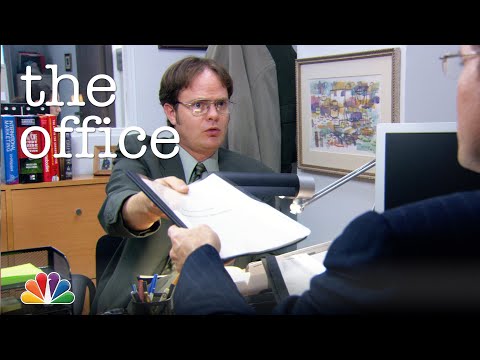
shrute 30秒了解
- A 'shrute' is a person who is obsessively focused on rules and small details, often making them difficult to work with or talk to in social settings.
- The term implies a lack of social skills and a tendency to correct others on minor points, even when it is not helpful or necessary to do so.
- Commonly used in workplace contexts, a shrute is the person who insists on following every bureaucratic procedure to the letter, regardless of the situation.
- While the word is informal and derived from pop culture, it perfectly captures the archetype of the humorless, rigid, and pedantic individual in modern society.
The term shrute functions as a noun to describe a very specific archetype of human behavior often encountered in professional and social settings. At its core, a shrute is an individual who exhibits an extreme, often exhausting, level of fastidiousness and adherence to protocol. This person does not merely follow rules; they worship them as the ultimate authority, often at the expense of common sense, empathy, or social harmony. When you call someone a shrute, you are highlighting their tendency to prioritize technical accuracy over the actual goals of a conversation or project. This behavior is frequently accompanied by a lack of social awareness, where the individual fails to realize that their constant corrections or rigid demands are alienating those around them. The term has evolved from pop culture references to describe the 'know-it-all' who is also a 'stickler for the rules.' It is most commonly used in workplace environments where bureaucracy can provide a shield for such pedantic behavior. For example, if a team is trying to brainstorm a creative solution and one member keeps interrupting to cite obscure company bylaws that make the idea difficult, that person is acting like a shrute. The nuance of the word lies in the combination of intensity and social blindness. A shrute isn't just a rule-follower; they are an aggressive enforcer of minutiae who believes that being 'right' is more important than being helpful or liked.
- The Pedantic Element
- A shrute will correct your grammar during an emergency or point out a minor clerical error in a document that is already being shredded. Their focus is microscopic.
- The Bureaucratic Devotion
- To a shrute, the manual is a sacred text. They find comfort in hierarchies and standardized operating procedures, even when those procedures are clearly obsolete or counterproductive.
Stop being such a shrute and just let us use the color printer for the birthday signs; nobody cares about the ink budget right now.
In social contexts, a shrute might be the person who insists on explaining the exact scientific reason why a joke isn't factually accurate, thereby killing the humor. They often possess a vast store of 'useless' knowledge which they deploy not to entertain, but to establish dominance or 'correct' the record. This behavior is often perceived as a defense mechanism or a way to exert control in environments where they feel socially insecure. By sticking to the rules, the shrute feels safe from the unpredictability of human emotion. However, this safety comes at a high price: the loss of genuine connection. People tend to avoid the shrute because every interaction feels like an audit. The word is often used with a hint of exasperation or mockery, though in some niche circles, being a shrute might be seen as a sign of dedication, however misguided. Understanding the term requires recognizing that it is not just about being smart; it is about the application of that intelligence in a way that is socially abrasive and rigidly structured.
The office shrute actually filed a formal complaint because the stapler was moved three inches to the left.
Furthermore, the term captures a sense of self-importance. A shrute often believes they are the only person truly upholding the standards of the organization or the society. They see themselves as the 'last line of defense' against chaos, even if the 'chaos' is just a slightly messy desk or a relaxed dress code. This self-perception as a hero of order is what makes the shrute so persistent. They aren't trying to be annoying; they genuinely believe their pedantry is a service to the world. This disconnect between their self-image and how others perceive them is a hallmark of the shrute personality. When using the word, it is important to distinguish it from a 'nerd' or a 'geek.' While those terms imply a passion for a subject, 'shrute' implies a passion for the rules surrounding a subject. A nerd loves the movie; a shrute loves the fact that the movie's credits are in the wrong font according to 1994 industry standards.
- Social Impact
- The presence of a shrute can stifle creativity and lower morale, as people become afraid of being corrected for minor deviations.
Using the word shrute effectively requires an understanding of its grammatical role as a common noun and its descriptive power. It is typically used to label a person, often following the verb 'to be' or acting as the object of a sentence. Because it is an informal term, it fits best in conversational English, particularly when venting about workplace frustrations or describing a difficult acquaintance. You might say, 'He is such a shrute,' or 'We have a real shrute in our accounting department.' The word can also be used attributively in some contexts, though it is primarily a noun. When constructing sentences, it is helpful to pair 'shrute' with adjectives that emphasize the rigidity or the social awkwardness of the individual, such as 'insufferable,' 'total,' or 'classic.' This helps to paint a clearer picture of the level of pedantry being described. For instance, 'Our project lead is a total shrute when it comes to time-tracking; he wants us to log our bathroom breaks.' This sentence clearly illustrates the excessive focus on rules that defines the term.
Don't let your inner shrute take over during the party; just enjoy the music and stop checking the decibel levels.
Another common way to use the word is in the negative, to warn someone against becoming too rigid. 'Don't be a shrute' is a common refrain when someone starts getting too caught up in the details of a plan or a set of instructions. This usage highlights the social corrective nature of the word—it serves as a reminder to prioritize the human element. You can also use the word to describe a collective behavior, though this is less common. For example, 'The entire committee acted like a bunch of shrutes, arguing over the margin size of the report for three hours.' Here, the word emphasizes the collective loss of perspective. It is also interesting to note that while 'shrute' is a noun, it carries a heavy descriptive weight, almost acting like an adjective in the listener's mind. When you say someone is a shrute, you are instantly conveying a list of traits: humorless, rule-bound, pedantic, and socially tone-deaf.
- Common Sentence Structures
- [Person] is a [adjective] shrute. Example: 'Kevin is a massive shrute about the office thermostat.'
- The 'Stop being a...' Pattern
- Used as a direct command to someone being overly pedantic. Example: 'Stop being a shrute and just sign the paper!'
Every bureaucracy eventually produces a head shrute who makes progress impossible.
In more creative writing, you might use 'shrute' to personify a certain type of institutional resistance. 'The shrute at the front desk refused to look up from his ledger, even as the building began to smoke.' This uses the noun to represent a character type that is instantly recognizable to the reader. It is also possible to use the word in a self-deprecating way. 'I know I'm being a bit of a shrute, but we really need to follow the filing system exactly.' This softens the blow of the pedantry by acknowledging it. By labeling oneself as a shrute, the speaker shows they have some social awareness, which ironically makes them less of a 'true' shrute. The word is versatile because it captures a complex set of behaviors in a single, punchy syllable. Whether used as a lighthearted jab or a serious critique of someone's management style, 'shrute' remains a powerful tool for describing the friction between rigid systems and human flexibility.
If you act like a shrute during the board game, nobody will want to play with you next weekend.
The word shrute is most frequently heard in modern office environments, particularly among younger professionals who have grown up with a specific brand of workplace comedy. It is a staple of 'water cooler' talk, where employees vent about the frustrations of middle management or the rigidity of HR departments. You will hear it in the breakroom, in private Slack channels, and during happy hours when the day's annoyances are being recapped. It has become a shorthand for a certain type of colleague who is more interested in the employee handbook than in the team's actual success. Beyond the office, you'll find the term in online communities dedicated to hobbies that involve complex rules, such as tabletop gaming, coding, or historical reenactment. In these spaces, a shrute is the person who argues over a minor rule change for hours, effectively halting the fun for everyone else. The word is also common in academic settings, used by students to describe a professor or a peer who is excessively focused on formatting requirements rather than the content of the work.
- Workplace Culture
- In the modern 'agile' workplace, the shrute is seen as the enemy of 'flow' and 'innovation.' They are the ones who insist on meetings to discuss the format of other meetings.
- Pop Culture Influence
- The term gained massive traction through television, where characters embodying these traits became iconic, leading the audience to adopt the name as a general noun.
'I can't believe the building manager is being such a shrute about the height of our balcony plants,' Sarah complained.
You might also encounter the word in podcasts or YouTube videos that critique bureaucracy or social awkwardness. It is often used as a relatable descriptor for the 'villain' in a story about red tape. For instance, a travel vlogger might describe a customs official who insisted on weighing every single individual sock as a 'total shrute.' In this way, the word has transcended its origins to become a universal label for the pedantic obstacle. It is also used in political commentary to describe officials who are more concerned with the 'letter of the law' than the 'spirit of the law.' In these contexts, calling someone a shrute is a way of saying they are missing the big picture because they are too busy staring at the fine print. The word's popularity stems from its ability to perfectly capture a feeling of exasperation that many people feel when dealing with rigid systems.
The internet is full of shrutes waiting to correct your minor spelling mistakes in the middle of a serious debate.
Interestingly, the word is rarely used in formal writing or official documents. You won't find it in a legal brief or a corporate mission statement. It remains a word of the people—a slang term that provides a way to vent and find solidarity with others who are also frustrated by pedantry. Its usage is a social signal; using the word 'shrute' identifies you as someone who values flexibility and human connection over rigid adherence to protocol. It also signals a certain level of cultural literacy, as the word carries the weight of its pop-culture baggage. When you hear someone use it, they are often looking for a nod of agreement, a shared understanding of the absurdity of the situation. It is a word that builds community through shared frustration.
- Gaming and Hobbies
- In Dungeons & Dragons, a 'rules lawyer' is often referred to as a shrute because they prioritize the rulebook over the narrative flow of the game.
One of the most frequent mistakes people make with the word shrute is confusing it with the adjective 'shrewd.' While they sound somewhat similar, their meanings are nearly opposite. 'Shrewd' refers to someone who is clever, discerning, and has good judgment, especially in practical matters. A shrewd person is often flexible and knows how to navigate complex situations to their advantage. A shrute, on the other hand, is the opposite of flexible; they are rigid and often lack the practical judgment to see when a rule should be bent. Calling a clever businessperson a 'shrute' would be a significant error, as it implies they are a pedantic rule-follower rather than a sharp strategist. Another common mistake is using 'shrute' as a verb. While English is a language that loves to 'verb' nouns, 'shruting' or 'to shrute' has not yet gained widespread acceptance. Stick to using it as a noun to describe a person or a behavior type to ensure you are understood correctly.
Incorrect: 'He really shruted that meeting.' Correct: 'He was such a shrute during that meeting.'
People also sometimes use 'shrute' to describe anyone they find annoying or anyone who is simply smart. This dilutes the specific meaning of the word. A shrute isn't just someone who is intelligent; they are someone who uses their intelligence to enforce rigid, often unnecessary, standards. A brilliant scientist who is kind and flexible is not a shrute. A mediocre administrator who insists on three forms of ID to buy a stamp is a shrute. It is important to maintain this distinction to keep the word's descriptive power. Additionally, some learners might misspell the word as 'shroot' or 'schroot' due to its phonetic sound. While the spelling can vary in very informal internet slang, 'shrute' is the most recognized form in the context of this specific personality archetype. Using the wrong spelling can make the writer look less familiar with the cultural context of the word.
- Confusion with 'Stickler'
- While a 'stickler' is someone who insists on something, a 'shrute' implies a broader personality type that includes social awkwardness and a lack of perspective. A stickler might just be very clean; a shrute is clean and will lecture you on the chemical composition of the soap you used.
- Overuse in Formal Contexts
- Using 'shrute' in a formal performance review or a legal document is a mistake. It is too informal and carries a derogatory undertone that is inappropriate for professional documentation.
Don't confuse a shrute with a leader; a leader knows when to break the rules to achieve the mission.
Finally, a subtle mistake is failing to recognize the cultural origin of the word. Because it is so closely tied to a specific character from a popular television show, using it around people who haven't seen the show might lead to confusion. While the word is becoming a standalone noun, it still carries that cultural baggage. If your audience doesn't 'get' the reference, the word might just sound like gibberish to them. In such cases, it might be better to use more traditional synonyms like 'pedant' or 'formalist.' However, in the right crowd, 'shrute' is far more evocative and descriptive than any formal alternative. It captures the 'vibe' of the person, not just their actions. To avoid this mistake, gauge your audience's cultural background before deploying the term in a high-stakes conversation.
When you find that the word shrute might be too informal or culturally specific for your needs, there are several alternatives that capture different facets of its meaning. The most direct formal synonym is pedant. A pedant is someone who is excessively concerned with minor details and rules, especially in an academic or technical context. However, 'pedant' lacks the specific 'socially awkward' and 'bureaucratic' flavor that 'shrute' provides. Another close alternative is stickler. This is often used in the phrase 'a stickler for the rules.' It is a bit more neutral than 'shrute' and can even be used as a compliment in some professional settings where precision is highly valued. If you want to emphasize the person's obsession with official procedures, bureaucrat or apparatchik might be more appropriate, though these often imply a position of power within a large organization.
- Pedant vs. Shrute
- A pedant corrects your facts; a shrute corrects your life. The shrute's rigidity extends beyond knowledge into every social interaction.
- Stickler vs. Shrute
- A stickler wants things done right. A shrute wants things done by the book, even if the book is wrong.
While he was a pedant about grammar, he wasn't quite a shrute because he still knew how to tell a joke.
In more casual slang, you might use the term rules lawyer, which originated in the gaming community. This describes someone who uses the literal text of the rules to gain an advantage or to block others, often ignoring the intended spirit of the game. This is very close to the 'shrute' energy. Another modern term is gatekeeper, which refers to someone who uses their knowledge or position to control who has access to a community or resource, often by enforcing arbitrary standards. While a shrute is always a bit of a gatekeeper, not all gatekeepers are shrutes. Some gatekeepers are just elitist, whereas shrutes are motivated by a genuine, if misplaced, belief in the necessity of the rules themselves. For a more humorous or derogatory tone, words like tight-ass or square might be used, though these are much broader and don't specifically target the pedantic nature of the behavior.
The formalist approach of the new manager made everyone feel like they were working for a shrute.
Finally, it is worth considering the word perfectionist. While a perfectionist also cares deeply about details, their motivation is usually the quality of the final product. A shrute's motivation is the adherence to the process. A perfectionist might stay late to make sure a design is beautiful; a shrute might stay late to make sure the design follows the 50-page style guide exactly, even if the result is ugly. Understanding these subtle differences helps you choose the right word for the right situation. In the end, 'shrute' remains the most colorful and specific way to describe that unique blend of rule-obsession and social disconnection that we all recognize but often struggle to name. It is a word that carries a story with it, making it a powerful addition to your vocabulary.
- Modern Slang Alternatives
- 'Rules lawyer' (gaming), 'Grammar Nazi' (internet), 'Karen' (general entitlement/rule enforcement).
How Formal Is It?
趣味小知识
Rainn Wilson, the actor who played Dwight Schrute, has often commented on how the character's name has become synonymous with a specific type of 'annoying' coworker.
发音指南
- Pronouncing it as 'shroot' with a very long 'o' sound.
- Adding an extra syllable like 'shru-te'.
- Confusing it with 'shrewd' (/ʃruːd/).
- Softening the 't' at the end so it sounds like 'shrew'.
- Missing the 'r' sound entirely.
难度评级
Easy to read but requires cultural context to fully understand the nuance.
Requires careful use to avoid sounding too informal or mean-spirited.
Simple pronunciation but needs the right 'exasperated' tone.
Can be easily confused with 'shrewd' or other similar-sounding words.
接下来学什么
前置知识
接下来学习
高级
需要掌握的语法
Nouns as labels
He is a shrute. (Using a noun to categorize a person's entire personality.)
Attributive nouns
His shrute behavior is annoying. (Using the noun like an adjective.)
Similes with 'like'
He acts like a shrute. (Comparing behavior to the archetype.)
The 'such a' construction
She is such a shrute. (Adding emphasis to the noun.)
Possessive 'inner'
My inner shrute. (Treating the personality trait as a separate entity.)
按水平分级的例句
He is a shrute and always follows the rules.
Il est un 'shrute' et suit toujours les règles.
Subject + is + a + noun.
Don't be a shrute; let's play!
Ne sois pas un 'shrute'; jouons !
Imperative negative.
The shrute said no to the party.
Le 'shrute' a dit non à la fête.
Simple past tense.
She is a little shrute about her pens.
Elle est un peu 'shrute' avec ses stylos.
Adjective 'little' modifying the noun.
Is he a shrute?
Est-il un 'shrute' ?
Question form.
My brother is a shrute at school.
Mon frère est un 'shrute' à l'école.
Possessive pronoun + noun.
A shrute likes order.
Un 'shrute' aime l'ordre.
General statement.
We don't like the shrute.
Nous n'aimons pas le 'shrute'.
Negative present simple.
Our new boss is a total shrute about lunch breaks.
Notre nouveau patron est un vrai 'shrute' pour les pauses déjeuner.
Use of 'total' as an intensifier.
He acted like a shrute when I forgot my ID.
Il a agi comme un 'shrute' quand j'ai oublié ma carte d'identité.
Simile 'like a shrute'.
Stop being such a shrute and just help us.
Arrête d'être un tel 'shrute' et aide-nous simplement.
Use of 'such a' for emphasis.
The shrute in the library told me to be quiet.
Le 'shrute' de la bibliothèque m'a dit de me taire.
Prepositional phrase 'in the library'.
She is a shrute who never breaks a rule.
C'est une 'shrute' qui ne transgresse jamais une règle.
Relative clause 'who never breaks a rule'.
I don't want to be a shrute, but you are late.
Je ne veux pas être un 'shrute', mais tu es en retard.
Contrastive conjunction 'but'.
Every office has at least one shrute.
Chaque bureau a au moins un 'shrute'.
Quantifier 'at least one'.
The shrute corrected my spelling in the chat.
Le 'shrute' a corrigé mon orthographe dans le chat.
Past simple with object.
He’s such a shrute that he won't even let us use the 'good' paper for drafts.
C'est un tel 'shrute' qu'il ne nous laisse même pas utiliser le 'bon' papier pour les brouillons.
Result clause 'such a... that'.
The shrute at the DMV made me fill out the entire form again because of one smudge.
Le 'shrute' du service des immatriculations m'a fait remplir tout le formulaire à cause d'une tache.
Causative 'made me fill out'.
I tried to be flexible, but my inner shrute insisted on following the manual.
J'ai essayé d'être flexible, mais mon 'shrute' intérieur a insisté pour suivre le manuel.
Metaphorical use of 'inner shrute'.
Being a shrute might get the job done, but it won't make you any friends.
Être un 'shrute' peut permettre de faire le travail, mais cela ne vous fera pas d'amis.
Gerund as subject.
She’s a shrute when it comes to the company's filing system.
C'est une 'shrute' quand il s'agit du système de classement de l'entreprise.
Phrase 'when it comes to'.
The project failed because the lead was a shrute who couldn't adapt to changes.
Le projet a échoué parce que le responsable était un 'shrute' qui ne pouvait pas s'adapter aux changements.
Complex sentence with reason and relative clause.
Nobody likes working with a shrute who prioritizes protocol over people.
Personne n'aime travailler avec un 'shrute' qui donne la priorité au protocole sur les personnes.
Verb 'prioritize' with 'over'.
He became a bit of a shrute after he was promoted to supervisor.
Il est devenu un peu 'shrute' après avoir été promu superviseur.
Phrase 'a bit of a'.
His reputation as a shrute preceded him, making the team nervous before the meeting.
Sa réputation de 'shrute' l'a précédé, rendant l'équipe nerveuse avant la réunion.
Participle phrase 'making the team nervous'.
The shrute’s refusal to deviate from the script made the interview feel incredibly awkward.
Le refus du 'shrute' de s'écarter du script a rendu l'entretien incroyablement gênant.
Possessive noun + infinitive phrase.
By acting like a shrute, he effectively shut down any creative brainstorming.
En agissant comme un 'shrute', il a efficacement stoppé tout remue-méninges créatif.
Preposition 'by' + gerund.
It’s hard to innovate when you’re constantly being managed by a shrute.
Il est difficile d'innover quand on est constamment dirigé par un 'shrute'.
Passive voice 'being managed'.
The shrute’s obsession with technicalities often obscured the project’s ultimate goal.
L'obsession du 'shrute' pour les technicités occultait souvent l'objectif ultime du projet.
Abstract subject with 'obscured'.
She managed to avoid being labeled a shrute by maintaining a sense of humor about the rules.
Elle a réussi à éviter d'être étiquetée comme une 'shrute' en gardant le sens de l'humour sur les règles.
Gerund phrase 'avoid being labeled'.
The shrute in the accounting department is the bane of my existence.
Le 'shrute' du service comptabilité est le fléau de mon existence.
Idiomatic expression 'bane of my existence'.
He is a shrute of the highest order, demanding perfection in every minor task.
C'est un 'shrute' de premier ordre, exigeant la perfection dans chaque tâche mineure.
Prepositional phrase 'of the highest order'.
The institutional shrute serves as a gatekeeper of administrative inertia, blocking any meaningful reform.
Le 'shrute' institutionnel sert de gardien à l'inertie administrative, bloquant toute réforme significative.
Metaphorical use in a formal context.
His shrute-like devotion to the bylaws made him an effective, if unpopular, parliamentarian.
Son dévouement de type 'shrute' aux statuts a fait de lui un parlementaire efficace, bien qu'impopulaire.
Compound adjective 'shrute-like'.
The film portrays the protagonist's descent from a passionate artist to a soulless shrute.
Le film dépeint la déchéance du protagoniste, d'un artiste passionné à un 'shrute' sans âme.
Noun phrase 'descent from... to...'.
In the face of a crisis, the last thing we need is a shrute arguing over jurisdictional boundaries.
Face à une crise, la dernière chose dont nous avons besoin est un 'shrute' se disputant sur les limites de juridiction.
Present participle phrase 'arguing over'.
The shrute’s pedantry was not merely an annoyance but a systemic barrier to efficiency.
La pédanterie du 'shrute' n'était pas seulement un agacement mais une barrière systémique à l'efficacité.
Correlative conjunction 'not merely... but...'.
To call him a shrute is perhaps an understatement; he is a zealot for the mundane.
L'appeler un 'shrute' est peut-être un euphémisme ; c'est un zélote du banal.
Infinitive as subject + semicolon.
The shrute’s worldview is binary, leaving no room for the gray areas of human experience.
La vision du monde du 'shrute' est binaire, ne laissant aucune place aux zones d'ombre de l'expérience humaine.
Participial phrase 'leaving no room'.
She critiqued the shrute’s approach as being fundamentally disconnected from the reality of the field.
Elle a critiqué l'approche du 'shrute' comme étant fondamentalement déconnectée de la réalité du terrain.
Gerund phrase as object of preposition.
The shrute’s meticulousness, while technically impressive, functioned as a psychological defense against the volatility of the market.
La méticulosité du 'shrute', bien qu'impressionnante sur le plan technique, fonctionnait comme une défense psychologique contre la volatilité du marché.
Concessive clause 'while technically impressive'.
In the labyrinthine halls of the ministry, the shrute is the only creature that truly thrives.
Dans les couloirs labyrinthiques du ministère, le 'shrute' est la seule créature qui s'épanouisse vraiment.
Inverted sentence structure for emphasis.
His transition into a full-blown shrute was marked by an increasing inability to recognize sarcasm or metaphor.
Sa transition vers un 'shrute' à part entière a été marquée par une incapacité croissante à reconnaître le sarcasme ou la métaphore.
Passive voice with agent 'marked by'.
The shrute embodies the Kafkaesque nightmare of a system that has forgotten its human purpose.
Le 'shrute' incarne le cauchemar kafkaïen d'un système qui a oublié sa finalité humaine.
Adjective 'Kafkaesque' to provide context.
The shrute’s insistence on 'proper channels' served only to facilitate the very corruption he claimed to oppose.
L'insistance du 'shrute' sur les 'voies appropriées' n'a servi qu'à faciliter la corruption même à laquelle il prétendait s'opposer.
Relative clause 'he claimed to oppose'.
The shrute’s discourse is a sterile landscape of jargon and cross-references, devoid of any genuine insight.
Le discours du 'shrute' est un paysage stérile de jargon et de renvois, dépourvu de toute intuition réelle.
Metaphorical noun phrase.
We must guard against the 'shrute-ification' of our culture, where data points are valued over lived experiences.
Nous devons nous méfier de la 'shrutification' de notre culture, où les points de données sont valorisés par rapport aux expériences vécues.
Neologism 'shrute-ification' used as a noun.
The shrute’s ultimate failure is his inability to grasp that the map is not the territory.
L'échec ultime du 'shrute' est son incapacité à saisir que la carte n'est pas le territoire.
Noun clause 'that the map is not the territory'.
常见搭配
常用短语
— A warning to someone to stop being overly pedantic or rigid.
Don't be a shrute; the margins are fine.
— When someone is being 100% focused on rules and details.
He went into full shrute mode during the audit.
— A common way to label someone's behavior as annoying and pedantic.
She is such a shrute about the kitchen cleaning schedule.
— The person in a group of friends who is the most serious and rule-bound.
I'm definitely the shrute of the group because I always bring the map.
— A feeling that a situation or person is very rigid and formal.
This restaurant has major shrute vibes; look at how the napkins are folded.
— Doing something very pedantic or socially awkward.
He's pulling a shrute by citing the 1992 bylaws.
— Engaging in very pedantic or rule-focused behavior.
They are really shrute-ing it up in the planning committee.
— A softened way to call someone pedantic.
He's a bit of a shrute, but he means well.
— The part of one's personality that wants to follow rules perfectly.
My inner shrute wants to reorganize this entire shelf.
— Behavior that perfectly matches the shrute archetype.
Correcting the menu's spelling is classic shrute behavior.
容易混淆的词
Shrewd means clever and discerning, while a shrute is rigid and pedantic.
A shrew is a bad-tempered woman or a small animal; a shrute is a rule-obsessed person.
A shroud is a cloth for a dead body; it has no relation to the personality type.
习语与表达
— Following rules or instructions exactly. A shrute always does things by the book.
The auditor went by the book and found every tiny error.
neutral— To be very careful and pay attention to every small detail.
A shrute will spend all night dotting the i's and crossing the t's.
neutral— To argue about very small, unimportant differences.
Stop splitting hairs like a shrute and just agree on the plan.
informal— To refuse to change your mind, often used for shrutes who won't bend rules.
The shrute stuck to his guns even when the rule made no sense.
informal— To set a limit that must not be passed, something shrutes do often.
The shrute drew a line in the sand regarding the dress code.
neutral— The exact literal meaning of a rule, as opposed to its intent.
The shrute follows the letter of the law but ignores the spirit.
formal— Excessive bureaucracy and rules that slow things down.
The shrute loves red tape because it gives him a sense of order.
neutral— To be very limited in thinking, often applied to the rigid shrute.
The shrute thinks in a box and can't see creative solutions.
informal— Someone who doesn't fit into a social situation, like a shrute at a party.
The shrute felt like a square peg in a round hole at the nightclub.
neutral— Very strict or rigid, often describing a shrute's management style.
The shrute runs his department tight as a drum.
informal容易混淆
Both care about small details.
A pedant focuses on knowledge; a shrute focuses on rules and procedures.
The pedant corrected my date; the shrute refused my late entry.
Both insist on things being done a certain way.
A stickler can be positive; a shrute is almost always seen as annoying and socially unaware.
He's a stickler for quality, but he's not a shrute about the process.
Both love rules and forms.
A bureaucrat is a job title; a shrute is a personality type that can exist in any job.
The bureaucrat was actually quite helpful, unlike the office shrute.
Both want things to be exactly right.
A perfectionist cares about the result; a shrute cares about the rules used to get there.
The perfectionist made the cake beautiful; the shrute made sure it followed the recipe exactly.
Both can be socially awkward and very smart.
A nerd is passionate about a subject; a shrute is passionate about the structure and rules of that subject.
The nerd knows everything about Star Wars; the shrute knows the exact legal status of the Jedi Council.
句型
He is a [shrute].
He is a shrute.
Don't be a [shrute].
Don't be a shrute.
He is such a [shrute] about [something].
He is such a shrute about the rules.
Acting like a [shrute] will [result].
Acting like a shrute will make people angry.
The [adjective] [shrute] [verb] [object].
The insufferable shrute corrected the report.
His [shrute-like] [noun] was a [metaphor].
His shrute-like devotion was a wall against change.
I know I'm being a [shrute], but...
I know I'm being a shrute, but we need to sign this.
Every [place] has its own [shrute].
Every office has its own shrute.
词族
名词
动词
形容词
相关
如何使用
Increasing in workplace and internet contexts.
-
Using 'shrute' as an adjective.
→
He is a shrute.
It is primarily a noun, not an adjective like 'happy' or 'sad'.
-
Confusing it with 'shrewd'.
→
He is a shrute (pedantic). He is shrewd (clever).
These words sound similar but have very different meanings.
-
Using it in a formal report.
→
The employee is very focused on procedures.
'Shrute' is slang and inappropriate for professional documentation.
-
Spelling it 'shroot'.
→
shrute
While it sounds like 'shroot', the spelling follows the pop-culture origin.
-
Calling any smart person a shrute.
→
He is a nerd/genius.
A shrute must be obsessed with rules, not just intelligent.
小贴士
Be Careful
Calling someone a shrute to their face can be very offensive. It's usually a word used to talk *about* someone else.
Watch The Office
To truly understand the 'vibe' of a shrute, watch a few episodes of 'The Office' (US version) featuring Dwight.
Noun Only
Stick to using it as a noun. 'He is a shrute' is better than 'He is shrute'.
Synonym Check
If you are in a formal meeting, use 'pedant' or 'stickler' instead of 'shrute'.
Tone Matters
Say it with a bit of a smile or a sigh so people know you are being informal.
Character Building
Use 'shrute' in your creative writing to quickly establish a character as rigid and bureaucratic.
Know Your Audience
Older people or those who don't watch much TV might not know what a shrute is.
Mnemonic
Remember: S.H.R.U.T.E. = Super Hard Rules Usually Terrify Everyone.
Self-Labeling
It's okay to call yourself a shrute if you are being too serious; it shows you have a sense of humor!
记住它
记忆技巧
Think of a 'SHarp RUle-TEacher'. A shrute is someone who is sharp (harsh) about every single rule and acts like a teacher who never stops correcting you.
视觉联想
Imagine a man in a short-sleeved mustard-yellow shirt, holding a giant rulebook and a stopwatch, standing in front of a 'No Fun Allowed' sign.
Word Web
挑战
Try to identify one 'shrute' behavior you've seen today. Write it down using the word 'shrute' in a sentence that explains why the behavior was pedantic.
词源
The word is a neologism derived from the character Dwight Schrute from the American television series 'The Office' (2005-2013). The character was famous for his extreme pedantry, love of rules, and lack of social awareness. Over time, fans and the general public began using his last name as a common noun to describe people with similar traits.
原始含义: A proper surname of German origin (Schrute), which historically might relate to someone who lived near a clearing or a rough area.
English (Modern Slang) / Germanic (Origin of the name).文化背景
Be careful when using this word, as it can be seen as mocking people who may have social processing difficulties or who are genuinely trying to do their jobs well.
Very common in the US, Canada, and the UK among people aged 20-45.
在生活中练习
真实语境
Workplace
- The office shrute
- Follow the manual
- HR protocol
- Time-tracking
Gaming
- Rules lawyer
- By the book
- Technicality
- Game balance
Social Gatherings
- Party pooper
- Killjoy
- Fact-checker
- Socially awkward
Academia
- Citation style
- Margin size
- Formatting error
- Pedantic professor
Government/DMV
- Red tape
- Official form
- Proper channels
- Bureaucratic delay
对话开场白
"Have you ever worked with a total shrute who made your life difficult?"
"Do you think being a bit of a shrute is actually helpful in some jobs?"
"Who is the biggest shrute in pop culture besides Dwight himself?"
"When was the last time you had to suppress your inner shrute?"
"Is it possible for a shrute to ever be a good leader?"
日记主题
Describe a time when you were a shrute. What rule were you following, and why was it so important to you?
Write about a fictional character who is a shrute. How does their rigidity affect the people around them?
Reflect on the difference between being a perfectionist and being a shrute. Which one are you more like?
How does a shrute-like personality impact a creative team? Is there any benefit to having one on the team?
If you had to create a 'Shrute's Guide to Life,' what would be the first three rules in the book?
常见问题
10 个问题It is a real word in the sense that it is used and understood by many English speakers, but it is informal slang and not yet in most traditional dictionaries. It is a neologism.
You should be careful. It is informal and can be seen as an insult. Use it only with colleagues you trust and in a lighthearted way.
It comes from the character Dwight Schrute in the TV show 'The Office.' His personality was so distinct that his name became a noun for that type of person.
Almost always. It implies that someone is being annoying or difficult because they are too focused on rules. However, it can be used jokingly.
A pedant is usually about facts and grammar. A shrute is about rules, procedures, and a general lack of social awareness in all areas.
Not really. Some people might say 'stop shruting,' but it is much more common to use it as a noun: 'stop being a shrute.'
The most common spelling is 'shrute,' though the character's name is spelled 'Schrute.' In slang, the 'c' is often dropped.
Yes, the term is gender-neutral and can describe anyone who fits the personality profile.
Somewhat, but a 'Karen' is usually about entitlement and complaining. A 'shrute' is about being obsessed with rules and technicalities.
Because it requires an understanding of modern culture and the ability to describe personality types using informal language, which is a key skill at the B1 level.
自我测试 200 个问题
Describe a person you know who is a 'shrute'. What do they do that makes them a shrute?
Well written! Good try! Check the sample answer below.
Write a short dialogue between a 'shrute' and a 'free spirit' trying to plan a trip.
Well written! Good try! Check the sample answer below.
Explain why calling someone a 'shrute' might be offensive in a workplace.
Well written! Good try! Check the sample answer below.
Write a paragraph about your 'inner shrute'. When does it come out?
Well written! Good try! Check the sample answer below.
Create a list of 5 rules that a 'shrute' would enforce in a public park.
Well written! Good try! Check the sample answer below.
Compare a 'shrute' to a 'perfectionist'. How are they different?
Well written! Good try! Check the sample answer below.
Write a funny story about a shrute at a wedding.
Well written! Good try! Check the sample answer below.
How does a 'shrute' handle a crisis? Describe a scenario.
Well written! Good try! Check the sample answer below.
Write a review of a restaurant from the perspective of a shrute.
Well written! Good try! Check the sample answer below.
Explain the etymology of the word 'shrute' in your own words.
Well written! Good try! Check the sample answer below.
Write a formal email that a shrute would send to a coworker about a messy desk.
Well written! Good try! Check the sample answer below.
Describe the physical appearance of a 'classic shrute'.
Well written! Good try! Check the sample answer below.
Write a poem about a lonely shrute and his rulebook.
Well written! Good try! Check the sample answer below.
How would a shrute change a lightbulb? Write the steps.
Well written! Good try! Check the sample answer below.
Discuss the impact of a 'shrute' on team morale.
Well written! Good try! Check the sample answer below.
Write a diary entry of a shrute who just had a very 'disorganized' day.
Well written! Good try! Check the sample answer below.
Explain the difference between 'shrewd' and 'shrute' with examples.
Well written! Good try! Check the sample answer below.
What are the benefits of having a shrute in a company? Write 3 points.
Well written! Good try! Check the sample answer below.
Write a letter of recommendation for a shrute, highlighting their 'strengths'.
Well written! Good try! Check the sample answer below.
Describe a 'shrute-free' world. What would it look like?
Well written! Good try! Check the sample answer below.
Explain the meaning of 'shrute' to a friend who has never heard it.
Read this aloud:
你说的:
Speech recognition is not supported in your browser. Try Chrome or Edge.
Tell a story about a time you met a shrute.
Read this aloud:
你说的:
Speech recognition is not supported in your browser. Try Chrome or Edge.
Roleplay a conversation where you tell a coworker to 'stop being a shrute'.
Read this aloud:
你说的:
Speech recognition is not supported in your browser. Try Chrome or Edge.
Discuss whether being a shrute is ever a good thing in a professional setting.
Read this aloud:
你说的:
Speech recognition is not supported in your browser. Try Chrome or Edge.
Describe the 'ultimate shrute' character for a new TV show.
Read this aloud:
你说的:
Speech recognition is not supported in your browser. Try Chrome or Edge.
How would you handle a boss who is a total shrute?
Read this aloud:
你说的:
Speech recognition is not supported in your browser. Try Chrome or Edge.
Pronounce the word 'shrute' and use it in three different sentences.
Read this aloud:
你说的:
Speech recognition is not supported in your browser. Try Chrome or Edge.
Debate: Is 'shrute' a fair label or just a mean insult?
Read this aloud:
你说的:
Speech recognition is not supported in your browser. Try Chrome or Edge.
Talk about your 'inner shrute'. What makes it come out?
Read this aloud:
你说的:
Speech recognition is not supported in your browser. Try Chrome or Edge.
Describe a 'shrute-like' situation you experienced at a bank or government office.
Read this aloud:
你说的:
Speech recognition is not supported in your browser. Try Chrome or Edge.
What are the physical traits you associate with a shrute?
Read this aloud:
你说的:
Speech recognition is not supported in your browser. Try Chrome or Edge.
Explain the difference between a shrute and a nerd.
Read this aloud:
你说的:
Speech recognition is not supported in your browser. Try Chrome or Edge.
How would a shrute react to someone being five minutes late to a meeting?
Read this aloud:
你说的:
Speech recognition is not supported in your browser. Try Chrome or Edge.
Describe a 'shrute's dream office'.
Read this aloud:
你说的:
Speech recognition is not supported in your browser. Try Chrome or Edge.
Why has the word 'shrute' become so popular in modern English?
Read this aloud:
你说的:
Speech recognition is not supported in your browser. Try Chrome or Edge.
Talk about a movie character who is a shrute.
Read this aloud:
你说的:
Speech recognition is not supported in your browser. Try Chrome or Edge.
How do you avoid being a shrute in a social situation?
Read this aloud:
你说的:
Speech recognition is not supported in your browser. Try Chrome or Edge.
What is the 'shrute energy' of a room? Describe it.
Read this aloud:
你说的:
Speech recognition is not supported in your browser. Try Chrome or Edge.
Tell a joke about a shrute.
Read this aloud:
你说的:
Speech recognition is not supported in your browser. Try Chrome or Edge.
If you were a shrute for a day, what would you do?
Read this aloud:
你说的:
Speech recognition is not supported in your browser. Try Chrome or Edge.
Listen to a description of a man who corrects everyone's grammar and follows every rule. Is he a shrute?
Listen for the word 'shrute' in a conversation about office politics. What is the speaker's tone?
Listen to a person complaining about 'red tape'. Are they talking about a shrute?
Listen to the pronunciation of 'shrute' and 'shrewd'. Can you tell the difference?
Listen to a story about Dwight Schrute. How does his name relate to the noun 'shrute'?
Listen to a manager giving strict instructions. Is this person being a shrute or just a boss?
Listen to a podcast about 'pedants'. Do they use the word 'shrute'?
Listen to a comedian talking about their 'inner shrute'. What example do they give?
Listen to a debate about bureaucracy. How is the word 'shrute' used as a critique?
Listen to a child describing a strict teacher. Would you call this teacher a shrute?
Listen to a description of a 'rules lawyer' in a game. Is this a shrute behavior?
Listen to a person venting about the DMV. Identify the 'shrute' in their story.
Listen to a coworker's private message. Are they calling someone a shrute?
Listen to a discussion about 'The Office'. How did the character's name become a noun?
Listen to a shrute-like person explaining a rule. What is their tone of voice?
/ 200 correct
Perfect score!
Summary
The core of being a 'shrute' is the prioritization of rigid systems over human needs. For example, a shrute would refuse to let a coworker leave five minutes early for a family emergency because 'the handbook says work ends at 5:00 PM.'
- A 'shrute' is a person who is obsessively focused on rules and small details, often making them difficult to work with or talk to in social settings.
- The term implies a lack of social skills and a tendency to correct others on minor points, even when it is not helpful or necessary to do so.
- Commonly used in workplace contexts, a shrute is the person who insists on following every bureaucratic procedure to the letter, regardless of the situation.
- While the word is informal and derived from pop culture, it perfectly captures the archetype of the humorless, rigid, and pedantic individual in modern society.
Context is Key
Only use 'shrute' when the person is being rigid about rules. If they are just being mean, 'shrute' isn't the right word.
Be Careful
Calling someone a shrute to their face can be very offensive. It's usually a word used to talk *about* someone else.
Watch The Office
To truly understand the 'vibe' of a shrute, watch a few episodes of 'The Office' (US version) featuring Dwight.
Noun Only
Stick to using it as a noun. 'He is a shrute' is better than 'He is shrute'.