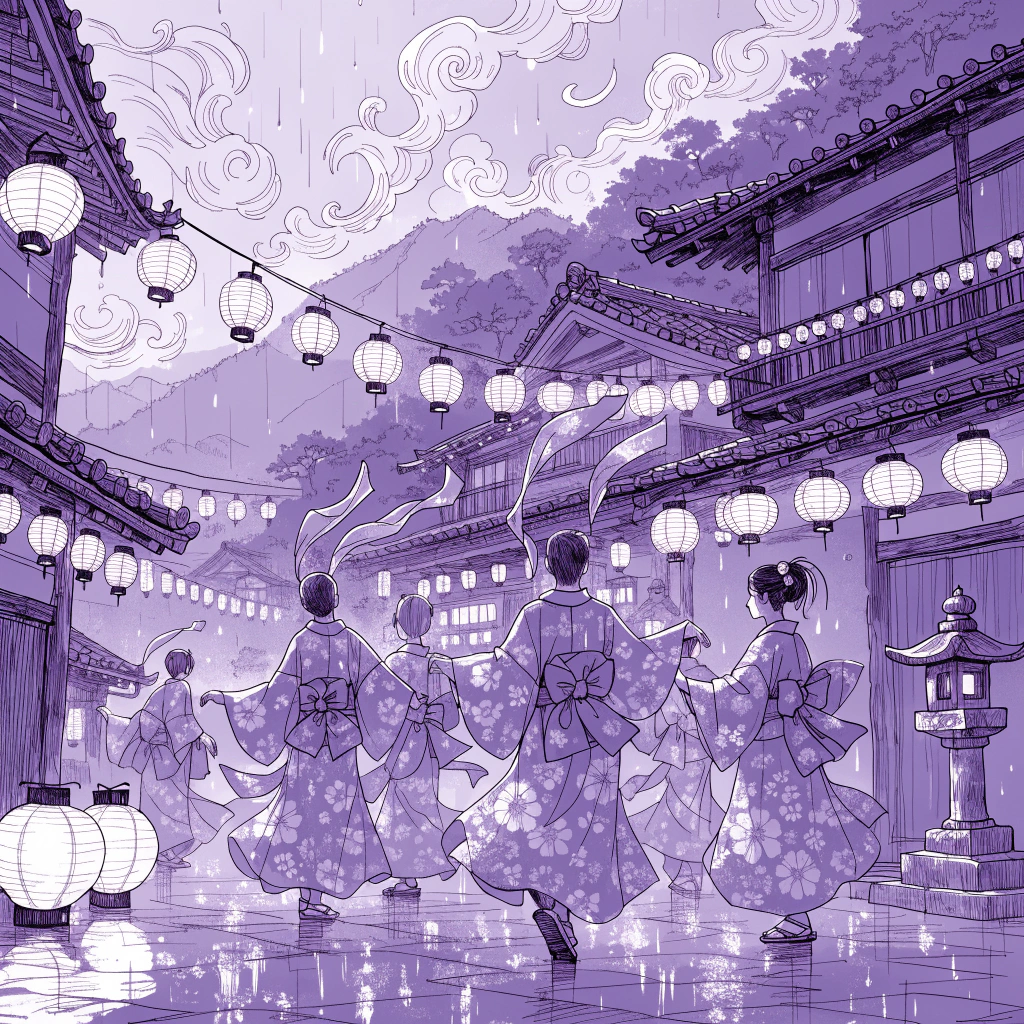
مهرجان أوبون في اليابان
أوبون هو مهرجان مهم في اليابان. الناس تحتفل بهذا المهرجان كل عام. في هذا الوقت، تزور العائلات بعضها البعض. كثير من الناس يرجعون إلى بيوتهم القديمة في المدن الصغيرة. مهرجان أوبون يكون عادةً في شهر أغسطس. الناس تتذكر أجدادها الأموات في هذا اليوم. هم يعتقدون أن أرواح الأجداد ترجع لزيارة العائلة. الناس تضع فوانيس جميلة وتضيئها. هذا المهرجان هو وقت للسعادة ولتذكر الأجداد. إنه جزء مهم من ثقافة اليابان والناس تحبه كثيرًا.
تسليط الضوء على القواعد
نمط: الفعل المضارع للجمع (هم/الناس)
"الناس تحتفل بهذا المهرجان كل عام."
نستخدم هذا الشكل من الفعل المضارع عندما نتحدث عن مجموعة من الناس أو عن 'هم'. نضيف حرف 'ت' في البداية و 'ون' في النهاية للفعل المضارع.
نمط: استخدام 'هو' و 'هي' لوصف الأشياء
"أوبون هو مهرجان مهم في اليابان."
نستخدم 'هو' للمفرد المذكر و 'هي' للمفرد المؤنث لوصف الأشياء أو الأشخاص. هنا 'أوبون' كلمة مذكرة، لذا نستخدم 'هو'.
اختبر فهمك
10 أسئلة · A1 مبتدئ · معاينة مجانية واحدة
اختبر ما تعلمته من هذا المقال. أجب على جميع الأسئلة لكسب نقاط خبرة!
متى يكون مهرجان أوبون عادةً؟
هل تريد إنهاء الاختبار؟
9 أسئلة أخرى بانتظارك. سجّل مجاناً لفتح الاختبار الكامل وكسب نقاط خبرة!
سجل مجاناًلديك حساب بالفعل؟ دخول
تفصيل الأسئلة
متى يكون مهرجان أوبون عادةً؟
إجابتك:
الإجابة الصحيحة: في شهر أغسطس
الناس لا تتذكر أجدادها في مهرجان أوبون.
إجابتك:
الإجابة الصحيحة: خطأ
ماذا تعني كلمة 'عائلات'؟
إجابتك:
الإجابة الصحيحة: مجموعة من الناس تربطهم صلة قرابة
الناس تضع ____ جميلة.
إجابتك:
الإجابة الصحيحة: فوانيس
أوبون: مهرجان الأجداد في اليابان
أوبون هو مهرجان ياباني قديم ومهم جداً. يعرفه الناس أيضاً باسم "مهرجان الفوانيس" في بعض الأماكن. في هذا الوقت من السنة، يعتقد اليابانيون أن أرواح الأجداد الأموات تعود لزيارة عائلاتهم في عالم الأحياء. هذا المهرجان له تاريخ طويل جداً، فقد احتفل به اليابانيون لأكثر من خمسمائة سنة. هو يعتمد على أفكار بوذية وكونفوشيوسية قديمة جداً.
تاريخ الاحتفال بأوبون يختلف قليلاً حسب المنطقة في اليابان. بعض المدن تحتفل به في شهر يوليو، لكن معظم اليابان يحتفلون به في منتصف شهر أغسطس. هذا الوقت يكون عادةً فترة سفر رئيسية، حيث يسافر الكثير من الناس من المدن الكبيرة إلى مدنهم الأصلية ليكونوا مع عائلاتهم. إنه وقت خاص للعائلة والذكرى. في هذا المهرجان، الناس ينظفون منازلهم ويزورون قبور الأجداد لتقديم الاحترام. كما أنهم يضيئون الفوانيس ويضعونها على الأنهار أو البحار لمساعدة الأرواح على العودة. أوبون هو مهرجان جميل ومهم جداً في الثقافة اليابانية.
تسليط الضوء على القواعد
نمط: الفعل الماضي البسيط
"احتفل به اليابانيون لأكثر من خمسمائة سنة."
نستخدم الفعل الماضي البسيط للحديث عن أحداث وقعت وانتهت في الماضي. في هذا المثال، كلمة "احتفل" تدل على فعل حدث في الماضي وانتهى.
نمط: أكثر من (للمقارنة)
"احتفل به اليابانيون لأكثر من خمسمائة سنة."
نستخدم تعبير "أكثر من" للمقارنة بين شيئين أو للتعبير عن كمية تتجاوز عدداً معيناً. هنا، يعني أن عدد السنوات يتجاوز 500 سنة.
اختبر فهمك
11 أسئلة · A2 ابتدائي · معاينة مجانية واحدة
اختبر ما تعلمته من هذا المقال. أجب على جميع الأسئلة لكسب نقاط خبرة!
ما هو الاسم الآخر لمهرجان أوبون في بعض الأماكن؟
هل تريد إنهاء الاختبار؟
10 أسئلة أخرى بانتظارك. سجّل مجاناً لفتح الاختبار الكامل وكسب نقاط خبرة!
سجل مجاناًلديك حساب بالفعل؟ دخول
تفصيل الأسئلة
ما هو الاسم الآخر لمهرجان أوبون في بعض الأماكن؟
إجابتك:
الإجابة الصحيحة: مهرجان الفوانيس
كل اليابانيين يحتفلون بأوبون في شهر يوليو.
إجابتك:
الإجابة الصحيحة: خطأ
ما معنى كلمة "الأجداد"؟
إجابتك:
الإجابة الصحيحة: الآباء السابقون
يعتقد اليابانيون أن أرواح الأموات تعود لزيارة _____.
إجابتك:
الإجابة الصحيحة: عائلاتهم
كم سنة احتفل اليابانيون بأوبون تقريباً؟
إجابتك:
الإجابة الصحيحة: أكثر من 500 سنة
أوبون: مهرجان الأرواح في اليابان
أوبون (Obon) هو أحد أهم المهرجانات الثقافية في اليابان، ويُعرف أيضًا باسم "مهرجان الفوانيس". يُعتقد أن أرواح الأجداد المتوفين تعود إلى عالم الأحياء لزيارة أقاربهم خلال هذا الوقت الخاص. لقد تم الاحتفال بهذا التقليد العريق في اليابان لأكثر من 500 عام، وهو يقوم على معتقدات بوذية وكونفوشيوسية عميقة.
تختلف تواريخ الاحتفال بأوبون قليلاً حسب المنطقة. فبينما تحتفل بعض المناطق به في شهر يوليو، تحتفل غالبية اليابان بهذا المهرجان في منتصف شهر أغسطس. يصادف هذا التوقيت ذروة موسم السفر في اليابان، حيث يسافر الكثير من الناس إلى مسقط رأس أجدادهم لقضاء الوقت مع العائلة وتكريم الذكرى.
خلال أوبون، يقوم الناس بالكثير من التقاليد المهمة. يزورون قبور عائلاتهم لتنظيفها وتقديم القرابين. كما يُضاء الفوانيس الجميلة التي تُعلّق في المنازل أو تُطلق في الأنهار والبحار لمساعدة الأرواح في العثور على طريقها والعودة بسلام. هذه العادات ترمز إلى الاحترام العميق للأسلاف وتُعزز الروابط الأسرية القوية.
يُعد أوبون فرصة للعائلات للتجمع والتفكير في تراثهم. إنه وقت للفرح والذكرى، حيث يتذكر الأحياء أولئك الذين رحلوا ويحافظون على استمرارية الثقافة اليابانية الغنية. هذا المهرجان لا يزال يلعب دورًا حيويًا في المجتمع الياباني الحديث، ويُظهر كيف يمكن للتقاليد القديمة أن تبقى جزءًا مهمًا من الحياة المعاصرة.
تسليط الضوء على القواعد
نمط: الفعل المبني للمجهول (Passive Voice)
"يُعرف أيضًا باسم "مهرجان الفوانيس"."
يُستخدم الفعل المبني للمجهول عندما لا يكون الفاعل معروفًا، أو عندما نريد التركيز على الفعل نفسه أو المفعول به. يتكون عادة من الفعل المضارع مع ضم أوله وفتح ما قبل آخره للمضارع، أو ضم أوله وكسر ما قبل آخره للماضي.
نمط: الأسماء الموصولة (Relative Pronouns)
"الأجداد المتوفين تعود إلى عالم الأحياء لزيارة أقاربهم خلال هذا الوقت الخاص."
الأسماء الموصولة مثل 'الذي' و'التي' و'الذين' تُستخدم لربط جملتين وتصف اسمًا سابقًا. تساعد في إضافة معلومات إضافية عن الاسم دون تكراره، وتجعل الجمل أكثر تعقيدًا وتفصيلاً.
اختبر فهمك
11 أسئلة · B1 متوسط · معاينة مجانية واحدة
اختبر ما تعلمته من هذا المقال. أجب على جميع الأسئلة لكسب نقاط خبرة!
ما هو الاسم الآخر لمهرجان أوبون؟
هل تريد إنهاء الاختبار؟
10 أسئلة أخرى بانتظارك. سجّل مجاناً لفتح الاختبار الكامل وكسب نقاط خبرة!
سجل مجاناًلديك حساب بالفعل؟ دخول
تفصيل الأسئلة
ما هو الاسم الآخر لمهرجان أوبون؟
إجابتك:
الإجابة الصحيحة: مهرجان الفوانيس
يُحتفل بمهرجان أوبون في نفس التاريخ بكل مناطق اليابان.
إجابتك:
الإجابة الصحيحة: خطأ
ماذا تعني كلمة "أجداد"؟
إجابتك:
الإجابة الصحيحة: الآباء والأمهات الذين سبقونا في الأجيال الماضية
لقد تم الاحتفال بهذا التقليد العريق في اليابان لأكثر من 500 _____.
إجابتك:
الإجابة الصحيحة: عام
ما هو أحد الأسباب التي تجعل الناس يسافرون خلال أوبون؟
إجابتك:
الإجابة الصحيحة: للعودة إلى مسقط رأس أجدادهم
مهرجان الأوبون في اليابان: عودة الأرواح وتجديد الروابط
يُعد مهرجان الأوبون (Obon) أحد أبرز وأهم الأحداث الثقافية والروحية في اليابان، حيث تتجلى فيه عمق التقاليد اليابانية والروابط الأسرية المتينة. هذا المهرجان، المعروف أيضاً باسم "مهرجان الفوانيس"، يُقام سنوياً لإحياء ذكرى الأجداد والأسلاف، ويُعتقد أن أرواحهم تعود خلال هذه الفترة لزيارة أحبائهم في عالم الأحياء. تعود جذور الأوبون إلى ممارسات بوذية وكونفوشيوسية قديمة، وقد احتُفل به في اليابان لأكثر من خمسمائة عام، مما يجعله جزءاً لا يتجزأ من النسيج الثقافي للبلاد.
تختلف تواريخ الاحتفال بالأوبون قليلاً حسب المنطقة. فبينما تحتفل بعض المناطق، مثل طوكيو، به في منتصف يوليو، فإن الغالبية العظمى من اليابانيين تحتفل به في منتصف أغسطس، وتحديداً من الثالث عشر إلى الخامس عشر من هذا الشهر. يتزامن هذا التوقيت مع ذروة موسم السفر الداخلي في اليابان، حيث يعود ملايين الأشخاص إلى مسقط رؤوسهم الأصلية وعائلاتهم للمشاركة في الطقوس والاحتفالات التقليدية. يُنظر إلى هذه العودة الجماعية على أنها فرصة لتجديد الروابط العائلية وتكريم الأجداد.
تتضمن طقوس الأوبون العديد من الممارسات الرمزية والجميلة. ففي عشية المهرجان، تُضاء الفوانيس الحمراء وتُعلق خارج المنازل لإرشاد أرواح الأجداد إلى طريق العودة. تُنظف المقابر وتُقدم القرابين من الطعام والشراب، وتُوضع الزهور تكريماً للموتى. من أهم الطقوس أيضاً رقصة "بون أودوري" (Bon Odori)، وهي رقصة شعبية تُقام في الساحات العامة والمعابد، ويشارك فيها الصغار والكبار، وتُعتقد أنها ترفيه للأرواح العائدة.
في اليوم الأخير من المهرجان، تُقام طقوس "تورو ناغاشي" (Toro Nagashi)، حيث تُطلق الفوانيس الورقية المضيئة في الأنهار والبحيرات والمحيطات. تحمل هذه الفوانيس رسالة وداع للأرواح، وتُشير إلى طريق عودتها إلى عالم الأموات، مما يرمز إلى نهاية زيارتها السنوية. تُعد هذه الطقوس مشهداً مؤثراً وجميلاً يعكس الإيمان بالدورة الأبدية للحياة والموت، والتواصل المستمر بين الأجيال.
إن مهرجان الأوبون ليس مجرد عطلة دينية، بل هو احتفال اجتماعي وثقافي عميق يعزز قيم الأسرة والاحترام والذكرى. إنه يمثل فرصة للتأمل في العلاقة بين الماضي والحاضر، ويُذكر الأحياء بأهمية الحفاظ على التقاليد وتكريم إرث الأجداد. إذا زرت اليابان خلال هذه الفترة، فستشهد بنفسك كيف تتلاحم الأسر وتُحيي تراثها الروحي بطرق فريدة وساحرة.
تسليط الضوء على القواعد
نمط: المبني للمجهول (Passive Voice)
"وقد احتُفل به في اليابان لأكثر من خمسمائة عام."
يُستخدم المبني للمجهول عندما يكون الفاعل غير معروف، أو غير مهم، أو عندما يكون التركيز على الفعل نفسه أو المفعول به. في هذه الجملة، الفعل "احتُفل" يدل على أن الاحتفال قد حدث، ولكن الفاعل (من احتفل) ليس مذكوراً بشكل صريح.
نمط: الجمل الشرطية باستخدام "إذا" (Conditional Sentences with "إذا")
"إذا زرت اليابان خلال هذه الفترة، فستشهد بنفسك كيف تتلاحم الأسر وتُحيي تراثها الروحي بطرق فريدة وساحرة."
تُستخدم "إذا" لربط جملتين، حيث تكون الجملة الأولى (فعل الشرط) سبباً أو شرطاً للجملة الثانية (جواب الشرط). هنا، "زيارة اليابان" هي الشرط، و"مشاهدة تلاحم الأسر" هي النتيجة المترتبة على ذلك. جواب الشرط غالباً ما يقترن بالفاء (فـ).
نمط: المصدر المؤول من أن والفعل (Masdar Mu'awwal from An + Verb)
"يُعد هذا المهرجان فرصة للتأمل في العلاقة بين الماضي والحاضر، ويُذكر الأحياء بأهمية الحفاظ على التقاليد وتكريم إرث الأجداد."
يُستخدم المصدر المؤول (أن + الفعل المضارع) لتحويل الفعل إلى اسم، مما يجعله يعمل كاسم في الجملة. في هذا المثال، "الحفاظ" و"تكريم" هما مصدران مؤولان (من أن نحافظ وأن نُكرم) ويعملان هنا كاسم مجرور بحرف الجر "على" و"و".
اختبر فهمك
11 أسئلة · B2 فوق المتوسط · معاينة مجانية واحدة
اختبر ما تعلمته من هذا المقال. أجب على جميع الأسئلة لكسب نقاط خبرة!
ما هو الاسم الآخر لمهرجان الأوبون المذكور في المقال؟
هل تريد إنهاء الاختبار؟
10 أسئلة أخرى بانتظارك. سجّل مجاناً لفتح الاختبار الكامل وكسب نقاط خبرة!
سجل مجاناًلديك حساب بالفعل؟ دخول
تفصيل الأسئلة
ما هو الاسم الآخر لمهرجان الأوبون المذكور في المقال؟
إجابتك:
الإجابة الصحيحة: مهرجان الفوانيس
يُحتفل بمهرجان الأوبون في جميع أنحاء اليابان في نفس التاريخ بالضبط.
إجابتك:
الإجابة الصحيحة: خطأ
ماذا تعني كلمة "أسلاف"؟
إجابتك:
الإجابة الصحيحة: الآباء والأجداد السابقون
تُطلق الفوانيس الورقية المضيئة في الأنهار والبحيرات والمحيطات في طقوس تسمى "تورو _____".
إجابتك:
الإجابة الصحيحة: ناغاشي
ما هي الوظيفة الرئيسية لرقصة "بون أودوري" خلال المهرجان؟
إجابتك:
الإجابة الصحيحة: ترفيه للأرواح العائدة
Ancestral Echoes: The Metaphysical and Sociological Tapestry of Japan’s Obon
Rarely has a tradition so seamlessly blended the metaphysical with the mundane as Japan’s Obon festival. Emerging from a complex historical confluence of Buddhist and Confucian thought, Obon transcends mere religious observation, serving instead as a vital pillar of Japanese communal cohesion. For over five centuries, this 'Festival of Lanterns' has functioned as a temporal bridge, where the veil between the living and the deceased is perceived to thin, allowing the spirits of ancestors to return to their earthly origins for a brief, sacred visitation.
The manifestation of Obon in modern Japan is characterized by a massive migratory phenomenon that reshapes the nation’s geography for a week. It is the profound sense of ancestral obligation that dictates the travel patterns of millions during the sweltering mid-August heat. As urban dwellers retreat from the steel-and-glass metropolises to their ancestral hometowns, the nation undergoes a collective introspection. This mass exodus, while logistically daunting, underscores the enduring power of filial piety in a society often characterized by rapid technological advancement and social atomization.
Central to the festival are the rituals of welcome and farewell, which are executed with meticulous care. Families clean gravesites and offer food to the spirits, a practice rooted in the ancient concept of 'segaki'—the feeding of hungry ghosts to alleviate their suffering. The ethereal glow of 'chochin' lanterns serves a dual purpose: guiding the ancestors home and illuminating the path back to the spirit world at the festival’s conclusion. The Bon Odori dance, performed in communal spaces, represents a celebration of the interconnectedness of past and present generations. The rhythmic chanting and synchronized movements evoke a sense of shared identity that momentarily defies the isolation of modern life.
However, the preservation of Obon’s spiritual sanctity is not without its challenges. The relentless march of urbanization and the subsequent depopulation of rural areas have placed traditional practices under significant strain. Furthermore, the commercialization of the holiday period has led some critics to argue that the festival's intrinsic meaning is being overshadowed by consumerist impulses. Is the modern observation of Obon a genuine spiritual homecoming, or has it devolved into a secular vacation period? This nuanced debate reflects broader anxieties regarding the loss of cultural heritage in a globalized world.
Despite these concerns, the ephemeral beauty of the 'toro nagashi'—the floating of lanterns down rivers—remains a poignant reminder of the cycle of life and death. The syncretism of ancient beliefs with contemporary life ensures that Obon remains a dynamic, albeit evolving, cultural force. It provides a necessary pause for reflection on the impermanence of existence and the enduring bonds of kinship. Ultimately, Obon is less a mourning of the past and more a celebration of the continuity of the human spirit across generations.
تسليط الضوء على القواعد
نمط: Inversion
"Rarely has a tradition so seamlessly blended the metaphysical with the mundane as Japan’s Obon festival."
Inversion is used here for rhetorical emphasis. By placing 'Rarely' at the beginning, the auxiliary verb 'has' must precede the subject 'a tradition' to create a formal, dramatic tone.
نمط: Cleft Sentence
"It is the profound sense of ancestral obligation that dictates the travel patterns of millions during the sweltering mid-August heat."
This 'It is... that' structure focuses the reader's attention on the specific cause (ancestral obligation) rather than the resulting action (travel patterns), adding weight to the sociological argument.
نمط: Nominalisation
"The commercialization of the holiday period has led some critics to argue that the festival's intrinsic meaning is being overshadowed."
Nominalisation turns the verb 'commercialize' into the noun 'commercialization'. This allows for a more abstract, concise, and academic discussion of complex social phenomena.
اختبر فهمك
12 أسئلة · C1 متقدم · معاينة مجانية واحدة
اختبر ما تعلمته من هذا المقال. أجب على جميع الأسئلة لكسب نقاط خبرة!
What is the primary sociological impact of Obon mentioned in the text?
هل تريد إنهاء الاختبار؟
11 أسئلة أخرى بانتظارك. سجّل مجاناً لفتح الاختبار الكامل وكسب نقاط خبرة!
سجل مجاناًلديك حساب بالفعل؟ دخول
تفصيل الأسئلة
What is the primary sociological impact of Obon mentioned in the text?
إجابتك:
الإجابة الصحيحة: A massive migratory phenomenon from cities to rural areas
The article suggests that Obon is exclusively a Buddhist tradition with no other influences.
إجابتك:
الإجابة الصحيحة: خطأ
What does 'ephemeral' mean in the context of the article?
إجابتك:
الإجابة الصحيحة: Short-lived and transitory
The preservation of Obon's spiritual _____ is challenged by urbanization.
إجابتك:
الإجابة الصحيحة: sanctity
What does the 'Bon Odori' dance symbolize according to the author?
إجابتك:
الإجابة الصحيحة: The interconnectedness of past and present generations
The 'toro nagashi' involves floating lanterns down rivers to guide spirits.
إجابتك:
الإجابة الصحيحة: صحيح
The Ancestral Conduit: An Analytical Disquisition on Obon and the Japanese Cultural Psyche
The ontological framework of Japanese societal cohesion finds perhaps its most poignant manifestation in the annual observance of Obon, a period wherein the demarcations between the corporeal realm and the ancestral ether become ostensibly porous. For over half a millennium, this syncretic tradition, woven from the disparate threads of Buddhist liturgy and Confucian filial piety, has served as a pivotal locus for communal and familial reintegration. While the Gregorian calendar might relegate such observances to the periphery of modern life, Obon remains an indomitable fixture of the Japanese summer, necessitating a nationwide exodus as urban denizens return to their ancestral hometowns. This mass migration, colloquially termed the 'U-turn' phenomenon, is not merely a logistical exigency but a profound ritualistic enactment of return—a physical mirroring of the spirits’ own journey back to the world of the living.
Central to the Obon ethos is the belief that the spirits of the deceased revisit the earthly plane to commune with their descendants. This is not a period of macabre trepidation, but rather one of celebratory veneration. Should one traverse the rural landscapes during mid-August, one would encounter an array of symbolic gestures designed to facilitate this ethereal homecoming. From the meticulous cleaning of grave sites to the construction of 'spirit horses' fashioned from cucumbers and eggplants, the Japanese populace engages in a sophisticated semiotics of hospitality. It is imperative that the spirits find their path unencumbered; thus, the lighting of 'mukaebi' or welcoming fires serves as a beacon, guiding the ephemeral visitors through the liminal space between worlds. This propitiation of the ancestors is thought to ensure the continued prosperity and harmony of the lineage, reinforcing a sense of historical continuity that transcends the individual lifespan.
Furthermore, the aesthetic dimensions of Obon—most notably the 'Bon Odori' and 'Tōrō nagashi'—provide a fertile ground for scholarly inquiry into the nature of collective memory. The Bon Odori, a folk dance of varying regional iterations, functions as a kinetic expression of gratitude. Participants circle a central scaffold, their synchronized movements suggesting a dissolution of the ego into the broader communal identity. It is as if the living and the dead were momentarily entwined in a singular, rhythmic pulse. Similarly, the 'Tōrō nagashi' or the floating of lanterns down rivers, marks the poignant conclusion of the festival. As thousands of paper lanterns drift toward the sea, they symbolize the 'okuribi' or send-off fire, guiding the spirits back to the realm of the departed. This ritualistic navigation of water serves as a metaphor for the evanescence of life, a theme deeply rooted in the Japanese aesthetic of 'mono no aware'—the pathos of things.
Yet, to view Obon solely through the lens of antiquity would be to overlook its adaptive resilience within a hyper-modernized society. Critics might argue that the commercialization of the holiday has diluted its spiritual potency; however, the persistent vitality of these customs suggests otherwise. Even within the neon-lit confines of Tokyo, the impulse to acknowledge one’s heritage remains palpable. The festival necessitates a pause in the relentless machinery of late-stage capitalism, mandating a temporary sojourn into the domestic sphere. Lest the modern individual lose their sense of self in the cacophony of globalization, Obon provides a vital tether to the past. It is an annual recalibration of the Japanese identity, asserting that the present is inextricably bound to the legacies of those who preceded us. In this sense, Obon is not merely a historical relic, but a living, breathing component of the national consciousness, perpetually evolving yet fundamentally anchored in the veneration of the ancestral line.
تسليط الضوء على القواعد
نمط: Should + Subject + Inversion (Conditional)
"Should one traverse the rural landscapes during mid-August, one would encounter an array of symbolic gestures..."
This is a formal alternative to 'If one should traverse'. It uses inversion to create a more scholarly and hypothetical tone, typical of C2-level academic prose.
نمط: Lest + Subjunctive
"Lest the modern individual lose their sense of self in the cacophony of globalization, Obon provides a vital tether to the past."
The word 'lest' is followed by the base form of the verb (subjunctive) to express a negative purpose or fear of a certain outcome. It is highly formal and used to indicate precaution.
نمط: Relative Pronoun + Preposition (Wherein)
"...a period wherein the demarcations between the corporeal realm and the ancestral ether become ostensibly porous."
'Wherein' is a formal relative adverb meaning 'in which'. It is used here to define the specific conditions or characteristics of the Obon period in a literary style.
اختبر فهمك
12 أسئلة · C2 إتقان · معاينة مجانية واحدة
اختبر ما تعلمته من هذا المقال. أجب على جميع الأسئلة لكسب نقاط خبرة!
What does the author suggest is the primary function of the 'U-turn' phenomenon?
هل تريد إنهاء الاختبار؟
11 أسئلة أخرى بانتظارك. سجّل مجاناً لفتح الاختبار الكامل وكسب نقاط خبرة!
سجل مجاناًلديك حساب بالفعل؟ دخول
تفصيل الأسئلة
What does the author suggest is the primary function of the 'U-turn' phenomenon?
إجابتك:
الإجابة الصحيحة: A ritualistic enactment of the spirits' journey.
The author characterizes Obon as a period of fear and dread regarding the returning spirits.
إجابتك:
الإجابة الصحيحة: خطأ
Which word best describes the quality of life being fleeting, as symbolized by the lanterns?
إجابتك:
الإجابة الصحيحة: Evanescence
The author argues that Obon provides a vital _____ to the past for individuals in a globalized world.
إجابتك:
الإجابة الصحيحة: tether
According to the text, what is the significance of the 'spirit horses'?
إجابتك:
الإجابة الصحيحة: They are symbolic gestures to aid the spirits' homecoming.
The author believes that modernization has completely destroyed the spiritual essence of Obon.
إجابتك:
الإجابة الصحيحة: خطأ

