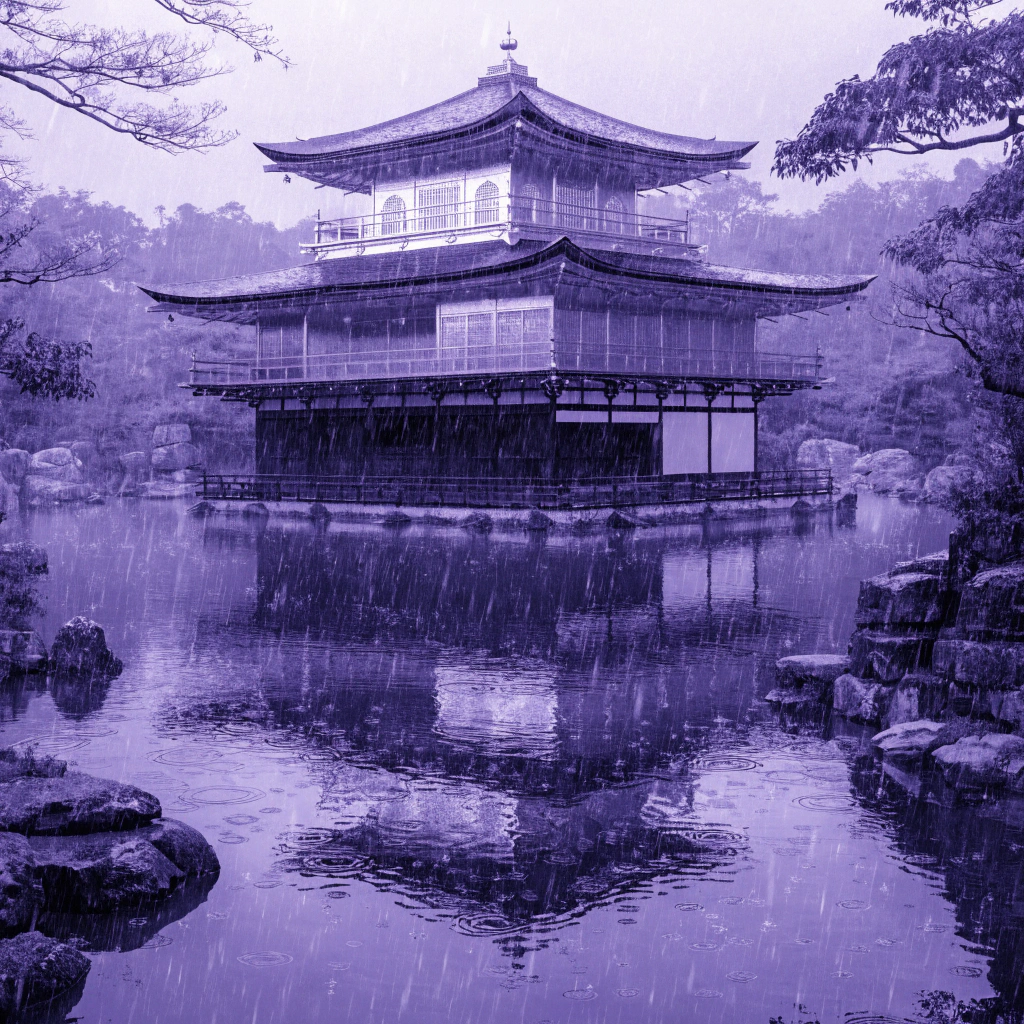
كينكاكو-جي: المعبد الذهبي في اليابان
كينكاكو-جي هو معبد جميل جداً في اليابان. يقع هذا المعبد في مدينة كيوتو. الناس يزورون هذا المكان كثيراً لأنه مميز.
المعبد لونه ذهبي لامع جداً. هو يبدو مثل قصر ذهبي صغير. يوجد حول المعبد حديقة كبيرة وجميلة. هناك أيضاً بحيرة صافية وهادئة أمام المعبد.
الماء في البحيرة يعكس صورة المعبد الذهبي. هذا المنظر جميل جداً في الصباح وفي المساء. كينكاكو-جي مكان رائع للزيارة ومشاهدة الطبيعة الجميلة. هو واحد من أجمل الأماكن في اليابان.
تسليط الضوء على القواعد
نمط: اسم الإشارة (Demonstrative Pronoun)
"هذا المعبد"
نستخدم 'هذا' للمفرد المذكر القريب، مثل 'هذا معبد'. ونستخدم 'هذه' للمفرد المؤنث القريب، مثل 'هذه حديقة'.
نمط: الصفة والموصوف (Noun-Adjective Agreement)
"حديقة جميلة"
الصفة تصف الاسم الذي قبلها. يجب أن تكون الصفة مطابقة للاسم في التذكير والتأنيث، مثل 'معبد ذهبي' و'بحيرة صافية'.
اختبر فهمك
10 أسئلة · A1 مبتدئ · معاينة مجانية واحدة
اختبر ما تعلمته من هذا المقال. أجب على جميع الأسئلة لكسب نقاط خبرة!
ما هو لون معبد كينكاكو-جي؟
هل تريد إنهاء الاختبار؟
9 أسئلة أخرى بانتظارك. سجّل مجاناً لفتح الاختبار الكامل وكسب نقاط خبرة!
سجل مجاناًلديك حساب بالفعل؟ دخول
تفصيل الأسئلة
ما هو لون معبد كينكاكو-جي؟
إجابتك:
الإجابة الصحيحة: ذهبي
معبد كينكاكو-جي يقع في مصر.
إجابتك:
الإجابة الصحيحة: خطأ
ما معنى كلمة "بحيرة"؟
إجابتك:
الإجابة الصحيحة: ماء كبير محاط باليابسة
الماء في البحيرة _____ صورة المعبد الذهبي.
إجابتك:
الإجابة الصحيحة: يعكس
كينكاكو-جي: المعبد الذهبي في اليابان
كينكاكو-جي هو مكان مشهور جداً في اليابان. يقع هذا المعبد الجميل في مدينة كيوتو. هو معبد بوذي قديم واسمه الرسمي روكون-جي. الناس يحبون رؤية هذا المعبد الذهبي لأنه مغطى بالذهب الخالص. الذهب يجعله يلمع كثيراً تحت الشمس. لهذا، يبدو المعبد جميلاً جداً ويتغير لونه مع ضوء النهار. المعبد يقف بجانب بركة كبيرة اسمها "كيوكو-تشي" أو "بركة المرآة". هذه البركة تعكس صورة المعبد الذهبي الرائع. حول المعبد والبركة توجد أشجار خضراء وجزر صغيرة. هذا المنظر يعطي الزوار شعوراً بالهدوء والجمال. كينكاكو-جي هو رمز لمدينة كيوتو واليابان كلها.
تسليط الضوء على القواعد
نمط: اسم المفعول (Passive Participle)
"المعبد الذهبي لأنه مغطى بالذهب الخالص."
اسم المفعول هو كلمة تصف شيئاً وقع عليه الفعل. في هذه الجملة، كلمة "مغطى" تعني أن شيئاً ما غطى المعبد، فهو الذي تم تغطيته.
نمط: الفعل المضارع لوصف الحالة أو التكرار
"الذهب يجعله يلمع كثيراً تحت الشمس."
الفعل المضارع يصف حدثاً يحدث الآن، أو يتكرر بانتظام. هنا، "يلمع" يصف كيف يبدو الذهب دائماً عندما تشرق عليه الشمس.
اختبر فهمك
11 أسئلة · A2 ابتدائي · معاينة مجانية واحدة
اختبر ما تعلمته من هذا المقال. أجب على جميع الأسئلة لكسب نقاط خبرة!
أين يقع معبد كينكاكو-جي؟
هل تريد إنهاء الاختبار؟
10 أسئلة أخرى بانتظارك. سجّل مجاناً لفتح الاختبار الكامل وكسب نقاط خبرة!
سجل مجاناًلديك حساب بالفعل؟ دخول
تفصيل الأسئلة
أين يقع معبد كينكاكو-جي؟
إجابتك:
الإجابة الصحيحة: في كيوتو
المعبد مغطى بالذهب الخالص.
إجابتك:
الإجابة الصحيحة: صحيح
ماذا تعني كلمة "مشهور"؟
إجابتك:
الإجابة الصحيحة: معروف عند الكثير من الناس
المعبد يقف بجانب _______ كبيرة اسمها "بركة المرآة".
إجابتك:
الإجابة الصحيحة: بركة
ماذا يعكس "كيوكو-تشي"؟
إجابتك:
الإجابة الصحيحة: صورة المعبد الذهبي
كينكاكو-جي: الجناح الذهبي في قلب كيوتو
يُعدّ معبد كينكاكو-جي، المعروف رسمياً باسم روكوون-جي، واحداً من أجمل المعالم في مدينة كيوتو باليابان. لقد أصبح هذا المعبد البوذي الشهير رمزاً للمدينة، ويجذب آلاف الزوار كل عام بجماله الفريد وتصميمه المعماري الرائع. يتميز المعبد بمبناه الذهبي الذي يلمع تحت أشعة الشمس، مما يمنحه مظهراً ساحراً لا يُنسى. يعود تاريخ بناء هذا المعبد إلى القرن الرابع عشر، وقد مرّ بالعديد من التغييرات والإصلاحات عبر العصور ليحافظ على روعته.
الجزء الأكثر شهرة في المعبد هو "شاريدن"، أو قاعة الآثار، وهو مبنى مغطى بالكامل بأوراق الذهب الخالص. هذا الغطاء الذهبي يجعله يبدو متلألئاً، ويتغير منظره مع تغير ضوء النهار من الفجر حتى الغروب. يقف الجناح الذهبي بأناقة على حافة بركة كبيرة تُعرف باسم "كيوكو-تشي"، أو بركة المرآة، التي تعكس صورته الذهبية بشكل مذهل بين الخضرة المورقة للجنائن المحيطة. تم تصميم هذه البركة لتبدو كمرآة طبيعية تعكس جمال الجناح بشكل مثالي.
حول الجناح والبركة، توجد حدائق يابانية تقليدية خضراء وجميلة، مع جزر صغيرة موزعة بعناية. هذه الحدائق مصممة بعناية فائقة لتعزيز جمال المعبد وتوفير جو من الهدوء والسلام لزواره. يمكن للزوار التجول في هذه الحدائق والاستمتاع بالمناظر الطبيعية الخلابة التي تمزج بين الفن والطبيعة. كينكاكو-جي ليس مجرد مكان سياحي؛ بل هو موقع تاريخي وثقافي مهم، وقد تم تصنيفه كموقع للتراث العالمي من قبل اليونسكو، مما يؤكد على قيمته الكبيرة للعالم أجمع. زيارة هذا المكان تُعد تجربة لا تُنسى لكل من يبحث عن الجمال والتاريخ.
تسليط الضوء على القواعد
نمط: الفعل المبني للمجهول (Passive Voice)
"يُغطى الجناح الذهبي بالكامل بأوراق الذهب الخالص."
يُستخدم الفعل المبني للمجهول عندما لا نعرف الفاعل أو عندما يكون الفاعل غير مهم. في الفعل المضارع، يُصاغ بضم الحرف الأول وفتح ما قبل الأخير، مثل 'يُغطى' (يُغَطّى). هذا يعني أن شخصاً ما غطاه، لكننا لا نركز على من فعل ذلك.
نمط: الأسماء الموصولة (Relative Clauses)
"يقف الجناح الذهبي على حافة بركة كبيرة تُعرف باسم "كيوكو-تشي"، أو بركة المرآة، التي تعكس صورته الذهبية بشكل مذهل."
نستخدم الأسماء الموصولة مثل 'الذي' (للمذكر المفرد) و'التي' (للمؤنث المفرد) لربط جملتين وتوفير معلومات إضافية عن الاسم الذي يسبقها. هي تساعد على جعل الجمل أكثر تفصيلاً ووضوحاً، فـ 'التي تعكس' توضح لنا وظيفة البركة.
اختبر فهمك
11 أسئلة · B1 متوسط · معاينة مجانية واحدة
اختبر ما تعلمته من هذا المقال. أجب على جميع الأسئلة لكسب نقاط خبرة!
بماذا يتميز معبد كينكاكو-جي بشكل أساسي؟
هل تريد إنهاء الاختبار؟
10 أسئلة أخرى بانتظارك. سجّل مجاناً لفتح الاختبار الكامل وكسب نقاط خبرة!
سجل مجاناًلديك حساب بالفعل؟ دخول
تفصيل الأسئلة
بماذا يتميز معبد كينكاكو-جي بشكل أساسي؟
إجابتك:
الإجابة الصحيحة: بمبناه الذهبي اللامع
الاسم الرسمي لمعبد كينكاكو-جي هو 'روكوون-جي'.
إجابتك:
الإجابة الصحيحة: صحيح
ماذا تعني كلمة 'بركة' في هذا السياق؟
إجابتك:
الإجابة الصحيحة: مساحة صغيرة من الماء
الجزء الأكثر شهرة في المعبد هو 'شاريدن'، وهو مبنى مغطى بالكامل بأوراق الـ _____ الخالص.
إجابتك:
الإجابة الصحيحة: الذهب
ما الذي يعكس صورة الجناح الذهبي بشكل مذهل؟
إجابتك:
الإجابة الصحيحة: بركة المرآة
معبد كينكاكو-جي: تحفة الذهب والتأمل في قلب كيوتو
يُعد معبد كينكاكو-جي، المعروف رسميًا باسم روكوون-جي، أحد أبرز المعالم الثقافية والتاريخية في اليابان، ويقع في مدينة كيوتو الساحرة. إنه ليس مجرد معبد بوذي زين، بل هو رمز للجمال المعماري الياباني والتصميم البستاني المتقن. ما يميز هذا المعبد ويجعله محط أنظار الزوار من جميع أنحاء العالم هو الجناح الذهبي، أو الـ"شاريدن" (قاعة الآثار)، الذي يتلألأ بطلاء أوراق الذهب الخالص، مانحًا إياه بريقًا مذهلاً يتغير بتغير ضوء النهار.
تاريخيًا، يعود بناء هذا المعبد إلى أواخر القرن الرابع عشر، حيث كان في الأصل فيلا تقاعدية للشوغون أشيكاغا يوشيميتسو. وبعد وفاته، تم تحويله إلى معبد بوذي زين وفقًا لوصيته. لقد تعرض المعبد للتدمير عدة مرات عبر تاريخه الطويل، أبرزها الحريق الذي التهمه في عام 1950، لكنه أعيد بناؤه بدقة متناهية ليحافظ على روعته الأصلية. هذه المرونة في إعادة البناء تجسد الروح اليابانية في الحفاظ على التراث.
يتألف الجناح الذهبي من ثلاثة طوابق، كل طابق يمثل أسلوبًا معماريًا مختلفًا، مما يعكس التنوع والابتكار في التصميم الياباني. الطابقان العلويان مغطيان بالكامل بأوراق الذهب، مما يضفي عليهما فخامة لا مثيل لها. يقف هذا الجناح برشاقة على حافة بحيرة "كيوكو-تشي" (بركة المرآة)، التي تعكس صورته الذهبية بوضوح مذهل، خاصة في الأيام الصافية، مما يخلق مشهدًا بصريًا آسرًا. تحيط بالبحيرة حديقة يابانية تقليدية، تُعد تحفة فنية بحد ذاتها، وتضم عناصر طبيعية مختارة بعناية مثل الجزر الصغيرة والأشجار المورقة.
لا يقتصر جمال كينكاكو-جي على مظهره الخارجي فحسب، بل يمتد ليشمل الأجواء الهادئة والروحانية التي يوفرها، مما يجعله مكانًا مثاليًا للتأمل والسكينة. يعتبر المعبد تجسيدًا حيًا لفلسفة الزن البوذية التي تركز على التناغم بين الإنسان والطبيعة. علاوة على ذلك، تم تصنيف كينكاكو-جي كموقع للتراث العالمي لليونسكو، مما يؤكد على أهميته الثقافية والتاريخية للعالم أجمع. إذا أتيحت لك فرصة زيارة كيوتو، فإن معبد كينكاكو-جي يقدم تجربة لا تُنسى تجمع بين الفن، التاريخ، والجمال الطبيعي.
تسليط الضوء على القواعد
نمط: المبني للمجهول (Passive Voice)
"وبعد وفاته، تم تحويله إلى معبد بوذي زين وفقًا لوصيته."
يُستخدم المبني للمجهول عندما يكون الفاعل غير معروف أو غير مهم، أو عندما نريد التركيز على الفعل أو المفعول به. يُصاغ عادةً باستخدام الفعل 'تمّ' أو 'يتمّ' متبوعًا بالمصدر، أو بتغيير بنية الفعل الماضي والمضارع.
نمط: الجمل الشرطية (Conditional Sentences)
"إذا أتيحت لك فرصة زيارة كيوتو، فإن معبد كينكاكو-جي يقدم تجربة لا تُنسى."
تُستخدم الجمل الشرطية للتعبير عن علاقة السبب والنتيجة أو الافتراض. تتكون عادةً من أداة الشرط (مثل 'إذا' أو 'لو') وفعل الشرط وجواب الشرط. تُستخدم 'إذا' للحديث عن أمور محتملة أو مؤكدة الحدوث في المستقبل.
نمط: المصدر (Verbal Noun)
"هذه المرونة في إعادة البناء تجسد الروح اليابانية في الحفاظ على التراث."
المصدر هو اسم يدل على حدث مجرد من الزمان والفاعل، ويعمل عمل الفعل في الجملة. يمكن أن يأتي المصدر مضافًا أو منونًا أو معرفًا بأل، ويُستخدم كثيرًا في اللغة العربية الفصحى لزيادة التركيز على الحدث.
اختبر فهمك
11 أسئلة · B2 فوق المتوسط · معاينة مجانية واحدة
اختبر ما تعلمته من هذا المقال. أجب على جميع الأسئلة لكسب نقاط خبرة!
ما هو الاسم الرسمي الآخر لمعبد كينكاكو-جي؟
هل تريد إنهاء الاختبار؟
10 أسئلة أخرى بانتظارك. سجّل مجاناً لفتح الاختبار الكامل وكسب نقاط خبرة!
سجل مجاناًلديك حساب بالفعل؟ دخول
تفصيل الأسئلة
ما هو الاسم الرسمي الآخر لمعبد كينكاكو-جي؟
إجابتك:
الإجابة الصحيحة: روكوون-جي
بُني معبد كينكاكو-جي في الأصل ليكون معبدًا بوذيًا للزن.
إجابتك:
الإجابة الصحيحة: خطأ
ماذا تعني كلمة "بريق"؟
إجابتك:
الإجابة الصحيحة: اللمعان
يتلألأ الجناح الذهبي بطلاء أوراق الذهب ______.
إجابتك:
الإجابة الصحيحة: الخالص
كم عدد الطوابق التي يتألف منها الجناح الذهبي؟
إجابتك:
الإجابة الصحيحة: ثلاثة طوابق
The Gilded Paradox: Aesthetic Transcendence and Materiality at Kinkaku-ji
Rarely has a structure so perfectly encapsulated the dialectical tension between the ephemeral and the eternal as Kinkaku-ji, the Golden Pavilion of Kyoto. Originally conceived as a retirement villa for Shogun Ashikaga Yoshimitsu, the site underwent a sophisticated transformation into a Zen Buddhist temple following his death in 1408. Today, it stands not merely as a relic of the Muromachi period’s cultural zenith, but as a profound philosophical meditation on the nature of beauty and its inevitable transience.
The architectural brilliance of the pavilion lies in its eclectic synthesis of disparate styles, which somehow achieve a singular harmony. It is the seamless integration of Shinden-zukuri, Bukke-zukuri, and the Zen style that grants the building its unique aesthetic resonance. The ground floor, known as the Chamber of Dharma Waters (Hosui-in), evokes the understated elegance of the Heian aristocracy through its unpainted wood and white plaster. In stark contrast, the upper stories are swathed in pure gold leaf, a choice that might appear ostentatious to the uninitiated were it not for the deep spiritual symbolism intended. This gilding is not a mere display of temporal wealth; rather, it represents a physical incarnation of the Buddhist Pure Land, reflecting a profound yearning for spiritual transcendence amidst the chaotic suffering of the material world.
The meticulous preservation of the garden’s equilibrium further enhances the pavilion’s sublimity. Situated precariously yet elegantly on the edge of Kyoko-chi, or the Mirror Pond, the structure’s reflection creates a visual symmetry that blurs the boundary between physical reality and its shimmering, liquid double. Within this meticulously curated landscape, every rock and pine tree has been positioned with specific intentionality, adhering to the principles of borrowed scenery (shakkun) to incorporate the distant, verdant hills into the temple’s immediate vista. The result is an environment where human artifice and natural beauty are indistinguishable.
However, the history of Kinkaku-ji is marred by a dark, transformative tragedy. In 1950, a young novice monk set the pavilion ablaze, an act that served as the thematic focal point for Yukio Mishima’s literary masterpiece, 'The Temple of the Golden Pavilion.' The arsonist’s pathological obsession with the temple’s absolute beauty led him to believe that only through its total destruction could its perfection be immortalized and preserved from the slow ravages of time. It was this paradoxical relationship between preservation and annihilation that forever cemented Kinkaku-ji’s status in the Japanese collective psyche.
What remains today is a meticulous reconstruction, completed in 1955, which remains faithful to the original design while perhaps exceeding it in sheer brilliance. Modern critics often debate whether the contemporary abundance of gold leaf—thicker than the original—detracts from the Zen philosophy of wabi-sabi, which finds beauty in imperfection and modesty. Yet, it is precisely this juxtaposition of Zen austerity and golden opulence that invites visitors to contemplate the intricate complexities of human aspiration. In the final analysis, Kinkaku-ji remains an enduring symbol of Kyoto—a place where the divine and the terrestrial achieve a fleeting, yet breathtaking, harmony.
تسليط الضوء على القواعد
نمط: Inversion with Negative Adverbials
"Rarely has a structure so perfectly encapsulated the dialectical tension between the ephemeral and the eternal as Kinkaku-ji."
When a sentence starts with a negative or restrictive adverbial like 'rarely', the auxiliary verb comes before the subject. This is used in formal writing to add emphasis or dramatic effect.
نمط: Cleft Sentences for Emphasis
"It is the seamless integration of Shinden-zukuri, Bukke-zukuri, and the Zen style that grants the building its unique aesthetic resonance."
Cleft sentences use the structure 'It is/was + [emphasized part] + that/who' to focus the reader's attention on a specific piece of information. Here, it emphasizes the specific combination of styles.
نمط: Nominalization
"The meticulous preservation of the garden’s equilibrium further enhances the pavilion’s sublimity."
Nominalization involves turning verbs (preserve) or adjectives (sublime) into nouns. This creates a more academic, objective tone by focusing on abstract concepts and states rather than actions.
اختبر فهمك
12 أسئلة · C1 متقدم · معاينة مجانية واحدة
اختبر ما تعلمته من هذا المقال. أجب على جميع الأسئلة لكسب نقاط خبرة!
What was the original function of the site before it became a Zen temple?
هل تريد إنهاء الاختبار؟
11 أسئلة أخرى بانتظارك. سجّل مجاناً لفتح الاختبار الكامل وكسب نقاط خبرة!
سجل مجاناًلديك حساب بالفعل؟ دخول
تفصيل الأسئلة
What was the original function of the site before it became a Zen temple?
إجابتك:
الإجابة الصحيحة: A retirement villa for a Shogun
The current pavilion is the original structure built in the 14th century.
إجابتك:
الإجابة الصحيحة: خطأ
What does 'sublimity' mean in the context of the article?
إجابتك:
الإجابة الصحيحة: Greatness and overwhelming beauty
The architectural brilliance of the pavilion lies in its eclectic _____ of disparate styles.
إجابتك:
الإجابة الصحيحة: synthesis
According to the text, why did the monk set the temple on fire in 1950?
إجابتك:
الإجابة الصحيحة: Out of an obsession to preserve its beauty through destruction
The concept of 'shakkun' involves incorporating distant scenery into the garden design.
إجابتك:
الإجابة الصحيحة: صحيح
The Gilded Paradox: An Analytical Discourse on Kinkaku-ji’s Aesthetic Transcendence
To the uninitiated observer, Kinkaku-ji, or the Golden Pavilion, might appear as a mere exercise in architectural ostentation. Yet, for the discerning scholar of Japanese culture, this Zen Buddhist temple in Kyoto represents a profound juxtaposition of worldly splendor and spiritual austerity. Originally commissioned in 1397 as a retirement villa for Shogun Ashikaga Yoshimitsu, the site was subsequently converted into a Zen temple of the Rinzai sect, fulfilling his testamentary wishes. Rarely has a structure so effectively bridged the chasm between worldly opulence and spiritual detachment, creating a visual narrative that continues to reverberate through the centuries.
The pavilion’s architecture is a masterclass in stylistic synthesis, comprising three distinct levels that embody disparate philosophical traditions. The ground floor, rendered in the Shinden style of 11th-century imperial aristocracy, emphasizes a connection with the natural world through its open-pillared design. The second story, adhering to the Bukke style of the samurai class, serves as a transitional space, while the topmost floor is designed in the traditional Zen style. Were one to gaze upon the pavilion during the 'golden hour,' the distinction between the physical structure and its reflection would seem to dissolve, rendering the building evanescent and almost ethereal. This effect is achieved through the meticulous application of pure gold leaf to the upper two stories—a choice that, while ostensibly contradictory to Zen principles of simplicity, symbolizes a purification from negative thoughts and a transcendence of the material realm.
Central to the site’s allure is the Kyoko-chi, or Mirror Pond, which functions as the cornerstone of the garden's shakkei, or 'borrowed scenery.' The pond is not merely a decorative element but an integral component of the meditative experience. It is widely contended that the pavilion’s reconstruction, while physically precise, serves as a testament to the enduring nature of aesthetic ideals over the fragility of physical matter. This notion was catastrophically tested in 1950, when a young novice monk set the temple ablaze, an act of nihilistic destruction that Yukio Mishima would later immortalize in his psychological novel, 'The Temple of the Golden Pavilion.' Mishima’s narrative explores the paradoxical relationship between beauty and destruction, suggesting that the pavilion’s perfection was so overwhelming that it necessitated its own annihilation to remain truly eternal in the mind's eye.
The current structure, meticulously rebuilt in 1955 and further refurbished in the late 1980s, remains inextricably linked to the concept of mujo, or impermanence. Despite its shimmering facade, Kinkaku-ji invites the viewer to contemplate the ephemeral nature of all things. The gold does not merely shine; it reflects the surrounding forest and the shifting sky, ensuring that the pavilion is never the same from one moment to the next. In this sense, the temple is not a static monument but a living meditation on the sublimity of the present moment. For the contemporary pilgrim, the Golden Pavilion stands as a beacon of cultural resilience, a site where the history of the Muromachi period meets the timeless aspirations of the human spirit. It remains a poignant reminder that even the most solid structures are, in the grand tapestry of time, as fleeting as a reflection on the water’s surface.
تسليط الضوء على القواعد
نمط: Inversion with Negative Adverbials
"Rarely has a structure so effectively bridged the chasm between worldly opulence and spiritual detachment."
When using negative or restrictive adverbs like 'rarely' at the start of a sentence for emphasis, the subject and auxiliary verb are inverted. This creates a more formal and dramatic tone typical of C2 academic writing.
نمط: Second Conditional with 'Were' (Subjunctive)
"Were one to gaze upon the pavilion during the 'golden hour,' the distinction between the physical structure and its reflection would seem to dissolve."
Using 'were' + subject + 'to' + infinitive is a formal way to express a hypothetical situation in the present or future. It replaces 'If one were to gaze...' and is common in scholarly prose.
نمط: Hedging with Passive Structures
"It is widely contended that the pavilion’s reconstruction, while physically precise, serves as a testament to the enduring nature of aesthetic ideals."
Using 'It is [verb-ed] that' allows the author to present an opinion or theory without attributing it to a specific person, maintaining an objective and cautious (hedged) academic tone.
اختبر فهمك
12 أسئلة · C2 إتقان · معاينة مجانية واحدة
اختبر ما تعلمته من هذا المقال. أجب على جميع الأسئلة لكسب نقاط خبرة!
What does the author suggest is the primary paradox of Kinkaku-ji?
هل تريد إنهاء الاختبار؟
11 أسئلة أخرى بانتظارك. سجّل مجاناً لفتح الاختبار الكامل وكسب نقاط خبرة!
سجل مجاناًلديك حساب بالفعل؟ دخول
تفصيل الأسئلة
What does the author suggest is the primary paradox of Kinkaku-ji?
إجابتك:
الإجابة الصحيحة: The use of gold leaf alongside Zen Buddhist principles of simplicity.
The ground floor of the pavilion is covered in gold leaf.
إجابتك:
الإجابة الصحيحة: خطأ
Which word describes something that is 'quickly fading or disappearing'?
إجابتك:
الإجابة الصحيحة: Evanescent
The pavilion's garden utilizes the concept of _____, or 'borrowed scenery'.
إجابتك:
الإجابة الصحيحة: shakkei
How did Yukio Mishima interpret the destruction of the temple in 1950?
إجابتك:
الإجابة الصحيحة: As a necessary act to make its beauty eternal in the mind.
The pavilion was originally designed as a Zen temple from its inception.
إجابتك:
الإجابة الصحيحة: خطأ

