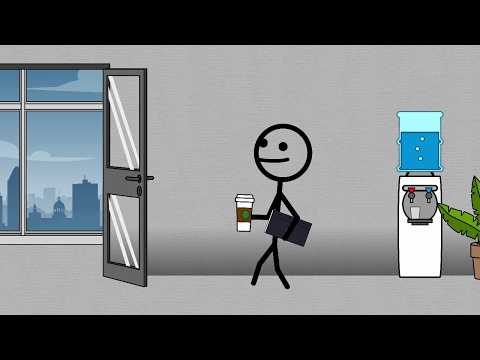
قواعد اللعبة: كيف تعبر عن الضرورة والممنوعات بكل ثقة؟

Chapter in 30 Seconds
Master the language of rules, duties, and essential choices to navigate daily life with confidence.
- Distinguish between personal and external necessity.
- Identify actions that are strictly forbidden.
- Differentiate between prohibited acts and optional tasks.
ما ستتعلمه
أهلاً بك يا بطل! لقد قطعت شوطاً رائعاً في تعلم الأساسيات، والآن حان الوقت لتنتقل بمستواك إلى مرحلة أكثر دقة واحترافية. في هذا الفصل، سنغوص معاً في عالم 'الالتزام والضرورة'. هل تساءلت يوماً كيف تفرق بين قاعدة تفرضها أنت على نفسك وبين قانون يفرضه عليك العالم؟ ستتعلم الفرق الجوهري بين Must التي تستخدمها عندما يكون الالتزام نابعاً من قناعتك الشخصية، وبين Have to التي تصف القواعد الخارجية والقوانين التي تحكمنا جميعاً. تخيل أنك في مطار دولي أو تبدأ أول يوم في وظيفة جديدة؛ ستحتاج بالتأكيد لفهم ما هو 'محظور تماماً' باستخدام Mustn't لتجنب الوقوع في الخطأ، وكيف توضح للآخرين أن أمراً ما 'ليس ضرورياً' أو اختيارياً باستخدام Need not. سنربط هذه الأدوات ببعضها لتتمكن من رسم صورة واضحة لمسؤولياتك وحقوقك في أي حوار. بحلول نهاية هذا الفصل، لن تكتفي بصياغة جمل عشوائية، بل ستكون قادراً على شرح قوانين العمل، إعطاء نصائح قوية ومؤثرة لأصدقائك، وفهم اللافتات التحذيرية في أي مكان تسافر إليه حول العالم. أنت الآن لا تتحدث الإنجليزية فحسب، بل تتقن فن التعبير عن الواجبات والخيارات. هل أنت مستعد لهذه القفزة النوعية؟
-
Must مقابل Have to: الحديث عن الضرورةالخلاصة يا بطل: 'Must' قرارك أنت، و'have to' قرار الظروف. اعرف الفرق كويس!
-
الأفعال الممنوعة: كيف تستخدم Mustn'tاستخدم 'mustn't' عشان تقول إن شي ممنوع تماماً، أو خطير، أو فكرة سيئة جداً. يعني 'ممنوع' و 'خطير'.
-
Must Not مقابل Need Not (المنع مقابل الاختيار)استخدم
must notلما يكون الشيء ممنوعاً تماماً، واستخدمneed notلما يكون الشيء اختيارياً وغير مفروض عليك.
Learning Objectives
By the end of this chapter, you will be able to:
-
1
By the end you will be able to: Explain classroom or office rules clearly.
دليل الفصل

نظرة عامة
كيف تعمل هذه القاعدة
I must remember to call my parents today(it's important *to me*). Remember, never use
to directly after must.Students have to wear a uniform at this school(it's a school rule, not their personal choice).
You must not interrupt the speaker– it's forbidden), need not has a completely different meaning. Need not means that something is *not necessary*, and you have a choice.
You need not bring a gift to the party, your presence is enoughmeans bringing a gift is optional, not required. Understanding these distinctions will make your English much clearer.

الأخطاء الشائعة
- 1Using
must to: This is a very common error.
to after must.)- 1Confusing "mustn't
withdon't have to": They have opposite meanings. Mustn't is a prohibition; don't have to means no obligation.
- 1Using
mustfor external rules instead ofhave to: While must can sometimes imply a rule, have to is the standard for external obligations.

محادثات حقيقية
Here are a few examples of these grammar points in action:
1. A: I must remember to send that email before I leave work today. It's really important!
B
2. A: We're going to a museum. Remember, you mustn't run inside.
B
3. A: I made too much food. You need not help me eat it all, but you're welcome to take some home if you like!
B
أسئلة شائعة
Can I use must for future obligations?
Yes, you can! For example,
I must go to the dentist next week.However, have to is often more common and natural for future external obligations, like
I will have to work late tomorrow.
What’s the negative form of have to?
The negative form of have to is don't have to (or doesn't have to for third person singular). It means there is no obligation. For example, "You don't have to come if you don't want to." This is very different from mustn't!
Is must not exactly the same as mustn't?
Yes, they mean exactly the same thing: strict prohibition. Mustn't is simply the common contracted form, especially in spoken English.
When should I use need not instead of don't have to?
They are very similar! Both express a lack of necessity or obligation. Need not can sometimes sound slightly more formal or emphatic than don't have to, but you can often use them interchangeably in A2 contexts.

السياق الثقافي
or can't." Regional differences are minimal in the core meaning, but the frequency of use might vary slightly.أمثلة رئيسية (4)
I `must remember` her birthday this year!
يجب أن أتذكر عيد ميلادها هذا العام!
Must مقابل Have to: الحديث عن الضرورةWe `have to submit` our assignment by midnight.
يجب علينا تسليم واجبنا قبل منتصف الليل.
Must مقابل Have to: الحديث عن الضرورةYou mustn't post that photo without her permission.
لا يجب أن تنشر تلك الصورة بدون إذنها.
الأفعال الممنوعة: كيف تستخدم Mustn'tWe mustn't forget to cancel the subscription before the free trial ends!
لا يجب أن ننسى إلغاء الاشتراك قبل انتهاء الفترة التجريبية المجانية!
الأفعال الممنوعة: كيف تستخدم Mustn'tنصائح وحيل (3)
داخلي مقابل خارجي
I must call my mom.vs.
I have to go to work.
فخ 'To'
لا تخلط بين 'Mustn't' و 'Don't Have To'
المفردات الرئيسية (5)
Real-World Preview
At the Library
Review Summary
- Subject + must/have to + verb
- Subject + mustn't + verb
- Subject + need not + verb
أخطاء شائعة
Must is a modal verb and is followed by the base form of the verb without 'to'.
We do not use 'do/don't' with 'must'. Use 'mustn't' for prohibition.
Like must, need not is a modal and does not take 'to' before the main verb.
القواعد في هذا الفصل (3)
Next Steps
You have navigated the world of rules perfectly. Keep practicing, and these forms will become second nature to you!
Write a list of 5 rules for your dream country.
تدريب سريع (9)
You ___ forget to lock the door when you leave.
frontend.learn_grammar.from_rule: Must مقابل Have to: الحديث عن الضرورة
Find and fix the mistake:
She mustn't to use her laptop in the exam.
frontend.learn_grammar.from_rule: الأفعال الممنوعة: كيف تستخدم Mustn't
Find and fix the mistake:
I musted go to the dentist yesterday.
frontend.learn_grammar.from_rule: Must مقابل Have to: الحديث عن الضرورة
Find and fix the mistake:
You must not to forget your password.
frontend.learn_grammar.from_rule: Must Not مقابل Need Not (المنع مقابل الاختيار)
You ______ share your password with strangers.
frontend.learn_grammar.from_rule: الأفعال الممنوعة: كيف تستخدم Mustn't
لوحة في المستشفى تقول:
frontend.learn_grammar.from_rule: Must Not مقابل Need Not (المنع مقابل الاختيار)
اختر الجملة الصحيحة:
frontend.learn_grammar.from_rule: Must مقابل Have to: الحديث عن الضرورة
The museum is free today, so you ___ pay for a ticket.
frontend.learn_grammar.from_rule: Must Not مقابل Need Not (المنع مقابل الاختيار)
If you are in a library, which sentence is correct?
frontend.learn_grammar.from_rule: الأفعال الممنوعة: كيف تستخدم Mustn't
Score: /9
أسئلة شائعة (6)
I must finish this report today.(شعور شخصي) مقابل
I have to wear a uniform at work.(قاعدة خارجية).
I must call my parents today.(يجب أن أتصل بوالدي اليوم).
You must not enterتعني الباب مغلق، لكن "You needn't enter" تعني لست مضطراً للدخول.