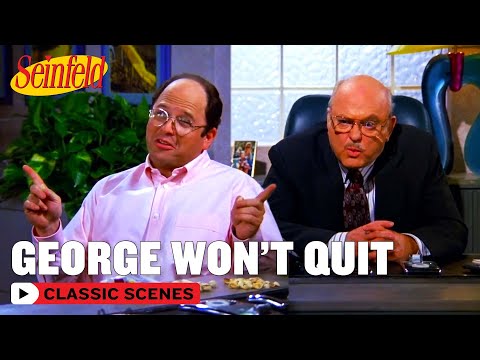
seinfeld في 30 ثانية
- A legendary 1990s American sitcom created by Jerry Seinfeld and Larry David.
- Famous for being a 'show about nothing,' focusing on mundane daily life.
- Features four neurotic friends in New York City: Jerry, George, Elaine, and Kramer.
- Highly influential in pop culture, known for its cynical and observational humor.
The term Seinfeld primarily functions as a proper noun referring to one of the most influential American television sitcoms in history. Created by Larry David and Jerry Seinfeld, the show ran for nine seasons on NBC from 1989 to 1998. In a broader linguistic and cultural context, the word is often invoked to describe a specific brand of observational humor that focuses on the minutiae of daily life—the small, often annoying details that most people overlook but everyone experiences. When people use the word today, they might be referring to the physical media, the streaming content, or more abstractly, a 'Seinfeldian' situation where a trivial matter is blown out of proportion through social awkwardness and neurotic behavior.
- Cultural Landmark
- As a cultural landmark, Seinfeld redefined the sitcom genre by removing the traditional 'moral of the story' or sentimental character growth, famously operating under the mantra 'no hugging, no learning.'
I spent the entire weekend binge-watching Seinfeld on Netflix because I needed a good laugh.
The show's legacy is so pervasive that 'Seinfeld' has become a shorthand for a specific type of New York City urbanity in the 1990s. It captures a pre-digital era where social interactions were mediated by landlines, diners, and physical proximity. To refer to something as 'very Seinfeld' is to suggest it involves a complex web of social etiquette and petty grievances. The characters—Jerry, George Costanza, Elaine Benes, and Cosmo Kramer—represent archetypes of modern neurosis that remain relatable decades later.
- The 'Show About Nothing'
- This phrase is the most common descriptor for the series, highlighting its focus on mundane activities like waiting for a table at a Chinese restaurant or looking for a car in a parking garage.
The comedian's style is clearly influenced by Seinfeld, focusing on the absurdity of everyday habits.
Furthermore, the name is inseparable from Jerry Seinfeld himself, the stand-up comedian whose persona anchors the show. In conversation, one must distinguish between 'Jerry Seinfeld' the person and 'Seinfeld' the cultural phenomenon. The show's impact on the English language is also significant, having popularized numerous catchphrases and social concepts that are still used in contemporary American English.
Even though it ended in 1998, Seinfeld remains a top-rated show in syndication.
- Syndication and Streaming
- The show's longevity is attributed to its presence in syndication (reruns) and its massive acquisition by streaming giants like Hulu and later Netflix.
Is Seinfeld still relevant to Gen Z, or is the humor too dated?
The finale of Seinfeld was one of the most-watched television events of the 1990s.
Using 'Seinfeld' in a sentence requires an understanding of whether you are referring to the television series, the person, or the specific style of comedy. As a proper noun, it is always capitalized. It can function as the subject of a sentence, an object, or even an adjective (though 'Seinfeldian' is the more formal adjectival form). When discussing the show, it is common to use it without an article, e.g., 'I love Seinfeld,' rather than 'I love the Seinfeld.'
- Direct Reference
- Referring directly to the media product or the creator.
Many critics argue that Seinfeld changed the landscape of television comedy forever.
In casual conversation, you might use 'Seinfeld' to categorize a situation. For instance, if you are stuck in a long line for something trivial and everyone is complaining about minor details, you might say, 'This feels like an episode of Seinfeld.' This usage relies on the listener's shared cultural knowledge of the show's themes of mundane frustration and social friction.
- Comparative Usage
- Comparing modern shows or comedians to the standard set by the series.
The new sitcom tries to capture the same energy as Seinfeld, but it lacks the sharp writing.
You can also use 'Seinfeld' when discussing specific episodes or characters by associating the name with the broader universe. For example, 'The Seinfeld cast reunited for a special episode of Curb Your Enthusiasm.' Here, 'Seinfeld' acts as a modifier for 'cast.' It is also common to see the name used in academic or journalistic writing to describe the 'Seinfeld era' of television, referring to the 1990s dominance of NBC's 'Must See TV' lineup.
If you want to understand 90s American culture, you have to watch Seinfeld.
- Attributive Noun
- Using the name to describe a type of humor or a specific comedic timing.
He has that Seinfeld delivery where he emphasizes the most unexpected words.
We had a total Seinfeld moment at the dry cleaners today.
You will encounter the word 'Seinfeld' in a variety of modern contexts, ranging from casual social gatherings to high-level media analysis. In the United States and many parts of the English-speaking world, it is a ubiquitous reference point. On social media platforms like Twitter or Reddit, users frequently post clips from the show or use 'Seinfeld' memes to react to current events. The show's themes of social etiquette are timeless, making it a frequent topic in 'think pieces' about how modern technology would have changed the show's plots.
- Pop Culture Media
- Entertainment news, podcasts about TV history, and YouTube video essays often analyze the show's structure and influence.
The podcast host mentioned that Seinfeld is the gold standard for sitcom writing.
In the world of stand-up comedy, Jerry Seinfeld is a titan, and his name is often used as a benchmark for 'clean' but sharp observational comedy. Aspiring comedians might discuss 'the Seinfeld method' of writing jokes, which involves meticulous editing and a focus on the rhythm of speech. Furthermore, in the business world, 'Seinfeld' is sometimes cited in discussions about intellectual property and syndication rights, as the show's creators and stars famously made significant fortunes from its afterlife in reruns.
- Everyday Conversation
- People use it to describe people they know who act like the characters, such as a 'Kramer' type or a 'George' type.
My neighbor is such a Kramer; he just walks into my apartment without knocking, just like in Seinfeld.
Academic settings also utilize the term. Film and media studies courses often have entire modules dedicated to 'Seinfeld' to discuss post-modernism in television, the 'anti-hero' trope (though the characters are more 'anti-role models'), and the evolution of the multi-camera sitcom format. Even in psychology, the 'Seinfeld' characters are sometimes used as case studies for various personality disorders or social anxieties.
The professor used an episode of Seinfeld to illustrate the concept of social norms.
- Global Reach
- While deeply American, the show was exported globally, meaning you might hear the name in London, Sydney, or Tel Aviv.
Even in translation, the humor of Seinfeld resonates with urban audiences worldwide.
I saw a Seinfeld t-shirt in a vintage shop in Tokyo yesterday.
One of the most frequent mistakes learners and even native speakers make is failing to distinguish between Jerry Seinfeld the person and 'Seinfeld' the show. While they are inextricably linked, the character 'Jerry Seinfeld' in the show is a fictionalized version of the real man. Another common error is misspelling the name, often as 'Sienfeld' or 'Seinfelt.' The 'ei' sequence is a common stumbling block in English spelling for many.
- Misinterpreting the 'Nothing' Premise
- Many people take the 'show about nothing' tagline literally and assume the show has no plot. In reality, the episodes are famously complex with multiple interlocking storylines.
Don't say 'I'm watching the Seinfeld'; just say 'I'm watching Seinfeld.'
Another mistake involves the pronunciation. The first syllable should rhyme with 'mine' or 'fine' (/ˈsaɪn/), not 'seen' or 'sane.' Mispronouncing it as 'Seen-feld' is a common error for non-native speakers. Additionally, some people confuse the show with other 90s sitcoms like 'Friends.' While both are set in New York, 'Seinfeld' is known for its cynical, detached tone, whereas 'Friends' is more sentimental and warm.
- Capitalization
- Always capitalize the 'S' as it is a proper name derived from a surname.
It is a mistake to think Seinfeld is just for Americans; its themes are universal.
Finally, some viewers mistake the characters' behavior for something to be emulated. The creators intended the characters to be somewhat selfish and flawed. Misunderstanding this can lead to a misreading of the show's satire. When using the word to describe a person, ensure the context implies they are being neurotic or petty in a funny way, rather than just being a bad person.
He misspelled Seinfeld on the trivia sheet and lost the point.
- Pluralization
- While rare, if you are referring to the family, it would be 'the Seinfelds,' but usually, the word remains singular.
People often confuse the plot of Seinfeld with Larry David's other show, Curb Your Enthusiasm.
Is it Seinfeld or Sienfeld? I always forget where the 'i' goes.
While 'Seinfeld' is a unique proper noun, several words and phrases can be used as alternatives or related terms depending on the context. If you are talking about the genre, 'sitcom' (situation comedy) is the most direct category. If you are referring to the specific style of humor, 'observational comedy' is the technical term. For the specific 'vibe' of the show, 'Seinfeldian' is the widely accepted adjective.
- Sitcom
- A more general term for any comedy series centered on a fixed set of characters and locations.
If you like Seinfeld, you might also enjoy other 90s sitcoms.
Another alternative is 'Curb Your Enthusiasm,' which is Larry David's follow-up show. It is often described as 'Seinfeld on HBO' or 'Seinfeld without the censors.' When describing a person who is overly concerned with social rules, you might call them 'neurotic' or 'pedantic,' both of which are traits heavily associated with the characters in the show. In terms of television history, 'Must See TV' was the marketing slogan for the block of shows that included Seinfeld.
- Observational Comedy
- The specific type of stand-up comedy that Jerry Seinfeld pioneered, focusing on everyday life.
His stand-up routine is very Seinfeld-esque, full of 'what's the deal with...' jokes.
For those looking for a more modern equivalent, 'It's Always Sunny in Philadelphia' is often called 'Seinfeld on crack' because it features a group of equally unlikable and self-centered friends, though their actions are much more extreme. In a literary sense, 'comedy of manners' is a term that could be applied to the show's focus on the social codes of the New York middle class.
The writing in that play is reminiscent of Seinfeld in its attention to social minutiae.
- The Larry David Style
- Often used interchangeably with 'Seinfeld' to describe cringe-inducing social situations.
I prefer the later seasons of Seinfeld when the plots became more surreal.
Is there any other Seinfeld alternative that captures the 90s vibe as well?
How Formal Is It?
حقيقة ممتعة
Jerry Seinfeld's father, Kalmen Seinfeld, was a sign painter, which is a coincidental link to the 'Sign' part of the name's origin.
دليل النطق
- Pronouncing 'ei' as 'ee' (Seen-feld).
- Pronouncing 'ei' as 'ay' (Sane-feld).
- Adding a 't' at the end (Seinfelt).
- Dropping the 'n' (Seifeld).
- Stressing the second syllable (sain-FELD).
مستوى الصعوبة
The name is easy to read, but the cultural context requires some knowledge.
Spelling 'Seinfeld' correctly can be tricky due to the 'ei' sequence.
Pronunciation is straightforward once you know the 'eye' sound.
The fast-paced dialogue in the show can be hard for learners to follow.
ماذا تتعلّم بعد ذلك
المتطلبات الأساسية
تعلّم لاحقاً
متقدم
قواعد يجب معرفتها
Proper Nouns
Seinfeld must always be capitalized.
Zero Article with Titles
We say 'I love Seinfeld,' not 'I love the Seinfeld.'
Possessive Surnames
Jerry Seinfeld's comedy is observational.
Adjective Formation
The suffix '-ian' creates 'Seinfeldian'.
Collective Nouns
The Seinfeld cast (singular verb) is reuniting.
أمثلة حسب المستوى
I like Seinfeld.
I enjoy the show.
Proper noun used as an object.
Seinfeld is a funny show.
The show makes people laugh.
Subject-verb-complement structure.
Jerry Seinfeld is a comedian.
He tells jokes for a living.
Full name used as subject.
Is Seinfeld on TV?
Can I watch it now?
Interrogative sentence.
They watch Seinfeld every night.
It is a habit.
Present simple tense.
Seinfeld has four main characters.
There are four people.
Third person singular 'has'.
I have the Seinfeld DVD.
I own the physical copy.
Possessive 'have'.
Seinfeld is from New York.
The setting is NYC.
Preposition 'from'.
Seinfeld was very popular in the 90s.
Many people liked it then.
Past tense 'was'.
My dad loves watching Seinfeld reruns.
He watches old episodes.
Gerund 'watching' after 'loves'.
The show Seinfeld is about nothing.
It has no big plot.
Appositive 'The show Seinfeld'.
Do you know who Jerry Seinfeld is?
Are you familiar with him?
Indirect question.
Seinfeld episodes are usually 22 minutes long.
The duration of an episode.
Plural subject and verb.
I think Seinfeld is funnier than Friends.
Comparing two shows.
Comparative 'funnier than'.
Seinfeld won many awards.
It received prizes.
Past simple 'won'.
We are going to watch Seinfeld tonight.
Future plan.
'Going to' for future plans.
Seinfeld changed the way people write sitcoms.
It influenced the genre.
Past simple with a direct object.
The humor in Seinfeld is based on daily life.
It uses everyday situations.
Passive voice 'is based on'.
Many people still quote Seinfeld today.
They use lines from the show.
Adverb 'still' for continuity.
Seinfeld is famous for its 'no hugging' rule.
The show isn't sentimental.
Prepositional phrase 'for its...'
If you like observational comedy, you'll love Seinfeld.
A conditional recommendation.
First conditional.
The Seinfeld finale was watched by millions.
Many people saw the last episode.
Passive voice 'was watched'.
I've been watching Seinfeld since I was a kid.
A long-term habit.
Present perfect continuous.
Seinfeld's characters are often very selfish.
They only think of themselves.
Possessive 'Seinfeld's'.
The Seinfeld era of television was dominated by NBC.
A specific time period.
Noun as a modifier.
Seinfeld's legacy continues to influence modern comedy.
Its impact is still felt.
Infinitive 'to influence'.
The show Seinfeld successfully deconstructed the sitcom format.
It broke down traditional rules.
Adverb 'successfully' modifying the verb.
Critics often debate whether Seinfeld is the best show ever.
There is a discussion about it.
Noun clause 'whether Seinfeld...'
Seinfeld managed to stay relevant for over thirty years.
It is still important.
Verb 'managed' followed by infinitive.
The syndication of Seinfeld made the creators very wealthy.
Selling the reruns was profitable.
Subject is a complex noun phrase.
Seinfeld is often categorized as a 'comedy of manners.'
A specific literary category.
Passive voice 'is categorized as'.
Despite being an old show, Seinfeld's humor feels fresh.
It doesn't seem dated.
Concession with 'Despite'.
The intricate plotting of Seinfeld is a masterclass in screenwriting.
The stories are very well-made.
Metaphorical use of 'masterclass'.
Seinfeld's nihilistic undertones set it apart from its contemporaries.
It was darker than other shows.
Abstract noun 'undertones'.
The cultural impact of Seinfeld cannot be overstated.
It is extremely important.
Modal 'cannot' with passive 'be overstated'.
Seinfeld pioneered the use of multiple intersecting storylines.
It was the first to do this.
Verb 'pioneered' for innovation.
The show Seinfeld often skirted the line between comedy and tragedy.
It was almost sad sometimes.
Idiomatic 'skirted the line'.
Seinfeld's portrayal of New York is both iconic and exaggerated.
It's a famous but unrealistic view.
Correlative conjunctions 'both... and'.
The dialogue in Seinfeld is noted for its rhythmic, almost musical quality.
The way they talk is special.
Adjective phrase 'noted for its...'.
Seinfeld remains a touchstone for discussions on 90s postmodernism.
It's a key reference point.
Noun 'touchstone' used figuratively.
Seinfeld's enduring popularity is a testament to its universal themes of social friction.
It proves that social problems are universal.
Complex sentence with 'testament to'.
The show Seinfeld effectively commodified the mundane aspects of urban life.
It turned boring things into a product.
Advanced verb 'commodified'.
Seinfeld's subversion of the sitcom genre paved the way for 'cringe' comedy.
It allowed for awkward humor to exist.
Noun 'subversion' and idiom 'paved the way'.
The granular focus of Seinfeld on social etiquette reveals the absurdity of human behavior.
It shows how silly people are.
Adjective 'granular' for detail.
Seinfeld's refusal to provide closure in its finale remains a point of contention among fans.
People still argue about the ending.
Noun 'contention' for disagreement.
The interplay between the four protagonists in Seinfeld is a study in comedic chemistry.
The actors worked perfectly together.
Noun 'interplay' for interaction.
Seinfeld's influence is discernible in almost every character-driven comedy that followed.
You can see its impact everywhere.
Adjective 'discernible' for visibility.
The linguistic legacy of Seinfeld is evident in the numerous idioms it introduced to the English vernacular.
It changed how people talk.
Formal term 'vernacular'.
تلازمات شائعة
العبارات الشائعة
— A famous line used to deny someone something strictly.
The boss said no bonuses this year—no soup for you!
— Used to skip over boring or predictable parts of a story.
We went to dinner, yada yada yada, I'm engaged!
— Used to qualify a statement to avoid sounding judgmental.
He still lives with his parents, not that there's anything wrong with that.
— Putting a chip back into the dip after taking a bite.
Hey, no double-dipping the salsa!
— Determining if a person is worth a limited resource (originally contraceptive).
I'm not sure if this date is sponge-worthy.
— A secular holiday celebrated as an alternative to Christmas.
We're having a Festivus party this year.
— Having self-control (originally regarding a contest).
I'm trying to quit smoking; I'm the master of my domain.
— Someone who stands too close to you while speaking.
Watch out for him, he's a total close talker.
— The reduction in size of male anatomy due to cold water.
I was in the pool! There was shrinkage!
يُخلط عادةً مع
Both are 90s NYC sitcoms, but Seinfeld is cynical while Friends is sentimental.
The person vs. the show title.
Created by the same person, but a different show.
تعبيرات اصطلاحية
— A series focusing on mundane life rather than grand plots.
Our podcast is basically a show about nothing.
Informal— A phrase shouted to control anger, often with the opposite effect.
Traffic is terrible—serenity now!
Informal— A cold, suspicious greeting to an enemy.
He walked into the room and I just said, 'Hello, Newman.'
Slang— A period of planned relaxation that usually fails.
I'm taking two months off; it's going to be the summer of George.
Informal— Someone who gives a gift they previously received to someone else.
Don't be a re-gifter; it's rude.
Informal— Someone who speaks so quietly you can't hear them.
I accidentally agreed to wear a puffy shirt because she's a low talker.
Informal— A man with a very high-pitched voice.
I couldn't tell if I was talking to a man or a woman; he's a high talker.
Informal— A place where secrets are kept and never revealed.
Your secret is in the vault.
Informal— A person who is extremely strict about how things are done.
The librarian is a total soup nazi about late books.
Informal/Offensive— A person who enters a room with high energy and no warning.
He did a full Kramer into the meeting.
Informalسهل الخلط
Common misspelling.
The 'e' must come before the 'i'.
It's spelled Seinfeld, not Sienfeld.
Phonetic misspelling.
The name ends with a 'd', not a 't'.
Jerry Seinfeld, not Seinfelt.
General vs. specific.
Sitcom is the category; Seinfeld is the specific show.
Seinfeld is my favorite sitcom.
The show includes stand-up.
Stand-up is the performance style; Seinfeld is the show title.
Jerry does stand-up in Seinfeld.
Co-creator.
Larry David co-created it but didn't star in it (mostly).
Seinfeld was co-created by Larry David.
أنماط الجُمل
I like [Name].
I like Seinfeld.
[Name] is a [Adjective] show.
Seinfeld is a funny show.
The show [Name] is about [Noun].
The show Seinfeld is about nothing.
[Name] is known for [Noun Phrase].
Seinfeld is known for its observational humor.
The [Noun] of [Name] influenced [Noun].
The writing of Seinfeld influenced a generation.
[Name] serves as a [Noun] for [Noun].
Seinfeld serves as a touchstone for 90s culture.
It feels like an episode of [Name].
It feels like an episode of Seinfeld.
That is so [Name]ian.
That is so Seinfeldian.
عائلة الكلمة
الأسماء
الصفات
مرتبط
كيفية الاستخدام
Extremely high in cultural and media contexts.
-
I am watching the Seinfeld.
→
I am watching Seinfeld.
Do not use the definite article 'the' before the title of the show.
-
Jerry Sienfeld is funny.
→
Jerry Seinfeld is funny.
The 'e' comes before the 'i' in Seinfeld.
-
That is so Seinfeldish.
→
That is so Seinfeldian.
The standard adjective form is 'Seinfeldian'.
-
Seinfeld are a great show.
→
Seinfeld is a great show.
The title of a show is a singular noun.
-
I had a Seinfeld moment today at work.
→
I had a Seinfeld moment today at work.
This is actually correct, but people often forget to capitalize 'Seinfeld'.
نصائح
Watch with Subtitles
The dialogue in Seinfeld is very fast. Use English subtitles to catch the jokes and social nuances.
NYC Context
Understanding New York culture in the 90s helps explain why the characters act the way they do.
Learn the Idioms
Many phrases from Seinfeld are now part of everyday English. Learning them will make you sound more like a native speaker.
Spelling Rule
Remember: S-E-I-N-F-E-L-D. The 'E' and 'I' are the most important part to get right.
Catchphrases
Don't be afraid to use 'Yada yada' or 'No soup for you' in casual settings; people will love the reference.
Proper Noun Usage
Always capitalize Seinfeld, even when using it as an adjective (Seinfeldian).
Identify the Bass
The bass guitar transitions are a great way to identify when a new scene or joke is starting.
Trivia Nights
Seinfeld is a very common topic for pub trivia. Knowing the basics can help you win!
Observational Humor
Try to notice small things in your life and think, 'How would Jerry Seinfeld describe this?'
The 90s Era
Recognize that the show exists in a world without smartphones, which drives many of the plots.
احفظها
وسيلة تذكّر
Think of a 'Sign' in a 'Field'—Sein-feld. Or remember: 'S' for Sitcom, 'E' for Everyday, 'I' for Iconic, 'N' for New York.
ربط بصري
Imagine a bowl of cereal and a diner booth—the two most common settings in Seinfeld.
Word Web
تحدٍّ
Try to describe your most boring daily task using the phrase 'This is so Seinfeld' to a friend.
أصل الكلمة
The name 'Seinfeld' is a German and Jewish surname. It is composed of 'Sein' (meaning 'his' or 'being' in German, though in surnames often related to 'stone' or 'sign') and 'feld' (meaning 'field').
المعنى الأصلي: Literally 'Sign-field' or 'Stone-field'.
Germanic / Ashkenazi Jewish.السياق الثقافي
Some jokes from the 90s may be seen as dated or insensitive by modern standards, but the show is generally viewed as a satire of its characters' flaws.
In the US, Seinfeld is often considered the 'greatest sitcom of all time.' It is a standard reference for social awkwardness.
تدرّب في الحياة الواقعية
سياقات واقعية
Discussing TV
- What's your favorite Seinfeld episode?
- I've seen every Seinfeld rerun.
- The writing in Seinfeld is brilliant.
- Who is your favorite Seinfeld character?
Social Situations
- This is a total Seinfeld moment.
- You're being such a George.
- Stop being a low talker!
- No soup for you!
Comedy Clubs
- His style is very Seinfeld.
- He does great observational humor.
- Is that a Seinfeld bit?
- He's the next Jerry Seinfeld.
90s Nostalgia
- Remember watching Seinfeld on Thursdays?
- The 90s were the Seinfeld era.
- I miss the old Seinfeld episodes.
- Seinfeld defined the 90s.
Streaming/Tech
- Is Seinfeld on Netflix yet?
- I'm binge-watching Seinfeld.
- The Seinfeld quality is better in HD.
- I downloaded the Seinfeld scripts.
بدايات محادثة
"Do you think Seinfeld is still funny today, or is it too dated?"
"If you had to be one character from Seinfeld, who would you be?"
"What is the most 'Seinfeld' thing that has ever happened to you?"
"Why do you think Seinfeld is called a 'show about nothing'?"
"Have you ever used a catchphrase from Seinfeld in real life?"
مواضيع للكتابة اليومية
Describe a mundane interaction you had today as if it were a scene from Seinfeld.
Write about why you think Seinfeld remains popular decades after it ended.
Compare the humor of Seinfeld with a modern sitcom you enjoy.
Discuss a social rule that you find as annoying as the characters in Seinfeld do.
If Seinfeld were made today, how would smartphones change the plots?
الأسئلة الشائعة
10 أسئلةIt was a pitch within the show itself. It means the plots focus on the small, mundane details of life rather than major life events like weddings or deaths.
Yes, it remains one of the most-watched shows on streaming platforms and is a constant presence in pop culture references.
Jerry Seinfeld, George Costanza, Elaine Benes, and Cosmo Kramer.
It is set in the Upper West Side of Manhattan, New York City.
It was a rule created by Larry David to ensure the characters never became sentimental or learned lessons from their mistakes.
The final episode aired on May 14, 1998.
Yes, he is a real-life stand-up comedian who played a fictionalized version of himself on the show.
A situation that is awkward, involves complex social rules, and is usually caused by something very minor.
Yes, especially for B1 and above, as it features natural (though fast) conversational English about everyday topics.
A holiday created on the show as an alternative to the commercialism of Christmas, celebrated on December 23rd.
اختبر نفسك 180 أسئلة
Describe your favorite Seinfeld character and why you like them.
Well written! Good try! Check the sample answer below.
Explain the concept of a 'show about nothing' in your own words.
Well written! Good try! Check the sample answer below.
Write a short dialogue between Jerry and George about a mundane problem.
Well written! Good try! Check the sample answer below.
Discuss the impact of Seinfeld on modern television comedy.
Well written! Good try! Check the sample answer below.
How would Seinfeld be different if it were set in the 2020s?
Well written! Good try! Check the sample answer below.
Describe a 'Seinfeldian' moment you have experienced in real life.
Well written! Good try! Check the sample answer below.
Write a review of the Seinfeld finale.
Well written! Good try! Check the sample answer below.
Explain why the 'no hugging, no learning' rule was important for the show.
Well written! Good try! Check the sample answer below.
Compare Seinfeld with another sitcom you know.
Well written! Good try! Check the sample answer below.
What is the deal with airline food? (Write a short stand-up bit in Seinfeld's style).
Well written! Good try! Check the sample answer below.
Describe the setting of Jerry's apartment.
Well written! Good try! Check the sample answer below.
Why is Newman considered Jerry's nemesis?
Well written! Good try! Check the sample answer below.
Discuss the role of social etiquette in Seinfeld.
Well written! Good try! Check the sample answer below.
Write about the cultural significance of the 'Soup Nazi' episode.
Well written! Good try! Check the sample answer below.
What does 'yada yada' mean and how is it used?
Well written! Good try! Check the sample answer below.
Explain the concept of 'double-dipping'.
Well written! Good try! Check the sample answer below.
Why did the show avoid sentimental endings?
Well written! Good try! Check the sample answer below.
Describe Kramer's personality.
Well written! Good try! Check the sample answer below.
How did Seinfeld influence the way people talk?
Well written! Good try! Check the sample answer below.
Is Seinfeld a good show for learning English? Why or why not?
Well written! Good try! Check the sample answer below.
Practice saying 'No soup for you!' with the correct emphasis.
Read this aloud:
قلت:
Speech recognition is not supported in your browser. Try Chrome or Edge.
Discuss your favorite sitcom with a partner.
Read this aloud:
قلت:
Speech recognition is not supported in your browser. Try Chrome or Edge.
Explain a funny situation you had today in a 'Seinfeld' style.
Read this aloud:
قلت:
Speech recognition is not supported in your browser. Try Chrome or Edge.
Debate whether the Seinfeld finale was good or bad.
Read this aloud:
قلت:
Speech recognition is not supported in your browser. Try Chrome or Edge.
Role-play a scene where two friends are waiting for a table.
Read this aloud:
قلت:
Speech recognition is not supported in your browser. Try Chrome or Edge.
Give a short presentation on the history of Seinfeld.
Read this aloud:
قلت:
Speech recognition is not supported in your browser. Try Chrome or Edge.
Practice the pronunciation of 'Seinfeld' and 'Seinfeldian'.
Read this aloud:
قلت:
Speech recognition is not supported in your browser. Try Chrome or Edge.
Describe a character from the show without saying their name.
Read this aloud:
قلت:
Speech recognition is not supported in your browser. Try Chrome or Edge.
Discuss why 'nothing' can be a good topic for a show.
Read this aloud:
قلت:
Speech recognition is not supported in your browser. Try Chrome or Edge.
Tell a joke in the style of Jerry Seinfeld.
Read this aloud:
قلت:
Speech recognition is not supported in your browser. Try Chrome or Edge.
Explain the 'yada yada' phrase to someone who doesn't know it.
Read this aloud:
قلت:
Speech recognition is not supported in your browser. Try Chrome or Edge.
Talk about the differences between Seinfeld and Friends.
Read this aloud:
قلت:
Speech recognition is not supported in your browser. Try Chrome or Edge.
Discuss the importance of the diner setting in the show.
Read this aloud:
قلت:
Speech recognition is not supported in your browser. Try Chrome or Edge.
Describe Kramer's physical comedy.
Read this aloud:
قلت:
Speech recognition is not supported in your browser. Try Chrome or Edge.
Talk about a social rule you would like to change.
Read this aloud:
قلت:
Speech recognition is not supported in your browser. Try Chrome or Edge.
Discuss the legacy of the show in 2024.
Read this aloud:
قلت:
Speech recognition is not supported in your browser. Try Chrome or Edge.
Practice the 'Hello, Newman' greeting with a friend.
Read this aloud:
قلت:
Speech recognition is not supported in your browser. Try Chrome or Edge.
Explain what a 'close talker' is and why it's annoying.
Read this aloud:
قلت:
Speech recognition is not supported in your browser. Try Chrome or Edge.
Discuss the 'Contest' episode's impact on TV history.
Read this aloud:
قلت:
Speech recognition is not supported in your browser. Try Chrome or Edge.
Talk about your favorite 90s cultural reference.
Read this aloud:
قلت:
Speech recognition is not supported in your browser. Try Chrome or Edge.
Listen to the Seinfeld theme and identify the instruments.
Watch a short clip and identify the main joke.
Listen to a podcast about the show's writing process.
Listen to Jerry Seinfeld's stand-up and note his delivery style.
Watch a scene and identify the different plotlines mentioned.
Listen for the 'yada yada' phrase in a conversation.
Watch the 'Soup Nazi' scene and listen for the specific rules.
Listen to an interview with Julia Louis-Dreyfus about playing Elaine.
Listen to the audience laughter and identify the biggest laughs.
Listen to a commentary track on a Seinfeld DVD.
Listen to the 'Festivus' episode and identify the 'Airing of Grievances'.
Listen for the word 'Seinfeld' in a news report about TV.
Listen to a debate about the show's ending.
Listen to the 'Puffy Shirt' dialogue and identify the misunderstanding.
Listen to a song that references Seinfeld.
/ 180 correct
Perfect score!
Summary
Seinfeld is more than just a TV show; it is a cultural touchstone that popularized observational humor and the idea that a story can be built around the most trivial aspects of human existence. Example: 'Their argument over the proper way to eat a Snickers bar was a classic Seinfeld moment.'
- A legendary 1990s American sitcom created by Jerry Seinfeld and Larry David.
- Famous for being a 'show about nothing,' focusing on mundane daily life.
- Features four neurotic friends in New York City: Jerry, George, Elaine, and Kramer.
- Highly influential in pop culture, known for its cynical and observational humor.
Watch with Subtitles
The dialogue in Seinfeld is very fast. Use English subtitles to catch the jokes and social nuances.
NYC Context
Understanding New York culture in the 90s helps explain why the characters act the way they do.
Learn the Idioms
Many phrases from Seinfeld are now part of everyday English. Learning them will make you sound more like a native speaker.
Spelling Rule
Remember: S-E-I-N-F-E-L-D. The 'E' and 'I' are the most important part to get right.