wanna في 30 ثانية
- Wanna is the informal contraction of 'want to', used primarily in spoken English and casual digital communication.
- It is grammatically restricted to subjects like I, you, we, and they, and must be followed by a base verb.
- The word is a staple of pop culture, appearing frequently in song lyrics, movie scripts, and social media posts.
- Learners should avoid using 'wanna' in formal writing, academic contexts, or professional business environments.
The term wanna is a quintessential example of relaxed pronunciation in American English, specifically representing the contraction of the phrase want to. While it is not considered a standard word in formal written English, its presence in spoken discourse, popular music, cinema, and digital communication is overwhelming. It functions as a modal-like verb phrase that signals desire, intention, or a request for agreement. Linguistically, this is known as a reduction, where the alveolar nasal /n/ and the following dental or alveolar stop /t/ assimilate, leading to the disappearance of the /t/ sound entirely in rapid, casual speech. This process is not random; it follows specific phonetic patterns that make English easier to speak quickly by reducing the muscular effort required to transition between distinct consonant sounds.
- Grammatical Category
- Informal contraction / Verb phrase
Understanding when to use wanna is as much about social awareness as it is about grammar. It belongs firmly in the informal register. You will hear it used between friends, family members, and colleagues in relaxed settings. However, using it in a formal business presentation, a legal document, or an academic essay would be seen as a significant error in register. It conveys a sense of closeness and casualness. For instance, asking a friend, "Wanna grab coffee?" sounds natural and inviting, whereas asking a CEO during a job interview, "Wanna tell me about the salary?" would likely be perceived as disrespectful or unpolished.
I wanna see the world and experience everything it has to offer.
In the digital age, the spelling wanna has become standard in text messaging, social media comments, and informal emails. It reflects the way the speaker actually sounds, bridging the gap between spoken and written language. Interestingly, wanna has a strict grammatical constraint that many native speakers follow intuitively but learners must study: it can only replace want to when the 'to' is part of an infinitive verb phrase. It cannot replace want to if 'to' is a preposition (e.g., "I want to the store" is incorrect, and thus "I wanna the store" is also incorrect). Furthermore, it cannot be used for the third-person singular wants to. You cannot say "He wanna go"; it must be "He wants to go" or the even more informal "He wanna go" (though the latter is specific to certain dialects like AAVE).
- Phonetic Origin
- The elision of the 't' sound in 'want' followed by the reduction of the 'to' vowel to a schwa /ə/.
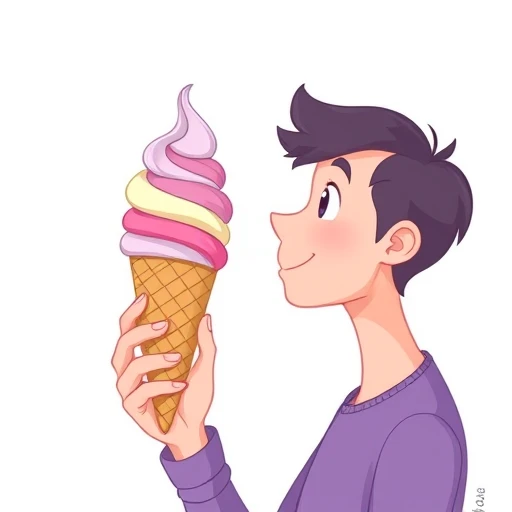
Do you wanna build a snowman?
Culturally, wanna is a staple of American pop culture. From the Spice Girls' "Wannabe" to countless rock and hip-hop lyrics, the word signals a raw, direct expression of desire. It bypasses the formality of standard English to strike a more emotional or immediate chord. For learners, mastering the use of wanna is a sign of reaching a mid-to-high level of fluency, as it demonstrates an understanding of the rhythm and flow of natural English speech. It shows that the learner is not just translating words but is absorbing the actual sounds of the language as it is lived and spoken every day.
- Social Context
- High frequency in peer-to-peer interactions; low frequency in professional or hierarchical communication.
In summary, wanna is a tool for speed and social bonding. It allows speakers to maintain a fast tempo in conversation and signals a level of comfort with the listener. While its orthography (spelling) is relatively new compared to the centuries-old 'want to', its phonetic existence has likely been around as long as people have been speaking English quickly. As you continue your journey in English, listen for wanna in movies and podcasts. You will start to notice that it is almost more common than the full 'want to' in many everyday scenarios.
Using wanna correctly requires an understanding of both its syntactic structure and its limitations. The most basic pattern is Subject + wanna + Base Verb. This pattern works for 'I', 'you', 'we', and 'they'. For example, "I wanna go," "You wanna help," "We wanna stay," and "They wanna play." Notice that the verb following wanna does not have the word 'to' before it, because 'to' is already built into the contraction itself. Writing "I wanna to go" is a common mistake for learners and is grammatically redundant.
- The Question Form
- In questions, the auxiliary 'do' is often dropped in very casual speech. Instead of "Do you wanna go?", people often simply say, "Wanna go?" with a rising intonation at the end.
One of the most important rules to remember is the Third-Person Restriction. In standard English, we say "He wants to" or "She wants to." Because wanna is specifically a contraction of 'want' and 'to', it does not naturally accommodate the 's' ending required for third-person singular subjects. While you might hear "He wanna" in some specific regional dialects or very informal slang, it is generally considered incorrect even in casual standard English. Stick to using wanna only when the subject would normally use 'want' without an 's'.
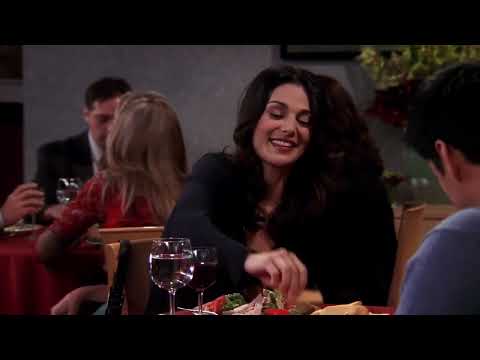
If you wanna be my lover, you gotta get with my friends.
Another nuance is the wanna-contraction constraint found in linguistics. You cannot use wanna if there is an invisible 'trace' of a word between 'want' and 'to'. For example, in the sentence "Who do you want to win?", you are asking which person should win. In this case, 'who' is the subject of 'win', and it technically sits between 'want' and 'to' in the underlying structure. Therefore, native speakers almost never say "Who do you wanna win?" because it sounds 'off'. However, they would say "I wanna win" because there is nothing between 'want' and 'to'. This is an advanced point, but it explains why sometimes wanna feels wrong even in casual speech.
- Negative Constructions
- Negative forms usually require 'don't'. "I don't wanna go" is the standard informal negative. In very slangy contexts, you might hear "I ain't wanna," but this is much less common.
When writing, use wanna sparingly. It is perfect for a text message to a friend: "Hey, wanna meet at 5?" It is also appropriate in creative writing, such as dialogue in a novel or a screenplay, to make characters sound realistic. However, if you are writing a cover letter for a job, a report for your professor, or even a polite email to someone you don't know well, avoid it. In those cases, the full want to is necessary to maintain a professional tone. The transition from 'want to' to wanna is a signal of social intimacy; using it too early with someone can feel overly familiar or even rude.
They wanna know why the project was delayed, but I don't have an answer yet.
Finally, consider the rhythm of your sentence. Wanna is a short, punchy word. It speeds up the sentence. If you want to emphasize your desire, you might actually choose to say the full want to and stress the word 'want'. For example, "I want to go!" sounds more insistent than "I wanna go." The contraction is often used when the desire is just a casual fact or a quick suggestion, rather than a strong, emphasized demand.
The word wanna is ubiquitous in modern English-speaking environments, but its prevalence varies depending on the medium. One of the primary places you will encounter it is in popular music. From rock and pop to hip-hop and country, songwriters use wanna because it fits the meter of the lyrics better than the two-syllable 'want to'. It also gives the song a more relatable, 'everyman' feel. Think of the classic Beatles song "I Wanna Hold Your Hand." The use of the contraction makes the sentiment feel more immediate and youthful. If they had sung "I want to hold your hand," it would have sounded significantly more formal and perhaps less like a rock-and-roll hit.
In Hollywood movies and television shows, wanna is the standard way characters speak. Scriptwriters aim to mimic natural human speech, and in natural American speech, 'want to' is almost always reduced to wanna unless the character is being intentionally formal, angry, or clear. If you watch a sitcom like Friends or a drama like Stranger Things, you will hear the characters use wanna dozens of times per episode. It is the sound of real life. For a learner, this can be a challenge because textbooks often teach 'want to', making the spoken 'wanna' sound like a completely different word at first.
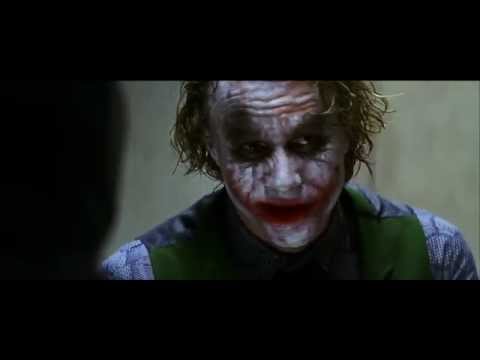
You wanna piece of me?
Another major arena for wanna is social media and instant messaging. On platforms like Twitter (X), Instagram, and TikTok, character counts and speed are important. Typing wanna is faster and feels more 'online'. It is part of a suite of digital-first contractions like gonna (going to), gotta (got to), and imma (I am going to). In these spaces, the rules of formal grammar are relaxed, and the goal is to communicate personality and tone. Using 'want to' in a casual tweet can sometimes make the user seem 'stiff' or like they are trying too hard to be formal.
In casual workplaces, particularly in creative industries or tech startups, wanna is frequently heard in meetings and over Slack. It signals a collaborative, non-hierarchical culture. A manager might say, "I wanna get your thoughts on this," to sound more like a teammate than a boss. However, in more traditional fields like law, medicine, or high finance, the full 'want to' remains the standard, especially when communicating with clients or superiors. The word wanna acts as a social marker, indicating that the speaker feels comfortable enough with their audience to drop the formalities.
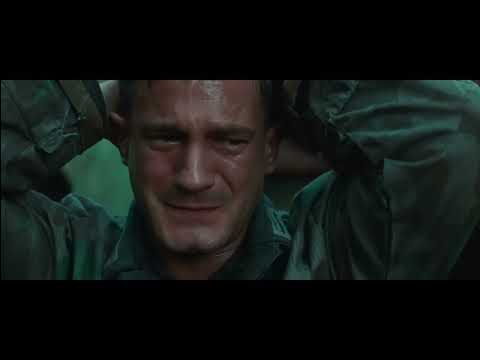
I don't wanna miss a thing.
Finally, you will hear wanna in sports and coaching. Coaches often use short, punchy language to motivate athletes. "You wanna win? Then work for it!" The contraction adds a level of intensity and grit. It’s the language of action. Whether it’s on the field, in a song, or on a screen, wanna is the sound of English in motion. It’s the sound of people who are focused on the 'what' rather than the 'how' of their speech. For the language learner, hearing wanna is an invitation to join the more relaxed, authentic side of English communication.
Despite its simplicity, wanna is the source of several frequent errors for English learners. The most common mistake is using it in formal writing. Many students, after hearing wanna in songs and movies, assume it is a standard word. They then use it in university essays, business emails, or official applications. This is a major error. In formal contexts, wanna is seen as a sign of poor education or a lack of respect for the setting. Always remember: wanna is for speaking and texting; want to is for writing and professional situations.
- The 'To' Redundancy
- Mistake: "I wanna to go." Correct: "I wanna go." The 'to' is already included in the 'na' part of 'wanna'. Adding another 'to' is like saying 'want to to'.
Another frequent error is the Third-Person Singular Error. As mentioned before, wanna is a contraction of 'want to'. In the third person (he, she, it), the verb must be 'wants to'. There is no standard contraction like 'wants-na'. Learners often say, "She wanna go," which sounds incorrect to most native speakers unless they are using a specific dialect. To be safe, always use "She wants to go" or "He wants to go." This maintains the necessary subject-verb agreement that is a cornerstone of English grammar.
Incorrect: He wanna buy a car.
Correct: He wants to buy a car.
A more subtle mistake involves prepositional usage. Wanna only works when 'to' is an infinitive marker (followed by a verb). It does not work when 'to' is a preposition indicating direction. For example, you cannot say "I wanna the beach" because the original sentence is "I want to the beach," which is already incorrect (it should be "I want to go to the beach"). Even if you meant "I want the beach," you cannot use wanna because there is no 'to' to contract. This mistake often happens when learners confuse wanna with a general replacement for 'want'.
Finally, there is the misuse in questions with 'who'. As discussed in the syntax section, you cannot use wanna when the subject of the following verb is being questioned. "Who do you wanna help?" is fine because 'you' are the one doing the helping. But "Who do you wanna help you?" is incorrect because 'who' is the one doing the helping. This is a very advanced mistake, but avoiding it will make your English sound much more natural. Most native speakers will simply say "Who do you want to help you?" without even thinking about why the contraction doesn't work there.
- Spelling Mistakes
- Avoid spellings like 'wan'na' or 'wannah'. The standard informal spelling is simply 'wanna'.
To avoid these mistakes, think of wanna as a 'bonus' word for your spoken English, rather than a replacement for 'want to'. Use it when you are feeling relaxed and confident, but keep 'want to' as your reliable foundation for all other situations. By being mindful of these common pitfalls, you can use wanna to sound more like a native speaker without sacrificing grammatical accuracy.
The word wanna is part of a larger family of informal contractions that characterize casual spoken English. Understanding these alternatives and similar words will help you navigate different levels of formality and nuance. The most direct alternative is, of course, the full phrase want to. This is the 'safe' choice. It is appropriate in every single context, from a casual chat to a doctoral thesis. If you want to be 100% sure you are being correct, use 'want to'.
- Gonna (Going to)
- The most common sibling of 'wanna'. It indicates future intent. "I'm gonna go" is the informal version of "I am going to go." Like 'wanna', it is ubiquitous in speech but avoided in formal writing.
Another close relative is gotta, which is a contraction of 'got to' (meaning 'must' or 'have to'). While wanna expresses desire, gotta expresses necessity. For example, "I wanna stay, but I gotta go." These two are often used together in the same sentence to contrast what someone wants to do with what they are forced to do. There is also hafta (have to) and oughta (ought to), though oughta is becoming much less common in modern speech.
I wanna help, but I gotta finish my homework first.
If you want to express desire but 'wanna' feels too casual and 'want to' feels too plain, you can use would like to. This is a more polite and formal way to express a wish. For example, in a restaurant, you wouldn't say to a waiter, "I wanna the steak." You would say, "I would like the steak," or "I'd like to have the steak." This shows respect and follows social etiquette. Another alternative is feel like followed by a gerund (-ing verb). "I feel like going for a walk" is a very common way to express a casual, spontaneous desire that is slightly different from the more intentional "I wanna go for a walk."
In some dialects, particularly in the Southern United States, you might hear fixin' to. This means you are about to do something you want or need to do. "I'm fixin' to go to the store." While not a direct synonym for wanna, it occupies a similar social space as a regional informal contraction. Understanding these variations helps you appreciate the diversity of the English language and allows you to choose the word that best fits the 'vibe' of your conversation.
- Wish to
- The most formal alternative. "I wish to speak with the manager." You would never use 'wanna' in this context unless you were trying to be intentionally rude or funny.
Ultimately, the choice between wanna and its alternatives comes down to the relationship you have with the person you are talking to. English has many ways to say the same thing, and each way carries a different social 'weight'. Wanna is the lightest, most casual weight. 'Want to' is the standard weight. 'Would like to' is the polite weight. And 'wish to' is the heavy, formal weight. By mastering all of them, you become a more versatile and sensitive communicator.
How Formal Is It?
حقيقة ممتعة
The 'wanna-contraction' is a famous topic in linguistics because it follows a very specific rule: you can't use it if a word has been moved from between 'want' and 'to'.
دليل النطق
- Pronouncing it as two distinct words 'wan-na' with a hard 't' sound in the middle.
- Over-emphasizing the second syllable.
- Using a long 'a' sound like 'way-na'.
- Failing to use the schwa /ə/ sound at the end.
- Pronouncing the 'w' as a 'v' sound.
مستوى الصعوبة
Easy to recognize in text once you know it.
Difficult because you must know when NOT to use it.
Requires practice to get the rhythm right.
Very common, so you will hear it often.
ماذا تتعلّم بعد ذلك
المتطلبات الأساسية
تعلّم لاحقاً
متقدم
قواعد يجب معرفتها
Infinitive marker contraction
want + to = wanna
Subject-verb agreement
He wants to (NOT He wanna)
Auxiliary dropping in questions
(Do) you wanna go?
Negative contraction
don't + wanna
Wanna-contraction constraint
Who do you want to win? (NOT wanna)
أمثلة حسب المستوى
I wanna go home.
I want to go home.
Simple contraction of 'want to'.
Do you wanna play?
Do you want to play?
Question form using 'wanna'.
I wanna eat pizza.
I want to eat pizza.
Followed by the base verb 'eat'.
They wanna see you.
They want to see you.
Used with the subject 'they'.
We wanna dance!
We want to dance!
Expressing a group desire.
I wanna buy this.
I want to buy this.
Used for making a simple request.
Wanna help me?
Do you want to help me?
Casual question with 'do' dropped.
I wanna sleep now.
I want to sleep now.
Expressing an immediate need.
I don't wanna go to school today.
I do not want to go to school today.
Negative form using 'don't'.
Wanna go to the movies tonight?
Do you want to go to the movies tonight?
Informal invitation.
They wanna know where you are.
They want to know where you are.
Reporting someone else's desire.
I wanna learn how to swim.
I want to learn how to swim.
Expressing a goal.
Do you wanna talk about it?
Do you want to talk about it?
Offering support in a casual way.
We wanna visit London next year.
We want to visit London next year.
Expressing a future plan.
I wanna be a doctor when I grow up.
I want to be a doctor when I grow up.
Expressing an ambition.
Wanna grab a bite to eat?
Do you want to get something to eat?
Common idiom 'grab a bite'.
I just wanna make sure everything is okay.
I just want to ensure everything is fine.
Using 'just' to soften the request.
If you wanna succeed, you have to work hard.
If you want to succeed, you must work hard.
Used in a conditional 'if' clause.
I don't wanna sound rude, but I disagree.
I do not want to appear impolite, but I have a different opinion.
Common conversational filler.
Wanna come over and watch the game?
Do you want to come to my house and watch the sports match?
Phrasal verb 'come over' used with 'wanna'.
They wanna change the rules of the competition.
They want to alter the regulations of the contest.
Discussing a formal topic informally.
I wanna try that new Italian restaurant.
I want to experience that new Italian eatery.
Expressing a specific interest.
Do you wanna join our study group?
Do you want to be part of our learning circle?
Extending a social invitation.
I wanna see if I can fix this myself.
I want to determine if I am able to repair this on my own.
Expressing self-reliance.
I don't wanna overstep, but you might want to reconsider.
I do not want to exceed my boundaries, but you should think again.
Sophisticated use of 'overstep'.
Wanna tell me what's really going on?
Do you want to explain the actual situation to me?
Using 'wanna' to probe for information.
I wanna emphasize that this is just a draft.
I want to stress that this document is not final.
Using 'wanna' with a formal verb like 'emphasize'.
If they wanna win the election, they'll need more votes.
If they desire to be victorious in the poll, they will require additional support.
Discussing political strategy informally.
I wanna believe that he's telling the truth.
I want to have faith that his statements are honest.
Expressing an internal struggle or hope.
Wanna bet that it's going to rain today?
Do you want to wager that there will be precipitation today?
Common idiomatic challenge.
I wanna see how this whole thing plays out.
I want to observe the eventual outcome of this situation.
Phrasal verb 'play out' used with 'wanna'.
They don't wanna admit they made a mistake.
They are unwilling to acknowledge their error.
Discussing psychological resistance.
I don't wanna get bogged down in the details right now.
I do not wish to become overly preoccupied with minor points at this moment.
Using 'wanna' with the idiom 'get bogged down'.
Wanna know the secret to a long and happy life?
Do you wish to learn the hidden key to longevity and joy?
Rhetorical question to engage an audience.
I wanna explore the philosophical implications of this theory.
I want to investigate the deep conceptual consequences of this idea.
Juxtaposition of informal 'wanna' with academic 'philosophical implications'.
They wanna capitalize on the current market trends.
They want to take advantage of the prevailing economic movements.
Business jargon 'capitalize on' used informally.
I wanna make it clear that I'm not blaming anyone.
I want to clarify that I am not holding any individual responsible.
Setting a boundary in a conversation.
Wanna take a crack at solving this puzzle?
Do you want to attempt to find the solution to this enigma?
Idiom 'take a crack at' used with 'wanna'.
I wanna see if we can find some common ground here.
I want to determine if there are areas of mutual agreement.
Negotiation language used casually.
They don't wanna rock the boat before the merger.
They do not want to cause trouble or disruption prior to the business union.
Idiom 'rock the boat' used with 'wanna'.
I don't wanna sound like a broken record, but we need to focus.
I do not wish to repeat myself excessively, yet our concentration is paramount.
Using 'wanna' with the idiom 'sound like a broken record'.
Wanna delve into the intricacies of the human psyche?
Do you want to investigate the complex details of the human mind?
High-level vocabulary 'delve into' and 'intricacies' paired with 'wanna'.
I wanna debunk the myth that success happens overnight.
I want to prove the falsehood of the idea that achievement is instantaneous.
Using 'wanna' for a strong, assertive statement.
They wanna circumvent the traditional bureaucratic channels.
They want to bypass the standard administrative procedures.
Formal verb 'circumvent' used in a casual way.
I wanna gauge your reaction to the new proposal.
I want to measure or assess how you respond to the latest suggestion.
Using 'wanna' to initiate a feedback loop.
Wanna hazard a guess as to why the experiment failed?
Do you want to risk making a prediction about the cause of the trial's failure?
Sophisticated idiom 'hazard a guess'.
I wanna reconcile these two seemingly contradictory ideas.
I want to find a way to make these two opposing concepts work together.
Abstract intellectual desire expressed informally.
They don't wanna jeopardize the progress we've made so far.
They are unwilling to put our current achievements at risk.
Using 'wanna' with the high-level verb 'jeopardize'.
تلازمات شائعة
العبارات الشائعة
— Used to challenge someone's statement or to express confidence that you are right.
You think I can't do it? Wanna bet?
— A very common informal invitation to meet and talk.
Hey, I'm near your office. Wanna grab a coffee?
— Used when you are annoyed and don't want to listen to someone's excuses or complaints.
Stop complaining! I don't wanna hear it.
— A very aggressive slang phrase used to challenge someone to a fight.
The bully stepped closer and said, 'Wanna piece of me?'
— Used to introduce an opinion or a guess that you are not entirely sure about.
I wanna say it was about five o'clock when they left.
— A friendly invitation to participate in an activity.
We're going to the park. Wanna join us?
— Used to soften a request or to focus on a single, simple desire.
I just wanna go home and sleep.
— Used to introduce an interesting fact or a secret.
You wanna know something? I've never been to New York.
— Used when you are about to show someone something interesting.
I finished my drawing. Wanna see?
يُخلط عادةً مع
Sounds similar but 'want a' is followed by a noun (e.g., 'I want a cookie').
Not a word, but sometimes learners misspell 'wanna' this way.
The correct form for he/she/it, which cannot be contracted to 'wanna'.
تعبيرات اصطلاحية
— A person who tries to look like or act like someone else, usually someone famous.
He's just a rock star wannabe.
Informal/Slang— To avoid doing something that might cause trouble or upset people.
I have some ideas, but I don't wanna rock the boat right now.
Informal— An invitation to go for a short drive in a car.
Nice car! Wanna go for a spin?
Informal— To wish that you were in someone else's situation (usually a good one).
You're going to Hawaii? I wanna be in your shoes!
Informal— A confrontational way to ask if someone wants to start a fight over a disagreement.
Yeah, I said it. Wanna make something of it?
Slang— Used to refuse to talk about a sensitive or unpleasant topic.
Don't ask about my ex-boyfriend. I don't wanna go there.
Informal— An invitation to try doing something difficult.
This puzzle is hard. Wanna take a crack at it?
Informal— To want to try doing something for the first time.
I've never surfed before, but I wanna give it a shot.
Informal— An invitation to stop working or doing an activity for the rest of the day.
We've been working for ten hours. Wanna call it a day?
Informal— To want to avoid attracting attention or publicity.
I'm not going to the party; I wanna keep a low profile tonight.
Informalسهل الخلط
Phonetically identical in some dialects.
'Wanna' is 'want to' (verb), 'want a' is 'want' + article (noun).
I wanna (want to) eat vs I want a (want + a) burger.
Both are informal contractions.
'Wanna' is desire, 'gonna' is future intent.
I wanna go (I want to) vs I'm gonna go (I am going to).
Both are informal contractions.
'Wanna' is desire, 'gotta' is necessity.
I wanna stay vs I gotta go.
Similar sound.
'Wants' is the 3rd person singular verb; 'wanna' includes the 'to'.
He wants a car vs I wanna drive.
Similar starting sound.
'Won't' is 'will not' (future negative); 'wanna' is desire.
I won't go (refusal) vs I wanna go (desire).
أنماط الجُمل
I wanna + [verb]
I wanna go.
Do you wanna + [verb]?
Do you wanna play?
I don't wanna + [verb]
I don't wanna stay.
If you wanna + [verb], you should...
If you wanna win, you should practice.
Wanna + [complex verb phrase]?
Wanna explore the city tonight?
I wanna + [abstract verb]
I wanna reconcile these facts.
Wanna + [verb] + [object]?
Wanna grab a coffee?
They wanna + [verb]
They wanna help.
عائلة الكلمة
الأفعال
مرتبط
كيفية الاستخدام
Extremely high in spoken American English.
-
I wanna to go.
→
I wanna go.
The 'to' is already part of 'wanna'. Adding another 'to' is redundant.
-
She wanna eat.
→
She wants to eat.
'Wanna' is only for I, you, we, they. Third person needs 'wants to'.
-
I wanna a soda.
→
I want a soda.
'Wanna' means 'want to'. You can't 'want to' a soda. You 'want' a soda.
-
Who do you wanna win?
→
Who do you want to win?
Grammatical constraint: you can't contract when the subject of the second verb is moved.
-
Using 'wanna' in a business report.
→
Using 'want to'.
'Wanna' is too informal for professional documents.
نصائح
Check the Verb
Always make sure a verb follows 'wanna'. If you see a noun, you probably mean 'want a' or just 'want'.
Match the Energy
If the person you are talking to is being formal, you should be formal too. Don't be the only one using 'wanna'.
The Schwa
Make sure the 'a' at the end sounds like 'uh', not a strong 'ah'. This makes it sound more natural.
Texting Rule
In texts, 'wanna' is perfectly fine and actually makes you look more like a native speaker.
Third Person Rule
Never use 'wanna' for he, she, or it. It's a very common mistake that is easy to fix.
Song Lyrics
Listen to your favorite English songs and count how many times they use 'wanna'. It's a great way to practice.
Emphasis
If you want to sound very serious, use 'want to' instead of 'wanna'. The full form carries more weight.
Global English
Remember that 'wanna' is understood everywhere, so it's a very useful word for international travel.
No 'To' After
Never say 'wanna to'. The 'to' is already inside the word 'wanna'.
Natural Flow
Using 'wanna' helps you master the 'rhythm' of English, which is based on stressed and unstressed syllables.
احفظها
وسيلة تذكّر
Think of the 'N' in 'wanna' as standing for 'Now'. I wanna do it NOW! This helps you remember it's about immediate desire.
ربط بصري
Imagine a small child pulling on their parent's sleeve, saying 'I wanna! I wanna!' This captures the feeling of simple, direct desire.
Word Web
تحدٍّ
Try to use 'wanna' three times in a casual conversation today, but make sure you don't use it for 'he' or 'she'!
أصل الكلمة
The word 'wanna' originated as a phonetic transcription of the relaxed pronunciation of 'want to'. It began appearing in written form in the late 19th and early 20th centuries, primarily in literature to represent dialect or casual speech.
المعنى الأصلي: To lack or to desire (from the Old Norse 'vanta').
Germanic (English)السياق الثقافي
Avoid using 'wanna' when speaking to people in high-authority positions unless they use it first.
Very common in the US, Canada, Australia, and increasingly the UK.
تدرّب في الحياة الواقعية
سياقات واقعية
Invitations
- Wanna come?
- Wanna join?
- Wanna go out?
- Wanna hang?
Daily Desires
- I wanna eat.
- I wanna sleep.
- I wanna rest.
- I wanna play.
Negotiations
- I wanna see.
- I wanna know.
- I wanna check.
- I wanna try.
Pop Music
- I wanna love.
- I wanna dance.
- I wanna fly.
- I wanna be.
Texting
- u wanna?
- wanna meet?
- wanna talk?
- wanna call?
بدايات محادثة
"What do you wanna do this weekend if the weather is nice?"
"Wanna hear a funny story that happened to me yesterday?"
"If you could go anywhere in the world right now, where would you wanna go?"
"Wanna grab some lunch after we finish this meeting?"
"Do you wanna see the photos from my vacation last month?"
مواضيع للكتابة اليومية
Write about three things you wanna achieve before the end of this year.
If you had a million dollars, what is the first thing you'd wanna buy?
Describe a person you really wanna meet and explain why they inspire you.
Think about a skill you don't have but wanna learn. How will you start?
Write a dialogue between two friends who wanna plan a surprise party.
الأسئلة الشائعة
10 أسئلةIt is a real word in the sense that people use it and understand it, but it is considered 'non-standard'. You won't find it in a formal dictionary as a primary entry, but it is a recognized part of English linguistics.
Only if the email is to a close friend or a colleague you know very well. In any other situation, use 'want to' to be safe and professional.
It is faster and easier to say. English speakers naturally reduce sounds to save effort, and 'wanna' is a perfect example of this phonetic efficiency.
While it is most common in American English, it is now used by English speakers all over the world due to the influence of American media and music.
In standard informal English, no. You should say 'He wants to go'. However, in some specific dialects like AAVE, 'he wanna' is used.
Sometimes they sound the same, but 'wanna' usually means 'want to'. If you mean 'want a', it's better to think of it as two separate words even if they sound joined.
It's not rude, but it is very casual. Using it in a formal setting might be seen as a lack of social awareness, which could be interpreted as impolite.
The standard informal spelling is W-A-N-N-A. Don't use apostrophes or other variations.
Yes, usually as 'don't wanna'. Example: 'I don't wanna go.'
Yes, it is very common in modern British English, especially among younger people and in urban areas.
اختبر نفسك 200 أسئلة
Write a text message to a friend asking if they want to go to the park using 'wanna'.
Well written! Good try! Check the sample answer below.
Rewrite the sentence 'I want to eat lunch' using 'wanna'.
Well written! Good try! Check the sample answer below.
Write a sentence using 'wanna' and the verb 'learn'.
Well written! Good try! Check the sample answer below.
Write a negative sentence using 'wanna'.
Well written! Good try! Check the sample answer below.
Use 'wanna' in a question about a movie.
Well written! Good try! Check the sample answer below.
Write a sentence using 'wanna' with the subject 'They'.
Well written! Good try! Check the sample answer below.
Write a sentence using 'wanna' and the phrase 'make sure'.
Well written! Good try! Check the sample answer below.
Write a sentence using the idiom 'wanna rock the boat'.
Well written! Good try! Check the sample answer below.
Rewrite 'He wants to play' correctly (Hint: you can't use wanna).
Well written! Good try! Check the sample answer below.
Write a sentence using 'wanna' and 'emphasize'.
Well written! Good try! Check the sample answer below.
Write a dialogue of two lines using 'wanna'.
Well written! Good try! Check the sample answer below.
Use 'wanna' in a conditional 'if' sentence.
Well written! Good try! Check the sample answer below.
Write a sentence using 'wanna' and 'explore'.
Well written! Good try! Check the sample answer below.
Write a sentence using 'wanna' and 'admit'.
Well written! Good try! Check the sample answer below.
Write a sentence using 'wanna' and 'clarify'.
Well written! Good try! Check the sample answer below.
Write a sentence using 'wanna' and 'buy'.
Well written! Good try! Check the sample answer below.
Write a sentence using 'wanna' and 'stay'.
Well written! Good try! Check the sample answer below.
Write a sentence using 'wanna' and 'know'.
Well written! Good try! Check the sample answer below.
Write a sentence using 'wanna' and 'help'.
Well written! Good try! Check the sample answer below.
Write a sentence using 'wanna' and 'try'.
Well written! Good try! Check the sample answer below.
Say 'I wanna go home' with natural speed.
Read this aloud:
قلت:
Speech recognition is not supported in your browser. Try Chrome or Edge.
Ask 'Wanna grab a coffee?' with rising intonation.
Read this aloud:
قلت:
Speech recognition is not supported in your browser. Try Chrome or Edge.
Say 'I don't wanna talk about it' clearly.
Read this aloud:
قلت:
Speech recognition is not supported in your browser. Try Chrome or Edge.
Say 'Do you wanna see my new car?'
Read this aloud:
قلت:
Speech recognition is not supported in your browser. Try Chrome or Edge.
Say 'I wanna learn English' quickly.
Read this aloud:
قلت:
Speech recognition is not supported in your browser. Try Chrome or Edge.
Say 'They wanna meet us at five.'
Read this aloud:
قلت:
Speech recognition is not supported in your browser. Try Chrome or Edge.
Say 'Wanna bet?' with confidence.
Read this aloud:
قلت:
Speech recognition is not supported in your browser. Try Chrome or Edge.
Say 'I wanna emphasize this point.'
Read this aloud:
قلت:
Speech recognition is not supported in your browser. Try Chrome or Edge.
Say 'If you wanna win, work hard.'
Read this aloud:
قلت:
Speech recognition is not supported in your browser. Try Chrome or Edge.
Say 'I just wanna make sure you're okay.'
Read this aloud:
قلت:
Speech recognition is not supported in your browser. Try Chrome or Edge.
Say 'Wanna join our group?'
Read this aloud:
قلت:
Speech recognition is not supported in your browser. Try Chrome or Edge.
Say 'I don't wanna rock the boat.'
Read this aloud:
قلت:
Speech recognition is not supported in your browser. Try Chrome or Edge.
Say 'Wanna take a crack at it?'
Read this aloud:
قلت:
Speech recognition is not supported in your browser. Try Chrome or Edge.
Say 'I wanna clarify my position.'
Read this aloud:
قلت:
Speech recognition is not supported in your browser. Try Chrome or Edge.
Say 'Wanna go for a walk?'
Read this aloud:
قلت:
Speech recognition is not supported in your browser. Try Chrome or Edge.
Say 'I wanna see the world.'
Read this aloud:
قلت:
Speech recognition is not supported in your browser. Try Chrome or Edge.
Say 'They wanna buy a house.'
Read this aloud:
قلت:
Speech recognition is not supported in your browser. Try Chrome or Edge.
Say 'I wanna try that cake.'
Read this aloud:
قلت:
Speech recognition is not supported in your browser. Try Chrome or Edge.
Say 'Do you wanna dance?'
Read this aloud:
قلت:
Speech recognition is not supported in your browser. Try Chrome or Edge.
Say 'I wanna be happy.'
Read this aloud:
قلت:
Speech recognition is not supported in your browser. Try Chrome or Edge.
Listen and write: 'I wanna go.'
Listen and write: 'Do you wanna play?'
Listen and write: 'They wanna see you.'
Listen and write: 'I don't wanna stay.'
Listen and write: 'Wanna grab lunch?'
Listen and write: 'I wanna know the truth.'
Listen and write: 'If you wanna win, try.'
Listen and write: 'I wanna emphasize this.'
Listen and write: 'Wanna bet?'
Listen and write: 'They don't wanna admit it.'
Listen and write: 'I wanna see the manager.'
Listen and write: 'Do you wanna dance?'
Listen and write: 'I wanna buy this.'
Listen and write: 'Wanna see a trick?'
Listen and write: 'I wanna be a doctor.'
/ 200 correct
Perfect score!
Summary
The word 'wanna' is a powerful tool for sounding more natural and fluid in casual English conversations. However, its use is strictly limited to informal settings. For example, 'I wanna go' is perfect for friends, but 'I want to apply' is necessary for a job application.
- Wanna is the informal contraction of 'want to', used primarily in spoken English and casual digital communication.
- It is grammatically restricted to subjects like I, you, we, and they, and must be followed by a base verb.
- The word is a staple of pop culture, appearing frequently in song lyrics, movie scripts, and social media posts.
- Learners should avoid using 'wanna' in formal writing, academic contexts, or professional business environments.
Check the Verb
Always make sure a verb follows 'wanna'. If you see a noun, you probably mean 'want a' or just 'want'.
Match the Energy
If the person you are talking to is being formal, you should be formal too. Don't be the only one using 'wanna'.
The Schwa
Make sure the 'a' at the end sounds like 'uh', not a strong 'ah'. This makes it sound more natural.
Texting Rule
In texts, 'wanna' is perfectly fine and actually makes you look more like a native speaker.