darn in 30 Sekunden
- Darn is a versatile word used as a verb to repair holes in fabric, specifically by weaving thread across the gap to restore the material.
- It also serves as a polite 'minced oath,' acting as a socially acceptable substitute for the stronger word 'damn' in various contexts.
- As an interjection, it expresses mild frustration or surprise, while as an adjective or adverb, it functions as an intensifier for emphasis.
- The word is commonly associated with traditional values, older generations, and the modern sustainable fashion movement's focus on visible mending.
The word darn is a fascinating example of English linguistic evolution, serving two completely distinct purposes: one as a practical craft and the other as a social lubricant for expressing frustration. In its primary physical sense, to darn is to repair a hole in a garment, typically a sock or a knitted item, by interweaving yarn or thread with a needle. This is not merely sewing a seam; it is a structural reconstruction of the fabric itself. Historically, darning was a vital household skill, ensuring that clothing lasted for years rather than months. It involves creating a 'warp' and 'weft' over the gap, effectively building a new patch of cloth where none existed. This technical application is specific and carries a sense of thrift, care, and domestic diligence.
- Technical Definition
- To mend a hole in knitted material by interweaving yarn across the gap using a needle, often using a darning egg to maintain shape.
However, most modern English speakers encounter 'darn' as a minced oath. A minced oath is a polite or euphemistic expression used to avoid profanity. In this case, 'darn' is the 'clean' version of 'damn.' It emerged in the late 18th century as a way for people to express annoyance, surprise, or emphasis without violating social or religious taboos against swearing. When used as an interjection, it signals a mild level of frustration—enough to be noticed, but not enough to be offensive. As an adjective, it adds emphasis to a noun, often conveying a mix of affection and irritation, such as in the phrase 'that darn cat.'
Oh darn, I forgot to buy milk again!
The context of 'darn' is crucial. If you are in a professional setting or speaking with children, 'darn' is a safe, socially acceptable way to vent. It suggests a certain level of wholesomeness or traditionalism. In many rural or religious communities, 'darn' remains the preferred choice over its harsher counterpart. Interestingly, the word has seen a resurgence in 'slow fashion' circles, where the act of darning is celebrated as an eco-friendly alternative to fast fashion. Here, 'visible darning' has become an aesthetic choice, turning a repair into a piece of art.
- Social Context
- Commonly used by parents, teachers, and in public broadcasting to maintain a polite tone while expressing negative emotions.
To understand 'darn' fully, one must appreciate its versatility. It can be a verb ('I need to darn these socks'), an interjection ('Darn!'), an adjective ('The darn thing won't work'), or even an adverb ('That was a darn good meal'). This flexibility makes it a staple of colloquial English. While it might seem old-fashioned to some, its utility in providing a middle ground between silence and profanity ensures its continued relevance in the English lexicon. Whether you are fixing a heel or venting about a traffic jam, 'darn' is a word that mends both fabric and social friction.
She spent the evening darning her grandfather's old wool sweater by the fire.
- Etymological Note
- The sewing sense comes from Middle English 'dernen' (to hide), while the exclamation is a corruption of 'damn'.
Using 'darn' correctly requires identifying which of its three primary roles you are employing: the verb of repair, the emotive interjection, or the emphatic adjective. Each has its own grammatical rules and rhythmic placement within a sentence. When used as a verb, 'darn' is transitive, meaning it requires an object—the specific item being mended. You don't just 'darn'; you 'darn a sock' or 'darn a hole.' It often appears in the progressive tense ('I am darning') or the infinitive ('I need to darn').
- Verb Usage
- 'My grandmother taught me how to darn the heels of my winter socks to make them last longer.'
As an interjection, 'darn' usually stands alone at the beginning of a sentence or as a standalone exclamation. It is followed by an exclamation point or a comma. It functions as a reaction to an immediate event, such as dropping a glass or realizing you've made a mistake. Unlike the verb form, the interjection 'darn' has no grammatical connection to the rest of the sentence; it is purely expressive. It is often paired with 'it' to form 'darn it,' which acts as a complete thought.
Darn it! I thought the meeting started at ten, but it was actually at nine.
The adjective form, 'darn' (or its variant 'darned'), is placed directly before the noun it modifies. It serves to intensify the speaker's feeling toward that noun. Interestingly, it can be used for both negative and positive emphasis. While 'that darn computer' suggests frustration, 'a darn good idea' suggests strong approval. In this role, 'darn' functions as a 'determiner-like' adjective, often preceded by 'that' or 'a'. It is worth noting that 'darned' is often preferred in the adjective role, though 'darn' is common in casual speech.
- Adjective Usage
- 'He is a darn good mechanic, even if he is a bit expensive.'
Finally, 'darn' can function as an adverb, modifying adjectives or other adverbs. In this capacity, it means 'very' or 'extremely.' For example, 'It's darn cold outside today.' This usage is particularly common in American English and carries a colloquial, friendly tone. It softens the intensity of the statement compared to using 'very,' making the speaker sound more approachable and less formal. Understanding these four distinct patterns allows a learner to navigate 'darn' with the nuance of a native speaker.
That was a darn difficult puzzle to solve.
- Adverb Usage
- 'You'd better be darn sure about those numbers before we present them to the board.'
The word 'darn' occupies a specific niche in the auditory landscape of English. You are most likely to hear it in environments where 'polite company' is maintained. This includes family-friendly television shows, classic movies, and literature intended for all ages. In the mid-20th century, 'darn' was the standard exclamation for characters in sitcoms like 'Leave It to Beaver' or 'The Andy Griffith Show,' where stronger language was strictly prohibited by broadcast standards. Today, it still appears in children's animation and 'G-rated' media as a way to show a character is upset without losing the family-friendly rating.
- Media Presence
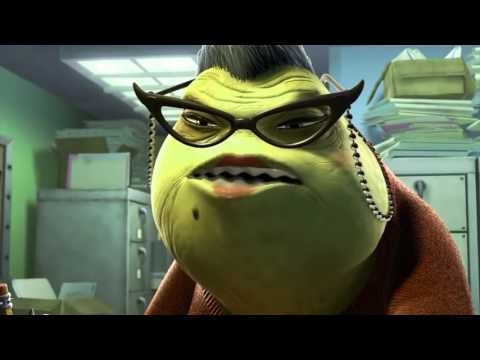
- Common in Pixar movies, older Disney films, and classic American literature like Mark Twain's works.
Geographically and socially, 'darn' is frequently heard in the American Midwest and South, as well as in rural parts of the United Kingdom and Canada. It is often associated with an older generation—grandparents who might find 'damn' too coarse. However, it is also a staple in the vocabulary of teachers, coaches, and religious leaders who want to model 'clean' speech. If you are in a church basement or a primary school classroom, 'darn' is the loudest swear word you are likely to hear. It carries a certain 'folksy' charm that suggests the speaker is down-to-earth and respectful.
'Well, darn it all,' the farmer sighed as he looked at the broken tractor.
In the world of crafts and hobbies, the verb 'darn' is hearing a major revival. With the rise of the 'Visible Mending' movement on social media platforms like Instagram and TikTok, younger generations are rediscovering darning. You will hear it in craft workshops, YouTube tutorials, and knitting circles. In these contexts, 'darn' is a technical term of pride. A 'darned' sock is not a sign of poverty, but a badge of sustainability and skill. This technical usage is precise and lacks any of the emotive frustration associated with the interjection.
- Modern Revival
- The 'Slow Fashion' movement has brought 'darning' back into the vocabulary of Gen Z and Millennials interested in sustainability.
Lastly, you will hear 'darn' in idiomatic expressions that have become fixed in the language. Phrases like 'I'll be darned' (expressing surprise) or 'not worth a darn' (meaning worthless) are common in casual conversation across the English-speaking world. These phrases are so ingrained that people often use them without thinking about the 'polite swear word' origin of the word. They are safe for almost any social situation, from a business lunch to a casual chat with a neighbor.
'I'll be darned! I never expected to see you here in London!'
- Idiomatic Use
- 'I'll be darned' is a very common way to express mild to moderate astonishment.
One of the most frequent mistakes learners make with 'darn' is confusing its two primary meanings. Because the word sounds exactly the same whether you are talking about sewing or swearing, context is everything. A learner might say, 'I need to darn my homework,' thinking it means 'to fix' in a general sense. However, 'darn' as a verb is strictly for fabric and textiles. You can darn a sock, but you cannot darn a broken relationship, a computer program, or a math error. For those, you would use 'mend,' 'fix,' or 'correct.'
- Mistake: Over-generalization
- Incorrect: 'I need to darn this mistake in my essay.' Correct: 'I need to correct this mistake in my essay.'
Another common error involves the level of intensity. While 'darn' is a substitute for 'damn,' it is not an exact equivalent in terms of emotional weight. If someone is truly furious, using 'darn' can sound sarcastic or even comical. For instance, if a person's car is stolen, saying 'Oh darn' would be seen as an inappropriate understatement. Conversely, in very formal or high-stakes environments, even 'darn' might be seen as slightly too informal, as it still carries the 'ghost' of the profanity it replaces. It is a 'folksy' word, and using it in a highly academic or legal setting might make the speaker sound unprofessional.
Wait, did you say you darned the car? No, I meant I patched the tire!
Spelling and grammar also present pitfalls. The past tense of the verb is 'darned,' but the adjective can be either 'darn' or 'darned.' Learners often struggle with which one to use. While 'that darn cat' is acceptable, 'that darned cat' is often considered more 'correct' in written English. Furthermore, the phrase 'darn it' is often misspelled as 'darnet' or 'darnit' by learners who hear it as a single word. It is important to remember that 'it' is a separate pronoun acting as the object of the implied frustration.
- Mistake: Misspelling
- Incorrect: 'Darnit, I'm late!' Correct: 'Darn it, I'm late!'
Finally, there is the confusion between 'darn' and 'dan.' For non-native speakers, especially those whose native languages do not distinguish clearly between the /ɑː/ and /æ/ sounds, 'darn' and 'Dan' (the name) can sound similar. Similarly, 'darn' and 'done' can be confused in fast speech. It is important to emphasize the 'r' sound in 'darn' (in rhotic accents like American English) or the long vowel (in non-rhotic accents like British English) to ensure clarity. Mispronouncing 'darn' as 'damn' is also a risk; while they are related, 'damn' is much stronger and could cause offense in the very situations where you chose 'darn' to avoid it.
He said it was a darn shame, not a 'damn' shame—there's a big difference in tone!
- Mistake: Tone Mismatch
- Using 'darn' in a situation of extreme tragedy can seem dismissive or mockingly lighthearted.
When looking for alternatives to 'darn,' one must first decide which 'darn' they are replacing. If you are looking for synonyms for the verb meaning to repair, 'mend' is the most direct and versatile alternative. 'Mend' can be used for fabric, but also for relationships, fences, and broken hearts. 'Patch' is another alternative, though it implies adding a separate piece of material over the hole, whereas 'darning' involves weaving new material into the existing structure. 'Repair' is the most formal and general term, suitable for any context.
- Verb Alternatives
- Mend: General repair of something broken or torn.
- Patch: To cover a hole with a piece of material.
- Sew: The general act of using a needle and thread.
For the interjection 'darn,' the English language offers a rich palette of minced oaths. 'Drat' is a slightly more old-fashioned and British-sounding alternative. 'Shoot' is very common in American English and carries a similar level of mildness. 'Heck' is often used as a substitute for 'hell' and can be used in similar contexts to 'darn.' For something slightly more forceful but still 'clean,' one might use 'blast' (common in the UK) or 'sugar' (a very mild, often southern US euphemism). Each of these carries a slightly different 'flavor' of frustration.
Instead of darn, he sometimes says 'drat' when he loses his spectacles.
As an adjective or adverb, 'darn' can be replaced by 'blessed,' 'confounded,' or 'blooming' (the latter being specifically British). 'Blessed' is often used sarcastically ('that blessed car!'), while 'confounded' sounds quite formal and Victorian. In a more modern, neutral context, one might simply use 'very' or 'really' for the adverbial sense, or 'annoying' for the adjectival sense. However, these lack the specific emotive punch that 'darn' provides. 'Darn' sits in a sweet spot of being expressive without being vulgar.
- Interjection Comparison
Word Intensity Region Darn Mild Universal Drat Mild UK/Old-fashioned Shoot Mild US/Modern Damn Moderate Universal (Profane)
Finally, in the context of 'I'll be darned,' alternatives include 'I'll be blowed,' 'I'll be hanged,' or the more modern 'Well, I'll be.' These all express surprise. In the context of 'not worth a darn,' you could say 'not worth a cent,' 'not worth a lick,' or 'not worth a hill of beans.' These idioms all reinforce the idea of something having zero value. Choosing the right alternative depends on whether you want to sound modern, traditional, British, American, or simply more formal.
The old radio wasn't worth a darn, so we decided to recycle it.
How Formal Is It?
Wusstest du?
The 'darning egg' is a smooth, egg-shaped tool made of wood or stone that is placed inside a sock to provide a firm surface while mending the hole.
Aussprachehilfe
- Pronouncing it like 'damn' (which is more offensive).
- Confusing it with 'Dan' (short 'a' sound).
- Confusing it with 'done' (short 'u' sound).
- Omitting the 'r' in American English.
- Over-emphasizing the 'r' in British English.
Schwierigkeitsgrad
Easy to recognize in context, though the dual meaning can occasionally confuse.
Spelling 'darn it' correctly and using 'darned' vs 'darn' requires some care.
Simple pronunciation, though the 'r' varies by accent.
Can be confused with 'done' or 'damn' in fast speech.
Was du als Nächstes lernen solltest
Voraussetzungen
Als Nächstes lernen
Fortgeschritten
Wichtige Grammatik
Minced Oaths
Using 'darn' instead of 'damn' to avoid offense.
Transitive Verbs
The verb 'darn' requires an object (e.g., 'darn the sock').
Intensifiers
Using 'darn' or 'darned' to add emphasis to an adjective.
Gerunds as Nouns
'Darning' can function as a noun referring to the activity.
Ellipsis in Idioms
'Darned if I know' is short for 'I am darned if I know'.
Beispiele nach Niveau
Darn! I dropped my ice cream.
¡Caramba! Se me cayó el helado.
Used as an interjection to show mild disappointment.
Can you darn this sock?
¿Puedes zurcir este calcetín?
Used as a verb meaning to repair fabric.
Oh darn, the shop is closed.
Oh, qué mal, la tienda está cerrada.
A polite way to express annoyance.
My mom will darn the hole.
Mi mamá zurcirá el agujero.
Future tense of the verb 'darn'.
That darn cat is on the table again!
¡Ese dichoso gato está en la mesa otra vez!
Used as an adjective for emphasis.
Darn it, I forgot my keys.
Maldita sea, olvidé mis llaves.
The phrase 'darn it' is a common fixed expression.
Is it hard to darn a sweater?
¿Es difícil zurcir un suéter?
Infinitive form 'to darn'.
Darn, I missed the bus.
Rayos, perdí el autobús.
Short interjection.
I need a darning needle to fix this.
Necesito una aguja de zurcir para arreglar esto.
'Darning' acts as a modifier for 'needle'.
Darn it, the rain started just as we arrived.
Maldición, empezó a llover justo cuando llegamos.
Used to express frustration at bad timing.
He is a darn good player.
Es un muy buen jugador.
Used as an adverb to mean 'very'.
She spent the afternoon darning old clothes.
Pasó la tarde zurciendo ropa vieja.
Present participle 'darning' used in a continuous sense.
That darn computer is slow today.
Ese dichoso ordenador va lento hoy.
Adjective expressing mild annoyance.
I'll be darned if I know the answer.
Ni idea de cuál es la respuesta.
Idiomatic expression 'I'll be darned'.
Darn, I thought I had enough money.
Rayos, pensé que tenía suficiente dinero.
Interjection for a realized mistake.
My grandmother taught me how to darn.
Mi abuela me enseñó a zurcir.
Verb used as a general skill.
It's a darn shame that the party was cancelled.
Es una verdadera lástima que se cancelara la fiesta.
'Darn' emphasizes the noun 'shame'.
You'll have to darn that hole before you wear those socks.
Tendrás que zurcir ese agujero antes de ponerte esos calcetines.
Modal verb 'have to' followed by the base verb 'darn'.
I'll be darned! You actually finished the project early.
¡No me lo puedo creer! Realmente terminaste el proyecto antes.
Expression of surprise.
That was a darned difficult exam, wasn't it?
Fue un examen malditamente difícil, ¿verdad?
'Darned' used as an intensifier for the adjective 'difficult'.
Darn it all, I can't find my passport anywhere!
¡Maldita sea, no encuentro mi pasaporte por ninguna parte!
'Darn it all' is a more emphatic version of 'darn it'.
She's a darn sight better at chess than I am.
Ella es mucho mejor al ajedrez que yo.
'A darn sight' is an idiom meaning 'much' or 'significantly'.
He didn't give a darn about the rules.
No le importaban un bledo las reglas.
'Not give a darn' means to not care at all.
The darning on this vintage sweater is almost invisible.
El zurcido de este suéter vintage es casi invisible.
'Darning' used as a noun referring to the result of the work.
I'm darned if I'm going to let him win without a fight.
Maldita sea si voy a dejar que gane sin luchar.
Expression of strong determination.
It's a darned nuisance having to restart the whole process.
Es una molestia tremenda tener que reiniciar todo el proceso.
'Darned' emphasizes the annoyance.
He made a darned good impression during the interview.
Causó una muy buena impresión durante la entrevista.
Positive intensifier.
The technique of darning has seen a resurgence in sustainable fashion.
La técnica del zurcido ha visto un resurgimiento en la moda sostenible.
Gerund 'darning' used as the subject of the sentence.
Darned if I know why she's so upset today.
Ni idea de por qué está tan molesta hoy.
Elliptical form of 'I am darned if I know'.
That darned dog has been barking for three hours straight.
Ese dichoso perro ha estado ladrando durante tres horas seguidas.
Adjective used for prolonged frustration.
You'd better be darned careful with that antique vase.
Más vale que tengas mucho cuidado con ese jarrón antiguo.
Adverbial intensifier for 'careful'.
I'll be darned, I think I've actually won the lottery!
¡No puede ser, creo que realmente he ganado la lotería!
Expression of extreme surprise.
The meticulous darning of the tapestry took several months of labor.
El meticuloso zurcido del tapiz tomó varios meses de trabajo.
Noun form in a formal, technical context.
He's a darned sight more intelligent than he lets on.
Es muchísimo más inteligente de lo que aparenta.
Idiomatic intensifier 'a darned sight'.
I'm darned if I can see what all the fuss is about.
Maldita sea si puedo ver a qué viene tanto alboroto.
Expressing an inability to understand a situation.
It's a darned shame that such a historic building was demolished.
Es una verdadera lástima que se demoliera un edificio tan histórico.
Emphasizing a tragic or regrettable event.
She didn't give a darn for the social conventions of the time.
No le importaban un bledo las convenciones sociales de la época.
Negative idiom expressing total indifference.
The politician's 'folksy' use of 'darn' was clearly a calculated move.
El uso 'campechano' de 'darn' por parte del político fue claramente un movimiento calculado.
Noun usage in a sociolinguistic analysis.
Darned if the whole thing didn't come crashing down at the last minute.
Maldita sea si todo no se vino abajo en el último minuto.
Narrative use of 'darned if' to describe an event.
The artisan used a contrasting thread for the darning, creating a beautiful effect.
El artesano usó un hilo contrastante para el zurcido, creando un efecto hermoso.
Technical noun usage.
The author uses 'darn' as a linguistic marker to signify the character's rural upbringing.
El autor utiliza 'darn' como un marcador lingüístico para significar la educación rural del personaje.
Analysis of literary dialect.
I'll be darned if I'll stand by and watch this injustice unfold.
Maldita sea si me quedaré de brazos cruzados viendo cómo se desarrolla esta injusticia.
Strong rhetorical use of the idiom.
The intricate darning of the heel was a testament to her patience.
El intrincado zurcido del talón era un testimonio de su paciencia.
Abstract noun phrase.
Whether he's a genius or a fool is a darned difficult question to answer.
Si es un genio o un tonto es una pregunta endiabladamente difícil de responder.
Intensifier in a complex philosophical sentence.
He's a darned sight more capable than his predecessors.
Es muchísimo más capaz que sus predecesores.
Comparative idiom.
The concept of 'visible darning' challenges our perceptions of waste and value.
El concepto de 'zurcido visible' desafía nuestras percepciones sobre el desperdicio y el valor.
Using the gerund as a conceptual noun.
Darned if I don't feel a pang of nostalgia every time I hear that song.
Maldita sea si no siento una punzada de nostalgia cada vez que escucho esa canción.
Expressing an involuntary emotional reaction.
The sheer audacity of the plan was a darned sight more impressive than its execution.
La pura audacia del plan fue muchísimo más impresionante que su ejecución.
Sophisticated comparative structure.
Synonyme
Gegenteile
Häufige Kollokationen
Häufige Phrasen
— An expression of total frustration with a situation.
Darn it all, the whole plan is ruined!
— Used in comparisons to mean 'much' or 'considerably'.
This one is a darn sight better than the last one.
— An expression of surprise or astonishment.
I'll be darned! I never knew you could sing.
— Part of the phrase 'darned if I do, darned if I don't,' meaning you are in a no-win situation.
If I tell him, he'll be mad; if I don't, he'll be madder. I'm darned if I do and darned if I don't.
— An old-fashioned way to say 'you are absolutely right'.
You're darn tootin' I'm going to be there!
Wird oft verwechselt mit
Darn is the polite version; damn is considered profanity.
Sounds similar but means finished; darn is to fix or an exclamation.
A common male name; sounds similar in some accents.
Redewendungen & Ausdrücke
— To be completely worthless or useless.
This old lawnmower isn't worth a darn anymore.
Informal— Used to express great surprise or amazement.
I'll be darned, it actually worked!
Informal— A polite way to say 'I have absolutely no idea'.
Darned if I know where I put my glasses.
Informal— To not care at all about something.
She doesn't give a darn about what the neighbors say.
Informal— Significantly better than something else.
The new version is a darn sight better than the original.
Informal— A situation where any choice you make will result in a negative outcome.
In this job, you're darned if you do and darned if you don't.
Informal— Used to emphasize that something happens every single day, often annoyingly.
He calls me every darn day asking for money.
Informal— Absolutely right; definitely.
Are you coming? You're darn tootin' I am!
Old-fashioned/Informal— The most unusual or surprising thing.
It was the darnedest thing I've ever seen.
InformalLeicht verwechselbar
Both mean to fix.
Mend is general; darn is specifically for weaving thread across a hole in fabric.
You mend a fence, but you darn a sock.
Both involve fixing holes in clothes.
Patching adds a new piece of cloth; darning weaves new thread into the existing cloth.
I patched my jeans, but I darned my wool sweater.
Both are mild exclamations.
Drat is more old-fashioned and British; darn is more universal and common in the US.
Drat! I missed it. / Darn! I missed it.
Both are minced oaths.
Heck replaces 'hell'; darn replaces 'damn'. They are used in similar but slightly different grammatical structures.
What the heck? / Darn it!
Both involve needles and thread.
Sewing is the general category; darning is a specific technique for filling holes.
I'm sewing a dress, and I'm darning a sock.
Satzmuster
Darn! [Sentence]
Darn! I lost my pen.
Subject + need to darn + [Object]
I need to darn my socks.
It is a darn shame + [Clause]
It is a darn shame that you missed the party.
I'll be darned!
I'll be darned! You're here!
Darned if I + [Verb]
Darned if I know where he went.
A darn sight + [Comparative Adjective]
This is a darn sight better than the old one.
Not give a darn about + [Noun]
He doesn't give a darn about the consequences.
The [Adjective] darning of + [Noun]
The invisible darning of the heirloom was impressive.
Wortfamilie
Substantive
Verben
Adjektive
Verwandt
So verwendest du es
Common in spoken American English and craft-related contexts.
-
Using 'darn' for non-fabric repairs.
→
I need to fix/repair my car.
The verb 'darn' is only for weaving thread across holes in fabric, usually knitted items.
-
Spelling 'darn it' as one word.
→
Darn it!
'Darn' is the verb/interjection and 'it' is the object. They should always be separate.
-
Using 'darn' in a very formal academic paper.
→
The results were extremely positive.
'Darn' is a colloquial intensifier and is not suitable for formal academic writing.
-
Confusing 'darn' with 'damn' in a sensitive setting.
→
Darn! (in a church or school)
While they mean the same thing, 'damn' can be offensive, while 'darn' is perfectly safe.
-
Saying 'I darned my essay'.
→
I corrected/edited my essay.
You cannot 'darn' text or abstract ideas; it must be physical fabric.
Tipps
Use for Mild Frustration
Save 'darn' for small problems, like losing your keys or dropping a spoon. If the problem is very serious, 'darn' might sound too light or even sarcastic.
Darn vs. Darned
When using it as an adjective before a noun, 'darned' often sounds more natural in writing ('the darnedest thing'), while 'darn' is common in speech ('that darn dog').
Specific Mending
Remember that you 'darn' holes in knitted items like socks and sweaters. For a rip in a shirt or jeans, you would usually 'sew' or 'patch' it instead.
Polite Company
If you are unsure if a stronger word is okay, 'darn' is always a safe choice. It shows you are respectful of your audience.
Expressing Surprise
Use 'I'll be darned!' when you find out something unexpected. It makes you sound like a natural English speaker.
The 'R' Sound
In American English, the 'r' is important. If you don't pronounce it, people might think you are saying 'Dan' or 'damn'.
Visible Mending
If you are interested in fashion, look up 'visible darning.' It's a great way to use the word in a modern, creative context.
Avoid Sarcasm
Be careful with your tone. Saying 'Oh, darn' when someone tells you bad news can sound like you don't care. Use it only for your own small mistakes.
Dialogue Tool
In creative writing, giving a character the habit of saying 'darn' can quickly show the reader that they are a polite or traditional person.
Regional Flavor
Using 'darn' can give your speech a slightly American 'folksy' feel, which can be very charming in casual conversation.
Einprägen
Eselsbrücke
Think of a 'Darning needle' fixing a 'Darned' hole. Both the sewing and the swearing are about 'fixing' a situation—one with thread, one with words.
Visuelle Assoziation
Visualize a grandmother sitting in a rocking chair, darning a sock, and saying 'Darn!' when she accidentally pricks her finger.
Word Web
Herausforderung
Try to use 'darn' in three different ways today: as a verb for clothes, as an exclamation for a mistake, and as an adjective for emphasis.
Wortherkunft
The verb 'darn' (to mend) comes from the Middle English 'dernen,' which meant 'to hide' or 'to keep secret.' This likely refers to hiding a hole by mending it. The interjection 'darn' is a late 18th-century American euphemism for 'damn,' created by altering the sound to avoid religious taboo.
Ursprüngliche Bedeutung: To hide or conceal (verb); a curse (interjection).
Germanic (Old English/Middle English origins for the verb).Kultureller Kontext
Safe for all audiences; never considered offensive.
Commonly used in 'G-rated' movies and children's literature to show a character is upset.
Im Alltag üben
Kontexte aus dem Alltag
Household Chores
- Darn the socks
- Darning needle
- Fix the hole
- Mending pile
Expressing Frustration
- Darn it!
- Oh darn
- Darn it all
- What the darn...
Expressing Surprise
- I'll be darned!
- Well, darn me
- Darnedest thing
- I'll be
Emphasizing Quality
- Darn good
- Darn right
- Darn sight better
- Darn near perfect
Sustainable Fashion
- Visible darning
- Darning technique
- Repairing knitwear
- Slow fashion
Gesprächseinstiege
"Have you ever tried to darn your own socks to make them last longer?"
"I'll be darned, did you see the news about the new space mission?"
"That was a darn good meal, wasn't it? What was your favorite part?"
"Darn it, I think I left my phone at home. Can I borrow yours for a second?"
"Do you think darning clothes is a skill that more people should learn today?"
Tagebuch-Impulse
Describe a time you were 'darned if you did and darned if you didn't.' How did you handle the situation?
Write about a 'darn good' day you had recently. What made it so special?
If you could darn one thing in your life (not just clothes), what would it be and why?
How do you feel about the use of 'minced oaths' like darn? Do you prefer them to stronger language?
Reflect on a 'darnedest thing' you've ever witnessed. Why was it so surprising?
Häufig gestellte Fragen
10 FragenNo, 'darn' is not considered a bad word. It is a 'minced oath,' which is a polite way to express frustration without using profanity. It is safe to use in front of children, in schools, and in most professional environments.
Sewing is a general term for joining fabric with a needle and thread. Darning is a specific type of sewing used to repair holes by weaving thread back and forth across the gap, effectively creating new fabric.
As a verb meaning to repair clothes, yes, if the topic is relevant. As an exclamation or intensifier (e.g., 'a darn good result'), it is too informal for academic or professional writing. Use 'excellent' or 'significant' instead.
Mostly, yes. 'Darned' is the past tense of the verb ('I darned the sock'). As an adjective, both 'darn' and 'darned' are used ('that darn cat' or 'that darned cat'), though 'darned' is slightly more formal.
It is an idiom used to express surprise. It originally comes from 'I'll be damned,' but 'darned' makes it polite. It means the speaker is so surprised they can hardly believe what they are seeing or hearing.
Yes! While many people throw away socks with holes, there is a growing 'slow fashion' movement that encourages darning as a way to reduce waste and save money. It is also a popular hobby.
A darning egg is a tool, usually made of wood, shaped like an egg. You put it inside a sock or sleeve under the hole to keep the fabric stretched and firm while you mend it.
It is used in both, but it is very common in American English, especially in the Midwest and South. In the UK, it is also used but can sometimes sound a bit more traditional or old-fashioned.
It means something is completely worthless or of no value. It is a polite way of saying 'not worth a damn.' For example, 'This old pen isn't worth a darn.'
Yes! When used as an intensifier, it can be positive, like in 'That was a darn good movie!' or 'You did a darn fine job.' It shows strong approval.
Teste dich selbst 191 Fragen
Write a sentence using 'darn' as an interjection.
Well written! Good try! Check the sample answer below.
Write a sentence using 'darn' as a verb.
Well written! Good try! Check the sample answer below.
Write a sentence using 'darn' as an intensifier for a positive adjective.
Well written! Good try! Check the sample answer below.
Use the idiom 'I'll be darned' in a short dialogue.
Well written! Good try! Check the sample answer below.
Explain the difference between darning and patching in two sentences.
Well written! Good try! Check the sample answer below.
Write a sentence using 'darned if I know'.
Well written! Good try! Check the sample answer below.
Describe a 'darnedest thing' you have seen recently.
Well written! Good try! Check the sample answer below.
Use 'darn' as an adjective to describe an annoying object.
Well written! Good try! Check the sample answer below.
Write a sentence using 'not give a darn'.
Well written! Good try! Check the sample answer below.
Write a sentence using 'darn near'.
Well written! Good try! Check the sample answer below.
Use 'darn sight better' in a comparison.
Well written! Good try! Check the sample answer below.
Write a sentence using 'darn tootin''.
Well written! Good try! Check the sample answer below.
Create a sentence using 'darn it all'.
Well written! Good try! Check the sample answer below.
Write a sentence about 'visible darning'.
Well written! Good try! Check the sample answer below.
Use 'darned if you do, darned if you don't' in a sentence.
Well written! Good try! Check the sample answer below.
Write a sentence using 'every darn one'.
Well written! Good try! Check the sample answer below.
Describe a 'darn shame' in one sentence.
Well written! Good try! Check the sample answer below.
Use 'darn' as an adverb to modify an adjective.
Well written! Good try! Check the sample answer below.
Write a sentence using 'darning needle'.
Well written! Good try! Check the sample answer below.
Write a short paragraph (3 sentences) about why someone might choose to darn their clothes.
Well written! Good try! Check the sample answer below.
Pronounce the word 'darn' clearly, emphasizing the 'r' if you are using an American accent.
Read this aloud:
Du hast gesagt:
Speech recognition is not supported in your browser. Try Chrome or Edge.
Say 'Darn it!' with a tone of mild frustration.
Read this aloud:
Du hast gesagt:
Speech recognition is not supported in your browser. Try Chrome or Edge.
Say 'That was a darn good meal!' with enthusiasm.
Read this aloud:
Du hast gesagt:
Speech recognition is not supported in your browser. Try Chrome or Edge.
Practice the idiom: 'I'll be darned!' as if you just heard a surprising secret.
Read this aloud:
Du hast gesagt:
Speech recognition is not supported in your browser. Try Chrome or Edge.
Say 'Darned if I know' in response to a difficult question.
Read this aloud:
Du hast gesagt:
Speech recognition is not supported in your browser. Try Chrome or Edge.
Pronounce 'darning needle' three times quickly.
Read this aloud:
Du hast gesagt:
Speech recognition is not supported in your browser. Try Chrome or Edge.
Say 'You're darn tootin'!' with strong agreement.
Read this aloud:
Du hast gesagt:
Speech recognition is not supported in your browser. Try Chrome or Edge.
Say 'It's a darn shame' with a sympathetic tone.
Read this aloud:
Du hast gesagt:
Speech recognition is not supported in your browser. Try Chrome or Edge.
Practice saying 'darnedest thing' clearly.
Read this aloud:
Du hast gesagt:
Speech recognition is not supported in your browser. Try Chrome or Edge.
Say 'I don't give a darn' with an indifferent tone.
Read this aloud:
Du hast gesagt:
Speech recognition is not supported in your browser. Try Chrome or Edge.
Say 'Every darn day' with a tone of slight annoyance.
Read this aloud:
Du hast gesagt:
Speech recognition is not supported in your browser. Try Chrome or Edge.
Say 'Darn near perfect' with a positive tone.
Read this aloud:
Du hast gesagt:
Speech recognition is not supported in your browser. Try Chrome or Edge.
Say 'Darn it all' as if everything has gone wrong.
Read this aloud:
Du hast gesagt:
Speech recognition is not supported in your browser. Try Chrome or Edge.
Practice the difference: Say 'Dan' then say 'Darn'.
Read this aloud:
Du hast gesagt:
Speech recognition is not supported in your browser. Try Chrome or Edge.
Practice the difference: Say 'Done' then say 'Darn'.
Read this aloud:
Du hast gesagt:
Speech recognition is not supported in your browser. Try Chrome or Edge.
Say 'I need to darn my socks' as a neutral statement.
Read this aloud:
Du hast gesagt:
Speech recognition is not supported in your browser. Try Chrome or Edge.
Say 'That darn cat!' with a mix of affection and annoyance.
Read this aloud:
Du hast gesagt:
Speech recognition is not supported in your browser. Try Chrome or Edge.
Say 'A darn sight better' in a comparative sentence.
Read this aloud:
Du hast gesagt:
Speech recognition is not supported in your browser. Try Chrome or Edge.
Say 'Darned if I do, darned if I don't' with a sigh.
Read this aloud:
Du hast gesagt:
Speech recognition is not supported in your browser. Try Chrome or Edge.
Say 'Darn fine job' to a colleague.
Read this aloud:
Du hast gesagt:
Speech recognition is not supported in your browser. Try Chrome or Edge.
Listen to the sentence: 'Darn it, I'm late!' What is the speaker's tone?
Listen for the word: 'I need to darn these socks.' Is it a verb or a noun?
Listen to the phrase: 'A darn good time.' Does it mean a bad time or a good time?
Listen to the idiom: 'I'll be darned!' Does the speaker sound surprised or angry?
Listen for the 'r' sound in 'darn'. Is the speaker using an American or British accent?
Listen to the sentence: 'He doesn't give a darn.' Does he care?
Listen to the sentence: 'It's a darn shame.' Is the speaker happy?
Listen for the word 'darning'. Is it referring to sewing or swearing?
Listen to 'darn near'. What is the synonym?
Listen to 'darn tootin''. Does it mean 'yes' or 'no'?
Listen to 'darnedest thing'. Does it mean something normal or strange?
Listen to 'darned if I know'. Does the speaker have the answer?
Listen to 'every darn day'. Is the speaker happy about the frequency?
Listen to 'darn sight better'. Is the improvement small or large?
Listen to 'darn it all'. Is the frustration small or large?
/ 191 correct
Perfect score!
Summary
The word 'darn' is a unique English term that bridges the gap between domestic craftsmanship and polite social expression. Whether you are 'darning' a sock or shouting 'Darn!' after a mistake, you are using a word that prioritizes care and social harmony over neglect or vulgarity.
- Darn is a versatile word used as a verb to repair holes in fabric, specifically by weaving thread across the gap to restore the material.
- It also serves as a polite 'minced oath,' acting as a socially acceptable substitute for the stronger word 'damn' in various contexts.
- As an interjection, it expresses mild frustration or surprise, while as an adjective or adverb, it functions as an intensifier for emphasis.
- The word is commonly associated with traditional values, older generations, and the modern sustainable fashion movement's focus on visible mending.
Use for Mild Frustration
Save 'darn' for small problems, like losing your keys or dropping a spoon. If the problem is very serious, 'darn' might sound too light or even sarcastic.
Darn vs. Darned
When using it as an adjective before a noun, 'darned' often sounds more natural in writing ('the darnedest thing'), while 'darn' is common in speech ('that darn dog').
Specific Mending
Remember that you 'darn' holes in knitted items like socks and sweaters. For a rip in a shirt or jeans, you would usually 'sew' or 'patch' it instead.
Polite Company
If you are unsure if a stronger word is okay, 'darn' is always a safe choice. It shows you are respectful of your audience.