日本
ژاپن
درباره ژاپن
Japan is an archipelago in East Asia defined by its mountainous terrain, including the iconic Mount Fuji, and a rich history that transitioned from feudal samurai rule to global leadership in technology. Its cultural identity is a unique blend of ancient Shinto and Buddhist traditions seamlessly integrated with ultra-modern urban life, emphasizing harmony, precision, and respect.
اطلاعات سریع
پایتخت
Tokyo
جمعیت
126,476,461
منطقه
Asia · Eastern Asia
واحد پول
Japanese Yen (JPY)
زبانهای رایج

ژاپنی
日本語
آیا میدانستید؟
Japan has one of the highest densities of vending machines in the world, with approximately one machine for every 23 people offering everything from hot canned coffee to fresh flowers.
The country consists of an archipelago of over 6,800 islands, though the four largest—Honshu, Hokkaido, Kyushu, and Shikoku—account for about 97% of its total land area.
Japanese trains are among the most punctual in the world; the average annual delay for the Shinkansen high-speed rail is typically less than one minute.
In many Japanese schools, students perform 'o-soji' (cleaning time) daily, taking responsibility for scrubbing floors and cleaning classrooms to foster a sense of community and respect.
جاذبههای معروف

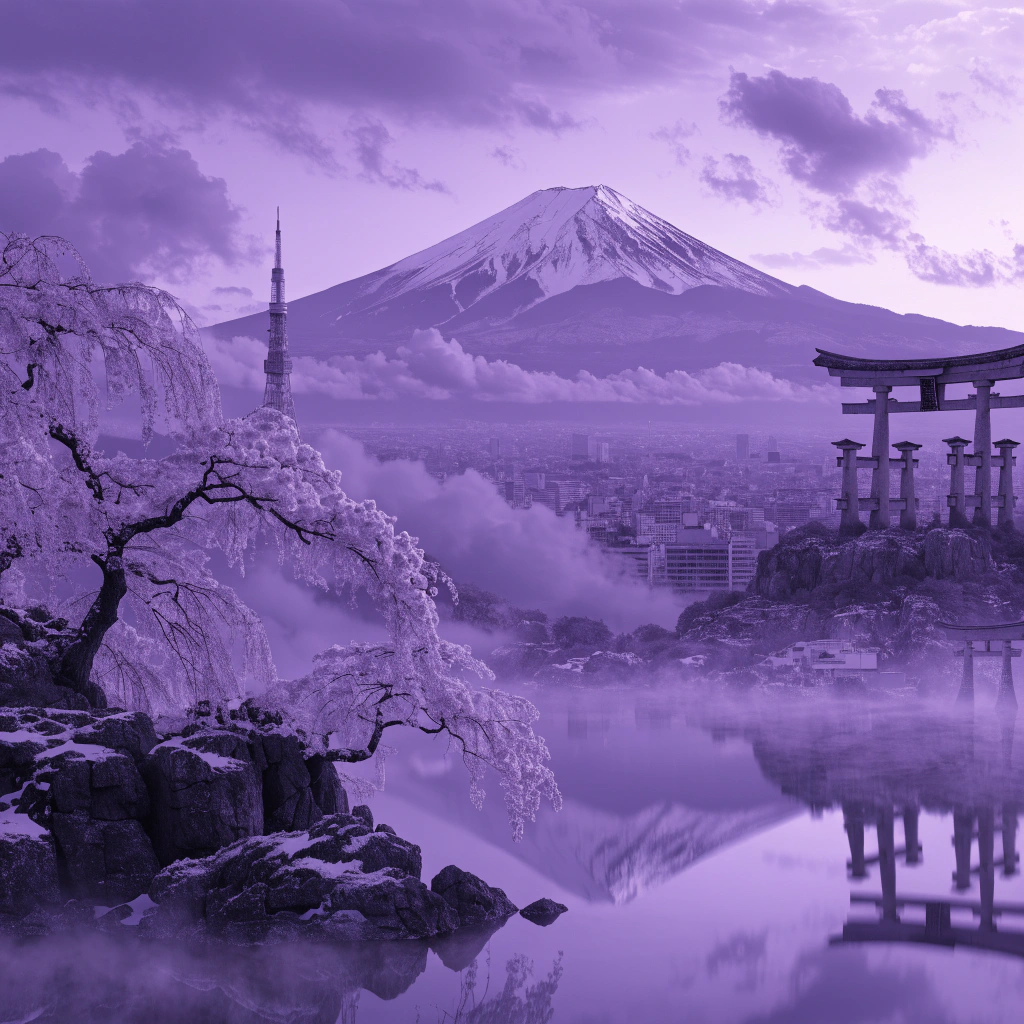
Mount Fuji
An iconic stratovolcano and Japan's highest peak, revered as a sacred symbol of national identity and artistic inspiration.
بیشتر بخوانید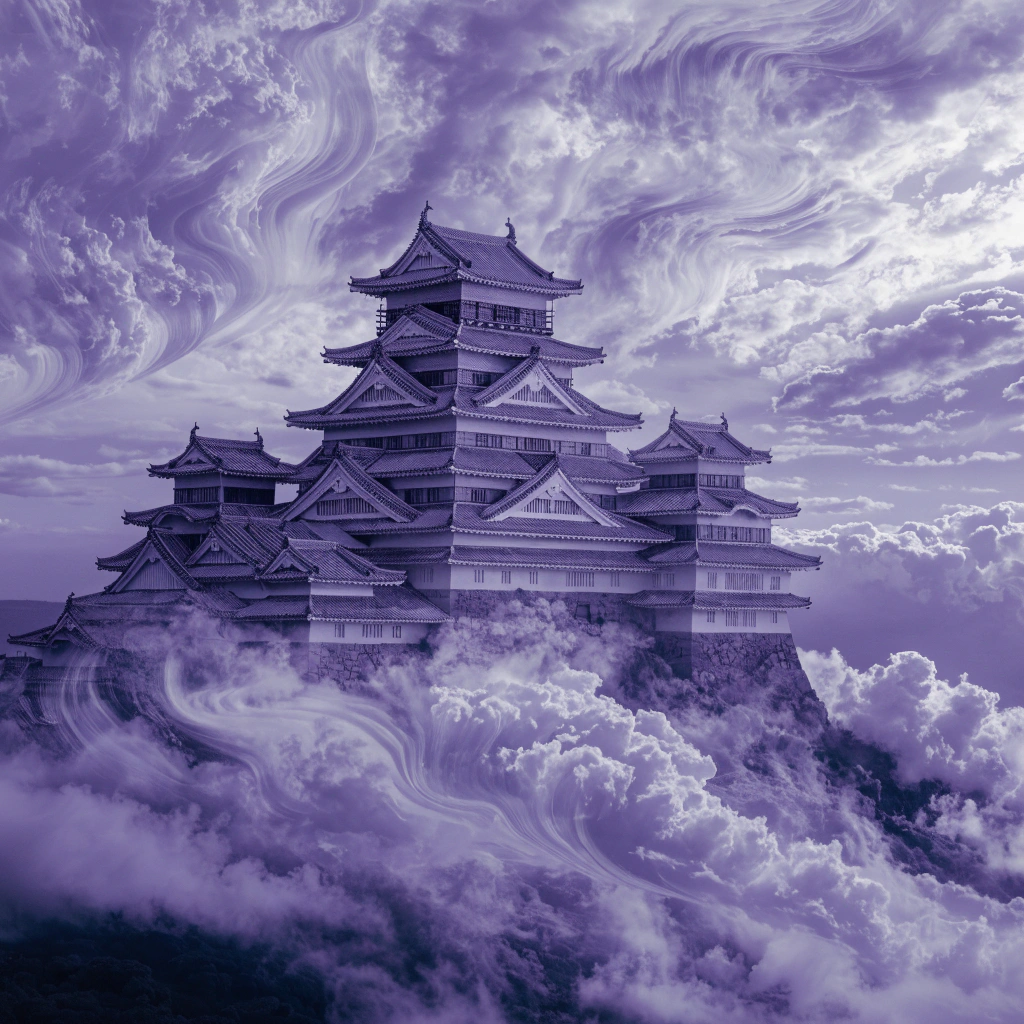
قلعه هیمجی (Himeji Castle)
این قلعه خیرهکننده بالای تپه که خیلیها بهش میگن «قلعه حواصیل سفید» (White Heron Castle)، باشکوهترین و سالمترین نمونه باقیمونده از معماری قلعههای دوران فئودالی ژاپنه.
بیشتر بخوانید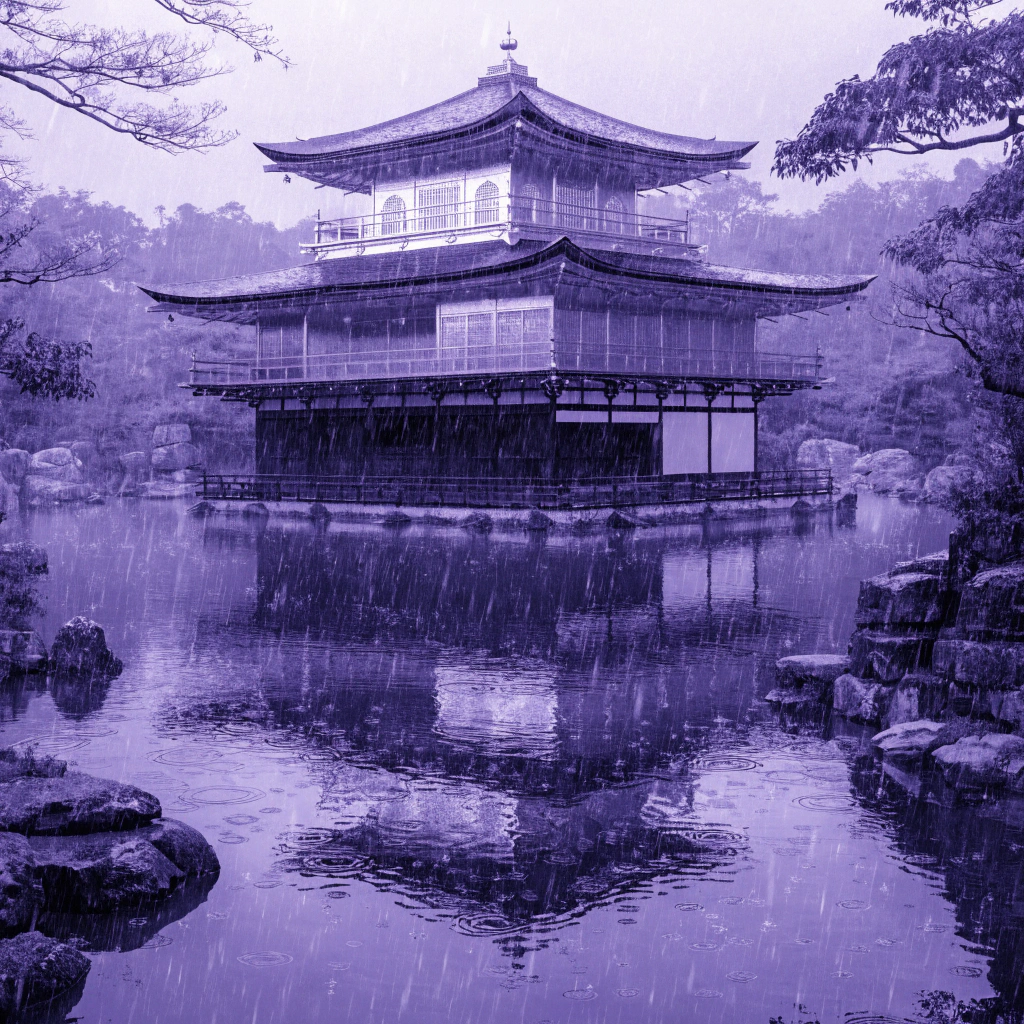
Kinkaku-ji (The Golden Pavilion)
A breathtaking Zen Buddhist temple in Kyoto whose top two floors are completely covered in shimmering gold leaf.
بیشتر بخوانید
Shirakawa-go
A historic village in the Japanese Alps famous for its traditional 'gassho-zukuri' farmhouses with steep thatched roofs.
بیشتر بخوانیدآشپزی
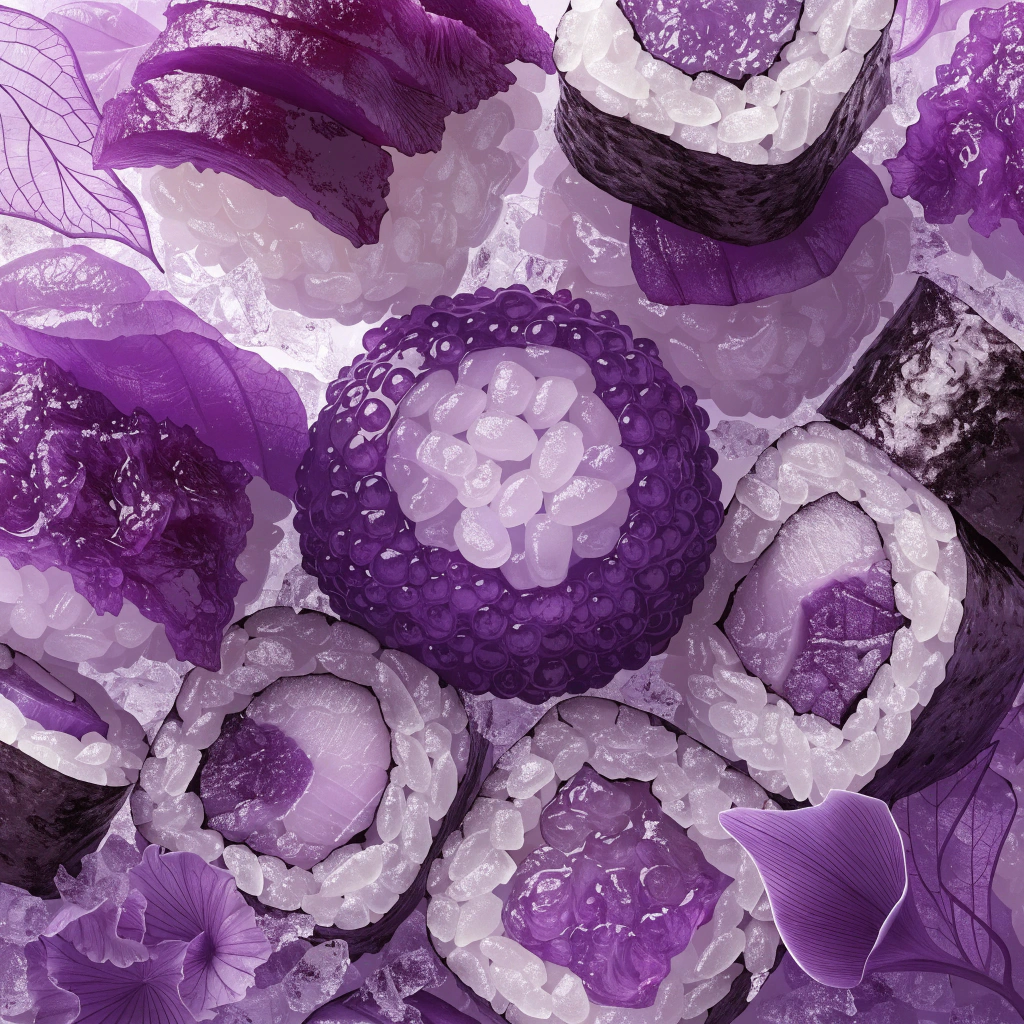
Sushi
A globally recognized masterpiece of Japanese cuisine featuring vinegared rice paired with fresh seafood and seasonal ingredients.
بیشتر بخوانید
Ramen
A deeply satisfying noodle soup that has evolved from Chinese origins into a complex symbol of Japanese regional identity and modern food culture.
بیشتر بخوانید
Osechi-ryori
Elaborate traditional New Year's assortments served in lacquered boxes, where every ingredient carries a specific wish for health, prosperity, and happiness.
بیشتر بخوانید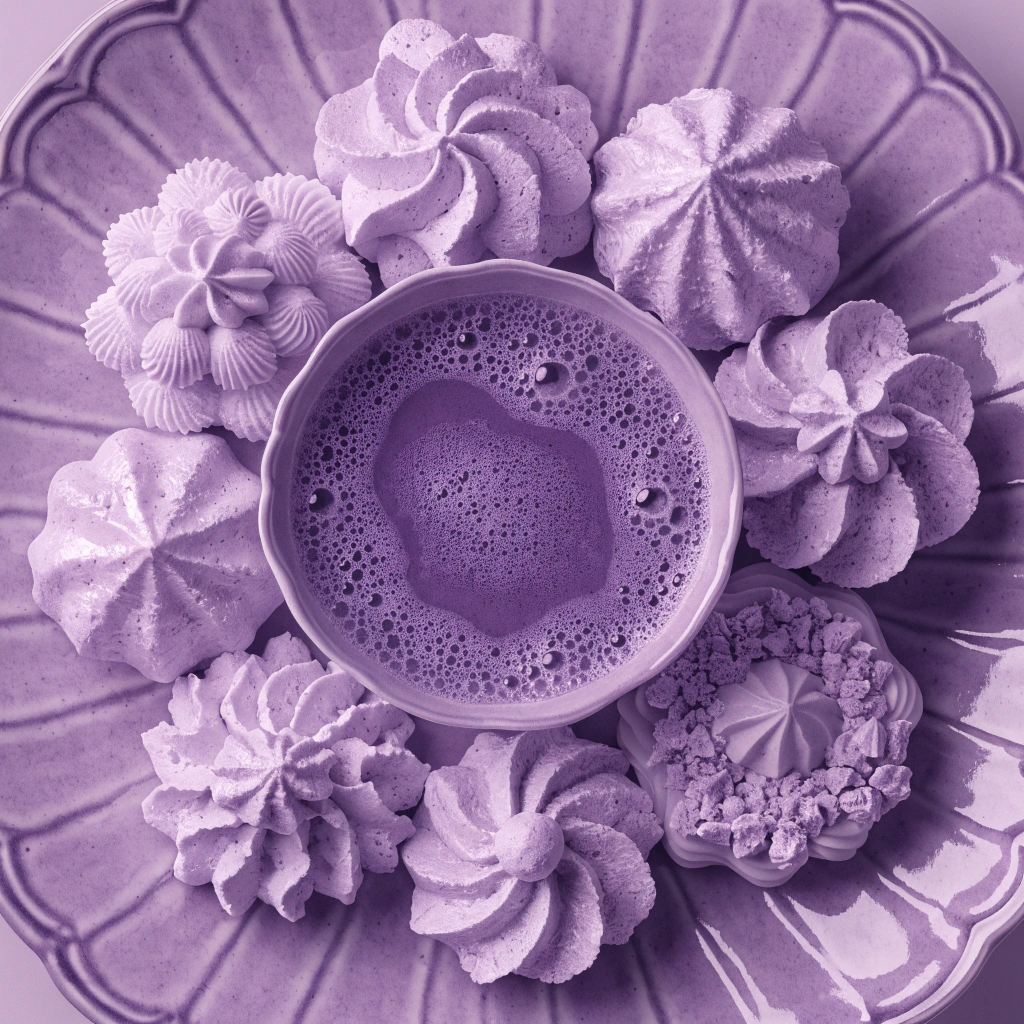
Matcha and Wagashi
The refined pairing of powdered green tea and traditional confections that embodies the Japanese philosophy of 'ichi-go ichi-e' or 'one time, one meeting.'
بیشتر بخوانیدموسیقی و هنر
Japan's music and arts traditions are a profound reflection of its history, blending ancient continental influences with a unique aesthetic of minimalism and refinement. From the ethereal sounds of Gagaku court music to the dramatic spectacles of Kabuki and the subtle movements of Noh, these forms emphasize discipline, lineage, and the 'Ma' or spiritual space between actions. These traditions continue to flourish today, preserved through dedicated schools and recognized globally as masterpieces of human creativity.
هنرهای سنتی
رویدادها و جشنها
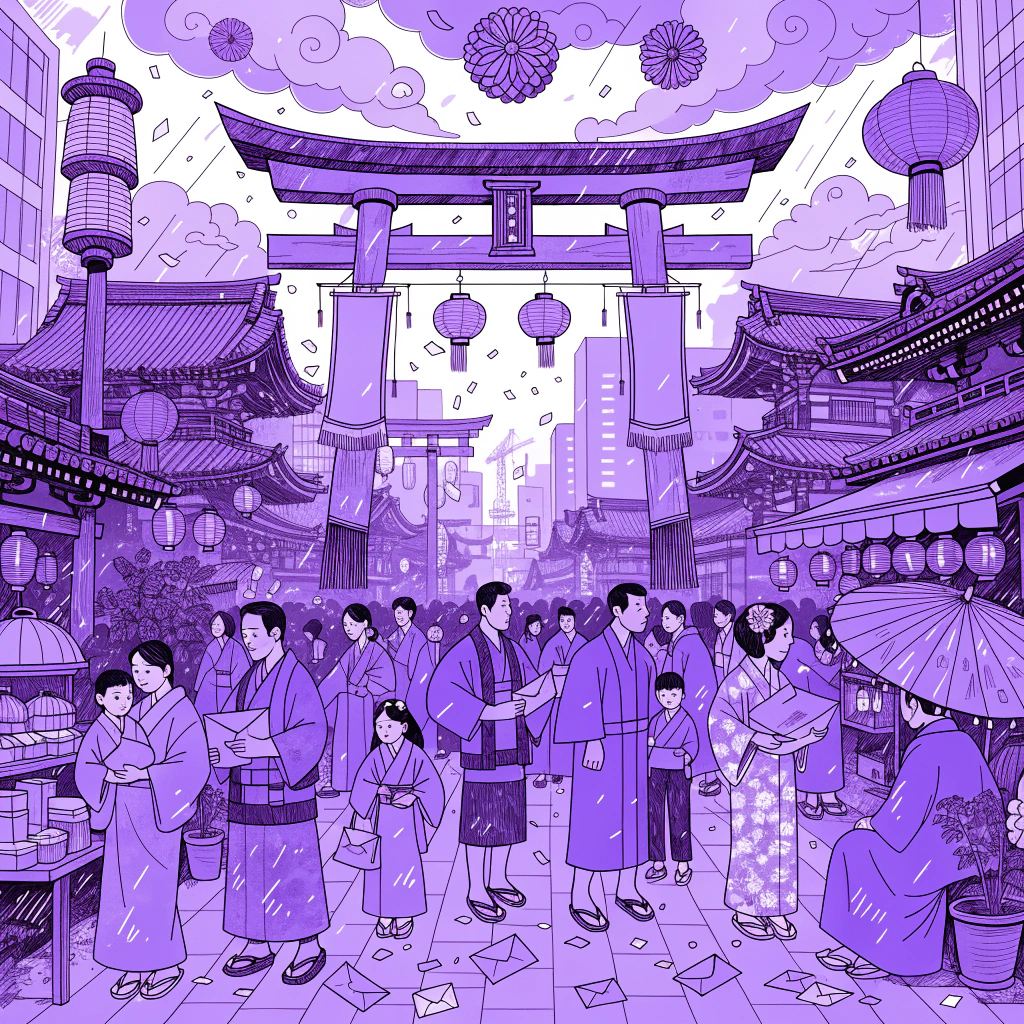
شوگاتسو (سال نو ژاپنی)
۱ تا ۳ ژانویه (January)مهمترین تعطیلات ژاپن که با بازدید از معبدها، غذاهای سنتی و دورهمیهای خانوادگی جشن گرفته میشه.
بیشتر بخوانید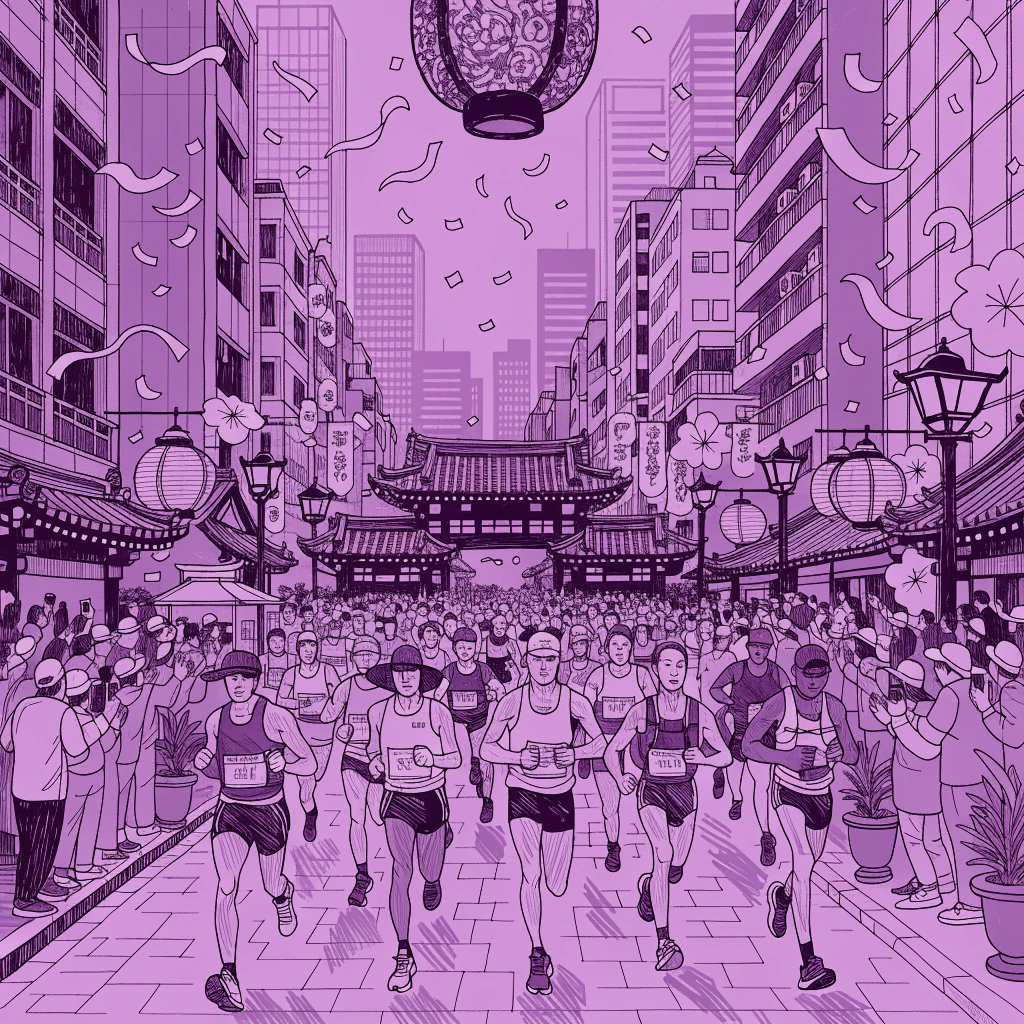
Tokyo Marathon
Late February or early MarchOne of the six World Marathon Majors, drawing elite international runners and thousands of participants through Tokyo's iconic streets.
بیشتر بخوانید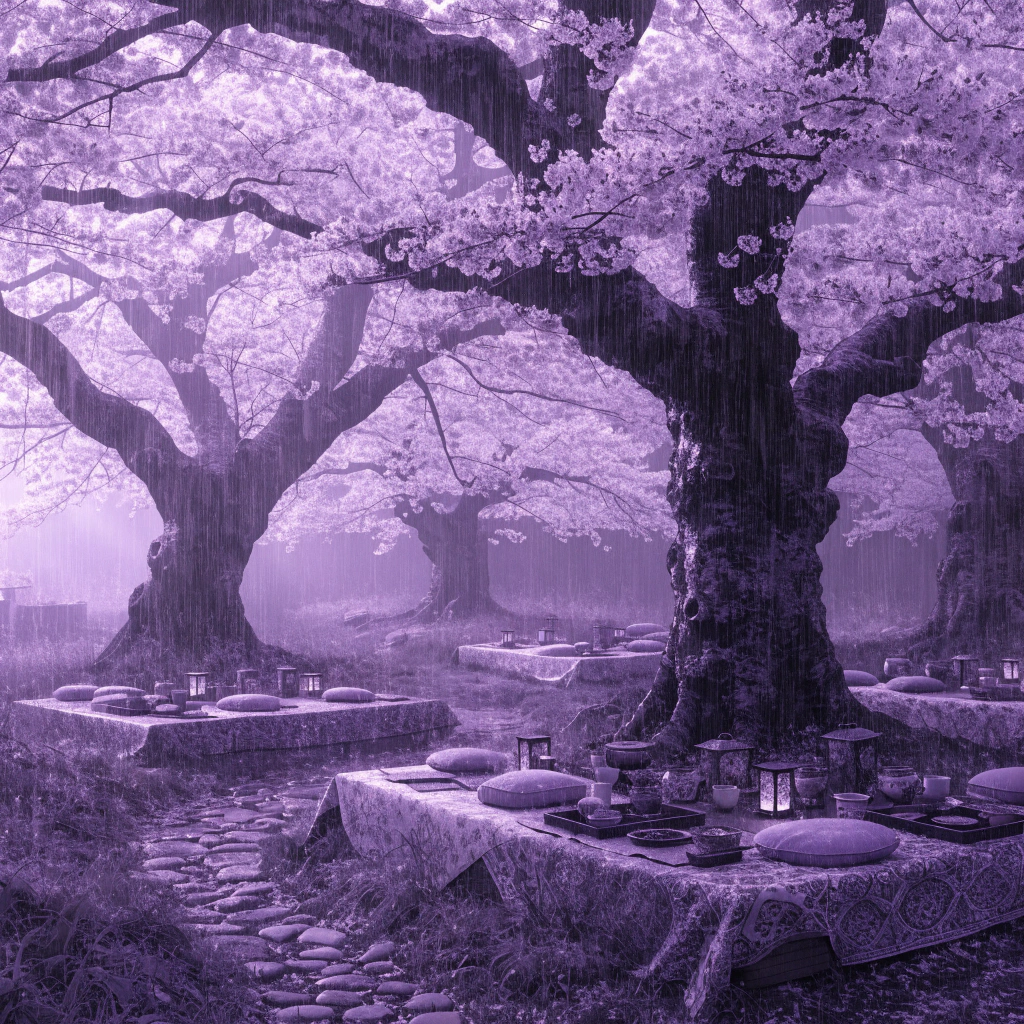
Hanami (Cherry Blossom Festival)
Late March – early AprilThe centuries-old tradition of enjoying the transient beauty of cherry blossoms (sakura) with outdoor parties and picnics.
بیشتر بخوانید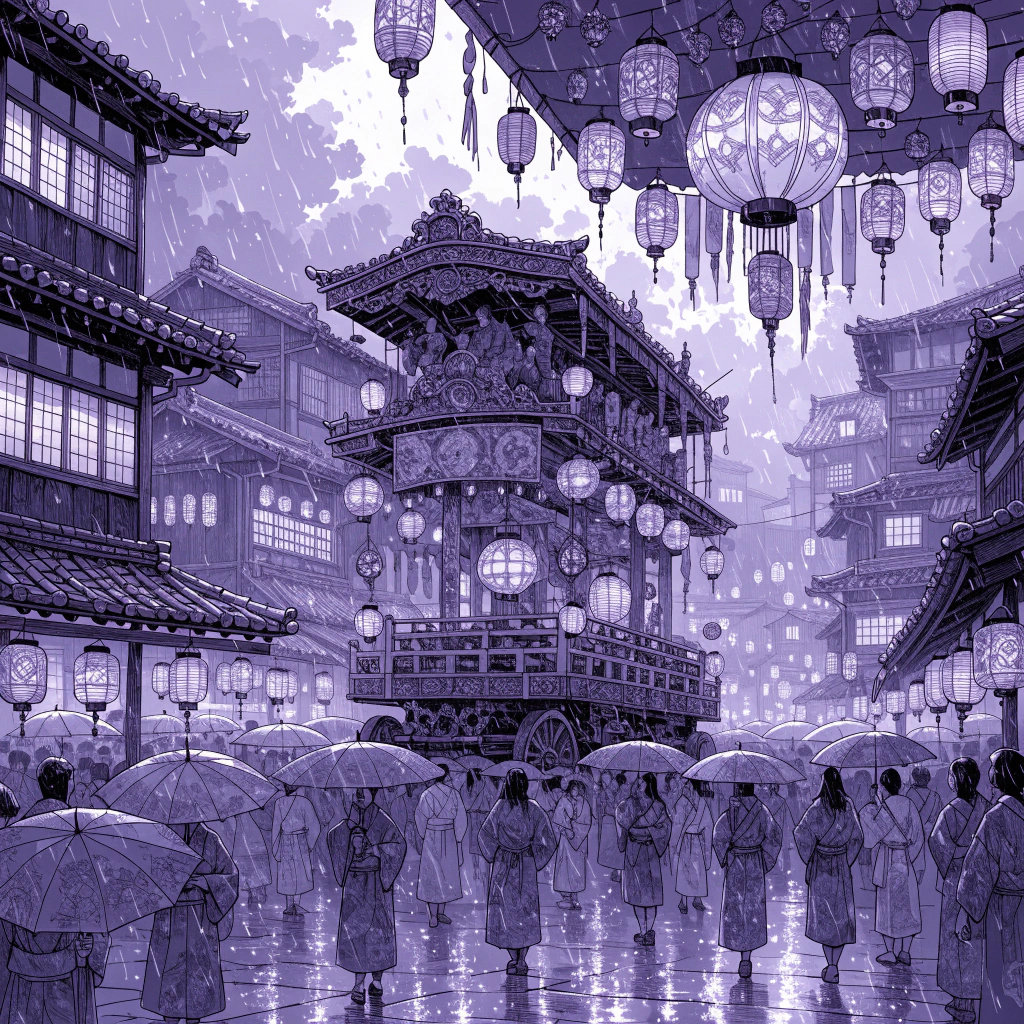
Gion Matsuri
JulyKyoto's massive summer festival, famous for its giant Yamaboko floats and month-long celebrations.
بیشتر بخوانید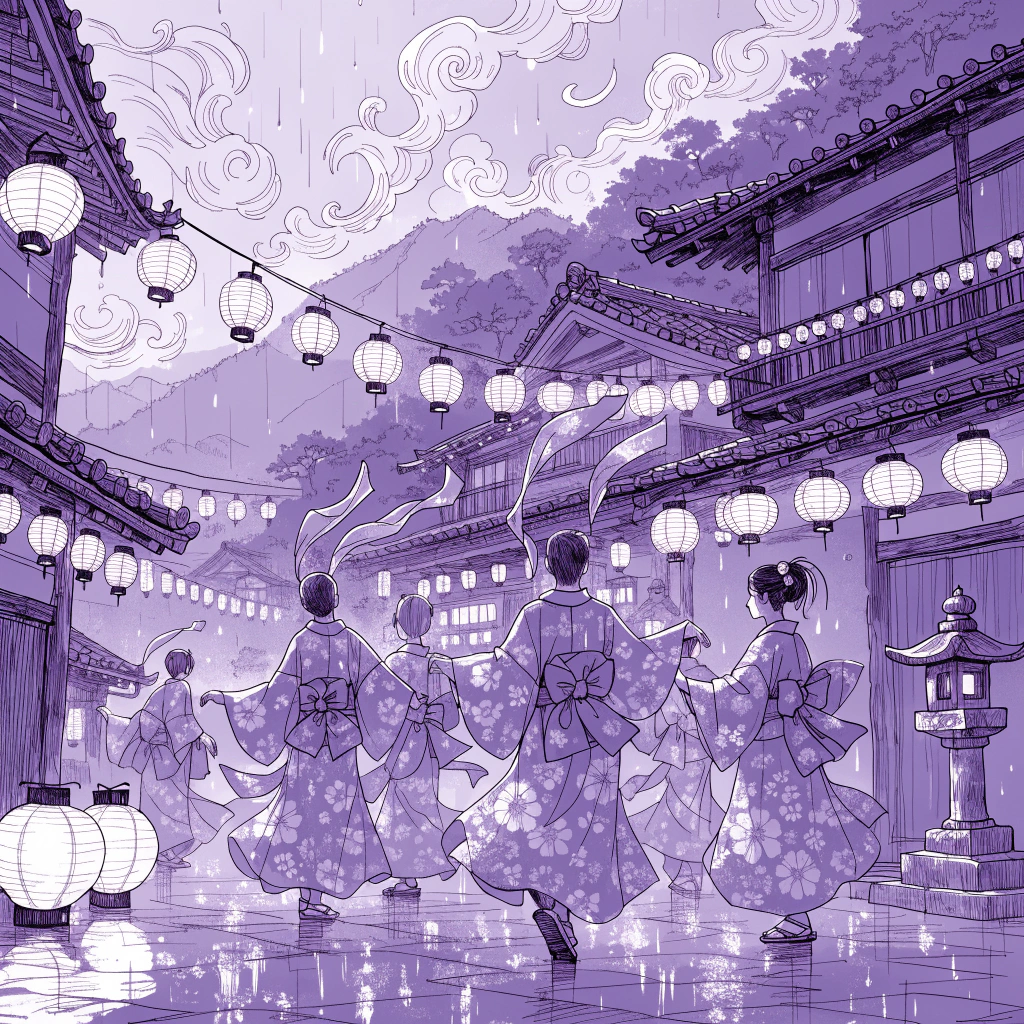
Obon
اواسط آگوستیک رسم بودایی-کنفوسیوسی برای احترام به ارواح اجداد، که شامل رقصهای سنتی و پیشکش کردن فانوسها میشه.
بیشتر بخوانیدعبارات سفر
おはようございます
Ohayou gozaimasu
Good morning
ありがとうございます
Arigatou gozaimasu
Thank you
こんにちは
Konnichiwa
Hello / Good afternoon
お元気ですか?
Ogenki desu ka?
How are you?
お願いします
Onegaishimasu
Please
すみません
Sumimasen
Excuse me / I'm sorry
سبک زندگی و آداب و رسوم

Omotenashi: The Japanese Art of Selfless Hospitality
Omotenashi represents the unique Japanese approach to hospitality, characterized by anticipating a guest's needs before they are even expressed.
بیشتر بخوانید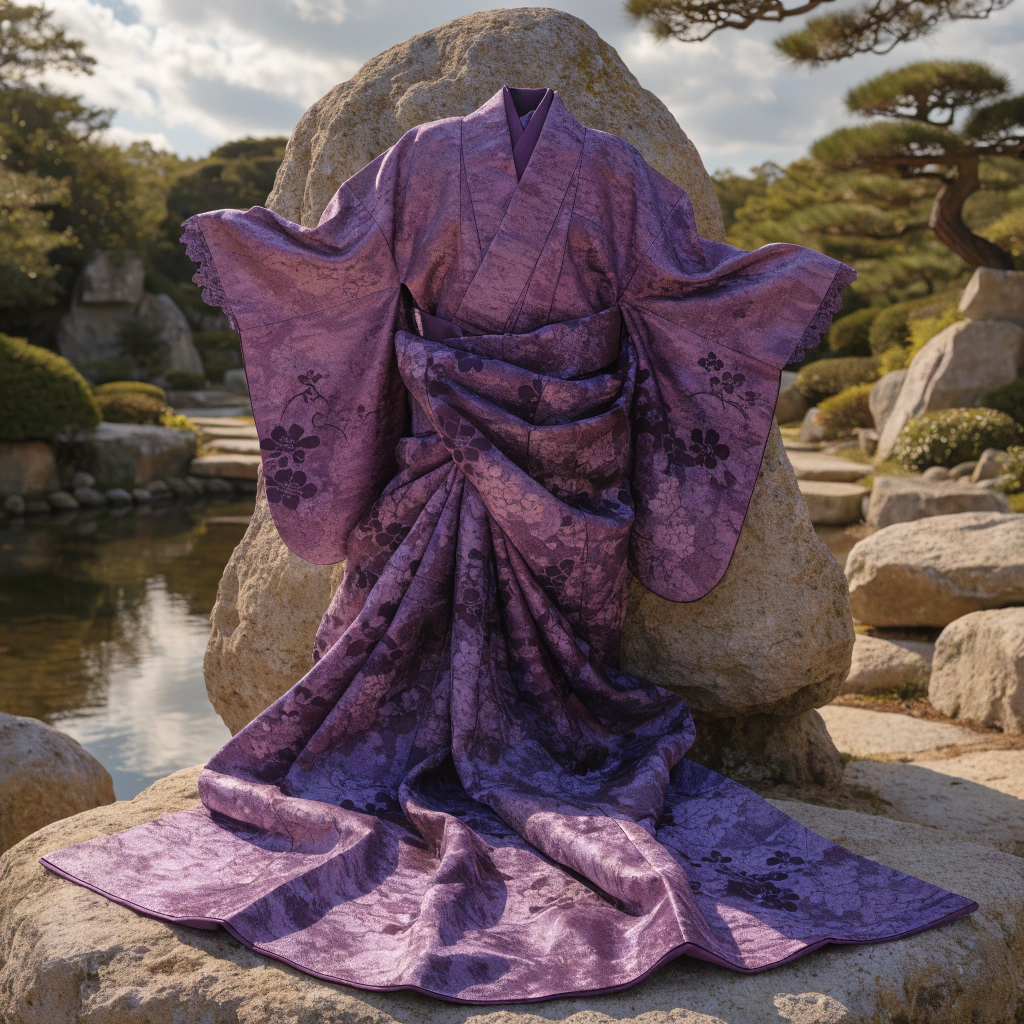
The Kimono: Japan’s Timeless Thread of Tradition
The kimono is Japan’s iconic traditional garment, embodying centuries of history, social hierarchy, and artistic craftsmanship.
بیشتر بخوانید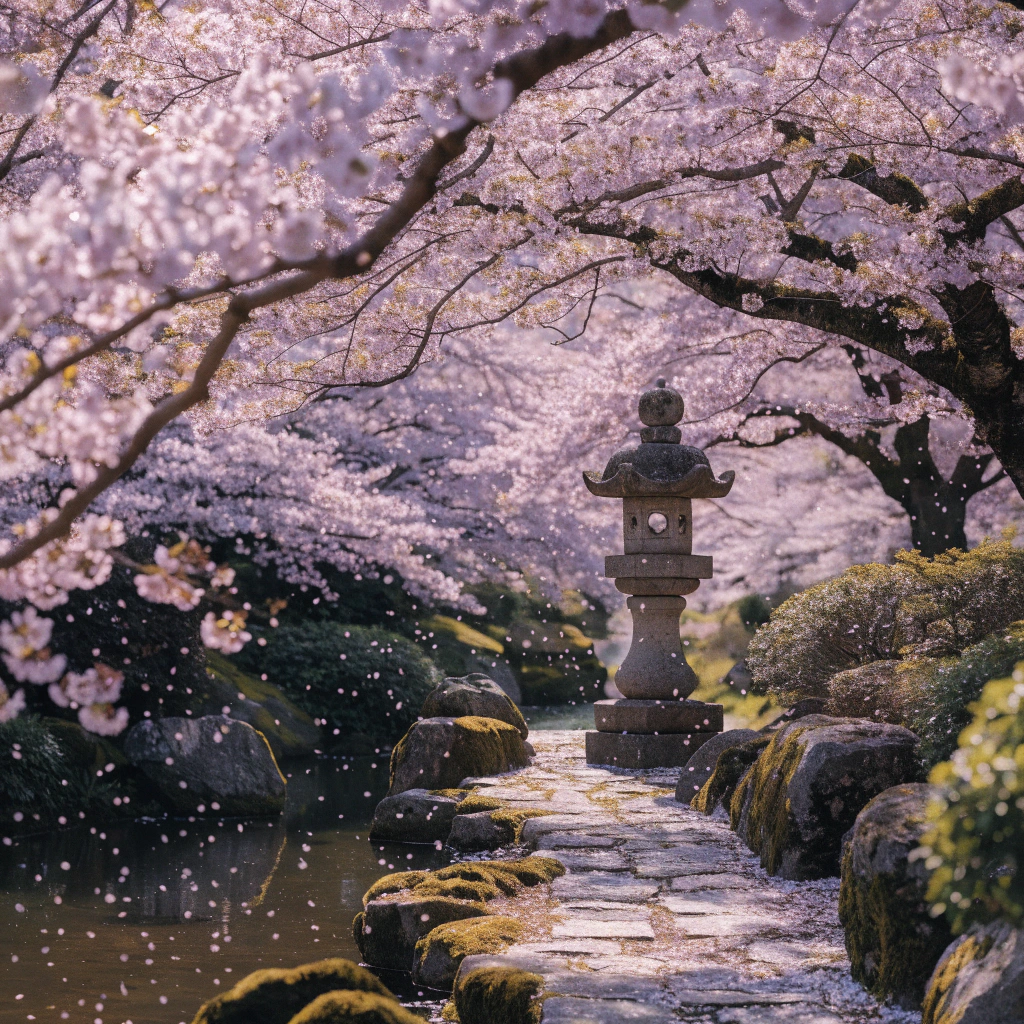
Hanami: The Transient Beauty of Cherry Blossom Viewing
Hanami is the centuries-old practice of appreciating the temporal beauty of flowers, specifically the cherry blossom (sakura).
بیشتر بخوانیدنکات آداب معاشرت
Bow slightly to show respect when greeting or thanking someone.
Avoid initiating a handshake unless the other person offers first, as bowing is the standard.
Remove your shoes before entering a home, ryokan, or certain traditional restaurants.
Do not step on the raised wooden threshold or tatami mats with your outdoor shoes on.
Keep your voice low and your mobile phone on silent while using public transportation.
Avoid talking on the phone or playing loud audio while riding trains or buses.
Place your cash or credit card on the small tray provided at the register when paying.
Do not hand money directly to the cashier, as using the tray is the polite and expected protocol.
کشورهای بیشتر در Eastern Asia را کاوش کنید






ژاپنی بیاموزید تا با ژاپن ارتباط برقرار کنید
یادگیری ژاپنی را با ویدیو، تمرین و ابزارهای هوش مصنوعی در SubLearn شروع کنید.
شروع یادگیری
