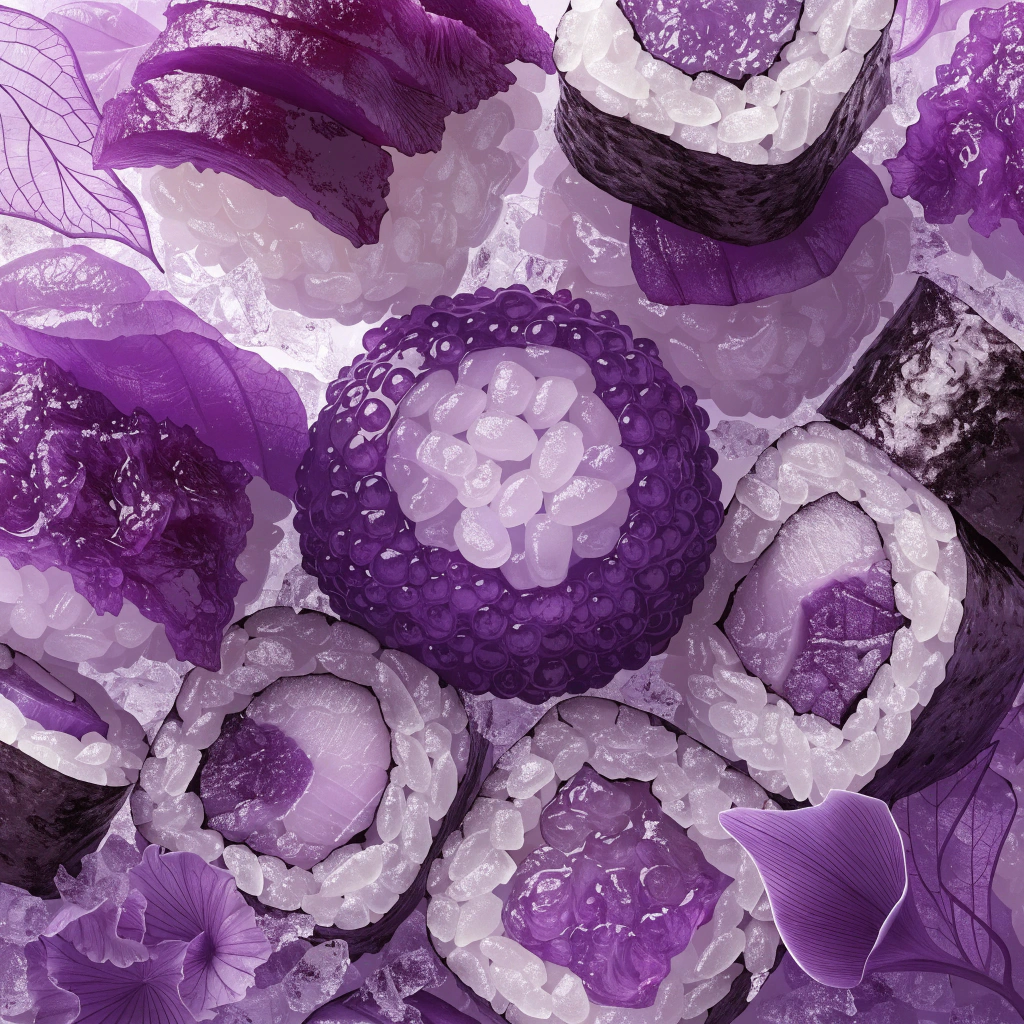
Sushi: A Famous Food from Japan
Sushi is a famous food from Japan. Many people around the world eat it every day. It is very popular in many countries because it is healthy.
Traditional sushi uses fresh fish and white rice. Sometimes, chefs use vegetables like cucumber or avocado. People usually eat sushi with a salty liquid called soy sauce.
In the past, sushi was very different. It was a way to keep fish fresh for a long time. Today, sushi is a fast and delicious meal. It is also very beautiful to look at. Many people love this Japanese food.
نکته دستوری
الگو: Present Simple with 'Be'
"Sushi is a famous food from Japan."
We use 'is' or 'are' to describe facts or states. Use 'is' for singular things like 'sushi'.
الگو: Present Simple for Habits
"Many people around the world eat it every day."
We use the base verb 'eat' for plural subjects like 'people'. This shows something that happens regularly.
درک خود را بسنجید
10 سوال · A1 مبتدی · 1 پیشنمایش رایگان
آنچه از این مقاله آموختید را بسنجید. به همه سؤالات پاسخ دهید و XP کسب کنید!
Where is sushi from?
آیا میخواهید آزمون را تمام کنید؟
9 سؤال دیگر منتظر شماست. ثبتنام رایگان کنید تا آزمون کامل را باز کنید و XP کسب کنید!
ثبتنام رایگانقبلاً ثبتنام کردی؟ ورود
جزئیات سؤالات
Where is sushi from?
پاسخ شما:
پاسخ درست: Japan
Sushi is considered a healthy food.
پاسخ شما:
پاسخ درست: درست
What does 'famous' mean?
پاسخ شما:
پاسخ درست: Known by many people
Traditional sushi uses fresh _____ and white rice.
پاسخ شما:
پاسخ درست: fish
The Story of Sushi: From Old Fish to Modern Food
Sushi is the most famous food from Japan. Today, people all over the world love eating it, but many years ago, sushi was very different. In the past, people used rice to keep fish fresh for a long time. This was called 'narezushi'. At that time, people did not eat the rice; they only ate the fish.
During the Edo period, sushi changed. A chef named Hanaya Yohei started to serve fresh fish on top of small pieces of rice. This was faster and more delicious than the old way. This new style became popular because people in cities were busy and wanted quick meals.
Now, sushi is more popular than any other Japanese dish. You can find it in expensive restaurants or small shops. Some restaurants have 'conveyor belts' where the food moves around the tables. Sushi is healthy because it has fresh fish and vegetables. It is a beautiful part of Japanese culture.
نکته دستوری
الگو: Comparatives (Adjectives)
"This was faster and more delicious than the old way."
We use comparatives to show the difference between two things. For short words like 'fast', we add '-er'. For longer words like 'delicious', we use 'more' before the word.
الگو: Past Simple
"A chef named Hanaya Yohei started to serve fresh fish on top of small pieces of rice."
The past simple is used for actions that finished in the past. For regular verbs like 'start', we add '-ed' to the end.
درک خود را بسنجید
11 سوال · A2 مقدماتی · 1 پیشنمایش رایگان
آنچه از این مقاله آموختید را بسنجید. به همه سؤالات پاسخ دهید و XP کسب کنید!
What did people do with the rice in the oldest version of sushi?
آیا میخواهید آزمون را تمام کنید؟
10 سؤال دیگر منتظر شماست. ثبتنام رایگان کنید تا آزمون کامل را باز کنید و XP کسب کنید!
ثبتنام رایگانقبلاً ثبتنام کردی؟ ورود
جزئیات سؤالات
What did people do with the rice in the oldest version of sushi?
پاسخ شما:
پاسخ درست: They threw it away.
Modern sushi started during the Edo period.
پاسخ شما:
پاسخ درست: درست
What does 'delicious' mean?
پاسخ شما:
پاسخ درست: Tasting very good
Sushi is _____ because it uses fresh fish and vegetables.
پاسخ شما:
پاسخ درست: healthy
Why did the new style of sushi become popular in cities?
پاسخ شما:
پاسخ درست: Because busy people wanted quick meals.
تاریخچه و هنر سوشی در ژاپن
سوشی احتمالاً مشهورترین غذای ژاپنی در جهان است که در سراسر دنیا شناخته شده است. اما تاریخچه این غذا بسیار قدیمیتر از آن چیزی است که بسیاری از مردم فکر میکنند. در ابتدا، سوشی به عنوان یک روش برای نگهداری ماهی ابداع شد. در آن زمان که به آن «نارهزوشی» میگفتند، ماهی را با نمک و برنج تخمیر میکردند. جالب است بدانید که در آن دوران، برنج فقط برای تخمیر استفاده میشد و پس از آماده شدن ماهی، برنج دور ریخته میشد.
در دوره ادو (بین سالهای ۱۶۰۳ تا ۱۸۶۸)، سوشی به شکلی که امروزه میشناسیم نزدیکتر شد. یک آشپز به نام یوهی هانایا نوع جدیدی از سوشی را اختراع کرد که «نیگیری» نامیده میشود. این غذا به عنوان یک غذای سریع و خیابانی برای مردم پرمشغله توکیو ساخته شده بود. در این روش، تکههای ماهی تازه روی گلولههای کوچک برنج قرار میگرفتند و بلافاصله خورده میشدند.
امروزه تهیه سوشی یک هنر بسیار دقیق محسوب میشود. سرآشپزهای حرفهای سالها آموزش میبینند تا یاد بگیرند چگونه برنج را به درستی بپزند و ماهی را با دقت برش بزنند. فلسفه اصلی سوشی بر پایه تازگی مواد و سادگی طعمها بنا شده است. اگرچه سوشی در کشورهای مختلف با مواد محلی ترکیب شده است، اما ریشههای ژاپنی آن همچنان به عنوان نمادی از دقت و احترام به طبیعت باقی مانده است. این غذا نه تنها یک وعده غذایی، بلکه بخشی از فرهنگ و هویت مردم ژاپن است که توسط یونسکو نیز به رسمیت شناخته شده است.
نکته دستوری
الگو: ماضی نقلی (Present Perfect)
"سوشی در سراسر دنیا شناخته شده است."
این زمان برای بیان کاری استفاده میشود که در گذشته انجام شده و نتیجه آن تا زمان حال ادامه دارد. برای ساخت آن از بن ماضی + ه + شناسههای ام، ای، است و غیره استفاده میکنیم.
الگو: جملات موصولی با «که» (Relative Clauses)
"سوشی به شکلی که امروزه میشناسیم نزدیکتر شد."
این ساختار برای توضیح بیشتر درباره یک اسم به کار میرود. کلمه «که» جمله پیرو را به اسم قبل از خود وصل میکند تا جزئیات بیشتری درباره آن بدهد.
درک خود را بسنجید
11 سوال · B1 متوسط · 1 پیشنمایش رایگان
آنچه از این مقاله آموختید را بسنجید. به همه سؤالات پاسخ دهید و XP کسب کنید!
در زمانهای قدیم، برنج در سوشی چه کاربردی داشت؟
آیا میخواهید آزمون را تمام کنید؟
10 سؤال دیگر منتظر شماست. ثبتنام رایگان کنید تا آزمون کامل را باز کنید و XP کسب کنید!
ثبتنام رایگانقبلاً ثبتنام کردی؟ ورود
جزئیات سؤالات
در زمانهای قدیم، برنج در سوشی چه کاربردی داشت؟
پاسخ شما:
پاسخ درست: برای تخمیر و نگهداری ماهی
یوهی هانایا نوع جدیدی از سوشی به نام نیگیری را اختراع کرد.
پاسخ شما:
پاسخ درست: درست
معنی کلمه «ابداع» چیست؟
پاسخ شما:
پاسخ درست: اختراع و ایجاد کردن
فلسفه اصلی سوشی بر پایه _____ مواد بنا شده است.
پاسخ شما:
پاسخ درست: تازگی
سوشی در ابتدا برای چه گروهی از مردم در توکیو ساخته شد؟
پاسخ شما:
پاسخ درست: مردم پرمشغله
سوشی: از روشی برای نگهداری غذا تا نماد فرهنگ آشپزی ژاپن
سوشی، این غذای مشهور ژاپنی، امروزه شهرتی جهانی یافته و به نمادی از فرهنگ غنی آشپزی این کشور تبدیل شده است. با وجود این شهرت فراگیر، منشأ و سیر تکاملی آن داستانی بس پیچیده و جذاب دارد که ریشه در قرون متمادی تاریخ و فلسفهای عمیق در دقت آشپزی دارد. برخلاف تصور رایج، سوشی در ابتدا به عنوان یک غذای لذیذ شناخته نمیشد، بلکه روشی هوشمندانه برای حفظ و نگهداری ماهی بود.
شکل اولیه سوشی، که «نارهزوشی» نام داشت، شامل تخمیر ماهی با نمک و برنج بود. در این فرآیند، برنج نقش کاتالیزور را ایفا میکرد و پس از اتمام تخمیر، دور ریخته میشد؛ تنها ماهی تخمیر شده به مصرف میرسید. این روش، که در جنوب شرقی آسیا پدید آمد و سپس به ژاپن راه یافت، امکان نگهداری ماهی را برای مدت طولانی فراهم میآورد. از این رو، نارهزوشی بیشتر یک ضرورت عملی بود تا یک تجربه آشپزی دلپذیر.
اما سوشی به شکل امروزی خود، یعنی ترکیب ماهی تازه یا فرآوریشده با برنج طعمدار شده با سرکه، طی دوره ادو (۱۶۰۳-۱۸۶۸) در ژاپن تکامل یافت. در این دوره، با پیشرفت روشهای نگهداری مواد غذایی و دسترسی آسانتر به ماهی تازه، نیاز به تخمیر طولانیمدت کاهش یافت. «هانایا یوهی»، که اغلب به عنوان خالق سوشی مدرن شناخته میشود، نقش بسزایی در این تحول داشت. او ماهی را روی برنج سرکهدار فشرده میکرد و به این ترتیب، «نیگیری سوشی» متولد شد.
امروزه، سوشی به اشکال گوناگونی همچون نیگیری، ماکی (سوشی رول شده)، ساشیمی و چیراشی در سراسر جهان سرو میشود. راز اصلی طعم بینظیر آن نه تنها در تازگی بیقید و شرط مواد اولیه، بلکه در مهارت بیبدیل سرآشپز (ایتامائه) نهفته است. ایتامائه با سالها تجربه، قادر است برنج را به بهترین نحو آماده کند، ماهی را با ظرافتی خاص برش دهد و با تعادل دقیق طعمها، اثری هنری خلق کند. علاوه بر این، آداب خاص سرو و مصرف سوشی نیز بخشی جداییناپذیر از تجربه فرهنگی آن محسوب میشود.
در نهایت، میتوان گفت که سوشی فراتر از یک غذاست؛ این یک هنر، یک سنت و تجلیگاه فلسفهای است که بر احترام به مواد اولیه، دقت در آمادهسازی و هماهنگی طعمها استوار است. این تکامل از یک روش ساده نگهداری غذا به یک نماد فرهنگی جهانی، گواه بر قدرت خلاقیت و نوآوری در آشپزی ژاپنی است که همچنان در حال پیشرفت و شگفتیآفرینی است.
نکته دستوری
الگو: مصدر مرخم (اسم مصدر)
"این تکامل از یک روش ساده نگهداری غذا به یک نماد فرهنگی جهانی، گواه بر قدرت خلاقیت و نوآوری در آشپزی ژاپنی است."
مصدر مرخم (یا اسم مصدر) شکلی از مصدر است که به جای دلالت بر عمل، بر مفهوم یا نتیجه آن عمل دلالت دارد. در اینجا «نگهداری» به معنای «عمل نگهداری کردن» است و به عنوان اسم در جمله به کار رفته است. این ساختار به جمله رسمیت و پیچیدگی میبخشد و برای بیان مفاهیم انتزاعی مناسب است.
الگو: استفاده از «از این رو» برای بیان نتیجه
"از این رو، نارهزوشی بیشتر یک ضرورت عملی بود تا یک تجربه آشپزی دلپذیر."
«از این رو» یک حرف ربط است که برای بیان نتیجه یا پیامد مطلبی که قبلاً ذکر شده، استفاده میشود. این عبارت به معنای «بنابراین» یا «به همین دلیل» است و به انسجام و پیوستگی متن کمک میکند. استفاده از آن نشاندهنده یک رابطه علت و معلولی بین دو بخش جمله است.
الگو: ماضی بعید (Past Perfect)
"او ماهی را روی برنج سرکهدار فشرده میکرد و به این ترتیب، «نیگیری سوشی» متولد شد."
ماضی بعید (مانند «فشرده میکرد») برای بیان عملی در گذشته استفاده میشود که قبل از عمل دیگری در گذشته اتفاق افتاده است. این ساختار نشان میدهد که عمل فشردن ماهی پیش از تولد نیگیری سوشی انجام شده است. این زمان برای روایت داستانها و بیان توالی وقایع در گذشته بسیار کاربردی است.
درک خود را بسنجید
11 سوال · B2 بالاتر از متوسط · 1 پیشنمایش رایگان
آنچه از این مقاله آموختید را بسنجید. به همه سؤالات پاسخ دهید و XP کسب کنید!
شکل اولیه سوشی که «نارهزوشی» نام داشت، بیشتر برای چه منظوری استفاده میشد؟
آیا میخواهید آزمون را تمام کنید؟
10 سؤال دیگر منتظر شماست. ثبتنام رایگان کنید تا آزمون کامل را باز کنید و XP کسب کنید!
ثبتنام رایگانقبلاً ثبتنام کردی؟ ورود
جزئیات سؤالات
شکل اولیه سوشی که «نارهزوشی» نام داشت، بیشتر برای چه منظوری استفاده میشد؟
پاسخ شما:
پاسخ درست: برای حفظ و نگهداری ماهی
در روش «نارهزوشی»، برنج پس از اتمام تخمیر دور ریخته میشد.
پاسخ شما:
پاسخ درست: درست
کلمه «بیبدیل» در متن به چه معناست؟
پاسخ شما:
پاسخ درست: بیهمتا و نظیرناپذیر
سوشی در ابتدا به عنوان یک غذای لذیذ شناخته نمیشد، بلکه روشی هوشمندانه برای _____ و نگهداری ماهی بود.
پاسخ شما:
پاسخ درست: حفظ
کدام دوره تاریخی شاهد تکامل سوشی به شکل امروزی آن در ژاپن بود؟
پاسخ شما:
پاسخ درست: دوره ادو
The Ephemeral Mastery: Deconstructing the Global Evolution of Sushi
Rarely has a dish achieved such global ubiquity while simultaneously maintaining an aura of esoteric craftsmanship as sushi. To the uninitiated, sushi may appear to be a straightforward marriage of raw fish and seasoned rice; however, such a simplistic view ignores the centuries of socio-economic shifts and culinary refinement that have shaped its current form. The commodification of sushi in the West often obscures its humble origins as a functional necessity rather than a gourmet indulgence.
Historically, the precursor to modern sushi was 'narezushi,' a preservation technique involving the fermentation of fish with salt and rice. Interestingly, the rice was initially regarded as a mere fermenting agent and was promptly discarded, with only the pungent, lacto-fermented fish being consumed. It was the necessity of preservation that dictated the original form of sushi, a paradigm that shifted dramatically during the Edo period. As the pace of life in Edo (modern-day Tokyo) accelerated, the demand for quicker, more accessible fare led to the birth of 'nigirizushi.' This epoch-making shift replaced the lengthy fermentation process with the addition of vinegar to the rice, allowing for immediate consumption.
Central to the philosophy of high-end sushi is the concept of 'shokunin'—the master artisan who devotes a lifetime to the meticulous perfection of their craft. In these elite circles, the subtlety of the rice’s temperature and the precise ratio of vinegar are scrutinized with as much intensity as the freshness of the fish itself. The subsequent rise of 'omakase' dining, where the chef curates the entire experience, reflects a cultural emphasis on trust and the ephemeral nature of the meal. Each piece is constructed to be consumed within seconds, capturing a transient peak of flavor and texture.
However, the global proliferation of sushi has not occurred without critical discourse regarding sustainability. The relentless demand for bluefin tuna and other high-trophic species has sparked a paradigm shift in how the industry approaches sourcing. Contemporary artisans are increasingly forced to reconcile traditional practices with the ecological realities of the 21st century. Furthermore, the convergence of Japanese techniques with local ingredients in various countries has birthed a new aesthetic, often dismissed by purists but celebrated by those who view culinary evolution as an organic process of cultural exchange.
Ultimately, the enduring appeal of sushi lies in its inherent contradictions: it is both ancient and modern, simple yet profoundly complex. Whether one is dining at a three-Michelin-starred counter in Ginza or a bustling conveyor-belt joint in London, the dish remains a testament to the power of minimalist refinement. The transition from a functional preservation method to a high-art form serves as a compelling narrative of Japanese cultural resilience and adaptability.
نکته دستوری
الگو: Inversion for emphasis
"Rarely has a dish achieved such global ubiquity while simultaneously maintaining an aura of esoteric craftsmanship as sushi."
Inversion occurs when the auxiliary verb comes before the subject, typically after negative or restrictive adverbs like 'rarely'. This structure is used in formal writing to add emphasis or a dramatic tone.
الگو: Cleft Sentence
"It was the necessity of preservation that dictated the original form of sushi."
A cleft sentence (It + be + subject + relative clause) is used to focus on a specific piece of information. Here, it emphasizes 'necessity of preservation' as the primary cause.
الگو: Nominalisation
"The transition from a functional preservation method to a high-art form serves as a compelling narrative."
Nominalisation involves turning verbs or adjectives into nouns (e.g., 'transition'). It makes the writing more concise, objective, and formal, which is characteristic of C1-level academic prose.
درک خود را بسنجید
12 سوال · C1 پیشرفته · 1 پیشنمایش رایگان
آنچه از این مقاله آموختید را بسنجید. به همه سؤالات پاسخ دهید و XP کسب کنید!
What was the primary function of rice in the earliest form of sushi (narezushi)?
آیا میخواهید آزمون را تمام کنید؟
11 سؤال دیگر منتظر شماست. ثبتنام رایگان کنید تا آزمون کامل را باز کنید و XP کسب کنید!
ثبتنام رایگانقبلاً ثبتنام کردی؟ ورود
جزئیات سؤالات
What was the primary function of rice in the earliest form of sushi (narezushi)?
پاسخ شما:
پاسخ درست: To act as a fermenting agent for preservation
The transition to 'nigirizushi' was driven by a need for faster meal preparation in Edo.
پاسخ شما:
پاسخ درست: درست
Which word best describes something that lasts for a very short period of time?
پاسخ شما:
پاسخ درست: Ephemeral
The rise of _____ dining reflects a cultural emphasis on trust between the diner and the chef.
پاسخ شما:
پاسخ درست: omakase
What does the author suggest about the 'commodification' of sushi in the West?
پاسخ شما:
پاسخ درست: It often hides the dish's historical origins as a necessity
Modern sushi purists always celebrate the convergence of Japanese techniques with local foreign ingredients.
پاسخ شما:
پاسخ درست: نادرست
The Gastronomic Ontogeny of Sushi: From Preservationist Necessity to Ephemeral Artistry
To the uninitiated observer, sushi might appear as a deceptively simple assembly of vinegared rice and raw seafood. Yet, to interrogate the essence of this Japanese staple is to uncover a narrative of profound evolution, where utilitarian origins have been supplanted by a philosophy of meticulous precision. The contemporary iteration of sushi, celebrated globally for its freshness, is a stark departure from its historical antecedent, 'narezushi'. In its nascent form, rice served not as a culinary accompaniment but as a vestigial preservation medium; fish was salted and entombed within fermented grain to inhibit putrefaction. Only after months of anaerobic maturation was the fish consumed, while the rice, having fulfilled its functional mandate, was unceremoniously discarded. Lest the modern diner forget, the very tang of modern sushi rice is a synthetic homage to the lactic acid once naturally produced during this protracted fermentation.
The transition from a preservationist strategy to an artisanal craft coalesced during the Edo period. As the pace of urban life accelerated in the burgeoning capital, the leisurely timelines of fermentation became untenable. Enter Hanaya Yohei, an innovator who ostensibly revolutionized the paradigm by introducing 'nigirizushi'. By eschewing months of maturation in favor of a splash of vinegar and a swift hand-press, Yohei transformed sushi into a quintessential fast food. Had this shift toward immediacy not occurred, sushi might have remained an esoteric regional curiosity rather than the global phenomenon it is today. This metamorphosis reflects a broader cultural pivot: a move from the endurance of preserved goods toward the celebration of the ephemeral moment.
Central to the C2-level appreciation of sushi is the concept of 'shokunin'—the artisan whose life is dedicated to the mastery of their craft. The shokunin’s pursuit is characterized by a form of culinary asceticism, where the pursuit of perfection is an asymptotic curve, forever approached but never fully attained. Every variable, from the temperature of the chef’s palms to the specific salinity of the soy sauce, is scrutinized with a rigor that borders on the obsessive. It is not entirely inconceivable that a patron might spend hundreds of dollars for a meal that lasts a mere twenty minutes, yet within that window, they are participating in a palimpsest of tradition and innovation. The ubiquity of sushi in the West often masks this depth, reducing a complex cultural signifier to a convenient supermarket commodity.
Furthermore, the modern sushi landscape is fraught with ecological and ethical dilemmas that demand academic scrutiny. The global appetite for bluefin tuna has pushed species to the brink of collapse, necessitating a reevaluation of what constitutes 'luxury'. One might argue that the future of sushi lies not in the continued exploitation of apex predators but in a return to the creative subterfuge of the past—utilizing lesser-known species or plant-based alternatives that mimic the textures of the sea. Whether the tradition can survive its own success remains a subject of intense debate. Ultimately, sushi stands as a testament to the Japanese ability to harmonize the elemental with the sophisticated, proving that even the most mundane requirement for survival can be elevated to the status of sublime art.
نکته دستوری
الگو: Subjunctive with 'Lest'
"Lest the uninitiated observer perceive sushi as a mere assembly of protein and grain..."
The word 'lest' is used to express fear that something should happen. It is followed by the base form of the verb (perceive, not perceives), regardless of the subject.
الگو: Inverted Third Conditional
"Had this shift toward immediacy not occurred, sushi might have remained an esoteric regional curiosity."
This structure replaces 'If this shift had not occurred' for a more formal, literary tone. It is used to discuss hypothetical past situations and their consequences.
الگو: Double Negative for Hedging
"It is not entirely inconceivable that a patron might spend hundreds of dollars..."
Using 'not' with a negative adjective (inconceivable) creates a nuanced, cautious statement. It implies that while the idea is surprising, it is definitely possible.
درک خود را بسنجید
12 سوال · C2 تسلط · 1 پیشنمایش رایگان
آنچه از این مقاله آموختید را بسنجید. به همه سؤالات پاسخ دهید و XP کسب کنید!
What was the primary function of rice in the earliest form of sushi (narezushi)?
آیا میخواهید آزمون را تمام کنید؟
11 سؤال دیگر منتظر شماست. ثبتنام رایگان کنید تا آزمون کامل را باز کنید و XP کسب کنید!
ثبتنام رایگانقبلاً ثبتنام کردی؟ ورود
جزئیات سؤالات
What was the primary function of rice in the earliest form of sushi (narezushi)?
پاسخ شما:
پاسخ درست: To act as a preservation medium to prevent rot
The transition to 'nigirizushi' was driven by the need for faster food preparation in urban centers.
پاسخ شما:
پاسخ درست: درست
Which word describes something that is 'just coming into existence'?
پاسخ شما:
پاسخ درست: Nascent
The shokunin's pursuit of perfection is described as an _____ curve, meaning it is never fully reached.
پاسخ شما:
پاسخ درست: asymptotic
According to the article, what does the 'tang' of modern sushi rice represent?
پاسخ شما:
پاسخ درست: A synthetic imitation of ancient fermentation acids
The author suggests that the future of sushi must rely on the continued use of bluefin tuna to maintain its luxury status.
پاسخ شما:
پاسخ درست: نادرست

