
대한민국
کره جنوبی
درباره کره جنوبی
Occupying the southern half of the Korean Peninsula, South Korea is a mountainous nation celebrated for its seamless fusion of ancient dynastic history and cutting-edge urban innovation. Since the mid-20th century, it has transformed into a global economic powerhouse and a dominant cultural exporter through the 'Korean Wave' of music and cinema. Its national identity is rooted in a deep respect for tradition and community, set against a backdrop of ultra-modern skyscrapers and serene Buddhist temples.
اطلاعات سریع
پایتخت
Seoul
جمعیت
51,269,185
منطقه
Asia · Eastern Asia
واحد پول
South Korean Won (KRW)
زبانهای رایج

کرهای
한국어
آیا میدانستید؟
South Korea boasts some of the fastest average internet speeds in the world and was the first country to launch a commercial nationwide 5G network.
The country is home to over 200 distinct types of kimchi, a fermented vegetable dish so essential that a special version was developed for South Korea's first astronaut to take into space.
On Jeju Island, a community of elderly female divers known as 'Haenyeo' harvest seafood by hand without oxygen tanks, a tradition recognized as UNESCO Intangible Cultural Heritage.
South Korea's 'Pali-pali' (hurry-hurry) culture drives incredible efficiency, exemplified by delivery services that can bring hot meals to almost any location, including public parks and riverbanks.
جاذبههای معروف

Gyeongbokgung Palace
The grandest of Seoul's Five Grand Palaces, serving as the main royal residence of the Joseon Dynasty.
بیشتر بخوانید
Seongsan Ilchulbong
یه دهانه آتشفشانی مخروطی باشکوه که بر اثر فورانهای هیدروولکانیک در نوک شرقی Jeju Island شکل گرفته.
بیشتر بخوانید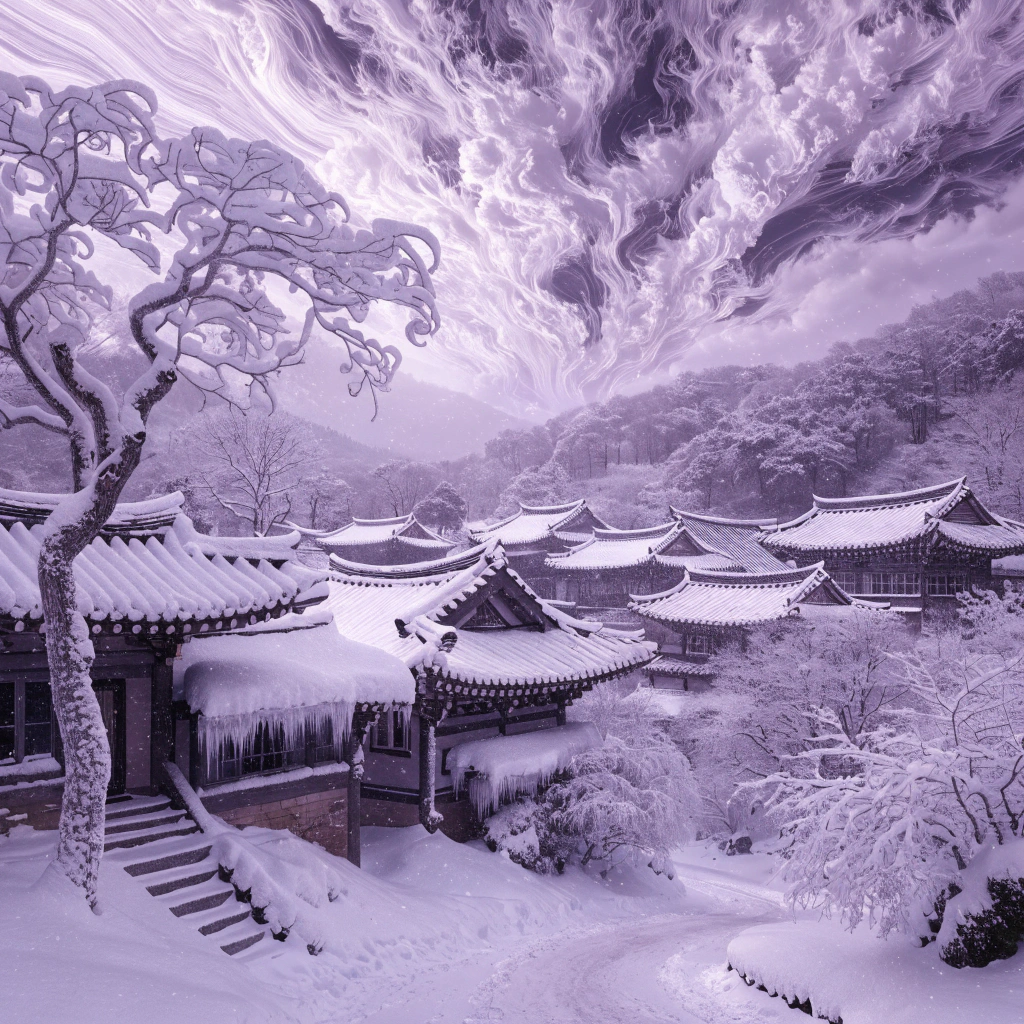
Bukchon Hanok Village
A historic residential area in Seoul home to hundreds of traditional Korean houses called hanok.
بیشتر بخوانید
Bulguksa Temple
A masterpiece of the golden age of Buddhist art in the Silla Kingdom and a UNESCO World Heritage site.
بیشتر بخوانیدآشپزی
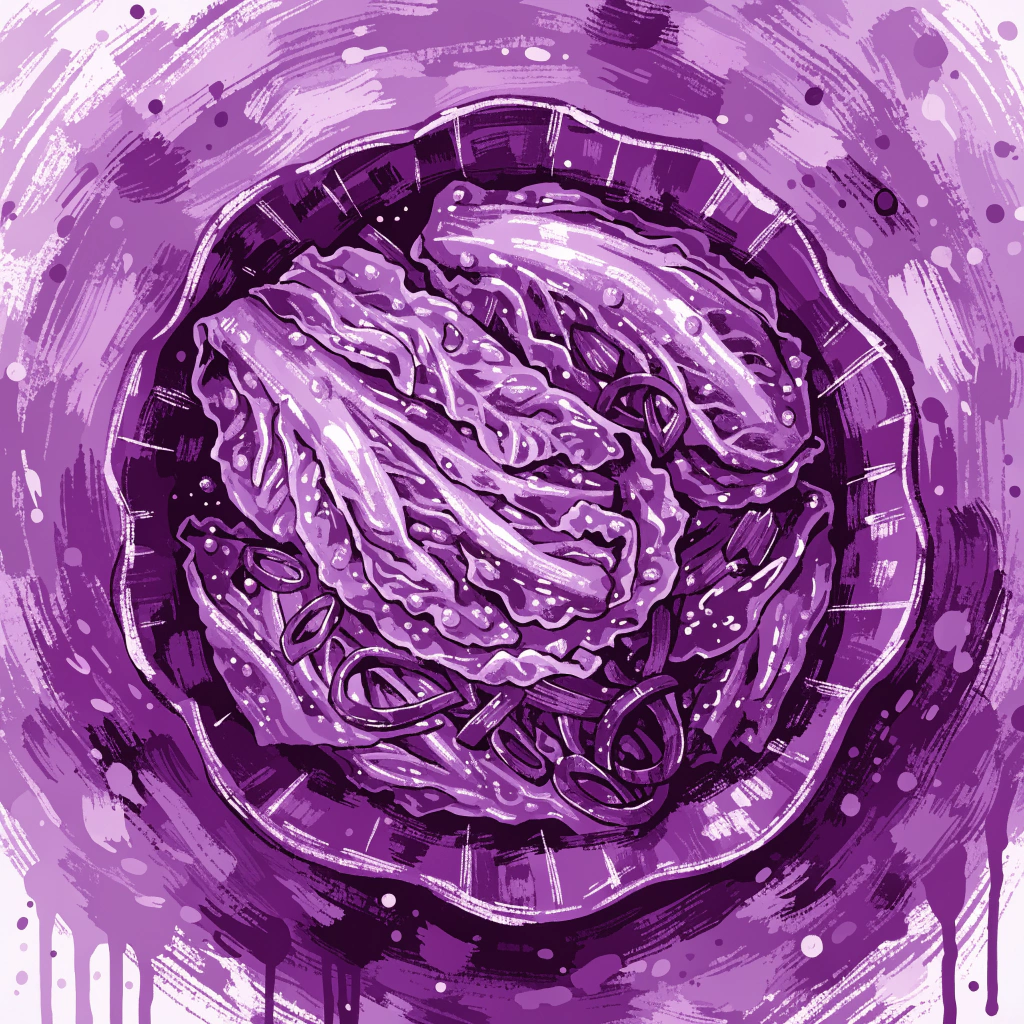
Kimchi
A staple fermented vegetable dish that serves as the cornerstone of every Korean meal and a symbol of national identity.
بیشتر بخوانید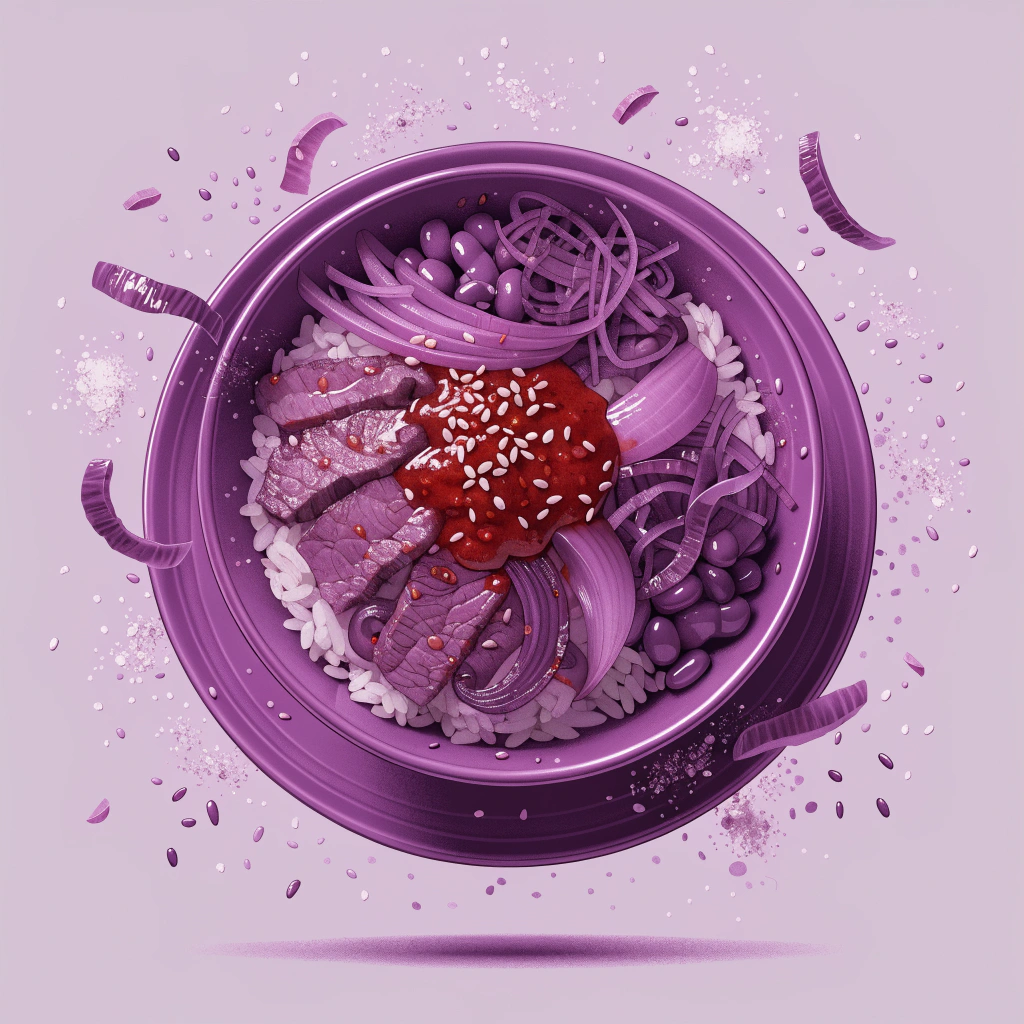
Bibimbap
A colorful and nutritionally balanced bowl of rice topped with various seasoned vegetables, meat, and a spicy chili paste.
بیشتر بخوانید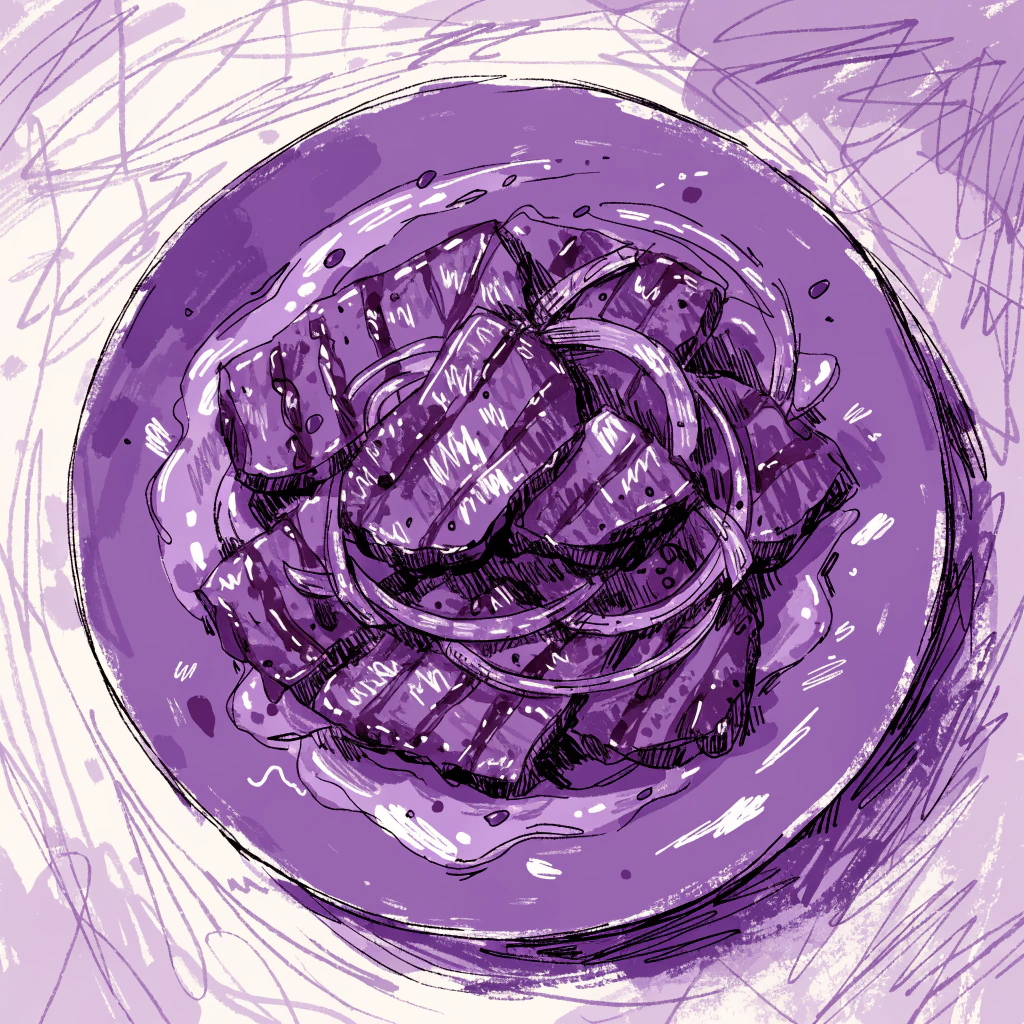
Bulgogi (بولگوگی)
یه غذای کلاسیک کرهای که با ورقههای نازک گوشت گاو مرینیت شده توی یه سس شیرین و نمکی درست میشه و بعدش به بهترین شکل گریل میشه.
بیشتر بخوانید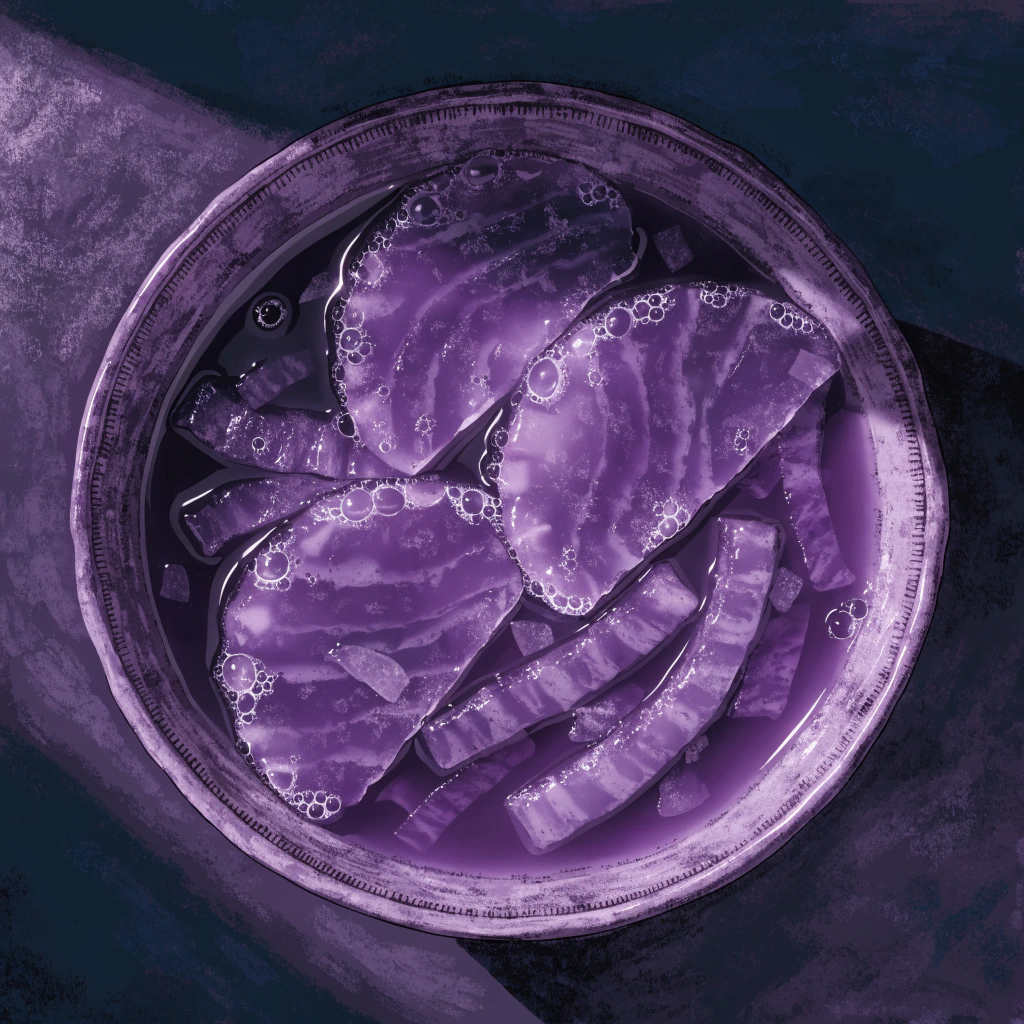
Tteokguk
A traditional rice cake soup eaten during the Lunar New Year to symbolize purity, prosperity, and the beginning of a new year.
بیشتر بخوانیدموسیقی و هنر
South Korea's music and arts are defined by a profound blend of courtly elegance and vibrant folk energy, reflecting a history that spans thousands of years. From the ritualistic solemnity of Jongmyo Jeryeak to the expressive narrative power of Pansori, these traditions utilize unique instruments like the gayageum and janggu to convey complex emotions. Many of these forms are recognized as UNESCO Intangible Cultural Heritage, emphasizing their enduring role in Korea's national identity.
هنرهای سنتی
رویدادها و جشنها
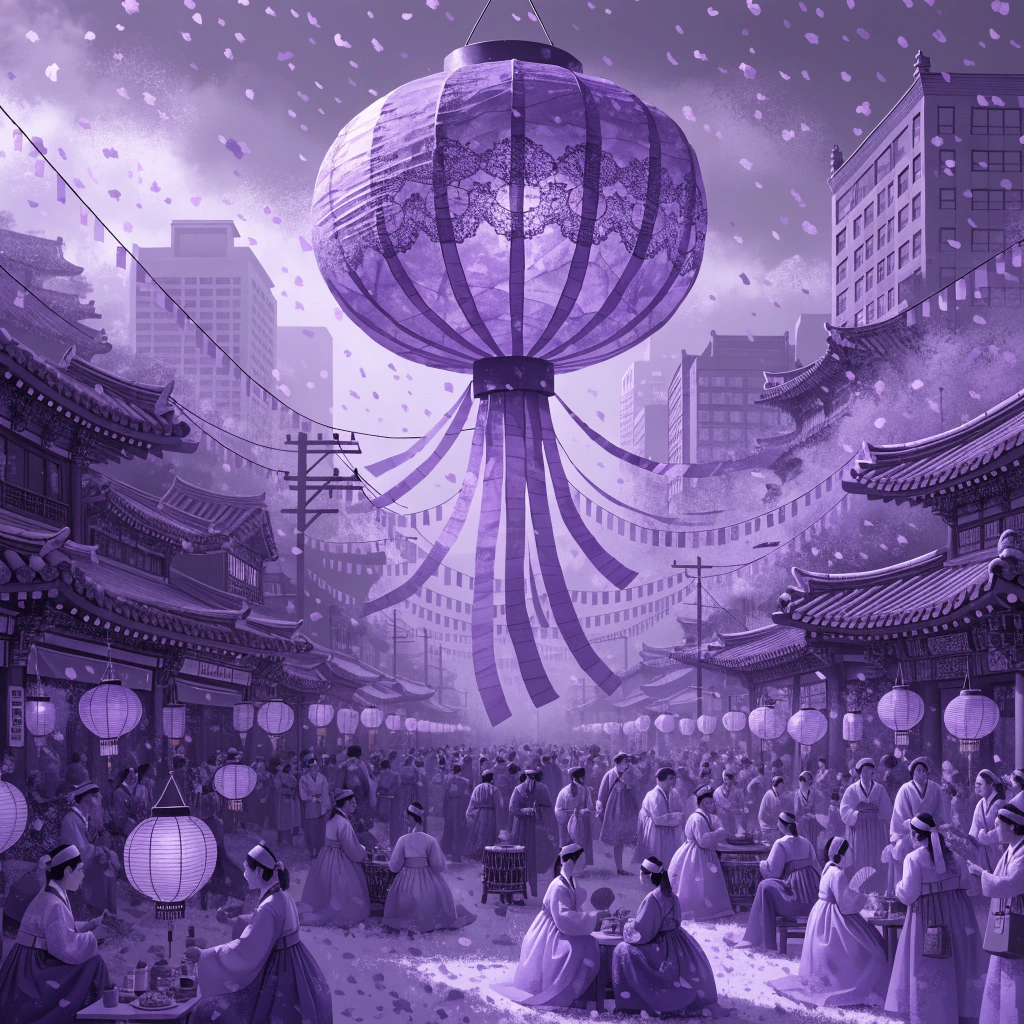
Seollal (Lunar New Year)
January or February (Lunar Calendar)The most significant traditional holiday in South Korea, marking the first day of the lunar calendar with family reunions and ancestral rites.
بیشتر بخوانید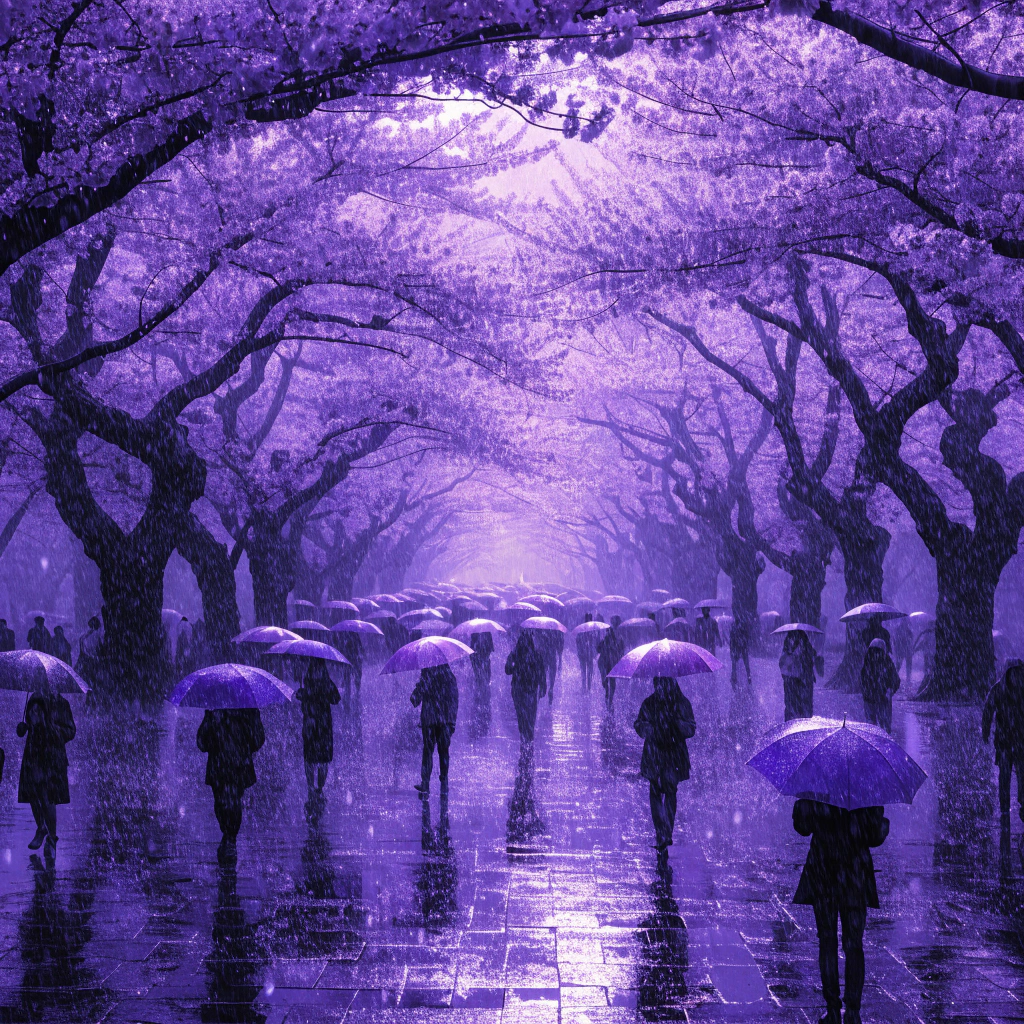
Jinhae Gunhangje Festival
Late March to early Aprilبزرگترین جشنواره شکوفههای گیلاس South Korea که شهر نظامی Jinhae رو به دریایی از گلبرگهای صورتی و سفید تبدیل میکنه.
بیشتر بخوانید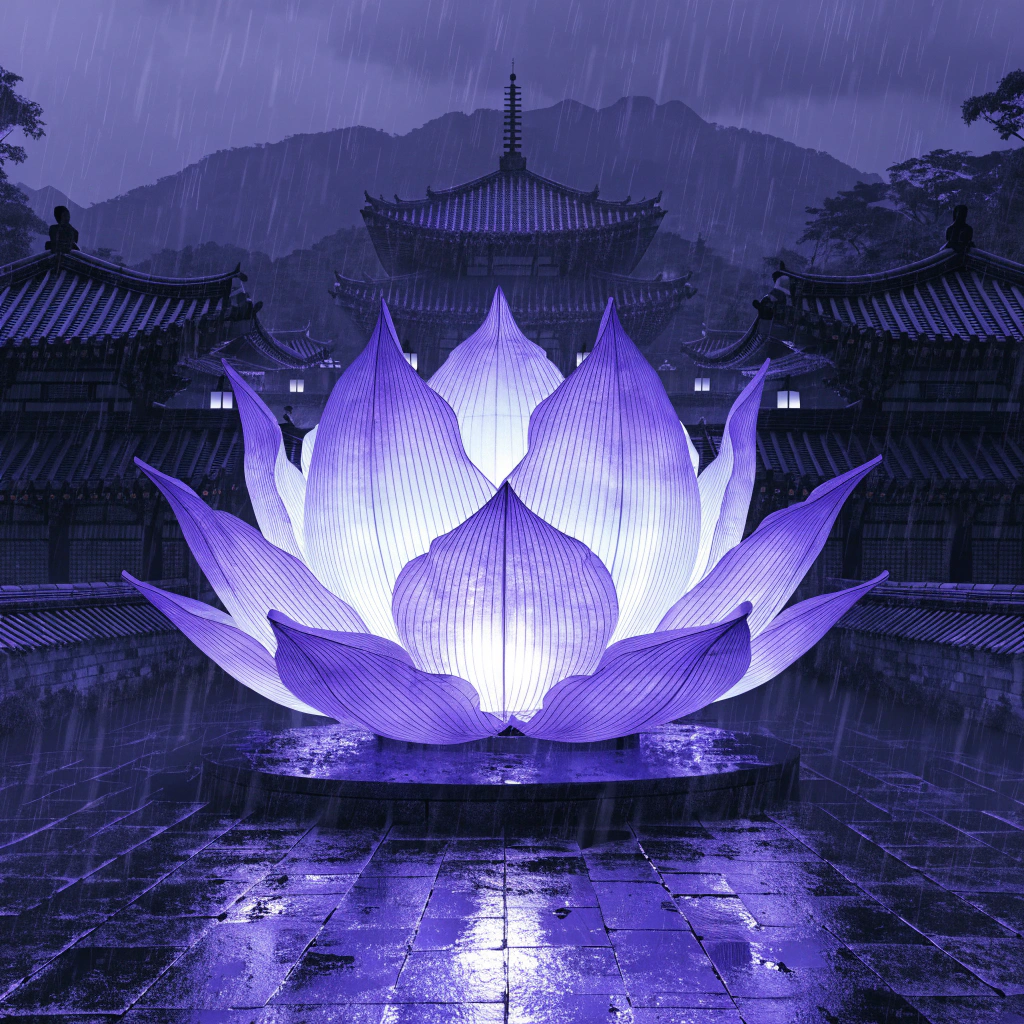
Buddha's Birthday (Seokga Tansinil)
May (8th day of the 4th lunar month)A radiant celebration of enlightenment featuring the UNESCO-listed Lotus Lantern Festival and elaborate temple decorations across the nation.
بیشتر بخوانید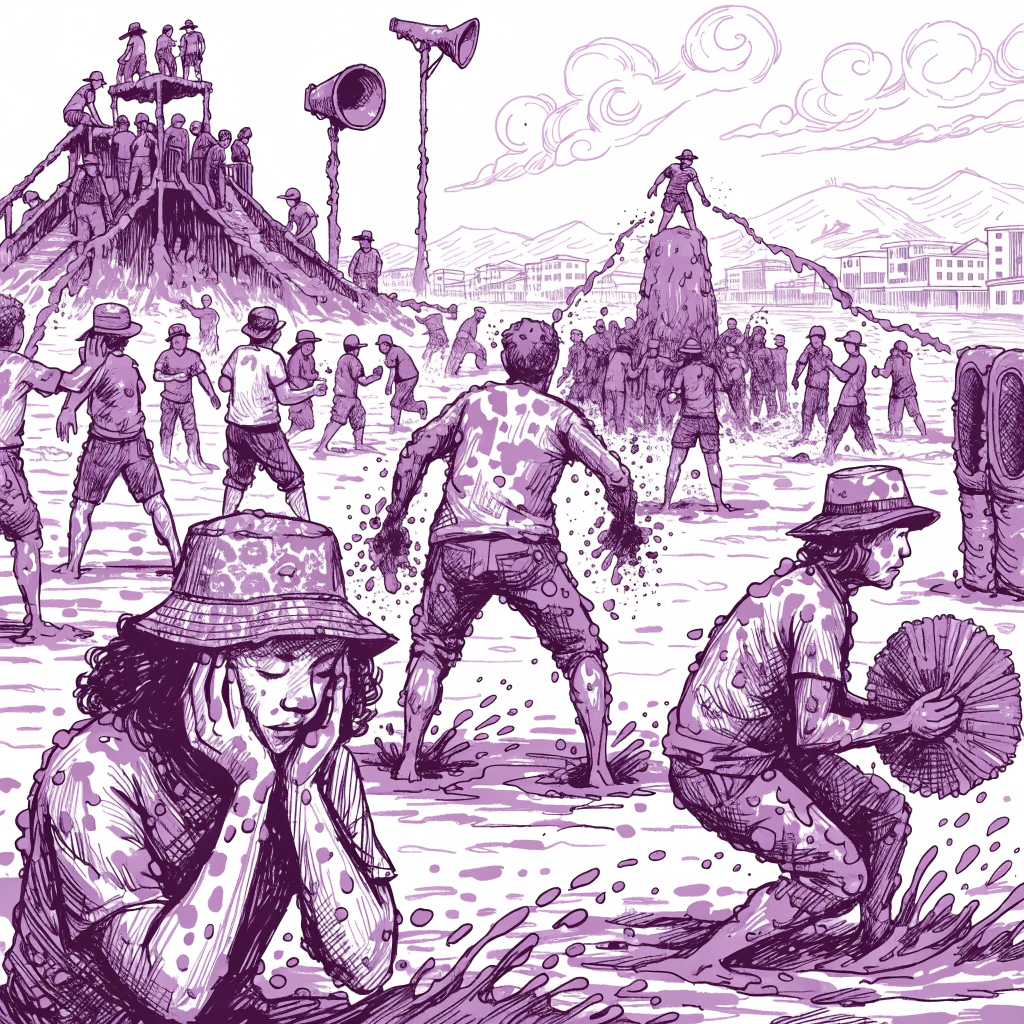
Boryeong Mud Festival
JulyAn internationally famous summer extravaganza at Daecheon Beach where participants enjoy therapeutic mud wrestling, slides, and music.
بیشتر بخوانید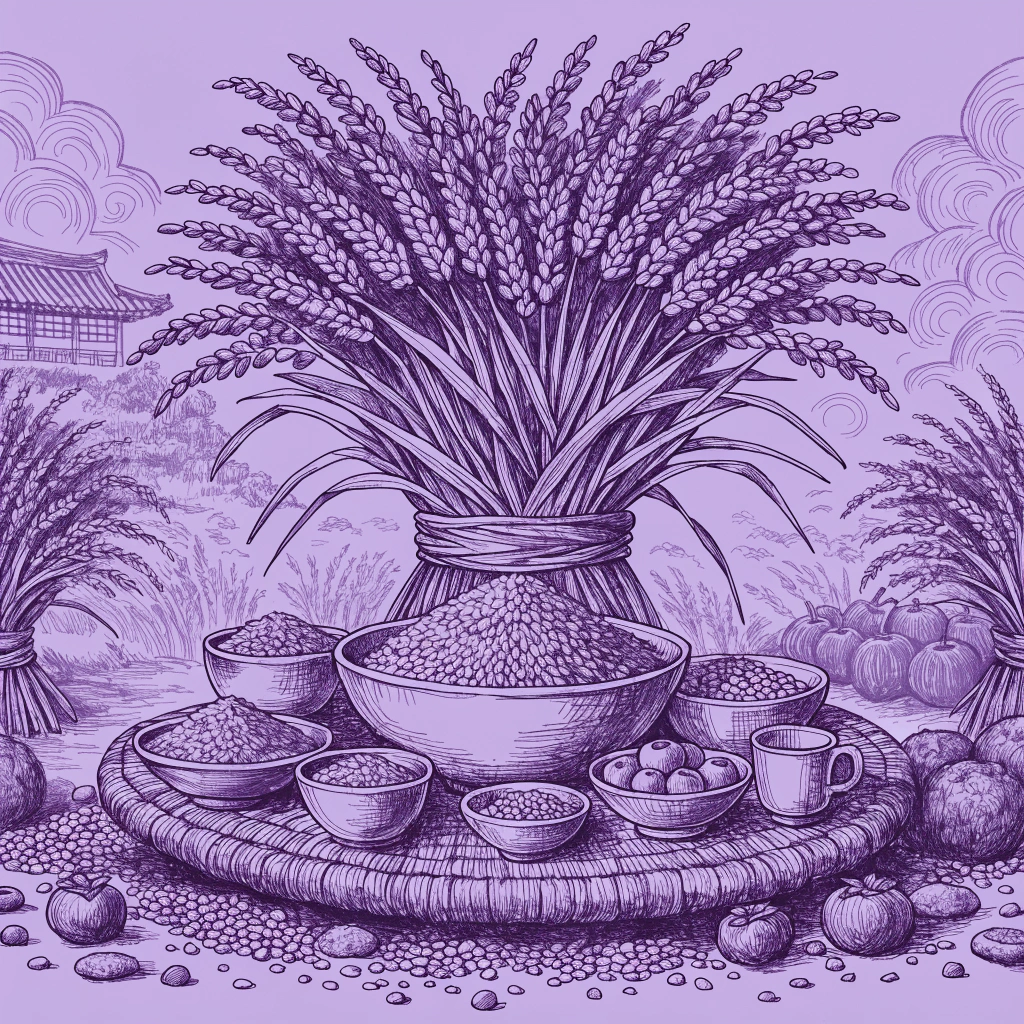
چوسوک (شکرگزاری کرهای)
سپتامبر یا اکتبر (روز پانزدهم ماه هشتم قمری)یک جشنواره بزرگ برداشت محصول و تعطیلات سه روزه که در اون خانوادهها دور هم جمع میشن تا شکرگزاری کنن، به اجدادشون احترام بذارن و یه ضیافت حسابی با هم داشته باشن.
بیشتر بخوانیدعبارات سفر
안녕하세요
Annyeong-haseyo
Hello / Good day
감사합니다
Gamsahamnida
Thank you
잘 지내셨어요?
Jal jinaesyeosseoyo?
How are you?
주세요
Juseyo
Please (give me)
실례합니다
Sillyehamnida
Excuse me
죄송합니다
Joesonghamnida
I am sorry
سبک زندگی و آداب و رسوم
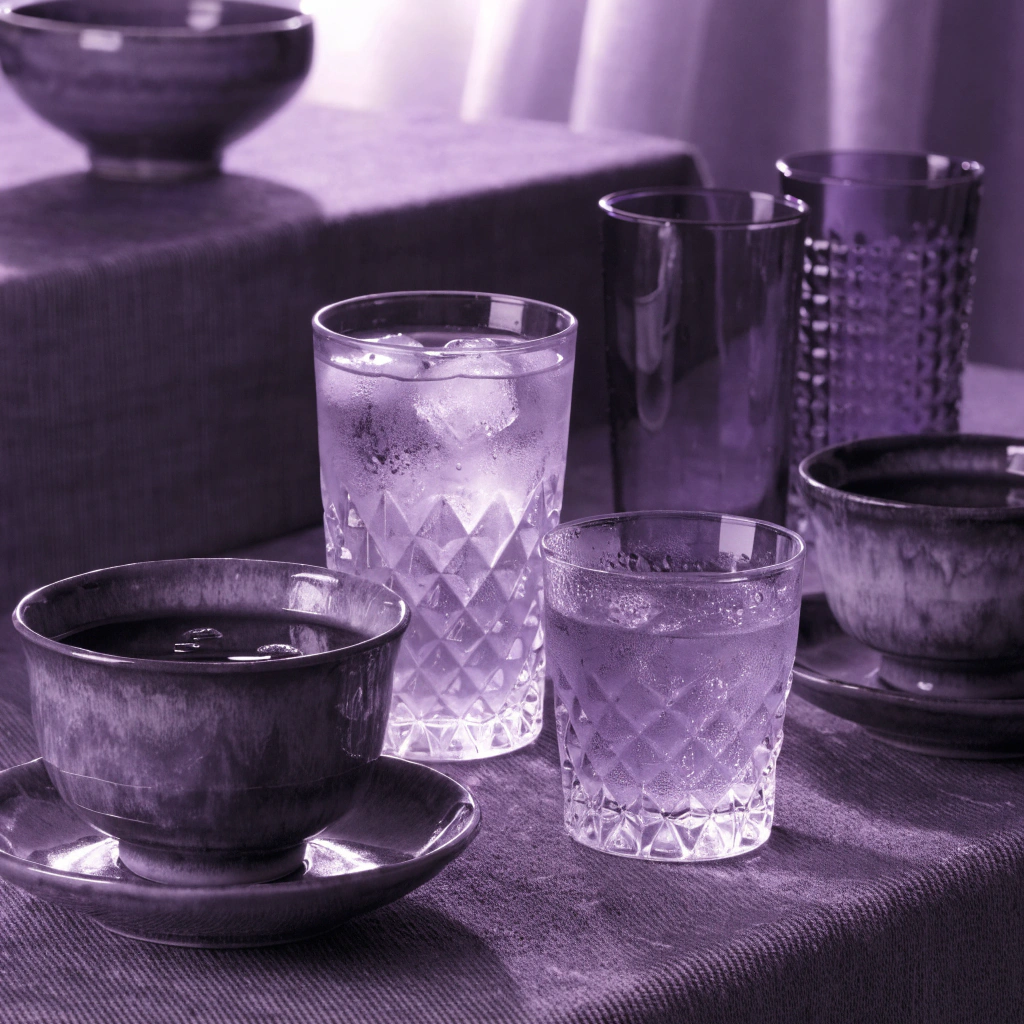
آداب غذا خوردن و فرهنگ نوشیدنیها
فرهنگ غذا خوردن و نوشیدن در South Korea یه سیستم خیلی پیشرفتهست که ریشه در ارزشهای کنفوسیوسی داره و روی سلسلهمراتب اجتماعی، احترام به بزرگترها و هماهنگی گروهی تأکید میکنه.
بیشتر بخوانید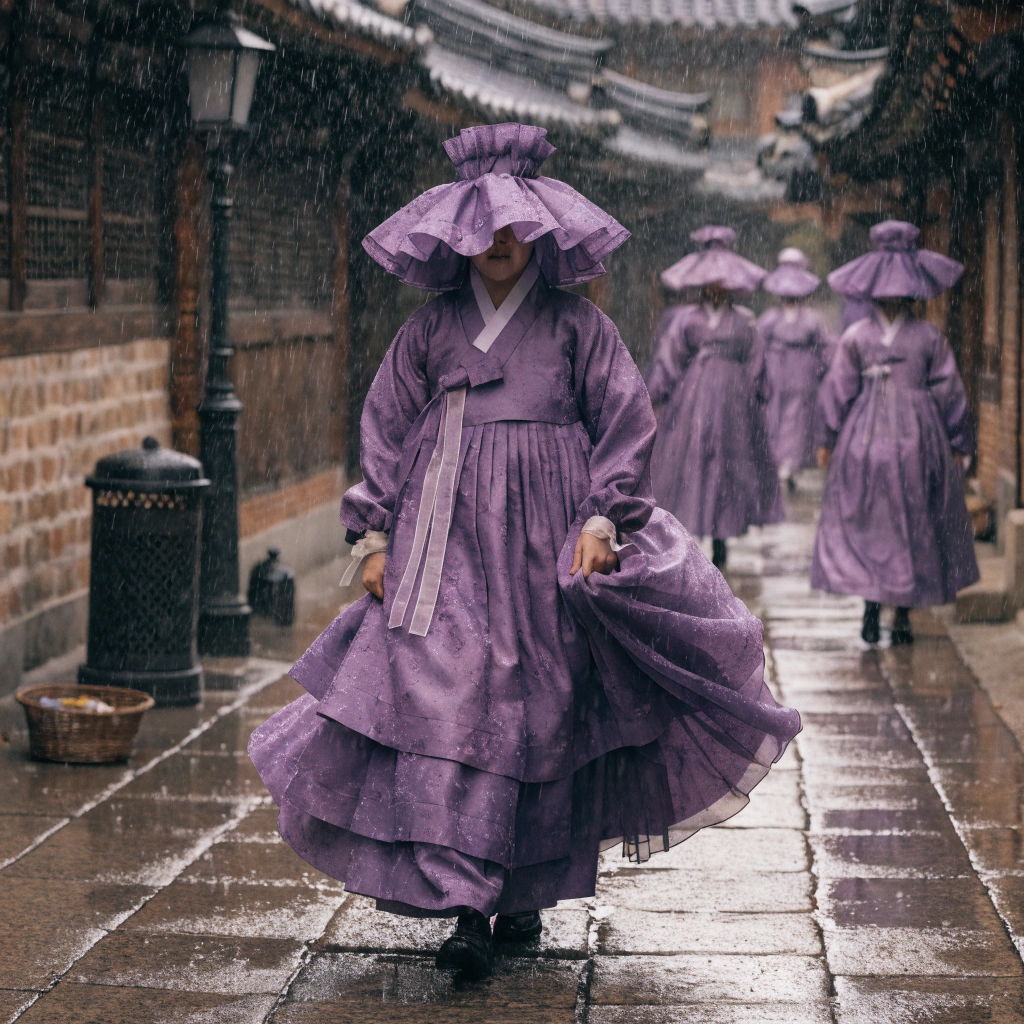
Hanbok: هنر لباس سنتی Korea
Hanbok لباس سنتی و نمادین Korea هست که به خاطر رنگهای شاد، فرمهای ظریف و پیوند عمیق نمادینش با تاریخ و فلسفه این کشور شناخته میشه.
بیشتر بخوانید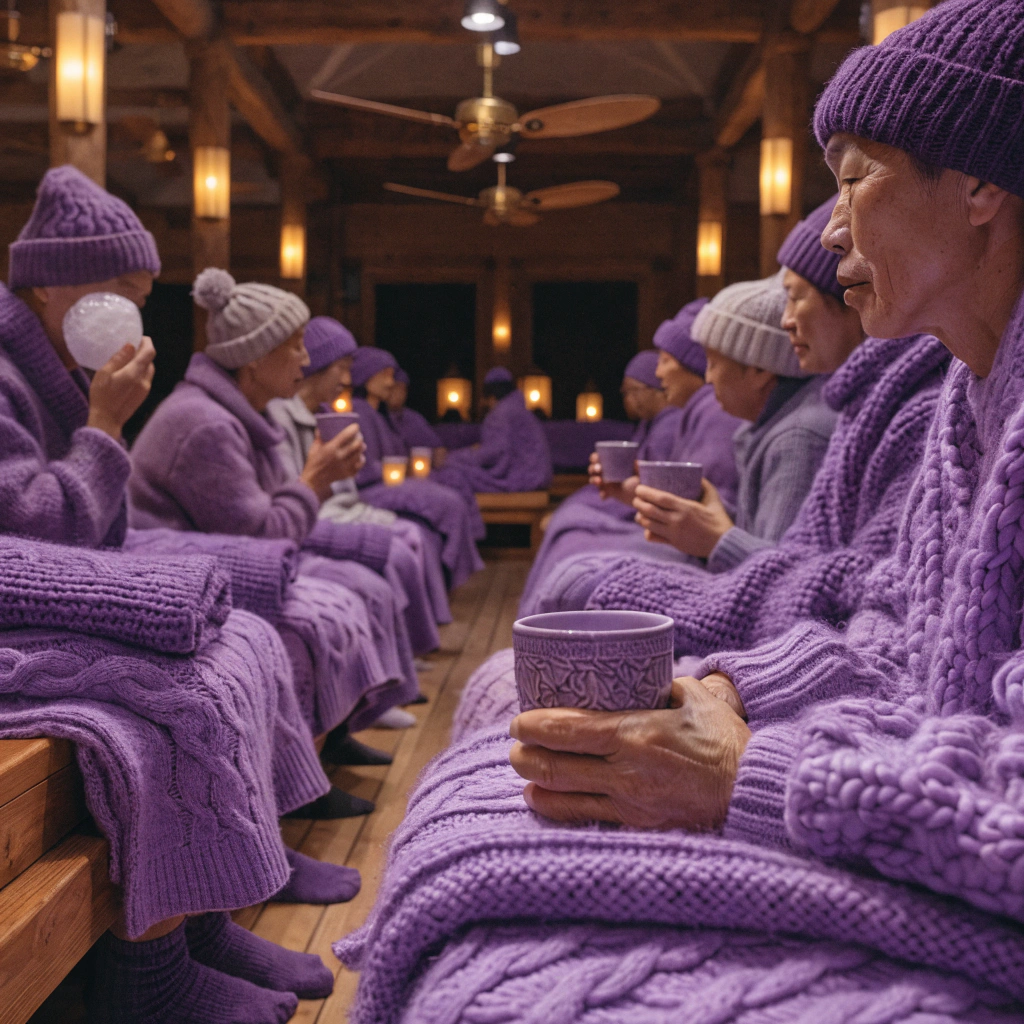
Jjimjilbang: The Communal Heart of Korean Relaxation
A jjimjilbang is a unique Korean public bathhouse and sauna complex that serves as a communal space for relaxation, socialization, and holistic wellness.
بیشتر بخوانیدنکات آداب معاشرت
Use both hands when giving or receiving items like money, business cards, or gifts to show respect.
Give or receive items with only one hand, especially when interacting with elders or superiors.
Remove your shoes before entering a private home, temple, or traditional 'sit-down' restaurant.
Wear your shoes inside onto the wooden floors or mats, as it is considered very disrespectful.
Wait for the eldest person at the table to pick up their utensils or start eating before you begin.
Start eating your meal or drinking before the elders at the table have started.
Offer a slight bow when greeting someone or saying thank you to demonstrate politeness.
Make intense, prolonged eye contact during a bow, as it can be perceived as confrontational.
کشورهای بیشتر در Eastern Asia را کاوش کنید


کرهای بیاموزید تا با کره جنوبی ارتباط برقرار کنید
یادگیری کرهای را با ویدیو، تمرین و ابزارهای هوش مصنوعی در SubLearn شروع کنید.
شروع یادگیری
