
대한민국
Corée du Sud
À propos de Corée du Sud
Occupying the southern half of the Korean Peninsula, South Korea is a mountainous nation celebrated for its seamless fusion of ancient dynastic history and cutting-edge urban innovation. Since the mid-20th century, it has transformed into a global economic powerhouse and a dominant cultural exporter through the 'Korean Wave' of music and cinema. Its national identity is rooted in a deep respect for tradition and community, set against a backdrop of ultra-modern skyscrapers and serene Buddhist temples.
En bref
Capitale
Seoul
Population
51,269,185
Région
Asia · Eastern Asia
Devise
South Korean Won (KRW)
Langues parlées

Coréen
한국어
Le savais-tu ?
South Korea boasts some of the fastest average internet speeds in the world and was the first country to launch a commercial nationwide 5G network.
The country is home to over 200 distinct types of kimchi, a fermented vegetable dish so essential that a special version was developed for South Korea's first astronaut to take into space.
On Jeju Island, a community of elderly female divers known as 'Haenyeo' harvest seafood by hand without oxygen tanks, a tradition recognized as UNESCO Intangible Cultural Heritage.
South Korea's 'Pali-pali' (hurry-hurry) culture drives incredible efficiency, exemplified by delivery services that can bring hot meals to almost any location, including public parks and riverbanks.
Monuments célèbres

Gyeongbokgung Palace
C'est le plus grandiose des cinq grands palais de Séoul, et il servait de résidence royale principale à la dynastie Joseon.
Lire la suite
Seongsan Ilchulbong
A majestic tuff cone crater formed by hydrovolcanic eruptions on the eastern tip of Jeju Island.
Lire la suite
Bukchon Hanok Village
A historic residential area in Seoul home to hundreds of traditional Korean houses called hanok.
Lire la suite
Bulguksa Temple
Un chef-d'œuvre de l'âge d'or de l'art bouddhique dans le royaume de Silla et un site classé au patrimoine mondial de l'UNESCO.
Lire la suiteCuisine
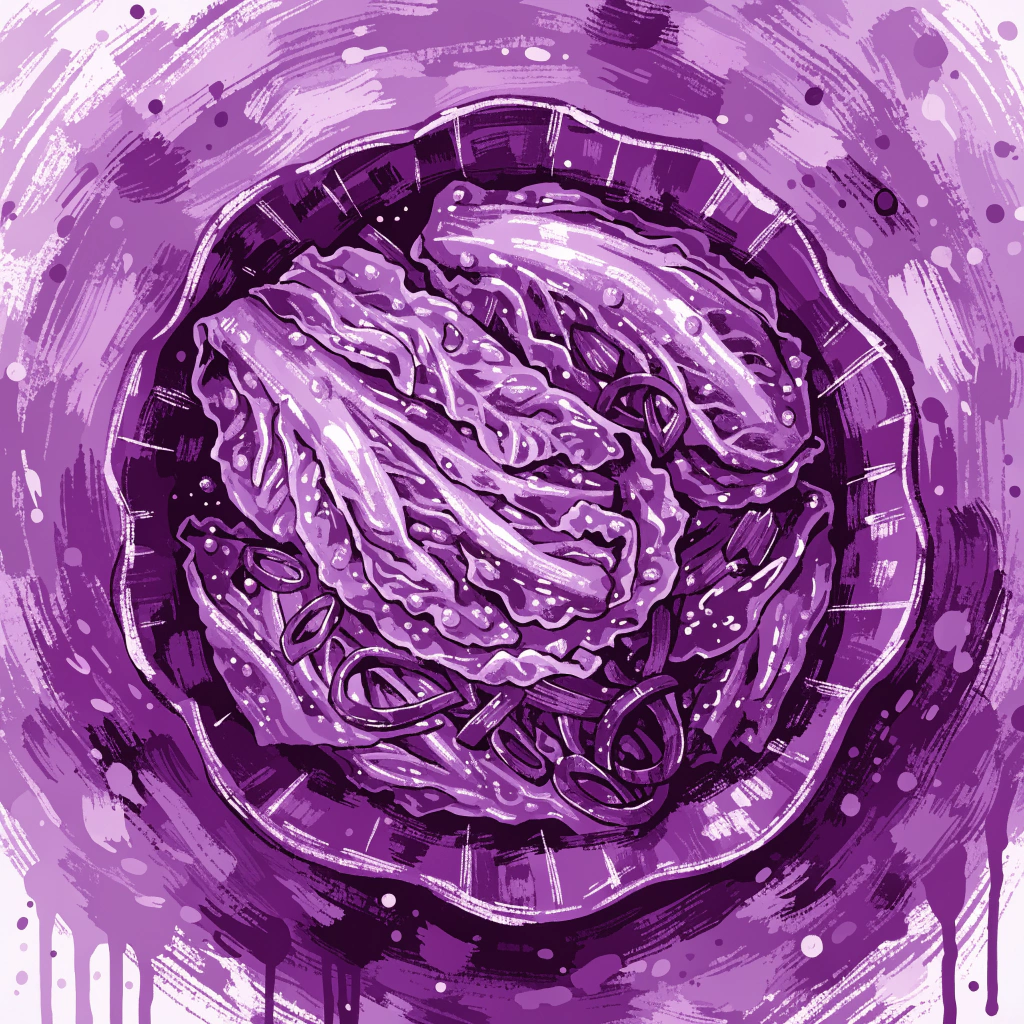
Kimchi
Un plat de légumes fermentés incontournable qui sert de base à chaque repas coréen et qui est un vrai symbole de l'identité nationale.
Lire la suite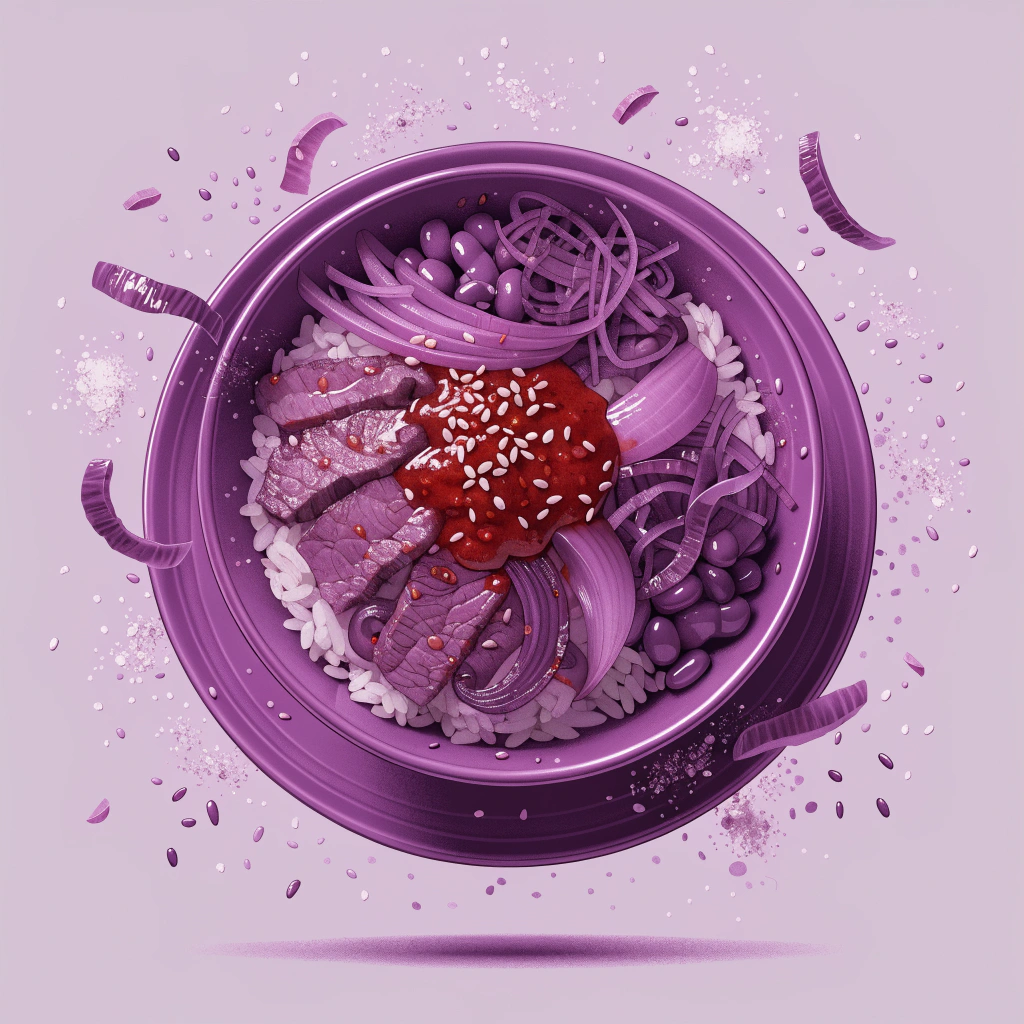
Bibimbap
Un bol de riz coloré et super équilibré, garni de plein de légumes assaisonnés, de viande et d'une pâte de piment épicée.
Lire la suite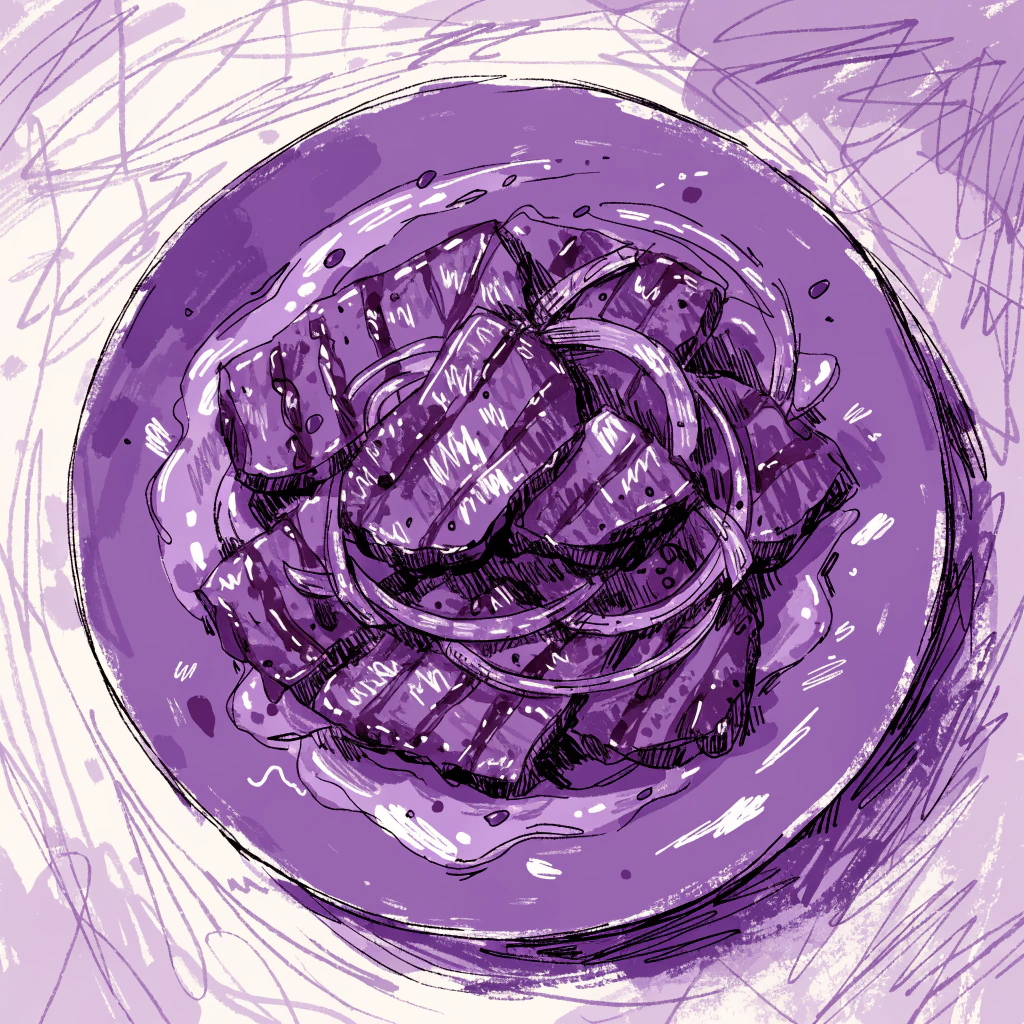
Bulgogi
A classic Korean dish featuring thinly sliced beef marinated in a sweet and savory sauce, then grilled to perfection.
Lire la suite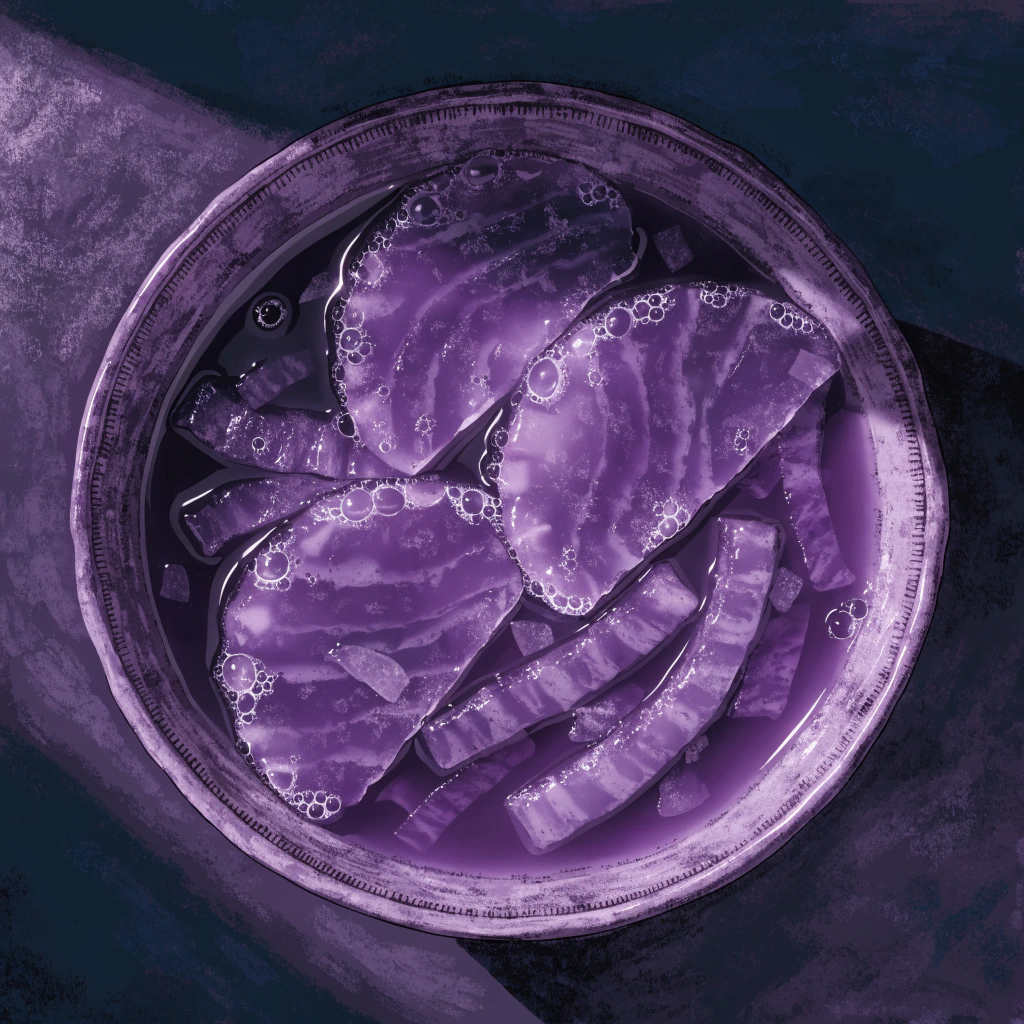
Tteokguk
A traditional rice cake soup eaten during the Lunar New Year to symbolize purity, prosperity, and the beginning of a new year.
Lire la suiteMusique et arts
South Korea's music and arts are defined by a profound blend of courtly elegance and vibrant folk energy, reflecting a history that spans thousands of years. From the ritualistic solemnity of Jongmyo Jeryeak to the expressive narrative power of Pansori, these traditions utilize unique instruments like the gayageum and janggu to convey complex emotions. Many of these forms are recognized as UNESCO Intangible Cultural Heritage, emphasizing their enduring role in Korea's national identity.
Arts traditionnels
Événements et festivals
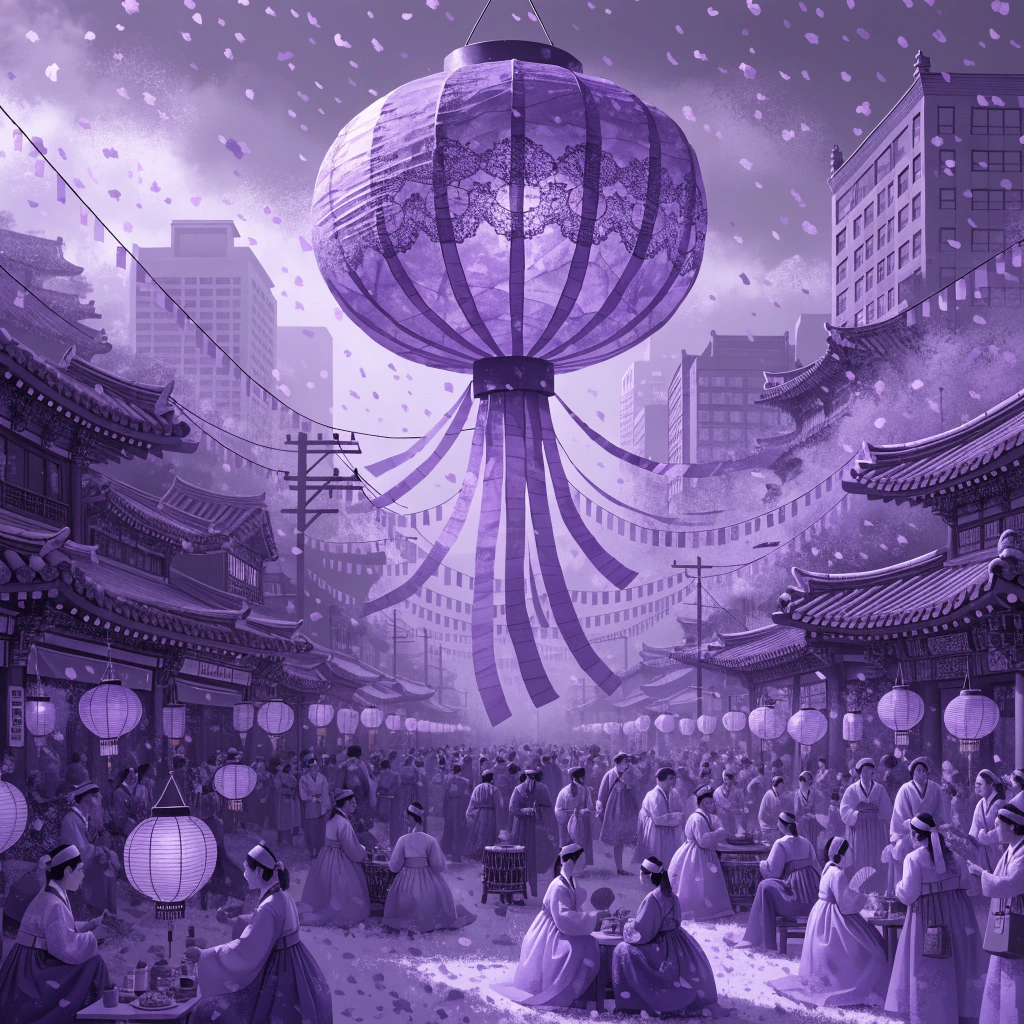
Seollal (Nouvel An lunaire)
Janvier ou février (calendrier lunaire)C'est la fête traditionnelle la plus importante de Corée du Sud, marquant le premier jour du calendrier lunaire avec des réunions de famille et des rites ancestraux.
Lire la suite
Jinhae Gunhangje Festival
Late March to early AprilSouth Korea’s largest cherry blossom festival, transforming the naval city of Jinhae into a sea of pink and white petals.
Lire la suite
Buddha's Birthday (Seokga Tansinil)
May (8th day of the 4th lunar month)A radiant celebration of enlightenment featuring the UNESCO-listed Lotus Lantern Festival and elaborate temple decorations across the nation.
Lire la suite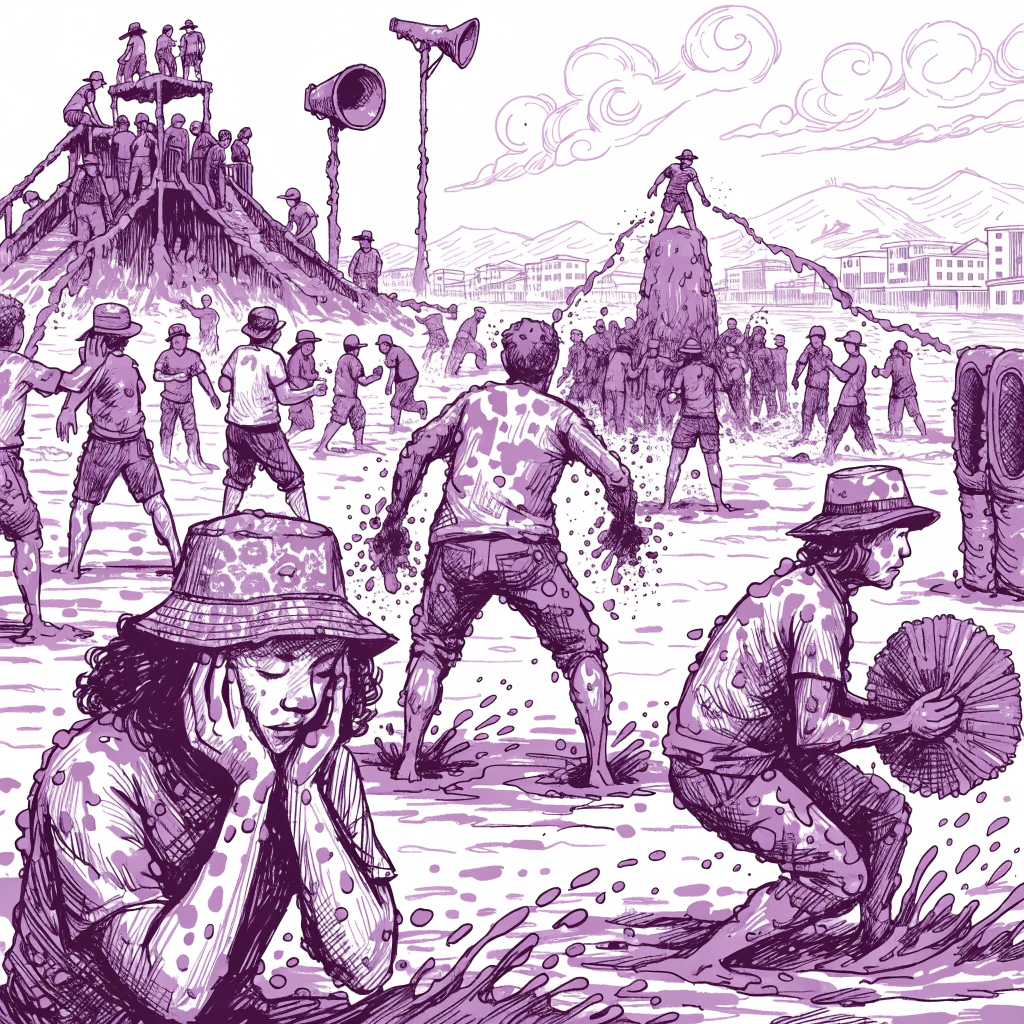
Festival de la Boue de Boryeong
JuilletUn grand événement estival internationalement célèbre sur la plage de Daecheon où les participants profitent de lutte dans la boue thérapeutique, de toboggans et de musique.
Lire la suite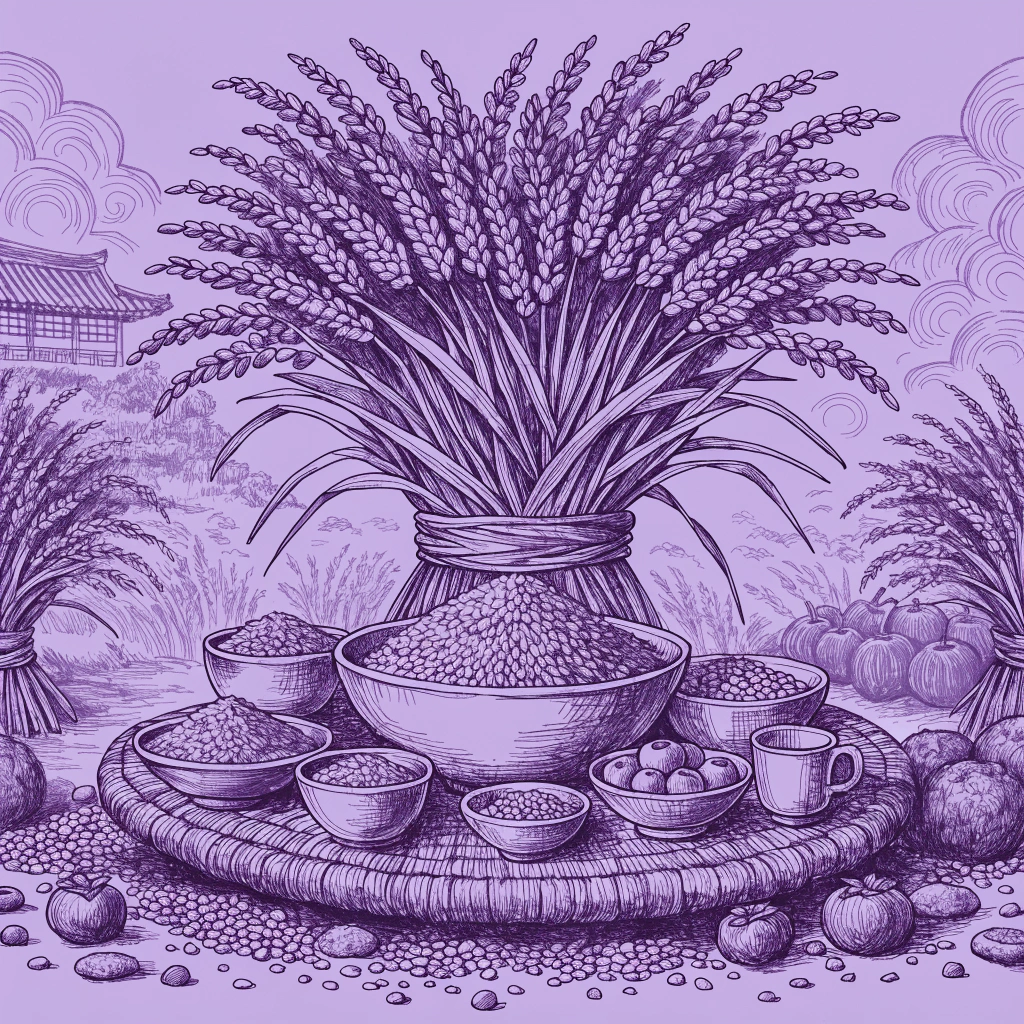
Chuseok (Korean Thanksgiving)
September or October (15th day of the 8th lunar month)A major harvest festival and three-day holiday where families gather to express gratitude, honor ancestors, and share a bountiful feast.
Lire la suitePhrases de voyage
안녕하세요
Annyeong-haseyo
Hello / Good day
감사합니다
Gamsahamnida
Thank you
잘 지내셨어요?
Jal jinaesyeosseoyo?
How are you?
주세요
Juseyo
Please (give me)
실례합니다
Sillyehamnida
Excuse me
죄송합니다
Joesonghamnida
I am sorry
Mode de vie et coutumes
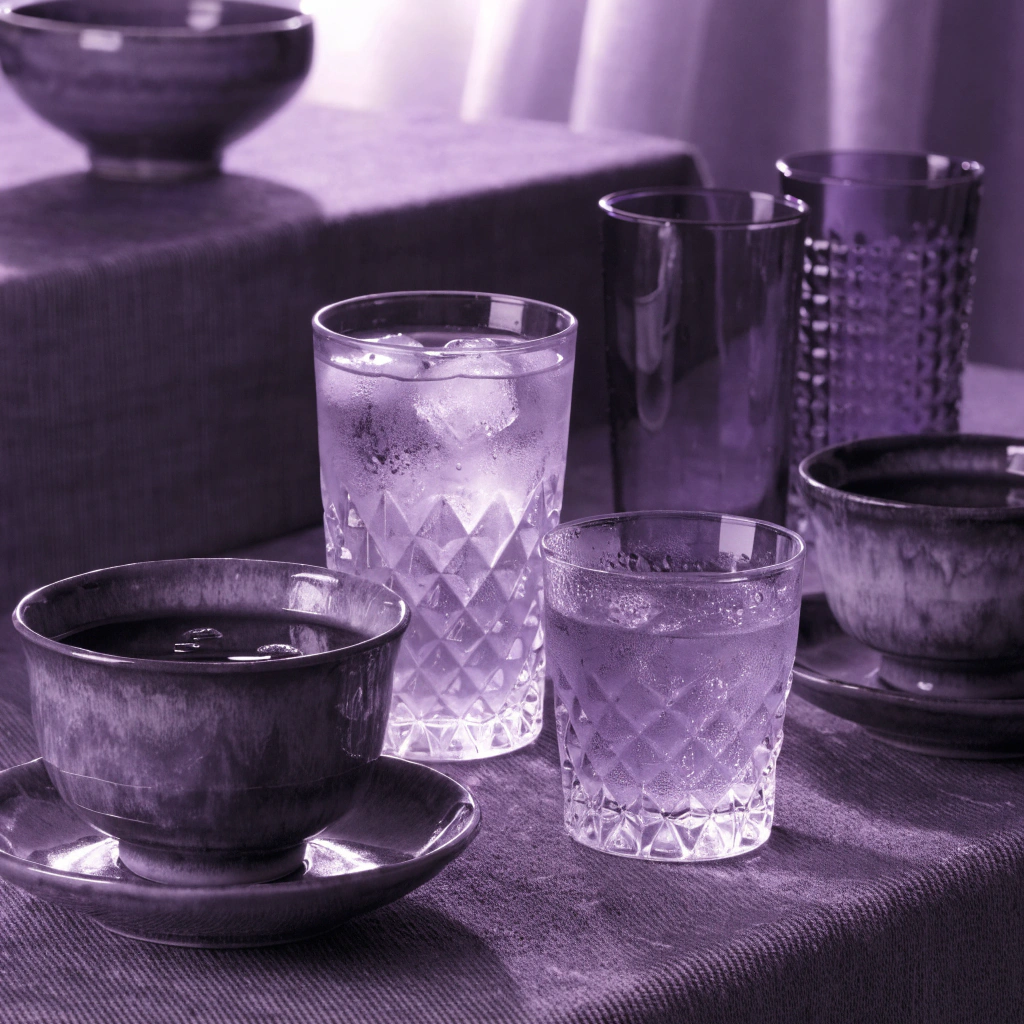
Dining Etiquette and Drinking Culture
South Korean dining and drinking culture is a sophisticated system rooted in Confucian values, emphasizing social hierarchy, respect for elders, and communal harmony.
Lire la suite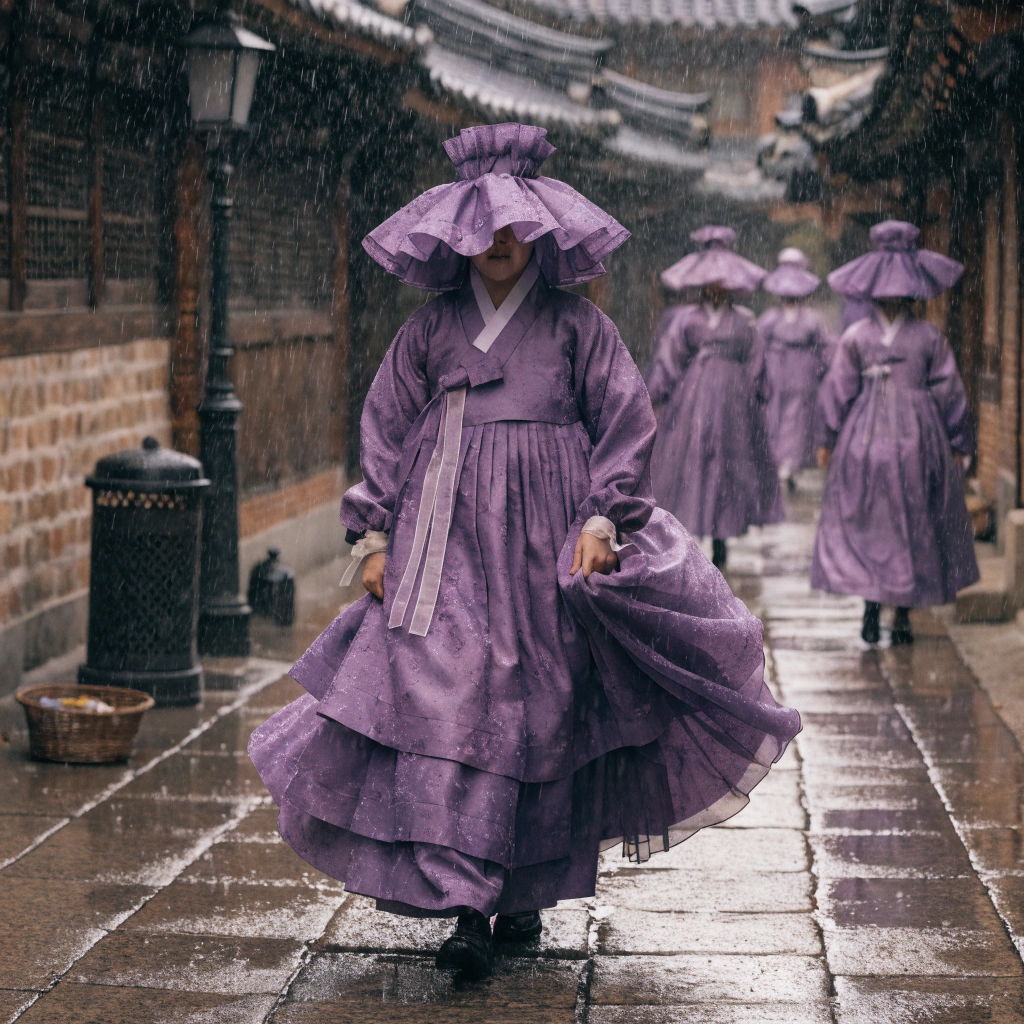
Hanbok: The Art of Traditional Korean Dress
Hanbok is the iconic traditional attire of Korea, celebrated for its vibrant colors, graceful silhouettes, and deep symbolic connection to the country’s history and philosophy.
Lire la suite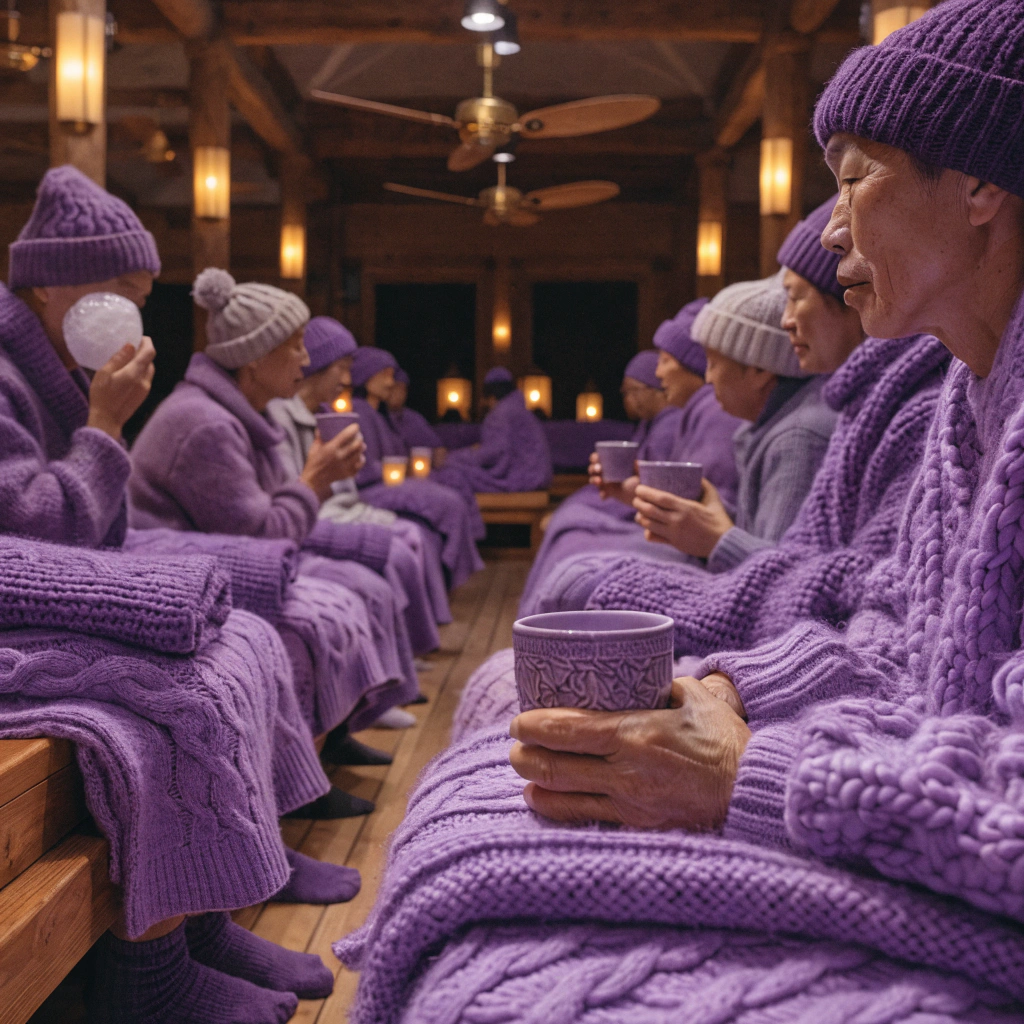
Jjimjilbang : Le cœur communal de la détente coréenne
Un jjimjilbang est un complexe unique de bains publics et de saunas coréens qui sert d'espace commun pour la détente, la socialisation et le bien-être holistique.
Lire la suiteConseils d'étiquette
Use both hands when giving or receiving items like money, business cards, or gifts to show respect.
Give or receive items with only one hand, especially when interacting with elders or superiors.
Remove your shoes before entering a private home, temple, or traditional 'sit-down' restaurant.
Wear your shoes inside onto the wooden floors or mats, as it is considered very disrespectful.
Wait for the eldest person at the table to pick up their utensils or start eating before you begin.
Start eating your meal or drinking before the elders at the table have started.
Offer a slight bow when greeting someone or saying thank you to demonstrate politeness.
Make intense, prolonged eye contact during a bow, as it can be perceived as confrontational.
Explorer plus de pays en Eastern Asia




Apprends Coréen pour te connecter à Corée du Sud
Commence à apprendre Coréen avec des vidéos, des exercices et des outils IA sur SubLearn.
Commencer apprendre
